This Farming Life 2025 Episode 6: Lambs, Crops and Chicken Pox – Nature’s Unpredictable Challenge
Spring has arrived on Britain’s farms, but as any experienced farmer knows, Mother Nature rarely follows a predictable schedule. The sixth episode of This Farming Life 2025 captures the raw reality of agricultural life during one of the most demanding seasons of the year.
In the northern reaches of Scotland, Sally’s Caithness croft faces the full brunt of unseasonal weather patterns. Lambing season typically brings a mixture of joy and challenge, but this year the scales have tipped heavily toward hardship. The bitter winds sweeping across the exposed highland landscape have created treacherous conditions for newborn lambs.
“Weather like this can turn a routine lambing into a desperate battle for survival,” Sally explains as she trudges through the muddy field to check on her flock. The camera captures her exhaustion after losing three lambs in a single devastating day. The loss weighs heavily on her weathered features, a testament to the emotional investment that comes with livestock farming.
Furthermore, the complications continue when one of her ewes experiences a difficult birth. The situation quickly escalates from concerning to critical, necessitating an emergency call to the local veterinarian. As the vet works to save both mother and offspring, Sally’s worry is palpable. The successful delivery brings momentary relief, though the ewe remains in a precarious state requiring round-the-clock monitoring.
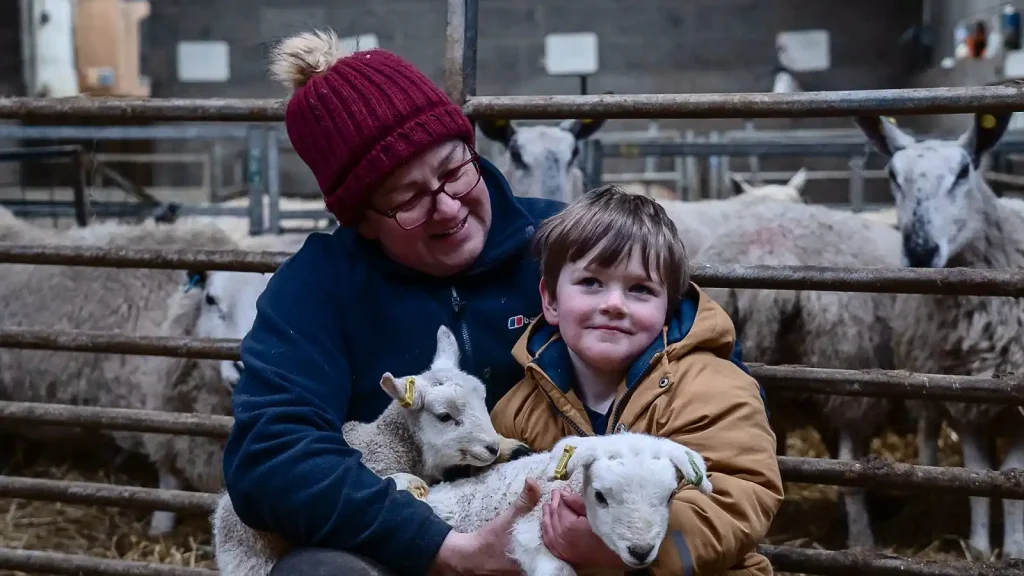
Meanwhile, life’s challenges extend beyond the fields and into Sally’s home. Her young son William has contracted chicken pox, adding another layer of complexity to an already demanding time. The delicate balance between caring for a sick child and tending to the urgent needs of the farm highlights the unique challenges faced by farming families.
“You can’t press pause on lambing season when your child falls ill,” Sally remarks while preparing a soothing oatmeal bath for William between farm checks. “The animals need you just as much as your family does, so you simply have to find a way to stretch yourself further.”
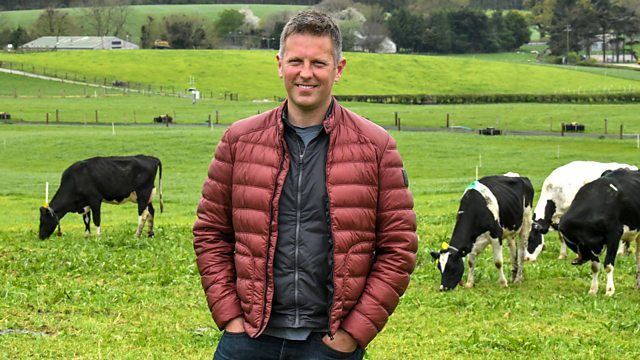
The narrative then shifts to Nick’s farm, where he faces his own set of challenges. Fresh from helping with his father’s lambing, Nick now turns his attention to his own flock of “easy-care” sheep. Despite their name suggesting a straightforward lambing process, reality proves quite different this season.
The breed, specifically developed to require minimal human intervention during lambing, typically gives birth in the fields without assistance. However, the unseasonably harsh weather has forced Nick to abandon this natural approach. The vulnerable newborns, at serious risk of hypothermia in the driving rain and biting wind, must be brought inside for protection.
“This goes against everything the easy-care breeding program stands for,” Nick explains as he carries yet another trembling lamb into the hastily prepared indoor pen. “These sheep are meant to lamb independently outdoors, but I can’t stand by and watch them suffer in these conditions.”
The irony of the situation isn’t lost on Nick. His investment in a low-maintenance breed has paradoxically resulted in more hands-on work this season than his father’s traditional flock required. As he bottle-feeds rejected lambs and monitors those struggling to thrive, the camera captures both his frustration and determination.
The scene transitions southward to Fife, where Jo and Andy face a different type of agricultural challenge. The couple stands at the edge of their wheat field, expressions grim as they survey the damaged crop. After careful assessment, they’ve made the difficult decision to dig up 100 acres of failed wheat—a significant financial setback for their operation.
“Sometimes you have to know when to cut your losses,” Andy explains, leaning against his tractor while gazing across the field. “This wheat never stood a chance after the flooding earlier in the year.”
Rather than dwelling on the failure, however, the resilient farming couple immediately pivots to a new strategy. The plowed field will be resown with oats, a crop better suited to the current soil conditions. This quick adaptation demonstrates the flexibility required to succeed in modern farming.
“Farming has always been about adapting to whatever nature throws at you,” Jo reflects while preparing the seed drill. “Our grandparents did it, our parents did it, and now we’re doing the same—just with different challenges and different tools.”
Despite the setbacks, the episode takes an uplifting turn as Jo and Andy shift focus to the beginning of showing season. The family carefully selects their finest North Cheviot tups, ewes, and lambs for competition at their local agricultural show. This tradition, passed down through generations, represents a moment of pride amid the daily challenges of farm life.
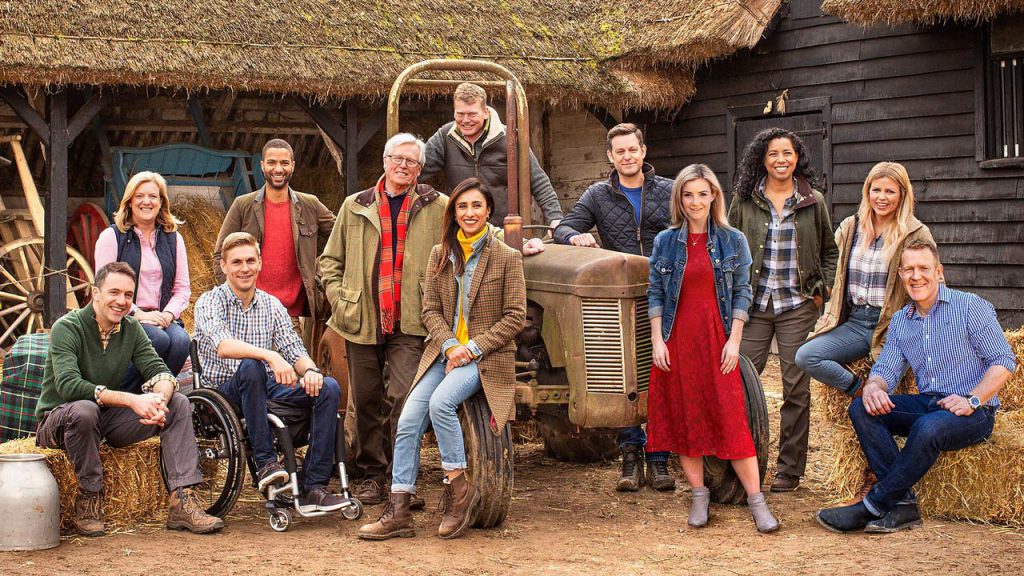
This Farming Life 2025 Episode 6
The entire family becomes involved in the preparation process. Children wash and groom the sheep while Andy examines each animal with a critical eye, looking for the perfect specimens to represent their farm. Jo organizes the transportation logistics and prepares the showing equipment with meticulous attention to detail.
“The showing season connects us to the wider farming community,” Jo explains as she brushes a particularly handsome ram. “After months of working in relative isolation, it’s our chance to celebrate our successes together and learn from each other’s experiences.”
As the episode concludes, viewers are left with a profound appreciation for the resilience required in agricultural life. Through lambing difficulties, sick children, crop failures, and show preparations, these farming families demonstrate remarkable adaptability and perseverance.
This Farming Life 2025 continues to capture the authentic rhythms of rural existence, where triumph and heartbreak often arrive in the same day. Despite the challenges—or perhaps because of them—the featured farmers maintain an unwavering commitment to their land, their animals, and their way of life.
Conclusion This Farming Life 2025 Episode 6
Embracing the Rhythm of Rural Life: Where Resilience Meets Tradition
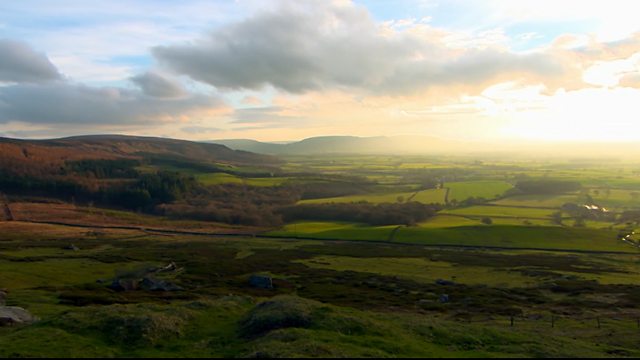
The rolling hills and expansive farmlands of Britain tell a story far deeper than mere agricultural production. They represent a way of life that pulses with generational wisdom, unwavering commitment, and remarkable adaptability. Through the lens of “This Farming Life 2025,” we witness not just farming practices but the very heartbeat of rural communities facing nature’s unpredictable challenges.
What emerges most clearly from these farming families’ experiences is the delicate dance between tradition and innovation. For Sally in Caithness, the ancient practice of shepherding meets modern veterinary intervention. Meanwhile, Nick’s experiment with “easy-care” sheep reveals that sometimes, traditional approaches prove more reliable than newer breeding programs, especially when nature throws a curveball.
Furthermore, Jo and Andy’s decision to replant failed wheat with more suitable oats demonstrates how successful farming requires both quick thinking and long-term vision. Their ability to pivot seamlessly from crop failure to show preparation illustrates the multifaceted nature of agricultural life where setbacks and celebrations often intertwine.
Perhaps most compelling, however, is how these farming families embody resilience not as an occasional response to adversity but as a daily practice. Like trees that grow stronger against prevailing winds, these farmers have developed deep roots that allow them to bend without breaking when storms arrive.
The showing season, therefore, represents more than competition. It serves as a vital connection point where isolated farming communities come together to share knowledge, celebrate achievements, and strengthen bonds that sustain them through difficult times. This community aspect of farming life provides essential emotional nourishment alongside the physical demands of daily work.
As viewers, we’re invited to recognize that these farmers aren’t merely producing food—they’re preserving a cultural heritage while continuously adapting to changing conditions. Their unwavering dedication mirrors the seasons themselves: cycling through hardship and abundance, challenge and reward.
In the end, “This Farming Life 2025” reminds us that agriculture isn’t simply about working the land but about cultivating a profound relationship with it. Through lambing difficulties, sick children, crop failures, and show preparations, these farming families demonstrate that the truest harvest may be the wisdom gained through perseverance and the joy found in living harmoniously with nature’s rhythms.
FAQ This Farming Life 2025 Episode 6
Q: What is ‘This Farming Life 2025’ about?
A: ‘This Farming Life 2025’ is a documentary series that captures the authentic rhythms of agricultural existence in Britain. The program follows several farming families through their daily challenges and triumphs, offering viewers an intimate glimpse into rural life. Furthermore, it showcases how modern farmers balance traditional practices with contemporary innovations while navigating unpredictable weather patterns, livestock management, crop decisions, and family responsibilities.
Q: How do farmers like Sally manage both agricultural demands and family emergencies?
A: Farmers like Sally demonstrate remarkable resilience by developing flexible systems that accommodate both agricultural demands and family emergencies. As Sally explains, “You can’t press pause on lambing season when your child falls ill.” Consequently, farming families must create contingency plans, often relying on extended family networks or neighboring farmers for assistance. Additionally, they become adept at multitasking, such as Sally preparing an oatmeal bath for her son with chicken pox between farm checks, illustrating the unique balancing act that defines agricultural family life.
Q: What challenges do ‘easy-care’ sheep breeds present during harsh weather conditions?
A: ‘Easy-care’ sheep breeds, despite their name, can present significant challenges during harsh weather conditions. These breeds are specifically developed to require minimal human intervention during lambing and typically give birth independently outdoors. However, unseasonable weather patterns can force farmers like Nick to abandon this natural approach. As a result, vulnerable newborn lambs must be brought inside for protection from hypothermia, creating a labor-intensive situation that contradicts the breed’s low-maintenance purpose and often requires more hands-on work than traditional flocks.
Q: How do farmers like Jo and Andy respond to crop failures?
A: Farmers like Jo and Andy respond to crop failures with strategic adaptability and forward-thinking solutions. Rather than dwelling on the significant financial setback of their failed wheat crop, they immediately pivot to a more suitable alternative. In this case, they decided to dig up 100 acres of failed wheat and resow with oats better suited to current soil conditions. Moreover, their quick adaptation demonstrates the essential flexibility required for modern farming success, embodying Jo’s philosophy that “Farming has always been about adapting to whatever nature throws at you.”
Q: What significance does the showing season hold for farming communities?
A: The showing season holds profound significance for farming communities as a vital social and professional connection point. After months of relative isolation on individual farms, these events bring agricultural families together to share knowledge, celebrate achievements, and strengthen community bonds. Additionally, as Jo explains while preparing their North Cheviot sheep for competition, “It’s our chance to celebrate our successes together and learn from each other’s experiences.” Consequently, these traditional gatherings provide essential emotional nourishment alongside opportunities for professional development and generational knowledge transfer.
Q: What specific challenges does lambing season present to Scottish crofters?
A: Lambing season presents Scottish crofters with unique challenges stemming primarily from the harsh northern climate and exposed highland landscape. Bitter winds and unseasonable weather patterns create treacherous conditions for newborn lambs, often leading to devastating losses. Furthermore, difficult births requiring veterinary intervention add financial and emotional strain to an already demanding time. Consequently, crofters like Sally must maintain constant vigilance, providing round-the-clock monitoring for vulnerable ewes and lambs while battling the elements that can transform “routine lambing into a desperate battle for survival.”
Q: How does modern farming balance tradition with innovation?
A: Modern farming maintains a delicate balance between honoring agricultural traditions while embracing necessary innovations. For instance, Sally in Caithness combines traditional shepherding practices with modern veterinary intervention, while Nick discovers that sometimes conventional methods prove more reliable than newer breeding programs. Meanwhile, Jo and Andy utilize traditional crop rotation wisdom alongside contemporary farm equipment. This balanced approach recognizes that successful agriculture requires both the wisdom of generational knowledge and the adaptability of modern solutions, especially when confronting evolving climate challenges and market demands.
Q: What emotional toll does farming take on agricultural families?
A: Farming exacts a significant emotional toll on agricultural families who invest not just labor but heart and soul into their work. The loss of livestock, as seen when Sally loses three lambs in one devastating day, weighs heavily on farmers who develop deep connections with their animals. Additionally, the constant pressure of battling unpredictable weather, financial uncertainty from crop failures, and the strain of round-the-clock responsibilities during critical seasons creates ongoing stress. Nevertheless, this emotional investment also yields profound satisfaction when efforts succeed, creating a uniquely intense livelihood where heartbreak and triumph often arrive simultaneously.