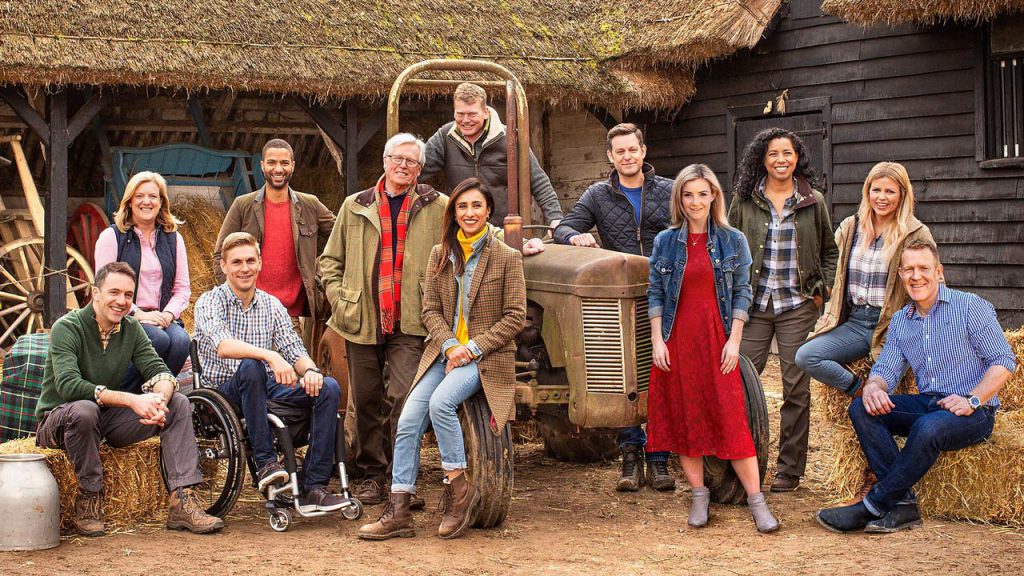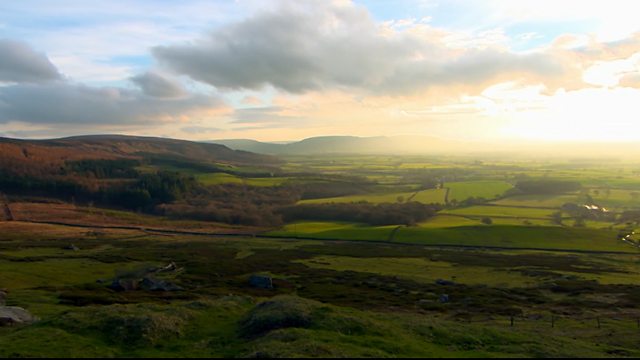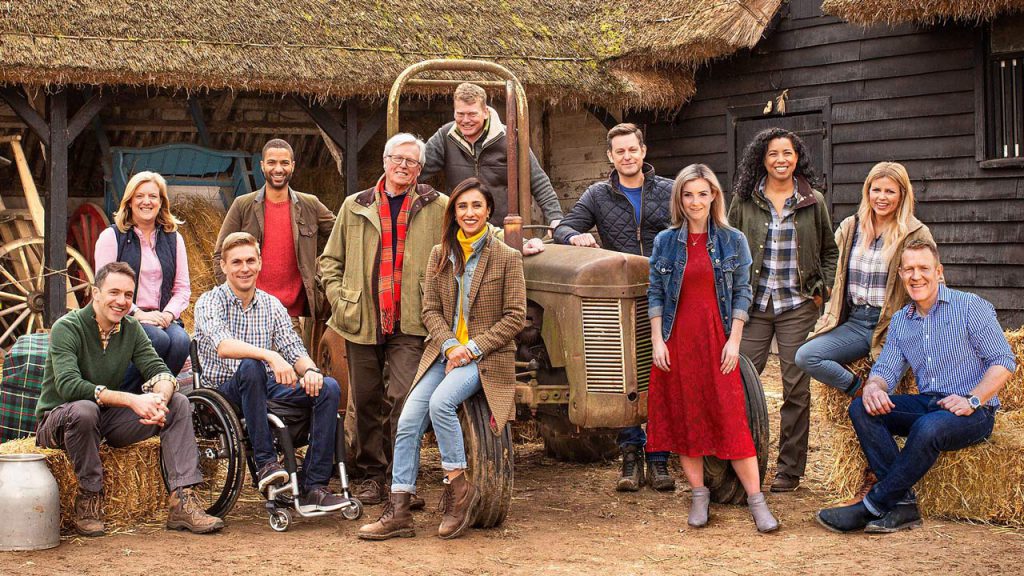
Countryfile: Fifty Years of the Viking Way celebrates a 149-mile footpath that carves through rural Lincolnshire, linking Viking history, fragile wildlife and the people who keep the route alive. Charlotte Smith and Joe Crowley walk a 24-mile stretch from Bigby to Donington on Bain, uncovering a thousand-year story written into the soil. The path may be only half a century old, but it commemorates the Norse settlers who farmed this land, built communities and reshaped the county forever.
The Viking Way runs from the banks of the River Humber at Barton-upon-Humber, through the rolling Lincolnshire Wolds, into Leicestershire briefly, and finishes in the town of Oakham in Rutland. Along the way it threads together metal-detecting fields, hilltop churches, chalk streams and farms experimenting with the future of food. As the route turns fifty, it has become far more than a line on a map.
What emerges is a portrait of a county often overlooked. Charlotte and Joe meet detectorists pulling Viking gaming pieces from the earth, volunteers replacing waymarkers in driving rain, conservationists fighting to save the water vole, and friends who walked the entire path to fund a rural chaplaincy. Adam Henson, meanwhile, explores a high-tech strawberry farm that may hint at where British agriculture is heading.
The Viking Way gets its name, as you might guess, from the Vikings. They farmed this land, established settlements and left their mark on a landscape that still carries their fingerprints in place names and ancient earthworks. Yet some of the clearest traces of their lives lie hidden beneath walkers’ feet, waiting to be lifted from the soil.
The route was officially opened in 1976 after volunteers spent months connecting existing footpaths into one continuous trail. Among those early pioneers was James Neville Cole, who carried out the reconnaissance to make sure the paths could link together. His grandson, local detectorist Duncan Cole, still searches the fields beside the path today, carrying that family connection forward across two generations.
For Duncan, the Viking Way is personal. He first walked it as a boy of eight or nine, setting out with his grandfather along the northern stretches near his Lincolnshire home. Fifty years on, the route remains both a family inheritance and a working landscape, one where history surfaces every time a metal detector sounds. That continuity, from founder to grandson, captures exactly what the anniversary is meant to honour.
Countryfile – Fifty Years of the Viking Way
Duncan Cole’s Detecting Fields Reveal the Human Side of the Vikings
Detecting along the Viking Way is, as Duncan describes it, an optimistic sport. Every field holds possibility, and every signal could be treasure or trash. He compares it to fishing: you never know what the next bite will bring, and very often you get nothing at all. The thrill lies entirely in the not knowing.
The rules are strict and matter enormously. Any find that appears more than two hundred years old, contains metal and seems historically significant must be reported to the local Finds Liaison Officer. Permission from the landowner is essential before any search begins, and local knowledge of which fields have produced results before is just as valuable as the equipment itself. Responsible detecting protects the archaeology rather than plundering it.
Among Duncan’s favourite finds is a small Viking gaming piece, marked with three little nodules on its surface. He cannot say what game it belonged to, but the object conjures a vivid scene: settlers gathered around a fire, drinking, playing, simply living. That, more than any coin, is what moves him. It takes history away from names and dates and makes it human, personal and immediate.
The Viking Comb at Lincolnshire Archives That Rewrites the Settlement Story
To understand what these fragments really mean, Joe Crowley visits Dr Joanne Porter, Collections Development Officer at Lincolnshire Archives. There he sees a bone comb recovered from an excavation in Lincoln, each tooth individually filed and precisely engineered to slot into a matching case. Combs like it turn up so often in the city that Lincoln was almost certainly a production centre.
The comb dates from what historians call the Anglo-Scandinavian period, roughly 850 to 950, after the Vikings had arrived, settled and begun extending the city itself. One striking object carries a small loop on its back, a feature exclusive to Scandinavian tradition. Women would attach cords or chains to such loops to carry pendants, beads, small knives or toiletry sets, bringing their cultural heritage with them across the North Sea.
Even more revealing is what happens next. Slightly later brooches copy Scandinavian styles but lack that telltale loop, proving they were made locally by people blending old customs with new surroundings. The Great Heathen Army overwintered in Lincolnshire in 872, and the camps held women and children, not just warriors. The sheer volume of gaming pieces from these sites shows the settlers could not have been raiding all the time. The stereotype of the Viking as pure raider dissolves within a generation, replaced by a community that gamed, crafted and put down roots.
The Volunteers Who Keep the Viking Way Open in Every Weather
The Viking Way survives on goodwill. Andrew Fletcher from Lincolnshire County Council helps mark the fiftieth anniversary with a suite of activities, including bronze, silver and gold badges awarded for walking fifty, a hundred or all 149 miles. He oversees a team of twelve volunteers who inspect, clear and maintain the route across the county, often in conditions that would keep most people indoors.
Derek Dillon spent a decade looking after a five-mile stretch near Navenby, walking it regularly to cut back brambles, inspect signs and replace worn waymarkers. He took it on, he says, to give a little back after a lifetime spent on Scottish and Welsh mountains. For Derek, the Viking Way matters because it opens up the countryside, draws walkers into the villages and adds to the appeal of a county he calls a bit of an unknown.
As Derek steps back, his neighbour Vicky Munnery steps forward. She took over the same stretch about eighteen months ago, simply because she moved in next door and Derek talked her into it. She walks every day regardless, so she reasoned she might as well do some good while she was out. Replacing a tired Viking Way sign in the rain, she speaks of red kites, buzzards, badgers, muntjac deer and beautiful birdsong, and of her determination to keep the path accessible to absolutely everybody.
Walking the Viking Way to Fund Lincolnshire’s Rural Chaplaincy
In 2024, close friends Meryl Ward and Rosie James walked the full 149 miles in eleven days for a cause close to their hearts. For twenty-five years the county’s chaplaincy service had relied on a single rural chaplain, and it had become clear he needed a colleague. The service exists to support people in the old-fashioned, pastoral sense, caring for them when life is not going as it ought.
Their goal was modest: raise £2,000. The reality was extraordinary. Just under £20,000 came in, enough to bring Reverend Catherine Wylie on board and expand the support available across the rural community. The biggest day saw around a hundred people set off from Lincoln Cathedral together, and churches along the route opened their doors with so much cake, biscuits and sandwiches that the pair joked they were probably the only walkers ever to gain weight covering 150 miles.
The need behind the fundraiser is real and pressing. Jonathan Brant, a third-generation Lincolnshire beef farmer supported by the chaplaincy since its inception, describes farming today as a perfect storm of pressures arriving all at once. A chaplain, he says, can go where others cannot, offering time to listen, linking families to help and reminding them they are not isolated. The walk began as a fundraiser but became, above all, a way of showing how much that quiet support is valued.
Inside Dyson Farming’s High-Tech Strawberry Glasshouse in Lincolnshire
While the Viking Way guides walkers through Lincolnshire’s past, Adam Henson visits a farm betting on its future. At Dyson Farming, strawberries grow inside a glasshouse covering more than twenty acres, a scale and method that look nothing like the traditional British strawberry field. The ambition is simple and audacious: produce strawberries all year round, sustainably.
The system is built around circularity. An on-site anaerobic digester generates green electricity for the grid, and the forty per cent of energy lost as waste heat is pumped into the glasshouses, making both the heat and the electricity effectively free. Infrared lighting supplements winter daylight, the digester produces liquid fertiliser, and rainwater is collected and reused throughout. Waste digestate goes back onto the land, closing the loop. James Dyson, who grew up around farms in Norfolk, describes reinvesting his fortune into agriculture to see if it could be improved.
Technology is everywhere on the ground. A fleet of trial robots picks the strawberries, each arm selecting ripe fruit, inspecting it under a 360-degree camera and sorting it into punnets, somehow knowing precisely when a punnet holds 250 grams. The robots grip by the stalk to avoid bruising, mimicking a human thumbnail, and other machines tackle pests and diseases without chemicals. Dyson is candid that he has spent around £200 million improving the farms, that the profit is tiny against that investment, and that most farmers lack access to such capital. Still, he insists the ideas are shared openly, because the challenges this farm is tackling are faced by growers right across the UK.
Saving the Water Vole From Extinction Along the Viking Way’s Chalk Streams
The Viking Way passes through landscapes vital to one of Britain’s most threatened native mammals: the water vole. Once found all over the country, water voles have vanished from much of it, but the network of streams and slow-moving rivers along the route makes Lincolnshire one of their last refuges. Here, against the odds, there are signs of a comeback.
The greatest threat is the invasive American mink, introduced to the UK in the 1920s during a fur-fashion boom. Escapees and deliberate releases have left more than 100,000 in the wild, and they are devastatingly effective predators. Slim enough to follow a water vole into its own burrow, a single mink can wipe out an entire family, killing far more than it needs. Elliot McDevitt of the Waterlife Recovery Trust explains that where mink are removed, water voles return naturally, without any reintroduction.
The trust uses smart cage traps fitted with remote monitoring devices that text an alert the moment a trap is triggered, allowing rapid, humane checks. Mink are dispatched on site, a grim necessity that staff and volunteers take no pleasure in but accept as the only way to protect native wildlife. Lincolnshire is the second-largest county in the UK, and Elliot believes that proving eradication is possible here within four years would be momentous for the whole of Britain.
Alongside this, Will Bartle of the Lincolnshire Chalk Streams Project leads volunteers surveying for burrows, droppings and feeding signs, feeding data into a national monitoring programme run by the People’s Trust for Endangered Species. As one surveyor puts it, nature has no voice of its own, so someone has to speak for it.
The Ramblers Church at Walesby and the Volunteers Who Never Lock the Door
High above the village of Walesby stands All Saints Church, dating to the twelfth century and known to generations of walkers as The Ramblers Church. It has no running water and no electricity, and the village itself sits some distance away, yet it has become one of the most loved stops on the entire Viking Way. The land around it is layered with history, including Saxon remains dated to around 600 and Roman remains in the next field.
Katherine and Martin Jago are among the volunteers who keep the hilltop church open for walkers. Its treasure is a stained glass Ramblers Window, donated by a local rambling group in 1951, depicting walkers in long socks and period clothing set against the rolling Wolds. It is now a charming time capsule of mid-century rambling, and a reminder that churches have always offered shelter and hospitality to those passing through the rain.
The church clock is kept running by volunteer Peter Braithwaite, who climbs a tight staircase to wind the century-old mechanism by hand twice a week. It can take around fifty winds to raise the heavy weight, and he can manage only twenty before pausing for breath. He keeps at it because people are attached to the place, and the visitors’ book holds messages from around the world thanking the volunteers for keeping this refuge open. The churchyard, too, has become a haven: during Love Your Burial Ground Week, Hannah Risser and fellow surveyors record moths, plants and insects among the undisturbed semi-natural grassland that has grown scarce elsewhere.
What Fifty Years of the Viking Way Reveals About Lincolnshire Today
Taken together, the stories gathered along this 149-mile trail show a county richer and more surprising than its reputation suggests. The Viking Way was created to connect places, but as Meryl and Rosie’s fundraising walk proves, it connects people too, and for Lincolnshire’s rural community that connection can make all the difference. The footpath turns out to be a thread running through history, conservation, faith and farming alike.
The anniversary also frames a wider conversation about the future. Dyson Farming’s robots and circular energy systems pose a question the whole industry is wrestling with: how much of this can scale beyond a business with extraordinary resources. The water vole survey work and mink control programmes show conservation succeeding through patient, unglamorous effort. In every case, volunteers and ordinary residents are doing the work that keeps both heritage and habitat alive.
To celebrate the changing countryside, John Craven launches this year’s Countryfile Photographic Competition on the theme signs of the seasons, with twelve winning images chosen for the Countryfile Calendar 2027 in aid of BBC Children In Need. Entrants can submit up to three photographs taken in the UK, the Channel Islands or the Isle of Man, with the submission window closing at 10am on Monday 27 July 2026. The overall winner, chosen by viewers, receives a £1,000 photographic gift card and the cover spot, while the judges’ favourite earns £500.
Fifty years on, the Viking Way endures not because of grand monuments but because of the people who walk it, maintain it and find meaning in it. From a thousand-year-old comb to a robot picking strawberries, from a hand-wound church clock to a water vole burrow in a chalk stream bank, every stop reveals a landscape still being shaped. The footpath remains, as its champions insist, less about the destination than the journey, and on the Viking Way that has rarely felt more true.
FAQ Countryfile – Fifty Years of the Viking Way
Q: How long is the Viking Way and where does it run?
A: The Viking Way is a 149-mile long-distance footpath that starts on the banks of the River Humber at Barton-upon-Humber. It carves through rural Lincolnshire and the Lincolnshire Wolds, makes a brief visit to Leicestershire, and ends in the town of Oakham in Rutland. Walkers can tackle the whole route or shorter local stretches.
Q: Why is the Viking Way called the Viking Way?
A: The route takes its name from the Vikings, who farmed this land, established communities and left their mark across Lincolnshire more than a thousand years ago. Although the footpath itself opened in 1976, it commemorates that rich Norse history. Place names, ancient earthworks and buried finds still reveal the settlers who reshaped the region.
Q: What do Viking finds reveal about how the settlers actually lived?
A: Objects like gaming pieces and bone combs show the Vikings were settlers, not just raiders. The Great Heathen Army overwintered in Lincolnshire in 872, and camps held women and children. The sheer volume of gaming pieces suggests they spent considerable time crafting, gaming and living. Within roughly fifty years, raiders became a settled, creative community.
Q: What rules must metal detectorists follow on the Viking Way?
A: Any find that appears more than 200 years old, contains metal and seems historically significant must be reported to the local Finds Liaison Officer. Permission from the landowner is essential before searching begins. Detectorists are also urged to check whenever they are unsure, ensuring archaeology is recorded properly rather than lost.
Q: How does Dyson Farming grow strawberries all year round?
A: Dyson Farming grows strawberries inside a 20-acre glasshouse using a circular system. An anaerobic digester generates green electricity, and its 40% waste heat warms the glasshouse, making heat and electricity effectively free. Infrared lighting supplements winter daylight, rainwater is collected and reused, and waste digestate returns to the land as fertiliser.
Q: How do the strawberry-picking robots work?
A: Each robotic arm selects a ripe strawberry, lowers it into a 360-degree camera and inspects it under light before placing it in a punnet. The system knows when a punnet holds 250 grams. Crucially, the robots grip the stalk rather than the fruit to avoid bruising, mimicking a human thumbnail.
Q: Why are water voles disappearing and how can they recover?
A: Water voles have vanished from much of Britain largely because of the invasive American mink, introduced in the 1920s during a fur boom. Slim enough to enter vole burrows, a single mink can wipe out a whole family. Where mink are removed, water voles return naturally, without any reintroduction needed.
Q: How are American mink controlled to protect native wildlife?
A: The Waterlife Recovery Trust uses smart cage traps fitted with remote monitoring devices that send an alert the moment a trap triggers. Volunteers then check within 12 to 24 hours. Mink are dispatched humanely on site, a difficult but accepted step backed by the Government and many wildlife organisations.
Q: Why is All Saints at Walesby called The Ramblers Church?
A: This 12th-century hilltop church earned its nickname as a beloved shelter for walkers on the Viking Way, despite having no running water or electricity. A local rambling group donated a stained glass Ramblers Window in 1951, depicting walkers in period clothing. Volunteers keep it open, offering refuge from the rain.
Q: Who maintains the Viking Way and why does it matter?
A: Around twelve volunteers maintain the route across Lincolnshire, cutting back foliage, inspecting paths and replacing waymarkers in all weather. The path opens up the countryside, draws walkers into villages and supports the rural community. A fundraising walk along it raised nearly £20,000 for the Lincolnshire Rural and Agricultural Chaplaincy.