Countryfile – Adam’s Farming Families – The Bakers
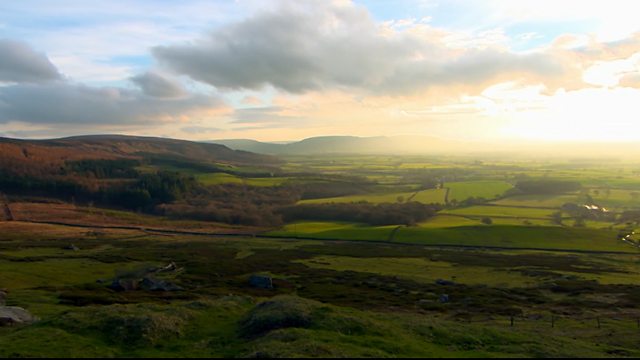
The rolling green hills of Somerset seem to whisper stories of the past. Down these winding lanes, Adam Henson discovers a farm that is a living, breathing tale of family. He is here to meet the Bakers, a family deeply rooted in this soil. Their small, mixed farm is a vibrant tapestry woven with the threads of three generations. It is a place where tradition and innovation must learn to dance together. Consequently, Adam is keen to understand how they make it all work.
At the heart of the farm is Grandad Vincent. His hands, weathered like old leather, tell the story of a lifetime dedicated to this land. For instance, he still moves with a purpose that belies his years. He is the family’s anchor, a deep well of knowledge from a time before complex machinery. While the world outside has changed dramatically, Vincent’s connection to the seasons remains constant. He is the living history of their farm, a reminder of its enduring spirit.
The farm itself is a bustling mosaic of life. In one field, cattle graze peacefully, their contented sighs mixing with the gentle breeze. Nearby, fields of crops stretch towards the horizon, promising a future harvest. However, it is the joyful snuffling from a nearby paddock that truly catches the ear. This is the domain of the farm’s rare-breed pigs. Juggling these different elements requires constant effort. As a result, every day presents a new challenge and a new reward for the family.
Then, you meet Bridgette, Vincent’s 24-year-old granddaughter. She is a whirlwind of youthful energy and bold ideas. She represents the farm’s future, a bright beacon of hope for the next generation. While she respects the farm’s traditions, she is also determined to carve her own path. Bridgette brings a fresh perspective, essential for the farm’s survival in the modern world. Therefore, she is the driving force behind one of the farm’s most exciting ventures.
Bridgette’s true passion lies with her magnificent Oxford Sandy and Black pigs. These creatures, with their beautiful coats like patchwork quilts, are a cherished rare breed. For Bridgette, raising them is more than just a job; it is a mission. Furthermore, she has taken this passion beyond the farm gates and into the competitive show ring. Here, she doesn’t just showcase her animals. Instead, she champions the importance of preserving these unique bloodlines for the future.
Countryfile – Adam’s Farming Families – The Bakers
Adam, always eager to get involved, quickly pulls on his wellies. He mucks in alongside the family, sharing in the daily chores. It is during these moments of shared work that the real stories emerge. For example, while helping Vincent, Adam learns about the family’s incredible highs. He hears about past triumphs and seasons of bountiful harvest. These conversations offer a precious insight into the family’s resilience and deep-seated pride in their work.
However, farming is never just about the good times. The family also shares their struggles with Adam. They speak of the constant financial pressures facing small farms. They recall the heartbreak of losing an animal or the anxiety of a failed crop. These lows are an undeniable part of their journey. Nevertheless, facing these challenges together has only strengthened their bond. It has taught them the true meaning of perseverance.
The most fascinating story is that of the family’s changing roles. Adam observes the gentle shift in dynamics across the generations. Vincent, the wise patriarch, is gradually passing on his responsibilities. Meanwhile, Bridgette is stepping forward, ready to lead the farm into a new era. This transition is a delicate balance. It is about honoring the past while bravely embracing the future. It’s a story of legacy and evolution, happening right before Adam’s eyes.
As the program reflects on the Bakers, it also opens a window to its own past. We take a wonderful journey back through the Countryfile archives. This segment celebrates the rich diversity of other farming families across the entire UK. From the Scottish Highlands to the coast of Cornwall, we see that the Bakers’ story resonates everywhere. Each family has its own unique struggles and successes. Yet, they all share a common, unwavering commitment to the land.
Ultimately, Adam’s visit to the Baker family is a powerful reminder of what truly matters. He leaves Somerset with a renewed appreciation for these guardians of the countryside. Their small farm is much more than just a business. It is a home, a school, and a sanctuary. It is a legacy being passed from one generation to the next. In the hands of young farmers like Bridgette, the future of British agriculture feels incredibly bright.
Countryfile – Adam’s Farming Families
The program Countryfile – Adam’s Farming Families – The Bakers explores a living tale of heritage and innovation nestled in the rolling green hills of Somerset. Here, the Baker family’s story unfolds across their vibrant, mixed farm. It is a place where deep-rooted tradition and modern thinking must learn to coexist. For generations, this family has woven their lives into the very soil they cultivate. Consequently, their daily work offers a compelling look at the realities of contemporary agriculture. They demonstrate a delicate balance between honouring the past and securing a prosperous future. This balancing act is crucial for survival in today’s demanding agricultural landscape.
The challenges and rewards of multi-generational farming form the heart of their operation. Three generations work side-by-side, each contributing a unique perspective. Youthful enthusiasm meets the wisdom of experience, creating a dynamic and sometimes complex environment. This blend of old and new is not merely a family affair; it represents a wider trend in British agriculture. Many family farms face the same critical juncture. They must adapt to economic pressures and changing markets while preserving the legacy handed down to them. This requires immense passion, resilience, and a willingness to embrace change.
While the focus remains on one family, the Countryfile – Adam’s Farming Families – The Bakers episode paints a broader picture of the industry. It delves into the principles that allow modern family farms to thrive. The Bakers’ experience serves as a microcosm for the agricultural heartlands of Britain. It highlights how families across the country are safeguarding rural traditions. Furthermore, it showcases their role as custodians of the landscape, growing our food and caring for nature. Their journey is one of continuous adaptation and learning.
At Windmill Farm, the Baker family manages a diverse beef and arable farm near the town of Yeovil. Four generations have called this land home, a testament to their enduring connection to Somerset farming. Vincent and Beryl Baker took the helm in 1966, following in the footsteps of Vincent’s parents. Today, their son Chris and his wife Jane run the farm, with granddaughter Bridgette being the latest to roll up her sleeves. Where more than 30 people once worked, the farm now relies on the tight-knit team of Vincent, Chris, and Bridgette. Their operation spans 97 hectares, growing crops like winter wheat and maize alongside their primary livestock enterprise.
This small family unit navigates the complexities of modern agriculture through teamwork and strategic farm diversification. They have transformed their traditional operation to meet new demands, adding value directly at the source. Their story illustrates a powerful truth about today’s farming. Success is no longer measured solely by what you grow or rear; it also depends on innovative business practices. The family’s approach combines large-scale production with niche, personal ventures. This creates a resilient business model built on both scale and passion.
The transition of responsibility through the generations is a central theme. Vincent, at 78, is supposedly retired but remains an essential part of the team, offering a lifetime of experience. Chris primarily oversees the arable side of the business but provides crucial support for the livestock operations. Meanwhile, 24-year-old Bridgette, armed with knowledge from agricultural college, is taking a leading role in the beef enterprise and introducing her own ideas. This hierarchy is not rigid; it is a fluid exchange of roles, where each member acts as a farmhand for the other, ensuring all tasks are completed efficiently.
The Heart of the Herd: Modern Livestock Management
At the core of Windmill Farm is a 200-strong beef herd, and its management showcases a blend of technology and teamwork. The family employs modern tools to ensure efficiency and accuracy in their livestock management. Every animal has an electronic ear tag, which is scanned as it enters the cattle crush. This system functions like a supermarket barcode, instantly registering the animal’s identity and allowing Bridgette to record its weight precisely. This data is critical for making informed decisions, as she and an agent assess which animals are the right weight and condition for the abattoir.
The process is a well-choreographed family effort. Chris keeps the pens supplied with cattle, Vincent expertly works the gates to guide the animals, and Bridgette takes charge of weighing and selection. This seamless collaboration allows the small team to handle a large number of animals effectively. It is a system built on trust, where Chris is content to let his daughter take the lead in her area of expertise, demonstrating a healthy and productive generational shift.
This structured approach to livestock management contrasts sharply with more traditional methods seen elsewhere. For instance, the Simon family on the Dorset coast moves their Red Devon cattle in a spectacular, time-honoured fashion: on horseback along two miles of Chesil Beach. This method, while appearing old-fashioned, is a practical solution to the challenging terrain and avoids the dangers of road traffic. Their practice also serves a conservation purpose, as the cattle graze on reed beds, naturally managing the habitat and improving the soil. Both the Bakers’ technological system and the Simons’ traditional drive show how farmers adapt their methods to their unique environments and goals.
A New Generation’s Venture: Farm Diversification and Rare Breed Pigs
Bridgette Baker embodies the spirit of youthful innovation that is vital for the future of family farms. After returning from agricultural college, she identified an opportunity to make her own mark through farm diversification. She introduced a new enterprise to the farm: a breeding program for Oxford Sandy and Black pigs, a traditional and rare breed known for its placid temperament. This venture began as a personal challenge but has grown into a key component of the family’s business model.
The pigs are more than just a hobby; they are a sustainable business. The meat is sold through the family’s online shop, ensuring the venture pays for itself and generates income. This practice perfectly aligns with the conservation principle of “eat them to keep them”. By creating a market for products from rare breed pigs, farmers like Bridgette provide a financial incentive to preserve these heritage bloodlines for the future. Her passion for the animals is clear. She finds joy in their personalities and is dedicated to understanding every aspect of their care, from breeding to show-ring training learned from online videos.
This initiative is a prime example of adding value, a strategy echoed in other corners of Somerset farming. Julian Temperley, for example, has revived the lost art of making Somerset Cider Brandy. Using apples from his 180 acres of orchards, he transforms a humble, traditional crop into a premium spirit with global appeal. This has secured the future of his orchards and staff, proving that diversification can safeguard agricultural heritage. Both Bridgette’s pigs and Julian’s brandy demonstrate how a new vision can unlock the hidden potential within a traditional farm.
The Business of Farming in the Countryfile – Adam’s Farming Families – The Bakers Episode
Beyond the fields and livestock pens, farming is fundamentally a business, a reality that the Bakers navigate with strategic foresight. Their on-site butchery, complete with industrial slicers, fridges, and freezers, is a significant investment that allows them to control their product from pasture to plate. They sell their beef, pork, and lamb directly to customers in the local Yeovil area, ensuring full traceability and a minimal carbon footprint, with no product travelling more than 12 miles from the farm. This direct sales model allows them to retain a larger share of the profit margin.
However, Chris Baker wisely notes that diversification is a fine balancing act. While necessary for resilience, new ventures can risk becoming a distraction from the main business of their beef and arable farm. He believes the farm’s mixed nature, combining crops and cattle, has always been its strength. When arable prices are down, beef may be up, creating a natural hedge against market volatility that has kept the family business going for decades.
The high-stakes commercial side of pedigree livestock is further explored through the experience of sheep farmer Anne Mair-Chapman at the Kelso Ram Sale. Preparing her Texel and Suffolk tups for this major event is an 18-month endeavour involving meticulous grooming, feeding, and even colouring to make the animals stand out. At such sales, a farmer’s reputation is paramount, as returning buyers who have had good results with previous animals are the foundation of a successful breeding business. Selling a prize tup for a thousand pounds is not just a financial victory; it is the culmination of years of hard work and careful genetic selection.
Cultivating the Future: Nurturing Passion and Passing the Torch
The survival of any family farm hinges on the successful transfer of knowledge, passion, and responsibility to the next generation. At Windmill Farm, this transfer is happening organically. The family’s pride is palpable, not just in their quality meat but in their ethos and the legacy they are building. Beryl Baker sees a reflection of her own great-great-grandmother, who started the family business a century ago, in Bridgette’s tireless work ethic and determination. This connection to a strong female lineage underscores the evolving roles within farming families.
Chris expresses immense pride in his daughter’s enthusiasm for agriculture. He acknowledges that while she could pursue a more lucrative career, the value of continuing the family tradition and living a life she loves is immeasurable. This passion is the engine that drives young farmers, but it is often tested. Bridgette learned this firsthand when a gilt rejected its litter, forcing her into the stressful and heartbreaking role of hand-rearing nine orphan piglets, a true farming roller-coaster of highs and lows.
This same inspiring dedication is mirrored in young farmers like “Shepherdess Katie,” a Cumbrian teenager who, at the time of filming, was already managing her own flock of 30 sheep and reinvesting her profits into new livestock. She independently handles difficult situations, such as treating a lamb for life-threatening bloat by carefully using a needle to release the gas. These stories of young, capable individuals like Bridgette and Katie are a powerful testament to the bright future of multi-generational farming, proving that with passion and resilience, the next generation is ready to lead.
Where Heritage Meets Horizon: The Enduring Promise of Family Farming
Standing in the Somerset fields with the Baker family, you witness something profound unfolding—a masterclass in how agricultural heritage doesn’t just survive but thrives when it embraces change. The story of Windmill Farm isn’t merely about one family’s journey; it’s a blueprint for the future of British farming, where weathered hands and fresh ideas work in perfect harmony.
What makes the Bakers’ approach so compelling is their understanding that tradition and innovation aren’t opposing forces—they’re dance partners. Vincent’s lifetime of soil wisdom doesn’t compete with Bridgette’s digital ear tags and online marketing; instead, they create a symphony of knowledge that spans decades. This multi-generational collaboration reveals a crucial truth: the farms that will flourish tomorrow are those that view their heritage as a foundation, not a limitation.
The genius lies in their diversification strategy, which goes far beyond simply adding new enterprises. Bridgette’s Oxford Sandy and Black pigs represent something deeper—the art of finding opportunity within authenticity. By choosing a rare breed that aligns with both conservation goals and market demand, she’s discovered that profitability and purpose can walk hand-in-hand. Her success with direct sales through their online shop proves that today’s consumers hunger for stories as much as sustenance, seeking the provenance and passion that only family farms can provide.
Perhaps most importantly, the Bakers demonstrate that resilience isn’t built on any single strategy but on the strength of relationships—with the land, with each other, and with their community. When Chris confidently steps back to let his daughter lead the livestock decisions, he’s not just showing trust; he’s illustrating how healthy farm transitions happen. It’s not about rigid hierarchies but fluid exchanges of expertise, where everyone remains both teacher and student.
The financial reality check Chris provides—that diversification must enhance rather than distract from core operations—offers invaluable guidance for farming families everywhere. The temptation to chase every new opportunity is real, but sustainable success comes from strategic choices that amplify existing strengths rather than fragment focus.
Looking ahead, the Baker family story illuminates a path forward for British agriculture that feels both pragmatic and inspiring. As market pressures intensify and environmental expectations grow, farms need exactly what the Bakers have cultivated: deep roots paired with adaptive branches. Their approach suggests that the future belongs to operations that can be simultaneously local and global, traditional and innovative, efficient and personal.
For anyone invested in the future of our countryside—whether as farmer, consumer, or concerned citizen—the Bakers offer a compelling vision. They prove that family farms aren’t nostalgic relics but dynamic enterprises capable of feeding both body and soul. In Bridgette’s hands, guiding those electronic scanners while her grandfather works the gates, we see not just agricultural succession but agricultural evolution.
The rolling Somerset hills may whisper stories of the past, but the Baker family is busy writing the future. And that future looks remarkably bright.
FAQ Countryfile – Adam’s Farming Families – The Bakers
Q: Who are the Baker family featured on Countryfile’s Farming Families episode?
A: The Baker family operates Windmill Farm near Yeovil in Somerset, where four generations have cultivated the land since the 1960s. Currently, three generations work together: Grandad Vincent (78), his son Chris with wife Jane, and granddaughter Bridgette (24). Additionally, Vincent’s wife Beryl remains actively involved in the family operation that spans 97 hectares of mixed farming.
Q: What makes Windmill Farm’s approach to agriculture unique?
A: Windmill Farm combines traditional farming wisdom with modern innovation through their mixed enterprise of beef cattle, arable crops, and rare breed pigs. Furthermore, they’ve established an on-site butchery and direct sales operation, allowing complete control from pasture to plate. However, their greatest strength lies in seamless multi-generational collaboration where each family member contributes specialized expertise.
Q: How do three generations successfully work together on one farm?
A: The Bakers operate through fluid role exchanges rather than rigid hierarchies, where Vincent provides gate-working expertise, Chris manages arable operations, and Bridgette leads livestock decisions. Consequently, this creates a system built on trust and mutual respect. Moreover, each generation acts as both teacher and student, ensuring knowledge transfer while embracing fresh perspectives essential for modern agricultural success.
Q: What are Oxford Sandy and Black pigs, and why does Bridgette raise them?
A: Oxford Sandy and Black pigs are a traditional rare breed known for their distinctive patchwork-quilt coats and placid temperament. Bridgette chose this heritage breed to create a sustainable conservation enterprise following the principle of ‘eat them to keep them.’ Additionally, these pigs generate income through the family’s online shop while preserving genetic diversity for future generations.
Q: How has the Baker farm diversified beyond traditional beef and arable farming?
A: The Bakers have strategically expanded into rare breed pig breeding, established an on-site butchery with industrial equipment, and developed direct-to-consumer sales channels. Furthermore, they’ve embraced digital marketing through online shops while maintaining local market presence. However, Chris emphasizes that diversification must enhance rather than distract from their core beef and arable operations to maintain business focus.
Q: What modern technology does Windmill Farm use for livestock management?
A: The farm employs electronic ear tags on their 200-strong beef herd, functioning like supermarket barcodes when scanned through cattle crushes. Consequently, this system allows Bridgette to instantly record precise weights and track individual animal data. Moreover, this technology enables informed decision-making regarding which cattle are ready for market, combining efficiency with accuracy in livestock assessment.
Q: How do the Bakers balance preserving farming traditions with embracing innovation?
A: The Bakers view tradition and innovation as complementary rather than competing forces, creating what could be described as a ‘symphony of knowledge spanning decades.’ Vincent’s soil wisdom informs modern decisions, while Bridgette’s agricultural college training enhances time-tested practices. Additionally, they demonstrate that heritage serves as a foundation for growth rather than a limitation to progress.
Q: What major challenges do small family farms like the Bakers face today?
A: Small farms encounter constant financial pressures from market volatility, reduced workforce availability, and increased operational costs. Furthermore, they must adapt to changing consumer demands while maintaining profitability with limited resources. However, the Bakers overcome these challenges through diversification, direct sales, and leveraging their mixed farming approach where crop and livestock enterprises balance each other’s market fluctuations.
Q: How does Windmill Farm market and sell its products?
A: The Bakers sell beef, pork, and lamb directly to customers within a 12-mile radius of their farm, ensuring full traceability and minimal carbon footprint. Additionally, they operate an online shop that extends their market reach while maintaining personal customer relationships. Moreover, their on-site butchery allows them to retain larger profit margins by controlling the entire production chain.
Q: What advice would experienced farmers like the Bakers give to young people entering agriculture?
A: The Bakers emphasize that passion drives agricultural success more than profit potential, as demonstrated by Bridgette choosing farming over potentially more lucrative careers. Furthermore, they advocate for combining respect for established practices with willingness to innovate and adapt. Additionally, they stress the importance of strategic thinking, as evidenced by their careful approach to diversification that enhances rather than fragments their core business focus.