Countryfile – Britain’s Rarest Creatures: The British countryside is a treasure trove of biodiversity, boasting an array of rare and fascinating creatures. For nature enthusiasts, spotting animals such as the red squirrel, hazel dormouse, or roseate tern is an unparalleled delight, offering a glimpse into the country’s rich natural heritage.
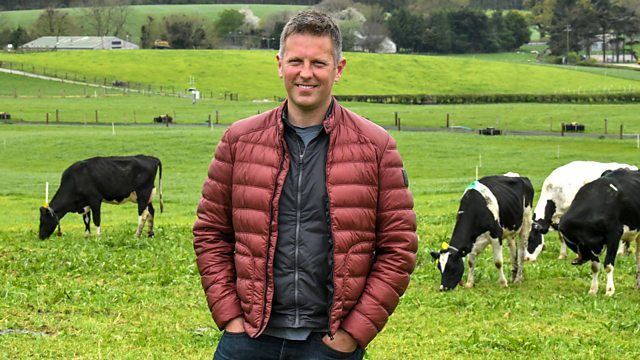
In this special edition of Countryfile, wildlife presenter Joe Crowley embarks on an exciting expedition to uncover some of the UK’s most elusive and endangered species. His journey takes him to Thursley National Nature Reserve in Surrey, a remarkable sanctuary and one of the largest remaining heathlands in the country. This unique habitat is crucial for the survival of some of Britain’s rarest wildlife, and Joe is determined to shine a light on the incredible creatures that call it home.
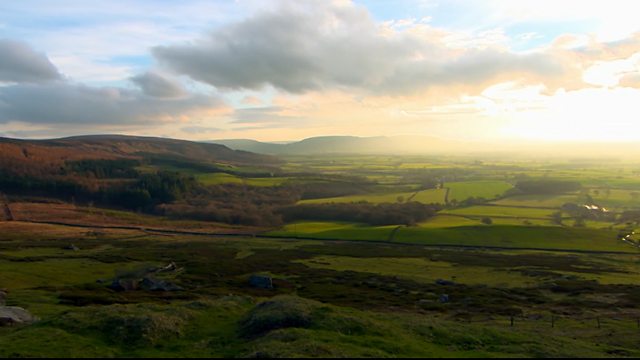
Thursley National Nature Reserve, with its expansive heathland, marshes, and woodlands, provides an ideal environment for a diverse range of flora and fauna. Heathlands are among the rarest habitats in the UK, making places like Thursley indispensable for conservation efforts. These landscapes support a variety of plant and animal species that are not found anywhere else. Joe’s mission is to locate six scarce reptiles that thrive in this environment, delving into their biology, population status, and the specific conditions they need to survive.
The reserve’s heathland is a haven for reptiles, and Joe’s exploration brings him face to face with some of the most secretive and fascinating creatures in the UK. Among them is the smooth snake, a species so elusive that encountering one in the wild is a rare and memorable experience. Smooth snakes are non-venomous and rely on their camouflage to blend into the heathland vegetation, making them incredibly difficult to spot. Joe learns about the conservation efforts in place to protect this species and the delicate balance required to maintain their habitat.
In addition to the smooth snake, Joe searches for the sand lizard, another species that has become increasingly rare due to habitat loss. These lizards require sandy heathland to thrive, and Thursley provides the perfect environment for them. Joe observes the sand lizards basking in the sun, their vibrant green and brown patterns blending seamlessly with the sandy terrain. He discusses the importance of habitat restoration projects that aim to increase the sand lizard population and the challenges faced in ensuring their survival.
As Joe continues his journey through the reserve, he encounters the viviparous lizard, also known as the common lizard. Unlike other reptiles that lay eggs, viviparous lizards give birth to live young, a fascinating adaptation to the cooler climates of the UK. Joe observes these agile creatures darting through the undergrowth, learning about their life cycle and the role they play in the ecosystem.
One of the highlights of Joe’s exploration is the search for the rare and endangered natterjack toad. Natterjack toads are distinguished by the yellow stripe running down their back and their loud, distinctive mating calls. These toads prefer shallow, warm water bodies for breeding, and Thursley’s ponds provide an ideal habitat. Joe joins conservationists in their efforts to monitor natterjack toad populations, witnessing the meticulous work involved in protecting this species.
Countryfile – Britain’s Rarest Creatures
Another fascinating reptile Joe encounters is the adder, Britain’s only venomous snake. Adders are shy and prefer to avoid human contact, but they play a crucial role in the ecosystem as both predator and prey. Joe learns about the adder’s diet, behavior, and the myths surrounding these often-misunderstood snakes. He also discusses the impact of human activity on adder populations and the importance of preserving their natural habitats.
As the day draws to a close, Joe prepares for a special nocturnal adventure. With the sun setting over the heathland, he joins a group of dedicated volunteers to survey the reserve’s nightjar population. Nightjars are enigmatic birds known for their elusive nature and haunting calls that fill the night air. These birds are ground-nesters and rely on the open heathland for breeding. Joe listens intently as the volunteers explain their methods for tracking and counting nightjars, highlighting the significance of citizen science in conservation efforts.
Joe’s nightjar survey offers a magical conclusion to his visit to Thursley National Nature Reserve. The experience underscores the vital role that volunteers and conservationists play in safeguarding Britain’s natural heritage. By engaging with the local community and fostering a deep appreciation for wildlife, conservation projects can achieve lasting success.
Throughout the episode, viewers are treated to stunning footage from the Countryfile archives, showcasing past encounters with some of Britain’s most treasured wildlife. These moments serve as a poignant reminder of the beauty and fragility of the natural world, inspiring a sense of wonder and a commitment to conservation.
Joe Crowley’s journey at Thursley National Nature Reserve is more than just a search for rare creatures; it is a testament to the dedication and passion of those working tirelessly to protect the UK’s wildlife. Through education, conservation, and community involvement, we can ensure that future generations have the opportunity to experience the wonders of the British countryside and its rarest inhabitants.
The Hidden World of Britain’s Rarest Creatures
The Importance of Preserving Britain’s Rare Wildlife
Britain’s rare wildlife forms a delicate tapestry of biodiversity, vital for maintaining the ecological balance. These unique species, each with their own intricate roles, contribute to the health of our natural environments. However, many of these species face significant threats from habitat loss, climate change, and human activities. As we edge closer to a critical tipping point, preserving these rare creatures is no longer just an option—it’s a necessity.
The red squirrels, hazel dormice, and pine martens, among others, are not just fascinating to observe; they are indicators of the health of our ecosystems. Their decline signals broader environmental issues that could eventually impact human life. By focusing on conservation efforts, we safeguard not only these animals but also the intricate web of life that supports us all. Imagine a future where the call of the nightjar or the sight of a red squirrel is a distant memory. Our actions today will determine whether these scenes remain a reality for generations to come.
Overview of Britain’s Diverse Ecosystems
Britain’s landscape is a mosaic of diverse ecosystems, each providing unique habitats for a variety of rare species. From the ancient woodlands of Kent to the heathlands of Surrey, and the rugged coastlines of Argyll, these environments are as varied as they are vital. Each ecosystem offers a distinct combination of flora and fauna, creating unique opportunities for biodiversity to flourish.
In the Lake District, lush forests provide refuge for red squirrels, while the heathlands of Surrey are home to elusive reptiles such as the smooth snake and the sand lizard. Coastal areas like those in Argyll are critical for marine life, including the enigmatic flapper skate. These ecosystems are interconnected, with each one playing a role in supporting Britain’s wildlife. The preservation of these habitats is crucial for maintaining the biodiversity that makes Britain’s natural heritage so rich and compelling.
Goals and Structure of This Article
This article aims to shed light on the fascinating world of Britain’s rarest creatures, exploring their habitats, behaviors, and the conservation efforts underway to protect them. Through detailed examinations of specific species and ecosystems, we hope to foster a deeper understanding and appreciation for these incredible animals. We will delve into the lives of rare mammals, reptiles, birds, and marine life, highlighting both the challenges they face and the successes in their conservation.
By the end of this journey, readers will gain a comprehensive view of Britain’s rare wildlife and the crucial steps needed to ensure their survival. This understanding is not just academic—it’s a call to action. Every individual can play a part in conservation, from supporting local wildlife trusts to participating in citizen science projects. Together, we can make a difference, preserving these rare species for future generations to admire and cherish.
Rare Mammals of Britain
Red Squirrels: A Story of Survival in the Lake District
Historical Decline and Modern Threats
Red squirrels, once a common sight across the UK, now face an uncertain future. Their population has plummeted, primarily due to habitat loss and the introduction of the grey squirrel. Grey squirrels, larger and more adaptable, have outcompeted red squirrels for food and habitat, while also carrying squirrelpox, a disease deadly to reds but harmless to greys.
In the Lake District, these charming creatures are fighting for their survival. Once abundant, their numbers have dwindled, making every sighting a cherished moment for wildlife enthusiasts. The ancient woodlands that stretch across this picturesque landscape provide the perfect habitat, but they are shrinking. Urban expansion, deforestation, and climate change have fragmented these vital habitats, making it harder for red squirrels to thrive.
Conservation Efforts and Success Stories
Despite these challenges, hope remains. Conservation efforts are in full swing, with dedicated teams working tirelessly to protect and restore red squirrel populations. One of the most successful initiatives is the creation of red squirrel reserves. These protected areas offer a safe haven, free from the threat of grey squirrels, where reds can live and breed.
In addition, volunteer programs and local wildlife trusts have played a crucial role. They engage the community in conservation activities, from monitoring squirrel populations to planting trees that provide food and shelter. These grassroots efforts have seen encouraging results, with some areas reporting a steady increase in red squirrel numbers.
Furthermore, public awareness campaigns have been instrumental in rallying support. By educating people about the plight of red squirrels and the importance of biodiversity, these campaigns inspire action. Whether it’s through donations, volunteering, or simply spreading the word, every bit of support helps. The Lake District’s red squirrels symbolize resilience and the power of collective effort, reminding us that, together, we can make a difference.
Hazel Dormice: Breeding Programs and Reintroduction
Habitat Requirements and Challenges
The hazel dormouse is another of Britain’s endearing yet endangered mammals. These tiny creatures require a very specific habitat to thrive: dense, deciduous woodlands rich in hazel trees. Their diet consists mainly of hazelnuts, insects, and berries, making these environments crucial for their survival.
However, the landscape these dormice once roamed freely has dramatically changed. Hedgerow removal, woodland clearance, and agricultural expansion have decimated their habitats. These changes have fragmented populations, leaving them isolated and vulnerable. The hazel dormouse is also a victim of climate change, with unpredictable weather patterns affecting food availability and hibernation cycles.
Captive Breeding and Release Strategies
In response to these challenges, conservationists have developed innovative strategies to boost dormouse populations. Captive breeding programs have been at the forefront of these efforts. By breeding dormice in controlled environments, experts can ensure the survival of offspring, which are later released into the wild.
One of the key aspects of these programs is the careful selection of release sites. Conservationists choose locations with abundant food sources and minimal human disturbance. Before release, dormice undergo a period of acclimatization in large, natural enclosures. This preparation helps them adapt to their new environment and increases their chances of survival.
Moreover, continuous monitoring of released populations provides valuable data. Conservationists track dormice to study their behavior, breeding success, and overall health. This information is crucial for refining conservation techniques and ensuring long-term success.
The efforts to save the hazel dormouse are a testament to human ingenuity and dedication. By combining science with community engagement, these programs offer a lifeline to a species on the brink. The sight of a dormouse scurrying through the underbrush is not just a victory for conservation; it’s a beacon of hope for the future of Britain’s wildlife.
Pine Martens: A Comeback Story in Shropshire
Historical Context and Decline
Pine martens, once widespread across Britain, faced severe persecution in the 19th century. Their luxurious fur made them targets for hunters, and deforestation destroyed their natural habitats. By the early 20th century, pine martens had all but vanished from England, with only a few isolated populations clinging to survival in Scotland.
The situation in Shropshire, however, tells a remarkable story of resilience. For decades, these elusive creatures were believed to be extinct in the region. Yet, sporadic sightings and reports of pine martens have sparked hope and a renewed interest in their conservation. These nocturnal predators, with their sleek bodies and bushy tails, are crucial for maintaining ecological balance, as they help control rodent populations and disperse seeds through their diet.
Recent Sightings and Conservation Measures
The recent discovery of a small population in Shropshire has reignited conservation efforts. Camera traps and motion sensors have provided evidence of these elusive animals, confirming their presence in the region. This breakthrough has led to a surge in local conservation activities aimed at protecting and expanding their habitat.
Efforts include habitat restoration projects, where native woodlands are replanted and managed to provide optimal living conditions for pine martens. Conservationists also work closely with landowners to create wildlife corridors, connecting fragmented habitats and allowing pine martens to move freely in search of food and mates.
Community involvement has been a cornerstone of these initiatives. Educational programs and citizen science projects encourage locals to participate in monitoring and protecting pine martens. By fostering a sense of ownership and responsibility, these efforts have garnered widespread support, making conservation a collective endeavor.
The resurgence of pine martens in Shropshire is a testament to nature’s resilience and the power of human intervention. These magnificent creatures, once thought lost, are making a triumphant return, symbolizing hope and the possibility of recovery for other endangered species. Through continued conservation efforts, we can ensure that pine martens and other rare mammals not only survive but thrive in the wild.
Conclusion Countryfile – Britain’s Rarest Creatures: The Importance of Conservation and Community Involvement
Joe Crowley’s exploration of Britain’s rarest creatures at Thursley National Nature Reserve underscores the critical importance of conservation efforts in preserving the UK’s unique biodiversity. The journey, which brought to light the struggles and triumphs of species such as the smooth snake, sand lizard, and natterjack toad, serves as a poignant reminder of the delicate balance required to maintain these fragile ecosystems.
Thursley’s heathlands, marshes, and woodlands provide a sanctuary for a multitude of species, many of which are not found elsewhere. This unique habitat exemplifies the broader challenges faced by wildlife across Britain, where habitat loss, climate change, and human activity threaten the survival of numerous species. Joe’s encounters with these elusive creatures highlight the vital role of protected areas and the necessity of ongoing conservation initiatives.
The success stories of species like the red squirrel and hazel dormouse demonstrate that with dedicated efforts, it is possible to halt and even reverse the decline of endangered wildlife. These examples showcase the effectiveness of habitat restoration, captive breeding programs, and community involvement in conservation. The red squirrel’s resurgence in the Lake District and the reintroduction of hazel dormice to their native habitats are testaments to the positive impact of well-coordinated conservation strategies.
Moreover, Joe’s experience with the adder and nightjar surveys highlights the importance of citizen science and volunteer involvement. These activities not only provide crucial data for conservationists but also foster a deeper connection between people and nature. By engaging the local community in monitoring and protecting wildlife, conservation efforts gain valuable support and create a sense of shared responsibility for the natural world.
In conclusion, preserving Britain’s rarest creatures is a multifaceted challenge that requires a combination of scientific research, community engagement, and policy support. Joe Crowley’s journey through Thursley National Nature Reserve illuminates the path forward, emphasizing that the future of these endangered species depends on our collective actions. By continuing to protect and restore natural habitats, supporting conservation initiatives, and fostering a culture of environmental stewardship, we can ensure that Britain’s rich natural heritage remains vibrant and diverse for generations to come.
F.A.Q. Countryfile – Britain’s Rarest Creatures
Q.: What are some of the rarest creatures found in the British countryside?
A.: The British countryside is home to a variety of rare and fascinating creatures, including the red squirrel, hazel dormouse, smooth snake, sand lizard, natterjack toad, and the roseate tern. These species are treasured for their unique characteristics and the roles they play in their respective ecosystems.
Q.: Why is Thursley National Nature Reserve important for conservation?
A.: Thursley National Nature Reserve in Surrey is one of the largest remaining heathlands in the UK, making it a critical habitat for some of Britain’s rarest wildlife. Its diverse environments, including heathland, marshes, and woodlands, provide essential habitats for many plant and animal species that are not found elsewhere, supporting crucial conservation efforts.
Q.: How does Joe Crowley contribute to wildlife conservation through his expeditions?
A.: Wildlife presenter Joe Crowley raises awareness about Britain’s rare and endangered species through his expeditions, such as his journey to Thursley National Nature Reserve. By highlighting the unique creatures and the conservation efforts in place to protect them, Joe educates the public on the importance of preserving these species and their habitats.
Q.: What challenges do the smooth snake and sand lizard face in the UK?
A.: The smooth snake and sand lizard face significant challenges due to habitat loss and fragmentation. These species require specific habitats, such as sandy heathlands, to thrive. Conservation efforts, including habitat restoration projects, are essential to ensure their survival and increase their populations in the UK.
Q.: How can the public get involved in conservation efforts for Britain’s rarest creatures?
A.: The public can get involved in conservation efforts by supporting local wildlife trusts, participating in citizen science projects, and volunteering with conservation organizations. Public awareness campaigns and educational programs also play a crucial role in fostering a deeper appreciation for wildlife and encouraging active participation in preserving Britain’s natural heritage.