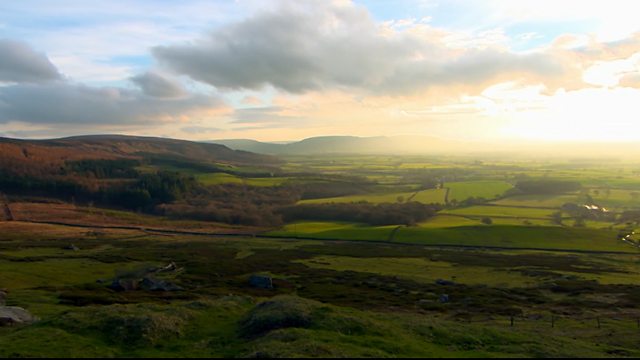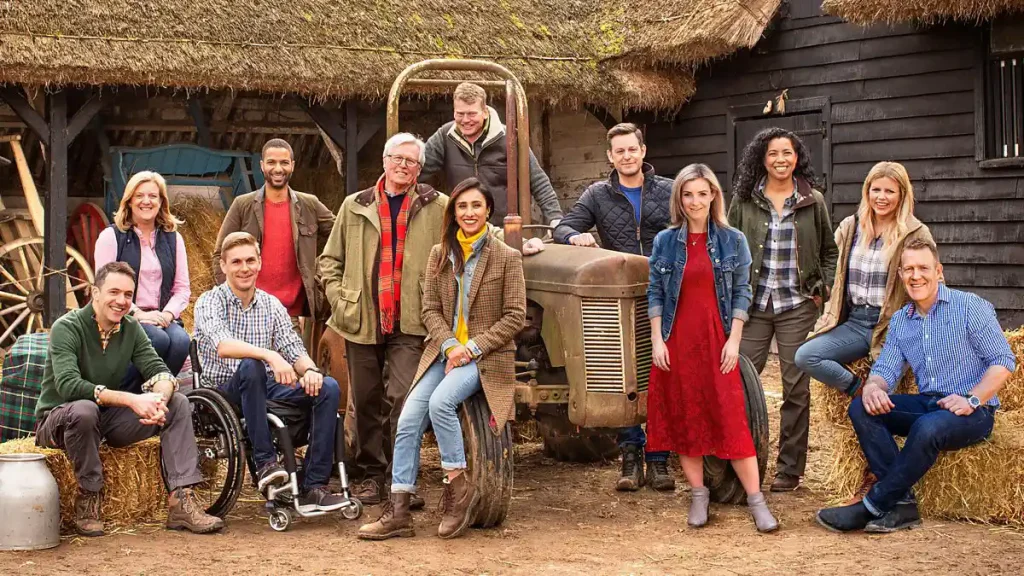
Countryfile – Hamza’s Highlands – Life on the Loch: Imagine a place where time seems to stand still. The air feels sharp and smells of ancient pine needles. Mist clings to the rugged peaks like a soft, grey blanket. This is the heart of the Scottish Highlands. Specifically, this is the breathtaking majesty of Glen Affric. Many people consider this the most beautiful glen in all of Scotland. At its very center lies the crown jewel of the landscape: Loch Affric.
This shimmering body of water serves as the lifeblood of the valley. It reflects the sky like a giant, liquid mirror. Every ripple tells a story of survival and connection. In this special episode of Countryfile, we join Hamza Yassin on a journey. He explores this wild landscape to uncover its many secrets. Hamza possesses a deep, infectious love for the natural world. His curiosity guides us through the heather and across the rocky shores.
The Highlands can often seem harsh and unforgiving at first glance. However, a closer look reveals a vibrant and delicate ecosystem. Every single creature here has a vital role to play. From the smallest insect to the largest bird of prey, nothing exists in isolation. Hamza helps us see these invisible threads that bind the landscape together. Consequently, we begin to understand how the Highlands breathe and thrive.
One of the most thrilling sights occurs just above the water’s surface. Dragonflies dart through the air with incredible speed and precision. They look like tiny, shimmering jewels against the dark water. These ancient predators have hunted here for thousands of years. Their presence indicates a healthy and clean environment. Furthermore, their life cycle connects the world of the air to the world beneath the waves.
Speaking of the water, the loch is home to remarkable avian specialists. Diving birds plunge into the cold depths with surprising grace. They disappear beneath the surface, hunting for fish in the shadows. These birds demonstrate the incredible adaptability of Highland wildlife. They bridge the gap between the sky and the deep, dark loch. Every successful hunt keeps the balance of the ecosystem intact.
Beneath the surface of Loch Affric, a hidden web of life exists. It is a world of silent struggle and constant movement. Nutrients flow through the water, feeding microscopic organisms and larger predators alike. Hamza uncovers the complexity of this aquatic environment. He explains how the health of the water affects everything on land. Indeed, the loch is the beating heart of the entire glen.
However, this beautiful landscape faces many modern challenges. Climate change and habitat loss threaten the delicate balance of the Highlands. Fortunately, dedicated groups of people are working tirelessly to protect this wilderness. Hamza meets with local conservationists and rangers during his travels. These individuals devote their lives to preserving the “hidden web” of Glen Affric. They understand that protecting one species helps the entire forest.
Conservation in Scotland often involves restoring the ancient Caledonian pine forest. This forest once covered vast areas of the country. Today, only small pockets remain, and Glen Affric is one of them. These trees provide homes for red squirrels and rare crossbills. Therefore, planting new trees is a gift to future generations. The work is slow, but the rewards are truly magnificent.
As we watch Hamza explore, we feel a deep emotional connection to the land. His enthusiasm reminds us why these wild spaces matter so much. They are not just scenery; they are our heritage. Furthermore, they offer us a sense of peace and perspective. In a busy world, the silence of the Highlands is a precious commodity. We must cherish and defend it with all our might.
The episode does not stop at the borders of Glen Affric. It also takes us on a nostalgic trip through the Countryfile archives. We revisit some of the UK’s most extraordinary wildlife habitats. This retrospective look highlights the incredible diversity of our islands. From coastal cliffs to rolling meadows, the UK is a patchwork of natural wonders. Each segment reminds us of the beauty that exists right on our doorstep.
Looking back at these archives allows us to see how conservation has evolved. We see the progress made in protecting iconic species like the red kite or the otter. However, we also see how much work remains to be done. These stories serve as both a celebration and a call to action. They inspire us to step outside and appreciate the wild world around us. Similarly, they remind us that every habitat is worth saving.
Countryfile – Hamza’s Highlands – Life on the Loch
The archives showcase habitats that are vastly different from the Highlands. We might see the sun-drenched heaths of southern England or the marshy fens of the East. Each location has its own unique “web of life.” Yet, the underlying theme remains the same across all regions. Nature is a complex tapestry of interconnected lives. When we pull one thread, the whole structure can begin to unravel.
Returning to the present, Hamza’s journey concludes with a powerful message. He emphasizes that we are all part of this natural system. Our actions, no matter how small, have an impact on the environment. By learning about places like Loch Affric, we become better stewards of the Earth. Knowledge leads to appreciation, and appreciation leads to protection. Consequently, we can ensure that these wild places endure.
The Highlands offer a sense of timelessness that is hard to find elsewhere. Standing by the shores of Loch Affric, one feels a sense of awe. The mountains stand as silent sentinels over the water. The wind whispers through the ancient pines, telling stories of old. It is a place of profound beauty and deep mystery. Hamza Yassin captures this magic perfectly in his exploration.
As the sun sets over the glen, the colors of the landscape shift. The purple heather turns to deep violet, and the water glows with gold. It is a moment of pure, natural theatre. This episode of Countryfile invites us to sit back and witness this spectacle. It encourages us to fall in love with the Highlands all over again. Most importantly, it reminds us that we have a responsibility to keep it wild.
In conclusion, Life on the Loch is more than just a nature documentary. It is a tribute to the resilience of the Scottish wilderness. It celebrates the creatures that call this place home and the people who guard them. Through Hamza’s eyes, we see the true value of Glen Affric. We learn that every dragonfly and every diving bird is a miracle. Let us take these lessons to heart and protect our wild world.
Countryfile – Hamza’s Highlands – Life on the Loch
Countryfile – Hamza’s Highlands – Life on the Loch provides a window into a world where time seems to stand still and the natural environment dictates the rhythm of daily existence. The air in Glen Affric feels distinctly different, carrying the scent of ancient pine needles and the stillness of a landscape defined by quiet, calm, and an abundance of hidden life. This breathtaking majesty represents the heart of the Scottish Highlands, where rugged peaks are often shrouded in a soft, grey blanket of mist.
Many consider this specific region to be the most beautiful glen in all of Scotland, acting as a mosaic of diverse and interconnected habitats. At the very center of this environment lies the crown jewel of the Highlands, Loch Affric, which serves as a vital artery for the surrounding ecosystem.
The significance of these regions becomes clear when observing how ancient Caledonian pine forests sit alongside expansive moorlands and towering Munros. This environment is not merely a static backdrop but a living, breathing ecosystem in constant motion. Within Countryfile – Hamza’s Highlands – Life on the Loch, the focus shifts toward the intricate layers of the landscape to uncover how survival is essentially a team effort. From the tiniest insects that begin their life cycles in the depths of the water to the majestic ospreys soaring above, every creature plays a specific role. The interconnectivity of these species ensures that the delicate web of life remains balanced, even as external pressures threaten various habitats.
The scope of this exploration extends beyond the Highlands to examine other rich wildlife ecosystems across the United Kingdom. By visiting locations such as the windswept cliffs of Anglesey and the sandy dunes of Dorset, a broader picture of conservation emerges. Each story serves as a vital reminder that in nature, nothing exists in isolation. Specifically, Countryfile – Hamza’s Highlands – Life on the Loch highlights how human intervention often provides a necessary helping hand to keep these environments in balance. Whether through managed grazing or the physical restoration of landscapes, these efforts are crucial for the survival of the most threatened species.
Ancient woodlands and pristine beaches provide the substrate upon which the entire Highland ecosystem is built. The types of trees found in Glen Affric depend entirely on the soil and climate, and the animals in turn depend on the trees. This relationship forms a chain that extends from midges to ospreys, with fish and invertebrates occupying the spaces between. In the pristine waters of the loch, brown trout, minnows, and eels navigate a world teeming with diverse species. This setting establishes the tone for a deeper investigation into how various organisms rely on one another to thrive in challenging environments.
The Highlands offer a sense of peace and tranquility that is increasingly rare in the modern world. However, beneath the calm surface of the water, a bustling community of life carries out the daily business of survival. The interplay between predators and prey is constant, driven by the availability of food and the suitability of nesting sites. Every ripple on the loch represents a part of a larger story, one that spans decades of observation and careful management. This perspective allows for a comprehensive understanding of the Highland landscape and its enduring importance to British wildlife.
Transitioning from the deep waters to the surrounding forest reveals the complexity of the Caledonian pine habitat. These trees are the pillars of the glen, providing shelter and sustenance for a variety of specialized creatures. The forest floor, rich with organic matter, supports a vast array of fungi and insects that form the foundation of the food web. Consequently, the health of the trees is directly linked to the health of the animals that live within their shadows. This intricate dependency highlights the necessity of preserving such ancient environments from further degradation.
The exploration of these habitats requires a discreet and respectful approach to ensure that the wildlife remains undisturbed. Observers must often keep a significant distance from sensitive areas, such as osprey nests, to protect the birds during their most vulnerable stages. This ethical consideration is a recurring theme, emphasizing that human curiosity must be balanced with the welfare of the species being studied. By adhering to these principles, it is possible to gain valuable insights into the lives of these creatures without negatively impacting their behavior or success.
Ultimately, the journey through these diverse landscapes reveals a country that is an incredible patchwork of ecosystems. Each region, from the boggy moorlands to the dramatic sea cliffs, provides a sanctuary for some of the rarest species in Britain. The dedication of conservationists and the resilience of nature itself offer a sense of hope for the future. Through careful management and a deep respect for the natural world, the legacy of these wild places can be secured for generations to come.
The Ecological Interconnectivity within Countryfile – Hamza’s Highlands – Life on the Loch
The pristine waters of Loch Affric serve as a primary focus for understanding the complex web of life in the Highlands. Peter Smith, a fisherman with sixty years of experience in these waters, observes how every element of the environment is wrapped into a single, cohesive unit. The trees, the substrate, and the climate dictate which animals can thrive in this specific location. The food chain begins with tiny midges and extends upward to the ospreys that act as the top predators. Between these two extremes, hundreds of different species of invertebrates and fish interact in a delicate balance.
Brown trout are among the most significant inhabitants of the loch, relying on a steady supply of insects for their survival. These fish are particularly active during the spring months, such as April and May, when they emerge hungry after the winter season. As the water warms during the summer, the trout often move to deeper, cooler areas to avoid the bright sun. Since fish lack eyelids, they cannot easily see against the mirror-like reflection of the sun on the water’s surface. This behavioral adaptation ensures their survival during the warmest parts of the year when they are most vulnerable to predation.
Fly fishing in this region is often described as a Zen-like experience, offering a therapeutic connection to the natural world. The practice requires a deep understanding of the local insect life, as fishermen attempt to mimic the appearance of hatching flies. One such imitation is known as an emerger, which represents a midge in the process of escaping the water’s surface. By matching the specific type of insect that is hatching on a given day, fishermen can successfully attract trout. This traditional method highlights the intimate relationship between humans and the biological cycles of the loch.
Avian Conservation at South Stack Cliffs
The west coast of Anglesey is home to the South Stack Cliffs, a dramatic RSPB nature reserve where heathland meets the Irish Sea. This rugged environment provides a vital habitat for rare plants and a significant colony of seabirds. Among the most charismatic residents of the reserve is the chough, a member of the crow family distinguished by its red legs and long, pointy red beak. These birds are known for their vocal nature and their impressive aerial acrobatics, even in high winds. They have the ability to swoop and glide with extraordinary precision, making them a favorite among birdwatchers.
Choughs were once found across the entire United Kingdom, but their numbers have declined significantly due to the loss of suitable habitats. They require specific conditions to thrive, including sea caves for nesting and grazed ground to access food. At South Stack, the team has taken an active role in managing the land to encourage an increase in the chough population. By utilizing conservation grazing, they have created a system that supports the birds’ dietary needs. This management strategy has led to record numbers of fledglings, proving that targeted intervention can reverse population declines.
The use of Hebridean and Manx sheep is central to the conservation efforts at South Stack. These native breeds act as nature’s lawnmowers, keeping the grass short and the heather healthy. As the sheep graze, they produce dung that attracts a variety of insects, which in turn serve as the primary food source for the choughs. To monitor the effectiveness of this system, shepherds like Pete Godfrey use GPS trackers to follow the sheep’s movements. This data allows the team to ensure that the grazing is occurring in the areas where the birds most need to feed.
Wetland Management and the Bittern Population
The RSPB Leighton Moss in Lancashire contains the largest reed bed in north-west England, providing a sanctuary for specialized wetland species. To keep the site in optimal condition, the team performs essential maintenance by cutting back the reeds each summer. This work prevents the marsh from becoming overgrown and ensures that the ecosystem remains in balance. If left alone, the marsh would eventually be lost, leading to the disappearance of the species that rely on it for survival. Managed intervention is therefore necessary to preserve the biodiversity of the site.
A unique piece of machinery known as a truck saw is used to manage the deeper sections of the reed bed. This aquatic vehicle, which resembles a specialized piece of heavy equipment, can operate in areas where a standard digger would sink into the mud. The truck saw creates large channels in the reeds, which improves connectivity for fish and provides essential feeding corridors for birds. By opening up the reed edges and pools, the team stimulates the growth of a variety of plants and increases the local insect population. This benefits a wide range of wildlife, including reed warblers, sedge warblers, and otters.
The success of these management efforts is most evident in the recovery of the bittern population. Bitterns are secretive birds that spend much of their time hidden within the reeds, where they hunt for small eels and other aquatic animals. Since the implementation of regular reed cutting and habitat restoration, the team has recorded a stable number of booming males and successful nests. This progress demonstrates how the use of modern technology and dedicated land management can protect and enhance even the most fragile wetland environments.
Predatory Success in Countryfile – Hamza’s Highlands – Life on the Loch
The dragonflies of Glen Affric are among the most successful predators in the natural world, possessing a high rate of hunting success. With fifteen different species recorded in the glen, the area has been designated as a Site of Special Scientific Interest. These insects are a fundamental part of the food web, serving as both predators and prey. In their larval stage, they live in the water for several years before emerging as adults. During this time, they are formidable hunters, preying on tadpoles, midges, and other small invertebrates.
The physical design of the dragonfly is perfectly adapted for its role as a top predator. Their wings allow for incredible speed and maneuverability, with some species reaching speeds of up to thirty miles per hour. They also possess complex compound eyes, which consist of thousands of tiny lenses that provide a nearly panoramic view of their surroundings. This exceptional eyesight allows them to detect movement from all directions, making it difficult for prey to escape. Furthermore, their specialized jaws can extend rapidly to seize prey with extraordinary precision, both in and out of the water.
While dragonflies are highly effective hunters, they also provide a vital food source for other animals. Birds of prey, such as hobbies, and various species of fish rely on dragonflies for sustenance. This interaction highlights the middle ground that dragonflies occupy within the ecosystem. By consuming large quantities of midges, they help to regulate the population of these bothersome insects, which is particularly important in the Scottish Highlands. Their presence is a key indicator of a healthy and functioning ecosystem, where energy is efficiently transferred through the food web.
Restoring the Dynamic Dunes of Studland Bay
At the eastern edge of the Isle of Purbeck lies Studland Bay, a location famous for its sandy shores and a mosaic of sand dunes, grasses, and heathland. These dunes have been built up by wind-blown sand over several centuries and continue to grow at a rate of approximately one meter per year. This dynamic landscape houses hundreds of specialized species that are adapted to the unique conditions of the dune environment. However, many of these inhabitants are currently in trouble due to the stabilization of the dunes and the encroachment of invasive vegetation.
In the past, conservation management focused on protecting and stabilizing the dunes, effectively “bubble wrapping” them to prevent movement. Modern understanding has revealed that sand dunes are actually dynamic ecosystems that require forms of disturbance to maintain high biodiversity. Without regular movement and the presence of bare sand, the dunes undergo ecological succession, eventually turning into woodland. This process is being accelerated by climate change and air pollution, which increases the levels of atmospheric nitrogen deposited into the sand. This excess of nutrients promotes the growth of plants that would not normally thrive in a nutrient-poor dune environment.
To combat this, the National Trust has reintroduced Red Devon cattle to graze down unwanted vegetation and has physically cleared sections of topsoil to expose sandy patches. These efforts are designed to create a habitat for threatened species such as the sand lizard and the heath tiger beetle.
Sand lizards require south-facing slopes for burrowing and laying their eggs, while the heath tiger beetle needs bare sand to hunt its prey. One of the primary threats to these species is Heath Star Moss, an invasive plant that clumps the sand together and eliminates the open, sandy habitats they require. By clearing this moss and restoring the dunes’ natural dynamics, conservationists hope to provide a last-chance saloon for these vulnerable creatures.
The High Brown Fritillary and the Mangalica Pigs
The Heddon Valley in west Exmoor is one of the last remaining strongholds for the high brown fritillary, one of the rarest butterflies in the United Kingdom. Since 1978, the distribution of this species has decreased by a staggering eighty-seven percent, largely due to habitat loss. These butterflies are extremely specific about their environment, requiring a precise mixture of bracken and dog violets without the presence of grass or scrub. Because they are so “fussy,” targeted management is the only way to ensure their continued survival in the region.
A surprising ally in this conservation effort is the Mangalica pig, also known as the Hungarian Hog. These “fluffy pigs” are genetically close to wild boar and are perfectly suited for living outdoors year-round. Their primary role in the Heddon Valley is to act as natural gardeners by breaking up the root systems of bracken and turning over the turf. This activity creates the bare ground necessary for dog violets to thrive. As the pigs clear the landscape, they facilitate the planting of dog violet plugs, which serve as the primary food source for the high brown fritillary caterpillars.
The caterpillars of the high brown fritillary have a complex relationship with their environment. The butterflies lay their eggs on dead bracken, and once hatched, the caterpillars feed on the nearby violets. They also require sunlight and warmth to provide the kinetic energy needed for growth, often coming out to bask in open areas created by the pigs. By planting violets in clusters, conservationists make it easier for the caterpillars to find the sustenance they need. This intensive effort to preserve a single species is driven by the belief that the high brown fritillary is an iconic and charismatic part of the British food web that must be protected.
Avian Hunting and Parenting in Countryfile – Hamza’s Highlands – Life on the Loch
Ospreys are among the most impressive avian predators in the Highlands, possessing specialized evolutionary traits for hunting fish. Their eyesight is so keen that they can spot a trout from up to forty meters above the water’s surface, even when the water is stained with peat. To successfully catch a fish, the osprey must calculate the diffraction of light as it hits the water, as the image of the fish is slightly displaced from its actual position. They then dive feet-first into the water to seize their prey with a powerful, two-way grip made possible by a reversible outer toe.
The physical adaptations of the osprey extend to how they transport their catch back to the nest. To minimize aerodynamic drag, the birds always orient the fish so that it faces forward. If the fish were carried backward, its scales would act as an air brake, making flight significantly more difficult. Ospreys are capable of lifting prey that is nearly half their own body weight, a feat that requires immense strength and precision. This specialized hunting technique ensures that the birds can provide enough food for their growing chicks during the breeding season.
Parenting in the osprey world is a coordinated effort between the male and the female. While the female remains at the nest to feed and protect the newborns, the male is responsible for hunting and security. He often perches a short distance from the nest, acting as a lookout for potential threats such as golden eagles, white-tailed eagles, or even hooded crows. If the female senses danger, she uses a specific alarm call to summon the male to defend the territory. This partnership is essential for the success of the brood, as the chicks are entirely dependent on their parents for food and protection during their first weeks of life.
Human Interventions and Future Sustainability in Countryfile – Hamza’s Highlands – Life on the Loch
The long-term survival of the UK’s rarest species depends on continued dedication to conservation and the use of scientific monitoring. In the Highlands, environment rangers for Forestry and Land Scotland keep a close watch on osprey nests to track breeding success and ensure the birds are not disturbed. By maintaining a suitable distance and utilizing specialized equipment, researchers can gain valuable data without impacting the birds’ behavior. This ongoing monitoring provides a success story for young pairs that are gaining experience in breeding and contributing to the overall population growth.
Citizen science also plays a vital role in monitoring the health of various ecosystems. Organizations like the British Dragonfly Society encourage the public to record the species they find in their own ponds. This data contributes to a larger picture of how dragonflies and damselflies are faring across the country. Engaging the public in these efforts not only provides valuable scientific information but also fosters a deeper appreciation for the “small stuff” that forms the foundation of the natural world. This collective effort ensures that conservation remains a priority for communities throughout the UK.
The financial support for these initiatives often comes from public contributions, such as the sales of the Countryfile calendar. This annual project has raised millions of pounds for BBC Children in Need, supporting countless families while also celebrating the beauty of the British countryside. The photographs captured by viewers serve as a reminder of the incredible biodiversity that exists within the UK and the importance of preserving it. By supporting these efforts, the public plays a direct role in the ongoing work to protect threatened habitats and the species that call them home.
Weather Patterns and Their Impact on Conservation
The weather in the Highlands can be unpredictable and harsh, with heavy snow accumulations and sub-zero temperatures often occurring during the winter months. Amber weather warnings are a common feature of the region, signaling the potential for significant disruption due to drifting snow and icy conditions. These cold spells can have a profound impact on local wildlife, forcing animals to adapt their behavior to survive. For example, fish may move to deeper waters, and birds may seek shelter in more protected areas of the glen to escape the bitter cold.
As weather fronts push in from the Atlantic, they often bring a mix of rain, sleet, and snow as they encounter the colder air sitting over the Highlands. This transition between mild and cold air creates a complex weather story that affects both humans and animals. While milder air may offer some relief, it can also lead to hazardous conditions when it meets lying snow. Understanding these patterns is crucial for conservationists who must plan their work around the changing seasons and the challenges they present.
The resilience of Highland species is tested by these extreme conditions, but their ability to survive is a testament to the health of the ecosystem. A well-functioning habitat provides the resources needed for wildlife to endure the winter and thrive when the warmer weather returns. The continued success of the ospreys, dragonflies, and other Highland residents is inextricably linked to the stability of the environment and the climate. By protecting these regions, we ensure that the natural cycles of the Highlands can continue, even in the face of an increasingly uncertain climate.
Conclusion of the Highland Journey
The journey through the Scottish Highlands reveals a landscape that is both rugged and delicate, where every creature is part of a larger, interconnected story. From the ancient pine forests to the tranquil lochs, the environment of Glen Affric serves as a sanctuary for a diverse range of species. The interconnectivity of this ecosystem is a recurring theme, highlighting the importance of every organism, no matter how small. Through managed intervention and a deep respect for the natural world, the beauty and biodiversity of the Highlands can be preserved.
The lessons learned in the Highlands extend to other habitats across the UK, from the sand dunes of Dorset to the reed beds of Lancashire. In every case, the message is clear: nature thrives when it is given the space and support it needs. Whether through the physical restoration of landscapes or the careful monitoring of sensitive species, human intervention is often the key to success. This partnership between humans and the natural world is essential for the long-term sustainability of the country’s most precious wild places.
As the day ends in Glen Affric, the wildlife continues its quiet business of survival, largely undisturbed by the outside world. The bugs, the fish, and the birds are all part of a pristine system that has endured for centuries. Seeing how it all connects together provides a sense of peace and joy, reinforcing the value of these incredible landscapes. By continuing to support conservation and respecting the boundaries of the natural world, we can ensure that the Highlands remain a vibrant and breathing ecosystem for years to come.
FAQ Countryfile – Hamza’s Highlands – Life on the Loch
Q: What is the primary focus of Countryfile – Hamza’s Highlands – Life on the Loch?
A: This special episode centers on Glen Affric in the Scottish Highlands, where Hamza Yassin explores the intricate ecosystem surrounding Loch Affric. Furthermore, the program reveals how every creature, from tiny midges to majestic ospreys, plays a vital role in maintaining the delicate balance of this pristine wilderness. Additionally, the episode includes archive footage showcasing diverse UK wildlife habitats, emphasizing the interconnected nature of conservation across Britain.
Q: Why is Glen Affric considered so ecologically significant?
A: Glen Affric represents one of the last remaining fragments of the ancient Caledonian pine forest that once covered vast areas of Scotland. Consequently, it provides critical habitat for specialized species like red squirrels and rare crossbills. The glen’s ecological significance extends beyond the forest, as Loch Affric serves as the lifeblood of the valley, supporting a complex food web from microscopic organisms to apex predators.
Q: How do dragonflies contribute to the Highland ecosystem?
A: Dragonflies are exceptionally successful predators, with fifteen species recorded in Glen Affric, earning the area designation as a Site of Special Scientific Interest. Their larvae spend several years underwater hunting tadpoles and midges before emerging as aerial hunters capable of reaching thirty miles per hour. Moreover, they occupy a crucial middle position in the food web, controlling insect populations while providing sustenance for birds and fish, thereby indicating overall ecosystem health.
Q: What specialized adaptations allow ospreys to hunt successfully in Highland lochs?
A: Ospreys possess remarkably keen eyesight that enables them to spot trout from forty meters above peat-stained water. Importantly, they must calculate light diffraction when diving, as the fish’s image appears displaced from its actual position beneath the surface. Their reversible outer toe provides a powerful two-way grip, while their practice of orienting fish forward during flight minimizes aerodynamic drag, allowing them to transport prey nearly half their body weight.
Q: How does conservation grazing benefit the chough population at South Stack Cliffs?
A: The RSPB employs Hebridean and Manx sheep as nature’s lawnmowers to maintain short grass and healthy heather at South Stack. As these sheep graze, their dung attracts various insects that serve as the primary food source for choughs. Subsequently, GPS trackers monitor sheep movements to ensure grazing occurs precisely where the red-legged, red-beaked birds need to feed, resulting in record numbers of fledglings through this targeted intervention approach.
Q: Why is active management necessary for reed beds like those at RSPB Leighton Moss?
A: Without regular cutting, reed beds would become overgrown and eventually transform into dry land, causing the loss of specialized wetland species. The team uses a specialized truck saw to create channels in deeper sections, improving fish connectivity and providing essential feeding corridors for birds. This intervention has proven crucial for bittern recovery, as these secretive birds require specific reed bed conditions for hunting eels and successfully raising their young.
Q: What makes sand dunes at Studland Bay dynamic ecosystems requiring disturbance?
A: Historically, conservationists focused on stabilizing dunes, effectively bubble-wrapping them against movement. However, modern understanding reveals that sand dunes require regular disturbance to maintain high biodiversity and prevent succession into woodland. Climate change and atmospheric nitrogen deposition accelerate unwanted plant growth, necessitating intervention through Red Devon cattle grazing and physical topsoil removal to expose bare sand essential for sand lizards and heath tiger beetles.
Q: How do Mangalica pigs help conserve the high brown fritillary butterfly?
A: These fluffy Hungarian Hogs act as natural gardeners in Heddon Valley, breaking up bracken root systems and turning over turf to create bare ground. This activity facilitates the planting of dog violet plugs, which provide essential food for high brown fritillary caterpillars. Since this rare butterfly has declined by eighty-seven percent since 1978 due to its extremely specific habitat requirements, the pigs’ work creates the precise mixture of bracken and violets necessary for survival.
Q: What role does citizen science play in Highland conservation efforts?
A: Organizations like the British Dragonfly Society encourage the public to record species found in their ponds, contributing valuable data to a larger picture of ecosystem health across the country. This engagement fosters deeper appreciation for foundational species that often go unnoticed. Additionally, public contributions through initiatives like the Countryfile calendar have raised millions for BBC Children in Need while celebrating British biodiversity and directly supporting conservation work throughout the UK.
Q: How do extreme Highland weather patterns impact wildlife conservation?
A: Winter brings heavy snow accumulations, sub-zero temperatures, and amber weather warnings that force wildlife to adapt their behavior significantly. Fish move to deeper waters while birds seek protected areas to escape harsh conditions. Atlantic weather fronts create complex transitions between mild and cold air, affecting conservation planning throughout the seasons. Nevertheless, the resilience of Highland species testifies to ecosystem health, demonstrating that well-functioning habitats provide necessary resources for wildlife to endure winter and thrive when warmth returns.