Countryfile – Humber Estuary: Where Industry Meets Nature
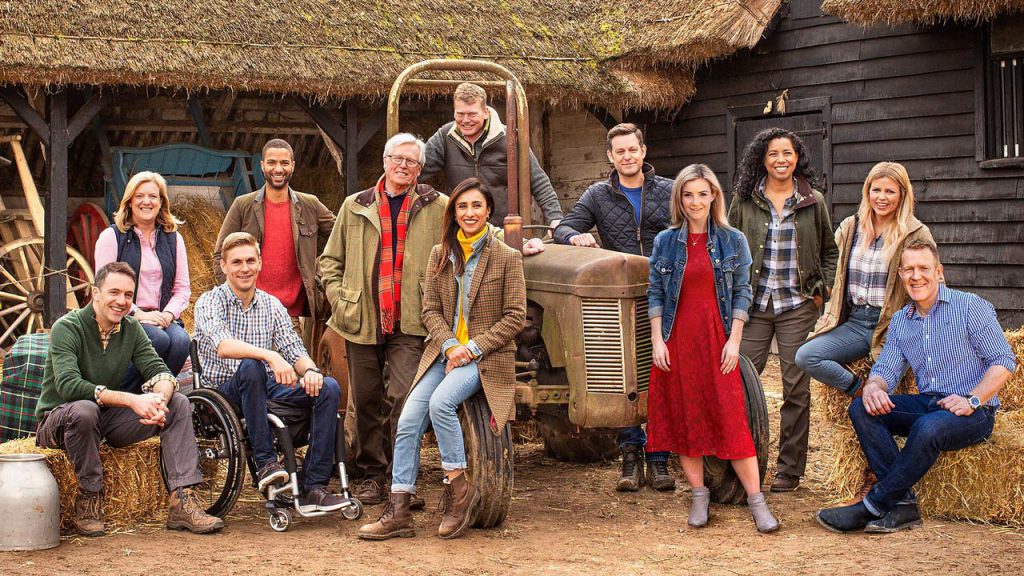
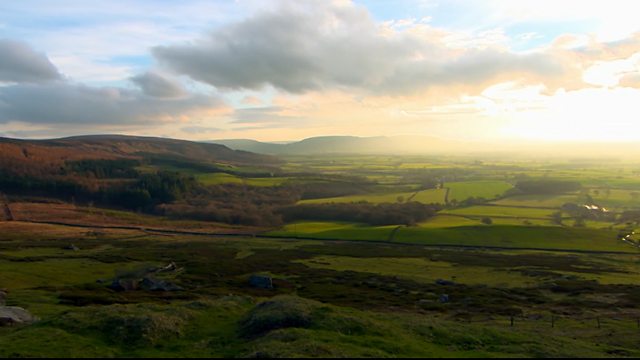
The Humber Estuary reveals its surprising dual personality in this week’s Countryfile, as Matt, Anita, and Adam explore a region where industrial prowess and natural beauty coexist in remarkable harmony. Despite being renowned for its bustling ports and industrial heritage, the estuary harbors extraordinary biodiversity and wildlife that thrives alongside human activity.
Matt’s journey takes him to the tranquil Far Ings Nature Reserve, once a hub of clay extraction for the brick-making industry. Today, these former clay pits have transformed into reed beds and lagoons, creating a perfect sanctuary for wildlife. At the reserve, Matt rolls up his sleeves to assist local conservationists with habitat management specifically designed to protect the elusive bittern. This rare and secretive heron species, once on the brink of extinction in Britain, has found a safe haven among the dense reeds of the Humber.
“The bittern’s comeback story represents everything we’re trying to achieve here,” explains the reserve manager as Matt helps cut back invasive vegetation. “These birds need precisely managed reed beds to thrive, and their booming call across the water is our reward for years of careful conservation work.”
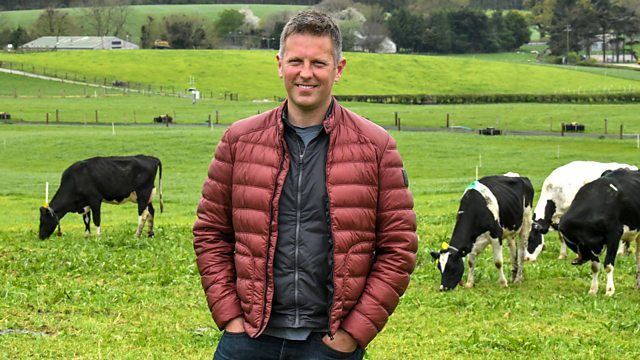
Meanwhile, Adam discovers how agriculture and conservation can work hand in hand along the estuary’s fertile banks. He meets a forward-thinking farmer who has embraced sustainable farming methods that respect the delicate estuarine ecosystem. The farmer has partnered with a local butcher to create a farm-to-table operation that showcases the exceptional quality of meat raised in this unique environment.
“The salt marshes here produce a distinctive flavor in our livestock,” the farmer tells Adam while surveying his grazing animals. “The animals contribute to the ecosystem by naturally managing the vegetation, and in return, they provide meat with a character you simply can’t replicate elsewhere.”
The butcher, whose family business dates back generations, adds: “Customers increasingly want to know the story behind their food. When we can tell them exactly which field their Sunday roast grazed in and how that farming helped preserve the local landscape, it creates a connection that goes beyond just eating.”
Anita’s adventure takes her to Blacktoft Sands, home to Britain’s largest tidal reed bed and a vital habitat for numerous bird species. Here, she joins enthusiastic volunteers for the important task of monitoring bird populations. Armed with binoculars and identification guides, Anita learns how to count and record the diverse species that depend on this wetland ecosystem.
“Every bird we count helps build a picture of the estuary’s health,” a volunteer explains. “The data we collect today will inform conservation efforts for years to come.”
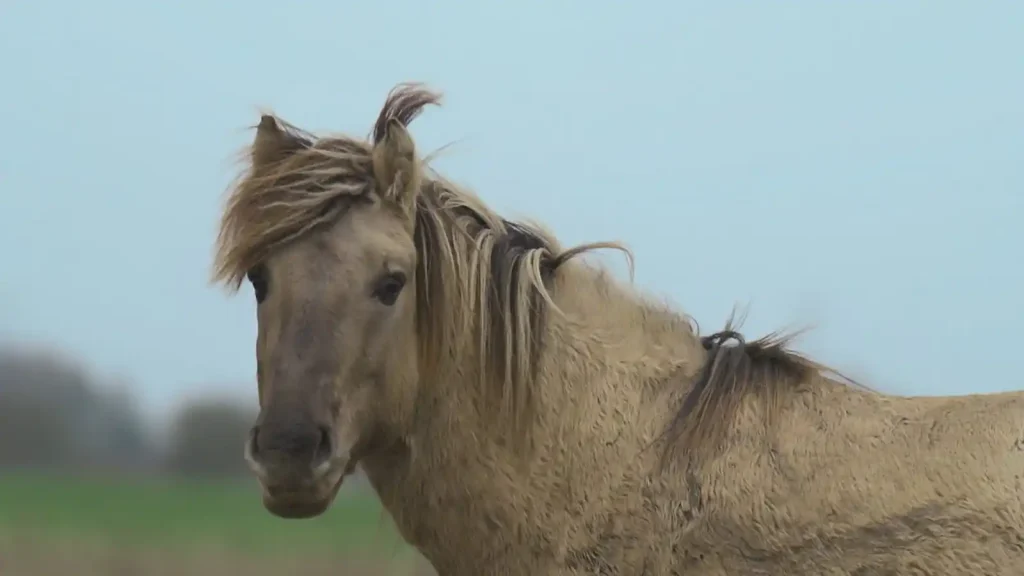
But perhaps the most enchanting moment of Anita’s visit comes when she encounters a herd of konik ponies grazing freely among the reeds. These hardy animals, with their distinctive mouse-gray coats, are descendants of the wild horses that once roamed across Europe. Now, they serve as natural landscape engineers, their grazing patterns helping to maintain the diversity of the reed beds.
“These ponies are living lawnmowers,” laughs the reserve warden. “But they’re incredibly selective about what they eat and when, creating a patchwork of vegetation that benefits a wide range of wildlife.”
The konik ponies move with a quiet grace through their wetland home, occasionally stopping to observe the human visitors with curious eyes before returning to their essential work of reed management. Their presence offers a glimpse into a more ancient relationship between large herbivores and wetland ecosystems.
Away from the Humber, Adam journeys to the rolling hills of Derbyshire to meet a young farmer facing the challenges of modern agriculture head-on. The traditional family dairy farm has been operated by the same family for four generations, but now stands at a crossroads familiar to many agricultural businesses across Britain.
Countryfile – Humber Estuary
The young farmer, barely in his thirties, speaks candidly about the difficult decisions he’s had to make. “Dairy farming as my grandfather knew it simply isn’t viable anymore,” he explains while showing Adam around the farm. “We either had to grow substantially, find a niche, or leave the industry altogether.”
Rather than abandoning dairy farming, he has embraced innovation and diversification. Adam tours the modern milking parlor where technology monitors each cow’s health and productivity. More impressively, the farm has established its own processing facility, creating artisanal cheeses and yogurts that command premium prices at farmers’ markets and specialty food shops.
“By controlling the entire process from cow to customer, we’ve not only survived but thrived,” the farmer says proudly. “Plus, we’re employing more local people than the farm ever did as a traditional dairy operation.”
The transformation hasn’t been without challenges. Initial investment costs were substantial, and developing the skills needed for cheese-making required dedicated learning. However, the farmer’s passion for preserving his family’s agricultural heritage while adapting to modern market demands has created a blueprint for other struggling dairy farms.
Throughout this journey across the Humber Estuary and beyond, Countryfile reveals the delicate balance between human activity and natural processes. It’s a reminder that with thoughtful management and respect for ecological principles, industry, agriculture, and wildlife can not only coexist but actually benefit one another in surprising ways.
As the sun sets over the vast expanse of the Humber, painting the water gold and silhouetting the distant industrial skyline, the message becomes clear: our relationship with the natural world needn’t be one of conflict. Instead, as demonstrated by the diverse stories featured in this episode, it can be a partnership that enriches both landscapes and lives.
Conclusion Countryfile – Humber Estuary: Harmonizing Progress and Preservation
The Humber Estuary offers us a rare glimpse into what’s possible when we reimagine our relationship with nature. Throughout this journey, we’ve witnessed how industrial heritage and natural beauty don’t simply coexist—they actively enhance one another through thoughtful stewardship and innovative thinking.
From Matt’s hands-on conservation work at Far Ings to protect the once-endangered bittern, we learn that restoration isn’t just possible—it’s already happening. Meanwhile, Adam’s encounters with forward-thinking food producers demonstrate that sustainable agriculture isn’t merely an idealistic concept but a practical reality delivering tangible benefits for both ecosystems and economies.
Perhaps most inspiring of all, Anita’s experience with the konik ponies illustrates nature’s remarkable ability to heal itself when given the proper support. These living links to the past now shape the future of the landscape, reminding us that sometimes the most advanced solutions are also the most ancient.
Beyond the estuary, the young Derbyshire dairy farmer embodies the spirit of resilience that defines British agriculture today. By embracing both tradition and innovation, he’s crafted a future where rural livelihoods and landscapes can flourish together rather than competing for survival.
The lessons from the Humber transcend this specific geography. Indeed, they offer a blueprint for addressing our most pressing environmental challenges. First, we must recognize that humans are inseparable from nature—not visitors, but participants. Second, we should embrace solutions that work with natural processes instead of against them. Finally, we need to value the knowledge of those who work closest to the land and water every day.
As climate change transforms our world, these principles become even more vital. The Humber shows us that adaptation doesn’t mean abandonment of either progress or preservation—rather, it demands their thoughtful integration.
Like the estuary itself, where fresh water and salt water merge to create one of Britain’s most productive ecosystems, the blending of human ingenuity with natural resilience creates something greater than the sum of its parts. In this dynamic balance, we find not just hope for survival, but a pathway to genuine flourishing for both landscapes and communities alike.
FAQ Countryfile – Humber Estuary
Q: What makes the Humber Estuary unique as a natural habitat?
A: The Humber Estuary presents a remarkable dual personality where industrial activity and natural ecosystems flourish side by side. Despite its reputation for bustling ports and industrial heritage, the estuary supports extraordinary biodiversity. Former clay extraction sites have transformed into vibrant reed beds and lagoons, creating perfect sanctuaries for wildlife. This rare balance demonstrates how human development and conservation can work in harmony rather than opposition when managed thoughtfully.
Q: How has the bittern population been preserved at Far Ings Nature Reserve?
A: The bittern’s revival at Far Ings Nature Reserve represents a significant conservation success story. Through careful habitat management, particularly of reed beds, this once-endangered heron species has found a secure haven. Local conservationists regularly cut back invasive vegetation to maintain the precise conditions these secretive birds require. Consequently, the bittern’s distinctive booming call across the water serves as audible evidence of successful ecological restoration, demonstrating how targeted conservation efforts can reverse the decline of threatened species.
Q: What role do sustainable farming practices play along the Humber Estuary?
A: Sustainable farming practices create a mutually beneficial relationship between agriculture and conservation along the Humber Estuary. Forward-thinking farmers have adopted methods that respect the delicate estuarine ecosystem while producing high-quality products. For instance, livestock grazing on salt marshes naturally manage vegetation while developing distinctive flavors in their meat. Furthermore, these farm-to-table operations establish meaningful connections between consumers and the landscape, as customers learn exactly where their food originates and how its production contributes to environmental preservation.
Q: Why is bird monitoring at Blacktoft Sands important for conservation efforts?
A: Bird monitoring at Blacktoft Sands provides crucial data that serves as a barometer for the estuary’s overall ecological health. Volunteers meticulously count and record diverse bird species that depend on Britain’s largest tidal reed bed. Subsequently, this information guides future conservation decisions and helps measure the effectiveness of current management practices. Moreover, long-term monitoring reveals population trends that might otherwise go unnoticed, allowing conservationists to respond quickly to potential threats and ensuring this vital habitat continues to support numerous bird species.
Q: How do konik ponies contribute to habitat management in the reed beds?
A: Konik ponies serve as natural landscape engineers throughout the Humber’s reed beds, offering an elegant biological solution to habitat management. These hardy animals, descendants of wild European horses, selectively graze vegetation in patterns that maintain biodiversity. Their careful browsing creates a diverse patchwork of plant structures that benefits numerous wildlife species. Additionally, this approach eliminates the need for mechanical intervention while connecting visitors to ancient ecological relationships between large herbivores and wetland ecosystems, demonstrating how natural processes often outperform human management techniques.
Q: What challenges do traditional dairy farms face, and how are they adapting?
A: Traditional dairy farms encounter significant economic pressures that force difficult decisions about their future. As illustrated by the Derbyshire farm featured on Countryfile, many operations face three stark choices: substantial growth, finding a specialized niche, or leaving the industry entirely. Nevertheless, innovative farmers are embracing diversification through value-added processing facilities for artisanal products. By controlling the entire production chain from cow to customer, these businesses not only survive but create additional employment opportunities while preserving agricultural heritage through adaptation rather than abandonment.
Q: What ecological principles can we learn from the Humber Estuary’s management?
A: The Humber Estuary teaches us that thoughtful management based on ecological principles creates mutually beneficial outcomes for both human activities and wildlife. First, working with natural processes rather than against them yields sustainable results, as demonstrated by the konik ponies’ grazing patterns. Second, restoration of damaged habitats is possible through patient, targeted interventions. Finally, integrated approaches that consider entire ecosystems rather than isolated components produce resilient landscapes where industry, agriculture, and conservation reinforce each other instead of competing, pointing toward solutions for broader environmental challenges.
Q: When is the best time to visit the Humber Estuary to witness its wildlife?
A: The Humber Estuary offers exceptional wildlife viewing opportunities throughout the year, though each season presents unique highlights. Spring brings migrating birds and renewed activity in the reed beds, including the chance to hear the distinctive booming call of bitterns. Summer showcases the konik ponies grazing among lush vegetation, while autumn witnesses impressive bird migrations. Even winter has its charm, as the stark landscape reveals the architectural beauty of the reed beds against the industrial backdrop. Consequently, nature enthusiasts should consider multiple visits to experience the estuary’s full ecological cycle.