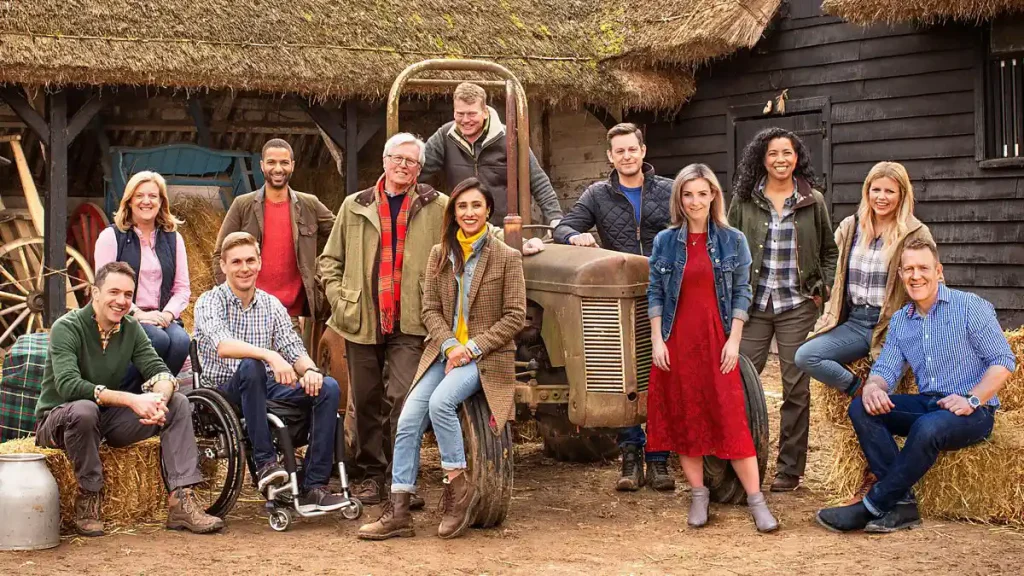
Countryfile Lambing Special: Spring breathes life back into the British countryside. Dormant fields awaken with vibrant green hues. Similarly, hedgerows burst forth with fresh leaves. This signals the arrival of a crucial period. Indeed, it’s the most demanding time in the UK’s sheep-farming calendar. Lambing season is upon us once more. It’s far more than just newborn animals appearing. It truly represents the heart of the farming year. This intense, high-stakes season defines rural livelihoods. Furthermore, it demands unwavering, round-the-clock dedication from farmers. The success of the entire year often hinges on these frantic weeks. From the lush pasture to the eventual plate, lambing shapes everything.
Imagine the scene: frosty mornings give way to brighter, longer days. Yet, inside farm sheds or across windswept fields, the pace is relentless. The air buzzes with a unique energy. It mixes exhaustion with exhilaration. Every bleat signifies a potential success or challenge. Consequently, farmers operate on minimal sleep, fueled by adrenaline and strong tea.
They become midwives, nurses, and guardians all rolled into one. Their hands, chapped by cold and work, gently guide new life into the world. This period is the ultimate testament to a farmer’s skill. Additionally, it showcases their resilience and profound connection to their animals. Failure isn’t just disappointing; it directly impacts their financial stability. Therefore, the pressure is immense, a constant companion during lambing.
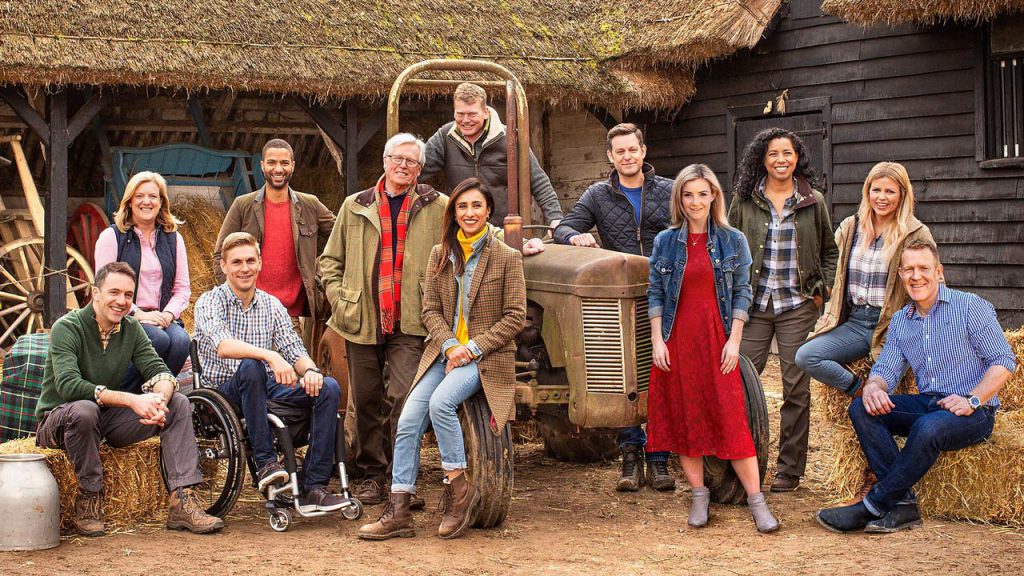
For many, this annual rhythm is deeply ingrained. It’s a tradition passed down through generations. However, it’s also a modern agricultural operation. Success requires careful planning and adaptation. It’s a blend of ancient knowledge and contemporary practice. Viewers recently got a glimpse into this demanding world. The Countryfile Lambing Special offered intimate access. It followed three of the programme’s own presenters. Interestingly, they aren’t just reporters; they are farmers themselves.
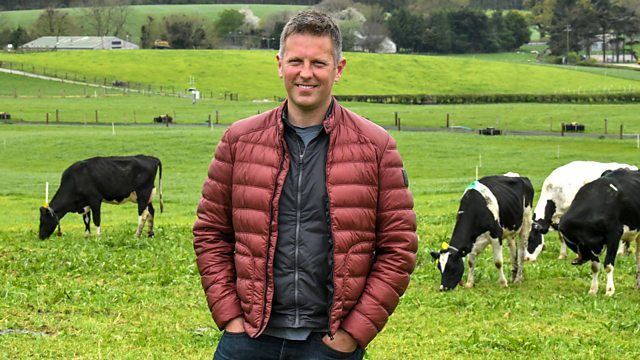
Adam Henson, Sammi Kinghorn, and Matt Baker face lambing season head-on. They experience the same pressures and joys as farmers nationwide. Yet, each approaches it from a unique perspective. They operate different systems on their own farms. Ultimately, they pursue distinct goals shaped by their land and vision.
Let’s first visit Sammi Kinghorn and her father. Their farm buzzes with activity during lambing. They manage a considerable number of sheep. Consequently, they choose to lamb their large flock indoors. This system offers significant advantages. For instance, it provides shelter from unpredictable spring weather. Rain, wind, or late snow can be devastating for vulnerable newborns. Inside, ewes and lambs have protection. Moreover, indoor lambing allows for closer monitoring. Farmers can quickly intervene if a ewe struggles during birth. They can ensure lambs receive vital colostrum promptly. This ‘first milk’ is packed with essential antibodies.
Sammi and her dad share a specific breeding goal. They are passionately focused on developing the ‘best mothers’. But what does that truly mean? It involves selecting ewes with strong maternal instincts. These sheep readily bond with their offspring. They demonstrate patience and provide ample milk. Furthermore, good mothers are often calmer and easier to manage.
This careful selection process takes time and keen observation. It requires detailed record-keeping year after year. By focusing on maternal traits, they aim for a more self-sufficient flock. Consequently, this reduces the need for intervention over time. Their indoor system, while intensive, facilitates this close scrutiny. It allows them to identify and nurture those crucial mothering qualities effectively. It’s a strategy built on care and forward-thinking genetics.
Now, let’s journey to Matt Baker’s farm. Here, the approach paints a contrasting picture. Matt, alongside his mum, recently made a significant change. They moved away from managing intensive numbers. Instead, they now nurture a smaller flock. Crucially, these are hardy sheep breeds suited to the local environment. Their lambing primarily happens outdoors. This decision reflects a different farming philosophy. Perhaps it’s a desire for a closer connection to natural cycles. Maybe it’s about adapting the farm to their current resources. Outdoor lambing allows sheep to follow their instincts more freely. Ewes often find sheltered spots to give birth naturally.
However, this method carries its own set of challenges. Hardy breeds are certainly resilient. Yet, newborns remain vulnerable to harsh weather conditions. Predation can also be a greater risk in open fields. Constant vigilance is still necessary, albeit in a different form. Farmers must regularly walk the fields, checking on expectant ewes. They need to spot any potential problems from a distance. Intervention might be trickier compared to an indoor setup. Nevertheless, Matt and his mum embrace this system.
Their smaller flock size likely makes it more manageable. It represents a shift towards robustness and perhaps lower inputs. It’s a testament to adapting farming practices to personal circumstances and the land itself. Their journey highlights the diverse ways farmers engage with lambing season.
Finally, we turn our attention to Adam Henson’s farm. Adam is well-known for his interest in farming innovation. His approach to lambing reflects this passion. While managing his flock, Adam continually seeks improvement. His primary focus is on breeding greater efficiency into his sheep. This concept of ‘efficiency’ covers several aspects. For example, it might mean selecting rams whose lambs grow faster. Faster growth reduces the time needed to reach market weight. Consequently, this saves on feed costs and resources. Efficiency could also involve improving carcass quality. This directly impacts the value of the final product.
Furthermore, Adam explores ways to enhance disease resistance within the flock. Healthier sheep naturally require fewer treatments. This lowers veterinary bills and improves overall animal welfare. Breeding for efficiency often involves meticulous data collection. Adam likely uses estimated breeding values (EBVs). These tools help predict the genetic merit of animals.
They allow for informed decisions when selecting breeding stock. His work represents the cutting edge of sheep genetics. Yet, it’s firmly grounded in practical farming realities. Adam aims to make his sheep enterprise more sustainable. He wants it to be both economically viable and environmentally conscious. His efforts showcase how science can support traditional farming practices. It’s about optimizing production while maintaining high standards of care.
Countryfile Lambing Special
These three distinct stories paint a vivid picture. Sammi focuses on maternal excellence within an indoor system. Matt embraces hardy breeds and natural instincts outdoors. Adam pioneers efficiency through careful genetic selection. Despite their different methods, common threads unite them. All three demonstrate incredible dedication during lambing season. They share a deep understanding of their animals. Moreover, they possess an unwavering commitment to their farms.
Their experiences, shown on Countryfile, resonate deeply. They remind us that farming isn’t monolithic. There is no single ‘right’ way to raise sheep or manage lambing. Instead, success lies in adapting knowledge to specific environments. It involves balancing tradition with innovation. It requires responding to the unique needs of the flock and the land.
Lambing season is more than just a backdrop for a television programme. It is the engine room of the UK’s sheep industry. Millions of lambs are born across the country each spring. This annual event underpins countless rural businesses. It supports families and shapes communities. Sheep farming also plays a vital role in maintaining landscapes. Grazing animals help manage grasslands and upland areas. These habitats might otherwise become overgrown. The wool, meat, and breeding stock produced are valuable commodities. Yet, the industry faces numerous pressures. Economic uncertainty, changing regulations, and environmental concerns all pose challenges. Farmers must constantly adapt and innovate to remain viable.
Watching Adam, Matt, and Sammi navigate lambing offers valuable insight. It highlights the sheer hard work involved. It showcases the emotional highs and lows. Think of the relief when a difficult birth ends well. Consider the quiet satisfaction of seeing lambs thrive. Conversely, picture the heartache when things go wrong despite best efforts. This is the reality for thousands of UK farmers every single spring.
Their commitment ensures the continuation of this vital industry. It brings food to our tables and shapes the countryside we cherish. Therefore, as spring unfolds, take a moment. Appreciate the incredible effort behind the pastoral scenes. Remember the farmers working tirelessly, day and night. They are nurturing new life, ensuring the cycle continues. Lambing season is truly the demanding, defining pulse of the sheep farming year.
The Enduring Rhythm of Life
As lambing season draws to a close, the countryside transitions once more. Those tiny, wobbling newborns now frolic confidently across green fields. Meanwhile, exhausted farmers finally catch their breath after weeks of relentless vigilance.
This annual cycle represents far more than simply raising livestock. Indeed, it embodies the very essence of British farming tradition. Every approach—whether Sammi’s focus on maternal excellence, Matt’s embrace of natural methods, or Adam’s pursuit of genetic efficiency—contributes to a rich tapestry of agricultural knowledge.
Yet beyond these differences lies a unifying commitment. All farmers share an unwavering dedication to their flocks during this crucial period. Furthermore, they demonstrate remarkable resilience in the face of countless challenges. From unpredictable weather to market fluctuations, nothing deters their steadfast care.
Like a symphony that builds to its crescendo, lambing season demands everything before rewarding those who persevere. The rewards, however, extend far beyond the farm gate. Consequently, our landscapes flourish under careful grazing management. Additionally, rural communities thrive on the economic backbone that sheep farming provides.
For viewers of Countryfile’s Lambing Special, these insights offer more than entertainment. They open a window into a world where modern innovation dances with ancient wisdom. Here, farmers like Adam, Matt, and Sammi become not just producers but stewards of both land and tradition.
The lambing shed, therefore, becomes a powerful metaphor for life itself. It’s where struggle and joy intertwine, where persistence overcomes adversity. Moreover, it’s where the natural world reminds us of our fundamental connection to the cycles of birth, growth, and renewal.
As consumers, we rarely glimpse the countless predawn checks or the farmer’s gentle hands guiding a difficult birth. Nevertheless, these moments shape the food that reaches our tables. They infuse every lamb chop with a story of care and commitment.
So next time you witness lambs bounding across spring fields, remember the untold story behind this pastoral scene. Consider the farmers who, through their dedication, ensure this timeless tradition continues. Their work—exhausting yet exhilarating—forms the beating heart of rural Britain.
Lambing season may end as summer approaches, but its impact resonates throughout the year. It remains, quite simply, the defining rhythm of sheep farming life—challenging, rewarding, and absolutely essential to our agricultural heritage.
FAQ Countryfile Lambing Special
Q: What makes lambing season so crucial for British sheep farmers?
A: Lambing season represents the heart of the farming year because it directly impacts financial stability and future flock development. Furthermore, success during these intense weeks often determines a farm’s profitability for the entire year. Most sheep farmers invest countless sleepless nights, constantly monitoring their ewes and intervening when necessary. This period combines traditional knowledge with modern practices, creating a physically and emotionally demanding experience that defines rural livelihoods across Britain.
Q: How do indoor and outdoor lambing systems differ?
A: Indoor lambing provides shelter from unpredictable spring weather and allows closer monitoring of ewes during birth. Additionally, it helps farmers ensure lambs receive vital colostrum promptly and facilitates easier intervention when complications arise. Outdoor lambing, however, embraces natural processes and works best with hardy sheep breeds adapted to local conditions. While requiring less infrastructure, outdoor systems demand vigilant field checks and weather awareness. The choice between systems typically depends on flock size, farm resources, and the farmer’s philosophy about animal husbandry.
Q: What qualities make a ewe a “good mother” in sheep farming?
A: A good mother ewe readily bonds with her lambs and demonstrates strong protective instincts from birth. She produces ample milk to support healthy growth and shows patience during nursing attempts. Moreover, maternal ewes typically remain calm during handling, making management easier for farmers. These qualities often develop through careful genetic selection over generations. Consequently, farmers like Sammi Kinghorn meticulously record maternal behaviors and breeding outcomes to identify and propagate these valuable traits, ultimately creating a more self-sufficient flock requiring less human intervention.
Q: How does Adam Henson approach breeding for efficiency in his sheep flock?
A: Adam focuses on selecting rams whose offspring grow faster and develop superior carcass quality. He likely utilizes estimated breeding values (EBVs) to predict genetic merit and make informed breeding decisions. Furthermore, his approach emphasizes enhancing disease resistance, which naturally reduces veterinary costs and improves animal welfare. This data-driven method represents cutting-edge sheep genetics while remaining grounded in practical farming realities. Through careful selection and meticulous record-keeping, Adam aims to create a flock that converts feed more efficiently and reaches market weight sooner, improving both economic and environmental sustainability.
Q: Why did Matt Baker switch to a smaller flock with hardy breeds?
A: Matt’s transition likely reflects a desire to align farming practices with available resources and personal philosophy. Hardy breeds thrive with less intervention and adapt well to local conditions. Additionally, a smaller flock allows more individual attention during lambing season, potentially improving survival rates. This approach emphasizes quality over quantity and often creates a closer connection to natural farming cycles. While outdoor lambing with hardy breeds presents unique challenges like weather vulnerability and predation risks, it typically requires less infrastructure and can reduce certain input costs.
Q: What role does colostrum play in newborn lamb survival?
A: Colostrum, often called “first milk,” provides essential antibodies that protect newborn lambs from disease. This nutrient-dense substance transfers immunity from ewe to lamb during the crucial first hours after birth. Furthermore, colostrum contains concentrated energy that helps lambs maintain body temperature, especially important during cold weather. Lambs must receive colostrum within 24 hours of birth, ideally within the first six hours when absorption is most effective. Consequently, ensuring proper colostrum intake represents one of the farmer’s most critical tasks during lambing season, sometimes requiring intervention if a ewe rejects her lamb or produces insufficient quantities.
Q: How does sheep farming contribute to maintaining British landscapes?
A: Grazing sheep help manage grasslands and prevent certain areas from becoming overgrown. Their selective eating habits create diverse vegetation patterns that support varied wildlife habitats. Additionally, sheep grazing maintains the iconic patchwork appearance of many British hillsides and uplands. In many regions, sheep represent the only viable agricultural use for marginal land unsuitable for crops. Moreover, traditional grazing practices have shaped distinctive ecological communities over centuries, forming landscapes that would change dramatically without continued sheep farming. This environmental management occurs alongside food production, making sheep farming multifunctional.
Q: What challenges do modern sheep farmers face beyond lambing season?
A: Today’s sheep farmers navigate fluctuating market prices and increasing competition from imported meat. Additionally, they contend with evolving regulations regarding animal welfare, medication use, and environmental impact. Climate change introduces unpredictable weather patterns that affect grazing conditions and parasite populations. Furthermore, rising input costs for feed, fuel, and labor squeeze profit margins, especially for smaller operations. Many farmers also face public misconceptions about farming practices, creating pressure to educate while maintaining productivity. Despite these challenges, innovative farmers constantly adapt, embracing new technologies and sustainable methods to ensure the industry’s future.
Q: How physically demanding is lambing season for farmers?
A: During peak lambing, farmers typically work 18-20 hour days with minimal sleep for several weeks. They perform frequent barn or field checks throughout the night, often in cold, harsh conditions. Additionally, assisting difficult births requires significant physical strength and dexterity. The mental strain matches the physical demands, as farmers make critical decisions while exhausted. Like marathon runners pushing through fatigue, they operate on adrenaline and determination. Moreover, the emotional roller-coaster of birth, death, success, and disappointment creates psychological strain that compounds physical exhaustion. This intensity explains why many describe lambing as both the most rewarding and most challenging period of farming life.
Q: Why do programs like Countryfile’s Lambing Special resonate with viewers?
A: These programs connect viewers to fundamental life cycles and agricultural traditions that shaped British culture for centuries. The dramatic narrative of birth naturally creates emotional investment, while the farmers’ dedication inspires admiration. Furthermore, lambing represents renewal and hope, powerful themes that transcend rural-urban divides. Many viewers find something authentic and meaningful in watching real farmers tackle genuine challenges. Additionally, seeing presenters like Adam, Matt, and Sammi experience the same struggles as ordinary farmers creates relatability. This connection helps bridge the growing gap between food production and consumption, offering valuable insight into where our food comes from.