Countryfile – River Otter Return: A Decade of Beaver Revival on the River Otter
This spring marks a significant milestone in British conservation history—ten years since the groundbreaking River Otter Beaver Project began in Devon. As England’s first officially sanctioned beaver reintroduction program, it represents a watershed moment in our approach to rewilding and ecosystem restoration.
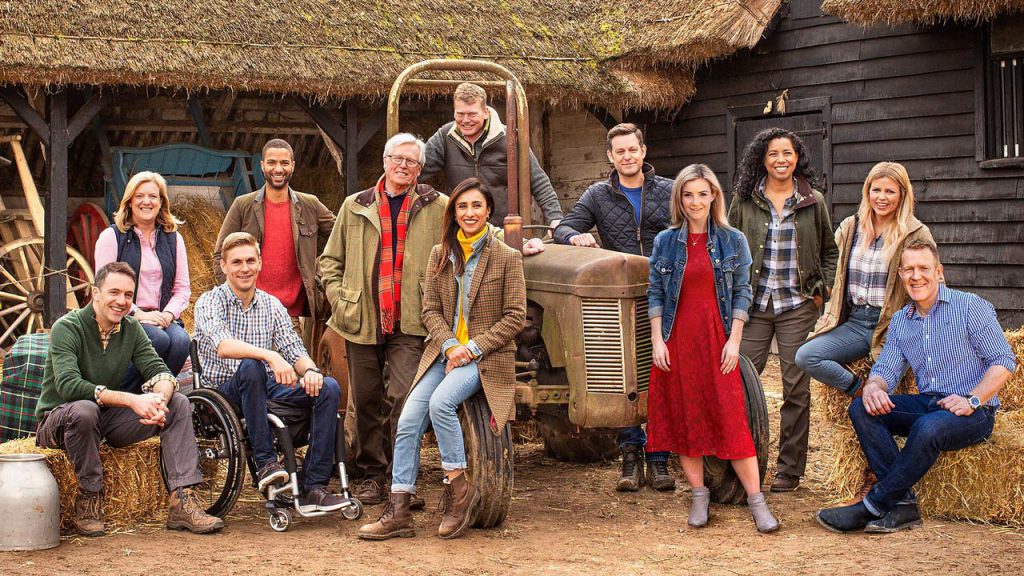
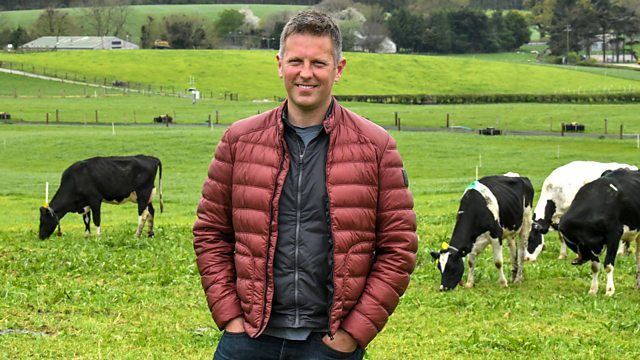
Countryfile’s own John Craven returns to the picturesque valleys of Devon to witness firsthand how these remarkable creatures have transformed the landscape over the past decade. His visit couldn’t be better timed, as spring is when beaver activity reaches its peak. During this season, they energetically gnaw trees, move vegetation, and construct their iconic dams—all essential activities in their role as nature’s engineers.
The early morning mist still clings to the riverbanks as John joins the dedicated team from Devon Wildlife Trust. Together, they follow telltale signs of beaver presence—distinctive footprints pressed into muddy banks, gnawed tree stumps with characteristic pencil-point tips, and carefully constructed dams that create pools of tranquil water. These structures don’t just provide safe homes for the beavers; they fundamentally alter water flow and create diverse habitats for countless other species.
“What strikes you immediately is how methodical they are,” John observes as he examines a partially gnawed willow. “Each bite mark tells a story of persistence and purpose—these aren’t random acts but calculated environmental engineering.”
The team’s lead ecologist explains how beaver dams function as natural flood management systems. By slowing water flow during heavy rainfall, they reduce downstream flooding while simultaneously creating drought-resistant pools during dry periods. Furthermore, these pools act as natural filters, improving water quality by trapping sediment and pollutants.
However, the reintroduction hasn’t been without challenges. Beavers, naturally following their instincts, don’t recognize property boundaries or agricultural considerations. They settle wherever suitable habitat exists, sometimes creating conflicts with landowners and farmers when their damming activities flood fields or their tree-felling damages valuable timber.
This is where the project’s innovative management strategies come into play. John meets with a group of dedicated volunteers who have developed non-invasive techniques to guide beaver activity away from problematic areas. Rather than forcibly removing the animals, they install flow devices—ingenious structures that prevent excessive water level rise while allowing beavers to maintain their dams.
“It’s about coexistence rather than control,” explains volunteer coordinator Sarah, as she demonstrates how a simple pipe system can regulate water levels. “We’re learning to live alongside these creatures rather than seeing them as problems to eliminate.”
The team also works closely with local landowners, providing education about beaver behavior and assistance with mitigation measures when needed. This collaborative approach has transformed many skeptics into supporters, as they witness the ecological benefits beavers bring to their land.
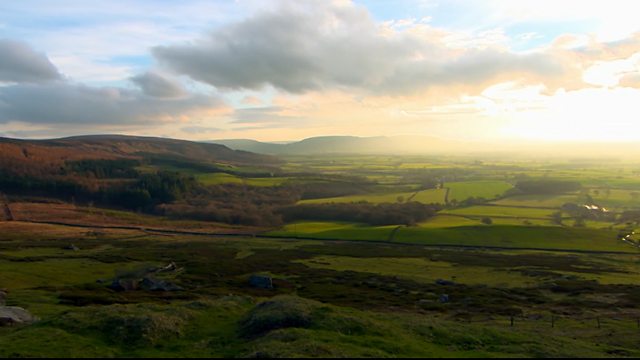
As John walks along a section of river that has been beaver-inhabited for nearly eight years, the transformation is remarkable. What was once a straight, fast-flowing channel has become a complex wetland mosaic—pools of varying depths connected by meandering streams, surrounded by lush vegetation that hums with insect life. Kingfishers dart across water surfaces, while dragonflies hover above newly created ponds.
“This isn’t just about bringing back a single species,” John reflects. “It’s about restoring entire ecosystems and ecological processes that have been missing from our landscape for centuries.”
Countryfile – River Otter Return
Throughout his journey, John revisits some of Countryfile’s most memorable reintroduction stories from years past—from the successful return of red kites to the ongoing challenges of pine marten conservation. These reflections provide valuable context for understanding how our approach to wildlife management has evolved over time.
The River Otter Beaver Project represents a paradigm shift in conservation thinking. Rather than simply preserving what remains, we’re actively restoring what was lost—recreating dynamic natural processes that can help tackle modern environmental challenges like flooding, water pollution, and biodiversity loss.
As dusk falls over the river, John sits quietly on the bank hoping for a glimpse of these elusive engineers. His patience is rewarded when a V-shaped ripple appears on the water’s surface—a beaver swimming confidently along its territory. This moment perfectly encapsulates the project’s success: after centuries of absence, these creatures once again feel at home in England’s rivers.
“Ten years ago, this was considered a radical experiment,” John says as the beaver disappears beneath overhanging willows. “Today, it offers a blueprint for how humans and wildlife can thrive together in a shared landscape.”
The River Otter Beaver Project has not just returned a missing species to our countryside—it has fundamentally changed how we think about conservation, demonstrating that sometimes the best solution to environmental problems is to bring back the natural engineers who shaped our landscapes for millennia before their extinction. As we face unprecedented environmental challenges, such nature-based solutions may prove more valuable than ever.
A Blueprint for Harmonious Coexistence
As we reflect on the decade-long journey of the River Otter Beaver Project, one truth emerges with crystal clarity: nature, when given the chance, possesses remarkable resilience. The return of beavers to Devon’s waterways has not merely altered the physical landscape; it has transformed our understanding of what conservation can achieve.
These industrious architects of the natural world have demonstrated that ecological restoration isn’t just about preserving static environments. Instead, it’s about rekindling dynamic processes that continuously shape and enrich our surroundings. Moreover, the project has shattered the false dichotomy between human progress and environmental health.
The success of this pioneering initiative rests on three fundamental pillars. First, the science-based approach ensured that decisions were guided by evidence rather than emotion. Second, community engagement transformed potential conflicts into collaborative solutions. Finally, adaptive management allowed the project to evolve in response to challenges, thereby creating a flexible framework for future rewilding efforts.
Looking beyond the River Otter, the implications of this work ripple outward like the concentric circles from a beaver’s tail slap. Other regions across Britain now have a tested template for their own reintroduction projects. Furthermore, this experience offers valuable lessons for addressing wider environmental challenges such as climate change, biodiversity loss, and water security.
The beavers themselves have become unwitting ambassadors for a new conservation ethos—one where humans step back from micromanagement and allow natural processes to flourish. Their return symbolizes a shift from seeing ourselves as controllers of nature to partners within it.
Perhaps the most enduring legacy of this project lies in how it has reconnected people with the natural world. Children who grew up alongside the River Otter will carry memories of beaver-created wetlands throughout their lives, potentially inspiring the next generation of conservationists.
As dawn breaks over Devon’s meandering waterways, the landscape bears the unmistakable signature of its beaver engineers. What began as a controversial experiment has blossomed into a testament to nature’s power to heal when given time and space.
In the end, the River Otter Beaver Project teaches us that conservation’s greatest success comes not when we impose our will upon the landscape, but when we humbly step aside and let nature work its magic.
FAQ Countryfile – River Otter Return
Q: What is the River Otter Beaver Project?
A: The River Otter Beaver Project is England’s first officially sanctioned beaver reintroduction program, launched in Devon ten years ago. This groundbreaking conservation initiative represents a watershed moment in British rewilding efforts, focusing on reestablishing beaver populations that had been extinct in England for centuries. The project is managed by Devon Wildlife Trust and has transformed sections of the River Otter from straight channels into complex wetland ecosystems through the beavers’ natural engineering activities.
Q: How do beaver dams benefit the environment?
A: Beaver dams provide multiple environmental benefits that extend far beyond creating homes for the beavers themselves. Primarily, they function as natural flood management systems by slowing water flow during heavy rainfall, thereby reducing downstream flooding risks. Additionally, these structures create drought-resistant pools that retain water during dry periods, ensuring habitat stability. Furthermore, beaver dams act as natural water filters, effectively trapping sediment and pollutants that would otherwise flow downstream. Over time, beaver-modified waterways develop into rich, diverse wetland ecosystems that support numerous plant and animal species, from kingfishers and dragonflies to specialized aquatic vegetation.
Q: What challenges has the beaver reintroduction project faced?
A: The reintroduction of beavers has not been without significant challenges, primarily related to human-wildlife conflict. Since beavers naturally follow their instincts without recognizing property boundaries or agricultural considerations, they sometimes create conflicts with landowners and farmers. Specifically, their damming activities can occasionally flood agricultural fields, while their tree-felling behavior may damage valuable timber. However, the project has developed innovative solutions to these challenges, including the installation of flow devices—ingenious structures that prevent excessive water level rise while still allowing beavers to maintain their dams. Through education, mitigation measures, and collaborative approaches, many initial skeptics have become supporters of the project.
Q: How has the landscape changed after eight years of beaver activity?
A: After eight years of beaver habitation, previously straight, fast-flowing river channels have undergone remarkable transformations. The landscape has evolved into a complex wetland mosaic featuring pools of varying depths connected by meandering streams. Surrounding these water features, lush vegetation has established itself, creating a thriving ecosystem that hums with insect life. Visitors can observe kingfishers darting across water surfaces and dragonflies hovering above newly created ponds. This transformation illustrates how beavers function as ecosystem engineers, creating dynamic habitats that support biodiversity and enhance ecological resilience. The changes represent not just aesthetic improvements but functional enhancements to the ecosystem’s health and stability.
Q: What management strategies help reduce conflicts between beavers and humans?
A: The project employs several innovative management strategies to reduce human-beaver conflicts. First, trained volunteers install flow devices—essentially pipe systems that regulate water levels while allowing beavers to maintain their dams. Rather than forcibly removing beavers from problem areas, these devices guide beaver activity toward locations where their engineering benefits the ecosystem without threatening human interests. Moreover, the project team works closely with local landowners, providing education about beaver behavior and assistance with mitigation measures when needed. This collaborative approach emphasizes coexistence rather than control, transforming the relationship between humans and these remarkable engineers from one of conflict to cooperation.
Q: Why are beavers described as ‘nature’s engineers’?
A: Beavers earn the title ‘nature’s engineers’ because of their remarkable ability to transform landscapes through deliberate, methodical activities. Their engineering skills are evident in how they gnaw trees with precision, creating characteristic pencil-point tips on stumps. Furthermore, they construct elaborate dams that alter water flow and create diverse habitats. These aren’t random acts but calculated environmental modifications that fundamentally change ecosystem functions. Like human engineers who design systems to solve problems, beavers instinctively create structures that serve multiple purposes—providing protection from predators, facilitating easier movement through water, and creating habitat for themselves and countless other species. Their engineering activities ultimately increase biodiversity and enhance ecosystem resilience.
Q: What broader conservation lessons has the River Otter Beaver Project taught us?
A: The River Otter Beaver Project has delivered valuable conservation lessons that extend far beyond beaver management. Primarily, it demonstrates that ecological restoration should focus on rekindling dynamic processes rather than preserving static environments. Additionally, the project illustrates how science-based approaches, community engagement, and adaptive management create successful conservation outcomes. Furthermore, it challenges the false dichotomy between human progress and environmental health, showing how both can thrive together with thoughtful management. Perhaps most importantly, the project has established a tested template for future rewilding efforts across Britain and offers insights for addressing broader environmental challenges such as climate change, biodiversity loss, and water security.
Q: How might the beaver reintroduction influence future generations?
A: The beaver reintroduction project carries profound implications for future generations, particularly through its educational and inspirational impact. Children growing up alongside the River Otter will carry memories of beaver-created wetlands throughout their lives, potentially inspiring the next generation of conservationists. Moreover, the project establishes a new conservation ethos where humans step back from micromanagement and allow natural processes to flourish. By reconnecting people with wildlife through direct experience, the project cultivates environmental stewardship values. Additionally, as climate change intensifies, future generations will benefit from the flood mitigation, water purification, and biodiversity enhancement services that beaver-engineered landscapes provide. In essence, today’s beaver reintroduction represents an investment in tomorrow’s environmental resilience.