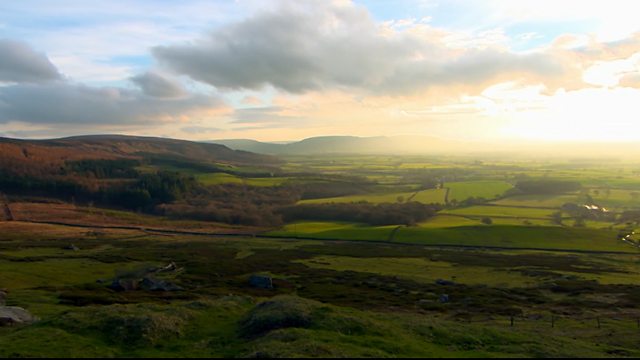
Countryfile – Salisbury Plain: The Ministry of Defence (MoD) is not only responsible for safeguarding the nation’s security but also stands as one of the UK’s largest landowners. Among the most significant of these holdings is Salisbury Plain, a vast and dynamic landscape where military, agricultural, and conservation efforts intersect in a delicate balancing act. In this special feature, Charlotte and Matt are granted exclusive access to this extraordinary site, where they explore the unique ways in which the MoD manages to juggle the competing demands of national defense, farming, and environmental stewardship.
Salisbury Plain, stretching over 300 square miles, has long been an important military training ground. Its expansive and varied terrain offers the ideal conditions for practicing complex operations, from tank maneuvers to infantry exercises. However, hidden behind its militarized exterior is a fragile ecosystem of chalk grasslands, rivers, and rare wildlife, all of which require careful management to survive alongside the rigors of military use. The Ministry of Defence, while ensuring that the nation’s armed forces are combat-ready, also shoulders the responsibility of conserving these vital habitats, making Salisbury Plain an intriguing case study in coexistence.
During their visit, Matt heads to the heart of one of Salisbury Plain’s most vulnerable natural features—a chalk river. Donning his waders, he joins a conservation team tasked with preserving this rare and essential waterway. Chalk rivers are unique to this part of the world, known for their clear waters and support of a diverse range of aquatic species, many of which are under threat. Matt learns how military activity is carefully timed and restricted to ensure that these rivers remain unspoiled, providing a safe haven for wildlife and ensuring the long-term health of the ecosystem.
Meanwhile, Charlotte explores how the rugged terrain of Salisbury Plain supports a surprising array of endangered plants and animals, despite the constant movement of military vehicles. In particular, she examines the resilience of flora and fauna that have adapted to survive under the disruptive presence of tanks and artillery. With large portions of Salisbury Plain left untouched by agriculture or development due to its military designation, these areas have become rare sanctuaries for species that struggle elsewhere. Charlotte speaks to conservationists working on the ground to monitor and protect these species, discovering how careful planning and coordination with the military have helped them thrive in an otherwise harsh environment.
One of the most remarkable conservation efforts on the Plain involves the return of the great bustard, one of the heaviest flying birds in the world. After becoming extinct in the UK over a century ago, the bird is now being successfully reintroduced to Salisbury Plain, thanks to the tireless work of passionate conservationists. Charlotte meets with one of the key figures in this effort, a dedicated birder who has spent years fostering the great bustard’s revival.
He explains the delicate balance required to reestablish these birds in an active military zone, where loud noises and disturbances could easily derail their progress. Yet, through careful habitat management and close cooperation with the military, the great bustard is making a slow but steady comeback, providing hope for the future of this once-lost species.
As Charlotte and Matt explore these aspects of Salisbury Plain, they also take time to speak with the local farming community, whose livelihoods are intimately tied to the land. The unique challenge for farmers working here is navigating around the tight schedules and restrictions imposed by military training exercises.
Countryfile – Salisbury Plain
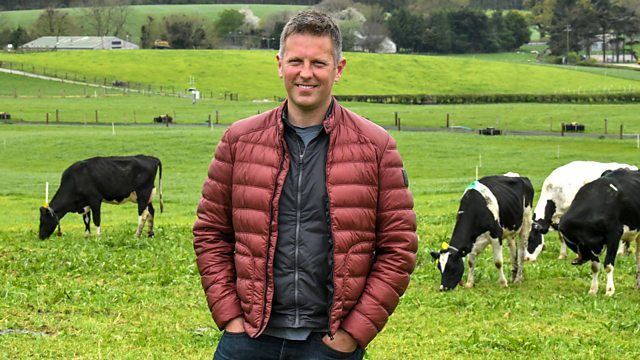
Matt meets a cattle farmer who has mastered the art of managing his herd alongside the occasional roar of military jets and the rumble of tanks. He shares how his farm is integrated into this complex environment, explaining the cooperative relationship between the MoD and local agriculture, where both parties work together to ensure the land is productive without compromising military readiness or conservation goals.
Beyond the confines of Salisbury Plain, we turn to Northern Ireland, where Adam catches up with young farmer Emily McGowan. As harvest season begins in earnest, Adam rolls up his sleeves to assist Emily with the vital task of bringing in the crops. Farming in Northern Ireland presents its own unique challenges, from unpredictable weather to fluctuating markets, but for Emily, it’s a way of life that she is deeply passionate about. Her dedication to sustainable farming practices and her ability to adapt to the evolving demands of the industry highlight the resilience of the UK’s farming community.
As this episode unfolds, the viewer gains a rare insight into the multi-faceted world of Salisbury Plain. It’s not just a place where the military trains; it’s a living, breathing landscape where conservation, farming, and defense all work in tandem.
The MoD’s role here goes beyond the obvious, as they actively contribute to maintaining the ecological balance while ensuring that the nation’s armed forces have the resources they need to remain prepared. Through careful coordination and collaboration with farmers and conservationists, Salisbury Plain stands as a testament to the possibility of coexisting in harmony with the natural world, even in the most unexpected places.
From the bustling military operations to the quiet persistence of a chalk river’s flow, and the efforts to bring the great bustard back to British skies, Salisbury Plain is a place of contrasts and connections. Charlotte, Matt, and Adam’s journey through this landscape brings to light the complexity and care that goes into managing one of the UK’s most unusual and vital areas of land. Through their stories, we gain a deeper appreciation of the intricate dance between nature, agriculture, and national defense that defines Salisbury Plain today.
Conclusion Countryfile – Salisbury Plain
In conclusion, Salisbury Plain represents a remarkable blend of seemingly conflicting activities—military training, agriculture, and conservation—working together in harmony. The Ministry of Defence’s role here extends far beyond national security; it actively participates in managing and preserving one of the UK’s most ecologically and culturally significant landscapes. The delicate balance achieved on Salisbury Plain is a testament to careful planning, cooperation, and a commitment to ensuring that the land remains productive, while also preserving its rich biodiversity.
Matt’s exploration of the chalk rivers highlights the critical importance of safeguarding fragile ecosystems, even in areas of intense military activity. His experience with conservationists reveals the strategic timing and thoughtful restrictions that ensure these rare rivers continue to thrive, serving as lifelines for a wide array of aquatic species. Similarly, Charlotte’s investigation into the resilience of Salisbury Plain’s flora and fauna underscores the power of adaptation and the unique role military land can play in offering refuge to endangered species. Her encounters with conservationists show how nature can not only coexist with human activities but sometimes even flourish in their presence, given the right conditions and management.
The reintroduction of the great bustard, one of the heaviest flying birds in the world, serves as a symbol of hope and restoration. The meticulous efforts to reestablish this majestic bird in a challenging environment speak to the passion and dedication of conservationists working in tandem with the MoD. It also demonstrates how human intervention, when carefully considered, can help reverse the damage caused by past actions and restore balance to an ecosystem.
The local farming community adds another layer to Salisbury Plain’s narrative. Farmers, like the cattle herder Matt meets, must navigate a complex relationship with the military, yet their cooperation with the MoD ensures that the land remains both agriculturally viable and a vital training ground for national defense. Their resilience and adaptability reflect the broader theme of coexistence and mutual benefit that defines the entire region.
In the end, Salisbury Plain stands as a powerful example of how diverse interests—military, environmental, and agricultural—can coexist and even support one another. It is a place where past, present, and future intersect, offering lessons in sustainability, cooperation, and the importance of preserving both our natural and human heritage.
F.A.Q. Countryfile – Salisbury Plain
Q.: What is the significance of Salisbury Plain to the Ministry of Defence (MoD)?
A.: Salisbury Plain is one of the largest military training grounds in the UK, owned by the Ministry of Defence. It provides an expansive terrain suitable for complex military operations, such as tank maneuvers and infantry exercises. Beyond its military use, the MoD also plays a critical role in conserving the area’s fragile ecosystems.
Q.: How does the Ministry of Defence balance military activities with conservation on Salisbury Plain?
A.: The MoD carefully manages military operations to minimize their impact on the environment. Training exercises are planned to avoid damaging sensitive areas, such as chalk grasslands and rivers. Conservation efforts are integrated with military use to preserve endangered species, protect ecosystems, and maintain biodiversity across Salisbury Plain.
Q.: What are chalk rivers, and why are they important to Salisbury Plain?
A.: Chalk rivers are rare ecosystems found in Salisbury Plain, known for their clear waters and support of diverse aquatic species. These rivers are vital to the local ecosystem and are under constant protection from both the MoD and conservationists. Their preservation is crucial for maintaining ecological balance in the region.
Q.: How does farming coexist with military activities on Salisbury Plain?
A.: Local farmers, who manage agricultural activities on Salisbury Plain, work closely with the MoD to coordinate farming operations around military exercises. This cooperation ensures that the land remains agriculturally productive without disrupting military training or conservation efforts.
Q.: What is the great bustard conservation effort on Salisbury Plain?
A.: The great bustard, one of the world’s heaviest flying birds, has been reintroduced to Salisbury Plain after becoming extinct in the UK over a century ago. Conservationists, in collaboration with the MoD, have carefully managed its habitat to support the bird’s recovery in an active military zone, marking a significant conservation success.