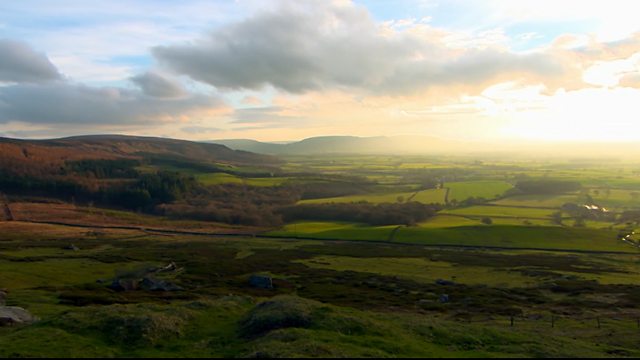
Countryfile – Sea Empress: Three decades have passed since one of Britain’s most devastating environmental disasters unfolded along the pristine coastline of Pembrokeshire. The Sea Empress oil spill remains etched in memory as a turning point for maritime safety. Now, Countryfile presenters Datshiane Navanayagam and Hamza Yassin return to Milford Haven to explore this remarkable story of disaster, recovery, and transformation.
In February 1997, the Sea Empress tanker ran aground at the entrance to Milford Haven harbor. The vessel spilled over 72,000 tons of crude oil into the surrounding waters. Consequently, the incident created an environmental catastrophe that threatened one of Wales’ most cherished coastal regions. The oil spread across 120 miles of coastline, coating beaches, rocks, and wildlife in toxic black sludge.
Datshiane meets the unsung heroes who coordinated the emergency response during those critical early days. These dedicated individuals worked tirelessly around the clock to minimize the damage. Their quick thinking and decisive action prevented an even greater disaster. Through their compelling firsthand accounts, viewers gain insight into the immense challenges faced during the cleanup operation. Moreover, these conversations reveal the emotional toll such environmental emergencies take on those at the frontline.
The response effort mobilized thousands of volunteers, scientists, and specialists from across the country. Together, they formed an unprecedented coalition to save Pembrokeshire’s precious marine environment. Beach cleaning operations continued for months, with workers carefully removing oil by hand from sensitive habitats. Meanwhile, wildlife rescue centers operated around the clock to save affected birds and marine animals.
Hamza joins current wildlife rescuers who continue this vital conservation work today. He learns about the innovative techniques developed in the aftermath of the spill. Furthermore, he discovers how these methods now serve rescue operations worldwide. The experience provides a poignant reminder of nature’s vulnerability in the face of industrial accidents.
Environmental scientists share their research findings with Hamza during his journey through the recovered landscape. Surprisingly, the data reveals a story of resilience and regeneration. Nature has demonstrated its remarkable ability to heal when given proper support and protection. However, scientists emphasize that recovery required decades of careful monitoring and conservation efforts.
The Pembrokeshire coastline today looks dramatically different from those dark days in 1997. Clean sandy beaches now welcome visitors once again. Seabirds nest on rocky cliffs where oil once coated every surface. Seals bask on sun-warmed rocks in harbors that once ran black with crude oil. Therefore, the transformation stands as testament to both nature’s resilience and human dedication to environmental restoration.
Yet the Sea Empress disaster left more than just physical scars on the landscape. It fundamentally changed how Britain approaches maritime safety and environmental protection. The incident sparked a comprehensive review of port operations across the entire country. Consequently, new regulations and safety protocols emerged that revolutionized shipping practices in British waters.
Countryfile – Sea Empress
Milford Haven itself underwent significant transformation following the spill. The port invested heavily in navigation systems, pilot services, and emergency response capabilities. Today, it operates as one of the safest deep-water harbors in Europe. These improvements protect not only the local environment but also the thriving communities that depend on these waters.
The lessons learned from this disaster rippled far beyond Pembrokeshire’s shores. Port authorities nationwide implemented enhanced safety measures based on the Sea Empress investigation findings. Ships now face stricter regulations regarding pilot requirements, tug assistance, and weather restrictions. Additionally, oil spill response teams maintain higher levels of readiness and equipment throughout coastal regions.
Datshiane and Hamza explore how these systemic changes created a lasting legacy of protection. The improvements ensure that Pembrokeshire’s unique wildlife habitats face better protection against future incidents. Furthermore, the enhanced safety culture benefits maritime workers, coastal communities, and the broader environment alike.
The documentary offers hope alongside its sobering historical account. It demonstrates that even after catastrophic environmental damage, recovery remains possible with sustained effort and commitment. Nevertheless, it also serves as a crucial reminder of our responsibility to prevent such disasters from occurring in the first place.
Through powerful storytelling and compelling interviews, Countryfile brings this important anniversary to life. The program honors those who responded to the crisis while celebrating the region’s remarkable recovery. Ultimately, it stands as both memorial and motivation—remembering the past while protecting the future of Pembrokeshire’s irreplaceable coastal treasures.
Countryfile – Sea Empress
Countryfile – Sea Empress: A Catastrophic Oil Spill and the Long Road to Recovery
Countryfile – Sea Empress brings viewers back to one of Britain’s worst environmental disasters, a catastrophe that unfolded nearly three decades ago along the spectacular coastline of Pembrokeshire. On February 15, 1996, the Sea Empress oil tanker ran aground outside Milford Haven harbour, spilling over seventy thousand tonnes of crude oil into the pristine waters surrounding one of Europe’s most ecologically significant marine environments. The disaster transformed the landscape, blackened beaches, devastated wildlife populations, and forced communities to confront the fragility of their natural heritage. Presenters Datshiane Navanayagam and Hamza Yassin recently returned to the scene of this tragedy to examine what happened, how the region recovered, and what lessons emerged from those dark days.
The timing of this exploration carries particular significance for understanding both country life and the delicate balance between industrial activity and environmental stewardship. Milford Haven, nestled within the Pembrokeshire Coast National Park, represents a unique convergence of industrial necessity and natural beauty. The harbour serves as Britain’s largest energy port, handling vast quantities of oil and liquefied natural gas, yet sits surrounded by protected marine habitats, internationally important bird populations, and beaches that draw visitors from across the world. The Sea Empress disaster exposed the inherent tensions within this arrangement and sparked fundamental changes in how Britain manages maritime safety and environmental protection.
This article examines the complete story of the Sea Empress oil spill, drawing from extensive interviews, eyewitness accounts, and expert testimony gathered by the Countryfile team. The investigation reveals the chaotic sequence of events that led to the grounding, the desperate attempts to contain the spreading oil, and the extraordinary ecological damage that followed. Beyond the immediate crisis, the piece explores how nature responded, how communities rebuilt, and how regulatory frameworks evolved in response to this watershed moment. The agricultural life and wildlife of Pembrokeshire, once threatened with permanent devastation, tell a remarkable story of resilience and recovery.
The Sea Empress was a single-hulled tanker carrying approximately one hundred and thirty thousand tonnes of light crude oil when it approached Milford Haven on that February morning. The vessel had been scheduled to deliver its cargo to the Texaco refinery at the harbour’s head, a routine operation in a port that had handled similar shipments for decades. What should have been a straightforward delivery instead became a disaster that would grip the nation for weeks and leave scars visible for years to come. The tanker struck rocks near the entrance to the harbour, tearing open its hull and beginning a spill that would eventually release more oil than any previous incident in British waters.
Local communities watched in horror as the environmental catastrophe unfolded before their eyes. The oil spread rapidly across the water, driven by strong tides and persistent winds that characterise this exposed stretch of coastline. Beaches that had remained pristine for centuries turned black within hours. The distinctive smell of crude oil permeated coastal villages. Wildlife began washing ashore, coated in the thick, toxic substance that robbed seabirds of their waterproofing and poisoned marine mammals. For residents whose livelihoods depended on tourism, fishing, and the natural beauty of the Pembrokeshire coast, the disaster represented not just an environmental tragedy but an existential threat to their way of life.
The response mobilised thousands of volunteers, emergency services, wildlife rescue teams, and environmental specialists in what became one of Britain’s largest ever cleanup operations. Yet despite heroic efforts, the oil continued to spread, eventually contaminating over one hundred and twenty miles of coastline. The disaster tested the limits of existing response capabilities and revealed critical gaps in maritime safety protocols. The Sea Empress incident would ultimately prompt a comprehensive review of how Britain regulates shipping in sensitive coastal waters and how authorities prepare for environmental emergencies.
Three decades later, the story of the Sea Empress remains profoundly relevant for understanding contemporary debates about energy infrastructure, environmental protection, and coastal management. The lessons learned from Pembrokeshire informed new regulations, influenced international maritime law, and shaped how communities approach the balance between economic development and ecological preservation. As Datshiane and Hamza discovered during their return visit, the legacy of the disaster extends far beyond the cleaned beaches and recovered wildlife populations. The incident fundamentally altered how Britain thinks about risk, responsibility, and resilience in the face of environmental catastrophe.
The journey back to Milford Haven offers an opportunity to reflect on what was lost, what was saved, and what has changed in the decades since that February morning when the Sea Empress struck the rocks. Through conversations with those who witnessed the disaster, scientists who studied its effects, and communities that endured its aftermath, a complex picture emerges of tragedy, determination, and ultimately transformation.
The Disaster Unfolds: How the Sea Empress Ran Aground
The sequence of events that led to the grounding of the Sea Empress began with what appeared to be routine navigational challenges. Milford Haven, despite its size and economic importance, presents considerable difficulties for large vessels entering the harbour. The waterway narrows significantly as it extends inland, and the entrance itself requires precise navigation to avoid rocks and shifting sandbanks. Ships of the Sea Empress’s size depend absolutely on experienced pilots who board the vessels offshore and guide them safely to their moorings. On February 15, 1996, something went catastrophically wrong with this system.
The tanker encountered problems almost immediately upon entering the harbour approaches. Strong tidal currents, combined with challenging weather conditions, began pushing the massive vessel toward danger. The ship’s crew and the harbour pilot attempted to manoeuvre away from the rocks, but the Sea Empress proved difficult to control in the confined waters. Within a short time, the tanker struck submerged rocks at the harbour entrance, punching holes in its single-layer hull. The impact immediately began releasing crude oil into the surrounding water, though the full scale of the disaster would take time to become apparent.
Initial attempts to refloat the stricken vessel proved unsuccessful. The Sea Empress remained grounded for several days, during which time more oil continued to leak from the damaged hull. Each high tide battered the tanker against the rocks, widening the breaches and accelerating the rate of spillage. Salvage teams worked desperately to secure the vessel and begin transferring oil to other tankers, but the weather refused to cooperate. Storm conditions hampered rescue efforts and drove the spreading oil slick toward the most environmentally sensitive areas of the Pembrokeshire coast.
The total quantity of oil released into the sea eventually exceeded seventy thousand tonnes, making the Sea Empress spill one of the largest environmental disasters in British maritime history. For context, this volume would fill approximately sixty Olympic-sized swimming pools. The light crude oil, while less viscous than heavier grades, proved devastatingly effective at coating everything it touched. The substance spread across the water’s surface in an iridescent sheen that extended for miles, penetrating into rocky crevices, saturating sandy beaches, and infiltrating sensitive intertidal zones where countless organisms made their homes.
Weather conditions during the critical first days of the spill played a decisive role in determining the extent of environmental damage. Persistent southwesterly winds pushed the oil slick directly toward the Pembrokeshire Coast National Park, an area of exceptional ecological significance. The coastline here supports internationally important populations of seabirds, including guillemots, razorbills, and puffins. Grey seals use the beaches for pupping, while the intertidal zones harbour diverse communities of shellfish, crustaceans, and marine plants. All of these species found themselves in the path of the approaching contamination.
Emergency response teams struggled to implement containment strategies in the face of challenging sea conditions. Boom barriers, designed to corral floating oil and prevent it from reaching shorelines, proved largely ineffective in the rough waters and strong currents. Chemical dispersants, substances that break oil into smaller droplets that sink or disperse more readily, were deployed extensively but raised concerns about their own environmental impacts.
The dispersants themselves contain toxic compounds, and their use represents a calculated gamble that the harm they cause will prove less severe than allowing oil to coat sensitive habitats. In the case of the Sea Empress, authorities used unprecedented quantities of these chemicals, sparking debate that continues to this day about whether the decision was justified.
The scale of the disaster quickly overwhelmed local response capabilities. Within days, the operation expanded to involve thousands of people, ranging from military personnel to local volunteers. Cleanup crews descended on affected beaches, working in shifts to scrape oil from rocks, remove contaminated sand, and collect wildlife casualties. The work proved physically demanding, emotionally draining, and frustratingly slow. Each incoming tide brought fresh waves of oil, undoing hours of labour and coating previously cleaned areas with new layers of contamination.
Environmental Devastation: The Immediate Impact on Wildlife and Habitats
The most visible and heart-wrenching consequence of the Sea Empress oil spill manifested in the impact on seabird populations. Thousands of birds, representing multiple species that nest and feed along the Pembrokeshire coast, became coated with crude oil. The substance destroys the waterproofing properties of feathers, leaving birds unable to regulate their body temperature and causing them to sink when they attempt to swim. Oil-covered birds also ingest the toxic substance while preening, leading to internal poisoning that proves fatal even when external contamination appears relatively minor.
Wildlife rescue centres mobilised across the region to receive the flood of casualties. Volunteers worked around the clock to clean oiled birds, a painstaking process involving multiple washes with specialised detergents followed by careful rinsing and drying. The survival rate for cleaned birds remained heartbreakingly low despite these intensive efforts. Many birds arrived too weak or too heavily contaminated to save. Others survived the cleaning process but succumbed to internal damage caused by ingested oil. The final death toll among seabirds reached approximately seven thousand individuals, though experts acknowledge this figure represents only the birds recovered and documented. The true number of casualties likely exceeded this count by a significant margin.
Marine mammals faced equally severe threats from the spreading contamination. Grey seals, which maintain one of their most important breeding colonies on the Pembrokeshire coast, proved particularly vulnerable. Young seal pups, covered in white fluffy fur during their first weeks of life, could not survive contact with crude oil. The substance matted their coats, eliminated their insulation, and exposed them to fatal hypothermia. Adult seals fared somewhat better due to their protective layer of blubber, but many still died from ingesting oil while hunting contaminated fish or from inhaling toxic fumes while surfacing in oil-slicked waters.
The disaster’s impact extended far beyond the charismatic species that captured public attention. Rocky shores along the affected coastline support intricate ecosystems of limpets, barnacles, mussels, and seaweeds that form the foundation of the marine food web. These organisms, unable to flee the approaching contamination, died in vast numbers when oil coated the rocks and poisoned the water. The loss of these species cascaded upward through the ecosystem, depriving fish, crabs, and other mobile creatures of their food sources. Some areas of shoreline transformed from thriving biological communities into barren wastelands where virtually nothing could survive.
Sandy beaches suffered different but equally severe damage. Oil penetrated deep into the sand, where it could remain for years, continuously leaching toxic compounds into the environment. Beach-nesting birds lost their breeding sites. Invertebrates that burrow in sand, including various worm species and small crustaceans, perished in enormous numbers. The contamination threatened to persist through multiple breeding seasons, potentially preventing the recovery of affected populations for years or even decades.
Commercial fisheries faced immediate closure across vast areas of Pembrokeshire’s coastal waters. The ban protected public health by preventing contaminated seafood from reaching consumers, but it devastated fishing communities that depended on these waters for their livelihoods. Shellfish beds, particularly valuable sources of cockles, mussels, and oysters, became unusable. Even after cleanup efforts concluded and restrictions lifted, many consumers remained wary of seafood harvested from the affected region, creating market problems that extended the economic damage far beyond the period of active contamination.
The tourism industry, absolutely vital to the economy of coastal Pembrokeshire, suffered catastrophic losses. Images of blackened beaches and oil-covered wildlife dominated news coverage, creating a perception that the entire region had been rendered uninhabitable. Hotels cancelled bookings, visitor attractions saw attendance plummet, and businesses that depended on summer tourism faced potential bankruptcy. The economic ripples from the Sea Empress disaster extended throughout communities whose country life and livelihoods depended on the natural beauty of their surroundings.
The Cleanup Operation: Battling Against Overwhelming Contamination
The response to the Sea Empress oil spill represented one of the largest environmental cleanup operations ever undertaken in Britain. Within days of the initial grounding, thousands of personnel descended on Pembrokeshire, including military units, environmental specialists, contractor teams, and local volunteers. The operation required coordination across multiple agencies, from local councils to national government departments, from wildlife charities to private companies specialising in hazardous material removal. The sheer scale of the challenge tested organisational capabilities and revealed both the strengths and weaknesses of Britain’s environmental emergency response systems.
Beach cleanup formed the most visible component of the response effort. Teams equipped with shovels, buckets, and absorbent materials worked their way along miles of contaminated coastline, manually removing oil from sand and rocks. The work proved extraordinarily difficult and often demoralising. Oil that appeared to be successfully removed from beaches would reappear after the next high tide, brought back by currents or released from contaminated offshore sediments. Some beaches required cleaning multiple times over the course of several weeks before authorities could declare them safe for public use.
High-pressure hot water washing offered a more aggressive approach to removing stubborn oil deposits from rocky areas. Teams directed powerful jets of heated water at contaminated surfaces, blasting away the crude oil and allowing it to be collected for disposal. However, this technique carried its own environmental costs. The extreme heat and pressure killed many organisms that had survived the initial oiling, effectively sterilising treated areas and potentially delaying ecological recovery. Cleanup coordinators faced agonising decisions about whether the immediate benefit of removing oil justified the additional damage caused by the cleaning process itself.
Specialised equipment played a crucial role in tackling contamination in different environments. Skimmer vessels patrolled offshore waters, using mechanical systems to separate floating oil from seawater. Beach-cleaning machines, resembling agricultural equipment adapted for coastal use, sifted contaminated sand to remove oil particles. Boom systems attempted to protect particularly sensitive areas by creating barriers that prevented oil from entering estuaries, harbours, and wildlife refuges. The deployment of these technologies represented a massive logistical undertaking, requiring equipment to be transported from across Britain and even from overseas.
The disposal of collected oil and contaminated materials presented its own set of challenges. The cleanup generated thousands of tonnes of oily waste, ranging from liquid crude oil to sand and rocks coated with varying amounts of contamination. Environmental regulations required this material to be handled as hazardous waste, limiting disposal options and creating significant costs. Temporary storage facilities were established across Pembrokeshire to hold collected waste until permanent disposal could be arranged, adding another layer of complexity to an already overwhelming operation.
Wildlife rescue efforts proceeded alongside the physical cleanup, though the outcomes proved less encouraging than authorities had hoped. Cleaning stations received a steady stream of oil-covered birds and mammals, many in desperate condition. Volunteers worked with remarkable dedication, spending hours on individual animals in efforts to save them. The process required patience, skill, and emotional resilience. Workers had to carefully remove oil without causing additional stress to already traumatised creatures, then monitor recovered animals through lengthy rehabilitation before they could be released back into the wild. The low survival rates took a heavy psychological toll on those involved, who witnessed far more deaths than recoveries despite their best efforts.
Scientific Investigation: Understanding the Long-term Environmental Effects
As the immediate crisis subsided and cleanup operations wound down, scientific attention shifted toward understanding the longer-term consequences of the Sea Empress oil spill. Researchers recognised that the disaster presented an unprecedented opportunity to study how marine ecosystems respond to major oil contamination events. The Pembrokeshire coast, already well-studied due to its designation as a national park and site of special scientific interest, offered baseline data against which post-spill changes could be measured. Teams of ecologists, marine biologists, and environmental chemists initiated monitoring programmes designed to track recovery over years and even decades.
Initial surveys revealed catastrophic damage across multiple habitat types. Rocky shore communities, normally teeming with life, showed dramatically reduced biodiversity and abundance. Species counts in heavily oiled areas dropped by seventy to ninety percent compared to unaffected reference sites. The organisms that did survive often showed signs of physiological stress, including reduced growth rates, impaired reproduction, and increased susceptibility to disease. Sand-dwelling communities exhibited similar patterns of devastation, though the contamination proved harder to quantify in these environments because the oil penetrated below the visible surface.
Seabird breeding colonies provided clear indicators of the spill’s impact on wildlife populations. Monitoring of nesting sites revealed sharp declines in productivity during the breeding season immediately following the disaster. Many birds that had been exposed to oil, even if they survived, proved unable to breed successfully. Contaminated adults produced fewer eggs, experienced higher rates of egg failure, and showed reduced ability to care for chicks that did hatch. The population-level consequences of these reproductive failures would take years to fully manifest as the affected cohorts moved through their life cycles.
Chemical analysis of sediments, water, and living organisms revealed widespread contamination extending far beyond the visibly oiled areas. Petroleum compounds persisted in the environment, accumulating in food webs and posing ongoing risks to wildlife. Bottom-dwelling fish accumulated hydrocarbon compounds in their tissues, potentially making them unsafe for human consumption long after surface oil had disappeared. Shellfish beds remained contaminated for extended periods, requiring continued closure of commercial harvesting areas. The invisible chemical legacy of the spill proved as significant as the more obvious physical contamination.
However, nature demonstrated remarkable resilience in many respects. Within months of the spill, scientists observed the first signs of recovery in some habitats. Fast-growing seaweed species began recolonising cleaned rocks, providing shelter and food for returning invertebrates. Mobile species such as crabs and fish gradually repopulated areas that had been temporarily abandoned. These early indicators of recovery provided cautious grounds for optimism, though researchers emphasised the need for continued monitoring to assess whether ecosystems were truly recovering or merely showing temporary improvements.
The rate of recovery varied dramatically across different habitat types and species groups. Open rock surfaces, constantly washed by waves and currents, cleaned relatively quickly and showed substantial ecological recovery within a few years. Sheltered areas, including estuaries and harbours where water circulation proved limited, retained contamination much longer and recovered more slowly. Some particularly sensitive habitats, such as salt marshes where oil soaked into organic-rich sediments, showed little improvement even years after the spill, raising concerns that these areas might suffer permanent damage.
Long-term monitoring revealed complex patterns of ecosystem change that extended well beyond simple recovery curves. Some species returned to pre-spill abundance levels but showed altered behaviour or distribution patterns. Community composition shifted as certain species proved more successful at recolonising than others, potentially leading to permanently different ecosystem structures. These findings highlighted the limitations of using simple metrics like species counts to assess ecological recovery and emphasised the need for more sophisticated approaches to understanding environmental restoration.
Regulatory Response: How the Sea Empress Changed Maritime Safety
The Sea Empress disaster provoked intense scrutiny of the regulatory frameworks governing shipping in British waters. Investigators examined every aspect of the incident, from the pilot
ing procedures that failed to prevent the grounding to the emergency response capabilities that proved inadequate for containing the spill. The resulting inquiries produced damning criticisms of existing practices and generated powerful momentum for reform. Within months, the disaster had catalysed changes that would transform how Britain manages maritime safety and environmental protection in coastal waters.
Lord Donaldson, tasked with conducting the official inquiry into the incident, produced a comprehensive report that identified numerous failures in the systems meant to prevent such disasters. The investigation revealed that single-hulled tankers like the Sea Empress represented an inherent risk, lacking the protective double-hull design that might have prevented or reduced the spillage when the vessel struck rocks. Piloting procedures came under particular criticism, with questions raised about whether the harbour pilot possessed adequate local knowledge and whether communication between the pilot and ship’s crew had been sufficiently clear. Emergency response plans proved woefully inadequate for a spill of this magnitude, lacking sufficient equipment, trained personnel, and coordination mechanisms.
The regulatory response unfolded across multiple fronts simultaneously. International maritime law began shifting toward mandatory double-hull construction for oil tankers, a change accelerated by the Sea Empress incident and similar disasters elsewhere. Britain moved to strengthen requirements for pilotage in sensitive coastal waters, mandating more rigorous training, better communication protocols, and enhanced oversight of piloting operations. Port authorities faced new obligations to develop and maintain comprehensive emergency response plans, including pre-positioned equipment, trained response teams, and regular exercises to test readiness.
Environmental protection measures received particular attention in the reforms that followed. Authorities established more stringent standards for vessels carrying oil and other hazardous cargoes through ecologically sensitive areas. Traffic separation schemes, comparable to highway lane systems for ships, were enhanced to reduce collision risks and improve navigation safety. Vessel tracking systems became mandatory, allowing authorities to monitor ship movements in real-time and intervene if vessels strayed into danger zones. These changes represented a fundamental shift toward proactive risk management rather than reactive response to disasters.
The question of liability and compensation also generated significant legal and regulatory development. The Sea Empress incident cost hundreds of millions of pounds, including cleanup expenses, economic losses to affected industries, and long-term environmental restoration efforts. Determining who should pay these costs and under what framework proved contentious. The disaster exposed gaps in existing compensation mechanisms and prompted reforms to ensure that future incidents would be addressed more efficiently and equitably. International conventions governing liability for oil pollution were strengthened, providing clearer frameworks for recovering costs from responsible parties.
Enforcement mechanisms received enhanced emphasis in the post-Sea Empress regulatory environment. Authorities recognised that regulations, however well-designed, prove ineffective without rigorous enforcement. Inspection regimes for vessels visiting British ports became more thorough. Port state control, the practice of inspecting foreign vessels to ensure compliance with international standards, intensified. Penalties for violations increased substantially, creating stronger incentives for ship operators to maintain high safety standards. The shift represented a broader change in regulatory philosophy, moving from trusting industry self-regulation toward active government oversight.
Community Recovery: Rebuilding Lives and Livelihoods After Catastrophe
While scientists studied ecological recovery and regulators reformed safety systems, coastal communities faced the immediate challenge of rebuilding their lives and livelihoods in the aftermath of the Sea Empress disaster. The spill had devastated local economies, shattered assumptions about the safety of industrial operations in the harbour, and left deep psychological scars on residents who had witnessed their beloved coastline transformed into an environmental wasteland. The path to recovery proved long and uncertain, requiring resilience, adaptation, and support from government and charitable organisations.
Tourism businesses faced perhaps the most immediate economic crisis. The Pembrokeshire coast depends heavily on visitors attracted by its natural beauty, and the oil spill threatened to destroy that appeal for years to come. Hotel owners watched booking cancellations mount as news of the disaster spread. Outdoor activity operators, from boat tour companies to walking guide services, saw their customer base evaporate. Restaurants, shops, and other businesses that serve tourists faced potentially ruinous revenue losses extending through multiple summer seasons. Many business owners contemplated bankruptcy, uncertain whether their enterprises could survive the prolonged downturn.
Government compensation schemes provided some relief, though the process of claiming and receiving payment proved frustratingly slow and bureaucratic. Business owners had to document their losses, demonstrate causation linking those losses to the oil spill, and navigate complex eligibility criteria. Many felt the compensation inadequate to cover their actual damages, particularly when accounting for long-term reputation damage and lost business opportunities. The delays in payment created cash flow crises for businesses already operating on thin margins, forcing some to close before receiving any compensation at all.
Fishing communities endured their own distinct challenges as they adapted to the disaster’s aftermath. Even after authorities lifted fishing bans and declared waters safe, many fishermen struggled to find markets for their catch. Consumer wariness about contamination persisted long after scientific testing confirmed seafood safety. Processors and distributors, wary of potential liability and market resistance, proved reluctant to handle products from the affected region. Fishermen found themselves caught in a devastating bind, able to catch fish but unable to sell them at viable prices. Some left the industry permanently, unable to sustain their livelihoods through the extended downturn.
The psychological impact of the disaster on coastal communities deserves recognition alongside the economic and environmental consequences. Residents described profound feelings of violation and helplessness as they watched their environment be destroyed by contamination they were powerless to prevent. Many became involved in cleanup efforts, working exhausting hours in attempts to save their coastline, only to see fresh oil arrive with each tide and undo their labour. The experience left lasting trauma, comparable in some respects to the aftermath of natural disasters, though complicated by the fact that this catastrophe resulted from human error and system failures rather than unavoidable acts of nature.
Community organisations played crucial roles in supporting residents through the crisis and its aftermath. Local groups provided practical assistance to affected businesses, coordinated volunteer cleanup efforts, and advocated for more generous compensation and support from government and industry. These organisations also helped maintain community cohesion during a period when stress and uncertainty could easily have fractured social bonds. Regular meetings allowed residents to share experiences, coordinate responses, and maintain hope for eventual recovery. The strength of these community networks proved vital for weathering the darkest periods following the disaster.
Gradually, tentative signs of economic recovery began to emerge. As beaches reopened and wildlife returned, tourism operators cautiously resumed marketing efforts. Early visitors who took the risk of holidaying in Pembrokeshire despite lingering concerns about contamination found a region largely restored to its former beauty. Positive word-of-mouth and media coverage of the recovery gradually rebuilt the area’s reputation. Within several years, visitor numbers approached pre-spill levels, though competition from other destinations meant the region had to work harder to attract tourists than it had before the disaster.
The Return Visit: Assessing Recovery Three Decades Later
When Datshiane Navanayagam and Hamza Yassin returned to Milford Haven for Countryfile 2025, they found a coastline that bore few obvious traces of the catastrophe that had occurred three decades earlier. The beaches stretched pristine and golden, the waters sparkled clear and blue, and seabirds wheeled overhead in numbers that suggested robust populations. To casual observers, the Pembrokeshire coast appeared completely recovered, its beauty restored and its wildlife thriving. However, closer examination revealed a more complex picture of recovery, resilience, and lasting change.
Conversations with local residents revealed memories that remained vivid despite the passage of time. People who had participated in the cleanup effort described the experience as transformative, a defining moment that shaped their relationship with the environment and their understanding of how quickly cherished landscapes can be damaged. Many expressed pride in the community’s response to the crisis, emphasising the solidarity and determination that characterised the recovery effort. However, they also acknowledged lasting wariness about the risks posed by continued industrial operations in the harbour, a concern that persists even as safety measures have dramatically improved.
Scientific assessments confirmed that most ecosystems had indeed recovered remarkably well from the contamination. Rocky shore communities now displayed biodiversity and abundance comparable to unaffected reference sites. Seabird populations, though they fluctuated naturally in response to various factors, showed no obvious lasting impact from the disaster. Fish stocks had rebounded, and commercial fisheries operated successfully without persistent contamination concerns. The resilience of nature, given time and appropriate conditions, had proven greater than many had dared hope during the darkest days immediately following the spill.
Nevertheless, subtle signs of the disaster’s legacy remained visible to those who knew where to look. Some particularly sheltered areas still showed traces of oil in sediments, though at concentrations too low to pose immediate ecological risks. Changes in community composition persisted in certain locations, with some species remaining less abundant than they had been before the spill while others had become more dominant. These shifts suggested that while ecosystems had recovered their overall function and biodiversity, they had not necessarily returned to exactly their pre-disaster state. Instead, nature had found new equilibrium points that worked ecologically even if they differed from historical baselines.
The harbour itself had undergone transformation in the decades since the Sea Empress grounding. New safety systems operated continuously, monitoring vessel traffic and providing real-time information to prevent navigational errors. Emergency response equipment stood ready for immediate deployment should another incident occur. Regular drills ensured that personnel knew their roles and could execute response plans efficiently. The investment in prevention and preparedness reflected lessons learned at such terrible cost three decades earlier. However, the harbour continued to handle enormous quantities of oil and gas, maintaining the inherent risks that had led to disaster in 1996.
Economic recovery had proven complete by most measures. Tourism thrived, with Pembrokeshire attracting record numbers of visitors drawn by its spectacular coastline and abundant wildlife. The fishing industry operated successfully, producing seafood for both domestic and export markets. Property values along the coast had risen substantially, reflecting renewed confidence in the area’s environmental quality and economic prospects. The disaster that had once threatened to permanently diminish the region’s appeal had instead become a historical event, acknowledged but no longer defining contemporary experience.
Environmental monitoring continued, providing ongoing assessment of ecosystem health and early warning of any emerging problems. Scientists maintained research sites established in the aftermath of the spill, creating unprecedented long-term datasets on coastal ecosystem dynamics. This continued scientific attention ensured that any subtle impacts from the disaster would be detected and that lessons about environmental recovery could inform responses to future incidents elsewhere. The Sea Empress disaster had transformed Pembrokeshire into one of the most intensively studied coastal environments in Britain, an unexpected legacy that contributed to broader understanding of marine ecology and environmental restoration.
Lasting Lessons: What the Sea Empress Disaster Teaches About Environmental Resilience
The story of the Sea Empress oil spill offers profound insights into environmental resilience, human responsibility, and the complex relationships between industrial activity and natural systems. Three decades of recovery have demonstrated that catastrophic environmental damage need not prove permanent, that ecosystems possess remarkable capacity to heal when given opportunity, and that human intervention, both in causing disasters and in responding to them, plays decisive roles in determining outcomes. These lessons extend far beyond Pembrokeshire, informing approaches to environmental management and maritime safety worldwide.
Nature demonstrated extraordinary resilience throughout the recovery process. Species that seemed devastated by contamination gradually returned, recolonising cleaned habitats and rebuilding populations. Ecosystems reorganised themselves, finding new functional relationships that allowed biological communities to thrive even when their precise composition differed from pre-spill conditions. This resilience emerged not from any inherent invulnerability but from the fundamental processes of reproduction, dispersal, and adaptation that characterise living systems. Given time and appropriate conditions, nature proved capable of healing wounds that appeared potentially fatal.
However, the recovery also highlighted important limits to this resilience. Some habitats took decades to show substantial improvement, and certain areas might never fully return to their pre-disaster state. Species particularly sensitive to contamination suffered population losses that required years to reverse, and some local extinctions may have occurred. The recovery process itself incurred costs, both in terms of the cleanup resources required and the ecological services lost during the years when damaged ecosystems could not function normally. These limits emphasise that resilience does not mean invulnerability and that preventing disasters remains preferable to relying on recovery.
The human dimension of the disaster proved equally instructive. The Sea Empress incident exposed dangerous complacency in maritime safety systems, demonstrated the inadequacy of existing emergency response capabilities, and revealed troubling gaps in regulatory oversight. These failures stemmed not from malicious intent but from organisational weaknesses, insufficient investment in safety infrastructure, and a tendency to underestimate risks in systems that had operated successfully for years. The disaster served as a brutal reminder that safety requires constant vigilance, adequate resources, and willingness to question established practices.
The regulatory reforms prompted by the disaster demonstrated that catastrophic failures can catalyse meaningful change. New safety requirements, enhanced oversight mechanisms, and improved emergency preparedness emerged directly from the hard lessons of the Sea Empress incident. International maritime law evolved partly in response to this disaster and others like it, creating stronger frameworks for preventing spills and managing their consequences when they do occur. While these changes could not undo the damage caused by the Sea Empress, they have helped prevent similar disasters and will continue protecting coastal environments worldwide.
Community resilience emerged as another crucial factor in recovery. The strength of social networks in Pembrokeshire, the willingness of residents to support each other through crisis, and the determination to rebuild rather than abandon affected areas all contributed to successful recovery. Communities that might have been permanently devastated instead adapted, persevered, and ultimately thrived. This social dimension of environmental disaster deserves recognition alongside ecological and economic factors, acknowledging that environmental recovery occurs within human contexts and depends partly on human choices.
The balance between industrial activity and environmental protection remains precarious despite improvements in safety and regulation. Milford Haven continues to function as a major energy port, handling cargoes that pose inherent risks to surrounding ecosystems. The decision to accept these risks reflects pragmatic judgments about economic necessity, energy security, and the realistic alternatives available. Yet the Sea Empress disaster demonstrated that these risks are not purely theoretical and that disasters can and do occur despite precautions. Managing this balance requires ongoing attention, continuous improvement in safety systems, and honest acknowledgment of the trade-offs involved.
Looking forward, the lessons of the Sea Empress remain relevant as new environmental challenges emerge. Climate change threatens coastal ecosystems in ways potentially more profound than even major oil spills. Shipping routes evolve, bringing large vessels into previously undisturbed waters. New forms of energy infrastructure raise novel environmental risks. The fundamental questions raised by the Sea Empress disaster, about how to balance development with protection and how to respond when disasters occur, continue to demand thoughtful answers. The Pembrokeshire experience offers both hope, in demonstrating nature’s capacity for recovery, and warning, in showing how quickly and thoroughly environmental damage can occur when systems fail.
The return visit by Countryfile’s presenters to Milford Haven three decades after the disaster provides an appropriate moment for reflection on these lessons. The recovered coastline stands as testament to both nature’s resilience and the effectiveness of sustained recovery efforts. The transformed safety regime demonstrates that learning from disasters can prevent their recurrence. The continued vitality of agricultural life and wildlife in the region shows that communities and ecosystems can rebuild even after devastating setbacks.
Yet the ongoing presence of industrial operations in the harbour, necessary though they may be, reminds us that the risks that led to disaster have not disappeared entirely. They have simply been managed more carefully, monitored more closely, and prepared for more thoroughly. The legacy of the Sea Empress endures not in permanent environmental damage but in heightened awareness of both the fragility of coastal ecosystems and the responsibility humans bear for their protection.
FAQ Countryfile – Sea Empress
Q: What caused the Sea Empress oil tanker to run aground in 1996?
A: The Sea Empress struck rocks at the entrance to Milford Haven harbour on February 15, 1996, due to navigational challenges compounded by strong tidal currents and adverse weather conditions. The massive single-hulled tanker, carrying approximately 130,000 tonnes of light crude oil, proved difficult to control in the confined waters. Despite the harbour pilot’s attempts to manoeuvre safely, the vessel grounded on submerged rocks, immediately beginning to leak oil into surrounding waters. Furthermore, subsequent attempts to refloat the stricken tanker failed, and storm conditions battered it against the rocks for several days, widening hull breaches and accelerating spillage rates.
Q: How much oil was spilled during the Sea Empress disaster?
A: The Sea Empress released over 70,000 tonnes of crude oil into the sea, making it one of Britain’s largest maritime environmental disasters. To put this catastrophic volume into perspective, the spilled oil would fill approximately sixty Olympic-sized swimming pools. The light crude oil spread rapidly across the water’s surface, driven by persistent southwesterly winds directly toward the Pembrokeshire Coast National Park. Consequently, more than 120 miles of pristine coastline became contaminated, affecting internationally important wildlife habitats and devastating local ecosystems that had remained untouched for centuries.
Q: What wildlife suffered the most from the oil spill?
A: Seabirds experienced the most visible devastation, with approximately 7,000 documented deaths among species including guillemots, razorbills, and puffins. Oil destroyed feather waterproofing, causing hypothermia and drowning while also poisoning birds that ingested the substance during preening. Additionally, grey seal colonies suffered significant casualties, particularly vulnerable pups whose fluffy white coats offered no protection against contamination. Marine invertebrates, including limpets, barnacles, and mussels that form the foundation of coastal food webs, died in vast numbers when oil coated rocky shores. However, scientists acknowledge that documented casualties represent only recovered individuals, with true death tolls likely substantially higher across all affected species.
Q: How long did the cleanup operation take after the Sea Empress spill?
A: The intensive cleanup operation extended over several weeks, mobilising thousands of military personnel, environmental specialists, contractor teams, and local volunteers. Teams manually removed oil from contaminated beaches using shovels and absorbent materials, often requiring multiple cleaning cycles as tides brought fresh contamination ashore. High-pressure hot water washing addressed stubborn deposits on rocky areas, though this aggressive technique inadvertently killed organisms that had survived initial oiling. Moreover, wildlife rescue centres operated around the clock for extended periods, attempting to clean and rehabilitate oil-covered birds and mammals. Complete environmental recovery, however, took years rather than weeks, with some sheltered habitats showing contamination and ecological impacts for over a decade following the disaster.
Q: What economic impact did the disaster have on Pembrokeshire communities?
A: The Sea Empress catastrophe devastated local economies dependent on tourism, fishing, and coastal resources. Hotels faced mass booking cancellations as images of blackened beaches dominated news coverage, while outdoor activity operators lost their entire customer base virtually overnight. Commercial fisheries endured immediate closure across vast coastal areas, and even after restrictions lifted, consumer wariness about contaminated seafood persisted for years. Consequently, many businesses operated on the brink of bankruptcy despite government compensation schemes that proved frustratingly slow and often inadequate. The tourism industry took several years to rebuild its reputation and visitor numbers, whilst some fishing families permanently abandoned their traditional livelihoods, unable to sustain themselves through the extended economic downturn.
Q: What regulatory changes resulted from the Sea Empress disaster?
A: The disaster catalysed comprehensive reforms in maritime safety and environmental protection across Britain and internationally. Lord Donaldson’s official inquiry identified critical failures, prompting mandatory double-hull construction requirements for oil tankers to prevent spillage during groundings. Piloting procedures underwent rigorous strengthening, with enhanced training requirements, improved communication protocols, and stricter oversight in sensitive coastal waters. Furthermore, port authorities faced new obligations to develop comprehensive emergency response plans with pre-positioned equipment and trained personnel. Vessel tracking systems became mandatory, allowing real-time monitoring of ship movements, whilst traffic separation schemes received enhancements to reduce collision risks. These changes represented a fundamental shift toward proactive risk management rather than reactive disaster response.
Q: How successful was the environmental recovery after three decades?
A: Pembrokeshire’s coastline has demonstrated remarkable environmental resilience, with most ecosystems recovering to near pre-disaster conditions. Rocky shore communities now display biodiversity and abundance comparable to unaffected reference sites, whilst seabird populations show no obvious lasting impact from contamination. Scientific assessments confirm that fish stocks have rebounded successfully, supporting thriving commercial fisheries without persistent contamination concerns. Nevertheless, subtle changes persist in certain locations, with some species remaining less abundant than historically recorded whilst others have become more dominant. Sheltered areas still occasionally reveal trace oil deposits in sediments, though at ecologically insignificant concentrations. Therefore, whilst nature found new equilibrium points that function effectively, complete restoration to exact pre-disaster states may never fully occur.
Q: What happened to the Sea Empress tanker after the grounding?
A: The stricken vessel remained grounded on rocks near Milford Haven harbour entrance for several days whilst salvage teams worked desperately to stabilise the situation. Each high tide battered the single-hulled tanker against submerged rocks, progressively widening breaches and accelerating oil leakage rates. Salvage operations eventually succeeded in refloating the damaged vessel, allowing transfer of remaining cargo to prevent further spillage. However, storm conditions throughout the critical initial period hampered rescue efforts and drove spreading contamination toward the most environmentally sensitive coastal areas. The incident exposed fundamental design vulnerabilities in single-hulled tanker construction and highlighted inadequacies in harbour piloting procedures that had operated without major incident for decades.
Q: Were chemical dispersants used during the cleanup, and were they effective?
A: Authorities deployed unprecedented quantities of chemical dispersants designed to break oil into smaller droplets that sink or disperse more readily than surface slicks. These substances offered potential advantages by preventing oil from coating sensitive shoreline habitats, yet they contain toxic compounds that raise significant environmental concerns. The decision to use dispersants represented a calculated gamble that their harm would prove less severe than allowing crude oil to reach beaches and intertidal zones. However, boom barriers intended to corral floating oil proved largely ineffective in rough waters and strong currents characterising the exposed Pembrokeshire coast. Debate continues regarding whether extensive dispersant application was justified, particularly given ongoing questions about their own ecological impacts on marine life.
Q: What lessons does the Sea Empress disaster offer for future environmental protection?
A: The incident demonstrates that catastrophic environmental damage need not prove permanent when ecosystems receive time and appropriate recovery conditions. Nature possesses remarkable resilience through fundamental processes of reproduction, dispersal, and adaptation, allowing biological communities to rebuild even after devastating contamination. Nevertheless, recovery incurred substantial costs including years of lost ecological services and resources invested in cleanup operations. The disaster exposed dangerous complacency in maritime safety systems and revealed that successful historical performance does not guarantee future safety without constant vigilance. Consequently, preventing disasters through robust safety infrastructure, rigorous regulatory oversight, and adequate emergency preparedness remains infinitely preferable to relying on natural resilience and human intervention after catastrophic failures occur.