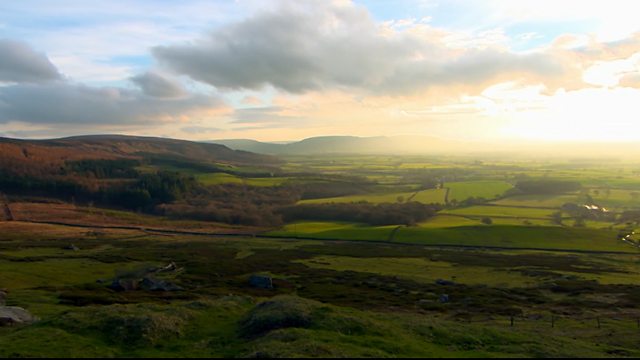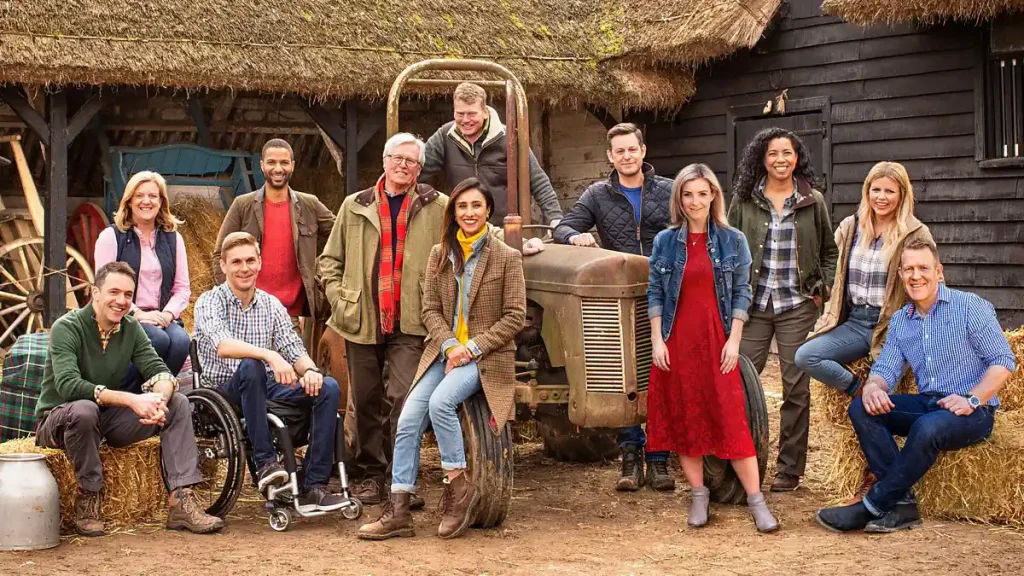
Countryfile – Shropshire’s Nature Comeback: Welcome to a truly inspiring journey through Shropshire. Here, nature is making a remarkable comeback. We join Charlotte Smith and Matt Baker in this stunning county. They explore landscapes being tenderly brought back to vibrant life. Floodplains, once struggling, are now being thoughtfully rewilded. Consequently, these areas are teeming with renewed energy. Meadows, rich with diverse flora, are being meticulously restored. Furthermore, ancient woodlands, silent witnesses to centuries, are being entirely reimagined. It is a testament to dedicated efforts. This transformation paints a hopeful picture for the future. Indeed, Shropshire is becoming a beacon of ecological revival.
Charlotte Smith begins her exploration deep within the enchanting trees of Attingham Park. This historic estate offers a sanctuary for countless species. She discovers how both old and new woodland areas provide distinct, crucial habitats. For instance, ancient, gnarled oaks offer homes for rare insects and birds. Meanwhile, younger, more vigorous sections of the woodland support different kinds of wildlife. The interplay between these varied environments creates a rich tapestry of life. Sunlight dapples through the leaves, illuminating the forest floor. Charlotte learns about the delicate balance required to maintain these ecosystems. Truly, it is a living lesson in woodland management.
Moreover, she observes how careful planning allows diverse species to thrive side-by-side. The air hums with the sounds of birdsong and rustling leaves. It is a symphony of nature in harmony. Attingham’s team works tirelessly to protect this precious resource. Their efforts ensure these woodlands continue to flourish for generations. Subsequently, Charlotte transitions from the tranquil woods to a bustling cattle farm. Here, innovative farmers are trialling groundbreaking technological methods. They aim to study the hydrology of their land with incredible precision. This research is vital for sustainable farming practices.
Understanding water flow helps manage resources more effectively. It also helps mitigate potential environmental impacts. Charlotte sees firsthand how sensors and data analysis are revolutionizing traditional farming. These tools provide invaluable insights into soil moisture and water movement. Consequently, the farmers can make more informed decisions. They can optimize irrigation and protect local water sources. This approach represents a fusion of age-old farming wisdom with cutting-edge science. Ultimately, it benefits both the farm’s productivity and the surrounding environment. The commitment to innovation is truly inspiring.
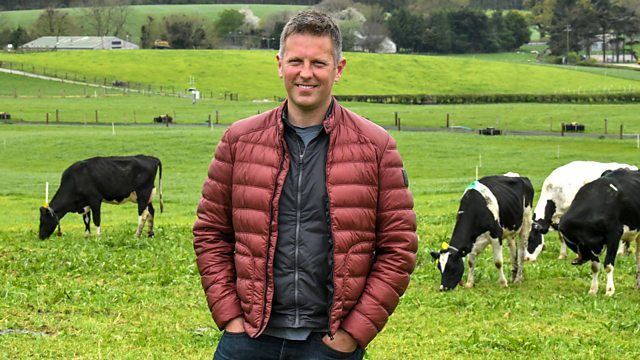
Meanwhile, Matt Baker finds himself at the magnificent Dudmaston Estate. This sprawling property has recently faced significant challenges from increasing flood events. However, ingenuity flourishes even in the face of adversity. Matt uncovers a novel and highly effective solution being implemented there. The estate team has developed strategies to work with nature, not against it. They are creating natural flood management systems. These systems help slow water flow and increase absorption into the land. It is a clever approach to a growing problem.
These solutions not only protect the estate but also benefit downstream communities. For example, restored wetlands and woody debris dams act like natural sponges. They absorb excess rainfall, reducing the risk of damaging floods. Matt witnesses the positive impact of these measures. The landscape is becoming more resilient. Furthermore, biodiversity is increasing in these newly managed areas. Nearby, Matt’s journey continues as he meets a dedicated farmer with a bold vision. This farmer is passionately restoring a significant portion of his land, about one-third, to heathland. This habitat, once common, has become increasingly rare.
His magnificent herd of Highland cattle will graze this restored heathland. These hardy animals are perfectly suited to this type of landscape. Their grazing patterns help maintain the heath, preventing scrub encroachment. This, in turn, allows delicate heathland plants and specialist insects to thrive. It is a wonderful example of conservation grazing in action. The sight of these iconic cattle against the backdrop of heather is truly breathtaking. Matt learns about the ecological benefits and the farmer’s deep connection to this land. His efforts are helping to recreate a lost world.
Not far from this inspiring heathland project, another crucial conservation effort is underway. A local mammal group diligently monitors harvest mice populations. They focus their work on a small, unassuming meadow nestled by the gently flowing River Severn. These tiny creatures, Europe’s smallest rodents, are indicators of a healthy grassland ecosystem. Their presence, or absence, tells a much larger story. The group uses humane methods to survey the mice. For example, they search for their distinctive woven nests among the long grasses.
Matt joins them, learning about the meticulous work involved in tracking these elusive animals. He discovers the challenges they face, from habitat loss to predation. Yet, the dedication of these volunteers is unwavering. Their data provides vital information for conservation strategies. It helps protect not just the harvest mice, but the entire meadow ecosystem. Every blade of grass, every insect, plays a part. This small meadow, therefore, becomes a microcosm of larger conservation battles. It highlights the importance of local action in preserving biodiversity.
As part of the BBC’s Wellbeing Week, the programme also turns its focus to a profoundly important issue. Vick Hope has the distinct honour of meeting His Royal Highness Prince William. They attend an event specifically dedicated to mental health among farmers. This often-overlooked topic is gaining much-needed attention. Farming is a demanding profession, filled with unique pressures. Isolation, financial uncertainties, and long hours can take a heavy toll. Prince William, a passionate advocate for mental health, speaks openly about these challenges.
Countryfile – Shropshire’s Nature Comeback
He emphasizes the need for greater support and understanding within the agricultural community. Vick listens intently as farmers share their personal experiences. They discuss the importance of breaking down stigma. They also explore practical ways to promote well-being. The event fosters a sense of community and shared purpose. It offers a platform for open conversation and mutual support. Furthermore, it highlights resources available to those who may be struggling. This segment powerfully underscores that caring for the land and caring for those who work it go hand-in-hand. Indeed, a healthy farm needs a healthy farmer.
Finally, the ever-enthusiastic Adam Henson travels to Wrexham, in North Wales. He is there to meet two inspiring brothers, Will and George Tomlinson. These young men are fifth-generation dairy farmers. They carry a rich family heritage on their shoulders. However, they are also looking firmly towards the future. The Tomlinson brothers are making a significant shift in their farming practices. They are moving away from reliance on imported soya for cattle feed. Instead, they have embarked on an ambitious journey. They are now growing their own cattle feed.
This bold initiative aims to make their farm fully self-sufficient. Adam learns about the motivations behind this change. Concerns about the environmental impact of imported feed are a key driver. Additionally, the desire for greater control over their inputs is important. Growing their own feed allows them to ensure quality and reduce their carbon footprint. They are experimenting with various crops, seeking the perfect blend for their herd. This transition requires significant investment, hard work, and innovation. Yet, the brothers are determined to succeed.
Their story is one of resilience and forward-thinking. It demonstrates a commitment to sustainable agriculture. By producing their own feed, they are closing the loop on their farm. This reduces waste and enhances soil health. Moreover, it sets an example for other farmers. It shows that a more self-reliant and environmentally friendly model of farming is possible. Adam is clearly impressed by their dedication and vision. The Tomlinson brothers represent a new generation of farmers. They are embracing change and shaping a more sustainable future for British agriculture. Their efforts in Shropshire and beyond paint a truly hopeful picture. The land, and its stewards, are indeed finding new paths forward.
A Tapestry Rewoven
As our journey through Shropshire draws to a close, we witness a landscape not just surviving, but thriving. The patchwork of initiatives across this beautiful county tells a story of hope and renewal. Indeed, from the ancient woodlands of Attingham Park to the innovative cattle farms, Shropshire has become a living laboratory for ecological revival.
The transformation unfolds like seasons changing – gradually yet powerfully. For instance, Charlotte’s exploration of woodland management revealed how old and new forests create a symphony of biodiversity. Meanwhile, Matt’s discoveries at Dudmaston Estate showed us that working with nature, rather than against it, offers sustainable solutions to modern challenges.
Furthermore, the dedication of local communities shines brightly throughout these stories. The farmer restoring precious heathland, the volunteers monitoring tiny harvest mice, and the Tomlinson brothers revolutionizing their feed systems – all weave together in this tapestry of change.
However, this journey reminds us that environmental stewardship extends beyond the land. Prince William’s involvement highlights the crucial connection between farmer wellbeing and sustainable agriculture. After all, those who tend the earth need nurturing too.
What makes Shropshire’s renaissance particularly powerful is its balance of tradition and innovation. Like a river finding new paths while honoring its course, these farmers and conservationists honor agricultural heritage while embracing new technologies and approaches.
The lessons from Shropshire ripple outward like stones cast in still water. Consequently, these local efforts contribute to global environmental solutions. Each restored meadow, each woodland managed, each flood plain reclaimed represents a small victory in our collective struggle against biodiversity loss and climate change.
Importantly, these stories remind us that environmental recovery isn’t just possible – it’s already happening. The Highland cattle grazing on purple heathland, the harvest mice weaving nests by the Severn, and the self-sufficient dairy farms demonstrate that nature rebounds when given space and support.
As we leave Shropshire behind, we carry with us a profound sense of possibility. The landscape whispers a powerful truth: our relationship with nature isn’t fixed but evolving. Through thoughtful stewardship and bold vision, we can write new chapters in our environmental story.
Shropshire stands as a beacon, illuminating a path forward where humans and nature flourish together in harmony. This vibrant county shows us that the future of our countryside isn’t just something we dream about – it’s something we create, together, one acre at a time.
FAQ Countryfile – Shropshire’s Nature Comeback
Q: What ecological transformation is happening in Shropshire?
A: Shropshire is experiencing a remarkable ecological revival across its diverse landscapes. Specifically, floodplains are being thoughtfully rewilded, meadows rich with flora are undergoing meticulous restoration, and ancient woodlands are being reimagined. For instance, at Attingham Park, both old and new woodland areas provide distinct habitats for countless species. Moreover, innovative farmers are implementing groundbreaking methods to study land hydrology with incredible precision, creating a harmonious balance between traditional wisdom and cutting-edge technology.
Q: How is Dudmaston Estate addressing flood challenges?
A: Dudmaston Estate has developed ingenious natural flood management systems that work with nature rather than against it. These innovative solutions help slow water flow and increase absorption into the land. Notably, restored wetlands and woody debris dams function like natural sponges, absorbing excess rainfall and reducing downstream flood risks. Consequently, these measures not only protect the estate itself but also benefit neighboring communities. Furthermore, these adaptations have increased biodiversity in newly managed areas, creating resilient landscapes that thrive despite changing climate conditions.
Q: What role do Highland cattle play in Shropshire’s conservation efforts?
A: Highland cattle serve as natural landscape managers in Shropshire’s heathland restoration projects. These magnificent animals are perfectly suited to heathland environments, where their unique grazing patterns prevent scrub encroachment. As a result, delicate heathland plants and specialist insects can thrive in this once-common but now rare habitat. The sight of these iconic cattle against the purple backdrop of heather epitomizes conservation grazing in action. Indeed, one dedicated farmer is restoring approximately one-third of his land to heathland, demonstrating how these hardy bovines help recreate vanishing ecosystems.
Q: How are harvest mice being monitored in Shropshire?
A: A dedicated local mammal group monitors harvest mice populations in a small meadow by the River Severn using humane tracking methods. They particularly search for the mice’s distinctive woven nests among long grasses. These tiny creatures, Europe’s smallest rodents, serve as vital indicators of healthy grassland ecosystems. The volunteers’ unwavering dedication provides essential data for broader conservation strategies. In effect, this seemingly modest meadow becomes a microcosm of larger conservation battles, highlighting how local actions contribute significantly to preserving biodiversity. Every careful observation helps protect not just the mice but entire ecosystems.
Q: What mental health initiatives for farmers were featured in the programme?
A: The programme showcased a significant event dedicated to farmer mental health, attended by Prince William and presented by Vick Hope. This gathering addressed the unique pressures farmers face, including isolation, financial uncertainties, and demanding work hours. Participants openly discussed breaking down stigma and practical approaches to promoting well-being. The event fostered a supportive community atmosphere where farmers shared personal experiences. Additionally, it highlighted available resources for those struggling with mental health challenges. This powerful segment emphasized the essential connection between caring for the land and caring for those who work it.
Q: How are the Tomlinson brothers innovating in dairy farming?
A: Will and George Tomlinson, fifth-generation dairy farmers in Wrexham, North Wales, are pioneering self-sufficiency by growing their own cattle feed instead of relying on imported soya. This bold initiative stems from concerns about environmental impacts and a desire for greater control over their inputs. Consequently, they’re reducing their carbon footprint while maintaining quality control. Despite requiring significant investment and innovation, the brothers remain determined to succeed. Their approach demonstrates forward-thinking agricultural practices that close the farm’s resource loop, enhancing soil health and reducing waste. Ultimately, they exemplify how young farmers can honor heritage while embracing sustainable future practices.
Q: What technological innovations are farmers using to study land hydrology?
A: Innovative farmers in Shropshire are employing advanced sensors and sophisticated data analysis systems to study land hydrology with unprecedented precision. These technologies provide detailed insights into soil moisture levels and water movement patterns across their properties. As a result, farmers can make more informed decisions about irrigation scheduling and resource management. This high-tech approach represents a fascinating fusion of traditional farming wisdom with cutting-edge science. Furthermore, these tools help mitigate environmental impacts by protecting local water sources. The farmers’ commitment to technological innovation ultimately benefits both agricultural productivity and environmental sustainability.
Q: What makes Attingham Park’s woodland management approach special?
A: Attingham Park’s woodland management shines through its balanced approach to different forest ages. Ancient, gnarled oaks provide rare habitats for specific insects and birds, while younger, more vigorous sections support entirely different wildlife communities. This intentional variety creates a rich tapestry of life throughout the estate. The park’s team works tirelessly to maintain the delicate ecological balance needed for these diverse species to thrive side-by-side. Sunlight dappling through leaves illuminates a forest floor teeming with life. Indeed, Attingham offers visitors a living lesson in thoughtful woodland stewardship that ensures these precious resources flourish for generations.
Q: How does Shropshire’s ecological revival contribute to global environmental efforts?
A: Shropshire’s local conservation initiatives ripple outward like stones cast in still water, contributing meaningfully to global environmental solutions. Each restored meadow, managed woodland, and reclaimed floodplain represents a small victory against biodiversity loss and climate change. These efforts demonstrate that environmental recovery isn’t merely theoretical—it’s actively happening across the county. The balanced approach of honoring agricultural heritage while embracing innovative techniques offers a blueprint for other regions worldwide. Furthermore, Shropshire’s success stories provide tangible evidence that when humans work harmoniously with nature, both can flourish. In essence, this vibrant county serves as a beacon of hope for ecological restoration globally.
Q: Why is the balance of tradition and innovation important in Shropshire’s environmental approach?
A: The powerful balance between tradition and innovation drives Shropshire’s environmental renaissance. Like a river finding new paths while honoring its course, local farmers and conservationists respect agricultural heritage while embracing modern approaches. This harmonious integration allows them to address contemporary challenges without losing valuable traditional knowledge. For example, conservation grazing with Highland cattle combines ancient land management techniques with modern ecological understanding. Similarly, the Tomlinson brothers’ self-sufficient farming model applies innovative thinking to traditional dairy practices. This balanced approach creates resilient, sustainable systems that can adapt to changing conditions while maintaining cultural connections to the land.