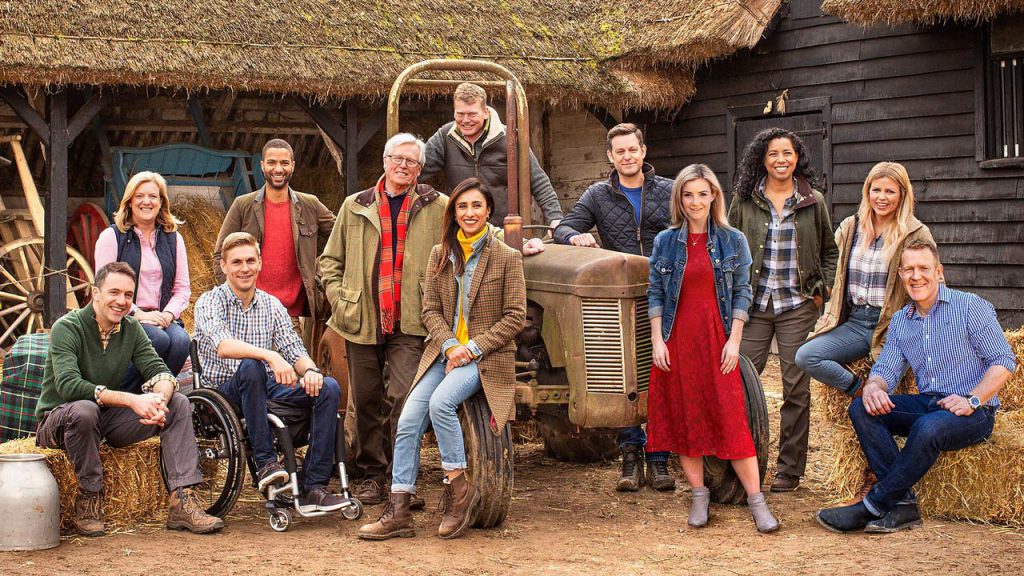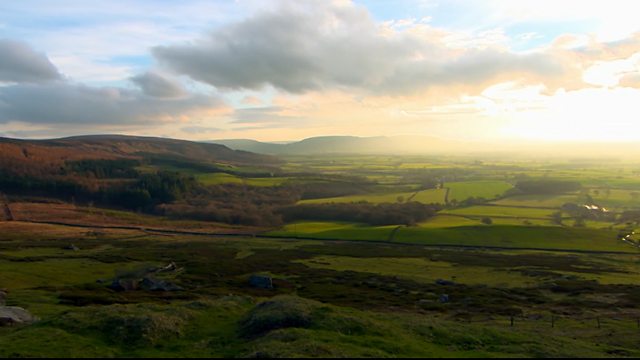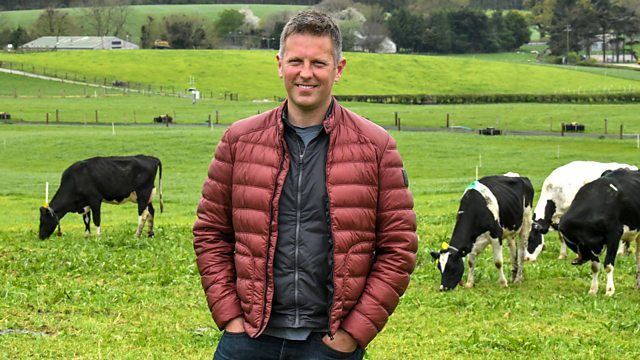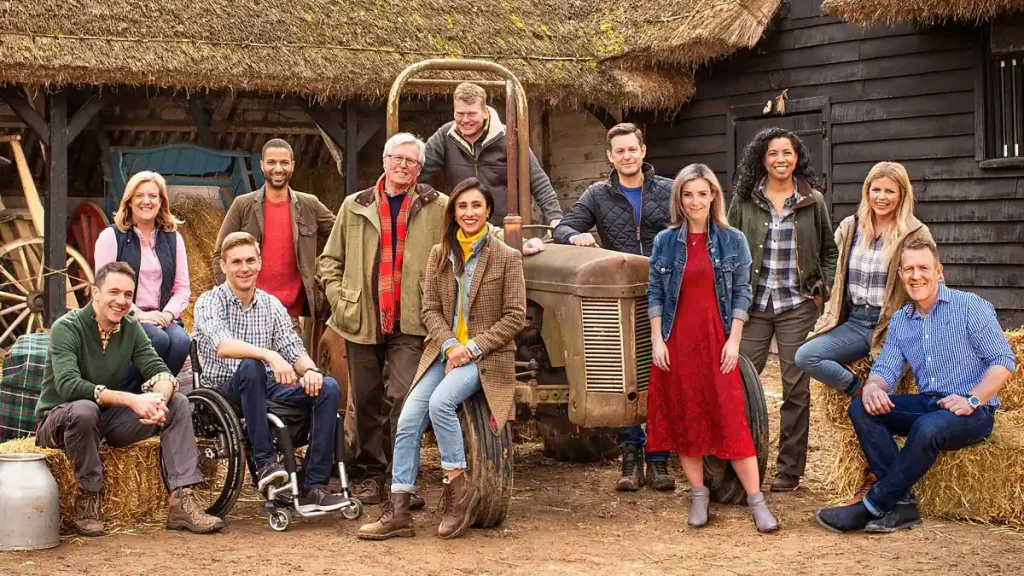
Countryfile – The Sound of Mull: Eagles, Rainforests, and a Legacy of Conservation
The year 2025 marks a momentous milestone in the UK’s conservation history—50 years since the reintroduction of white-tailed eagles. These magnificent raptors, often called “flying barn doors” due to their enormous wingspan, once soared freely over Britain’s skies before being hunted to extinction in the early 20th century. Their return to Scotland sparked both excitement and controversy, but today, they stand as a powerful symbol of resilience and renewal.
In this special feature, naturalist and presenter Hamza Yassin embarks on a breathtaking sea eagle safari across the Sound of Mull, heading towards the picturesque harbor town of Tobermory. Along the way, he observes the thriving eagle population, witnessing their effortless glides and sudden, dramatic dives for fish. With the wind whipping across the open water, the sight of these majestic birds, their golden eyes scanning the sea, is nothing short of mesmerizing.
But Hamza’s journey isn’t just about admiration; it’s also about action. He recalls the pulse-racing moment when he took part in the daring rescue of one of Mull’s most famous sea eagles—an unforgettable experience that reinforced the delicate balance between human intervention and nature’s own course.
While Hamza navigates Mull’s coastal waters, Charlotte Smith ventures into the lush, green heart of another Scottish treasure—the ancient Atlantic rainforest near the banks of Loch Sunart. Unlike the tropical rainforests of the Amazon, this unique ecosystem is shrouded in mist, its gnarled trees draped in moss and lichen. It is a relic of a time when forests covered much of Britain, and today, it remains a sanctuary for a rich diversity of wildlife, from elusive pine martens to the rare chequered skipper butterfly.
The passionate team working to protect this woodland knows that time is against them. Climate change, pollution, and habitat destruction threaten its survival. As Charlotte walks beneath the canopy, sunlight filtering through the branches, she speaks with conservationists who have dedicated their lives to preserving this ancient wonder. Their mission is clear: to ensure that future generations can experience the magic of this forgotten forest.
Meanwhile, Tom Heap turns his attention to another contentious subject—fox hunting. It has been 20 years since the Hunting Act of 2004 banned the practice in England and Wales, yet the debate remains as fiery as ever. To some, it was a victory for animal welfare; to others, an attack on rural traditions.
Countryfile – Sound of Mull
Tom revisits the law’s impact, speaking to those on both sides of the argument. He meets with wildlife activists who remain vigilant, tracking cases of illegal hunting that persist despite the ban. In contrast, he also hears from those in the countryside who argue that the legislation has been ineffective, with some insisting that trail hunting—a legal alternative—has been unfairly targeted.
As he explores the rolling fields and wooded paths where hunts once thundered through, Tom reflects on the deep divisions that still exist. The fight against illegal hunting continues, but so does the battle over its place in Britain’s rural identity.
From the soaring eagles above the Sound of Mull to the whispering trees of Loch Sunart, and the heated debates surrounding fox hunting, this episode of Countryfile delves into the triumphs and challenges of conservation and wildlife protection in the UK.
The natural world is constantly evolving, shaped by human hands and history alike. But as we look to the future, one thing is clear—whether through the return of lost species, the safeguarding of ancient landscapes, or the fight for ethical practices, the legacy of conservation continues to unfold.
Conclusion Sound of Mull: A Future Woven with Nature
The landscapes of Mull, Loch Sunart, and the British countryside are more than just scenic backdrops—they are living, breathing testaments to nature’s resilience and humanity’s responsibility. As white-tailed eagles reclaim the skies, ancient rainforests fight to hold their ground, and the fox-hunting debate rages on, one truth remains: conservation is not a destination but a journey, shaped by the choices we make today.
Looking back at the past five decades, the reintroduction of white-tailed eagles stands as a triumph of perseverance. What was once deemed impossible is now a reality—these colossal birds no longer exist only in history books but in the wild, their powerful wings carving through the Highland air. Their return reminds us that nature, when given a chance, can heal. But that healing is fragile. Without continued vigilance, the same forces that once drove them to extinction could threaten them again.
The Atlantic rainforest of Loch Sunart whispers a similar story. It is a relic of an era when Britain was blanketed in green, an echo of a time before roads, towns, and industry. Yet, despite its beauty, it remains under siege. Climate change, deforestation, and neglect gnaw at its edges. The conservationists fighting to protect it know that their work is not just about saving trees—it’s about preserving an ecosystem that shelters wildlife, purifies the air, and holds centuries of untold stories within its roots.
Meanwhile, in Britain’s rural heartlands, the fox-hunting debate continues to stir deep emotions. Laws have changed, but attitudes have not. To some, the ban is a victory for compassion; to others, a loss of cultural heritage. The battle between tradition and progress rages on, proving that conservation is not just about wildlife but about the values we uphold as a society.
As this journey across the Sound of Mull and beyond comes to a close, one thing is clear—nature does not stand still. It flourishes where it is nurtured and fades where it is forgotten. The responsibility lies with us to decide which path we take. Will we be the generation that allows history to repeat itself, or will we learn from the past and protect what remains? The answer, written in the flight of an eagle, the rustle of ancient leaves, and the choices we make every day, will shape the legacy we leave behind.
Q: What makes the Sound of Mull a significant location for conservation?
A: The Sound of Mull is home to diverse marine life and a thriving population of white-tailed eagles. This region represents a conservation success story, highlighting the positive impact of reintroduction programs and habitat protection efforts.
Q: Why were white-tailed eagles reintroduced to the UK?
A: White-tailed eagles were driven to extinction in the UK due to hunting and habitat loss. Their reintroduction aimed to restore ecological balance, boost biodiversity, and revive a once-lost species in Scotland’s skies.
Q: What challenges does the Atlantic rainforest near Loch Sunart face?
A: The ancient Atlantic rainforest is threatened by climate change, deforestation, and pollution. Conservationists are working to protect this rare ecosystem, ensuring it continues to shelter wildlife and maintain ecological stability.
Q: How has the fox-hunting ban impacted wildlife conservation?
A: The fox-hunting ban has reduced cruelty against wildlife, but illegal hunting persists in some areas. The law remains controversial, with conservationists advocating for stronger enforcement while rural communities debate its impact on tradition.
Q: What role do conservationists play in protecting these landscapes?
A: Conservationists monitor wildlife, restore habitats, and advocate for stronger environmental policies. Their efforts ensure that Scotland’s natural wonders, from soaring eagles to ancient forests, remain protected for future generations.
Q: How can visitors support conservation efforts in the Sound of Mull and Loch Sunart?
A: Visitors can support conservation by following eco-friendly travel practices, respecting wildlife, and contributing to local environmental organizations. Responsible tourism helps sustain these fragile ecosystems for years to come.