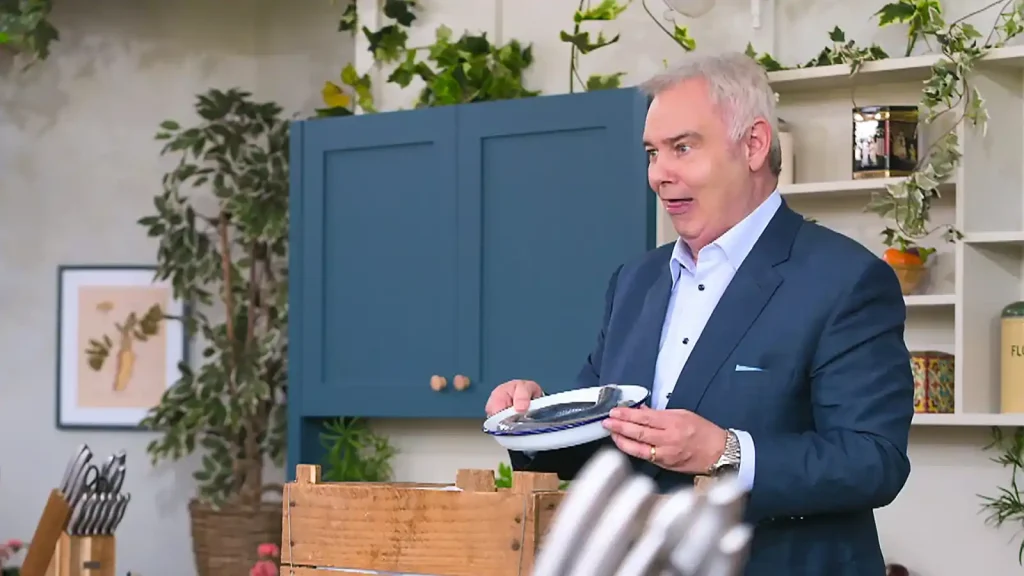
Farm to Feast episode 3 – A Culinary Battle of Land and Water
The tension rises in the kitchen as “Farm to Feast” enters its pivotal third episode. The competition narrows to just five talented contestants, each hoping to secure their coveted spot in the semi-finals. Their challenge today revolves around two exquisite local ingredients that represent the diverse bounty of Northern Ireland: the distinctive Lough Neagh eels and the luxuriously creamy triple cream cheese from County Armagh.
Hosts Danni and Joris can barely contain their excitement as they introduce today’s high-stakes challenge. Furthermore, their enthusiasm is palpable as they explain how these seemingly contrasting ingredients – one from the freshwater depths of Ireland’s largest lake, the other from the rolling pastures of County Armagh – will test the contestants’ creativity and technical prowess.
“Today’s challenge is all about harmony,” explains Danni, her eyes sparkling with anticipation. “These ingredients represent the best of what Northern Ireland’s waters and fields have to offer. Additionally, we want to see how you can transform them into cohesive, memorable dishes that honor their origins.”
The Lough Neagh eel presents a particularly formidable challenge. This traditional delicacy has been harvested from the lake for centuries using methods passed down through generations of fishing families. Meanwhile, the triple cream cheese from County Armagh stands as a testament to the region’s dairy excellence, having garnered prestigious awards for its buttery texture and complex flavor profile.
As the contestants survey their ingredients, the initial shock gives way to strategic planning. Subsequently, notebooks come out, and pencils scratch rapidly against paper as each competitor begins to envision their approach. The kitchen soon buzzes with activity – knives chop, pans sizzle, and the air fills with a symphony of aromas.
One contestant opts for a contemporary take on traditional eel pie, incorporating the cheese into a velvety sauce that complements rather than overwhelms the delicate fish. In contrast, another takes a more avant-garde approach, creating an eel mousse with cheese-infused crisp wafers. The diversity of techniques reflects the unique culinary perspectives each contestant brings to the competition.
Joris moves from station to station, asking probing questions about flavor combinations and preparation methods. “What made you choose this particular cooking technique for the eel?” he asks one contestant who is carefully monitoring a smoking chamber. The competitor explains how the smoke will enhance the natural richness of the eel while creating a beautiful counterpoint to the creamy cheese element in their dish.
The time pressure adds another layer of intensity to the challenge. Therefore, contestants must carefully balance complexity with practicality, knowing that an overambitious dish might lead to disaster if not executed perfectly within the allocated timeframe. Hands move with increasing urgency as the minutes tick away, and occasional gasps of frustration or sighs of relief punctuate the kitchen’s soundtrack.
“Ten minutes remaining!” Danni announces, sending a visible ripple of panic through the kitchen. The contestants enter a final flurry of activity – plates are meticulously arranged, sauces are adjusted, and garnishes are placed with surgical precision.
When time finally expires, five distinctly different interpretations of the challenge stand ready for judgment. The dishes range from rustic and hearty to elegant and refined, each telling a unique story about the relationship between field and shore. Moreover, each plate represents not just culinary skill but also a deep respect for the ingredients and their cultural significance.
Farm to Feast episode 3
The judging process is both meticulous and passionate. Danni and Joris, joined by a guest judge – a renowned chef known for her work with traditional Irish ingredients – carefully evaluate each offering. They consider not only flavor and technical execution but also creativity and how well the contestants have highlighted the essential qualities of both the eel and the cheese.
“What strikes me most about this dish,” says the guest judge, savoring a bite of one contestant’s creation, “is how you’ve managed to honor these traditional ingredients while bringing something entirely new to the table. The eel retains its distinct character, yet harmonizes beautifully with the cheese component.”
As deliberations conclude, tension fills the room. The contestants stand shoulder to shoulder, their faces reflecting a mixture of exhaustion, pride, and nervous anticipation. One by one, the judges deliver their verdicts – celebrating successes, noting missed opportunities, and ultimately determining who will continue their journey toward culinary glory.
For the contestant who created the most successful marriage of these distinctive ingredients, the reward is sweet – not just advancement to the semi-finals, but also the validation that their culinary vision resonates with some of the industry’s most discerning palates. Consequently, tears of joy and relief flow freely as the announcement is made.
As the episode draws to a close, viewers are left with a deeper appreciation for the rich tapestry of Northern Ireland’s food heritage. The journey from farm (and lake) to feast is revealed as not merely a physical transformation of ingredients, but a cultural celebration that connects past traditions with contemporary creativity.
Farm to Feast episode 3 – A Culinary Symphony: Where Tradition Meets Innovation
As the kitchen lights dim on another riveting episode of “Farm to Feast,” we’re left savoring more than just the memory of exquisite dishes. The journey we’ve witnessed transcends mere cooking—it represents a profound dialogue between Northern Ireland’s cultural heritage and contemporary culinary artistry. Furthermore, this dialogue continues to evolve with each challenge the contestants face.
The battle between land and water ingredients has revealed something essential about great cooking. Moreover, it has shown us that seemingly disparate elements—like Lough Neagh eels and County Armagh’s triple cream cheese—can harmonize beautifully when approached with both respect and imagination. This harmony doesn’t happen by accident; rather, it emerges through careful technique, thoughtful planning, and a deep understanding of flavor profiles.
What makes “Farm to Feast” particularly special is how it celebrates the stories behind the ingredients. The hands that have harvested eels for generations connect directly to the innovative chefs who transform them. In addition, the dairy farmers perfecting their craft in County Armagh fields see their work elevated to art on the judges’ plates. This connection forms an unbroken chain from producer to creator to consumer.
The contestants’ diverse approaches remind us that there’s never just one “right way” to honor an ingredient. Instead, culinary excellence comes in many forms—sometimes rooted in tradition, other times pushing boldly into new territory. The judges’ careful deliberations reflect this complexity, acknowledging both technical mastery and creative vision.
As viewers, we’ve been privileged to witness not just cooking, but alchemy—the transformation of raw materials into experiences that delight all the senses. The pressure-cooker environment of competition has, ironically, created space for genuine moments of culinary poetry. Each dish tells a story that begins in Northern Ireland’s waters and fields but extends far beyond.
Looking ahead to the semifinals, one cannot help but wonder: what new challenges await? How will the remaining contestants continue to push boundaries while honoring traditions? The answers, like the best recipes, will undoubtedly surprise and delight us. Until then, we carry with us a deeper appreciation for the rich culinary landscape of Northern Ireland—a feast for both body and soul.
FAQ Farm to Feast episode 3
Q: What is “Farm to Feast” and how does the competition work?
A: “Farm to Feast” is a culinary competition that showcases talented chefs creating dishes from local ingredients. Contestants progress through multiple episodes, facing elimination challenges that test their creativity and technical skills. Furthermore, each episode presents unique ingredient combinations from Northern Ireland’s diverse food landscape. The competition begins with a larger group of contestants who are gradually eliminated until only the most skilled remain for the semi-finals and finals. Judges evaluate dishes based on flavor, technique, creativity, and how well contestants highlight the essential qualities of featured ingredients.
Q: Who are Danni and Joris in the show?
A: Danni and Joris serve as the hosts of “Farm to Feast,” guiding contestants through each challenge with enthusiasm and expertise. They introduce the featured ingredients, explain challenge parameters, and participate in the judging process. Additionally, they provide commentary throughout the competition, offering insights into cooking techniques and ingredient histories. Danni and Joris often move between cooking stations during preparation time, asking contestants about their approaches and creating a narrative for viewers. Their passionate evaluation of dishes helps audiences understand the nuances of flavors and techniques being showcased.
Q: What were the featured ingredients in episode 3?
A: Episode 3 featured two contrasting yet complementary Northern Irish ingredients: Lough Neagh eels and triple cream cheese from County Armagh. The Lough Neagh eels represent a traditional delicacy harvested for centuries from Ireland’s largest lake. In contrast, the award-winning triple cream cheese from County Armagh exemplifies the region’s dairy excellence with its buttery texture and complex flavor profile. These ingredients symbolize the “land and water” theme of the episode, challenging contestants to create harmonious dishes that honor both traditions. The seemingly disparate ingredients tested contestants’ ability to balance flavors and techniques creatively.
Q: How did contestants approach the eel and cheese challenge?
A: Contestants demonstrated remarkable diversity in their approaches to combining Lough Neagh eels and County Armagh cheese. One competitor created a contemporary take on traditional eel pie with a velvety cheese sauce that complemented the delicate fish. Another contestant took an avant-garde direction, developing an eel mousse paired with cheese-infused crisp wafers. Some chefs employed smoking techniques to enhance the eel’s natural richness while creating counterpoints to the creamy cheese. Meanwhile, others focused on textural contrasts between the ingredients. Each approach reflected the contestants’ unique culinary perspectives and technical specialties, resulting in five distinctly different interpretations of the challenge.
Q: What time constraints do contestants face during challenges?
A: Contestants on “Farm to Feast” work under significant time pressure that adds intensity to each challenge. The strict timeframe requires them to balance complexity with practicality, as overambitious dishes might lead to disaster if not executed perfectly. As a result, hands move with increasing urgency as minutes tick away, with occasional gasps of frustration punctuating the kitchen’s soundtrack. During the final countdown, announced by Danni with “Ten minutes remaining!”, contestants enter a flurry of activity. They meticulously arrange plates, adjust sauces, and place garnishes with surgical precision before time expires and judging begins.
Q: How are dishes judged on “Farm to Feast”?
A: The judging process on “Farm to Feast” is both meticulous and passionate, involving multiple criteria. Hosts Danni and Joris, often joined by guest judges (such as renowned chefs specializing in traditional Irish cuisine), carefully evaluate each offering. They consider flavor profiles, technical execution, creativity, and how well contestants highlight the essential qualities of featured ingredients. Additionally, judges look for harmony between components and respect for cultural significance. Judges provide constructive feedback after tasting, celebrating successes while noting missed opportunities. Their deliberations ultimately determine who advances in the competition and who faces elimination.
Q: What cultural significance do the featured ingredients have?
A: Lough Neagh eels represent a profound cultural heritage in Northern Ireland, having been harvested using methods passed down through generations of fishing families. These traditional techniques connect modern cuisine to centuries of local food culture. Similarly, County Armagh’s award-winning triple cream cheese embodies the region’s agricultural excellence and dairy traditions. Together, these ingredients tell a story about Northern Ireland’s relationship with its land and waters. Therefore, the show celebrates not just culinary skill but cultural preservation. The competition highlights how contemporary chefs can honor these traditions while bringing innovative approaches to traditional ingredients.
Q: What happens to contestants who win challenges?
A: Contestants who create the most successful dishes earn advancement to the next stage of competition, ultimately working toward securing a coveted spot in the semi-finals. Beyond progression, winners receive validation that their culinary vision resonates with industry experts. This recognition often prompts emotional responses, with tears of joy and relief flowing freely after announcements. Moreover, winning challenges can boost contestants’ confidence for future rounds. The show celebrates these victories as important milestones in each chef’s journey, acknowledging both technical skill and creative vision. Winners sometimes receive additional opportunities or exposure beyond the competition itself.
Q: How does “Farm to Feast” showcase Northern Ireland’s food heritage?
A: “Farm to Feast” serves as a vibrant celebration of Northern Ireland’s rich culinary landscape and food traditions. By featuring ingredients like Lough Neagh eels and County Armagh cheese, the show highlights local specialties and traditional foods that might otherwise remain unfamiliar to wider audiences. The competition connects viewers to the stories behind these ingredients, from lake harvesting to dairy farming. Furthermore, the show demonstrates how these traditional foods can be transformed through both time-honored and innovative cooking techniques. This cultural celebration creates an unbroken chain from producer to creator to consumer, elevating Northern Ireland’s food heritage.
Q: What makes the format of “Farm to Feast” unique compared to other cooking shows?
A: “Farm to Feast” distinguishes itself through its deep focus on local ingredients and cultural heritage. Unlike many cooking competitions that emphasize speed or gimmicks, this show celebrates the connection between land, tradition, and innovation. The format specifically highlights Northern Ireland’s diverse food landscape, from freshwater lakes to pastoral farmlands. Additionally, the judging criteria place special emphasis on honoring ingredients’ origins while creating memorable dishes. The show creates space for genuine culinary poetry amidst competition pressure. Through this approach, “Farm to Feast” transforms from mere entertainment into a cultural document that preserves and celebrates regional food traditions.