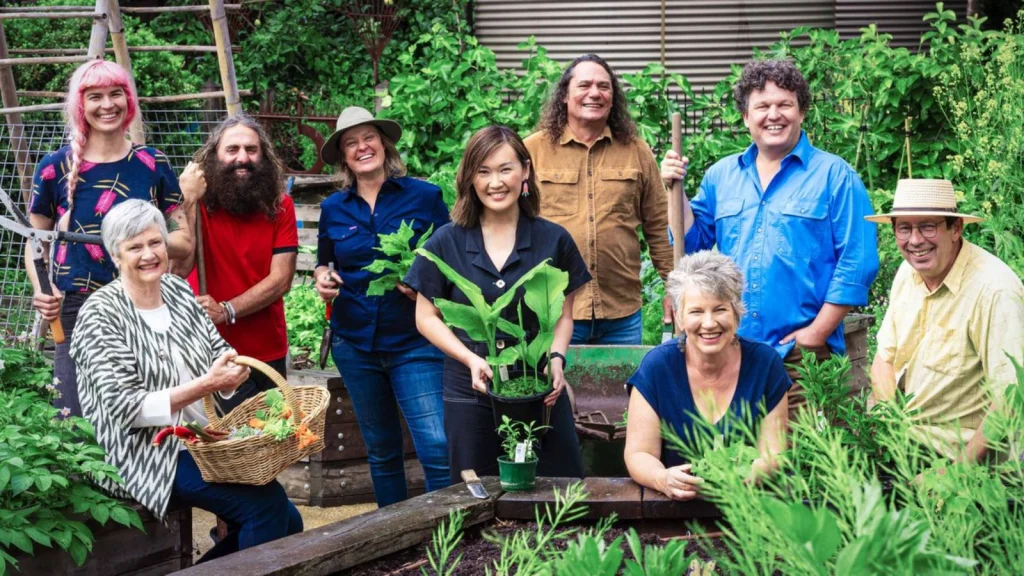
The Gardening Australia 2025 Episode 30 explores the profound connection between our gardens and the animal kingdom. It demonstrates how backyards can become vibrant ecosystems, supporting everything from domestic companions to precious native wildlife. This deep dive reveals that a thoughtful approach to Australian gardening transforms a simple plot of land into a crucial habitat. By understanding the needs of different creatures, gardeners can foster biodiversity, solve common pest problems, and enrich their own experience of nature. The episode provides practical guidance on creating spaces that attract and sustain life.
This focus on animal-centric gardening is incredibly timely. As urban areas expand, natural habitats shrink, placing pressure on native species. Consequently, suburban backyards have become vital corridors and sanctuaries. The insights from Gardening Australia 2025 Episode 30 empower individuals to contribute positively to their local environment. It shifts the perspective from merely cultivating plants to curating a living, breathing system. This involves welcoming beneficial insects, providing resources for birds, and learning to coexist with marsupials.
The scope of the episode is impressively broad, covering a range of interactions between flora and fauna. It begins with the practical selection of domestic chickens, highlighting their benefits beyond just egg production. Subsequently, it transitions to creating landscapes designed specifically for native animals, from tiny native bees to endangered bandicoots. The discussion also addresses the common challenge of possums, offering effective, humane management strategies. Furthermore, it delves into the misunderstood world of flies and the surprising role of goats in a sustainable garden.
Foundational to these topics is the principle of ecological balance, a core theme in modern garden design. For instance, the choice of native plants is repeatedly emphasized as the most effective way to support local wildlife. These plants have co-evolved with native fauna, providing the precise food and shelter they require. This principle applies whether one is designing a small “buzz pot” for pollinators or revegetating a half-hectare block to create a wildlife corridor. The episode provides a masterclass in this thoughtful, ecosystem-first approach.
Ultimately, Gardening Australia 2025 Episode 30 illustrates that a garden is a partnership with nature. As one gardener, David, explains, the relationship evolves over time. Initially, the gardener leads the change, but eventually, the garden itself becomes the senior partner, dictating its own needs. This symbiotic perspective provides a powerful framework for a more fulfilling and ecologically responsible way of gardening, encouraging us to listen to the whispers of the natural world.
From providing fresh eggs to offering companionship, chickens bring numerous advantages to a backyard. However, with so many varieties available, choosing the right breed can be a challenge. Chicken fancier Fleur Baker offers a guide to simplify the selection process, ensuring a successful integration of poultry into the garden. By considering a few key factors, gardeners can find the perfect chook for their specific circumstances.
Gardening Australia 2025 Episode 30
Selecting the Ideal Backyard Chicken
Climate is a primary consideration when choosing a chicken breed. Most breeds cope well with cold conditions, provided they have shelter from wind and rain where they can huddle for warmth. Hot climates, however, require more careful selection. Lighter-bodied and lighter-feathered breeds are generally better suited for heat. Good examples include Leghorns and Rhode Island Reds. For a more unusual but effective choice, Transylvanian Naked Necks lack feathers on their necks, which helps them cool their body temperature down. Regardless of breed, providing ample shade and fresh, cold water is essential for helping any chicken manage in hot weather.
Space is another critical factor, especially in shrinking urban backyards. As a general rule, chickens need a couple of square meters per bird for free-ranging to remain happy. For those with limited room, Bantam breeds are an excellent solution. These smaller varieties fit much better into tight spots. Fleur Baker specifically recommends the Pekin Bantam for small spaces. They are described as cute, low-maintenance, and having an easy temperament, making them lovely little chooks for urban settings.
Of course, egg production is often a major motivation for keeping chickens. For gardeners seeking a high yield, there are many excellent laying breeds. These include Australorps, Leghorns, Rhode Island Reds, Marans, Plymouth Rocks, and Sussex. Egg color is determined by breed and can add variety to the daily collection. Araucanas lay greeny-blue eggs, Leghorns produce white eggs, and many others lay shades of pale brown. For a truly spectacular egg, the French Maran lays a deep, chocolate-colored shell.
Finally, temperament is key, especially if the chickens are intended as family pets. Many breeds are suitable as feathered friends, including Wyandottes, Australorps, and Pekins. The key is to look for a breed with a nice, easygoing personality. For the best all-round pet, the frizzle is a top contender. These birds look like feather dusters, are incredibly cute, and possess an easygoing temperament that makes them simple to look after. For a superb all-rounder that excels in laying, hardiness, and temperament, Fleur’s top choice is the Bantam Langshan.
Designing a Sanctuary for Native Wildlife with Gardening Australia 2025 Episode 30
Creating a garden that serves as a sanctuary for local wildlife is a rewarding endeavor that extends a garden’s purpose beyond simple aesthetics. David and Shari’s “Whisper Garden” provides a powerful case study in garden design focused on habitat creation. Located near a large pocket of remnant bushland in Cranbourne, their half-hectare suburban block acts as an essential corridor, helping to grow and connect habitat through the suburbs. The garden was meticulously designed to welcome local wildlife home, demonstrating how a suburban space can become a thriving ecosystem.
The transformation began on a blank, sandy slate at the end of a drought. The initial step involved bringing in 18 dump trucks of mulch to tame the dust, sand, and weeds. This created a platform for planting. Over the first five years, David planted between 800 and 1,000 tubestock plants annually. The core principle was to create a habitat suitable for the endangered southern brown bandicoot. This involved planting dense thickets of common tussock grasses, which provide perfect shelter and create traffic corridors for the animals. Bandicoots now regularly nest and forage in the garden.
Beyond bandicoots, the garden is rich in bird life. Specific plantings were chosen to attract the yellow-tailed black cockatoo. A screen of black sheoaks and an inner layer of hairpin banksias provide a reliable food source. Flocks of up to 18 cockatoos visit regularly, sometimes staying for several days. The sound of them cracking nuts has become a familiar and euphoric experience for the gardeners. This illustrates a key principle of wildlife gardening: if you provide the right food and shelter, the animals will come.
The garden’s structure also incorporates features for reptiles. A “lizard lounge,” an artificial rock pile in the sunniest winter spot, was constructed to provide a warming area for snakes, skinks, and lizards. The structure offers numerous hiding places, allowing reptiles to bask safely and quickly retreat if they feel threatened. This highlights a holistic approach, where one must accept and provide for all creatures in the ecological chain, including snakes. By keeping paths clear and being mindful, it is possible to share the space safely and appreciate the vital role these animals play.
Planting a Buzz Pot for Native Pollinators
Supporting native bees is a critical task for any gardener, as these pollinators are in decline due to habitat loss. Sophie demonstrates a fantastic diy gardening project perfect for any size space: creating a “buzz pot.” This is a large container filled with native plants specifically chosen to provide pollen for buzz pollinators, such as the blue-banded bee. These bees grasp a flower and vibrate it with their flight muscles, causing the pollen to shoot out. Even a small courtyard or balcony can host such a pot, effectively creating a restaurant for these essential insects.
The selection of plants is paramount. While some native bees visit introduced species, many rely exclusively on Australian native flora with which they co-evolved. For a buzz pot, it is important to choose plants that flower at different times of the year, ensuring a continuous food source. Sophie’s pot includes a mix of taller plants for structure, such as golden cassia and slender velvet bush, and a prostrate plant, Hibbertia scandens, to cascade over the edge. All hibbertias are buzz-pollinated and produce bright yellow flowers.
To fill in the gaps and provide seasonal variety, different types of lilies are added. Thysanotus, or fringe lily, offers mauve flowers in winter and spring, while Arthropodiums, known as chocolate lilies, produce spikes of mauve flowers in spring. A division of flax-lily (Dianella revoluta) provides blue flowers in spring and summer. It is important to note that these buzz-pollination plants provide pollen but no nectar. Since bees need nectar for energy, it is ideal to have other nectar-producing plants, like those from the Myrtaceae family (e.g., bottlebrushes), growing nearby.
The mechanics of the buzz pot are simple. One should use a large pot with good drainage and a quality native potting mix. After planting, the pot should be watered in well. A slow-release native fertilizer can be applied after about six months. Because many plants are in one container, their growth will need to be managed over time with occasional pruning. This simple project is an accessible way for anyone to contribute to the conservation of Australia’s over 1,600 species of native bees.
Living Harmoniously with Possums and Other Garden Visitors
Coexisting with wildlife is a cornerstone of Australian gardening, but it can present challenges. Possums, in particular, can test a gardener’s patience with their midnight raids on vegetables and fruit trees. Ecologist Professor Darryl Jones explains that common brush-tail possums are found in every capital city, and their urban numbers are rising. As protected native animals, they cannot simply be caught or moved. Therefore, learning to live with them is essential.
Many widely sold deterrents are ineffective. Replica owls, for example, do not fool possums or other animals for long. Spiky physical barriers also fail to stop them, as possums have strong feet capable of walking even on cacti. Furthermore, research has shown that repellent sprays do not work at all. Understanding what fails is the first step toward finding solutions that do work. The most successful strategies involve physical exclusion, creating barriers that possums cannot bypass.
Gardener Jerry offers several practical garden hacks for protecting valued plants. For his chocolate pudding fruit tree, which grows next to a fence used as a possum highway, he prunes it to a manageable height. This allows him to enclose the entire tree with hail-protection mesh during winter, tying it at the bottom to secure it. For smaller plants like lettuce on a bench, a simple cover of chicken wire is often sufficient. While possums could rip it off, they typically do not bother.
For individual fruits, such as jackfruit, protection bags with a very thin mesh work wonders. These bags allow air and rain to pass through, preventing the fruit from decaying, but keep possums from nibbling on them. For larger garden beds, like a winter crop of corn, covering the entire patch with hail-protection mesh laid loosely on the ground can be enough to deter them. While these animals can be a nuisance, it is important to remember that in many rural areas, they are in serious decline. Urban gardens are becoming crucial refuges, so striking a balance between protecting crops and providing space for possums is a worthwhile goal.
The Unsung Heroes: Re-evaluating Flies in the Garden
While some animals receive more love than others, the Gardening Australia 2025 Episode 30 shines a light on one of the most maligned insects: the fly. Dr. Bryan Lessard, also known as Bry the Fly Guy, champions these underdogs, explaining that they perform some of the most important roles in our ecosystem. From pollination to decomposition and even forensic science, flies are far more than just a nuisance. They are a diverse and vital part of the natural world.
Flies are surprisingly amazing pollinators. Bee flies, for example, are generally hairier than honey bees and studies have shown they can carry twice as much pollen. Their activity is crucial for the cross-pollination of many native plants, such as grevillea. In a world without flies, we would even lose one of our favorite treats: chocolate. The only known pollinator of the cocoa plant is a tiny midge fly, the only creature small enough to crawl inside its complex flower. This single fact underscores their immense ecological and economic importance.
The diversity of flies, or “flyodiversity,” is staggering. There are robber flies that catch prey on the wing, hammerhead flies with large antlers to impress females, and tachinid flies that act as biocontrol agents, with larvae that eat caterpillars from the inside out. Dr. Lessard himself has named 18 new species, including one with a golden abdomen he named Plinthina beyonceae after the singer Beyoncé, bringing welcome public attention to the field of entomology.
One group, the soldier flies, holds incredible potential for sustainable living. The adults are harmless and do not transfer disease. However, their larvae are “eating machines.” They are incredibly efficient at breaking down compost, outcompeting even worm farms. They can also be the next superfood; the larvae are 45% crude protein, making them a nutritious feed for livestock and pets. Studies show that chickens prefer the taste of black soldier fly larvae and grow 15% larger when fed them. This showcases how understanding these insects can lead to innovative solutions in agriculture and waste management.
The journey through these interconnected stories reveals a profound truth: the humble backyard has quietly evolved into one of our most powerful tools for environmental stewardship. What emerges from David and Shari’s bandicoot haven, Sophie’s pollinator buzz pot, and even Jerry’s possum-proofed fruit trees isn’t just successful gardening—it’s a blueprint for reimagining our relationship with the natural world.
The beauty of this approach lies in its democratic accessibility. Whether you’re selecting the perfect Bantam Langshan for your urban coop, creating a lizard lounge from salvaged rocks, or simply choosing native hibbertias over exotic ornamentals, every decision becomes an act of conservation. These aren’t grand gestures requiring vast resources or specialized expertise. They’re thoughtful choices that accumulate into something transformative—spaces where yellow-tailed black cockatoos crack nuts in the morning sun and blue-banded bees work their vibrational magic on golden cassia blooms.
Perhaps most importantly, this wildlife-centered gardening challenges us to embrace a more nuanced understanding of success. The traditional garden, with its emphasis on pristine lawns and perfectly pruned borders, suddenly seems quaint compared to the dynamic ecosystem humming with life that David describes—where the garden itself eventually becomes the senior partner. This shift in perspective transforms every perceived “pest” into a puzzle to solve creatively, every bare patch into potential habitat, and every plant selection into a vote for biodiversity.
The ripple effects extend far beyond property lines. As urban sprawl continues to fragment natural habitats, these wildlife corridors become increasingly vital. When suburban gardens collectively provide food, shelter, and safe passage for native species, they create a network of resilience that helps entire ecosystems adapt and thrive. The brush-tail possum raiding your vegetable patch and the soldier fly larvae efficiently processing your compost aren’t just garden visitors—they’re indicators of a healthy, functioning environment.
Moving forward, the challenge isn’t technical but cultural: shifting from viewing gardens as extensions of our homes to seeing them as gateways to the wild world that surrounds us. This means celebrating the controlled chaos of a truly biodiverse space, learning to find beauty in the functional rather than merely the ornamental, and accepting that the most successful gardens are those that serve something larger than our immediate aesthetic preferences.
The path forward is delightfully simple to begin. Start small with a single buzz pot or a handful of native seedlings. Choose chickens based on temperament and climate compatibility rather than appearance alone. Install a water source that serves both your plants and visiting wildlife. Most importantly, practice the art of observation—notice who visits, what thrives, and how your garden’s ecosystem evolves with the seasons.
In this partnership with nature, we’re not just growing plants or even animals—we’re cultivating hope. Every garden that buzzes with native bees, shelters a family of bandicoots, or provides a safe corridor for migrating birds becomes proof that humans and wildlife can not only coexist but actively support each other’s flourishing. The future of Australian biodiversity may well depend on how many of us accept this invitation to become gardeners of the wild.
FAQ Gardening Australia 2025 Episode 30
Q: What makes a garden truly wildlife-friendly according to Australian gardening experts?
A: A wildlife-friendly garden prioritizes native plants that have co-evolved with local fauna, providing essential food and shelter. Additionally, it incorporates diverse habitats like dense thickets for ground-dwelling animals, water sources, and strategic plantings that bloom throughout different seasons. Furthermore, successful wildlife gardens embrace ecological balance rather than focusing solely on aesthetics.
Q: Which chicken breeds are best suited for small urban backyards in Australia?
A: Bantam breeds excel in confined spaces, requiring only a couple of square meters per bird. Specifically, Pekin Bantams offer cute, low-maintenance characteristics with easy temperaments. Moreover, the Bantam Langshan provides exceptional versatility, excelling in egg production, hardiness, and temperament, making it ideal for urban settings.
Q: How can gardeners create effective habitat corridors for endangered native animals?
A: Habitat corridors require dense plantings of native tussock grasses and strategic layering of vegetation. For instance, combining black sheoaks with hairpin banksias creates reliable food sources for yellow-tailed black cockatoos. Additionally, incorporating features like lizard lounges and maintaining clear pathways allows safe movement for various species while connecting fragmented habitats.
Q: What is a buzz pot and how does it support native Australian pollinators?
A: A buzz pot is a large container filled with native plants specifically chosen for buzz pollinators like blue-banded bees. These specialized bees vibrate flowers with their flight muscles to release pollen. Consequently, plants like golden cassia, hibbertias, and various native lilies provide essential pollen sources while creating accessible pollinator restaurants for urban spaces.
Q: What are the most effective methods for managing possums without harming them?
A: Physical exclusion proves most effective against possums, as deterrent sprays and replica predators fail completely. Specifically, hail-protection mesh around fruit trees, chicken wire covers for small plants, and protective bags for individual fruits work successfully. However, gardeners must balance crop protection with providing habitat, since urban gardens serve as crucial refuges for declining possum populations.
Q: Why are flies important for garden ecosystems and biodiversity?
A: Flies serve as crucial pollinators, often carrying twice as much pollen as honey bees. Remarkably, tiny midge flies are the only pollinators capable of pollinating cocoa plants, making chocolate production possible. Furthermore, soldier flies excel at composting, while tachinid flies provide natural biocontrol by parasitizing garden pests, demonstrating their vital ecological roles.
Q: How do climate considerations affect chicken breed selection in Australia?
A: Hot climates require lighter-bodied, lighter-feathered breeds like Leghorns and Rhode Island Reds for better heat tolerance. Interestingly, Transylvanian Naked Necks lack neck feathers, providing superior cooling abilities. Conversely, most breeds handle cold well with proper shelter, though providing shade and fresh water remains essential regardless of breed choice.
Q: What role do native plants play in supporting Australian wildlife in suburban gardens?
A: Native plants provide precisely the food and shelter requirements that local wildlife needs, having co-evolved together over millennia. For example, specific plantings of black sheoaks attract yellow-tailed black cockatoos, while dense tussock grasses create perfect bandicoot habitat. Therefore, choosing native species over exotic alternatives directly supports local biodiversity and ecosystem health.
Q: How can small-space gardeners contribute to native bee conservation?
A: Even courtyard or balcony spaces can support Australia’s 1,600+ native bee species through container gardening. Specifically, buzz pots containing sequential-flowering native plants like fringe lilies, chocolate lilies, and flax-lilies provide year-round pollen sources. Additionally, combining these with nearby nectar-producing plants from the Myrtaceae family creates complete feeding stations for declining native bee populations.
Q: What transforms a traditional garden into a thriving wildlife ecosystem?
A: Successful transformation requires shifting from aesthetic-focused to function-focused design principles. Essentially, this means accepting natural processes, providing diverse microhabitats, and allowing the garden to evolve organically. Ultimately, the most successful wildlife gardens become partnerships where the ecosystem itself guides future development, creating self-sustaining habitats that support both native species and human enjoyment.


