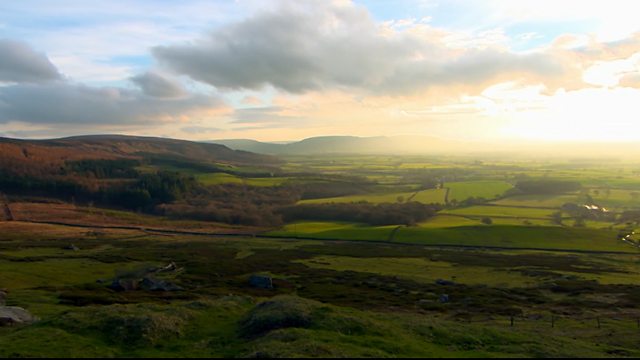
Landward episode 11 2025: Have you ever stood on the edge of summer, feeling the shift in the air? It’s a subtle change, a warmth that seeps into the long evenings and a vibrant green that carpets the hills. This is a time of transition in Scotland, a period of quiet farewells and hopeful new beginnings. The upcoming Landward episode 11 2025 perfectly captures this pivotal moment, taking us on a journey across the country to witness the beautiful, complex dance between humanity and the wild. It’s a reminder that the stories of the land are not just found in the sweeping, dramatic landscapes, but also in the heart of our cities and the quiet corners of our farms.
This episode promises a tapestry of tales, each thread representing a unique aspect of modern life in the Scottish Countryside. We often think of nature as something separate, a place we visit. However, Landward consistently shows us that we are deeply intertwined with it. The health of our environment is directly linked to the health of our communities, and our actions have a profound ripple effect. This particular journey reveals the surprising places where nature is not just surviving, but thriving, often because of human ingenuity and a renewed respect for the old ways of the land.
We begin in an unexpected location for a nature story: Motherwell. Here, Dougie will explore Baron’s Haugh, a reserve that challenges our perceptions of urban spaces. It’s a place where the legacy of industry meets a deliberate return to wildness. The story of this floodplain, intentionally reconnected with the River Clyde, is a powerful testament to the growing movement to restore biodiversity. It serves as a living example of how we can coexist with nature, even in areas once dominated by human development. It’s a tale of healing, both for the land and for the community that now enjoys this revitalized green space.
From the wetlands of the Clyde, we travel to the concrete canyons of Glasgow. Anne’s segment introduces us to a different kind of wildness, one that has adapted to our world in a spectacular fashion. She’ll be checking in on Bonnie and Clyde, a pair of peregrine falcons who have chosen a high-rise building as their nesting site. These urban raptors, now raising two new chicks, are a thrilling sight. Their story is a dramatic reminder that the wild is all around us, a fierce and beautiful force that finds a way to endure. It’s a narrative that unfolds high above the city streets, a secret drama witnessed by those who remember to look up.
Meanwhile, Shahbaz takes us deep into one of Wester Ross’s most treasured landscapes: an ancient Caledonian pine forest. These forests are like natural cathedrals, silent witnesses to centuries of Scottish history. But even here, in this remote sanctuary, a battle is being fought. Shahbaz lends a hand in the fight against an invasive, non-native plant, a crucial effort to protect this fragile ecosystem. His work highlights the delicate balance of these ancient woodlands and the dedicated effort required from rural communities to preserve them for future generations. It’s a story of stewardship and the quiet heroism of conservation.
Finally, the episode grounds us in the rhythms of the agricultural year, the very pulse of rural Scotland. Arlene visits a farm near Coupar Angus that is embracing change, swapping traditional soft fruit for the more specialised crop of asparagus. At the same time, Cammy marks a poignant moment on his farm: the selling of the last of 2024’s lambs. This act signals more than just a business transaction; it is the true marker of summer’s arrival, a turning point that brings one cycle to a close while heralding the start of another. It’s a moment steeped in tradition, yet reflective of the ever-evolving nature of farming.
Landward episode 11 2025
Where Industry Meets Wilderness: A River’s Return
Dougie’s visit to Baron’s Haugh Nature Reserve in Motherwell is a powerful opening for Landward episode 11 2025. This isn’t just a walk in a park; it’s an exploration of ecological resurrection. For years, this floodplain along the mighty River Clyde was controlled and contained, its natural tendencies suppressed by human engineering. The land was tamed, but at a cost. Now, a new philosophy has taken hold. By deliberately allowing the water back in, the reserve is being transformed. It’s a process that sounds simple, yet its impact is profound, turning a once-managed landscape into a thriving, dynamic wetland.
This act of rewilding is like breathing life back into the land. The returning water acts as a magnet for wildlife, creating a mosaic of habitats that attract a dazzling array of birds, insects, and aquatic life. You can almost hear the sigh of relief from the earth itself as the water carves new paths and nourishes the soil. For Dougie, and for us, this is a chance to see conservation in action. It’s a tangible demonstration of how strategic, thoughtful intervention can dramatically boost biodiversity, creating a richer environment for both wildlife and people. The reserve becomes an outdoor classroom, teaching us that sometimes the wisest action is to step back and let nature take the lead.
Furthermore, Baron’s Haugh serves as a symbol of hope. It proves that industrial heritage and ecological health do not have to be mutually exclusive. In the shadow of Motherwell’s past, a new future is taking root. The project transforms the floodplain from a passive, controlled space into an active, vibrant ecosystem. This newfound wildness offers an invaluable green lung for the urban community, a place for quiet reflection and connection. It’s a compelling story about healing the scars of the past and building a more sustainable, nature-rich future right in our own backyards.
Urban Raptors: A Glasgow Love Story
High above the bustling streets of Glasgow, a different kind of drama unfolds. Anne’s segment on the peregrine falcons, Bonnie and Clyde, is a captivating glimpse into the wild heart of the city. These magnificent birds of prey have chosen a man-made cliff—a high-rise building—as their territory. This choice is a stunning example of nature’s adaptability. The towering structures of our cities, so alien to us in their scale, perfectly mimic the rocky ledges these falcons would naturally call home. It’s a beautiful, unexpected synergy between the built environment and the wild world.
The story becomes even more compelling with the arrival of two new chicks. Following their progress offers a unique window into the life cycle of one of Britain’s most formidable predators. From the precarious first flight to the parent’s tireless hunting, this is a raw and thrilling narrative. Anne brings us up close to this family, allowing us to connect with their struggle and triumph. It’s a far cry from a traditional nature documentary; this is happening right in the midst of human life. These birds are our neighbours, a secret spectacle playing out above our heads, reminding us that the Scottish Countryside‘s spirit isn’t confined to the Highlands.
This segment from Landward does more than just showcase amazing wildlife. It fosters a sense of wonder and encourages a new way of seeing our urban spaces. Suddenly, a skyscraper is not just a block of offices; it’s a potential nesting site. A pigeon flying past isn’t just a common bird; it’s potential prey in a high-stakes aerial hunt. By telling the story of Bonnie and Clyde, the episode builds a bridge between worlds, fostering a protective affection for the wild creatures that share our cities. It’s a narrative that makes you want to look up and rediscover the magic hidden in plain sight.
The Guardian of the Pines: Defending an Ancient Kingdom
Shahbaz’s journey takes us to a place that feels a world away from Glasgow’s concrete cliffs: one of Wester Ross’s ancient Caledonian pine forests. Stepping into this forest is like travelling back in time. The air is thick with the scent of pine and damp earth. Sunlight filters through the canopy, dappling the forest floor in a shifting mosaic of light and shadow. These forests are among the most iconic and ecologically important habitats in Scotland, a living link to the wildwood that once covered the nation. They are a cornerstone of what we picture when we imagine rural Scotland.
However, this ancient kingdom faces a modern threat. Shahbaz is there to lend a hand in the fight against an invasive, non-native plant, which spreads like an unwelcome shadow across the forest floor. These invaders, often rhododendrons, create dense thickets that choke out native flora, preventing the regeneration of the pine trees themselves. They create a sterile environment where little else can grow. Shahbaz’s work is therefore not just gardening; it’s a critical act of conservation. Each invasive plant removed is a small victory in a long and arduous battle to preserve the soul of the forest.
This segment highlights the crucial role of human stewardship in protecting our natural heritage. The survival of these ancient forests depends on the tireless efforts of volunteers and conservationists. It’s a powerful reminder that even the wildest places sometimes need our help to stay that way. The work is physically demanding but deeply rewarding, a direct contribution to safeguarding a priceless piece of Scotland’s identity. It’s a testament to the dedication of rural communities and individuals who are determined to protect these natural treasures for the generations that will follow.
A Gamble on Green Gold: The Future of the Farm
The world of farming is one of constant evolution, a delicate balance between tradition and innovation. Arlene’s visit to a farm near Coupar Angus brings this reality into sharp focus. Here, the farmer has made a bold decision: to move away from the familiar world of soft fruits and instead cultivate asparagus. This isn’t just a simple crop rotation; it’s a significant strategic shift. It’s a gamble on a high-value crop, a response to changing markets, evolving climates, and the relentless economic pressures faced by modern farmers. This is what accessible farming looks like in the 21st century—being nimble, smart, and brave.
The decision to grow asparagus involves a whole new set of skills and knowledge. It requires a deep understanding of the soil, a different planting and harvesting calendar, and a new route to market. Arlene’s report will likely explore the motivations behind this change, giving us insight into the mind of a modern farmer. It’s a story of risk and reward, of looking at the land with fresh eyes and seeing new potential. It’s a powerful example of the adaptability that is essential for survival, and indeed success, in today’s agricultural landscape.
As this story of change unfolds, we are also presented with a moment of profound tradition on Cammy’s farm. The selling of the last of 2024’s lambs is a cyclical, time-honoured event. It is a bittersweet milestone that officially ushers in the summer season. The fields grow quieter, the year’s new life has moved on, and the farm can briefly catch its breath before the next cycle begins. This moment, so simple yet so significant, connects us to the enduring rhythms of the farming year.
This juxtaposition of innovation and tradition beautifully encapsulates the spirit of the entire episode. From rewilded urban wetlands to the ancient pine forests, from high-rise raptors to a bold new crop, Landward episode 11 2025 paints a rich and hopeful picture of Scotland today. It showcases a country that is constantly adapting, finding new ways for its people and its incredible natural heritage to thrive together. It’s a journey that reminds us that the story of the land is our story, a continuous narrative of challenge, resilience, and enduring beauty.
Finding Hope in the Harmony of Old and New
As the credits roll on Landward episode 11 2025, we’re left with something far more profound than just another glimpse into the Scottish Countryside—we’ve witnessed a masterclass in resilience, adaptation, and the beautiful complexity of our relationship with the natural world. Each story, from Motherwell’s rewilded wetlands to Glasgow’s high-rise hunters, weaves together a tapestry that challenges everything we thought we knew about where wildness begins and civilization ends.
Perhaps the most striking revelation is how artificial those boundaries really are. When peregrine falcons choose skyscrapers over cliff faces, when former industrial sites become thriving havens for biodiversity, when ancient forests require human hands to stay healthy—we realize that the future of conservation isn’t about keeping nature and humanity in separate boxes. It’s about orchestrating a more thoughtful dance between them.
The farmers switching from strawberries to asparagus, the volunteers battling invasive species in primeval pine forests, the urban planners allowing rivers to reclaim their floodplains—these aren’t just individual stories of change. They’re chapters in a larger narrative about what it means to be good ancestors. Each choice ripples forward, creating the Scotland that future generations will inherit. The question isn’t whether we’ll impact the landscape—we will. The question is whether that impact will be destructive or regenerative.
What makes this episode particularly compelling is its refusal to romanticize either the past or the future. Yes, there’s something magical about those ancient Caledonian pines, but they need modern conservation techniques to survive. Yes, urban wildlife is thriving, but only because we’ve learned to see our cities differently. The most successful stories here aren’t about returning to some pristine past or embracing a tech-driven future—they’re about finding intelligent compromises that honor both heritage and innovation.
This nuanced approach offers genuine hope for rural communities and urban dwellers alike. Whether you’re watching Bonnie and Clyde raise their chicks from a Glasgow office window or helping clear rhododendrons from Highland forests, you’re part of the same essential project: creating space for both human flourishing and wild abundance.
The lambs departing Cammy’s farm as summer arrives remind us that these cycles of renewal never stop. Each season brings new challenges and opportunities, new chances to get the balance right. The farmers adapting their crops, the conservationists rewilding floodplains, the falcons adapting to vertical cliffs of glass and steel—they’re all participating in the same ancient story of life finding a way.
As you step outside after watching this episode, perhaps you’ll find yourself looking up at buildings differently, wondering what wild dramas might be unfolding above the busy streets. Maybe you’ll see a patch of waste ground not as neglected space, but as potential habitat waiting for the right kind of human partnership. Because ultimately, that’s what Landward teaches us: we’re not separate from the wild story of Scotland—we’re characters in it, with the power to influence whether it’s a tragedy or a triumph.
FAQ Landward episode 11 2025
Q: What is Landward episode 11 2025 about?
A: This episode captures Scotland’s summer transition through diverse stories across the Scottish Countryside. Furthermore, it explores the complex relationship between humanity and nature, featuring urban wildlife, ancient forest conservation, and innovative farming practices. Additionally, the episode demonstrates how nature thrives in unexpected places, from Glasgow’s high-rise buildings to Motherwell’s rewilded wetlands, showcasing Scotland’s remarkable biodiversity.
Q: Where is Baron’s Haugh Nature Reserve located and what makes it special?
A: Baron’s Haugh Nature Reserve is situated in Motherwell along the River Clyde. Moreover, this former industrial floodplain has been deliberately reconnected with the river, creating a thriving wetland ecosystem. Consequently, the reserve demonstrates how strategic rewilding can dramatically boost biodiversity, transforming controlled landscapes into dynamic habitats that benefit both wildlife and local communities seeking green spaces.
Q: Who are Bonnie and Clyde in the Glasgow segment?
A: Bonnie and Clyde are peregrine falcons nesting on a Glasgow high-rise building with two new chicks. These urban raptors exemplify nature’s remarkable adaptability, choosing man-made structures that mimic natural cliff faces. Additionally, their story reveals the wild heart of the city, demonstrating how Britain’s most formidable predators successfully integrate into urban environments while maintaining their fierce hunting instincts.
Q: What threats do ancient Caledonian pine forests face?
A: Ancient Caledonian pine forests in Wester Ross face invasion from non-native plants, particularly rhododendrons. These invasive species create dense thickets that choke out native flora and prevent pine regeneration. Consequently, volunteers and conservationists work tirelessly to remove these invaders, as each plant eliminated represents a crucial victory in preserving Scotland’s irreplaceable natural heritage for future generations.
Q: Why are farmers switching from soft fruit to asparagus?
A: Farmers near Coupar Angus are transitioning to asparagus cultivation due to changing markets, evolving climates, and economic pressures. This strategic shift represents a gamble on high-value crops requiring new skills and knowledge. Furthermore, asparagus demands different soil understanding, planting calendars, and market routes. However, this adaptability demonstrates modern farming’s necessity to remain nimble, smart, and brave in today’s challenging agricultural landscape.
Q: What does rewilding mean in the context of Baron’s Haugh?
A: Rewilding at Baron’s Haugh involves deliberately allowing the River Clyde to reclaim its natural floodplain after years of human control. This process transforms managed landscapes into dynamic wetlands that attract diverse wildlife. Additionally, rewilding creates habitat mosaics supporting birds, insects, and aquatic life. Moreover, it demonstrates how stepping back and letting nature lead can heal industrial scars while providing valuable green spaces.
Q: How do peregrine falcons adapt to urban environments?
A: Peregrine falcons adapt to cities by utilizing tall buildings as substitute cliff faces for nesting. These urban raptors hunt pigeons and other city birds, demonstrating remarkable behavioral flexibility. Furthermore, the vertical landscape of cities provides excellent hunting perches and nesting security. Additionally, reduced human disturbance at building heights allows successful breeding, proving that urban environments can support even Scotland’s most powerful predators.
Q: What role do rural communities play in forest conservation?
A: Rural communities serve as guardians of ancient forests, dedicating countless hours to invasive species removal and habitat restoration. Their stewardship proves essential for preserving fragile ecosystems that cannot survive without human intervention. Moreover, volunteers provide the physical labor necessary for conservation work, while their local knowledge guides effective protection strategies. Consequently, these communities become the quiet heroes safeguarding Scotland’s natural treasures.
Q: When is the best time to visit these Scottish locations featured?
A: Summer offers optimal viewing opportunities for the featured locations, particularly when lamb selling signals seasonal transitions. Additionally, this period provides the best weather for exploring Baron’s Haugh’s wetlands and Wester Ross forests. Furthermore, summer brings peak activity for urban wildlife like peregrine falcon chicks learning to fly. However, each season offers unique perspectives on Scotland’s evolving relationship between human communities and natural landscapes.
Q: How does Landward show the relationship between humans and nature?
A: Landward reveals that humans and nature are deeply interconnected rather than separate entities. The episode demonstrates how conservation success requires human partnership, from rewilding projects to invasive species management. Furthermore, it shows nature adapting to human environments while humans learn to coexist respectfully. Ultimately, the program illustrates that environmental health directly impacts community wellbeing, emphasizing our shared responsibility as stewards of Scotland’s remarkable landscapes.