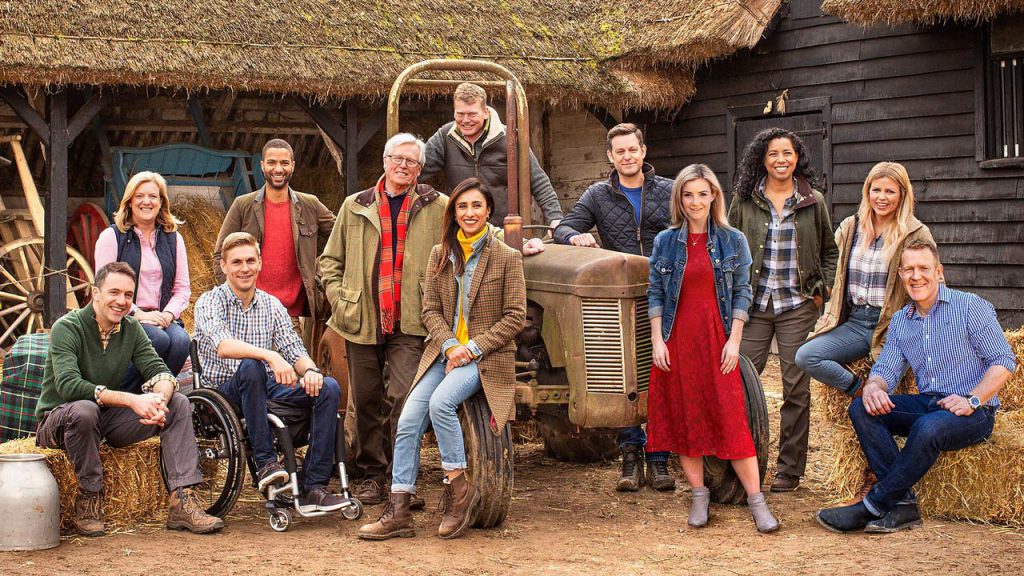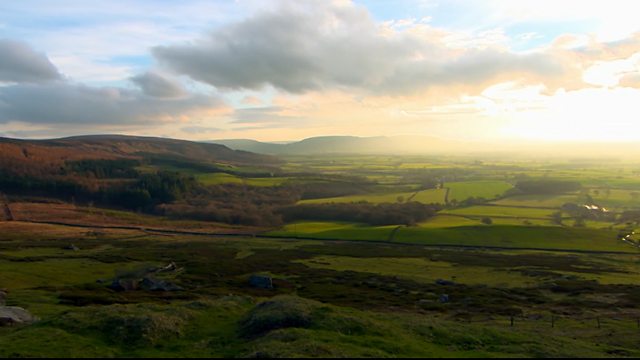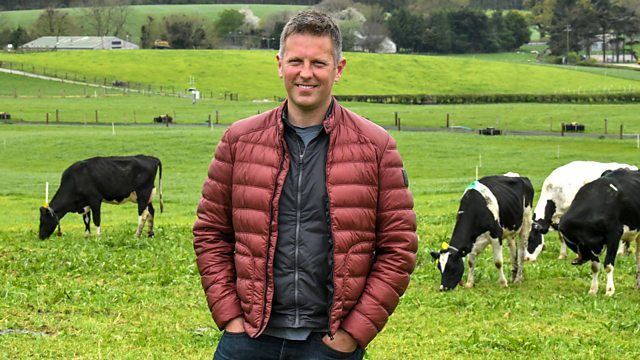
Landward episode 17 2025: This year, Landward returns with a truly special episode. It’s a heartfelt journey into the soul of the Scottish Highlands and Islands. In Landward episode 17 2025, we explore crofting, a way of life deeply woven into the fabric of the land. This is more than just farming; it is a story of resilience, community, and profound connection. For anyone who appreciates the raw beauty of country life, this is an unmissable hour. It offers a perspective on rural living that resonates with fans of shows like Countryfile, yet it tells a story uniquely Scottish.
The journey begins with a homecoming. Anne Lundon returns to her roots on the breathtaking Isle of Lewis. Here, the windswept landscapes are not just scenery; they are a part of her personal history. Consequently, Anne retraces the footsteps of her ancestors. She explores the croft where her story began. Furthermore, she delves into the fascinating history of this unique system of land tenure. Crofting emerged from a past of hardship and struggle. Yet, it blossomed into a testament to the tenacity of the human spirit. Anne uncovers how this tradition has shaped both the people and the place she calls home.
Meanwhile, Dougie Vipond travels to the dramatic landscapes of north Sutherland. He visits the Melness Crofting Estate, a place buzzing with celebration. The community is marking a remarkable milestone: 30 years of owning their own land. This was a pivotal moment in their history. Dougie discovers a powerful story of empowerment and self-determination. He learns how the residents fought for their right to become custodians of their ancestral home. As a result, their success has become a beacon of hope for other rural communities. Their story is a powerful reminder of what people can achieve when they work together.
The focus then shifts to the future of this cherished way of life. For this, Anne travels to the neighbouring Isle of Harris. She spends a day on a bustling croft, ready to lend a hand with the annual sheep shearing. However, her fellow helper is no ordinary farmer. She works alongside a teenage crofter, a young woman brimming with passion and determination. This encounter is a beautiful symbol of hope. It shows that the traditions of agricultural life are being passed to a new, vibrant generation. The rhythmic clip of the shears sounds like a promise for the future of the islands.
Next, the Landward journey takes us to the truly unique habitat of North Uist. Anne discovers how one crofter is pioneering a special kind of farming. He raises his cattle on the machair, a rare and fertile coastal plain that bursts with wildflowers each spring. This is a delicate dance with nature. The cattle, in turn, help maintain this fragile ecosystem. Consequently, this segment showcases a beautiful harmony between agricultural life and conservation. It’s a powerful example of how traditional knowledge can provide solutions for a sustainable future, a theme Landward has consistently explored since its Landward 2025 season and beyond.
Landward episode 17 2025
Finally, the episode introduces a different kind of journey. Arlene Phillips is also in Lewis, but she is there to meet a couple with a different story. They moved all the way from County Durham to embrace the crofting life. Arlene finds out what inspired them to make such a bold change. She discovers the challenges they faced and the immense rewards they have found. Their story is a testament to the magnetic pull of the crofting world. It proves that this unique country life is not just for those born to it. It is a dream that can be shared, offering a sense of belonging to those who seek it.
In conclusion, Landward episode 17 2025 is a rich tapestry of stories. It masterfully weaves together threads of history, community, and innovation. The episode is a moving portrait of a life defined by the seasons and a deep love for the land. It celebrates the people who are keeping the spirit of crofting alive, from the elder carrying history in their heart to the teenager shaping its future. This is more than just a television program; it is an invitation to understand a vital part of Scotland’s culture. Be sure to join us for this unforgettable exploration.
Landward episode 17 2025 review
The broadcast of Landward episode 17 2025 offers a profound exploration into crofting, a way of life uniquely woven into the history and culture of the Scottish Highlands and Islands. This tradition is far more than a simple form of agriculture; it represents a story of community, resilience, and a deep, enduring connection to the land. For generations, people have carried on these practices, shaping both the landscape and a distinct cultural identity that perseveres against modern pressures. It is a system built on small-scale subsistence that has supported communities for centuries.
This particular way of country life matters deeply, as it embodies a sustainable approach to land management that balances human need with ecological health. With over 20,000 crofts providing a livelihood for more than 30,000 people across Scotland, its significance is substantial. The system is a living link to the past, yet it faces contemporary challenges that require innovation and determination. This lifestyle, often romanticized, involves immense hard work and a collaborative spirit, themes echoed in shows like Countryfile but with a distinctly Scottish character.
The scope of Landward episode 17 2025 delves into the multifaceted world of crofting by examining its historical foundations, the power of community ownership, and its intricate relationship with fragile ecosystems. It also sheds light on the practical realities of reviving neglected land and the vital importance of passing these traditions to the next generation. Through personal stories from Melness, Lewis, Harris, and North Uist, a comprehensive picture emerges of both the struggles and the profound rewards of this agricultural heritage.
At its core, a croft is a small unit of land, traditionally around five hectares, used for rearing livestock and producing food. It is fundamentally different from other farming models. Originally established as tenancies, many crofts remain so today, though some are now owned outright. This system of agricultural life spread during the 18th century as landowners implemented new, commercially driven land management strategies, often at great human cost. These small plots became the foundation upon which many Highland communities were rebuilt.
The history of crofting is inextricably linked to the Highland Clearances. During this period, entire communities were forcibly evicted from their homes to make way for more lucrative sheep farms. Some of those displaced were resettled on small, often marginal plots of land, where they continued to exist at the mercy of landlords, facing high rents and insecure tenancies. However, these hardships fueled organized protests, which ultimately led to the landmark Crofters Holdings Act of 1886. This legislation provided security of tenure, fair rents, and the right to pass crofts down through families, forming the legal bedrock that allows crofting to endure today, as highlighted in the Landward program.
Further legislation, such as the Land Settlement Act, continued this process of securing land for local communities. The village of Galson in north-west Lewis serves as a poignant example of this history. According to local crofter Agnes Rennie, the village, spanning over 2,000 acres, was entirely cleared in 1863. Decades later, in 1924, the Land Settlement Act enabled the creation of 53 new crofts, allowing families like her own grandparents to be resettled on the land, rebuilding a community from scratch and ensuring its vibrant continuation.
The Historical Roots of a Resilient System
The story of crofting is one of survival and adaptation, born from a turbulent period of Scottish history. Its expansion during the 18th century was a direct consequence of the agricultural revolution, when landowners, seeking greater profits, displaced established communities in favor of large-scale sheep farming. This era, known as the Highland Clearances, saw countless families forcibly removed from the lands their ancestors had worked for generations. Many were resettled onto small, often infertile coastal plots, where they had to forge a new existence through subsistence farming.
These early crofters faced immense precarity. With insecure tenancies and exorbitant rents, they were perpetually vulnerable to the whims of their landlords. This instability, however, fostered a spirit of collective action. Organized protests and land raids grew in frequency, demanding government intervention to protect their rights. The turning point came with the passage of the Crofters Holdings Act in 1886, a piece of legislation that fundamentally reshaped the power dynamics of the Highlands.
The Act was revolutionary, granting crofters security of tenure, establishing fair rent tribunals, and recognizing their right to pass their tenancy down to their descendants. It effectively transformed them from vulnerable tenants into secure custodians of the land. This legal protection is the primary reason the crofting system still exists today, preserving not just an agricultural practice but a whole cultural framework. It provided the stability necessary for communities to invest in their land and their future, fostering a deep sense of belonging and stewardship that defines the crofting ethos.
Community Empowerment and Land Ownership in Landward episode 17 2025
A modern evolution of the crofting story involves communities taking direct control of their own destinies through land ownership. The Melness Crofting Estate in Sutherland provides a powerful example of this empowerment. In 1995, the local Laird made an incredible offer to hand over a third of his 32,000-acre estate—the 11,000 acres under crofting tenure—to the tenants themselves. This opportunity was met with initial disbelief but was ultimately embraced, allowing the crofters to manage the land for their own collective benefit.
This peaceful transition stands in contrast to other community buyouts, such as the Assynt Crofters’ Estate, which involved a significant struggle and fundraising effort. In Melness, the crofters formed a limited company to manage the estate, which comprises roughly 50 to 60 individual crofts. According to Alan Mackay, a local crofter whose ancestors were cleared from the very same area, the real power lies not just in ownership but in having control over the land’s future. The estate is run by a board of directors made up of crofters, ensuring decisions are made by and for the community.
Since taking ownership three decades ago, the Melness Crofters’ Estate has launched numerous projects to regenerate the area. They have facilitated the development of community housing, transformed the old school into a community centre, built a new play park for children, and are currently looking to purchase the local church. These initiatives demonstrate the tangible benefits of community ownership, channeling resources directly back into improving the quality of country life and providing the infrastructure needed to retain and attract residents, thereby tackling the challenge of an aging population.
Crofting in Harmony with Unique Ecosystems
Crofting is not merely a method of food production; it is often a system of land management that sustains rare and valuable habitats. On the west coast of North Uist, this relationship is on full display with the machair, a fertile, low-lying plain found only on the exposed coasts of Scotland and Ireland. This unique habitat, covered in grasses that grow on sand blown in from the Atlantic, is one of Europe’s rarest. Uist is home to approximately 70% of the UK’s machair, making its preservation critically important.
Crofter Donald MacDonald works 75 hectares of machair, and his practices exemplify a symbiotic relationship between agriculture and nature. The machair is botanically rich, carpeted with wildflowers like harebells, orchids, and clover, which provide a home for insects and ground-nesting birds. Donald’s cattle are essential to this ecosystem. They graze the plains, fertilizing the soil and keeping the grass in check. Without their grazing, the habitat would become rank, and the diverse flora would be unable to seed, which would in turn impact the bird populations that feed there.
This careful balance requires thoughtful management. When harvesting grass for winter silage, Donald waits until the bird breeding season is over. Furthermore, he cuts the fields from the middle outwards, a technique that allows any remaining birds and their young to escape into taller grass rather than being trapped. His cattle live outdoors year-round, calving on the machair, which provides natural shelter. As Donald explains, this low-input, sustainable form of crofting is not a new invention; it is the way the land has been managed for centuries, a perfect illustration of how agricultural life can directly support and enhance biodiversity.
The Modern Realities of Reviving a Croft
While the crofting tradition is long-established, entering this world today requires immense dedication, particularly when starting from scratch. The journey of David Bartles-Smith and Izzy De Santis in the village of Lemreway on Lewis showcases the formidable challenges and deep rewards of bringing a croft back to life. Arriving from northern England three years ago, they dreamt of a small-scale subsistence lifestyle without initially knowing it was called crofting. They took on the tenancy of an overgrown, derelict, bare-land croft that had not been lived on for years.
Their initial years were an adventure in resilience. With no house, no buildings, and not even road access onto the property, they lived for two years in a small touring caravan. They had no electricity and sourced their water from a well they dug out on the croft, relying on the kindness of neighbors during difficult times. Despite the hardship, including storms that would rock their caravan, they persevered, slowly transforming the neglected land into a working croft.
Today, Croft 17 is fully functional, and they also have the tenancy for the adjacent Croft 18, where they now live. To make a sustainable living, they have diversified their activities, creating what they describe as about ten different income streams. These include raising sheep, selling eggs, and growing their own food. This braided approach provides financial resilience; if one stream is slow, others can support them. Their work also involves restoring tradition by reintroducing a small fold of Highland cattle to the common grazings—the first cows the village has seen in a long time. Their story is a testament to the fact that modern crofting is a blend of heritage and entrepreneurial spirit.
Securing the Future for the Next Generation with Landward episode 17 2025
The long-term survival of crofting depends entirely on passing skills and passion to the next generation. In Strond, South Harris, 17-year-old Christina Mackenzie embodies this hope for the future. While still in secondary school, she is deeply involved in her family’s croft, learning the rhythms and demands of the lifestyle. Her commitment is evident as she participates in the communal sheep shearing, an event that brings the local crofters together to accomplish a task that would be incredibly difficult to tackle alone.
This community aspect is fundamental to her education. She learns not just from her father but from the collective experience of her neighbors, absorbing techniques passed down through generations. Though only her first season shearing, she handles the physically demanding work with a practiced confidence, understanding how to move the sheep to keep them calm and avoid injury. She recognizes that this collaborative spirit is essential; as she puts it, “you need everybody to help, or you wouldn’t be able to do it.”
However, Christina’s story also highlights a central dilemma facing young people in crofting communities. To pursue her ambition of veterinary studies, she will have to leave for the mainland for several years. The hope is that she, and others like her, will eventually return, bringing new skills back to the community. Her father acknowledges the modern economic reality that crofting alone is often not viable; most people need one or two other jobs to make it work. As the Landward 2025 program shows, the future of this unique way of life rests on the shoulders of young people like Christina, who must navigate a path between tradition and the demands of the modern world.
A Living Tradition That Refuses to Fade
When you strip away the romance often painted over rural life, what remains in the story of crofting is something far more compelling—an unvarnished testament to human persistence and adaptability. The crofters of Scotland’s Highlands and Islands aren’t museum pieces preserving a quaint past; they’re pioneers navigating the tension between heritage and survival, between tradition and innovation, in a modern world that often seems indifferent to both.
What makes Landward episode 17 2025 particularly resonant is how it refuses the easy narrative. Yes, there’s beauty in those windswept landscapes and wildflower-carpeted machair plains. But the episode also shows us David and Izzy living in a caravan for two years, Christina facing the reality that pursuing her veterinary dreams means leaving the islands, and Donald MacDonald timing his silage cuts around nesting seasons not out of sentiment, but because the ecosystem’s health is inseparable from his livelihood. These aren’t struggles from a bygone era—they’re the daily calculus of making crofting work in 2025.
The Melness story offers perhaps the most instructive lesson for our times. When communities gain control over their own land and resources, remarkable things happen. Not through grand gestures, but through unglamorous projects—a renovated community center, a children’s play park, affordable housing that lets young families stay. This is empowerment rendered in concrete terms, proving that land ownership isn’t about possessing property; it’s about possessing agency over your community’s trajectory. In an age where rural depopulation threatens countless communities worldwide, the Melness model deserves attention far beyond the Scottish Highlands.
What ultimately emerges from these interwoven stories is a blueprint for sustainable living that the modern world desperately needs. The crofters featured in this episode demonstrate something we’ve largely forgotten: that productivity and conservation aren’t opposing forces. Donald’s cattle don’t just coexist with the machair’s biodiversity—they’re essential to it. This isn’t naive environmentalism; it’s sophisticated land management refined over centuries, offering insights that could inform agricultural practices globally as we grapple with climate change and habitat loss.
The real question posed by Landward episode 17 2025 isn’t whether crofting can survive—the tenacity displayed throughout this episode answers that emphatically. The deeper question is whether the rest of us are paying attention. These communities are quietly solving problems that perplex policymakers: how to maintain viable rural populations, how to farm sustainably, how to preserve cultural identity without becoming trapped in aspic, how to welcome newcomers while honoring what came before.
For viewers who’ve never set foot on Harris or North Uist, this episode offers more than armchair tourism. It’s an invitation to reconsider what we value—to recognize that communities like these hold knowledge we may urgently need as our industrial food systems strain under their own contradictions. Whether you’re drawn to the resilience, inspired by the intergenerational knowledge transfer, or simply moved by the raw beauty of place and practice intertwined, the crofting story reminds us that some ways of living deserve not just our admiration, but our active support and protection.
FAQ
Q: What exactly is crofting and how does it differ from conventional farming?
A: Crofting represents a small-scale agricultural system native to Scotland’s Highlands and Islands, typically involving plots around five hectares used for livestock rearing and subsistence food production. Unlike conventional farming, crofting emerged from 18th-century land tenure arrangements following the Highland Clearances. Furthermore, it operates primarily as a tenancy system with legal protections established by the 1886 Crofters Holdings Act, granting security of tenure and fair rent provisions that standard agricultural operations lack.
Q: How many people currently depend on crofting for their livelihood in Scotland?
A: Over 20,000 crofts provide livelihoods for more than 30,000 people across Scotland today. However, modern economic realities mean crofting alone rarely sustains families financially. Consequently, most crofters maintain one or two additional income sources, creating diversified economic portfolios. This braided approach to income generation demonstrates how traditional practices adapt to contemporary financial pressures while preserving cultural continuity.
Q: What were the Highland Clearances and how did they shape crofting?
A: The Highland Clearances involved forced evictions of entire communities during the 18th and 19th centuries, as landowners displaced residents to establish more profitable sheep farms. Displaced families were resettled onto small, often marginal coastal plots where subsistence farming became necessary for survival. These hardships catalyzed organized protests and land raids, ultimately compelling government intervention. The resulting Crofters Holdings Act of 1886 transformed vulnerable tenants into secure land custodians, establishing the legal foundation that sustains crofting today.
Q: What makes the Melness Crofting Estate’s story significant?
A: In 1995, Melness crofters received an extraordinary opportunity when their local Laird offered to transfer 11,000 acres of crofting tenure land to the tenants themselves. This peaceful transition enabled community ownership without the fundraising struggles other estates faced. Since taking control three decades ago, the community has channeled resources into housing development, a community center, play facilities, and infrastructure improvements. The Melness model demonstrates how land ownership translates into genuine agency over community development and population retention.
Q: What is machair and why is it important to crofting?
A: Machair comprises fertile, low-lying coastal plains formed from Atlantic sand deposits, found exclusively on Scottish and Irish exposed coasts. This rare habitat supports exceptional biodiversity, with wildflowers like orchids and harebells providing essential resources for insects and ground-nesting birds. Uist contains approximately 70% of the UK’s machair. Traditional crofting practices, particularly cattle grazing, maintain this fragile ecosystem by preventing vegetation from becoming rank and enabling flora to seed properly, illustrating agriculture’s capacity to enhance rather than degrade biodiversity.
Q: Can newcomers successfully become crofters without Highland heritage?
A: David Bartles-Smith and Izzy De Santis exemplify newcomers successfully entering crofting, having moved from northern England to Lewis three years ago. They revived a derelict, overgrown bare-land croft, initially living two years in a touring caravan without electricity while sourcing water from a hand-dug well. Today they operate two functional crofts with approximately ten diversified income streams. Their journey demonstrates that crofting welcomes dedicated individuals willing to embrace substantial hardship, though success requires entrepreneurial adaptability alongside respect for traditional practices.
Q: How do crofters manage land sustainably while maintaining livestock?
A: Sustainable crofting integrates livestock management with ecosystem preservation through centuries-refined techniques. Crofter Donald MacDonald exemplifies this approach on North Uist’s machair, where his cattle graze year-round, naturally fertilizing soil and controlling vegetation growth. He delays silage harvesting until bird breeding seasons conclude and cuts fields from center outward, allowing wildlife to escape into taller grass. These low-input methods represent sophisticated land stewardship that balances agricultural productivity with habitat conservation, offering models relevant to contemporary environmental challenges.
Q: What challenges do young people face in continuing crofting traditions?
A: Young crofters like 17-year-old Christina Mackenzie confront a fundamental tension between tradition and opportunity. Pursuing higher education, particularly specialized fields like veterinary medicine, necessitates mainland relocation for several years. The economic reality compounds this challenge, as crofting alone rarely provides sufficient income without supplementary employment. Nevertheless, hope persists that educated young people will return with enhanced skills, creating hybrid approaches that honor heritage while ensuring financial viability through portfolio income strategies.
Q: What legal protections exist for crofters today?
A: The Crofters Holdings Act of 1886 established foundational protections including security of tenure, fair rent tribunals, and hereditary succession rights. Subsequent legislation like the Land Settlement Act further strengthened community land access. These legal frameworks fundamentally altered power dynamics between landlords and tenants, transforming crofters from vulnerable occupants into protected custodians. Such protections enabled long-term investment in land improvement and community development, forming the structural foundation that allows this unique agricultural system to persist despite modern economic pressures.
Q: How does Landward episode 17 2025 present the future of crofting?
A: Landward episode 17 2025 portrays crofting’s future through intergenerational narratives spanning ancestral connections, community empowerment, ecological stewardship, and newcomer integration. The episode balances realism about economic difficulties and youth migration with optimism grounded in demonstrated resilience. By showcasing teenage crofters like Christina Mackenzie alongside established practitioners and successful newcomers, the program illustrates how traditional knowledge adapts through innovation. Ultimately, the episode positions crofting not as museum preservation but as dynamic cultural practice offering relevant solutions for sustainable rural living.