Landward episode 23 2025 – Uncovering Scotland’s Heartbeat: A Journey Through Land and Soil
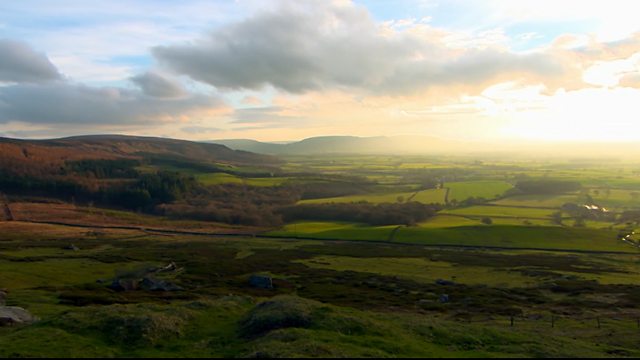
There is a distinctive rhythm to the Scottish countryside. It is a pulse that beats steadily through the changing seasons, echoing across the glens and rolling farmland. To truly understand this land, one must stop and listen. Thankfully, Landward episode 23 2025 offers us the perfect window into this vibrant world. This episode takes us on a sweeping journey, from the ancient whispers of the forest to the bustling energy of a modern milking parlor.
Every story tells us something profound about our connection to nature. Consequently, we learn that the countryside is not just a backdrop; it is a living, breathing character. Whether you are a city dweller or a rural native, these tales resonate deeply. They remind us of where our food comes from and, ultimately, who we are.
First, let’s step into the woods. The air is crisp, and the ground is a tapestry of fallen copper and gold leaves. Indeed, there is no better time to explore the forest, as it is currently National Tree Week. To celebrate, Dougie travels to the stunning Speyside Way. This area is renowned for its whisky, yet Dougie is hunting for a different kind of gold.
He is searching for aspen. This native tree is somewhat elusive, often hiding in plain sight like a shy ghost. However, when you find a grove, it is magical. The leaves of the aspen tremble in the slightest breeze, creating a soothing, whispering sound. It feels as though the trees are gossiping about the history of the land.
Furthermore, searching for these trees highlights a vital mission. We must protect our native woodlands. During National Tree Week, we are reminded that trees are the lungs of our country. Dougie’s journey is not just a walk in the woods; it is a call to action. We must appreciate these ancient sentinels before they disappear.
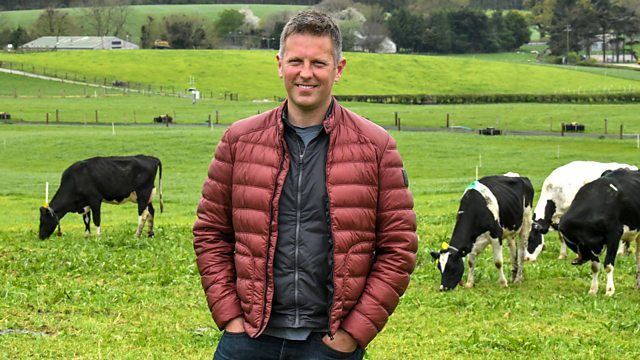
Meanwhile, the scene shifts to the green pastures of Stirlingshire. Here, Arlene visits a dairy farm that is breaking the mold. Agriculture is often viewed as a traditional, male-dominated industry. Yet, times are changing rapidly. Arlene meets two incredible women who are rewriting the rulebook on milk production.
These women have transformed their herd through dedication and smart science. Consequently, milk yields have soared. But it is not merely about the numbers. It is about the welfare of the animals. You can see the bond between the farmers and their cows. It is a relationship built on respect and tireless care.
Moreover, their story is an inspiration. It proves that innovation thrives on the farm when passion meets expertise. These women are not just farming; they are engineering the future of food. They show us that a modern dairy farm is a place of sophisticated management and deep compassion. The glass ceiling is shattering, one milk churn at a time.
Landward episode 23 2025
Next, we travel north to Aviemore. The landscape here is rugged and wild, offering a stark contrast to the gentle dairy pastures. Shahbaz is on the scene to investigate something truly fascinating. He explores a technique borrowed straight from forensic science. Usually, we associate forensics with crime scenes and police tape.
However, this technology is now finding a new home in environmental projects. Imagine using the tools of a detective to solve the mysteries of nature. It is like CSI, but for the mountains and rivers. Shahbaz digs deep to understand how this science helps protect our ecosystem.
For example, this technique might track poaching or identify pollution sources. The application of such precise science to the chaotic natural world is brilliant. It provides a shield for our vulnerable landscapes. Therefore, Shahbaz shows us that the future of conservation is high-tech. We are using every tool in the box to keep Scotland wild and pristine.
Eventually, all this fresh air works up an appetite. Luckily, Rosie is on a delicious mission. She sets off to discover the very best local produce. Her journey takes her to a beautiful farm near Kelso. The rolling borders countryside is the perfect setting for raising high-quality livestock.
Specifically, she visits a producer rearing Hereford beef. This breed is famous for its flavor and tenderness. However, Rosie isn’t just there to admire the cattle. She wants to get us cooking. Often, we think cooking with quality ingredients takes hours. Rosie is here to debunk that myth.
She demonstrates quick, easy dishes that anyone can master. Imagine the smell of searing beef filling your kitchen. It creates a sense of warmth and home. Furthermore, cooking with local ingredients connects us to the land. It honors the hard work of the farmer. So, Rosie’s segment is a celebration of taste and simplicity. It encourages us to support local producers and enjoy the bounty of our own backyard.
Finally, we turn our attention to physical well-being. But forget the expensive gym membership or the crowded spin class. Cammy is limbering up for something different. He introduces us to an early morning farm fitness session. The backdrop is not a mirrored wall, but the open sky.
Farming has always been a physical profession. It requires strength, stamina, and resilience. Now, that functional fitness is being shared. Cammy shows us that lifting bales and navigating fields is the ultimate workout. It pumps fresh oxygen into your lungs and clears the mind.
In addition, there is a joy to this movement. It connects the body to the earth. You can feel the energy of the morning as Cammy gets moving. It is a reminder that staying active doesn’t have to be a chore. It can be an adventure. Therefore, this segment might just inspire you to swap the treadmill for a trail run.
Landward episode 23 2025 weaves these diverse threads together beautifully. We move from the quiet contemplation of National Tree Week to the scientific cutting edge in Aviemore. We experience the innovation of a Stirlingshire dairy farm and the culinary delights of the Borders.
Each story is a piece of a larger puzzle. They show a Scotland that is rooted in tradition yet looking firmly forward. The people featured—Dougie, Arlene, Shahbaz, Rosie, and Cammy—are our guides. They bridge the gap between the rural and the urban.
Consequently, we feel a part of their world. We share in their discoveries and their passions. This episode is a testament to the resilience of the rural community. It highlights the beauty that surrounds us, if only we take the time to look.
Landward episode 23 2025 review
Landward episode 23 2025 offers us the perfect window into the vibrant, ever-changing world of the Scottish countryside, revealing a landscape where ancient traditions and cutting-edge science coexist. This broadcast serves as a comprehensive survey of rural life, moving effortlessly from the quiet, moss-covered woodlands of the Cairngorms to the high-tech, data-driven environment of a modern dairy farm.
The episode captures the distinctive rhythm of the land, a pulse that beats steadily through the seasons, whether observed in the preservation of rare trees or the strategic diversification of agricultural businesses. By exploring these varied narratives, the programme highlights the resilience required to thrive in these environments, emphasizing that survival often depends on the willingness to adapt, innovate, and listen to the natural world.
The scope of this particular installment is impressively broad, touching upon the microscopic details of genetic codes and the macroscopic challenges of livestock management. It presents a holistic view of Scotland, where the production of food, the protection of biodiversity, and the mental well-being of rural communities are deeply interconnected. Viewers are taken on a journey that uncovers hidden gold in the form of autumn leaves and investigates the unseen traces of wildlife in rushing rivers. Through these stories, the episode underscores the importance of understanding the delicate balance between commercial productivity and environmental stewardship.
One of the central themes emerging early in the narrative is the necessity of evolution within traditional industries. As the demands on food production increase, farmers are finding novel ways to boost efficiency without compromising the welfare of their animals. This delicate act of balancing yield with health is a primary focus for the agricultural sector, as demonstrated by the dedicated teams working in Stirlingshire. Furthermore, the episode aligns with National Tree Week, using the occasion to shine a light on the precarious state of native woodlands and the specific challenges facing species that have lost the ability to reproduce naturally.

Beyond the farm gates and forest paths, the programme delves into the realm of scientific discovery. The application of forensic techniques to environmental monitoring represents a significant leap forward in how conservationists understand biodiversity. This intersection of laboratory science and field biology offers new hope for elusive species and provides a clearer picture of ecosystem health. Simultaneously, the narrative explores the human element of rural life, showcasing how personal passion projects can transform into vital business diversifications that support both the farmer and the local community.
As we delve deeper into the specific stories presented, it becomes clear that the unifying thread is a commitment to quality and sustainability. Whether it is a herd manager meticulously adjusting feed rations or a chef championing ingredients with low food miles, the individuals featured are driven by a desire to produce the best possible results. Landward episode 23 2025 stands as a testament to this dedication, documenting the hard work and ingenuity that define the modern countryside. The following sections explore these developments in detail, examining how data, DNA, and determination are shaping the future of the land.
Optimizing Herd Health and Production in Landward Episode 23 2025
The dairy industry is a cornerstone of the agricultural economy, with just under 800 dairy herds across the country producing a staggering 1.5 billion liters of milk annually. However, the quest to increase production volume often presents a conflict with maintaining optimal animal health. This challenge is addressed head-on at Mains of Boquhan Farm in Stirlingshire, where a herd of 250 Jersey cows is currently producing 7,000 liters of milk every day. The transformation of this herd is a focal point of the episode, illustrating that high yields and high welfare are not mutually exclusive but can be achieved through rigorous attention to detail.
Leanne Bertram, the herd manager, has been instrumental in this success. Since taking over the role, she has overseen a remarkable increase in productivity. When she began, the herd average stood at 19 liters per cow per day; two years later, that figure has risen to around 29 liters. This represents a production increase of more than 40 percent, a feat that might seem like magic to the outside observer but is actually the result of a disciplined, team-oriented approach. Bertram emphasizes that this success is not the work of one person but the result of a collective effort focused on the “bigger picture” of herd health and welfare.
A significant factor in this productivity boost is the scientific approach to nutrition. The cows are fed a “total mixed ration,” a carefully balanced diet designed to maximize energy intake and health. This mix includes grass silage grown on the farm, “super grains” which are a distillery by-product, minerals, molasses, and fat. However, providing the food is only half the battle; ensuring the cows eat the correct balance is the other.
Jersey cows are noted for being particularly fussy eaters with a tendency to “sort” their food, picking out the tasty elements and leaving the rest. To combat this, the farm mills the blend into a flour-like consistency. This prevents the animals from separating the silage from the “sweeties,” ensuring that every mouthful contains the complete nutritional profile required for health and milk production.
Technology plays an equally vital role in this modern dairy operation. Leanne recruited Ruby Pring, an assistant with no preconceived bad habits, to help manage the high-tech environment. The farm utilizes a robotic milking system where every cow wears a collar acting as a transponder. This device communicates with antennas to identify the animal and feed data back to a central computer.
The system provides real-time information on every aspect of the cow’s status, from lactation cycles to health indicators. For example, the system can instantly profile a cow named “Treacle,” identifying her as being on her third lactation and 21 days calved. This meticulous data allows the team to understand exactly why a cow is succeeding or failing, facilitating immediate interventions that secure the future of the herd.
Preserving the Aspen During National Tree Week
Transitioning from the bustle of the dairy shed to the tranquility of the forest, the programme celebrates the arboreal heritage of the nation. In the heart of the Cairngorms National Park, specifically near Kincraig, the focus shifts to a rare and beautiful species: the aspen. During National Tree Week, a time dedicated to celebrating all things arboreal, the aspen stands out for its shimmering presence. Historically commonplace across the country, the aspen now exists only in isolated pockets, clinging on in refuges from the Highlands to the south.
Kirsten Brewster, from the charity Scotland: The Big Picture, explains the ecological precariousness of this species. The primary reason for the aspen’s decline is its palatability; it is a “tasty tree” that is preferentially browsed by various herbivore species. This constant grazing pressure has stripped much of the native woodland cover, leaving the aspen fragmented and vulnerable. However, the threat to the aspen is not just external; the trees face a significant biological hurdle regarding reproduction. While the mature stands display beautiful bark and foliage, they are struggling to spread effectively across the landscape.
The reproductive limitations of the Scottish aspen are a major concern for conservationists. In other regions, aspen trees flower and set seed regularly, creating genetically diverse offspring. In this environment, however, flowering is an exceptionally rare event. The last major flowering years were recorded in 2019 and, before that, 1996. The reasons for this infrequency remain somewhat unclear, though it is suspected that some stands may be “ageing out” of sexual reproduction. Consequently, most aspen in this region spread via their root systems, sending up “suckers” that grow into new trees.
While this method allows the tree to persist locally, it results in a population of clones. The saplings emerging from the roots are genetically identical to the parent tree, lacking the male and female DNA mix that comes from sexual reproduction. This lack of genetic variation renders the species less resilient. Without the diversity provided by seeds, the trees have less potential to adapt to environmental changes, such as shifting climates or new diseases. Furthermore, because clonal stands are often of a single sex, even when they do flower, there may be no trees of the opposite sex nearby to facilitate reproduction.
The campaign “Painting Scotland Yellow” aims to reverse this trend by raising awareness. The aspen is not merely a visual delight; it is a keystone species that supports hundreds of other organisms. The bark features diamond-shaped abrasions known as lenticles, which act as micro-habitats for lichens, fungi, and bryophytes. By encouraging landowners, farmers, and community woodland groups to recognize and value aspen, conservationists hope to expand these isolated stands. The goal is to turn the ship around, creating more resilient, genetically diverse woodlands for the future.
Unlocking Nature’s Secrets with Science Near Aviemore
Further down the River Spey, near Aviemore, the episode explores a revolutionary method for monitoring biodiversity that borrows heavily from forensic science. Just as DNA profiling transformed criminal investigations in the late 1980s by identifying individuals from genetic material, scientists are now using Environmental DNA, or eDNA, to identify which species are present in a landscape. This technique relies on the fact that every organism sheds DNA into its environment through skin cells, mucus, or waste products. In an aquatic environment, these traces create a soup of genetic information that can be read by experts.
Professor Bernd Hanfling from the University of the Highlands and Islands (UHI) leads a team specializing in this cutting-edge field. He explains that a single site might host hundreds of species, from invertebrates to mammals swimming across the river. Traditionally, identifying these creatures required invasive and labor-intensive methods. For example, checking for macroinvertebrates usually involves “kick sampling,” where a researcher physically disturbs the riverbed and catches the displaced organisms in a net. By contrast, eDNA analysis requires nothing more than a water sample, making it the least invasive method possible for ecological monitoring.
This technology is particularly valuable for tracking elusive or reintroduced species. In the Cairngorms, Beaver Project Manager Jonathan Willet uses eDNA to monitor the progress of beavers reintroduced in 2023. While physical signs like felled willow trees and gnawed bark provide visual confirmation of beaver activity, repeated water sampling offers a more nuanced understanding of their presence over time. This baseline data allows conservationists to map how the beavers are altering their environment without constantly disturbing the animals.
The analysis takes place at the UHI Inverness campus, where the water samples undergo a complex laboratory workflow. The process involves extracting minute fragments of DNA, which Professor Hanfling likens to finding a famous quote in a book. To identify the book, one does not need to read the entire text; a single unique line is sufficient. Similarly, scientists isolate a “DNA barcode”—a specific snippet of genetic code—that identifies the species.
This method has proven effective in detecting creatures that are notoriously difficult to spot, such as water shrews, and has even revealed the presence of red squirrels in areas where they had not been recorded for some time. The ability to upscale this method allows for biodiversity monitoring on a catchment-wide scale, a feat previously impossible with conventional techniques.
The Rise of Farm Fitness and Diversification
In East Lothian, the changing face of agriculture is visible not just in technology or conservation, but in the physical utilization of farm infrastructure. Landward 2025 showcases how financial sustainability often requires diversification, leading some farmers to look far beyond traditional crops and livestock. At Carlaverock Farm near Tranent, Peter Eccles has transformed a portion of his farmyard into a high-intensity gym. Before the sun rises, the farm becomes a workout zone where locals participate in grueling exercise classes, flipping tires and running drills amongst the agricultural backdrop.
Eccles, a fourth-generation farmer who took over from his father in 2023, explains that the gym was born out of both financial necessity and personal well-being. A former rugby player, he found himself struggling with the loss of camaraderie and physical activity after leaving the sport. The solitary nature of farming began to impact his mental health, and he realized he needed a change. Establishing the gym allowed him to reconnect with people, improve his own fitness, and create a new revenue stream for the business. He notes that the gym gives him a necessary break from the stresses of everyday farming, and by 7:00 am, he feels he has already achieved a “win” for the day.
This diversification has had a tangible impact on how the farm operates. To accommodate the classes and free up time in the mornings, Eccles altered the management of his herd of Hereford cattle. The animals are now kept outdoors to calve in a cleaner, more natural environment, rather than in sheds. Herefords, being excellent foragers and requiring lower inputs, thrive in this system. This shift not only improved animal welfare by reducing stress but also rendered some of the older farm buildings obsolete for their original purpose.
By repurposing these sheds for fitness, Eccles turned a depreciating asset into a profitable one. The gym enables him to invest in the maintenance of the buildings without the labor-intensive drudgery of mucking out sheds by hand. The benefits extend to the community as well; participants join for reasons ranging from fat loss to mental health improvement. For Eccles, the physical benefits translate back to his farming work, making physical tasks like flipping ring feeders significantly easier. This segment illustrates a modern approach to farm fitness, where community health and business viability support one another.
Celebrating Local Produce in Landward Episode 23 2025
The appreciation of food production is a recurring theme in the series, often bridging the gap between the producer and the consumer. Continuing a legacy of culinary passion inherited from her great-grandfather, “Valentine the Baker,” presenter Rosie embarks on a mission to explore farmhouse kitchens across Scotland. This journey takes her to the Scottish Borders near Kelso, to visit Lucy and Robert Wilson. Their farm exemplifies the integration of livestock rearing with agritourism and local food networks.
The Wilsons manage a herd of 250 pedigree Hereford cattle, a breed their family has favored since 1955. Robert Wilson highlights the breed’s suitability for their specific land type and their docile temperament, which is a crucial safety factor for farmers working alone. Beyond safety, the Herefords are prized for their efficiency in converting grass into high-quality meat and milk. The Wilsons decided to diversify into agritourism in 2018, but the arrival of the pandemic forced a strategic shift—a “Covid pivot”—toward a stronger focus on food experiences. They converted an old stable block into a hosting space where visitors can enjoy produce raised just meters away.
The cooking segment highlights the superior quality of fresh, local produce. Lucy Wilson demonstrates a stir-fry dish using rump steak from their herd and vegetables harvested directly from her garden. The preparation is simple, relying on the inherent quality of the ingredients rather than complex techniques. The steak is seared for two minutes on each side and then finished in the oven to a precise internal temperature of 50 degrees Celsius. This scientific approach to cooking ensures consistency, regardless of the heat source.
The vegetables—purple kale, radishes, and broccoli sourced from a neighbor—are flavored with a blend of soy sauce, garlic, and Korean chili paste. The emphasis is on low food miles; as Lucy notes, food generally tastes better when it hasn’t traveled massive distances. The vivid colors of the fresh vegetables and the rich flavor of the beef serve as a testament to the value of local sourcing. This narrative reinforces the connection between the land and the plate, reminding viewers that Scotland’s farmhouse kitchens are repositories of both tradition and exceptional flavor.
Synthesis: Adaptation and Resilience in the Countryside
Landward episode 23 2025 provides a compelling snapshot of a countryside in the midst of adaptation. Across every segment, the underlying message is one of resilience through innovation. Whether it is the genetic vulnerability of the aspen tree requiring human intervention to ensure its survival, or the dairy industry embracing robotics and advanced nutrition to meet production targets, the status quo is constantly being challenged and improved. The landscape is not a static museum piece but a dynamic system where science, economics, and nature interact in complex ways.
The episode also highlights the blurring lines between distinct rural disciplines. A farmer is no longer just a producer of food but also a fitness instructor and a custodian of mental health. A conservationist is not just a field observer but a genetic sleuth using forensic tools to read the water. A chef is not just a cook but an advocate for low carbon footprints and local supply chains. These shifting roles demonstrate that the future of the Scottish countryside relies on a holistic approach, where biodiversity, business viability, and community well-being are nurtured simultaneously.
Ultimately, the programme celebrates the “gold” found in these hills—not just the autumn leaves of the aspen, but the ingenuity of the people and the richness of the ecosystem. From the invisible DNA in the River Spey to the visible muscles built in an East Lothian farm shed, life in rural Scotland is shown to be vibrant and robust. By listening to the pulse of the land, as encouraged by the presenters, one gains a deeper appreciation for the efforts required to sustain it. The stories shared in this episode serve as a reminder that with the right mix of care, science, and hard work, the countryside can continue to thrive for generations to come.
FAQ Landward episode 23 2025
Q: What is the primary focus of Landward episode 23 2025?
A: Landward episode 23 2025 showcases the distinctive rhythm of Scotland’s countryside through diverse stories spanning conservation, agriculture, and community wellness. The episode features National Tree Week celebrations highlighting aspen preservation, a Stirlingshire dairy farm achieving remarkable production increases, forensic DNA technology monitoring biodiversity near Aviemore, local Hereford beef production in the Borders, and innovative farm fitness initiatives. Consequently, viewers experience a comprehensive journey illustrating how traditional practices and cutting-edge science coexist in rural Scotland.
Q: How has the Mains of Boquhan Farm increased milk production so dramatically?
A: Under herd manager Leanne Bertram’s leadership, the farm’s 250 Jersey cows increased production from 19 to 29 liters per cow daily, representing over 40 percent growth within two years. This success stems from a scientifically balanced total mixed ration including grass silage, distillery by-products, minerals, and fats, milled into flour-like consistency to prevent selective eating. Additionally, robotic milking systems equipped with transponder collars provide real-time health data, enabling immediate interventions. The combination of precise nutrition management and advanced technology ensures both high yields and optimal animal welfare.
Q: Why is the aspen tree considered endangered in Scotland?
A: The aspen faces multiple threats that have reduced its presence to isolated pockets across Scotland. Primarily, herbivores preferentially browse this tasty tree, stripping native woodland cover through constant grazing pressure. Furthermore, Scottish aspens rarely flower and set seed, with major flowering events recorded only in 2019 and 1996. Consequently, reproduction occurs predominantly through root suckers, creating genetically identical clones rather than diverse offspring. This lack of genetic variation reduces resilience against environmental changes and diseases. Without sexual reproduction between male and female trees, the species struggles to adapt and spread effectively.
Q: How does environmental DNA technology work for wildlife monitoring?
A: Environmental DNA, or eDNA, analyzes genetic material that organisms shed into their surroundings through skin cells, mucus, and waste products. Professor Bernd Hanfling’s team at UHI collects water samples containing this genetic soup from rivers and lochs. Laboratory processes extract microscopic DNA fragments, identifying species through unique genetic barcodes—similar to finding a famous quote that identifies an entire book. This non-invasive method proves particularly valuable for tracking elusive species like beavers reintroduced in 2023, detecting water shrews, and confirming red squirrel presence without disturbing wildlife populations or conducting labor-intensive kick sampling.
Q: What makes Jersey cows particularly challenging to feed properly?
A: Jersey cows are notably fussy eaters with a natural tendency to sort through their feed, selecting preferred elements while leaving nutritionally important components behind. This selective behavior undermines carefully balanced diets designed to maximize health and milk production. To combat this sorting behavior, Mains of Boquhan Farm mills the complete feed mixture into a flour-like consistency, preventing cows from separating silage from sweeter ingredients. This innovative approach ensures every mouthful delivers the complete nutritional profile required, contributing significantly to the herd’s impressive production increase and overall welfare standards.
Q: Why did Peter Eccles establish a gym on his farm?
A: Carlaverock Farm’s Peter Eccles created the gym addressing both financial necessity and personal mental health needs after experiencing isolation following his rugby career. The fourth-generation farmer discovered that farming’s solitary nature negatively impacted his wellbeing, prompting diversification beyond traditional agriculture. The early morning fitness classes generate additional revenue while fostering community connections and providing personal physical activity. By 7:00 am, Eccles achieves a daily win that positively influences his farming mindset. Moreover, this diversification enabled him to transition his Hereford cattle to outdoor calving systems, repurposing obsolete sheds into profitable fitness spaces.
Q: What advantages do Hereford cattle offer Scottish farmers?
A: Hereford cattle excel in Scottish farming environments due to their docile temperament, excellent foraging abilities, and efficient grass-to-meat conversion rates. The Wilson family has favored this breed since 1955, particularly valuing their gentle nature for farmers working alone without assistance. Herefords require lower inputs compared to other breeds while thriving in outdoor calving systems, reducing stress and improving animal welfare. Their exceptional meat quality features superior flavor and tenderness, making them ideal for direct-to-consumer sales and agritourism ventures. Additionally, their adaptability suits diverse land types across Scotland’s varied topography.
Q: How does National Tree Week support woodland conservation efforts?
A: National Tree Week celebrates arboreal heritage while raising awareness about threatened native species like the aspen. The Painting Scotland Yellow campaign leverages this annual event to educate landowners, farmers, and community woodland groups about recognizing and valuing endangered trees. Conservation efforts emphasize that aspens function as keystone species supporting hundreds of organisms through their bark’s distinctive lenticles, which create micro-habitats for lichens, fungi, and bryophytes. By encouraging protection and expansion of isolated stands during this dedicated week, conservationists aim to create genetically diverse woodlands resilient enough to survive environmental changes for future generations.
Q: What cooking technique ensures perfectly cooked Hereford beef?
A: Lucy Wilson demonstrates a scientific approach ensuring consistently excellent results with Hereford rump steak regardless of heat source. The method involves searing the steak for precisely two minutes on each side to develop flavor and texture, then finishing in the oven until reaching an internal temperature of exactly 50 degrees Celsius. This temperature-focused technique eliminates guesswork and produces medium-rare beef showcasing the breed’s natural tenderness and flavor. Paired with fresh garden vegetables and minimal seasoning, the preparation emphasizes that superior local ingredients require simple techniques rather than complex culinary interventions to shine.
Q: How does Landward episode 23 demonstrate rural resilience and adaptation?
A: This episode illustrates countryside resilience through multiple examples of innovation meeting tradition across Scotland’s rural landscape. Dairy farmers employ robotics and advanced nutrition science to boost production while maintaining animal welfare, conservationists use forensic DNA technology to monitor elusive species, and farmers diversify into fitness training and agritourism to ensure financial sustainability. These shifting roles demonstrate that modern rural life requires holistic approaches where biodiversity, business viability, and community wellbeing receive simultaneous attention. Ultimately, the episode reveals that Scotland’s countryside thrives not despite challenges but through creative adaptation, proving that careful stewardship combined with scientific advancement secures agricultural and environmental futures.