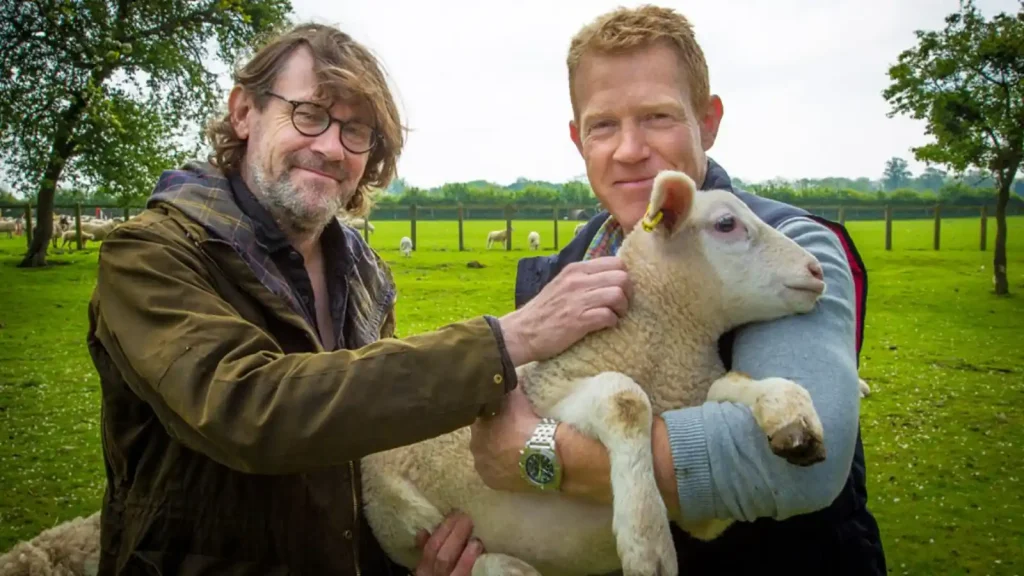
In Nigel and Adam’s Farm Kitchen episode 2, the duo delves into a fascinating yet often overlooked topic: the fading concept of seasonality in our diets. With modern imports and advanced agricultural technologies, consumers can now access almost any food, anytime, anywhere. But is this convenience pulling us further away from nature’s rhythms? Nigel and Adam aim to rekindle our connection to the natural food cycle, reminding us of the flavors, health benefits, and environmental advantages of eating with the seasons.
One of the key highlights of this episode is their focus on spring lamb. Once a staple of seasonal eating, this tender meat has seen a dramatic price increase over the years, making it less accessible for many households. Nigel takes on the challenge of rescuing the cheaper cuts of lamb—those often overlooked yet packed with potential.
Through his creative cooking demonstrations, he proves that these cuts can be transformed into delicious, hearty meals without breaking the bank. With his usual flair and charisma, Nigel inspires viewers to experiment in the kitchen, rediscovering the art of making the most of every ingredient. By doing so, he also sheds light on the wasteful habits many of us have developed, encouraging a more sustainable approach to food preparation.
Meanwhile, Adam faces a different, equally compelling challenge. Following the coldest spring in half a century, his fields of spring wheat hang in the balance. The unpredictable weather has pushed his farming skills to the limit, highlighting the delicate interplay between human effort and the forces of nature. Will the crop survive the harsh conditions, or will nature’s unpredictability take its toll? This subplot adds a layer of suspense and highlights the precarious relationship between farmers and the environment. Adam’s perseverance, combined with his innovative techniques and respect for traditional methods, comes to the forefront as he navigates the delicate balance of nurturing his crops while respecting the natural world.
As the harvest season approaches, the stakes grow higher. The culmination of their efforts will be showcased at the traditional harvest supper, a cherished event among the neighboring Cotswold farmers. This gathering is more than just a meal; it’s a celebration of hard work, resilience, and community. For centuries, such suppers have symbolized the end of the harvest season, offering farmers a chance to share stories, reflect on challenges, and bond over their shared connection to the land.
Adam and Nigel’s contributions to the feast will be judged not only by the quality of the food but also by the story it tells—a story of collaboration, respect for nature, and a deep-rooted connection to the land. Their journey to this moment is one of determination, creativity, and a shared vision of sustainability.
Throughout the episode, Nigel and Adam weave a narrative that blends practical advice with heartfelt storytelling. Viewers are invited to reflect on their own eating habits and consider the broader impact of their choices. Why have we grown so accustomed to eating strawberries in winter or imported lamb year-round? What are we sacrificing in terms of flavor, nutrition, and environmental cost? By spotlighting the challenges and triumphs of farming, the show fosters a greater appreciation for the food on our plates and the immense effort it takes to produce it. Their hands-on approach—from planting seeds to cooking meals—offers a vivid reminder of the interconnectedness of farming, food, and community.
Nigel and Adam’s Farm Kitchen episode 2
This episode serves as a gentle yet powerful reminder that seasonality isn’t just about the calendar; it’s about savoring the unique flavors and textures that each season brings. Whether it’s the first bite of spring lamb or the satisfying crunch of freshly harvested wheat, eating seasonally connects us to a timeless tradition that nourishes both body and soul. It’s an invitation to slow down, to look at food not just as sustenance but as an expression of the earth’s natural rhythms. This perspective encourages us to reduce waste, support local farmers, and make choices that are kinder to the planet.
The show also delves into the historical significance of seasonal eating. For centuries, humans relied on the natural cycle of growth and harvest to guide their diets. The advent of modern agriculture and global trade has disrupted this pattern, offering convenience at the expense of tradition and sustainability. Nigel and Adam challenge viewers to embrace the wisdom of the past while adopting the tools of the present to create a balanced, thoughtful approach to food.
Nigel and Adam’s Farm Kitchen continues to captivate audiences with its blend of education, entertainment, and inspiration. By shining a spotlight on the importance of seasonality, this episode encourages viewers to embrace a more mindful approach to food, one that celebrates nature’s cycles and supports sustainable practices. It’s not just a show; it’s a call to action, urging us all to reconnect with the land, cherish its bounty, and respect its limits. In doing so, we not only enrich our own lives but also contribute to a healthier, more harmonious world.
Conclusion Nigel and Adam’s Farm Kitchen episode 2
As the final notes of this episode linger, Nigel and Adam leave us with a profound message about the power of seasonality. They’ve taken us on a journey—from the tender cuts of spring lamb to the uncertain fate of a wheat harvest—that reminds us food is so much more than mere sustenance. It’s a narrative, woven intricately with the threads of nature, tradition, and ingenuity.
In a world where strawberries in winter and year-round lamb have become the norm, it’s easy to lose sight of nature’s rhythm. Yet, Nigel and Adam show us that the beauty of food lies not in its constant availability but in its fleetingness. Like the first bloom of spring or the golden hues of autumn, each season gifts us flavors that cannot be replicated. Embracing these fleeting treasures allows us to savor the moment and deepen our connection to the land.
Nigel’s culinary creativity and Adam’s resilience on the farm offer valuable lessons in resourcefulness and respect. By transforming overlooked lamb cuts into hearty meals, Nigel reminds us that waste is a choice, not a necessity. His vibrant dishes inspire not only our taste buds but also a sense of responsibility to make the most of what we have. Meanwhile, Adam’s determination in the face of unpredictable weather showcases the delicate dance between human effort and nature’s whims. His story is a testament to perseverance and the enduring hope that every farmer carries through the seasons.
The harvest supper—a time-honored tradition—stands as a powerful symbol of community, gratitude, and hard work. As neighbors gather to share food and stories, they celebrate not just the fruits of their labor but the enduring bonds forged through shared struggles and triumphs. It’s a poignant reminder that food is more than a product; it’s a bridge connecting us to one another and the earth.
Nigel and Adam’s Farm Kitchen is more than a television show; it’s an invitation to rethink our relationship with food. It urges us to slow down, savor each bite, and honor the stories behind the ingredients. By embracing seasonality, we nurture our bodies, support local farmers, and tread more lightly on the planet. Ultimately, it’s not just about what’s on our plates but how those choices shape the world around us. Let’s take a page from Nigel and Adam’s book and rediscover the joy of eating with the seasons, one meal at a time.
FAQ Nigel and Adam’s Farm Kitchen episode 2
Q: What is the main theme explored in episode 2 of Nigel and Adam’s Farm Kitchen?
A: In this episode, Nigel and Adam delve into the concept of seasonality and its significance in our modern diets. Furthermore, they discuss how modern agriculture and global trade have led to year-round availability of most produce. However, this convenience comes at a cost, impacting flavor, nutrition, and the environment. Therefore, they advocate for a return to eating with the seasons, emphasizing the benefits of consuming locally sourced food at its peak freshness.
Q: How does Nigel demonstrate the value of seasonal eating in the episode?
A: Nigel tackles the issue of rising spring lamb prices, which have made this seasonal delicacy less accessible. Consequently, he chooses to showcase the potential of cheaper, often overlooked cuts of lamb. Through creative cooking demonstrations, he transforms these cuts into mouthwatering dishes. Ultimately, he inspires viewers to embrace resourcefulness in the kitchen and minimize food waste.
Q: What challenges does Adam face on the farm this episode?
A: Adam grapples with the aftermath of an unusually cold spring, which threatens his wheat harvest. As a result, his resilience and farming skills are put to the test. This storyline vividly portrays the delicate balance between human intervention and the unpredictable forces of nature. Moreover, it underscores the challenges farmers face in adapting to a changing climate.
Q: What is the significance of the harvest supper featured in the episode?
A: The harvest supper serves as a culminating event in the episode, symbolizing community and the celebration of a season’s hard work. In addition, it represents a time-honored tradition where local farmers gather to share a meal and stories. Ultimately, the harvest supper embodies the spirit of gratitude for nature’s bounty and the interconnectedness of the farming community.
Q: How does this episode of Nigel and Adam’s Farm Kitchen promote sustainability?
A: Throughout the episode, Nigel and Adam champion sustainable practices. For example, Nigel demonstrates how to minimize food waste by utilizing all parts of an ingredient. Meanwhile, Adam showcases environmentally conscious farming techniques. By emphasizing these practices, the show encourages viewers to make informed food choices that benefit both their health and the planet.
Q: What is the overall message conveyed in episode 2 of Nigel and Adam’s Farm Kitchen?
A: The episode serves as a powerful reminder to reconnect with the natural rhythms of the earth through seasonal eating. In essence, it encourages viewers to appreciate the fleeting beauty of each season’s offerings. Furthermore, it emphasizes the importance of supporting local farmers and making conscious choices that reduce our environmental impact. By embracing these principles, we can foster a deeper connection with our food and contribute to a more sustainable future.