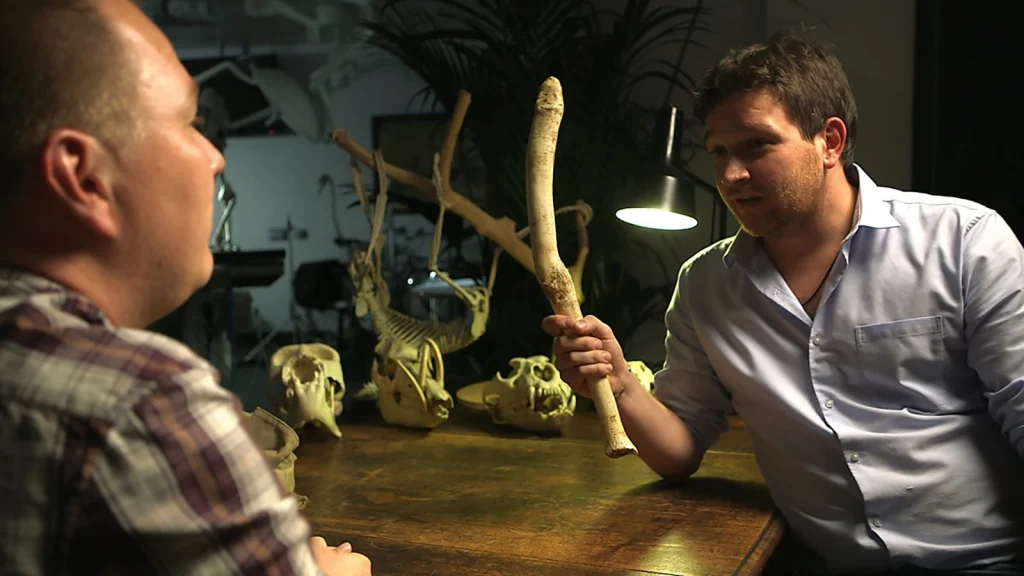
Of all the forces shaping life on our planet, the drive to reproduce is paramount, a fact explored in fascinating detail in the documentary Secrets of Bones episode 6. The skeleton, often viewed as simple structural scaffolding, is in fact a dynamic playbook of evolutionary strategies, profoundly altered by the pressures of procreation. These bony structures are not merely for support and movement; they are deeply involved in the complex game of courtship, competition, and copulation, revealing an animal’s life story from the inside out. The relentless push to pass on genes has sculpted bones into remarkable tools for attraction and combat, demonstrating that the story of the skeleton is inseparable from the story of sex.
Understanding this connection provides a critical window into the mechanisms of evolution. The field of biology is rich with examples of how the need to find and secure a mate can lead to some of the most extreme and elaborate features in the animal kingdom. This process, known as sexual selection, often favours traits that improve an individual’s chances of mating, even if those traits offer no advantage for day-to-day survival. Consequently, skeletons have been pushed to develop bizarre and beautiful forms, from intimidating weapons to intricate signals of genetic quality, all in service of winning the reproductive race.
The documentary Secrets of Bones episode 6 delves into these specific skeletal adaptations, examining how they function across the three critical stages of reproduction. It reveals how the skull can become a billboard for advertising fitness, how bony horns and tusks serve as weapons in ritualised combat, and how even a single, specialised bone can be the key to successful fertilisation. The journey through these examples showcases the immense power of sexual selection as a driver of diversity and a key force in shaping the anatomy of vertebrates.
At its core, the principle of sexual selection explains why males and females of the same species often look dramatically different. When one sex, typically the female, is selective about their partner, the other sex must compete to be chosen. This competition drives the evolution of specific traits—brighter colours, louder calls, or, crucially, modified bones. These features act as “honest signals,” providing tangible proof of an individual’s health, strength, and genetic superiority, making them more attractive to potential mates. This fundamental concept underpins the incredible skeletal adaptation seen across the animal world.
The skull, in particular, has become a canvas for these reproductive signals. While its primary role is to protect the brain and support feeding structures, evolution has co-opted it for display in numerous species. Modifications that begin as functional advantages can be exaggerated over generations into prominent features that communicate nothing about diet and everything about desirability. From subtle ridges to enormous, weaponised teeth, the skull is often the first point of contact in the visual assessment that precedes mating, acting as a crucial advertisement in the marketplace of sex.
These skeletal signals of health and strength are vital for attracting a mate, a process that places immense selective pressure on an animal’s anatomy. The transcript shows how different species have evolved dramatic cranial features that serve almost exclusively as advertisements of genetic fitness. In male gorillas, a prominent feature is the sagittal crest, a high ridge of bone running along the top of the skull.
While this structure’s primary function is to anchor the massive jaw muscles required for their fibrous diet, its size is far more pronounced in males than in females who eat the same food. This difference reveals its secondary role: in adult males, the bony ridge supports a layer of fatty tissue, creating an imposing crest that acts as a visual display, much like a peacock’s tail. A larger crest signals a strong, healthy individual, making the male more attractive to females.
This theme of dental exaggeration continues with the mandrill, the world’s largest monkey. Male mandrills possess canine teeth that can reach over six centimetres in length, nearly twice the size of a lion’s. Yet, these formidable teeth have little to do with hunting or diet, as the animal primarily eats fruit. Female mandrills have canines that are six times smaller. The male’s enormous teeth have evolved for a single purpose: reproduction. Research indicates that big teeth are a sign of healthy genes, and a male only has a chance of being chosen by a female once his canines exceed a three-centimetre threshold. The mandrill has effectively repurposed its teeth from tools for eating into instruments of courtship.
Perhaps the most extreme example of this phenomenon is the babirusa, a wild pig from Indonesia. The male babirusa’s upper canines grow upwards, puncturing the skin of the snout and curving back towards the skull. These tusks continue to grow throughout the animal’s life and, in some older males, can actually penetrate the skull and brain, causing certain death. The evolutionary trade-off is stark: attracting a mate is so vital that the species has evolved a trait that carries a significant mortal risk. Researchers believe the length and curvature of the tusks serve as a powerful indicator of a male’s genetic health, making those with the most impressive, and dangerous, tusks the most desirable to females.
Secrets of Bones episode 6
Secrets of Bones episode 6: The Skeleton as a Sensory Tool
Sometimes, the challenge isn’t just attracting a mate, but finding one in the first place. For the narwhal, known as the “Arctic unicorn,” the skeleton has evolved into a sophisticated sensory tool to solve this very problem. The narwhal’s famous tusk is not a horn, but a single, elongated canine tooth that can grow up to three metres long in males and spirals left. For centuries, its function was a mystery, with theories ranging from an ice-breaking tool to a weapon for jousting.
However, recent research presented in the documentary from Harvard University suggests the tusk is a highly advanced sensory organ. The surface of the tusk is covered in millions of minute pores—as many as 2,500 per square millimetre—that connect to a central nerve. This complex anatomy is believed to detect subtle changes in the surrounding water, including pressure, temperature, and even salinity.
This sensory capability plays a crucial role in reproduction. Male and female narwhals live apart for much of the year, only seeking each other out during the mating season. In the vast, featureless expanse of the Arctic Ocean, locating a potential partner is a significant challenge. The leading hypothesis is that males use their sensitive tusks to detect chemical gradients in the water left by female pods, allowing them to home in on their location from afar. This remarkable adaptation shows how a skeletal element can evolve beyond structural roles to become essential sensory equipment in the quest for a mate.
Bones as Weapons: Competition and Combat
Once a mate is located, the next hurdle is often fighting off rivals. In many species, direct physical conflict between males determines who wins mating rights, a pressure that has shaped bones into formidable weapons. This is not just a game of size; even small animals have evolved impressive skeletal armaments for battle. The Jackson’s chameleon, for instance, resembles a miniature triceratops, with three true bony horns on its head. These horns, made of a solid bone core covered in a protective keratin sheath, are used in intense jousting matches where males attempt to push each other out of treetops to gain access to nearby females.
At the other end of the scale are the bighorn sheep of North America’s Rocky Mountains. During the mating season, males engage in brutal combat, charging at each other at over 30 kilometres per hour and colliding head-on. Their massive, curling horns can weigh more than 14 kilograms—more than the rest of their entire skeleton combined—and the impact generates a force of nearly 3,500 newtons. This is equivalent to being hit by a baseball travelling at 140 kilometres an hour. The key to their survival lies not just in the horns, but in the unique structure of their skulls.
Unlike in most mammals, where the bony plates of the skull fuse solid in adulthood, the sutures of a bighorn sheep’s skull remain flexible. These complex, interlocking joints act like springs, absorbing and dissipating the tremendous shock of impact across the skull. An experiment shown in the documentary, where a 10kg weight was dropped on a regular sheep’s skull, demonstrated this unique adaptation perfectly. The ordinary skull shattered into thousands of fragments under the force, while a bighorn’s skull endures the same impact as a daily occurrence during the rut. This specialized skeletal biology is a direct result of the intense competition for sex.
Secrets of Bones episode 6: The Baculum and Copulation
After courtship and competition, the final act of reproduction is copulation, and here too, bones can play a decisive role. One of the most fascinating and varied bones in the animal kingdom is the baculum, or penis bone. According to Dr. Sam Turvey of the Zoological Society of London, humans are in a distinct minority for not having one; a baculum is present in 86% of all mammal species, as well as in other vertebrate groups. Its primary functions are to provide structural support to maintain an erection for prolonged periods—allowing lions, for example, to mate up to 100 times a day—and to keep the urethra open to ensure the unimpeded passage of sperm.
The baculum is arguably the most variable bone found in any vertebrate, with a vast range of sizes and shapes that are often unique to a species. This variability makes it a useful taxonomic indicator for distinguishing between closely related species. The walrus possesses the largest baculum on Earth, a formidable bone that was historically carved into clubs by Norse colonists in Greenland. The raccoon has a baculum so distinctively shaped it is nicknamed the “Texas Toothpick.” This shape may function as part of a “lock-and-key” mechanism, fitting securely with the female’s anatomy during mating.
The size and shape of a baculum are closely linked to a species’ mating strategy and environment. A compelling hypothesis explains why polar species, like the polar bear and walrus, tend to have larger bacula than their temperate-dwelling relatives like the brown bear and seal. In the sparse Arctic environment, individuals are widely dispersed. When a male encounters a female, he cannot be certain she has not recently mated with a rival. A larger baculum allows for longer copulation, increasing the volume of sperm transferred and thereby maximizing his chances of successfully fertilizing her egg. This remarkable bone is a clear example of post-copulatory sexual selection, a final skeletal adaptation to win the ultimate evolutionary prize.
The Evolutionary Paradox: Why Life Risks Everything for Love
The babirusa’s deadly tusks tell us everything we need to know about life’s priorities. Here is an animal that has literally evolved itself into a corner, growing weapons so magnificent they can pierce its own skull—and yet this seemingly catastrophic design flaw persists because it works. Females choose the males with the most impressive tusks, even knowing those same tusks might kill their bearers. This isn’t a bug in evolution’s code; it’s a feature that reveals the skeleton’s most profound secret.
What emerges from this exploration of bones and reproduction is a fundamental truth about life itself: the drive to pass on genes is so powerful it can override even the most basic survival instincts. The gorilla’s imposing sagittal crest, the mandrill’s six-centimeter canines, the bighorn sheep’s shock-absorbing skull—these aren’t just anatomical curiosities. They’re monuments to the relentless mathematics of sexual selection, where the equation is brutally simple: mate successfully or disappear from the gene pool forever.
Perhaps most remarkable is how this reproductive pressure has transformed bones into Swiss Army knives of evolution. The narwhal’s tusk isn’t content to be merely decorative—it’s become a sophisticated sensory array capable of detecting chemical gradients across Arctic waters. The baculum has diversified into forms so species-specific that a single bone can serve as a taxonomic fingerprint. These adaptations remind us that evolution is the ultimate problem-solver, finding ingenious solutions to the challenge of bringing compatible partners together across vast distances and fierce competition.
The skeleton’s story also illuminates a deeper truth about the nature of honest signals in biological systems. Unlike the flashy but potentially deceptive displays we might create artificially, skeletal adaptations can’t lie. A mandrill can’t fake the size of its canines, and a bighorn sheep can’t bluff about its horn weight. These bone-deep advertisements represent genuine investment—metabolic cost, physical burden, and often mortal risk. They work as signals precisely because they’re expensive, making them reliable indicators of genetic quality that potential mates can trust.
Looking beyond individual species, these skeletal love stories reveal the breathtaking creativity of evolutionary processes. From the microscopic pores covering a narwhal’s tusk to the spring-loaded sutures of a bighorn’s skull, we see engineering solutions that would challenge our best biomimetic designers. Each adaptation represents millions of years of iterative refinement, testing, and optimization—a research and development timeline that humbles any human innovation.
For those of us fascinated by the natural world, these insights offer a new lens through which to view the animals around us. That next visit to a natural history museum becomes an opportunity to decode the romantic histories written in bone. Every skull, every fang, every curved horn carries within it the accumulated wisdom of countless generations navigating the eternal challenge of finding, winning, and keeping a mate.
The skeleton’s reproductive legacy ultimately reminds us that love—or at least its biological imperatives—truly does conquer all, reshaping the very architecture of life in pursuit of tomorrow’s possibilities.
FAQ Secrets of Bones episode 6
Q: How do animal skeletons contribute to reproduction beyond basic support functions?
A: Animal skeletons serve as dynamic reproductive tools, functioning as advertisements for genetic fitness, weapons for male competition, and specialized sensory equipment. Furthermore, bones have evolved into honest signals that communicate health and strength to potential mates. Additionally, skeletal structures like modified skulls, tusks, and horns play crucial roles in courtship, combat, and successful fertilization across vertebrate species.
Q: What is sexual selection and how does it drive bone evolution?
A: Sexual selection is an evolutionary process where traits that improve mating success are favored, even if they don’t aid daily survival. Consequently, this pressure sculpts bones into elaborate forms for attraction and competition. Moreover, sexual selection explains why males and females often display dramatically different skeletal features, as one sex competes while the other chooses based on these bone-deep advertisements.
Q: Why do male and female skulls often differ significantly within the same species?
A: Male skulls frequently develop exaggerated features that serve as visual displays rather than functional necessities. For instance, while both sexes may eat identical diets, males evolve prominent cranial ridges, enlarged teeth, or decorative crests. Therefore, these skull modifications act as billboards advertising genetic quality and physical prowess to selective females during the crucial visual assessment preceding mating.
Q: What makes the gorilla’s sagittal crest important for reproductive success?
A: The male gorilla’s sagittal crest serves dual purposes beyond anchoring jaw muscles. Specifically, this bony ridge supports fatty tissue that creates an imposing visual display, functioning like a peacock’s tail. Additionally, larger crests signal stronger, healthier individuals to females. However, females eating the same fibrous diet have much smaller crests, revealing the structure’s primary role as reproductive advertisement.
Q: Why do male mandrills have such enormous canine teeth compared to females?
A: Male mandrill canines can exceed six centimeters, nearly twice a lion’s size, despite their fruit-based diet. Meanwhile, females have canines six times smaller. Research demonstrates that large teeth indicate healthy genes, and males need canines exceeding three centimeters to attract females. Essentially, mandrills have repurposed their teeth from eating tools into sophisticated courtship instruments through evolutionary pressure.
Q: How can the babirusa’s tusks be both beneficial and potentially deadly?
A: Male babirusa tusks grow continuously throughout life, curving back toward the skull and sometimes penetrating the brain, causing death. Nevertheless, this extreme trait persists because females prefer males with the most impressive tusks. Therefore, the evolutionary trade-off prioritizes reproductive success over survival, demonstrating how sexual selection can favor traits that carry significant mortal risks.
Q: How does the narwhal’s tusk function as a sensory tool for finding mates?
A: The narwhal’s three-meter tusk contains millions of sensory pores connecting to central nerves, detecting water pressure, temperature, and salinity changes. Since males and females live separately most of the year, locating partners across vast Arctic waters proves challenging. Consequently, males likely use their sensitive tusks to detect chemical gradients from female pods, transforming this skeletal element into sophisticated mate-finding equipment.
Q: What role do bones play in male-to-male competition for mating rights?
A: Bones have evolved into formidable weapons for direct combat between rival males. For example, Jackson’s chameleons use three bony horns in jousting matches, while bighorn sheep engage in brutal head-on collisions. Furthermore, bighorn skulls feature flexible sutures that absorb tremendous impact forces. Therefore, these specialized skeletal adaptations directly result from intense sexual competition rather than survival needs.
Q: What is a baculum and why do most mammals possess this bone?
A: The baculum, or penis bone, appears in 86% of mammal species, providing structural support for prolonged mating and keeping the urethra open for sperm passage. Additionally, this highly variable bone enables species identification due to unique shapes. For instance, lions can mate 100 times daily thanks to baculum support, while walruses possess Earth’s largest specimens, historically carved into clubs.
Q: How does environment influence the evolution of reproductive skeletal features?
A: Environmental factors significantly shape reproductive bone evolution, particularly in sparse habitats. Notably, Arctic species like polar bears and walruses develop larger bacula than temperate relatives. Since individuals are widely dispersed, males cannot guarantee exclusive access to females. Therefore, larger reproductive bones enable longer copulation periods, maximizing sperm transfer and fertilization success in challenging environments.