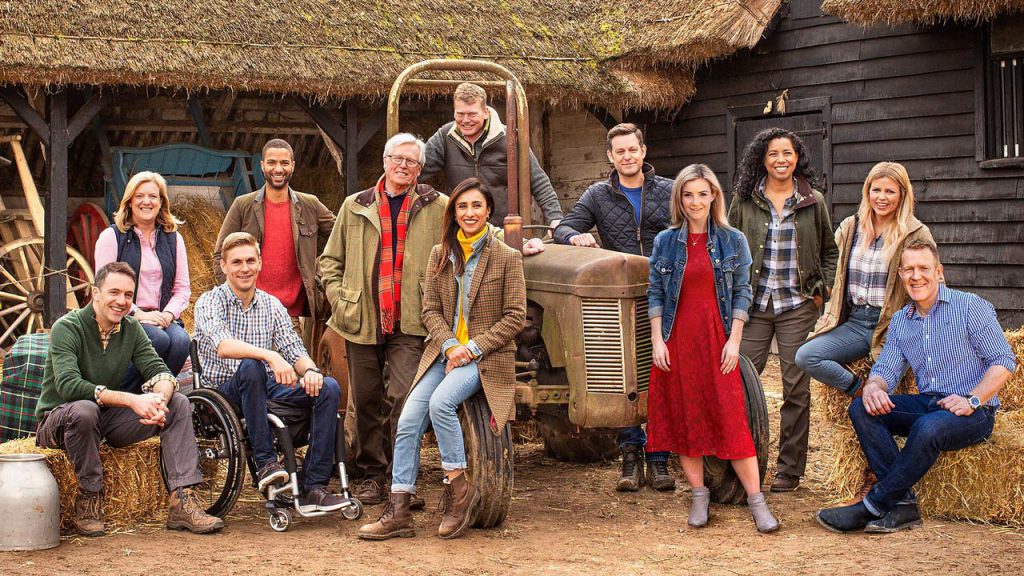
This Farming Life 2025 Episode 9: Summer Festival Fun and Games
As the warm summer sun bathes the Scottish countryside, the Imrie family finds themselves caught in the delicate balance between agricultural duties and entrepreneurial ambitions. Shearing season has arrived, bringing with it the familiar rhythm of farm life. However, the family’s thoughts are increasingly drawn to their upcoming venture—a homegrown music festival that represents both creative passion and financial necessity.
The woolly residents of the Imrie farm must be relieved of their heavy coats before the family can fully immerse themselves in festival preparations. Throughout the morning, the mechanical buzz of shears fills the air while family members move with practiced efficiency. Jenny Imrie manages the operation with calm authority, directing family members as they sort, pack, and record the yield. Meanwhile, her husband calculates potential profits from this year’s wool, though both know the real financial opportunity lies in their upcoming event.
“The festival needs to turn a profit this year,” Jenny explains while marking down the weight of another fleece. “We’ve invested significantly in better sound equipment and more comfortable facilities for guests.” Their business plan relies heavily on walk-up ticket sales, adding an element of unpredictability to their financial outlook. Nevertheless, once the last sheep is shorn, the family transitions seamlessly from farmers to event organizers.
The farmyard transforms as stages are constructed, food vendor areas are marked out, and camping zones are established. Children string colorful bunting between fence posts while teenagers test sound equipment. The entire operation exemplifies the modern farming family’s need to diversify income streams beyond traditional agriculture.
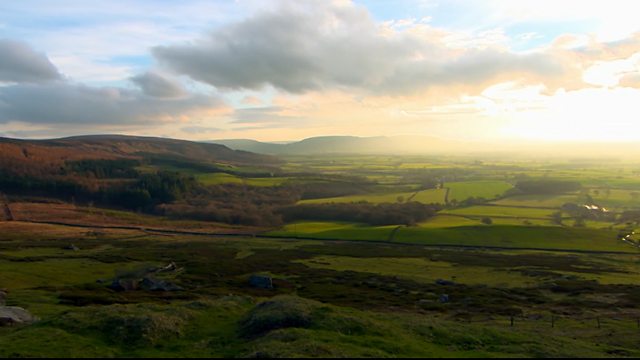
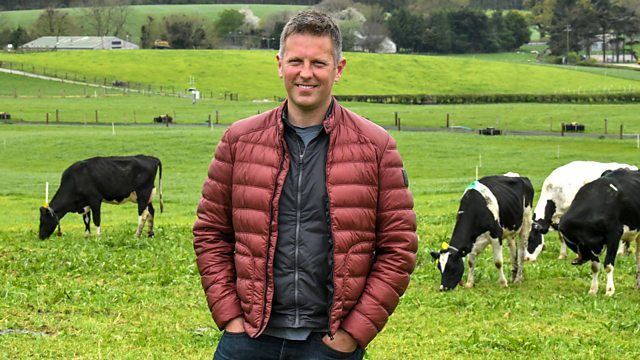
Meanwhile, in the rolling hills of Dumfries and Galloway, Nick faces his own pivotal moment. The recent loss of 300 acres of prime grazing land could have spelled disaster for his livestock operation. Fortunately, an unexpected opportunity has emerged through a neighbor’s generosity. The adjacent landowner has offered to lease Nick a substantial parcel, providing not just a solution to his immediate grazing needs but also sparking inspiration for an entirely new business direction.
“Sometimes setbacks force you to think differently,” Nick reflects as he walks the boundary of the newly available land. “This space could support our existing operation while allowing us to experiment with specialty breeding programs I’ve been considering for years.” The unexpected arrangement has eased tensions within the family regarding succession planning—a common source of stress in multigenerational farming enterprises.
Nick’s son observes that his father seems more relaxed about the pace of change on the farm. “Dad’s always been careful about new ideas, wanting to see proof before committing resources,” he explains while repairing a section of fencing. “But losing that land shook him up. Now he’s the one suggesting we try new approaches.” This evolving dynamic represents a significant shift in their working relationship, potentially easing the eventual transition of farm management to the next generation.
Far to the north, on the remote Orkney island of Papa Westray (affectionately known as Papay by locals), Paul faces his own milestone. Shearing season has arrived, but unlike previous years, he won’t be relying entirely on outside help. Following completion of a specialized training course, Paul is ready to tackle much of the shearing himself—another step toward self-sufficiency on his island farm.
The shearing shed becomes a family affair as Paul’s wife manages the wool while their children assist with moving sheep through the process. Despite being newcomers to island life, the family has embraced traditional farming practices while introducing modern efficiencies where appropriate. Each completed sheep represents growing confidence in their agricultural skills and deepening roots in the island community.
This Farming Life 2025 Episode 9
This connection to community finds its fullest expression during the annual Papay Fun Weekend—a highlight of the island’s social calendar. The event brings together Papa Westray’s small population for competitions, meals, and celebrations that strengthen bonds between neighbors who rely on each other throughout the year.
Paul’s family participates enthusiastically, with his children entering art competitions and his wife helping organize the community meal. Paul himself competes in traditional games, performing admirably in the tug-of-war despite good-natured teasing about his mainland techniques. As evening approaches, the community gathers in the island’s hall for music and dancing that continues well into the night.
These three farming families—each at different stages of their agricultural journey—exemplify the evolving nature of rural life in modern Scotland. Between the Imries’ diversification into entertainment, Nick’s adaptation to changing circumstances, and Paul’s integration into island traditions, viewers witness the resilience and creativity required to maintain viable farming operations in today’s challenging agricultural landscape.
As the episode concludes, each family faces both immediate challenges and promising opportunities. Their stories remind viewers that farming remains not just an occupation but a way of life—one that demands hard work, adaptation, and community connection in equal measure.
This Farming Life 2025 Episode 9 – Cultivating Tomorrow: The Enduring Legacy of Scottish Farming
As we reflect on the journeys of the Imrie, Nick, and Paul families, we witness more than mere agricultural practices—we observe the evolution of a timeless tradition adapting to modern challenges. Their stories intertwine like the ancient stone walls crossing Scotland’s pastoral landscape, each representing different aspects of farming’s multifaceted nature.
The Imrie family’s festival preparations reveal how today’s farmers must often wear multiple hats. By transforming their land into a vibrant cultural space, they demonstrate that agricultural innovation extends beyond crop rotation or livestock genetics. Furthermore, their reliance on last-minute ticket sales highlights the calculated risks many farming families must take to remain viable in an uncertain economic climate.
Meanwhile, Nick’s experience with losing and then regaining grazing land serves as a powerful metaphor for farming’s inherent unpredictability. Just as crops face changing weather patterns, farmers themselves must navigate shifting landscapes of opportunity and challenge. Consequently, his newfound flexibility regarding succession planning illustrates how external pressures often catalyze internal growth and adaptation.
On Papa Westray, Paul’s developing shearing skills represent the endless learning curve inherent in agricultural life. Every season brings new opportunities to master essential skills, proving that farming education never truly concludes. Additionally, the family’s enthusiastic participation in community events demonstrates how rural traditions strengthen social bonds necessary for isolated communities to thrive.
These three distinct narratives share a common thread—the profound resilience required to sustain agricultural livelihoods in Scotland today. Like the deep root systems that anchor their crops against fierce Highland winds, these families have developed sturdy foundations of adaptability, creativity, and community connection.
As viewers, we gain insight into an occupation that transcends conventional career boundaries. Farming demands not only technical expertise but also entrepreneurial vision, community engagement, and philosophical patience. Therefore, “This Farming Life” offers more than entertainment; it provides a window into a lifestyle that continues to evolve while maintaining its essential character.
The future of Scottish farming, much like the seasonal cycles these families navigate, contains both predictable patterns and surprising developments. Nevertheless, the fundamental values of hard work, innovation, and community support will undoubtedly continue to sustain this vital tradition for generations to come.
FAQ This Farming Life 2025 Episode 9
Q: What is ‘This Farming Life’ and what makes the 2025 season unique?
A: ‘This Farming Life’ is a documentary series that follows Scottish farming families throughout their agricultural year. The 2025 season uniquely showcases how modern farmers balance traditional practices with entrepreneurial ventures, as exemplified by the Imrie family organizing a music festival alongside their sheep shearing duties. Furthermore, this season highlights the increasing need for income diversification within agricultural communities while documenting the challenges of rural isolation, succession planning, and community building in contemporary Scottish farming.
Q: How are modern farming families like the Imries diversifying their income streams?
A: Modern farming families like the Imries are increasingly turning to creative entrepreneurial ventures outside traditional agriculture. In their case, they’ve developed a homegrown music festival that serves as both creative expression and financial necessity. After completing essential agricultural tasks such as sheep shearing, they transform their farmyard into an event space complete with stages, food vendor areas, and camping zones. This diversification strategy represents a growing trend among agricultural businesses seeking stability through multiple revenue sources. Consequently, today’s farmers must develop skills beyond animal husbandry and crop management to include event planning, marketing, and hospitality.
Q: What challenges does Nick face regarding his grazing land in Dumfries and Galloway?
A: Nick recently lost 300 acres of prime grazing land, which initially threatened his livestock operation’s viability. Fortunately, a neighboring landowner offered to lease him a substantial parcel, providing an immediate solution to his grazing needs. This unexpected development has additionally inspired Nick to explore specialty breeding programs he had been contemplating for years. The situation highlights the precarious nature of land access for many Scottish farmers and how unexpected setbacks can paradoxically lead to innovation. Moreover, this challenge has positively affected family dynamics by making Nick more open to change and new approaches.
Q: How are succession issues being addressed in the farming families featured in Episode 9?
A: Succession planning, a common source of tension in multigenerational farming enterprises, is evolving positively in Nick’s family. After losing and then regaining access to grazing land, Nick has become noticeably more relaxed about the pace of change on the farm. His son observes that Nick has traditionally been cautious about new ideas but is now actively suggesting innovative approaches. This shift represents a significant development in their working relationship, potentially easing the eventual transition of farm management to the next generation. Therefore, external challenges have inadvertently facilitated better intergenerational communication and knowledge transfer.
Q: What steps is Paul taking toward self-sufficiency on Papa Westray?
A: Paul, despite being relatively new to island life, is actively developing skills to increase his self-sufficiency on Papa Westray. Most notably, after completing specialized training, he’s now able to handle sheep shearing himself rather than relying entirely on outside help. This process has become a family affair, with his wife managing wool while their children assist with moving sheep. Additionally, Paul’s family has embraced traditional farming practices while introducing modern efficiencies where appropriate. As a result, each successfully sheared sheep represents growing confidence in their agricultural abilities and deeper integration into the island’s way of life.
Q: How does the Papay Fun Weekend strengthen the island community on Papa Westray?
A: The annual Papay Fun Weekend serves as a vital community-building event on the remote Orkney island of Papa Westray. This highlight of the island’s social calendar brings together the small population for various activities including competitions, communal meals, and celebrations. Paul’s family participates enthusiastically, with his children entering art competitions and his wife helping organize community meals. Meanwhile, Paul himself competes in traditional games like tug-of-war. The gathering culminates in evening music and dancing at the island’s hall, thereby strengthening essential social bonds between neighbors who rely on each other throughout the year in this isolated community.
Q: What common traits unite the three farming families featured in Episode 9?
A: Despite their different circumstances, the Imrie, Nick, and Paul families share fundamental qualities that characterize successful modern Scottish farming. First, they all demonstrate remarkable resilience when facing challenges, whether financial pressures, land access issues, or isolation. Furthermore, they exhibit adaptability by embracing new business models, accepting unexpected changes, or learning new skills. Additionally, all three families recognize the importance of community connection, whether through hosting events, negotiating with neighbors, or participating in local traditions. Together, these shared traits create sturdy foundations that enable them to maintain viable farming operations in today’s challenging agricultural landscape.
Q: What message does This Farming Life 2025 convey about the future of Scottish agriculture?
A: This Farming Life 2025 portrays Scottish agriculture as a tradition actively evolving to meet contemporary challenges. The series suggests that successful farming increasingly requires entrepreneurial thinking alongside traditional agricultural knowledge. Moreover, it highlights how external pressures often catalyze innovation and adaptation among farming families. The program emphasizes that rural farming communities remain vital social ecosystems where neighbors support each other through collaborative events and shared resources. Ultimately, while acknowledging the uncertainties facing modern agriculture, the series conveys optimism that the core values of hard work, innovation, and community support will sustain Scottish farming for generations to come.