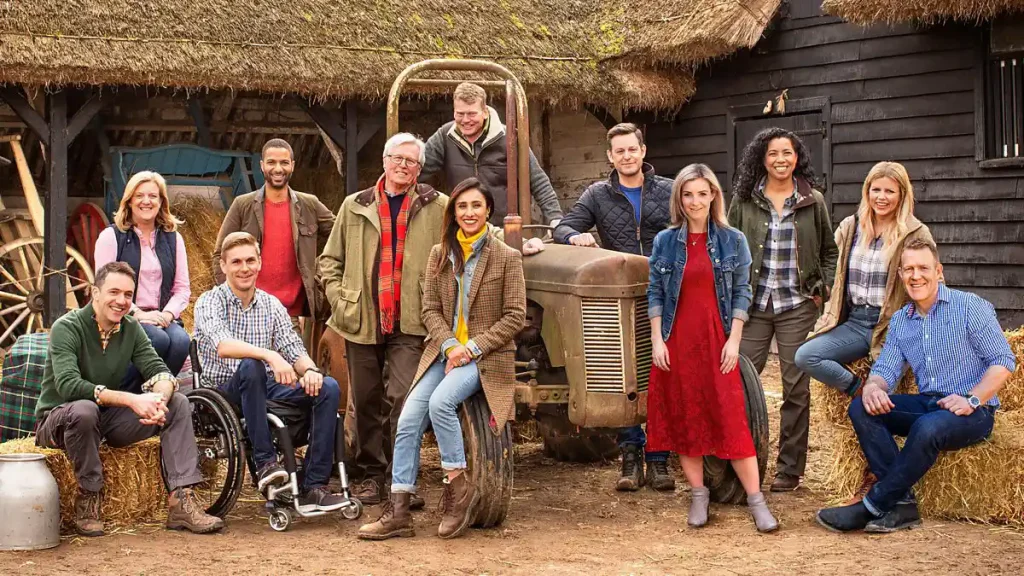
Countryfile – The Slate Landscape of North West Wales: North Wales’ UNESCO Heritage Journey
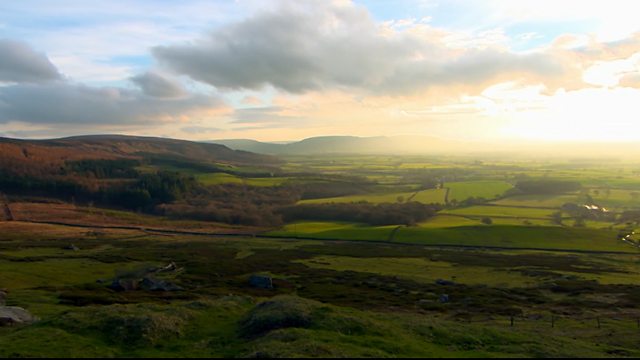
In the rugged landscapes of North West Wales, where mountains meet the sea, a remarkable transformation is underway. The historic slate industry that once defined this region is experiencing a renaissance, not as an extractive industry, but as a cornerstone of cultural tourism. This evolution comes after securing a prestigious UNESCO World Heritage designation and subsequent grant funding, marking a new chapter in the story of Welsh slate.
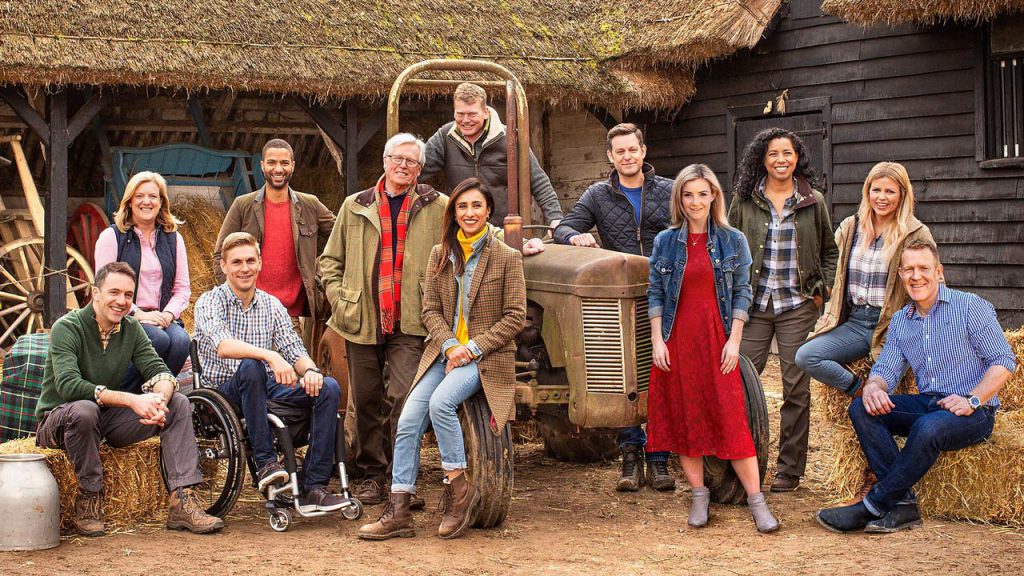
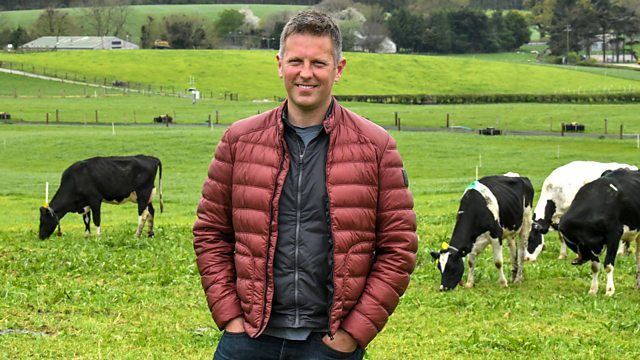
The slate landscape of North West Wales represents more than just an industrial heritage site. It embodies generations of human endeavor, cultural identity, and the indomitable Welsh spirit. As this region prepares for its new role in rural tourism, Matt Baker and Joe Crowley embark on an enlightening journey through this storied landscape for Countryfile, uncovering layers of history while examining contemporary conservation efforts.
Joe Crowley’s exploration begins at Dinorwig Quarry, a vast industrial complex carved into the mountainside. This quarry, once among the world’s largest slate extraction sites, now stands as a silent sentinel of Wales’ industrial past. Furthermore, it offers visitors a window into the harsh realities faced by generations of quarrymen.
“The quarrymen who worked here faced extraordinary challenges,” explains local historian Merfyn Roberts, who guides Joe through the imposing terraced levels of the quarry. “These men would descend hundreds of feet on precarious ladders each morning, often working in freezing conditions with minimal protection.”
The dangers were manifold. Workers risked their lives daily, confronting falling slate, unstable rock faces, and the ever-present threat of explosives used to blast the rock. Additionally, the fine slate dust permeated the air, causing silicosis—a debilitating lung disease that shortened many quarrymen’s lives considerably.
Despite these hardships, a rich culture flourished among the workers. They created their own terminology, traditions, and even a distinct brand of humor. The quarries became incubators for Welsh language poetry, music, and political thought. As a result, they helped preserve Welsh cultural identity during periods of anglicization.
The story of Welsh slate is not solely one of extraction and hardship. Joe’s journey continues at Penrhyn Quarry Hospital, where a dedicated group of volunteers works tirelessly to preserve this vital piece of social history. The hospital stands as a testament to the community’s response to industrial hazards.
“Before the hospital was established in 1825, injured quarrymen often died from what we would now consider treatable injuries,” volunteer curator Rhiannon Williams tells Joe. “The hospital represented one of the earliest examples of industrial healthcare in Britain.”
The facility, remarkably advanced for its time, included surgical theaters, convalescent wards, and even primitive X-ray equipment by the early 20th century. The volunteer team has meticulously restored much of the original equipment and created displays that vividly illustrate medical practices of the era.
Joe participates in the restoration of medical ledgers, carefully transcribing entries that document injuries, treatments, and outcomes. These records provide invaluable insights into industrial medicine and the everyday hazards faced by quarry workers. Consequently, they offer researchers a unique window into 19th-century occupational health.
Countryfile – The Slate Landscape of North West Wales
Wings Over Wales
Moving from human to natural history, Joe joins an enthusiastic team of conservationists undertaking Wales’ first comprehensive raptor count. The abandoned quarries, with their sheer rock faces and relative isolation, have become important habitats for several bird of prey species.
“Nature reclaims these industrial spaces remarkably quickly,” explains ornithologist Dr. Sian Lewis. “Peregrine falcons particularly favor these quarry faces for nesting, as they resemble their natural cliff habitats but with less human disturbance.”
Armed with binoculars and specialized recording equipment, Joe and the team document nesting pairs of peregrines, kestrels, and the occasional goshawk. This survey will establish baseline population data for future conservation efforts. Therefore, it represents an important milestone in understanding how these industrial landscapes support biodiversity.
The Living Craft of Slate
Meanwhile, Matt Baker visits the Jones family farm, where traditional slate craftsmanship continues to thrive. Three generations of the family work together, splitting and shaping slate using techniques virtually unchanged for centuries.
“Every piece of slate has its own character,” explains Gareth Jones as he demonstrates the delicate art of splitting a slate block using only a chisel and mallet. “You have to read the stone, understand its grain and natural cleavage points.”
The family specializes in traditional slate fencing, a distinctive feature of the North Welsh landscape. These fences, constructed without mortar or fixings, have stood for centuries, weathering Atlantic storms and harsh mountain winters. Their durability and minimal environmental impact make them increasingly sought-after as sustainable alternatives to modern fencing.
Matt tries his hand at the craft, quickly discovering that what looks effortless in expert hands requires years of practice to master. “It’s like the slate has a memory of the mountain,” Gareth tells him. “Our job is simply to listen to what it wants to become.”
The Wild Ponies of Carneddau
The Jones family’s connection to the landscape extends beyond slate. They also help manage a herd of semi-feral Welsh Carneddau ponies, one of the UK’s oldest and rarest equine populations. These hardy creatures have roamed the mountains for thousands of years, playing a vital role in the ecosystem.
Matt joins the annual gathering, where the ponies are briefly brought down from the mountains for health checks before being released again. “These ponies are living archaeology,” explains veterinarian Dr. Megan Richards. “Their DNA shows they’ve remained largely unchanged since prehistoric times.”
The ponies’ grazing patterns help maintain the unique upland ecology of the Carneddau mountains. Moreover, they represent a living link to the prehistoric human settlements that once dotted these landscapes. Their continued presence alongside the industrial heritage creates a fascinating temporal juxtaposition that spans millennia.
Neurodiversity in Farming
The program then shifts to Staffordshire, where Adam meets dairy farmer Richard Thomas. After receiving an ADHD diagnosis in his forties, Richard has become an advocate for understanding neurodiversity in agriculture.
“Farming has traditionally been a profession where neurodivergent individuals could thrive without formal diagnosis,” Richard explains while conducting his morning milking routine. “The varied tasks, physical nature of the work, and connection with animals can be ideal for certain neurodivergent minds.”
Richard has adapted his farm operations to work with rather than against his ADHD, implementing systems that accommodate his thought patterns. These adaptations have not only improved his quality of life but have unexpectedly increased farm productivity.
Through workshops and speaking engagements, Richard is helping other farmers recognize and accommodate neurodiversity within agricultural communities. His story reminds viewers that preserving heritage—whether architectural, industrial, or cultural—must include acknowledging the diverse minds that shape rural life.
As Countryfile’s exploration of these interconnected stories concludes, viewers are left with a deeper appreciation of how landscapes shaped by industry continue to evolve, supporting new forms of conservation, tourism, and cultural expression. The slate landscapes of North West Wales stand as a powerful reminder that our industrial past can inform a more sustainable and inclusive future.
Conclusion Countryfile – The Slate Landscape of North West Wales
As our journey through the slate landscapes of North West Wales draws to a close, we find ourselves standing at the intersection of past and future. The transformation of this once-industrial region into a UNESCO World Heritage site represents more than just a change in economic focus. Rather, it symbolizes a profound reconnection with cultural roots while embracing new possibilities.
The story of Welsh slate is, in many ways, the story of Wales itself. Through centuries of backbreaking labor, generations of quarrymen not only extracted valuable material from the mountains but also carved out a distinctive cultural identity. Moreover, they established traditions that continue to resonate throughout Welsh communities today.
What makes this heritage particularly significant is how seamlessly it weaves together different strands of Welsh life. From the industrial ingenuity displayed at Dinorwig Quarry to the compassionate response embodied by the Penrhyn Hospital, we see a community that balanced progress with care for its people. Furthermore, this balance extended to the natural world, as evidenced by the thriving raptor populations now making their homes among abandoned quarry faces.
The Jones family, with their traditional slate craftsmanship, serves as a living bridge between past and present. Their expertise, honed through generations, transforms what others might see as mere rock into functional art that withstands the test of time. Additionally, their stewardship of the Carneddau ponies demonstrates how cultural preservation naturally extends to environmental conservation.
Even Richard Thomas’s story of neurodiversity in farming connects to this larger narrative. His experience reminds us that heritage is not simply about preserving physical artifacts or landscapes but also about recognizing the diverse human experiences that shape our relationship with the land.
As the slate landscapes of North Wales begin their new chapter as centers for cultural tourism, they offer visitors something increasingly rare in our fast-paced world: a chance to slow down and connect with something enduring. Like the slate itself—formed under immense pressure over millions of years—the cultural legacy of this region has emerged from hardship transformed into something both beautiful and resilient.
In these ancient mountains, where human industry has left its mark without diminishing natural grandeur, we find a powerful model for sustainable development. The future of North Wales will undoubtedly be as layered and complex as the slate that defines its past.
FAQ Countryfile – The Slate Landscape of North West Wales
Q: What is the UNESCO status of the North West Wales slate landscape?
A: The slate landscape of North West Wales received the prestigious UNESCO World Heritage designation, which recognizes its exceptional cultural significance. Following this recognition, the region secured grant funding to develop cultural tourism initiatives. This designation marks a transformative chapter in Welsh slate’s story, shifting its value from purely industrial to cultural heritage worthy of global recognition and preservation.
Q: What historical significance does Dinorwig Quarry hold?
A: Dinorwig Quarry stands as one of the world’s former largest slate extraction sites, carved dramatically into the Welsh mountainside. Workers at Dinorwig faced extraordinary dangers, including precarious ladder descents, freezing conditions, falling slate, unstable rock faces, and silicosis from fine slate dust. Despite these hardships, the quarry became a cultural incubator where Welsh language, poetry, music, and political thought flourished, consequently helping preserve Welsh cultural identity during periods of anglicization.
Q: How did the Penrhyn Quarry Hospital contribute to industrial healthcare?
A: Established in 1825, the Penrhyn Quarry Hospital represented one of Britain’s earliest examples of industrial healthcare. Before its establishment, quarrymen often died from injuries that would be considered treatable today. The remarkably advanced facility featured surgical theaters, convalescent wards, and even primitive X-ray equipment by the early 20th century. Furthermore, preserved medical ledgers from the hospital provide researchers with invaluable insights into 19th-century industrial medicine and occupational health practices.
Q: How have the abandoned quarries contributed to wildlife conservation?
A: Nature has reclaimed these industrial spaces with remarkable speed, transforming them into important habitats for several bird of prey species. The sheer rock faces of abandoned quarries closely resemble natural cliff habitats but offer less human disturbance, making them particularly attractive to peregrine falcons. Additionally, Wales’ first comprehensive raptor count documented nesting pairs of peregrines, kestrels, and occasional goshawks in these locations. Therefore, these former industrial sites now play a crucial role in supporting biodiversity and conservation efforts.
Q: What traditional craftsmanship continues around Welsh slate?
A: Traditional slate craftsmanship thrives through families like the Joneses, where three generations work together using centuries-old techniques. Master craftsmen like Gareth Jones understand that each piece of slate possesses its own character, requiring them to read the stone’s grain and natural cleavage points. They specialize in traditional slate fencing, a North Welsh landscape feature constructed without mortar or fixings. Moreover, these sustainable structures have withstood Atlantic storms and harsh mountain winters for centuries, demonstrating both durability and minimal environmental impact.
Q: What role do Welsh Carneddau ponies play in the region’s ecosystem?
A: The semi-feral Welsh Carneddau ponies represent one of the UK’s oldest and rarest equine populations, having roamed these mountains for thousands of years. Their grazing patterns actively maintain the unique upland ecology of the Carneddau mountains. According to veterinarian Dr. Megan Richards, these “living archaeology” specimens have remained genetically consistent since prehistoric times. In addition, they create a fascinating temporal juxtaposition alongside the industrial heritage, connecting prehistoric human settlements to the present-day landscape.
Q: How does neurodiversity connect to heritage preservation in the context of this program?
A: Richard Thomas, a dairy farmer diagnosed with ADHD in his forties, demonstrates how preserving heritage extends beyond physical landscapes to diverse human experiences. Farming has traditionally provided an environment where neurodivergent individuals could thrive without formal diagnosis due to its varied tasks and connection with animals. Rather than fighting against his ADHD, Thomas adapted his farm operations to work with his thought patterns. Consequently, his story reminds us that cultural, architectural, and industrial heritage preservation must acknowledge the diverse minds that shape rural life.
Q: What makes the slate landscapes of North West Wales a model for sustainable development?
A: The slate landscapes exemplify how human industry can leave its mark without diminishing natural grandeur, creating a powerful model for sustainable development. Like slate itself—formed under immense pressure over millions of years—the cultural legacy of this region has transformed hardship into something beautiful and resilient. As centers for cultural tourism, these landscapes offer visitors a rare opportunity to slow down and connect with something enduring. Therefore, North Wales demonstrates how industrial heritage can evolve to support conservation, tourism, and cultural expression simultaneously.