Countryfile – Kielder Forest: A Woodland Journey with Matt Baker and Vick Hope
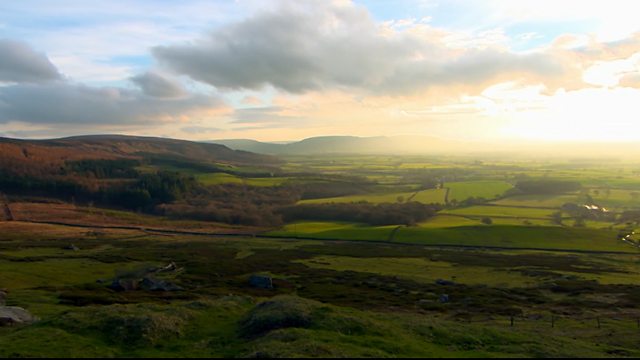
In the verdant expanse of Northumberland, where ancient trees whisper tales of bygone eras, Matt Baker extends a warm welcome to the newest member of the Countryfile family, Vick Hope. Together, they embark on an enriching exploration of Kielder Forest, a magnificent woodland that proudly stands as England’s largest forest sanctuary. This sprawling natural haven serves as the backdrop for their journey to meet dedicated individuals who have devoted their lives to safeguarding its delicate ecosystems and ensuring its prosperity for generations to come.
The morning mist still clings to the treetops as Matt joins an ambitious landscape-scale initiative with far-reaching vision. This pioneering project aims to transform the very composition of the woodland by methodically collecting seeds from Britain’s most endangered native tree species. With careful precision, Matt assists the conservation team in gathering these precious genetic resources, each tiny seed holding the promise of a more diverse and resilient forest. The collected specimens will eventually contribute to a richer tapestry of plant life throughout Kielder, enhancing its biodiversity and strengthening its resistance to environmental challenges.
As the sun climbs higher, Matt transitions to a different kind of forest adventure. He lends his hands and enthusiasm to a determined crew constructing what will become one of England’s most impressive mountain bike trails. Stretching for miles through varying terrain, this trail represents not just a feat of engineering but also a commitment to inclusivity. Matt discovers how thoughtful design considerations are making these exhilarating pathways accessible to adaptive cyclists, ensuring that the joy of navigating Kielder’s breathtaking landscapes can be experienced by enthusiasts of all abilities.
Meanwhile, Vick delves into the hidden aquatic treasures of Kielder. She wades into the crystal-clear waters to participate in a critical conservation project focused on restoring the critically endangered freshwater pearl mussels to the forest’s network of streams and rivers. These remarkable mollusks, once abundant in British waterways, now teeter on the brink of extinction. Vick learns about their vital role as living water filters and witnesses firsthand the meticulous work involved in reintroducing these ecological engineers to their natural habitat.
The freshwater pearl mussel’s story unfolds before her eyes as an intricate dance of biology and conservation science. These incredible creatures can live for over a century, quietly purifying water and creating microhabitats for countless other aquatic species. However, their complex lifecycle, which depends on specific fish species as temporary hosts for their larvae, makes their conservation particularly challenging. Despite these hurdles, the dedicated team at Kielder remains hopeful, their persistence a testament to human determination in the face of environmental decline.
The narrative then flows southward to the rolling hills of the Cotswolds, where Adam Henson explores innovative approaches to sustainable farming. On his picturesque farm, Adam demonstrates the ancient practice of silvopasture—a harmonious integration of woodland and livestock grazing that benefits both agricultural productivity and wildlife conservation. Beneath the dappled shade of carefully managed trees, his animals thrive while a rich understory of native plants provides habitat for birds, insects, and small mammals.
Countryfile – Kielder Forest
This symbiotic relationship between trees, livestock, and wildlife represents a promising path forward for British agriculture. Adam explains how the trees offer his animals protection from extreme weather while improving soil health through their extensive root systems. The scattered canopy allows sufficient light for grass growth while creating ecological niches for woodland species. Furthermore, the trees sequester carbon, making this approach not just good for biodiversity but also for mitigating climate change.
Back in Kielder, Matt and Vick reunite as the day draws to a close. They reflect on the myriad ways in which this magnificent forest sustains both human communities and wildlife populations. From the recreational opportunities that draw visitors from across the country to the vital ecosystem services that benefit us all, Kielder stands as a living laboratory for conservation and sustainable resource management.
As twilight descends upon the forest, painting the landscape in soft hues of purple and gold, our presenters bid farewell to this enchanted woodland. Their journey through Kielder has illuminated the critical importance of protecting and enhancing our natural heritage. Moreover, it has revealed how passionate individuals, armed with knowledge and determination, are writing a new chapter in the ongoing story of Britain’s relationship with its forests.
Through careful stewardship and innovative thinking, Kielder Forest continues to evolve as a vibrant ecosystem, a recreational paradise, and a source of inspiration for all who venture within its boundaries. As this episode of Countryfile demonstrates, our woodlands are not merely collections of trees but living, breathing communities that deserve our respect, protection, and love.
Kielder Forest: A Living Legacy of Conservation and Community
As the golden sunset casts long shadows through Kielder’s ancient pines, we find ourselves reflecting on the profound lessons this magnificent woodland offers. Through Matt and Vick’s journey, we’ve witnessed not just England’s largest forest, but rather a complex tapestry of interconnected ecosystems thriving under thoughtful stewardship. Indeed, Kielder represents far more than a collection of trees; it embodies our evolving relationship with the natural world.
The dedicated conservationists we’ve met throughout this expedition demonstrate how human intervention, when guided by scientific understanding and genuine care, can reverse ecological decline. From the painstaking collection of rare native tree seeds to the delicate reintroduction of freshwater pearl mussels, these efforts highlight our capacity to heal damaged ecosystems. Furthermore, these projects serve as powerful reminders that protecting biodiversity requires both patience and persistence, much like tending a garden over many seasons.
Meanwhile, the innovative mountain bike trails winding through the forest illustrate how conservation and recreation can harmoniously coexist. By making these paths accessible to adaptive cyclists, Kielder’s stewards have ensured that nature’s restorative powers remain available to everyone. Similarly, Adam Henson’s silvopasture techniques in the Cotswolds demonstrate how traditional wisdom, when combined with modern knowledge, can create agricultural systems that nourish both people and wildlife.
As we bid farewell to this enchanted woodland, we carry with us the understanding that forests like Kielder are living laboratories where the future of our planet is being written. They stand as green cathedrals where we can reconnect with something larger than ourselves while learning how to live in balance with nature. Moreover, they remind us that even in our rapidly changing world, there remains room for hope and renewal.
The story of Kielder Forest continues to unfold with each passing season, each planted seed, and each restored stream. Through careful management and innovative thinking, this magnificent woodland will continue inspiring generations to come, teaching us that when we protect nature, we ultimately protect ourselves. For in the whisper of wind through branches and the gurgle of forest streams lies a timeless wisdom: we are all, inextricably, part of nature’s grand design.
FAQ Countryfile – Kielder Forest
Q: What makes Kielder Forest significant in the UK?
A: Kielder Forest proudly stands as England’s largest forest sanctuary, spanning across the verdant expanse of Northumberland. Furthermore, this magnificent woodland serves as a vital biodiversity hotspot, housing numerous endangered species and delicate ecosystems. Beyond its impressive size, Kielder represents a living laboratory for conservation practices and sustainable resource management that benefit both wildlife and human communities alike. The forest’s significance extends to its role in protecting Britain’s natural heritage while simultaneously providing recreational opportunities for countless visitors throughout the year.
Q: What conservation projects are currently underway in Kielder Forest?
A: Several ambitious conservation initiatives are currently transforming Kielder’s ecological landscape. Notably, there’s a landscape-scale project focused on diversifying the woodland by collecting seeds from Britain’s rarest native tree species. Additionally, a critical aquatic conservation effort aims to restore endangered freshwater pearl mussels to the forest’s streams and rivers. These remarkable mollusks, which can live over a century, act as living water filters and create valuable microhabitats for other aquatic species. Despite their complex lifecycle requiring specific fish species as temporary hosts, dedicated conservationists remain committed to ensuring these ecological engineers return to their natural habitat.
Q: How is Kielder Forest promoting accessibility and inclusive recreation?
A: Kielder Forest demonstrates remarkable commitment to inclusive recreation through thoughtfully designed facilities and trails. In particular, the forest features one of England’s longest mountain bike trail networks, which has been specifically engineered to accommodate adaptive cyclists. Consequently, outdoor enthusiasts of all abilities can experience the exhilaration of navigating through Kielder’s breathtaking landscapes. This inclusive approach ensures that the forest’s natural beauty and recreational opportunities remain accessible to everyone, regardless of physical ability, thereby creating a welcoming environment where all visitors can forge meaningful connections with nature.
Q: What is the significance of freshwater pearl mussels in Kielder’s ecosystem?
A: Freshwater pearl mussels play a pivotal role as ecological engineers within Kielder’s aquatic ecosystems. First and foremost, these remarkable creatures function as living water filters, significantly improving water quality throughout the forest’s network of streams and rivers. Moreover, they create essential microhabitats that support countless other aquatic species, thereby enhancing overall biodiversity. Despite once being abundant in British waterways, these mollusks now face critical endangerment, making their conservation particularly urgent. Their complex lifecycle, which involves specific fish species hosting their larvae, presents unique conservation challenges that Kielder’s dedicated team tackles with unwavering determination and scientific precision.
Q: How does the silvopasture practice demonstrated at Adam Henson’s farm benefit both agriculture and wildlife?
A: Silvopasture creates a harmonious integration of woodland and livestock grazing that yields multiple benefits. Primarily, it offers animals natural protection from extreme weather while simultaneously improving soil health through extensive tree root systems. Additionally, the scattered canopy allows sufficient light for grass growth while creating diverse ecological niches for woodland species. The rich understory of native plants provides crucial habitat for birds, insects, and small mammals, effectively boosting biodiversity. Furthermore, the trees sequester carbon, making this approach valuable for mitigating climate change. In essence, silvopasture represents a promising path forward for British agriculture that balances productivity with conservation, demonstrating how traditional wisdom and modern knowledge can create sustainable farming systems.
Q: What can visitors expect to experience when visiting Kielder Forest?
A: Visitors to Kielder Forest can immerse themselves in a truly enchanting woodland experience that changes with each season. During morning visits, they might witness mist clinging to ancient treetops, creating an almost mystical atmosphere. Furthermore, outdoor enthusiasts can explore miles of mountain bike trails that wind through varying terrain, offering both challenges and spectacular views. Nature lovers will discover diverse ecosystems teeming with wildlife, while conservation-minded visitors can learn about crucial projects protecting endangered species. As day transitions to evening, the forest transforms once again, with twilight painting the landscape in soft hues of purple and gold, offering photographers and artists endless inspiration.
Q: How is Kielder Forest adapting to environmental challenges like climate change?
A: Kielder Forest is proactively addressing environmental challenges through innovative adaptation strategies. Most importantly, the landscape-scale initiative to collect seeds from Britain’s endangered native tree species aims to increase forest resilience against climate fluctuations. By diversifying the woodland’s composition, conservationists are creating a more adaptable ecosystem that can better withstand environmental stresses. Additionally, the restoration of keystone species like freshwater pearl mussels helps maintain water quality even as conditions change. The forest also serves as a significant carbon sink, with ongoing management practices designed to maximize this crucial ecosystem service. Through these comprehensive approaches, Kielder demonstrates how thoughtful stewardship can help natural systems thrive despite mounting environmental pressures.
Q: What lessons can we learn from Kielder Forest about conservation and human-nature relationships?
A: Kielder Forest offers profound lessons about our evolving relationship with the natural world. First, it demonstrates how human intervention, when guided by scientific understanding and genuine care, can reverse ecological decline rather than accelerate it. The forest illustrates that conservation and recreation can harmoniously coexist when thoughtfully managed. Furthermore, Kielder shows us that protecting biodiversity requires both patience and persistence, much like tending a garden over many seasons. Perhaps most importantly, the forest reminds us that we are inextricably part of nature’s grand design, not separate from it. Through careful stewardship and innovative thinking, Kielder reveals how we can create a future where both human communities and wildlife populations thrive together in balance.