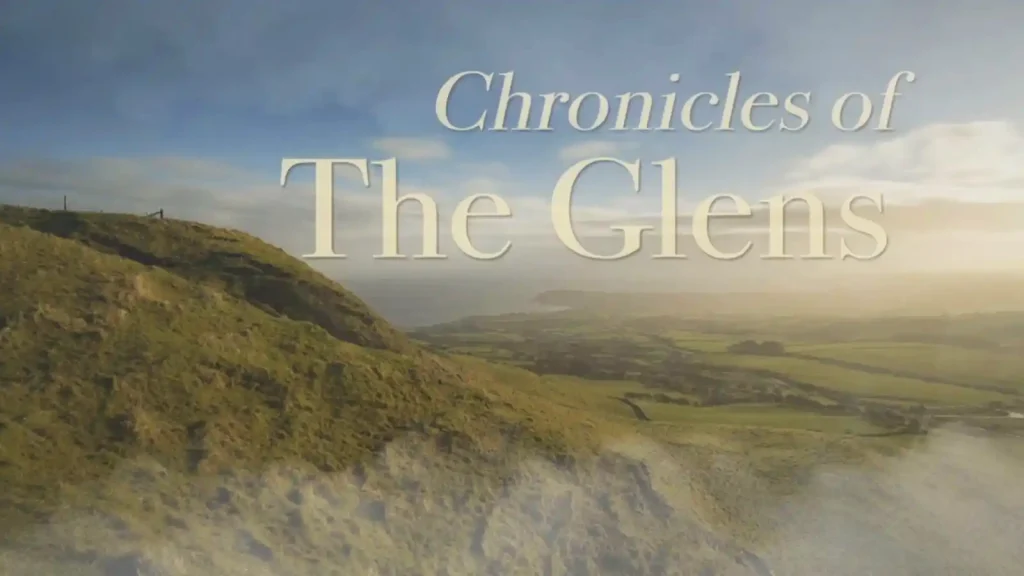
Chronicles of the Glens episode 1: An Autumn Tapestry
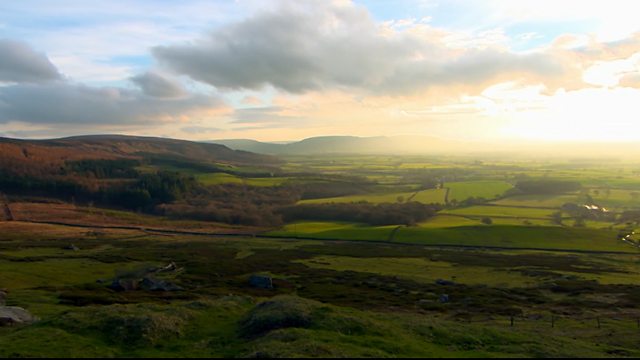
Autumn arrives in the Glens of Antrim like a whispered promise. Indeed, the air grows crisp, carrying the scent of damp earth and woodsmoke. Sunlight, now softer, slants across hillsides beginning their slow transformation. The vibrant, almost overwhelming green of summer surrenders gracefully. Consequently, a painter’s palette of fiery oranges, deep reds, and warm russet browns washes over the landscape. It is a time of transition, a season of gathering in, both from the land and within the communities nestled here. This series, “Chronicles of the Glens,” invites you into this world. We explore the lives, labours, and landscapes shaping this unique corner of Northern Ireland. Episode one captures the very essence of this poignant season.
Our journey begins on the dramatic cliffs of Fairhead. Here, the wind sculpts the land, and the views stretch across the sea towards Scotland. On the McBride family farm, the rhythms of autumn are keenly felt. Sean McBride and his son, Gerard, move with practiced ease among their cattle. Their focus today is preparing sturdy calves for the upcoming market. This is more than just a task; furthermore, it is a crucial part of the farming year. The sale represents the culmination of months of care and hard work.
You can see the connection between father and son in their shared movements. There is an unspoken understanding passed down through generations. Around them, the fields are turning tawny under the autumn sky. The air buzzes faintly with the lowing of cattle. It is a scene steeped in agricultural tradition, vital to the local economy. The anticipation of market day hangs in the air, a mix of hope and practical necessity.
From the farmland heights, we travel inwards to the sweeping, heather-clad moors. Specifically, we find ourselves on Glenwherry Hill, part of the extensive Glenarm Estate. Here, a different kind of stewardship unfolds. The estate’s head gamekeeper surveys his domain, a vast expanse under an open sky. His task today seems simple, yet it is vital for the local ecosystem. He carefully leaves out piles of essential grit for the wild grouse population. These small stones are crucial for the birds’ digestion, especially as natural sources become scarcer.
Consequently, ensuring the health of the grouse is part of a larger conservation effort. The gamekeeper’s work balances preserving wildlife habitats with managing the land. His solitary figure moves purposefully across the rugged terrain. He understands the subtle signs of nature, the needs of the creatures under his watch. This ancient landscape demands respect and careful management, a responsibility he clearly takes seriously.
Next, our journey takes us down towards the coast, to the charming village of Cushendall. Nestled where the Glens meet the sea, Cushendall buzzes with community spirit. Members connected to the Cairns Estate are busy with preparations. They are organising a special Halloween fundraising event, adding a touch of spooky fun to the season. The chosen venue is the Tiveragh allotments, a place usually dedicated to cultivating vegetables. Now, however, thoughts turn to pumpkins, costumes, and raising money for a good cause.
You can almost picture the scene: neighbours working together, laughter echoing between the garden plots. This event highlights the close-knit nature of village life here. Moreover, it shows how shared activities strengthen community bonds. The estate’s involvement underscores its connection to the people and traditions of Cushendall. Everyone anticipates a night of festive fun under the autumn moon.
Following the river inland, we venture into the serene beauty of Glendun. Here, the River Dun flows, its waters reflecting the changing colours of the trees lining its banks. We meet Sean McIlhatton, a man whose life seems intertwined with this river. He has been casting his line into these waters since he was just sixteen years old. Fishing here is clearly more than a hobby for Sean; it is a deep passion. He speaks with genuine affection about the river, its moods, and its hidden pools. His connection feels almost spiritual, built over decades of quiet observation.
However, a shadow clouds his enthusiasm. Sean shares his growing worry about the river’s health. He has witnessed a troubling decline in salmon and trout numbers over the years. Fewer fish return each season, a silent alarm for the river’s ecosystem. His concern reflects a broader environmental issue affecting many waterways. Sean’s love for the river fuels his anxiety for its future.
Meanwhile, within the historic grounds of Glenarm Castle Estate, another autumn ritual is underway. Staff are busy harvesting apples from the estate’s orchards. The air is sweet with the scent of ripe fruit. Baskets overflow with apples of various colours and sizes, a bounty from the ancient trees. These apples are destined for the press. Soon, they will be transformed into delicious, fresh juice. This activity connects the present-day estate with its long history. Producing their own juice speaks to traditions of self-sufficiency and working with the land.
Imagine the satisfying work: the gathering, the washing, the rhythmic turning of the press. It is a wholesome process, turning nature’s gifts into something to be enjoyed. This harvest is a tangible link to the estate’s agricultural heritage. It represents a continuation of centuries-old practices.
Chronicles of the Glens episode 1 – Autumn
Our final stop takes us back to the peaceful landscapes of Glendun. Here we meet John McAuley, a farmer whose life revolves around his land and his flock. We find him checking on his sheep, ensuring they are well as the weather turns cooler. John moves across his fields with the quiet confidence of someone deeply connected to this place. But John’s story holds more than just farming. He has undertaken a remarkable project, born from personal tragedy. He painstakingly built a public footpath across his own land.
This path offers walkers stunning views of the glen he calls home. He named it Ronan’s Way, a poignant tribute to his beloved son. Ronan tragically passed away at the young age of 38. Building the path became an act of remembrance, a way to channel grief into something positive. It created a lasting legacy for his son, shared now with the community. The path winds through the beautiful scenery Ronan loved. Now, after much hard work and dedication, Ronan’s Way is ready.
The final preparations are underway for its official opening. This event promises to be emotional, a celebration of Ronan’s memory. It also stands as a testament to a father’s love and resilience. John’s generosity in sharing his land offers solace and beauty to others.
Thus, the first chronicle of the Glens unfolds. It reveals a landscape rich in beauty and human stories. We see life tied intrinsically to the turning seasons. From the farmer preparing his livestock, to the gamekeeper tending the moors. From community celebrations in Cushendall, to quiet concerns by the riverbank. From the traditional apple harvest, to the deeply personal creation of Ronan’s Way. Each thread weaves into a larger tapestry. It shows resilience, community connection, and a profound relationship with the natural world. Autumn in the Glens is not just an end, but also a time of reflection, preparation, and enduring spirit. These stories remind us of the deep connections that sustain life in this remarkable place.
Autumn’s Embrace: A Conclusion to Chronicles of the Glens episode 1
As the autumn light fades across the Glens of Antrim, our journey through this tapestry of lives and landscapes draws to a close. The stories we’ve witnessed reveal more than mere seasonal change. Indeed, they unveil the very heartbeat of a community deeply rooted in this ancient land.
From Sean and Gerard McBride’s cattle farm on windswept Fairhead to the quiet dedication of the gamekeeper on Glenwherry Hill, we see traditions honored. Meanwhile, the vibrant preparations in Cushendall remind us how celebration binds communities together. Subsequently, Sean McIlhatton’s river concerns highlight our fragile relationship with nature. Furthermore, the apple harvest at Glenarm Castle Estate connects present hands to past generations.
Yet perhaps no story touches the heart more profoundly than John McAuley’s tribute to his son. Ronan’s Way stands as a testament to love transformed into legacy. Consequently, private grief becomes public gift, offering both solace and stunning views to all who walk its path.
These narratives, like autumn leaves, fall gently into our consciousness. They create a mosaic of human experience against the backdrop of nature’s grand performance. The fiery oranges and deep russets of the landscape mirror the warmth and depth of the people who call this place home.
Life in the Glens moves with purpose and patience. Moreover, it follows rhythms established through centuries of careful observation. The farmers, gamekeepers, and community members we’ve met aren’t merely inhabitants. Rather, they are stewards of a precious heritage.
As winter approaches, the Glens will soon transition again. However, the connections forged between land and people remain unbroken. Similarly, the resilience shown in these stories will carry the community through darker, colder days ahead.
Our chronicles have barely scratched the surface of this remarkable corner of Northern Ireland. Nevertheless, they capture something essential about the Glens—something that resonates beyond geographical boundaries. It speaks to our universal need for community, purpose, and connection to place.
The autumn tapestry we’ve witnessed will eventually give way to winter’s stark beauty. Then, in time, spring will bring renewal once more. Through it all, the Chronicles of the Glens will continue, written daily in the lives of those who tend this land with such abiding care and respect.
FAQ Chronicles of the Glens episode 1 – Autumn
Q: What are the Glens of Antrim and where are they located?
A: The Glens of Antrim are a stunning series of valleys located in Northern Ireland. They form a unique corner of the country where communities are nestled among dramatic landscapes. Furthermore, these glens stretch from the cliffs of Fairhead, with views across the sea towards Scotland, to inland areas featuring heather-clad moors and serene rivers. The area includes notable locations such as Glenwherry Hill, Glenarm Estate, the village of Cushendall, and the peaceful Glendun with its flowing River Dun.
Q: How does autumn transform the landscape in the Glens of Antrim?
A: Autumn arrives in the Glens of Antrim like a whispered promise, bringing remarkable transformation. The vibrant green summer foliage surrenders to a painter’s palette of fiery oranges, deep reds, and warm russet browns. Consequently, the entire landscape undergoes a visual metamorphosis. The air grows crisp, carrying distinctive scents of damp earth and woodsmoke. Meanwhile, the sunlight becomes softer, slanting across hillsides that slowly change their color. Fields turn tawny under autumn skies, and even the riverbanks reflect the changing colors of trees lining their edges.
Q: What traditional farming practices continue in the Glens of Antrim?
A: Traditional farming remains central to life in the Glens. For instance, the McBride family farm near Fairhead continues cattle farming practices passed down through generations. Autumn brings the crucial task of preparing sturdy calves for market, representing months of care and hard work. Similarly, sheep farming thrives in areas like Glendun, where farmers like John McAuley tend their flocks with increasing vigilance as weather turns cooler. Additionally, historic estates such as Glenarm maintain orchards where staff harvest apples for pressing into juice, continuing centuries-old agricultural traditions.
Q: How does the Glens community celebrate autumn and Halloween?
A: Autumn celebrations bring communities together in the Glens. Notably, in the charming coastal village of Cushendall, members connected to the Cairns Estate organize special Halloween fundraising events. The Tiveragh allotments, typically dedicated to vegetable cultivation, transform into festive venues featuring pumpkins and costumes. These events highlight the close-knit nature of village life. Moreover, they demonstrate how shared activities strengthen community bonds. The autumn season becomes a time for gathering both harvest and people, creating nights of festive fun under the autumn moon.
Q: What conservation efforts take place in the Glens of Antrim?
A: Conservation efforts in the Glens blend traditional knowledge with environmental stewardship. On Glenwherry Hill, part of the extensive Glenarm Estate, gamekeepers maintain vital conservation practices. They provide essential grit for wild grouse populations, crucial for the birds’ digestion as natural sources become scarcer. This work balances preserving wildlife habitats with managing the land. However, concerns exist about other ecosystems, particularly rivers. Local anglers like Sean McIlhatton have witnessed troubling declines in salmon and trout numbers, highlighting broader environmental challenges affecting the region’s waterways.
Q: What is Ronan’s Way and what’s the story behind it?
A: Ronan’s Way is a public footpath created by farmer John McAuley across his own land in Glendun. Born from personal tragedy, this remarkable project serves as a poignant tribute to his son Ronan, who passed away at just 38 years old. Indeed, building the path became John’s way to channel grief into something positive. The trail offers walkers stunning views of the glen and winds through beautiful scenery that Ronan loved. This touching story exemplifies how personal loss transformed into community gift, with John’s generosity providing both solace and beauty to others.
Q: How important is the relationship between people and nature in the Glens?
A: The relationship between people and nature forms the very foundation of life in the Glens. Residents demonstrate profound connections to their environment through daily practices and traditions. For example, Sean McIlhatton’s relationship with River Dun feels almost spiritual, built over decades of observation. Similarly, gamekeepers read subtle signs of nature to understand wildlife needs. Furthermore, farmers move with quiet confidence across lands they’ve tended for generations. This intimate knowledge of natural rhythms shapes everything from agricultural practices to conservation efforts, creating a sustainable balance between human needs and environmental stewardship.
Q: What traditional apple harvesting practices continue at Glenarm Castle Estate?
A: Glenarm Castle Estate maintains traditional apple harvesting as part of its autumn rituals. Staff harvest apples from the estate’s historic orchards, gathering fruit of various colors and sizes from ancient trees. Subsequently, these apples are processed through traditional pressing methods to create fresh juice. This wholesome process connects present-day estate activities with its long agricultural heritage. Indeed, producing their own juice exemplifies traditions of self-sufficiency and working harmoniously with the land. The harvest provides both tangible products and a meaningful link to centuries-old practices that defined the estate’s history.
Q: How does fishing connect to cultural heritage in the Glens?
A: Fishing represents a deep cultural connection in the Glens, particularly along rivers like the Dun. Anglers such as Sean McIlhatton maintain traditions spanning generations, casting lines into waters they’ve known since youth. Their relationship with rivers transcends mere sport or food gathering. Instead, it becomes a form of communion with nature, reflecting intimate knowledge of water movements, fish behaviors, and seasonal patterns. However, this cultural practice faces challenges as fish populations decline. Consequently, anglers become advocates for river health, their cultural heritage motivating environmental concern for these precious waterways.
Q: Why is autumn considered a time of transition in the Glens of Antrim?
A: Autumn represents profound transition in the Glens of Antrim, affecting both landscape and community. Visually, summer’s green yields to autumn’s rich palette. Meanwhile, farming communities shift from growth-focused activities to preparation and harvesting. Market days approach, representing culmination of year-long efforts. Additionally, wildlife adapts to changing conditions, requiring human intervention like the gamekeeper’s provision of grit for grouse. Moreover, autumn brings opportunities for community gatherings before winter’s isolation. This season embodies gathering in, both literally through harvests and metaphorically through strengthened community bonds, making it a time of reflection, preparation, and enduring spirit.