Chronicles of the Glens episode 2: Embracing the Winter Chill
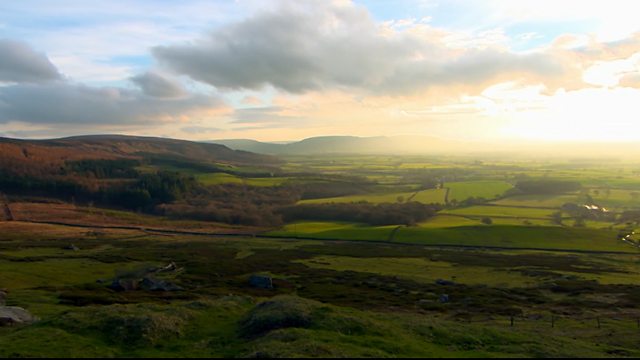
Winter arrives in the magnificent Glens of Antrim with a dual personality. Initially, it can seem a stark and challenging time. Biting winds often howl down the valleys, carrying fierce blizzards that paint the landscape white. Consequently, the world outside becomes a place of raw, untamed power. Yet, when the storms pause and the winds finally relent, a breathtaking, almost magical beauty emerges.
Sunlight might glint off frosted branches, turning the familiar hills into a sparkling wonderland. Indeed, the air feels crisp and clean, carrying the quiet hush that only snow can bring. For the people living here, winter is traditionally a season for bedding in. It’s a natural time for reflection, for gathering close as the elemental forces rage just beyond the windows. Therefore, life slows its pace, mirroring the dormant land outside.
Down at the historic Glenarm Castle, the winter season brings its own unique demands. Adrian Morrow, the dedicated estate manager, faces a poignant task. A mighty tree, a silent witness to hundreds of years of history, has sadly fallen victim to the harsh weather. This wasn’t just any tree; it was a landmark, its roots deeply entwined with the story of the estate.
However, rather than simply clearing it away, a thoughtful plan is taking shape. Adrian intends to carefully cut the substantial trunk and sturdy limbs. Afterwards, the valuable timber will be repurposed, finding new life as beautiful, handcrafted tables. This approach ensures the ancient tree’s legacy continues, becoming part of the castle’s future, not just its past. It’s a respectful nod to heritage, even amidst loss.
Meanwhile, within the protective embrace of the castle’s walled garden, another kind of preparation is underway. Though the beds lie mostly quiet under the winter sky, head gardener Jordan is already thinking months ahead. His focus is firmly on the vibrant promise of spring. Specifically, he’s beginning the essential groundwork for next year’s much-anticipated tulip festival.
This involves meticulous planning and careful tending of the soil, ensuring everything is perfect for the bulbs. Although the colourful spectacle is still far off, the work done now, during these colder, quieter days, is crucial. It’s a task filled with hope, envisioning the riot of colour that will eventually banish the winter greys. Jordan works steadily, his actions a quiet promise of the warmth and vibrancy to come.
Further north, amidst the rolling hills and winding roads, Theresa O’Hare is embarking on a heartwarming mission. Representing the invaluable Heart of the Glens Landscape Partnership, she carries wonderful news. Her destination is the home of Aoife NicCoinnigh, a talented eleven-year-old musician with a passion for traditional sounds.
Unbeknownst to Aoife, she has been chosen as the recipient of a special bursary. This significant award will enable her to seriously study the uilleann pipes, an instrument deeply rooted in Irish culture. Soon after receiving the surprising news, an excited Aoife travels south to Dublin. There, she will be professionally fitted for her very first set of pipes. It’s a momentous step, the beginning of a new chapter in her musical journey, supported by her community.
Of course, winter in the Glens doesn’t mean life grinds to a halt, especially not on the farms. Despite the often cold and relentlessly wet conditions, essential work must continue. High on the dramatic cliffs of Fairhead, and across the windswept moors of Glenwherry, farming life carries on. For instance, brothers Sean and Gerard McBride are busy tending their flock. They methodically dose their sheep, a vital task to keep the animals healthy through the challenging season.
Elsewhere, on the expansive Glenwherry estate, grouse gamekeeper Alex Rodgers is equally occupied. He diligently sets traps, not for game, but for rats. This careful management is crucial for protecting the moorland ecosystem, particularly the ground-nesting birds like grouse. It’s demanding work, requiring resilience against the elements, yet it’s fundamental to life here.
As the days grow shorter and colder, the charming coastal villages nestled within the Glens begin to sparkle with festive cheer. Preparations for Christmas inject warmth and light into the winter landscape. In picturesque Carnlough, Robert and Tiffany McKay are bustling with anticipation. Having opened a new cafe in the village just a couple of months prior, they are now excitedly preparing for their very first evening event. This special occasion is the village’s annual Christmas lights switch-on, a focal point for the community.
They work tirelessly, hoping to create a welcoming, festive atmosphere for locals and visitors alike. Similarly, nearby Glenarm is also embracing the festive spirit. The village hosts its popular Christmas fair, drawing crowds with crafts, food, and seasonal joy. Adding a touch of magic, estate manager Adrian Morrow even takes on the role of conductor for the beloved Santa train ride, delighting children.
Chronicles of the Glens episode 2
Then, as the calendar turns to January and February, winter often tightens its grip. The temperatures plunge further, frequently bringing heavier snowfall. Consequently, the already stunning Glens landscape transforms into something truly ethereal under its white blanket. Rolling hills, stone walls, and bare trees look incredibly beautiful, softened and silenced by the snow.
It’s a scene of profound peace and stillness. However, this beauty comes with a potentially brutal edge. Winter storms can intensify during these months, becoming particularly fierce. This is especially true in exposed areas like Glenshesk, where the Devlin family diligently farms their sheep. Here, battling deep drifts and navigating treacherous conditions becomes a demanding reality of daily life, testing their resolve against the raw power of nature.
Back within the relative shelter of Glenarm, an unexpected and joyful event unfolds. There is a wonderful surprise in store for head gamekeeper Alex Rodgers. Unbeknownst to him, his significant contributions to conservation have been recognised at the highest level. He has won the prestigious Purdey award, a highly respected honour in the world of game and conservation management. His dedicated work on Glenwherry Hill, focusing on habitat restoration and wildlife preservation, earned him this accolade.
To celebrate, the estate staff have secretly gathered in the castle tearoom. Alex walks in, completely unaware, to find a room full of smiling faces ready to applaud his remarkable achievement. It’s a truly heartwarming moment, a testament to his passion and the community’s appreciation for his efforts.
Gradually, however, the relentless grip of winter begins to loosen. Subtle signs of change start to appear across the Glens. Though still prone to chilly days, the light begins to shift, holding a little more promise. The earliest buds might start to swell, almost imperceptibly. Furthermore, the calls of returning birds might occasionally pierce the quiet air. It feels like the land is slowly awakening from its slumber. Soon, the vibrant greens and burgeoning life of spring will arrive, transforming the landscape once again.
Yet, as this particular winter draws towards its close, an unforeseen shadow looms on the horizon. News of the rapidly spreading Covid-19 pandemic begins to circulate, casting uncertainty over the coming season. This year, it seems, will bring a spring unlike any other the Glens have ever known, marking an end to winter but the beginning of a profoundly different chapter.
Winter’s Embrace: A Season of Resilience and Renewal
The winter story of the Glens of Antrim reveals a profound truth about life in this remarkable corner of Northern Ireland. Indeed, beneath the snow-laden landscape lies a community that doesn’t merely endure the cold months—it thrives through them with remarkable spirit and ingenuity.
From Adrian Morrow’s thoughtful repurposing of a fallen giant at Glenarm Castle to Jordan’s hopeful preparations for spring’s tulip festival, we witness how winter becomes a season of creative possibility. Furthermore, these quieter months provide space for meaningful recognition, as seen in Alex Rodgers’ well-deserved conservation award.
The winter glens transform into a canvas where human stories intertwine beautifully with the natural world. Consequently, even harsh conditions become opportunities for connection and celebration. The Christmas festivities in Carnlough and Glenarm illustrate how communities draw closer when darkness falls earlier and temperatures drop lower.
Perhaps most touching is young Aoife’s musical journey, beginning amidst winter’s grip yet promising to bloom like spring itself. Her story mirrors the seasonal cycle perfectly—a time of preparation before expression, of learning before performance.
Winter in the Glens teaches us patience above all. The farmers who tend their flocks through blizzards understand this intimately. Therefore, they move in rhythm with the season rather than fighting against it, honoring centuries-old wisdom passed through generations.
As winter eventually loosens its hold, we’re reminded of nature’s constant movement. The landscape never truly sleeps; it merely gathers strength beneath its snowy blanket. Similarly, the people of the Glens use winter’s pause to prepare for future flourishing.
Yet this particular winter’s end brings unprecedented uncertainty. The approaching pandemic represents a storm unlike any these communities have weathered before. However, the resilience displayed throughout these winter months suggests they’ll face this new challenge with the same determined spirit.
The Glens of Antrim in winter reveal a timeless dialogue between humans and nature. Through both bitter cold and breathtaking beauty, this relationship continues evolving. Additionally, each winter story becomes another chapter in the ongoing chronicles of this extraordinary place.
Winter here isn’t merely something to survive—it’s something to embrace. Like a treasured old tale told by firelight, it reminds us that every ending contains the seeds of beginning, every challenge holds opportunity, and every season has its own particular magic worth celebrating.
FAQ Chronicles of the Glens episode 2 – Winter
Q: How would you describe winter in the Glens of Antrim?
A: Winter in the Glens of Antrim presents a fascinating dual personality. Initially, it arrives with stark challenges – biting winds howl through valleys, bringing fierce blizzards that blanket the landscape in white. However, when storms pause and winds relent, a breathtaking beauty emerges. Sunlight glints off frosted branches, transforming familiar hills into a sparkling wonderland. The air feels notably crisp and clean, carrying the unique hushed quality that only snow can bring. For local residents, this season traditionally encourages slowing down and gathering close while elemental forces rage beyond their windows.
Q: What happens at Glenarm Castle during the winter months?
A: Glenarm Castle buzzes with meaningful activity during winter. Estate manager Adrian Morrow undertakes thoughtful preservation work, such as repurposing fallen historic trees into handcrafted tables rather than simply removing them. Meanwhile, within the castle’s walled garden, head gardener Jordan focuses on spring preparations, particularly the groundwork for the upcoming tulip festival. Additionally, the estate hosts popular community events like the Glenarm Christmas fair and Santa train rides, where Adrian Morrow himself sometimes acts as conductor, creating magical experiences for visiting children.
Q: How do farmers in the Glens manage their work during winter?
A: Despite challenging winter conditions, farming life in the Glens continues without pause. In areas like Fairhead’s dramatic cliffs and Glenwherry’s windswept moors, farmers demonstrate remarkable resilience. Brothers Sean and Gerard McBride methodically dose their sheep, a crucial task for maintaining animal health throughout the harsh season. On Glenwherry estate, grouse gamekeeper Alex Rodgers diligently sets traps for predators like rats, protecting the delicate moorland ecosystem and ground-nesting birds. Furthermore, in exposed areas such as Glenshesk, the Devlin family battles deep snow drifts while tending their sheep herds.
Q: What cultural activities take place in the Glens during winter?
A: Winter in the Glens brings vibrant cultural engagement. Organizations like the Heart of the Glens Landscape Partnership support local traditions, exemplified by their bursary awarded to eleven-year-old Aoife NicCoinnigh for studying uilleann pipes, an instrument deeply rooted in Irish heritage. Communities also celebrate together through seasonal festivities. Carnlough’s annual Christmas lights switch-on serves as a focal point for residents, while Glenarm’s Christmas fair attracts visitors with crafts, food, and holiday cheer. These events create warm gathering spaces that contrast beautifully with the winter chill outside.
Q: How does the landscape change during the depths of winter?
A: As January and February arrive, winter transforms the Glens landscape into something truly ethereal. Heavier snowfall creates a white blanket over rolling hills, stone walls, and bare trees, softening every familiar contour. This snowy covering produces scenes of profound peace and stillness. Yet this serene beauty harbors a potentially brutal edge, especially during intensified winter storms. The transformed terrain creates both visual splendor and practical challenges, particularly for residents in exposed areas who must navigate treacherous conditions while maintaining their daily responsibilities.
Q: What conservation efforts continue through winter in the Glens?
A: Conservation work remains vital throughout winter in the Glens. Notably, gamekeeper Alex Rodgers earned the prestigious Purdey award for his dedicated efforts on Glenwherry Hill, focusing specifically on habitat restoration and wildlife preservation. His consistent work protecting ground-nesting birds represents the ongoing commitment to environmental stewardship even during harsh conditions. Meanwhile, at Glenarm Castle, Adrian Morrow demonstrates sustainable practices through thoughtfully repurposing fallen historic trees, ensuring their legacy continues rather than simply discarding them after storm damage.
Q: How do coastal villages in the Glens celebrate Christmas?
A: Coastal villages within the Glens sparkle with festive cheer as winter deepens. In picturesque Carnlough, new business owners like Robert and Tiffany McKay prepare enthusiastically for community celebrations such as the village’s annual Christmas lights switch-on. Their cafe, opened just months earlier, becomes part of creating a welcoming atmosphere for locals and visitors. Similarly, nearby Glenarm embraces the holiday spirit through its popular Christmas fair, which draws crowds with seasonal offerings. Additionally, special attractions like the Santa train ride become cherished traditions that bring warmth and light to the winter landscape.
Q: What signs indicate winter’s end in the Glens of Antrim?
A: Gradually, subtle changes signal winter loosening its grip across the Glens. Though chilly days persist, the quality of light shifts, carrying more promise than before. Early buds begin swelling almost imperceptibly on branches, while returning birds occasionally break the quiet with their calls. These small transformations suggest the land slowly awakening from its dormant period. This particular cycle described in the Chronicles mentioned an additional significant change – news of the spreading Covid-19 pandemic began circulating as winter concluded, indicating the approaching spring would bring unprecedented challenges alongside the usual seasonal renewal.
Q: How do local businesses adapt to winter conditions in the Glens?
A: Local businesses in the Glens demonstrate remarkable adaptability during winter months. New establishments, such as Robert and Tiffany McKay’s cafe in Carnlough, embrace seasonal opportunities by participating in community events like the Christmas lights ceremony. Meanwhile, Glenarm Castle’s operations shift toward hosting festive gatherings, including their popular Christmas fair. Tourism-focused businesses generally adjust their offerings to match winter’s different pace and atmosphere. Rather than viewing the season as a challenge, many enterprises incorporate its unique character into their activities, creating experiences that celebrate rather than merely endure the winter months.
Q: What makes winter in the Glens of Antrim unique compared to other regions?
A: Winter in the Glens of Antrim stands out through its striking contrast between challenging conditions and extraordinary beauty. The region’s distinctive geography – with dramatic coastlines, sheltered valleys, and exposed moorlands – creates varied winter experiences within relatively short distances. Furthermore, the strong community traditions maintain vibrant cultural life despite seasonal limitations. From the conservation efforts at Glenwherry to musical heritage supported through young musicians like Aoife, winter doesn’t diminish the area’s cultural richness. Additionally, centuries-old estates like Glenarm Castle provide continuity through generations, their winter activities reflecting deep connections between people, place, and seasonal rhythms.