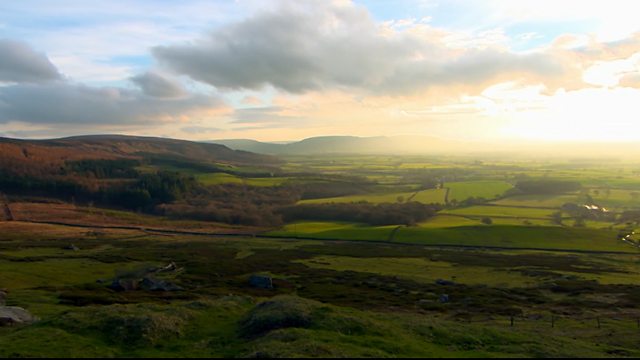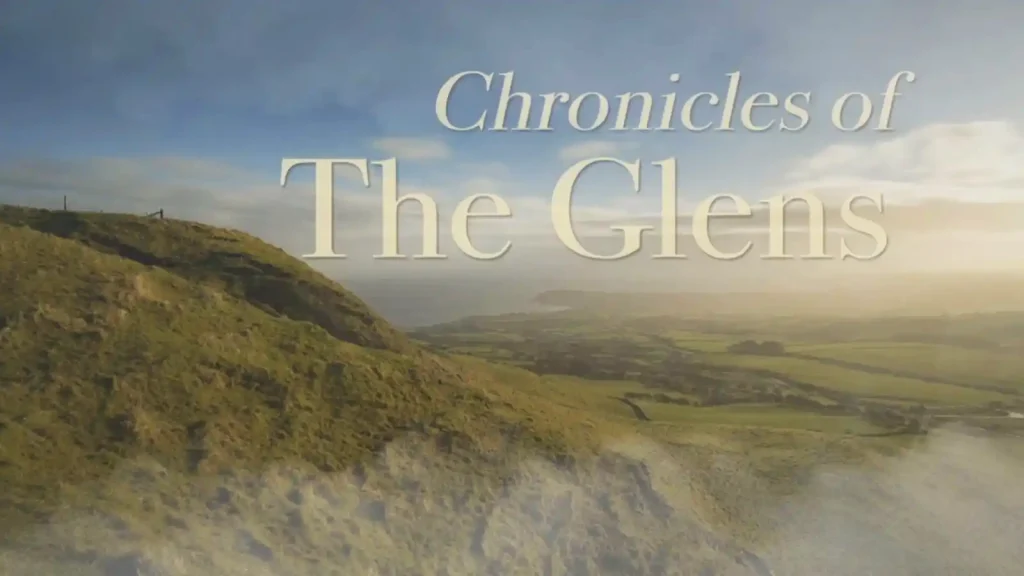
Chronicles of the Glens episode 3 – Spring arrives in the Glens of Antrim like a whispered promise. This year, it unfolds with extraordinary warmth, painting the landscape in vibrant sunshine. Indeed, it’s one of the most glorious springs anyone can remember. Life surges through the nine green valleys. You can almost feel the buzz of awakening nature after winter’s slumber. Birdsong fills the air, a cheerful soundtrack to the unfolding season. However, this beautiful awakening carries an undercurrent of unease. A shadow looms on the horizon, unknown and disruptive.
Across the rolling farmland, the rhythm of life continues, vital and demanding. Farmers find themselves deep in the busiest time of year. New life emerges everywhere you look. Lambs, small bundles of wool, take their first wobbly steps in the fields. Similarly, calving season demands constant attention and care. On the high, windswept moors, nature follows its own ancient schedule. Consequently, ground-nesting birds begin the delicate process of breeding. Their calls echo across the heather. Meanwhile, down in the villages, preparations for the beloved camogie season commence. Training sessions start, filled with energy and community spirit. It feels like a perfect spring, full of hope and familiar routines.
Yet, this idyllic scene is about to face an unprecedented challenge. The COVID-19 virus reaches the shores of the UK. Subsequently, Northern Ireland, including the tranquil Glens, enters lockdown. Life abruptly shifts gears. The familiar pulse of the community slows, replaced by uncertainty. This episode explores how the enduring beauty of the Glens becomes a vital sanctuary. It shows nature offering solace to residents navigating this strange new reality. The landscape provides a backdrop of constancy amidst sudden change.
Our journey begins earlier in the season, amidst signs of winter’s gentle retreat. Snowdrops, like tiny white bells, carpet the grounds around the historic Glenarm estate. Here, we meet Adrian, the estate manager. He faces the constant challenge of preservation. Today, he’s inspecting a troublesome leak in the castle roof. Adrian shares insights into the immense costs involved. Maintaining a property steeped in centuries of history is a demanding task. Furthermore, it requires dedication and significant resources. Each repair is a battle against time and the elements. This castle isn’t just stone; it’s a living piece of heritage.
Next, we venture onto the wild, expansive moors of Glenwherry. This area is also part of the vast Glenarm estate. Here, gamekeeper Alex Rodgers undertakes a crucial task. He’s conducting a preliminary count of the grouse population. With his specially trained dogs working diligently beside him, Alex combs the moorland. His aim is to understand the number of breeding pairs. This information is vital ahead of the upcoming season. The wind whistles around him, a constant companion in this exposed landscape. Moreover, his work highlights the careful balance between conservation and tradition. Alex feels a deep connection to this rugged terrain.
Then, our path leads us to the charming village of Cushendall. We meet Stephen O’Hara, a retired schoolteacher with a passion for stories. Alongside his wife, Stephen runs a unique storytelling cafe. It’s a cozy haven filled with warmth and local lore. As customers enjoy their tea and scones, Stephen captivates them. He weaves mythical tales and legends passed down through generations. These stories are intrinsically linked to the Glens themselves. Consequently, his cafe serves as more than just a business. It’s a vibrant hub preserving local culture and fostering community connection. Laughter and conversation usually fill the small space.
Suddenly, the atmosphere shifts dramatically. The lockdown order arrives, silencing the usual hum of life. Familiar routines cease almost overnight. The beautiful gardens of Glenarm Castle close their gates to visitors. Public spaces fall quiet. Cafes, pubs, and popular caravan sites also shut down. This brings immense frustration for many local business owners. Robert and Tiffany McKay, for instance, face bitter disappointment. They were eagerly preparing for their cafe’s crucial first summer season. Now, their hopes and plans hang precariously in the balance. The vibrant energy of spring tourism evaporates instantly.
However, not all activity can simply stop. Certain rhythms of life must continue, regardless of global events. On the Devlin family farm in scenic Glenshesk, life remains intensely busy. Lambing season is in full swing, demanding round-the-clock effort. Similarly, on the McBride farm perched dramatically on Fair Head, calving continues. Nature’s cycles disregard human crises. These farming families carry on their essential work. They demonstrate remarkable resilience amidst the surrounding uncertainty. Their dedication ensures continuity in the food chain. This work is fundamental, lockdown or not.
Chronicles of the Glens episode 3 – Spring
Back on the vast Glenwherry hills, Alex the gamekeeper finds himself in familiar territory. Isolation is part of his everyday life working the remote moors. While the world grapples with confinement, Alex continues his vital conservation work. By now, the grouse and other ground-nesting birds have laid their precious eggs. This makes them incredibly vulnerable. Therefore, Alex must work tirelessly to protect these nests from predators. Foxes and crows pose a constant threat. His solitary vigilance ensures the next generation of moorland birds has a chance. Nature’s drama plays out, unseen by most.
As the weeks pass, the stringent COVID-19 restrictions begin to slowly ease. A cautious sense of hope returns to the Glens. People start to emerge, drawn to the enduring beauty of the late spring landscape. Visitors gradually return, seeking solace and fresh air. Among them is Audrey Kyle, an artist based in nearby Islandmagee. She finds inspiration in the stunning Glenariff Forest Park. Specifically, Audrey sets up her easel to capture the famous waterfalls on canvas. Her art reflects nature’s resilience and its power to heal and inspire. The return of visitors signals a tentative step towards normalcy.
Unfortunately, the path forward remains difficult for some. Stephen O’Hara faces a significant challenge with his storytelling cafe in Cushendall. The future looks decidedly uncertain. Social distancing requirements pose a major obstacle. His intimate cafe space makes adhering to these rules incredibly difficult. It’s hard to see how the business can remain economically viable under such constraints. Consequently, there’s a real fear this cherished community hub might be lost. The potential closure represents more than just a business loss. It signifies a potential fading of tradition and connection. The pandemic casts long shadows, even as spring blooms. This episode beautifully captures that complex reality.
A Season of Resilience
As summer approaches, the Glens of Antrim stand as a testament to endurance. The vibrant landscapes continue their ancient rhythms, oblivious to human concerns. Meanwhile, the communities nestled within these nine valleys slowly adapt to their new reality. Life, like the rivers carving through Glenariff, finds a way forward despite obstacles.
The pandemic has touched every corner of the Glens. Consequently, businesses struggle, traditions falter, and uncertainty lingers like morning mist. Yet, through this collective challenge, a profound connection to the land has emerged. Many residents discover solace in the unchanging beauty surrounding them. The hills remain steadfast, offering perspective in tumultuous times.
For farmers like the Devlins and McBrides, work never ceased. Their hands remained in the soil, their eyes on their livestock. Similarly, Alex continues his solitary guardianship of the moorlands, protecting vulnerable nests from predators. These essential rhythms provide an anchor amid the storm of global upheaval.
The historic Glenarm Castle has weathered centuries of challenges. Now, it faces a modern crisis with the same quiet dignity. Adrian’s careful stewardship ensures this landmark will stand for future generations. The castle symbolizes the resilience that runs deep through the Glens’ cultural heritage.
Spring in the Glens typically heralds renewal and connection. This year, it brings isolation alongside its beauty. Nevertheless, the community spirit remains unbroken. Neighbors check on one another from a distance. Local businesses adapt with remarkable creativity. The famous Irish resilience shines through adversity like sunlight through clouds.
As restrictions gradually ease, visitors return cautiously to the Glens. They wander forest paths and gaze at waterfalls with newfound appreciation. The pandemic has taught a valuable lesson about cherishing natural beauty and community bonds. Audrey captures this sentiment in her paintings, preserving this extraordinary moment in artistic memory.
The future remains uncertain for treasured institutions like Stephen’s storytelling café. However, the stories themselves will endure. Tales of the Glens have survived centuries of hardship. They will continue, perhaps in new forms or venues.
This unprecedented spring reveals the true character of the Glens. The landscape and its people bend but don’t break. Like the hardy rowan trees dotting the hillsides, they stand resilient against the wind. Life in the Glens continues, different but undefeated, facing tomorrow with characteristic determination and hope.
FAQ Chronicles of the Glens episode 3 – Spring
Q: What are the Glens of Antrim and where are they located?
A: The Glens of Antrim are nine lush, green valleys located in County Antrim, Northern Ireland. These picturesque glens stretch from the Antrim Plateau down to the coast, creating a stunning landscape that attracts visitors throughout the year. Each glen has its own unique character and charm, with notable examples including Glenariff, Glenshesk, and Glenwherry. The region is known for its rich cultural heritage, diverse wildlife, and breathtaking natural beauty.
Q: What makes spring in the Glens of Antrim special?
A: Spring in the Glens of Antrim unfolds like a whispered promise, transforming the landscape with extraordinary vibrancy. The season brings a surge of life through the nine valleys, with birdsong filling the air as nature awakens from winter’s slumber. Farmers become busy with lambing and calving seasons, while ground-nesting birds begin their breeding process on the windswept moors. Additionally, local communities traditionally start preparations for cultural activities like the camogie season. The combination of natural rebirth and community spirit creates an atmosphere of hope and renewal throughout the region.
Q: What historical sites can be found in the Glens of Antrim?
A: The Glens of Antrim house several significant historical sites, with Glenarm Castle standing as a prominent example. This historic estate features beautiful gardens and a castle that has witnessed centuries of Irish history. Maintaining such properties requires dedicated preservation efforts and significant resources, as they represent living pieces of heritage rather than mere stone structures. Furthermore, the region contains ancient ruins, traditional villages like Cushendall, and numerous sites associated with local legends and folklore that have been passed down through generations, making the area a treasure trove for history enthusiasts.
Q: What wildlife can be observed in the Glens of Antrim?
A: The diverse ecosystems of the Glens of Antrim support rich wildlife, particularly on the moorlands of areas like Glenwherry. Grouse populations thrive here under the watchful eye of gamekeepers who monitor breeding pairs and protect vulnerable nests from predators such as foxes and crows. Meanwhile, the spring season welcomes numerous ground-nesting birds whose calls echo across the heather. Throughout the glens, visitors might spot newborn lambs taking their first wobbly steps in the fields, various bird species, and occasionally wild deer or foxes moving through the landscape at dawn or dusk.
Q: How do the local farming communities contribute to life in the Glens of Antrim?
A: Farming communities form the backbone of life in the Glens of Antrim, maintaining ancient traditions and rhythms regardless of external circumstances. Families like the fictional Devlins in Glenshesk and McBrides at Fair Head demonstrate remarkable resilience through their constant care of livestock and land. Spring brings their busiest season with lambing and calving requiring round-the-clock attention. Consequently, these farming families ensure food production continues uninterrupted while simultaneously acting as stewards of the landscape. Their work preserves both cultural heritage and the characteristic pastoral scenes that define the Glens’ identity.
Q: What cultural traditions exist in the Glens of Antrim?
A: The Glens of Antrim preserve rich cultural traditions, with storytelling standing as a particularly cherished practice. Local establishments like the storytelling café mentioned in Chronicles of the Glens serve as vibrant hubs where tales and legends intrinsically linked to the landscape are shared. Similarly, traditional Irish sports such as camogie hold special significance in village life, with training sessions fostering community spirit. Throughout the region, music, dance, and crafts continue to thrive, passing from one generation to the next. These traditions create a sense of continuity and identity that connects present residents to their ancestors who shaped the glens.
Q: What natural features make Glenariff Forest Park popular with visitors?
A: Glenariff Forest Park captivates visitors with its spectacular waterfalls that cascade through ancient woodland, earning it the nickname “Queen of the Glens.” Artists like Audrey Kyle from nearby Islandmagee frequently draw inspiration from these majestic falls, setting up easels to capture their beauty on canvas. Additionally, the park offers well-maintained walking trails that wind through varied terrain, revealing stunning viewpoints overlooking the glen and coast beyond. The diverse habitats within the park support a rich variety of plant and animal life, making it a paradise for nature enthusiasts in all seasons.
Q: How do the seasons change the landscape of the Glens of Antrim?
A: The Glens of Antrim undergo dramatic transformations with each passing season, creating an ever-changing tapestry of natural beauty. Winter brings a quiet slumber, occasionally dusting the hills with snow before giving way to spring’s awakening, when snowdrops carpet the grounds like tiny white bells around estates such as Glenarm. Summer bathes the nine valleys in golden light, highlighting their lush greenery, while autumn paints the landscape in rich amber and crimson hues. These seasonal shifts influence not only the visual appearance but also the activities of wildlife and local communities throughout the year.
Q: What conservation efforts protect the Glens of Antrim?
A: Conservation in the Glens of Antrim combines traditional practices with modern approaches to preserve this unique landscape. Gamekeepers like Alex Rodgers play a crucial role by monitoring wildlife populations and protecting vulnerable species, particularly ground-nesting birds on the moorlands. Their work represents a careful balance between conservation and tradition that has evolved over generations. Furthermore, parts of the glens fall under various protection designations, and local initiatives focus on maintaining biodiversity, preventing erosion, and ensuring sustainable tourism. These efforts help safeguard the natural heritage for future generations while allowing current residents and visitors to enjoy its beauty.
Q: How accessible are the Glens of Antrim for tourists?
A: The Glens of Antrim offer excellent accessibility for tourists through the scenic Causeway Coastal Route, which winds along the coastline and provides access to all nine glens. Visitors can explore charming villages like Cushendall, where local culture thrives in cafés and pubs that serve as community hubs. Numerous walking trails accommodate different fitness levels, from gentle forest strolls to challenging hillside hikes with breathtaking views. Moreover, attractions such as Glenarm Castle gardens welcome tourists seasonally, while natural wonders like Glenariff’s waterfalls remain popular destinations year-round. The region caters to various interests, from history and culture to outdoor adventures and peaceful retreats.