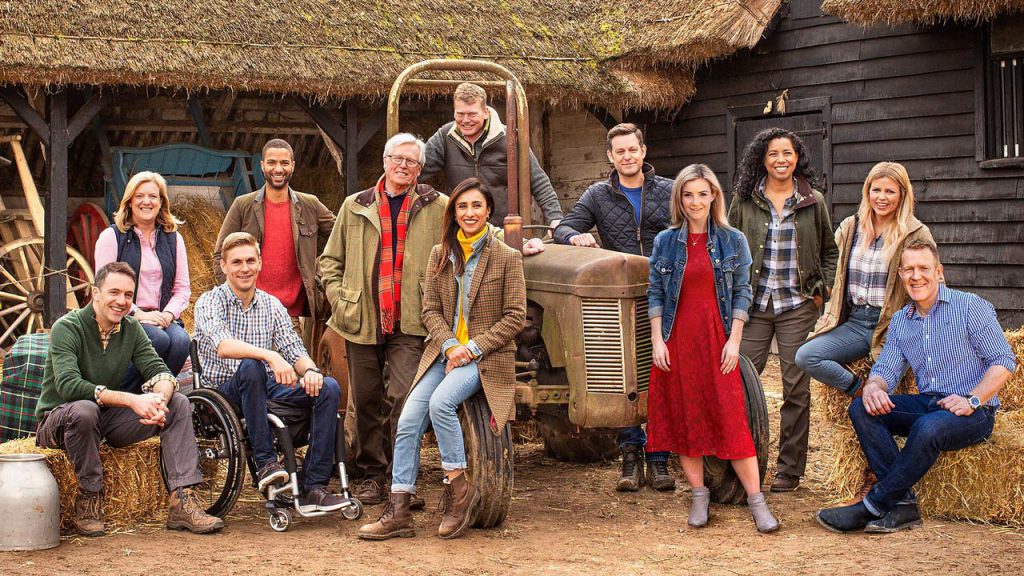
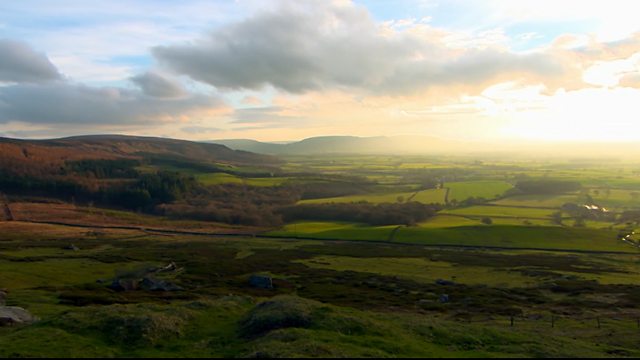
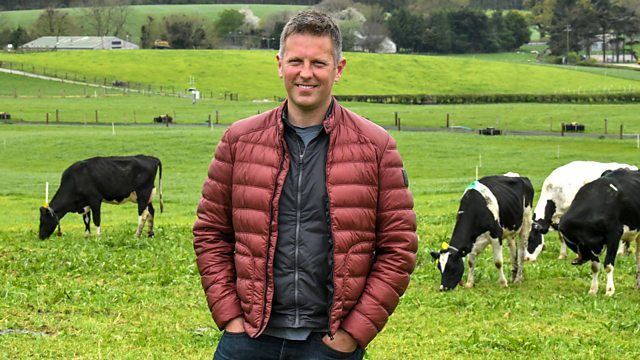
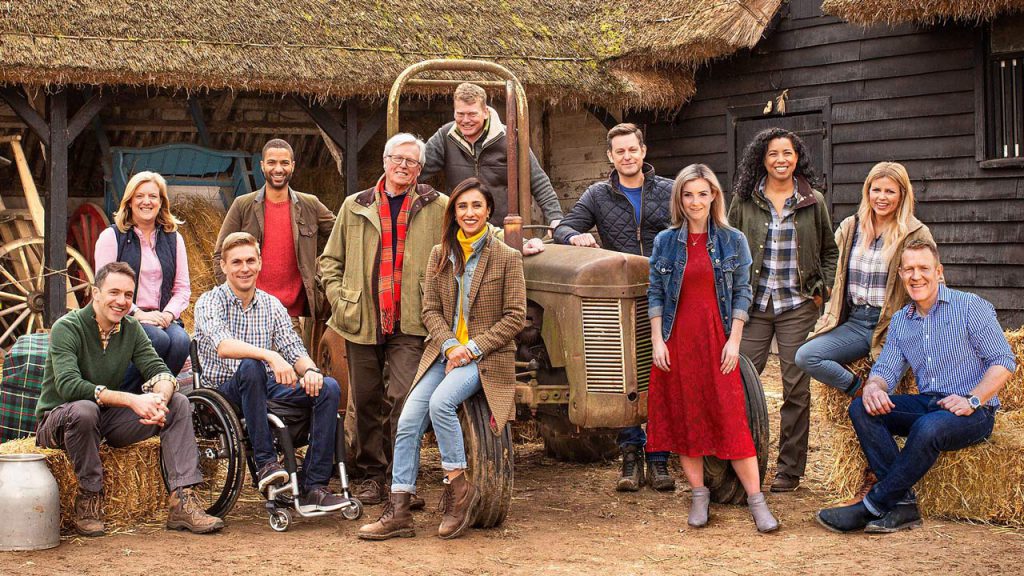
Countryfile – Adam’s Farming Families – The Lemons: In the heart of the English countryside lies a story of heritage and hope. The rolling green hills of Wiltshire provide a stunning backdrop for this tale. Here, Countryfile presenter Adam Henson connects with three generations of the Lemon family. Their story is a powerful snapshot of modern British farming. It is a narrative woven with threads of tradition, innovation, and profound family bonds. This is more than just a visit; it is a deep dive into the soul of a contemporary Family Farm.
The Lemon family’s operation is a vast, technologically advanced arable business. However, it is currently navigating a period of significant transformation. At the head of the family is Grandad Peter. Although mostly retired, his presence is a constant, gentle force. He watches with immense pride as his son, David, and grandson, James, guide the farm forward. Consequently, his decades of experience form the bedrock upon which everything is built. Peter’s legacy is like the deep roots of an old oak tree, providing stability and wisdom.
Meanwhile, David represents the steadfast present. He has skillfully managed the farm through years of change. His hands have steered the high-tech machinery across these fields for years. He understands the modern pressures of large-scale agriculture. Therefore, his role has been to honour his father’s work while ensuring the farm remains profitable. David acts as the crucial bridge between the tried-and-tested methods of the past and the bold new ideas of the future. His pragmatism ensures the family’s legacy continues to thrive.
However, a new era is dawning on the Lemon farm, ushered in by grandson James. He is a young farmer with a vision for the future. James is looking beyond simple yields and profit margins. Instead, he is focused on the long-term health of the land itself. He champions a philosophy of regenerative farming. This approach seeks to work in harmony with nature, not against it. It is a bold step away from conventional methods. Indeed, James is helping to write the next exciting chapter in his family’s story.
One of the most significant changes James is spearheading is truly remarkable. After decades of absence, livestock are returning to the Lemon family’s fields. This decision represents a full-circle moment for the farm. The rhythmic grazing of animals will soon enrich the soil once more. This reintroduction is not driven by nostalgia. Furthermore, it is a calculated move to improve soil biology and create a more resilient, integrated farming system. The return of animal life feels like a homecoming, restoring a vital piece of the farm’s soul.
The dynamic between the three generations is truly fascinating to witness. Their daily conversations are a beautiful blend of past, present, and future. Peter offers the wisdom of experience, a library of knowledge stored in his memory. David provides the voice of practical reality, grounding new ideas in solid business sense. Then, James brings the spark of innovation, challenging them to think differently. Adam Henson, a passionate farmer himself, helps navigate these conversations. He understands the delicate balance between honouring tradition and daring to change.
As a fellow farmer, Adam connects deeply with the family’s journey. He recognizes the challenges they face are shared by many across the UK. The rising cost of inputs, unpredictable weather, and shifting public perceptions all weigh heavily. Yet, he also sees the incredible passion that fuels their work. Adam appreciates that for families like the Lemons, farming is not just a job. It is a vocation, a way of life, and a legacy they are building for those who will follow.
Countryfile – Adam’s Farming Families – The Lemons
In practice, the shift towards regenerative agriculture is already visible. The family is experimenting with cover crops to protect the soil during winter. They are also exploring no-till drilling techniques. This method plants seeds directly into the ground without ploughing. This minimizes soil disturbance, which helps to lock in carbon and moisture. Instead of simply taking from the earth, they are actively giving back. This partnership with nature promises a healthier, more sustainable future for their corner of Wiltshire.
To illustrate that this story resonates across the nation, Adam delves into the Countryfile archives. He revisits other inspiring farming families featured over the years. These stories highlight a common thread running through British agriculture. They showcase the resilience, ingenuity, and unwavering dedication of those who work the land. Each Family Farm has its own unique story. Yet, they all share a profound commitment to stewardship and a desire to leave the land better than they found it.
Ultimately, the Lemon family’s farm is a microcosm of the changes sweeping through the industry. Their story is a hopeful testament to the power of adaptation. They prove that it is possible to respect the wisdom of the past while boldly embracing the future. Their journey in Wiltshire is more than just a television feature. It is an inspiring lesson in how love for family and land can create a lasting, living legacy for generations to come.
Countryfile – Adam’s Farming Families – The Lemons review
The episode Countryfile – Adam’s Farming Families – The Lemons offers a compelling look into the life of a modern farming family. In the picturesque countryside of Wiltshire, presenter Adam Henson meets three generations of the Lemon family. Their story reveals the intricate balance between honoring tradition and embracing innovation. The family’s journey provides a powerful snapshot of contemporary British agriculture. It is a narrative woven with threads of heritage, inventive new practices, and deep family bonds. This exploration goes beyond a simple visit. It is a deep dive into the heart of a modern Family Farm.
The challenges facing today’s farmers are complex and multifaceted. They must navigate economic pressures, ensuring their operations remain profitable. Simultaneously, there is a growing emphasis on environmental stewardship. The family farm model remains a cornerstone of the UK’s agricultural landscape. These farms are often the custodians of rural traditions and landscapes. Their ability to adapt and thrive is crucial for the nation’s food security and the health of its countryside. The Lemons exemplify this dynamic struggle and opportunity in modern farming.
This look at Countryfile – Adam’s Farming Families – The Lemons delves into several key themes. It explores the critical process of farm succession. It examines the push and pull between traditional methods and forward-thinking, regenerative agriculture. The story also highlights the vital role of diversification in securing a farm’s future. Through the Lemon family’s experiences, and those of other farms featured from the Countryfile archives, a rich picture of resilience emerges. It shows how farming families are securing their legacy for generations to come.
The Lemon family’s history on their Wiltshire farm is a story of generational handover. Manor Farm’s story began with the current patriarch’s grandfather, David Lemon. He bravely started his own farming enterprise at just 18 years old. His son, Peter, took the helm in 1970, continuing to build the farm’s foundation. About two decades ago, Peter’s son David, along with his wife Millie, took over the reins. They now manage a large-scale operation. The farm spans around 1,335 hectares, primarily dedicated to arable crops like wheat, barley, oilseed rape, and maize.
Now, a fourth generation is making his mark. David and Millie’s 18-year-old son, James, is already deeply involved in the farm’s daily life. He works alongside his father and grandfather whenever he is not at agricultural college. The dynamic between these three generations is central to the farm’s success. It showcases a living library of knowledge being passed down. Grandad Peter handles the crucial paperwork in the office. David oversees the broader strategy. Meanwhile, James is on the front lines, operating complex machinery and learning the hands-on skills that make the farm run.
This blend of experience is a powerful asset. The family works together as a cohesive unit, navigating the daily demands of their large enterprise. Their story is not just about growing crops. It is about cultivating a future. It demonstrates how heritage and youthful energy can combine to create a thriving and sustainable farming business. This intergenerational collaboration forms the bedrock of their entire operation, ensuring that the legacy of the Lemon family continues to flourish in the heart of Wiltshire.
A Legacy of Knowledge and the Weight of Responsibility
The day-to-day operations at Manor Farm vividly illustrate the process of generational knowledge transfer. A key scene involves loading 29 tonnes of barley from the farm’s 6,000-tonne grain store onto a lorry. Each family member has a distinct role. Grandad Peter, with his years of experience, manages the office work, recording weights and ensuring the Red Tractor-assured grains have their correct passport for export. This task, while seemingly administrative, is the final, crucial step in the supply chain. It represents the culmination of a season’s hard work and requires precision and trust.
Meanwhile, 18-year-old James operates the telehandler, a significant responsibility for a young farmer. His father, David, watches with a mix of pride and apprehension. He recalls doing his first harvest at 17. David acknowledges that while James is “keen as mustard,” he still has much to learn. This learning process inherently involves making mistakes. A minor miscalculation by James leads to a spilled bucket of grain, a practical “learning lesson” that underscores the challenges of mastering the trade. The incident is handled with patience, a testament to the supportive environment needed for a young person to grow in their farming career.
Grandad Peter offers profound wisdom on the topic of succession within a Family Farm. He is a great believer that a farmer’s son should not return home immediately after college. He advises young farmers to first work on another farm. Peter explains that this allows them to make “man management mistakes” away from home, where the consequences are not lifelong. This perspective highlights the complex human dynamics involved in running a family business. Peter’s own transition with his son David was managed by formally dividing every aspect of the farm’s responsibilities on paper, ensuring clarity and preventing conflict. This structured approach to succession is a key reason their multi-generational model works so well.
Countryfile – Adam’s Farming Families – The Lemons: Embracing Regenerative Farming
While deeply rooted in tradition, the Lemon family is not standing still. They are actively shifting their approach to agriculture, moving towards a more regenerative model. This evolution is driven by both a modern understanding of soil science and the vision of the next generation. David explains that they have made “huge strides” in this direction. A primary change is a drastic reduction in soil cultivation and disturbance. This practice helps to preserve soil structure, promote microbial life, and prevent erosion, forming a cornerstone of regenerative principles.
However, David is pragmatic about this transition. He emphasizes that they are “still chasing yield” and trying to “turn the biggest profit” they can. This sentiment captures a core challenge for modern farmers. They must balance ecological goals with economic reality. As David puts it, “The first rule of sustainability is that I can be sustained and still be here farming next year.” This philosophy of farming as regeneratively as possible while maintaining profitability is a key theme of Countryfile – Adam’s Farming Families – The Lemons. It is not about abandoning productive farming but about making it smarter and more resilient for the long term.
A significant part of this shift is the reintroduction of livestock to the traditionally arable farm, an idea championed by James. The family has started a small enterprise, taking in dairy heifers from another farm on a “bed and breakfast” basis. They are paid to house and feed the animals, which provides a new income stream. More importantly, it brings animal manure back into their system.
This natural fertilizer is vital for improving soil health and reducing reliance on artificial inputs. David sees this as a return to the principles of mixed farming that his grandfather would have practiced, but now informed by modern science. This blending of old wisdom and new techniques is central to their vision for the future of their Wiltshire farm.
Diversification as a Key to Survival
The episode highlights that for many farms, diversification is not just an option but a necessity for survival. While the Lemons are diversifying by integrating livestock, other stories from the Countryfile archive showcase different paths. In Surrey, one segment revisits the last commercial hop producer in Farnham. Hop growing is a highly specialized and labor-intensive form of agriculture. It requires age-old skills, from manually training each vine up a coir string to the intricate process of picking, drying, and pressing the hops. This example shows how a farm can thrive by focusing on a high-value, niche crop with deep historical roots, supplying the craft beer industry.
Another powerful example comes from Emily, a young farmer in County Down. She has transformed her father’s farm by opening it to the public. Her flower-picking events, complete with a coffee shop and a maize maze, create a direct connection with consumers and generate a vital new income stream. Her father, Adrian, shows remarkable support for her entrepreneurial ventures, recognizing that the old ways of farming vegetables were no longer sustainable for them. He notes that this diversification has brought “light” back into the farm. This story demonstrates how agritourism can revitalize a smaller farm, turning it into a community destination.
In North Wales, the Jones family provides a heartwarming example of diversification aimed at nurturing the next generation. To safely involve their young sons, aged six and two, in the farm, they brought in Valais Blacknose sheep. This breed is known for its docile and friendly nature, allowing the children to interact with the animals directly. This is a strategic investment in the family’s future, designed to kindle a passion for farming from the earliest possible age. From the high-tech coordination of farming with military exercises on Salisbury Plain to these smaller, family-focused ventures, it’s clear that creative thinking and a willingness to adapt are essential for the modern Family Farm.
Countryfile – Adam’s Farming Families – The Lemons: The Vision of the Next Generation
The future of Manor Farm appears to rest on the capable shoulders of James Lemon. He is enthusiastic and clear-eyed about the path ahead. His immediate plans include traveling to New Zealand for a gap year to gain valuable outside experience, a move strongly endorsed by his grandfather. Following that, he aims to attend a top agricultural university like Harper Adams or Cirencester to gain the formal qualifications needed to manage a complex business. This combination of practical international experience and higher education will equip him with a broad perspective on agriculture.
James is also keenly aware of the pressures that come with this legacy. The conversation with Adam Henson touches on the serious issue of mental health in farming, an industry with high rates of suicide. James acknowledges that the younger generation is more open to talking about their feelings. He has personally known people who have struggled, highlighting the immense weight of taking on a family farm. His father, David, echoes this sentiment, stating forcefully that his children must be happy. He insists that if they do not want to farm, they should not feel pressured into a life that can be a “millstone around your neck.”
Despite these pressures, James’s outlook is overwhelmingly positive. He is excited to make farming his life’s work. His passion for bringing livestock back to the farm is not just about soil health; it is about making the farm feel more complete. He says having the cows around provides “cheerful faces” and a welcome change from sitting on a tractor all day. This passion, combined with the support of his family, suggests a bright future. As his father David notes, Grandad Peter is “delighted” that another generation wants to farm, ensuring the continuation of a legacy built on hard work, community, and a deep love for the Wiltshire land.
FAQ Countryfile – Adam’s Farming Families – The Lemons
Q: What is Countryfile’s Adam’s Farming Families series about?
A: Adam’s Farming Families is a special Countryfile segment where presenter Adam Henson visits multi-generational farming families across Britain. Furthermore, the series explores how these families balance traditional agricultural methods with modern innovations. Each episode showcases the challenges, successes, and evolving practices of contemporary British farming through intimate family stories.
Q: Who are the Lemon family featured in this episode?
A: The Lemon family operates Manor Farm in Wiltshire, representing four generations of agricultural heritage. Currently, three generations work together: Grandad Peter (mostly retired), his son David who manages daily operations, and 18-year-old grandson James who is learning the trade. Additionally, the farm spans 1,335 hectares and primarily grows arable crops including wheat, barley, oilseed rape, and maize.
Q: What is regenerative farming and why are the Lemons adopting it?
A: Regenerative farming focuses on working in harmony with nature to improve soil health and create sustainable agricultural systems. Specifically, the Lemons have reduced soil cultivation, implemented no-till drilling techniques, and introduced cover crops. Moreover, they’re reintroducing livestock to their arable farm, which provides natural fertilizer and enhances soil biology while maintaining profitability.
Q: How do three generations successfully work together on the farm?
A: The Lemon family has structured clear roles for each generation to prevent conflicts. Grandad Peter handles office work and paperwork, David manages overall strategy and operations, while James operates machinery and learns hands-on skills. Additionally, Peter believes young farmers should work elsewhere first to gain experience and make mistakes away from the family business before returning home.
Q: What challenges do modern farming families like the Lemons face?
A: Contemporary farming families navigate multiple pressures including rising input costs, unpredictable weather patterns, and shifting public perceptions about agriculture. Furthermore, they must balance economic viability with environmental stewardship requirements. The episode also addresses mental health concerns in farming, which has high suicide rates, emphasizing the importance of family support and open communication about these challenges.
Q: Why are the Lemons reintroducing livestock to their arable farm?
A: After decades without animals, the Lemons are bringing livestock back through a ‘bed and breakfast’ arrangement with dairy heifers from another farm. This strategic decision provides additional income while reintroducing natural manure to improve soil health. Additionally, James appreciates having ‘cheerful faces’ around the farm, making daily work more enjoyable than spending all day on tractors.
Q: How important is farm diversification for survival?
A: Farm diversification has become essential for many agricultural businesses to remain viable. The episode showcases various approaches: Surrey’s last commercial hop producer focuses on niche, high-value crops for craft beer, while County Down’s Emily transformed her father’s vegetable farm into an agritourism destination. Consequently, these examples demonstrate how creative thinking and adaptation secure farming futures.
Q: What role does Adam Henson play in these farming family stories?
A: As a farmer himself, Adam Henson brings authentic understanding to these family conversations, helping navigate discussions between generations about tradition versus innovation. Moreover, he recognizes that the challenges these families face are shared across UK agriculture. His farming background allows him to appreciate both the passion driving these families and the practical realities they must address daily.
Q: What are James Lemon’s plans for the farm’s future?
A: James plans to gain international experience through a gap year in New Zealand before attending agricultural university at Harper Adams or Cirencester. His vision includes expanding the livestock integration and continuing regenerative farming practices. However, his father David emphasizes that farming must make James happy, stating children shouldn’t feel pressured into a life that could become ‘a millstone around your neck.’
Q: What makes the Lemon family story representative of British agriculture?
A: The Lemon family exemplifies the broader transformation occurring across British farming, where traditional knowledge meets innovative practices. Their story demonstrates how family farms serve as custodians of rural landscapes while adapting to modern challenges. Furthermore, their commitment to leaving the land better than they found it reflects the widespread dedication among British farming families to sustainable stewardship and generational legacy.