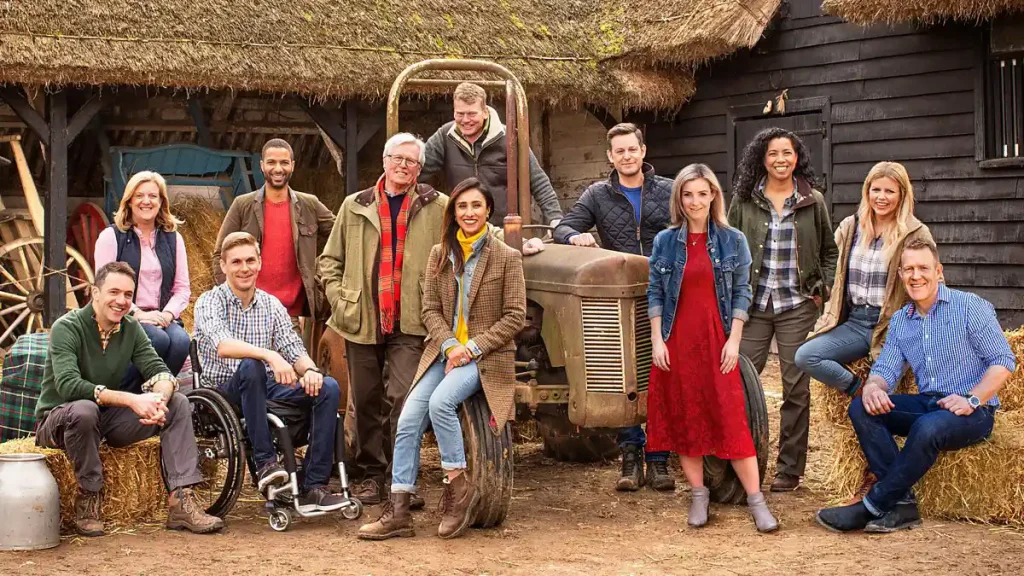
Countryfile Visits Blenheim Estate: Where Heritage Meets Innovation
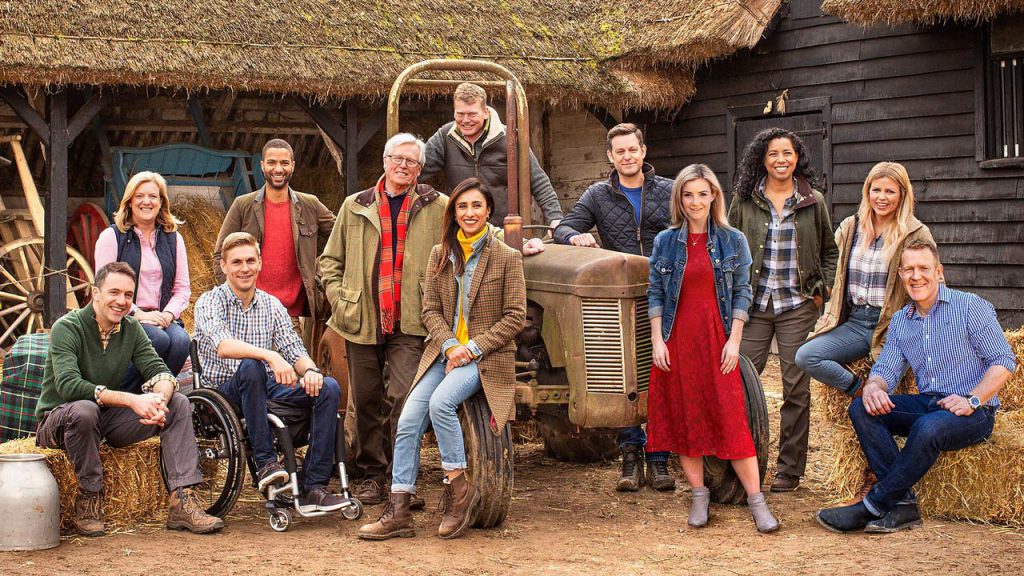
There’s something truly magical about watching history come alive. This week, Countryfile takes viewers on an extraordinary journey to one of Britain’s most treasured landmarks. John Craven and Margherita Taylor guide us through the magnificent Blenheim Estate in Oxfordshire, revealing stories that span three centuries of country life.
The 300-year-old palace stands like a sleeping giant awakening to new purpose. Currently, it’s undergoing a once-in-a-lifetime conservation project. This ambitious undertaking represents more than simple restoration. Instead, it’s a delicate dance between preserving the past and embracing the future. For lovers of nature, wildlife, and agricultural life, this episode offers a feast for the senses.
Margherita Taylor embarks on an adventure that few ever experience. She climbs high onto the palace rooftops, where the real magic unfolds. Here, skilled craftspeople work tirelessly against the Oxfordshire sky. They’re performing what can only be described as surgery on stone and timber.
What makes this conservation effort remarkable is the beautiful marriage of old and new techniques. Traditional craftspeople bring centuries-old skills to each task. They understand how buildings like this breathe and settle. However, they’re not working alone. Cutting-edge technology joins their arsenal, helping diagnose problems invisible to the naked eye.
These artisans treat the palace like a living patient. Consequently, every repair honours the original builders’ intentions. Stone masons carefully match materials to existing work. Roofers replace aged tiles with identical craftsmanship. Meanwhile, modern scanning equipment reveals hidden structural concerns. This blend of heritage skills and innovation ensures Blenheim will stand for centuries more.
While Margherita explores the palace heights, John Craven ventures into the surrounding landscape. The Blenheim Estate stretches far beyond its famous walls. Its acres tell stories of sustainable land management and forward-thinking conservation. For those passionate about country life, John’s exploration reveals fascinating insights.
The estate’s ancient woodland stands as a testament to careful stewardship. These trees have witnessed centuries of change. Some have stood since before the palace existed. Protecting them requires patience, knowledge, and genuine love for nature. Estate managers work to preserve this precious ecosystem. They balance the needs of wildlife with the demands of a working landscape.
Perhaps the most inspiring segment features the estate’s innovative forest lab. Here, scientists and horticulturists are growing the woodlands of tomorrow. Saplings emerge from carefully controlled environments, each one a promise for future generations.
This isn’t simply about planting trees. The team selects species that will thrive in changing conditions. They consider disease resistance and climate adaptation. Furthermore, they ensure genetic diversity that will strengthen the forest over time. Every seedling represents hope and careful planning.
The forest lab operates like a nursery for nature. Technicians monitor growth conditions with precision. Temperature, humidity, and light levels receive constant attention. As a result, young trees develop strong root systems before facing the outside world. This scientific approach complements traditional forestry wisdom beautifully.
Countryfile 2025 continues to highlight innovative approaches to agricultural life. One of this episode’s most captivating segments explores mushroom cultivation. The estate has found a remarkable way to transform waste into valuable produce.
Organic matter that might otherwise decompose unused now serves a higher purpose. Mushroom growers use these materials as growing medium. The fungi break down waste naturally while producing nutritious food. It’s a perfect example of circular economy principles in action.
This approach demonstrates how estates like Blenheim are adapting to modern challenges. They’re finding creative solutions that benefit both business and environment. Additionally, they’re inspiring other landowners to think differently about waste. Nature, after all, wastes nothing. We’re simply learning to follow her example.
Countryfile – Blenheim Estate
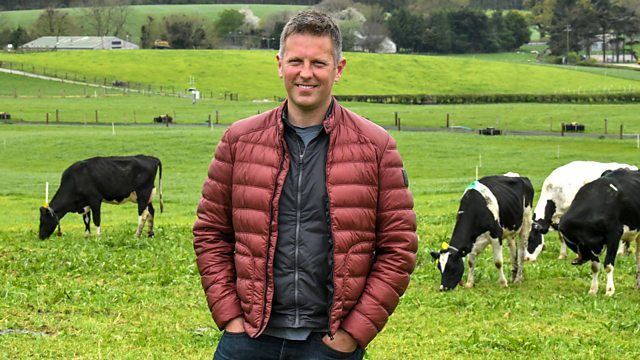
No Countryfile episode would be complete without visiting Adam Henson’s beloved Cotswolds farm. This week, he turns his attention to some of his most charismatic residents. His Exmoor ponies, their playful foals, and gentle donkeys take centre stage.
As autumn approaches, Adam prepares these animals for the challenging months ahead. Exmoor ponies carry ancient bloodlines stretching back thousands of years. Consequently, they possess remarkable resilience. However, even hardy breeds benefit from thoughtful care and preparation.
Adam demonstrates the daily rhythms of agricultural life that viewers adore. He checks hooves and coats with experienced hands. The foals dance around their mothers, full of youthful energy. Meanwhile, the donkeys observe proceedings with their characteristic calm wisdom. These scenes capture the heartwarming reality of caring for livestock.
This Countryfile visit to Blenheim Estate offers more than beautiful scenery. It presents a vision of how we might care for our heritage and land simultaneously. The conservation project shows commitment to preserving history. The forest lab demonstrates investment in future generations. Additionally, the mushroom cultivation proves that innovation can complement tradition.
For wildlife enthusiasts, the episode reveals how large estates can serve as refuges. Ancient woodlands harbour countless species that depend on undisturbed habitat. Careful management ensures these creatures will continue thriving. The estate functions as both museum and living ecosystem.
Countryfile consistently reminds us why rural Britain deserves our attention and protection. This episode exemplifies that mission beautifully. From palace rooftops to forest floors, from laboratory to farmyard, every segment celebrates our connection to the land.
The show captures something essential about British identity. We are a nation of gardeners, farmers, and conservationists. Our relationship with nature runs deep in our cultural DNA. Episodes like this nurture that connection, inspiring viewers to appreciate and protect our countryside.
Whether you’re fascinated by heritage crafts, passionate about wildlife, or simply love watching Adam’s animals, this episode delivers abundantly. It reminds us that caring for country life requires both respect for tradition and embrace of innovation. Most importantly, it demonstrates that these goals need not conflict.
Countryfile – Blenheim Estate
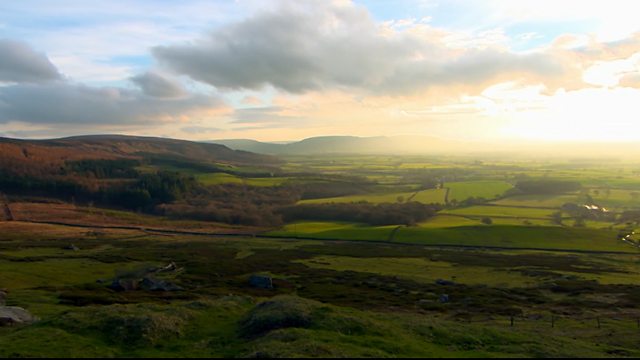
Countryfile – Blenheim Estate stands as a testament to three centuries of aristocratic stewardship, agricultural innovation, and natural beauty nestled in the heart of Oxfordshire. This magnificent UNESCO World Heritage Site spans more than 12,000 acres of parkland, ancient woodland, and working farmland that continues to evolve with each passing generation. The Marlborough family has called this extraordinary landscape home since Queen Anne gifted the estate to the first Duke following his legendary victory at the Battle of Blenheim in 1704. Today, the estate represents far more than a historic monument frozen in time. It operates as a living, breathing enterprise where country life flourishes alongside careful conservation efforts.
The significance of Blenheim extends well beyond its imposing Baroque palace designed by Sir John Vanbrugh. Beneath the grand facade lies a complex ecosystem of farms, forests, and waterways that support remarkable wildlife populations. From ancient oak trees hosting rare invertebrates to carefully managed grasslands providing sanctuary for ground-nesting birds, the estate demonstrates how heritage landscapes can adapt to meet contemporary environmental challenges. The current custodians face the considerable task of balancing commercial viability with ecological responsibility while honoring centuries of family tradition.
John Craven and Margherita Taylor explore every corner of this remarkable property, uncovering stories that illuminate the deep connections between people, place, and nature. Their journey reveals how modern farming practices coexist with historic parkland, how forestry management serves both economic and conservation goals, and how the estate’s famous gardens continue inspiring visitors from around the world. The presenters encounter dedicated professionals whose passion for their work shines through every interaction.
The estate’s agricultural operations provide a fascinating case study in sustainable land management. Working farms across the property produce everything from grain crops to livestock, employing methods that respect the landscape’s heritage character while embracing innovation. Meanwhile, the forestry team manages thousands of acres of woodland, including ancient trees that have witnessed centuries of English history. These venerable oaks, some dating back 500 years or more, represent irreplaceable ecological assets requiring specialized care.
Beyond production and conservation, Blenheim serves as an educational resource and public amenity welcoming hundreds of thousands of visitors annually. The formal gardens designed by Capability Brown and later additions create horticultural displays that change with the seasons, offering something new with every visit. Behind the scenes, skilled gardeners maintain these living works of art using traditional techniques refined over generations. Their expertise ensures that visitors experience the same wonder that greeted guests three centuries ago.
The following exploration delves into each aspect of this extraordinary estate, examining how traditional practices meet modern challenges. From the head forester’s oak regeneration program to the estate manager’s sheep breeding innovations, from the head gardener’s seasonal spectacles to the wildlife surveys documenting biodiversity gains, Countryfile – Blenheim Estate reveals the dedication required to preserve such a treasure for future generations. The people who work this land share an unmistakable pride in their roles as temporary custodians of permanent beauty.
Understanding Blenheim requires appreciating its multiple identities. The estate functions simultaneously as a working agricultural enterprise, a conservation area of international importance, a tourism destination, and a family home. These overlapping purposes sometimes create tensions requiring careful negotiation. Yet the overwhelming impression visitors take away speaks to harmony rather than conflict. Nature and heritage coexist here in a balance achieved through constant attention and genuine care.
The journey through Blenheim’s varied landscapes offers lessons relevant far beyond Oxfordshire’s boundaries. As Britain grapples with questions about food security, biodiversity loss, and the future of rural communities, estates like this demonstrate possible pathways forward. They show how productive agriculture can support rather than diminish wildlife, how historic landscapes can generate economic returns while retaining their character, and how country life can thrive in the twenty-first century without abandoning its roots.
The Ancient Oaks of Blenheim and Their Custodian
The estate’s collection of ancient and veteran oak trees represents one of England’s most significant concentrations of these ecological treasures. Some specimens have stood for more than five centuries, their gnarled trunks and spreading canopies providing habitat for countless species of invertebrates, fungi, and birds. Head forester Roy Cox has dedicated his career to understanding and protecting these venerable trees while planning for their eventual successors.
Walking through the High Park area reveals oaks of extraordinary character, each telling its own story through twisted branches and hollowed trunks. Roy explains that these trees provide habitat found nowhere else on the estate. Specifically, the decaying heartwood within ancient oaks supports specialist beetles and other invertebrates that cannot survive in younger trees. Therefore, the loss of even a single ancient oak represents an irreplaceable diminishment of the estate’s biodiversity.
The challenge facing the forestry team involves ensuring continuity across centuries. Ancient oaks took root during the Tudor period; their eventual successors must be established now to mature over coming centuries. Roy has overseen the planting of new oak woodlands designed to replace today’s veterans in 300 to 500 years. This extraordinary long-term thinking characterizes the estate’s approach to forestry management.
However, simply planting young trees does not solve the continuity problem. Young oaks lack the decaying heartwood that makes ancient specimens so valuable for wildlife. The forestry team has therefore developed innovative techniques to accelerate the aging process, creating artificial habitat features in maturing trees. This approach helps bridge the ecological gap between today’s ancient trees and their distant successors.
The veteran oaks also face threats from changing environmental conditions. Climate pressures, pest species, and management challenges all require careful attention. Roy monitors each significant tree individually, tracking its condition and intervening when necessary to prolong its life. Sometimes this means removing competing vegetation that shades the crown; other times it involves careful surgery to reduce wind resistance in weakened specimens.
Sheep Farming Innovation on the Countryfile – Blenheim Estate
The agricultural heart of the estate beats strongest in its sheep flocks, where traditional husbandry meets modern breeding science. Estate manager Mark Bycroft oversees a substantial sheep operation that has evolved considerably in recent years. His focus on breed improvement demonstrates how thoughtful selection can enhance both productivity and animal welfare simultaneously.
The estate runs multiple sheep breeds suited to different purposes and pasture types. Mark explains his particular interest in developing a composite flock combining the best characteristics of several breeds. Specifically, he seeks animals that thrive on the estate’s grass-based system while producing high-quality meat efficiently. This requires balancing traits like hardiness, growth rate, maternal instinct, and carcass quality.
Lambing season brings intense activity as hundreds of ewes give birth across the estate. The team monitors pregnant animals carefully, intervening when complications arise but allowing natural processes to proceed when possible. Mark emphasizes the importance of selecting ewes that lamb easily and rear their offspring without excessive assistance. Therefore, he culls animals that repeatedly require intervention, gradually improving the flock’s self-sufficiency.
The pastures where sheep graze have themselves been shaped by centuries of grazing pressure. These grass-rich habitats support wildflowers and invertebrates adapted to grazed conditions. Conversely, removing sheep would transform these landscapes within years, allowing scrub and eventually woodland to develop. The sheep thus play an essential conservation role beyond their agricultural function.
Marketing the estate’s lamb involves emphasizing provenance and quality. Consumers increasingly want to know where their food originates and how it was produced. Blenheim’s lamb carries the weight of heritage and place, commanding premium prices from retailers and restaurants seeking distinctive products. Meanwhile, the estate explores direct sales channels that capture more value from each animal.
Wildlife Conservation Across the Parkland
The estate’s commitment to nature conservation extends across every landscape type, from ancient woodland to formal gardens. Dedicated surveys document the species present and track population changes over time. These monitoring efforts reveal both successes and challenges as wildlife responds to management decisions and broader environmental changes.
Blenheim’s parkland supports exceptional populations of certain species precisely because of its historic management. The scattered veteran trees, extensive grasslands, and minimal chemical inputs create conditions favoring species that have declined elsewhere. Consequently, the estate functions as a refuge for wildlife struggling in the wider countryside.
Bird surveys have recorded impressive diversity across the estate’s varied habitats. Ground-nesting species like skylark and lapwing find suitable conditions in certain managed grasslands. Meanwhile, the woodland edges and parkland trees support hole-nesting birds including several owl species. The lakes and waterways add wetland specialists to the estate’s bird list.
Invertebrate populations receive particular attention given the estate’s exceptional ancient tree resource. Specialist beetles associated with decaying wood reach remarkable abundance in the High Park area. Some of these species occur at only a handful of sites nationally, making Blenheim internationally significant for their conservation. Therefore, protecting the ancient oaks means protecting irreplaceable invertebrate communities.
Mammal populations range from common species like rabbits and deer to more elusive creatures. Bats utilize the ancient trees for roosting while hunting insects across the parkland after dark. Badger setts dot the woodland edges, their residents emerging at dusk to forage. However, deer management presents ongoing challenges as high populations can damage woodland regeneration and garden plantings.
The Gardening Legacy at Countryfile – Blenheim Estate
The formal gardens represent centuries of horticultural ambition expressed through plants, water, and stone. Head gardener Hilary Wood leads a team responsible for maintaining these living artworks through the seasons. Her knowledge spans both the historic context of each garden area and the practical techniques required to keep everything looking its best.
Capability Brown’s landscape design transformed Blenheim’s surroundings during the eighteenth century, creating the sweeping vistas visitors admire today. He flooded the small River Glyme to create the estate’s famous lake, constructed the Grand Bridge, and planted trees to frame views of the palace. However, the formal gardens near the house predate Brown’s naturalistic redesign, representing an earlier formal tradition.
The Italian Garden demonstrates Victorian taste for elaborate bedding schemes and architectural ornament. Thousands of plants arranged in geometric patterns create blocks of color that change through the seasons. Hilary’s team replaces bedding plants multiple times annually, ensuring continuous displays from spring through autumn. Meanwhile, permanent structural plantings provide year-round interest between the seasonal shows.
The Water Terraces step down toward the lake, combining fountains, sculpture, and formal planting in an Italianate style. These twentieth-century additions complement the earlier garden areas while offering different experiences. The sound of moving water accompanies visitors through these spaces, adding another sensory dimension to the visual spectacle.
Behind the scenes, the garden team manages extensive growing facilities producing plants for the display areas. This nursery operation allows precise control over timing and quality while reducing reliance on commercial suppliers. Additionally, propagation programs preserve heritage plant varieties with connections to the estate’s history.
Forestry Management Balancing Production and Heritage
Beyond the ancient oaks, the estate manages substantial areas of productive woodland combining economic returns with conservation benefits. Commercial forestry operations supply timber markets while maintaining forest habitats for wildlife. The balance between extraction and preservation requires careful planning across multiple decades.
The forestry team plants new woodland areas using species suited to local conditions and market demand. However, they increasingly consider climate adaptation in species selection, favoring varieties that should cope with projected temperature and rainfall changes. Therefore, today’s planting decisions anticipate conditions a century hence.
Harvesting operations follow sustainable principles, removing mature timber while retaining habitat trees and protecting sensitive areas. The revenue from timber sales contributes to the estate’s financial sustainability, supporting conservation activities that generate no direct income. Conversely, purely commercial management would sacrifice ecological values that make Blenheim distinctive.
Coppice woodland demonstrates an ancient management system still practiced on parts of the estate. Regular cutting encourages multi-stemmed regrowth that produces poles and firewood while creating varied habitat structures. The cycle of cutting and regrowth supports different wildlife communities at different stages, maximizing overall biodiversity.
Woodland rides and glades receive management attention for their conservation value. These open spaces within the forest allow light to reach the ground, supporting wildflowers and the insects that depend on them. Butterflies benefit particularly from well-maintained rides, using them as corridors through the forest while basking on sun-warmed leaves.
Agricultural Diversification and Rural Economy
The estate’s farming operations extend well beyond sheep to encompass arable cropping, forestry, and various diversified enterprises. This mixed approach spreads risk while making full use of the varied landscape. Each enterprise must contribute either financially or ecologically, preferably both.
Arable fields occupy the estate’s most productive soils, growing wheat, barley, and other crops destined for various markets. Modern farming equipment allows efficient cultivation of large areas while precision technology minimizes input waste. However, field margins and conservation strips provide habitat within the farmed landscape.
The estate’s commercial activities generate employment for local people across many disciplines. Farm workers, gardeners, foresters, and conservation staff all contribute their expertise. Additionally, tourism operations require hospitality professionals, guides, and maintenance personnel. Therefore, Blenheim functions as a significant employer supporting the regional rural economy.
Educational programs bring school groups and other visitors to learn about farming, forestry, and conservation. These activities help urban populations understand where their food and timber originate while inspiring future generations of land managers. Meanwhile, the programs generate income contributing to the estate’s sustainability.
Historic Landscape Character of the Countryfile – Blenheim Estate
The UNESCO World Heritage designation recognizes Blenheim’s outstanding universal value as a designed landscape of international significance. This status brings both prestige and responsibility, requiring careful consideration of any changes that might affect historic character. Conservation management plans guide decisions about buildings, gardens, and parkland.
Capability Brown’s landscape design survives remarkably intact after nearly 250 years. The rolling grassland dotted with specimen trees, the serpentine lake, and the carefully framed views all reflect his original vision. Maintaining this character requires ongoing management that might seem counterintuitive. Specifically, parkland trees must periodically be replaced to sustain the designed composition.
The built heritage includes structures ranging from the palace itself to estate cottages, agricultural buildings, and garden ornaments. Each requires appropriate maintenance using traditional materials and techniques where possible. Consequently, the estate supports craftspeople with specialist skills increasingly rare in modern construction.
Archaeological remains beneath the surface add another heritage dimension requiring protection. Previous settlements, garden features, and other buried evidence inform understanding of the landscape’s development. Therefore, ground-disturbing activities require careful assessment to avoid damaging irreplaceable archaeological resources.
Seasonal Rhythms and Country Life at Blenheim
Life on the estate follows rhythms dictated by seasons and agricultural cycles rather than arbitrary calendars. Spring brings lambing, summer means haymaking and harvest, autumn sees tree planting and woodland work, while winter allows catch-up on maintenance tasks. These patterns have characterized country life here for centuries.
The gardening year begins with spring bulb displays that carpet woodland floors and formal beds alike. Thousands of daffodils, tulips, and lesser bulbs create spectacular shows drawing early-season visitors. Meanwhile, the garden team starts raising bedding plants for summer displays in protected glasshouses.
Summer brings the formal gardens to their peak, with color-packed beds and immaculate lawns creating picture-perfect scenes. The agricultural team harvests grain crops during brief weather windows, working long hours to secure the year’s production. Additionally, visitor numbers peak, with thousands exploring the parkland daily.
Autumn colors transform the estate’s extensive woodlands into spectacular displays of gold, orange, and russet. Falling leaves expose views hidden during summer while carpeting paths with crackling textures. The forestry team begins winter planting programs as trees enter dormancy.
Winter reveals the bones of the landscape, with bare trees silhouetted against grey skies and frost outlining every branch. Quieter visitor numbers allow intensive maintenance work on buildings, gardens, and infrastructure. Meanwhile, the sheep flock requires constant attention as ewes approach lambing.
Future Challenges and Opportunities
The estate faces considerable challenges as environmental conditions change and societal expectations evolve. Climate adaptation, biodiversity targets, and financial sustainability all require attention. However, the team approaches these challenges with the same long-term perspective that planted oaks 300 years ago.
Climate change already affects the estate’s operations in measurable ways. Shifting seasons, extreme weather events, and changing pest pressures all require adaptive responses. The forestry team selects climate-resilient species for new plantings while monitoring established trees for stress signs. Meanwhile, agricultural operations adjust practices to cope with increasingly variable conditions.
Biodiversity targets set by national and international bodies challenge the estate to demonstrate conservation outcomes. The existing wildlife populations provide a strong foundation, but continuous improvement requires ongoing investment. Specifically, habitat creation and sensitive management must expand to support species under pressure elsewhere.
Financial sustainability underpins everything else, as conservation and heritage protection require resources only profitable operations can generate. The estate therefore balances traditional income streams with new opportunities in tourism, education, and diversified enterprises. Each generation must find approaches suited to contemporary circumstances while honoring the inheritance they received.
The Countryfile – Blenheim Estate ultimately represents hope as much as heritage. Here, people demonstrate that productive landscapes can support extraordinary wildlife, that historic character can coexist with modern enterprise, and that country life retains relevance in the twenty-first century. The dedication of everyone working this land ensures that future generations will inherit something precious: a living connection to centuries of care.
FAQ Countryfile – Blenheim Estate
Q: What makes Blenheim Estate significant as a UNESCO World Heritage Site?
A: Blenheim Estate earned its UNESCO designation through its outstanding universal value as a designed landscape. Capability Brown created the sweeping parkland vistas, serpentine lake, and carefully framed views nearly 250 years ago. Additionally, Queen Anne gifted this 12,000-acre property to the first Duke of Marlborough following his 1704 Battle of Blenheim victory. The estate remarkably preserves three centuries of architectural and horticultural heritage.
Q: How old are the ancient oak trees at Blenheim, and why do they matter?
A: Some oak specimens at Blenheim have stood for more than 500 years, dating back to the Tudor period. These venerable trees provide irreplaceable habitat for specialist beetles and invertebrates that cannot survive in younger trees. Head forester Roy Cox explains that their decaying heartwood supports species found at only a handful of sites nationally. Consequently, Blenheim holds international significance for invertebrate conservation.
Q: What approach does the estate take to sheep farming and breeding?
A: Estate manager Mark Bycroft focuses on developing composite flocks that combine the best characteristics of several breeds. He specifically seeks animals thriving on grass-based systems while producing high-quality meat efficiently. Furthermore, Mark selects ewes that lamb easily and rear offspring without excessive assistance. This thoughtful breeding approach enhances both productivity and animal welfare simultaneously.
Q: Who designed the famous gardens at Blenheim Estate?
A: Capability Brown transformed Blenheim’s surroundings during the eighteenth century, creating the rolling grassland and famous lake visitors admire today. However, the formal gardens near the house predate Brown’s naturalistic redesign. The Italian Garden showcases Victorian taste for elaborate bedding schemes. Meanwhile, the twentieth-century Water Terraces combine fountains and sculpture in an Italianate style.
Q: How does the forestry team plan for trees that will mature centuries from now?
A: Roy Cox has overseen planting new oak woodlands designed to replace today’s veterans in 300 to 500 years. This extraordinary long-term thinking characterizes Blenheim’s forestry management philosophy. Additionally, the team develops innovative techniques to accelerate aging in maturing trees. These artificial habitat features help bridge the ecological gap between ancient oaks and their distant successors.
Q: What wildlife species can visitors expect to find on the estate?
A: Blenheim supports remarkable biodiversity across its varied habitats. Ground-nesting birds like skylark and lapwing thrive in managed grasslands. Several owl species occupy woodland edges and parkland trees. Furthermore, specialist beetles associated with decaying wood reach remarkable abundance in the High Park area. Bats utilize ancient trees for roosting while badgers maintain setts along woodland edges.
Q: How does the estate balance commercial forestry with conservation goals?
A: Harvesting operations follow sustainable principles, removing mature timber while retaining habitat trees. Revenue from timber sales supports conservation activities generating no direct income. The team increasingly considers climate adaptation in species selection, favoring varieties suited to projected conditions. Therefore, today’s planting decisions anticipate environmental circumstances a century hence.
Q: What role does Blenheim Estate play in the local rural economy?
A: The estate functions as a significant regional employer across many disciplines. Farm workers, gardeners, foresters, and conservation staff all contribute specialized expertise. Tourism operations additionally require hospitality professionals, guides, and maintenance personnel. Educational programs bring school groups to learn about farming and conservation while generating valuable income streams.
Q: How do the formal gardens change throughout the seasons?
A: Head gardener Hilary Wood leads a team replacing bedding plants multiple times annually. Spring brings spectacular bulb displays with thousands of daffodils and tulips. Summer sees color-packed beds and immaculate lawns at their peak. Autumn transforms extensive woodlands into spectacular gold and russet displays. Meanwhile, permanent structural plantings provide year-round interest between seasonal shows.
Q: What challenges does Blenheim Estate face regarding climate change?
A: Climate change already affects estate operations in measurable ways. Shifting seasons, extreme weather events, and changing pest pressures all require adaptive responses. The forestry team selects climate-resilient species for new plantings while monitoring established trees for stress signs. However, agricultural operations must continuously adjust practices to cope with increasingly variable growing conditions.