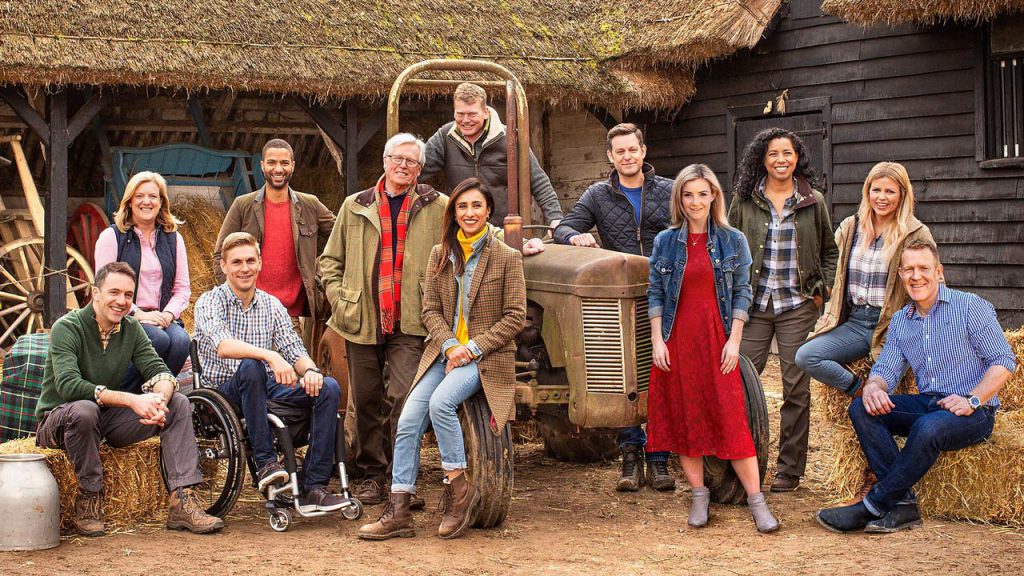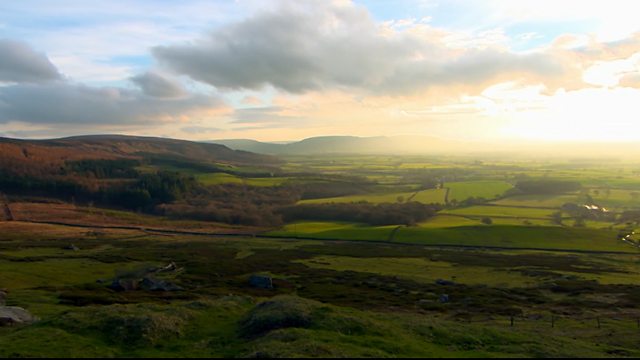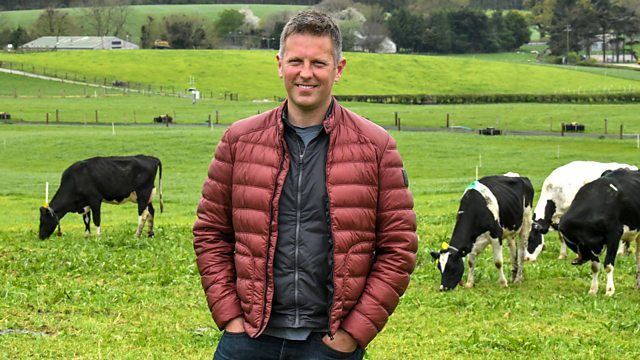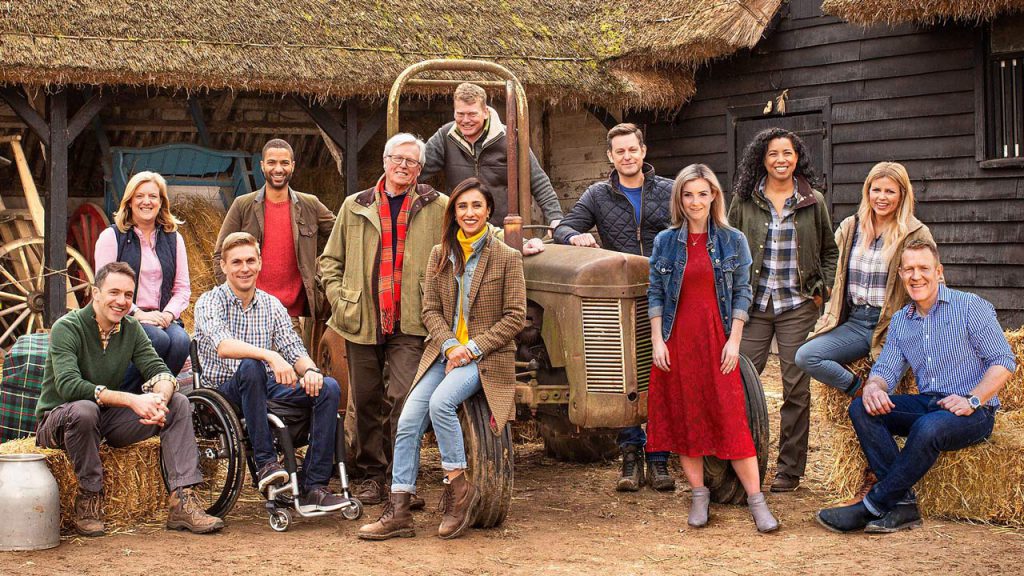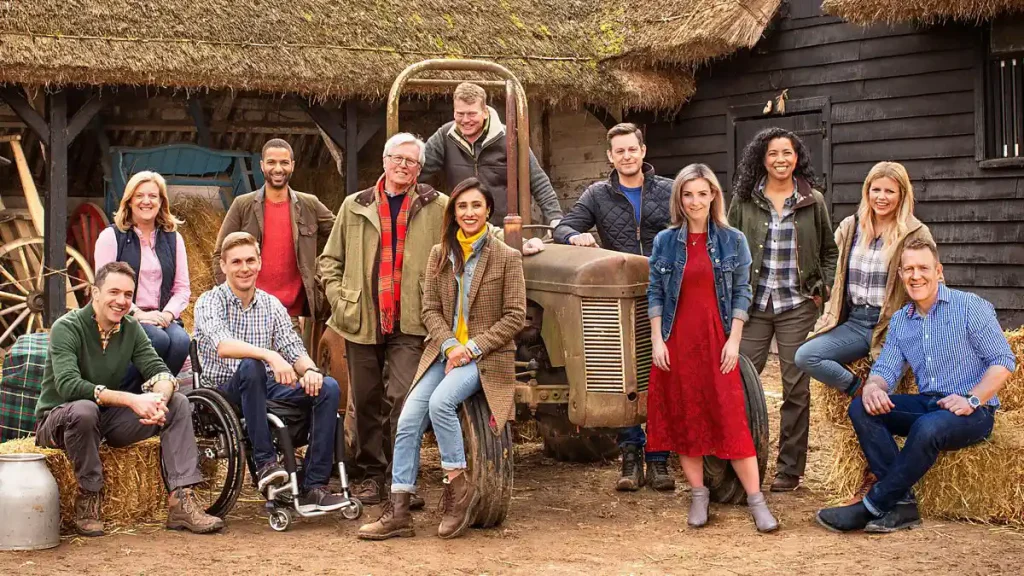
Countryfile – Bolton Abbey: A gentle mist hangs over the rolling hills of North Yorkshire. Here, nestled in the heart of the dale, lies the timeless estate of Bolton Abbey. Its ancient priory ruins stand as silent witnesses to centuries of history. However, today a new chapter is being written. The iconic BBC Countryfile team has arrived, bringing with them a sense of excitement and a very important mission. This stunning landscape is the chosen backdrop for one of the most beloved events in the Countryfile calendar. Indeed, a task that combines a love for the British countryside with a profound spirit of charity.
The air is thick with anticipation inside a rustic hall on the estate. Thousands of stunning photographs, submitted by viewers from across the nation, cover every available surface. Each image is a love letter to the wild spaces of the UK. Consequently, the challenge ahead is immense. The judges must choose just twelve finalists for the prestigious 2026 Countryfile Calendar. This is more than just a competition; it’s a powerful force for good. Every calendar sold raises vital funds for BBC Children in Need. As a result, each choice made today carries the weight of helping children across the country.
At the heart of this difficult process are three familiar and trusted faces. First, there is the legendary John Craven, a voice of the countryside for generations. He brings a wealth of experience and a deep understanding of what makes a truly special photograph. Alongside him is the beloved wildlife cameraman, Hamza Yassin. His expert eye can spot the technical brilliance and the emotional story within a single frame. Finally, they are joined by special guest judge, Dame Maggie Aderin-Pocock. The renowned space scientist offers a unique perspective, looking for images that inspire wonder and awe, just like the stars above.
While the judging gets underway, Hamza Yassin feels the pull of the great outdoors. He steps away from the deliberation room, drawn into the spectacular landscape surrounding Bolton Abbey. The famous River Wharfe snakes through the estate like a silver ribbon. Its powerful currents have carved the land over millennia. Furthermore, Hamza wanders through Strid Wood, an ancient woodland where sunlight dapples through a canopy of oak and birch. He feels the history in the very air he breathes. This is a place where nature’s story is told in every moss-covered stone and whispering leaf.
Hamza’s journey is not just about appreciating the beauty; it is also about understanding its fragility. For this reason, he seeks out the local guardians of this precious environment. He meets dedicated conservationists working tirelessly to safeguard the area’s unique wildlife. They share their stories of protecting native species, from the elusive otter to the vibrant kingfisher. Hamza learns about the delicate balance of the ecosystem here at Bolton Abbey. In addition, he discovers the ongoing efforts to ensure this natural heritage thrives for future generations to enjoy. It is a powerful reminder of the responsibility we all share.
In a truly wonderful turn of events, Hamza’s exploration leads him to a remarkable human connection. He has the incredible opportunity to meet the great-great-granddaughter of a pioneering wildlife photographer from the Victorian era. This visionary artist captured the untamed spirit of the Yorkshire Dales long before it was commonplace. Listening to her stories is like stepping back in time. Hamza sees the passion for nature as a thread connecting the past to the present. He holds history in his hands, looking at fragile glass plates that contain some of the earliest images of this very landscape.
Countryfile – Bolton Abbey
This moving encounter sparks a fire within Hamza. He feels an overwhelming inspiration to connect with the land through his own lens. With his camera in hand, he becomes part of the scenery. He waits with incredible patience for the perfect moment. Perhaps it is the fleeting glimpse of a deer at the edge of the woods. Or maybe it is the way the golden hour light illuminates the magnificent priory ruins. He is no longer just a judge or a presenter; he is an artist, continuing a long legacy of capturing the soul of Bolton Abbey. He seeks to frame the magic that makes this place so unforgettable.
Eventually, Hamza returns to the judging room, his spirit renewed by his time outdoors. The final deliberations begin, and the atmosphere is intense. The judges debate each photograph with passion and care. They look for technical skill, emotional impact, and that indefinable spark of magic. Choosing only twelve images from such an incredible collection feels like an impossible task. However, they know each selection will bring joy to thousands and make a real difference. The Countryfile team understands that these pictures represent the heart and soul of the British countryside, as seen through the eyes of the public.
This special episode of Countryfile is therefore so much more than a simple visit to a beautiful location. It is a celebration of community, creativity, and conservation. It beautifully showcases the deep connection between the British people and their landscape. The journey to Bolton Abbey reveals stories of the past and hopes for the future. Ultimately, it highlights how a shared love for nature can bring people together to create something truly wonderful. The resulting 2026 calendar will not just mark the days; it will tell a story of beauty and generosity, all born from this unforgettable day.
Countryfile – Bolton Abbey review
The historic estate of Bolton Abbey, set within the picturesque Yorkshire Dales, recently became the magnificent backdrop for a significant cultural event. This landscape, with its dramatic priory ruins, ancient woodlands, and the winding River Wharfe, provided an inspiring setting for the judging of this year’s Countryfile photographic competition. The estate’s natural beauty, where wildlife thrives and history lingers, proved to be the perfect location to evaluate thousands of images submitted by viewers from across the nation, all centered on a single, evocative theme: “Wild Encounters.”
The annual competition is more than just a celebration of amateur photography; it serves a profound charitable purpose. Since the first calendar was published in 1998, the initiative has raised more than £33 million for BBC Children In Need. Each photograph selected contributes to this legacy, making the judging process a task of both artistic merit and social importance. The theme of “Wild Encounters” invites a broad spectrum of interpretations, challenging photographers to capture unexpected and intimate moments within the natural world.
This year’s judging panel brought together a wealth of expertise and diverse perspectives. Alongside familiar faces, the team welcomed Dame Maggie Aderin-Pocock, a distinguished presenter, author, and space scientist. Her experience working on major astronomical instruments, such as the James Webb Space Telescope, provides a unique viewpoint on capturing images, especially those with minimal light. She understands the technical precision required to gather faint light from deep space, a skill analogous to capturing wildlife in challenging conditions.
The sheer volume of submissions presented a formidable challenge. From over 17,000 photographs, the judges were tasked with selecting just twelve to feature in the Countryfile Calendar for 2026. This process began with a shortlist of 240 images, each of which had to be carefully examined. The judges’ interpretations of “Wild Encounters” varied, adding a fascinating dynamic to their discussions. For some, it meant an interaction between two creatures, while for others, it was the personal, surprising moment when a person stumbles upon an animal in its natural habitat.
Dame Maggie Aderin-Pocock described a wild encounter as an unexpected interaction with a scene, a sudden moment of surprise that connects an individual to the wild. This search for authenticity and emotional impact guided the panel’s decisions. They considered not only technical skill but also the story each photograph told. One essential criterion, offered as a guiding tip, was whether an image was compelling enough to be looked at every day for a month. This standard ensured that the final selections would be enduring and continually revealing.
Before exploring the intricacies of the judging, it is essential to understand the deep-rooted history of wildlife photography, a field with pioneering figures who hailed from North Yorkshire itself. These trailblazers laid the groundwork for the very art form being celebrated today at Bolton Abbey. Their ingenuity and dedication in a time before modern technology serve as a powerful testament to the enduring human desire to capture the wild.
Pioneering Wildlife Photography: The Kearton Brothers
Long before the advent of digital cameras and telephoto lenses, two brothers from North Yorkshire, Richard and Cherry Kearton, were changing the way people viewed the natural world. Heralding from a farming family in the late 1800s, they became two of the world’s first professional wildlife photographers. Their mission was revolutionary for its time: to hunt wildlife with their cameras instead of rifles. Their great-great-granddaughter, Evie Bulmer, now works to keep their remarkable legacy alive.
The Keartons’ methods were born from necessity and incredible ingenuity. Lacking the ability to zoom in on their subjects, they devised elaborate hides to get close to animals without being detected. One of their most famous creations was a disguise fashioned from a hollowed-out ox, which they acquired from a local butcher. With a small hole in the chest for the camera lens, they would spend countless hours inside, waiting patiently on the Dales. They also created hides from sheep and even an artificial rubbish heap, demonstrating a profound commitment to capturing authentic images.
Their collaboration was a key to their success. Richard was often the sturdy support, while Cherry would climb into impossible positions to get the perfect shot. They worked with bulky equipment, including wooden tripods and heavy glass plates, and could not see their results instantly. Despite these limitations, they demonstrated a sophisticated understanding of composition, employing techniques like the rule of thirds that are still fundamental to photography today. Their work was so groundbreaking that it even inspired a young Sir David Attenborough, who attended one of Cherry’s lectures and was moved by his adventures.
The Evolution of Photographic Technology
The evolution from the Kearton brothers’ era to the present day highlights a dramatic transformation in photographic technology. The cumbersome wooden tripods and glass plates have been replaced by modern cameras full of advanced features. Today’s equipment offers interchangeable lenses, incredibly fast shutter speeds, and the ability to capture dozens of images per second. This technology has not only changed the process but also made high-quality photography more accessible than ever.
Smartphones, in particular, have democratized photography. Most modern phones are equipped with multiple lenses, including wide-angle and telephoto options, mimicking the versatility of a professional camera kit. Features like “portrait mode” use software to blur the background, creating a shallow depth of field that makes the subject stand out sharply. This effect, once achievable only with expensive lenses, is now available to almost everyone.
Furthermore, a “burst mode” feature allows users to capture rapid action by simply holding down the shutter button. This function can take dozens of photos in a few seconds, dramatically increasing the chance of capturing a fleeting moment, such as a puffin taking flight or a dolphin leaping from the water. This level of technology, which we now take for granted, would have been unimaginable to the Kearton brothers but would have undoubtedly been a tool they would have loved to possess.
The Rich History and Hidden Wonders of Bolton Abbey
The grounds of Bolton Abbey are not just a scenic location but a place steeped in centuries of history. A group of priests first settled here 870 years ago, drawn by the richness of the landscape which provided everything they needed to sustain their community. The ruins of the priory have since captivated visitors for generations, including artists, royalty, and early photographers like John Dillwyn Llewelyn, who captured the romance of the location in the 1850s using a groundbreaking technique known as the wet plate process.
According to volunteer guide Alison Duncan, the priory itself contains a hidden “wildlife safari” carved into its architecture. Throughout the structure, one can find intricate depictions of at least twenty-five animals. These include a lion with its tongue sticking out, which served as a medieval security system to ward off evil, and a mouse carved by Robert “Mousey” Thompson, who was famously “as poor as a church mouse” when he started his career. Many of these carvings tell stories about the priory’s history and the people who lived there.
One of the most remarkable survivors is a small depiction of the Paschal lamb in medieval glass. When Thomas Cromwell’s men came to destroy religious symbols during the Reformation, they somehow missed this one detail. The estate is also the purported origin of the nursery rhyme “Hey Diddle Diddle.” The story involves a local farmer named Hay who was in a dispute with Prior Moon over a cow, leading to the familiar verse about a cow jumping over the moon and a little dog laughing.
Modern Conservation and Surveying at Bolton Abbey
Today, the management of the Bolton Abbey estate combines a respect for its history with the use of cutting-edge technology for conservation. Assistant forester George Milne helps to preserve nearly 650 hectares of woodland, including Strid Wood, an ancient forest that is home to one of the largest remaining patches of sessile oak trees in the Yorkshire Dales. These trees play a crucial role in the local ecosystem, filtering water and stabilizing the riverbanks, which in turn supports a rich diversity of lichens, mosses, and fungi.
To monitor the health of the landscape, the forestry team employs modern photographic techniques. They have established fixed monitor points throughout the estate, including at a vista famously painted by J.M.W. Turner in 1810. Once a year, they take a photo from this exact spot to track how the view has changed over time, allowing them to manage tree growth and maintain the area’s picturesque quality. This data is logged on a specialized mapping program, creating a living record of the landscape.
For larger-scale projects, such as establishing new woodland, the team utilizes drones. A drone can be programmed to fly a precise path over an area, taking a continuous line of photographs. These images are then stitched together to create a highly detailed, high-resolution map. This allows foresters to analyze the site from above, checking the density of newly planted trees and monitoring their growth without having to conduct painstaking ground surveys. This method is far more efficient and provides a comprehensive overview that was previously impossible to achieve.
Bioacoustic Auditing: Listening to the Landscape
In addition to visual monitoring, the conservation team at Bolton Abbey is also listening to the landscape. Ecologist Ed Austin is leading a project using bioacoustic auditing to gain a deeper insight into the estate’s biodiversity. Small, weatherproof audio recorders are placed in various habitats, from woodlands to open fields, to capture the sounds of the environment. These devices are predominantly aimed at recording bird calls but can also pick up the sounds of invertebrates, mammals, and even low-frequency bat calls.
This project, which began in early 2024, provides a continuous stream of data, recording 24/7 through all seasons and weather conditions. So far, the recorders have identified 90 different species on the estate, confirming that the current land management practices are successfully supporting a rich assemblage of wildlife. The data allows the team to understand not only which species are present but also how they use different habitats throughout the year.
While the technology is powerful, it has its limitations. Quieter species, like red kites or spotted flycatchers, may be underrepresented in the data because they call less frequently. To create a more complete picture, the bioacoustic data is combined with traditional survey methods, such as walking transects and performing point counts. By integrating modern technology with established ecological practices, the team at Bolton Abbey is building a comprehensive understanding of its unique and vibrant ecosystem.