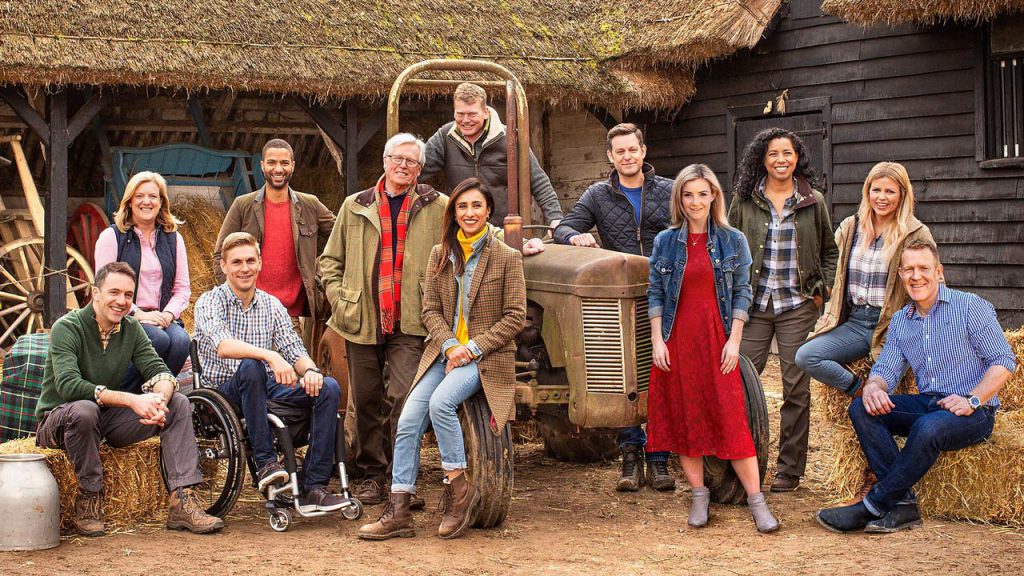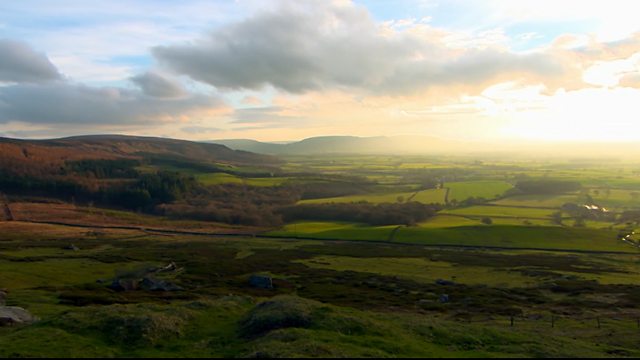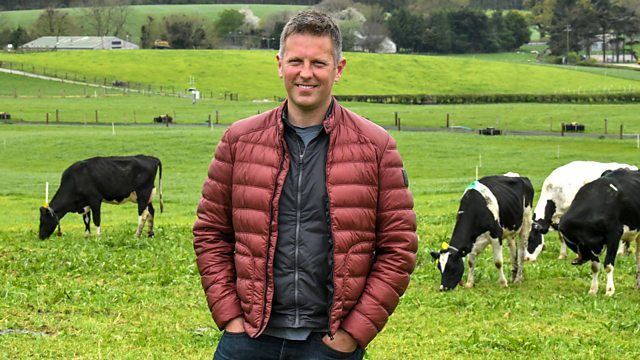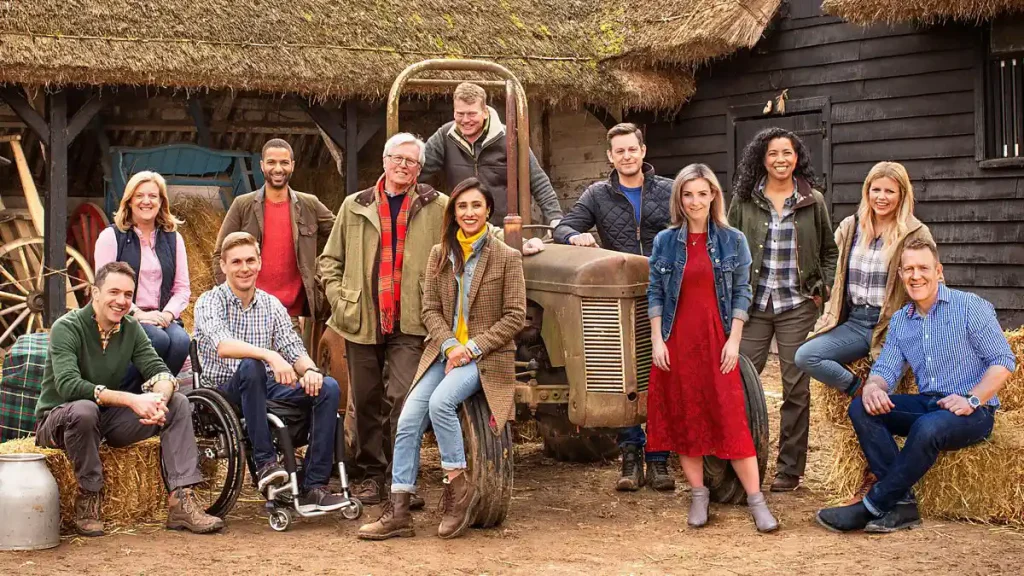
Countryfile – Yorkshire Champions: Have you ever felt the whisper of the past in a landscape? In the heart of the magnificent Yorkshire Dales, stories linger in the drystone walls and ancient barns. This week on Countryfile, join John Craven on a truly special journey. He explores a legacy left by three remarkable women. Consequently, this episode celebrates a trio of true Yorkshire Champions. Their life’s work was to capture the soul of Yorkshire before it vanished forever. It is, therefore, a story of passion, preservation, and profound love for a unique way of life.
The tale begins in the early twentieth century. A time of great change was sweeping across Britain. In the remote dales of Yorkshire, however, ancient traditions were facing a silent threat. The roar of mechanization and the pull of the cities threatened to erase centuries of rural knowledge. Fearing this immense loss, two pioneering women decided to act. Ella Pontefract and Marie Hartley saw the beauty in the everyday. For instance, they recognized the importance of the old ways. Their mission, therefore, became a race against time. They set out to create a record of the dales’ culture before it faded into memory.
Imagine these two friends, armed with notebooks, pencils, and a camera. They travelled the winding roads and rugged paths of the dales. They often walked for miles, seeking out the people who held the old knowledge. In addition, they listened intently to the stories of farmers, miners, and craftspeople. Marie, a talented artist, sketched the scenes with incredible detail. Meanwhile, Ella, a gifted writer and photographer, captured the faces and the landscapes in evocative prose and pictures. Together, they formed a perfect partnership, driven by a shared purpose. Their quest was to become cultural archivists for an entire region.
Their work was incredibly detailed and deeply human. They didn’t just document facts; they captured feelings and voices. For example, they carefully recorded the unique dialects that once echoed through the valleys. They meticulously detailed the intricate patterns of the famous Dales “gansies,” the traditional hand-knitted sweaters worn by fishermen and farmers. Furthermore, they uncovered the secrets of Wensleydale cheesemaking, a craft passed down through generations. Each conversation and every observation was a thread they gathered. Ultimately, they wove these threads into a rich tapestry of Yorkshire life, preserving it for all time.
Their ambitious project soon grew. In time, they were joined by a third remarkable woman, Joan Ingilby. Joan brought new energy and skills to the team. As a result, their collection of stories, sketches, and artifacts expanded significantly. The trio worked tirelessly, their passion a beacon against the encroaching tide of modernity. They understood that these skills and traditions were not just quaint relics. Instead, they represented the very identity of the dales. Their collaboration solidified their status as the unsung guardians of Yorkshire‘s rural heritage. This is a central theme the Countryfile episode will explore.
The result of their lifelong dedication is a breathtaking archive. It is far more than a dusty collection of objects and notes. In fact, it is a living, breathing testament to the resilience and spirit of the Dales people. Many of these precious items now form the heart of the Dales Countryside Museum in Hawes. On Countryfile, John Craven delves into this incredible treasure trove. He reveals how the work of these Yorkshire Champions continues to resonate today. Moreover, he meets the modern-day residents whose lives and work are still influenced by this powerful legacy.
Countryfile – Yorkshire Champions
John’s journey on Countryfile serves as a bridge between the past and the present. He doesn’t just tell the story of Ella, Marie, and Joan. Instead, he walks in their footsteps, exploring the same landscapes that inspired them. He connects their historical records to the vibrant Yorkshire of today. The episode beautifully illustrates how their archive is not a closed book but an ongoing conversation. It’s a powerful reminder that understanding where we come from helps to shape where we are going. Therefore, the programme itself becomes part of this continuing story.
In a particularly poignant part of the show, John looks back through the Countryfile archives. He revisits classic films that echo the very traditions the women fought so hard to preserve. These old clips act as moving pictures for the stories Ella, Marie, and Joan collected. We see the shepherds, the cheesemakers, and the craftsmen they wrote about come to life. Consequently, this segment offers a powerful parallel. It shows how the mission to document rural life has continued, creating a chain of preservation that links these pioneering women directly to the work of Countryfile today.
Ultimately, this episode is a heartfelt tribute. It honours three women whose foresight saved an invaluable piece of cultural history. They were not famous adventurers or political figures. They were simply people who loved their home and saw its intrinsic worth. Their story teaches us a valuable lesson about the importance of listening and observing. It reminds us that history is made not only in grand halls but also in quiet kitchens and windswept fields. Their tireless efforts have ensured that the soul of old Yorkshire will never truly be lost.
So, settle in for an inspiring and emotional journey with Countryfile. Let John Craven guide you through the stunning scenery of the Dales. Discover the enduring legacy of three incredible Yorkshire Champions. Their story is a beautiful, powerful reminder that the most important traditions are the ones we actively choose to remember and celebrate. It’s a celebration of heritage, community, and the unshakeable spirit of the North.
Countryfile – Yorkshire Champions
The story of the Yorkshire Champions begins with the quiet recognition that landscapes hold memories. In the rolling dales and wild moorlands of Yorkshire, generations of human experience are etched into the very fabric of the land. However, these stories, traditions, and skills risk fading into silence as the world moves on. Preserving this rich tapestry requires dedicated individuals who see the profound value in the old ways and are determined to capture the spirit of a place before it disappears forever. Their work is not just an act of nostalgia; it is a vital effort to maintain a connection to our shared past.
This preservation of rural life is a theme that resonates far beyond a single county. Across the UK, champions have emerged to document the voices and skills that define their local countryside. They understand that heritage is not merely found in grand monuments but also in the turn of a phrase, the rhythm of a traditional craft, or the melody of a folk song. These cultural archivists work to ensure that the wisdom and character of past communities can inform and enrich the present. Their efforts provide a window into a world shaped by different pressures and priorities.
This article explores the legacy of the original Yorkshire Champions: a trio of extraordinary women who documented the Dales. It also examines the parallel journeys of other pioneers who captured the essence of their own unique corners of the British countryside, as highlighted in a special Countryfile report. From the oral histories of Suffolk farmhands to the preservation of ancient languages, these stories reveal a deep commitment to the heritage embedded in the landscape. Each account serves as a powerful reminder of what can be lost when progress moves too quickly.
The core of this movement in Yorkshire was driven by three remarkable women: Ella Pontefract, Marie Hartley, and Joan Ingilby. Beginning in the 1930s, they dedicated their lives to creating one of the richest records of 20th-century Yorkshire. They meticulously documented the traditions, people, and traditional crafts they felt were in danger of vanishing. As narrator John Craven discovers, their passion laid the groundwork for what would become the Dales Countryside Museum, a lasting testament to their foresight and dedication.
Their method was immersive and comprehensive. It involved more than just observation; it was a deep engagement with the community. Similarly, in Suffolk, the writer Ronald Blythe undertook a comparable mission with his masterpiece, Akenfield. He captured the soul of a farming village through the unfiltered voices of its inhabitants, preserving a record of hardship, community, and profound change. Both efforts were driven by a sense of urgency to capture a way of life on the cusp of irrevocable transformation.
These chroniclers understood that the character of a landscape is ultimately defined by its people. The stories of farmers, miners, artisans, and shepherds are interwoven with the fields, hills, and rivers they inhabited. By preserving these human elements—through words, drawings, collected artefacts, and recorded voices—they saved not just historical facts, but the very spirit of a place. Their work allows future generations to connect with a past that feels both distant and deeply familiar, offering lessons in resilience, community, and identity.
The Enduring Legacy of the Yorkshire Dales Trio
The initial partnership of the Yorkshire Champions involved Ella Pontefract, a journalist, and Marie Hartley, an accomplished artist and wood engraver. Together, they embarked on walking tours through the Dales, creating a powerful literary and artistic collaboration. Ella wrote the stories and narratives while Marie provided the illustrations, capturing the visual essence of the life they encountered. Their combined talents produced over 30 books that offered an intimate and detailed portrait of the region’s unique culture and heritage.
Tragically, Ella Pontefract died in 1945 from high blood pressure, a condition untreatable at the time. This loss was a severe blow to Marie, yet her resolve to continue their important work never wavered. She soon formed a new partnership with Joan Ingilby, and together they carried the mission forward. They expanded their focus, becoming pioneers in the fields of social and oral history. They understood that objects in a museum are meaningless without the stories of the people who made and used them.
According to Fiona Rocha, the curator of the Dales Countryside Museum, their collection was revolutionary because it captured every aspect of life. They collected items linked not only to traditional male-dominated trades but also to the work of women, such as tools for dairying, cheesemaking, and crafting rag rugs. This comprehensive approach, combined with their oral history records, put the objects into a living context. Without the vision of Marie, Joan, and Ella, the museum and its remarkable collection, which keeps the heritage of the Dales within the Dales, simply would not exist today.
A Chorus of Voices: Capturing Suffolk’s Soul
In a parallel effort in Suffolk, writer Ronald Blythe was creating his own monumental record of rural life. His 1969 book, Akenfield, became a masterpiece of social history, portraying 80 years in the life of a typical village through the authentic voices of its people. Blythe was motivated by seeing the names on old graves and realizing their stories were completely lost. Consequently, he set out to interview everyone, from blacksmiths and farmers to the district nurse, to create a collective village autobiography.
Blythe’s genius was his ability to listen. He changed the names of the village and its residents, taking pseudonyms from headstones to protect their identities while preserving the truth of their experiences. His writing captured the stark reality of agricultural work, describing it as a life of long hours, low wages, and hard graft that literally worked people to death. Yet, he also documented the songs, community, and resilience that defined this disappearing world. He was clear-eyed about the need for change but held a deep veneration for the past.
The book reveals a profound shift in farming. Older generations recalled a time when agriculture was a community affair, with entire families involved in the harvest. In contrast, modern farming has become a solitary pursuit, with one person on a combine and another on a tractor, communicating by phone. While life has become easier, a powerful sense of community has been lost. Blythe’s work serves as a unique and invaluable record of this transition, ensuring the people who shaped the Suffolk landscape are not forgotten.
Pioneers of Science and Scenery: The Vision of Ada Lovelace
Another trailblazing woman who cherished the landscape was Ada Lovelace, the daughter of the poet Lord Byron and widely known as the world’s first computer programmer. She found freedom and inspiration in the wild beauty of Exmoor after moving to the Ashley Combe House estate. For her, the magnificent Somerset coast was a place to think, pursue her interests, and be her own woman. She saw the deep interconnectedness of the natural world, a perspective that mirrored her mathematical and scientific genius.
Ada and her husband, William King, were actively involved in managing the estate. They designed and built a series of scenic drives and footpaths through Culbone Woods, creating carefully planned viewpoints for appreciating the ruggedness of nature and the views across the Bristol Channel. Her vision combined a rational, evidence-based way of thinking with a passion for beauty and the picturesque. This dual perspective allowed her to see the landscape with extraordinary clarity and purpose.
Today, a project is underway to restore the footpaths and landscape features that Ada and William designed. Workers are carefully uncovering the original drystone walls, which remain remarkably intact after 200 years. This restoration work also helps protect the area’s unique biodiversity, including rare species of whitebeam trees found nowhere else in the world. With her inquiring mind and interest in botany, it is felt that Ada would have deeply approved of this effort to continue her and William’s visionary work.
Keeping Traditional Crafts Alive
A crucial part of preserving heritage yorkshire involves keeping traditional crafts from fading away. In the Dales, rope making has deep roots, once supplying farms that worked with heavy horses. When the last traditional workshop in Hawes closed, one of its former employees, Caroline Rogers, decided to carry on the tradition. She is now one of only 11 people in the entire UK making ropes in the old way, using equipment that is over 60 years old.
The process itself is a physical craft, requiring the rope maker to walk back and forth along a “rope walk,” laying out strands of material. A wooden tool called a “top” keeps the strands separate as they are twisted together by a hand-cranked or electric-powered machine. As Caroline demonstrated for John Craven, the craft is a dance of tension and motion that has changed little over the centuries, apart from the introduction of electricity. Her dedication ensures this vital piece of the Dales’ industrial heritage continues.
This commitment to craft is also seen in the work of local printmaker Hester Cox. She specializes in collagraph printmaking, a technique that involves creating textured plates from various materials. Her inspiration comes directly from the landscape, which she explores as an avid fell runner. She collects natural treasures like feathers, stones, and skulls, using them to create intricate prints that capture the spirit of the Dales. Like the Yorkshire Champions before her, she translates her deep connection to the land into a tangible and lasting art form.
The Fight for Freedom: Opening the Countryside for All
The appreciation of Yorkshire’s landscape also fueled a pioneering social movement. At the dawn of the 20th century, Sheffield was a city of heat and hard graft, where the countryside felt a world away for industrial workers. George Herbert Bridges Ward, an engineer, believed that access to fresh air and open spaces was essential for a person’s well-being. In 1900, he founded the Clarion Ramblers, the first working men’s walking group in Britain, to provide a release from the grime of working life.
Ward championed what he called the “trinity between legs, eyes and mind.” He believed walking in the countryside was not just escapism but a way to build a “whole person.” He published tiny Clarion handbooks filled with walk schedules, maps, and inspiring quotes from writers like John Ruskin. A firm believer in the right to roam, he practiced the “gentle art of trespass,” encouraging small, peaceful excursions onto privately owned land. He favored negotiation with landowners over confrontation.
His peaceful approach predated the more famous mass trespass on Kinder Scout by three decades. Although Ward himself opposed that confrontational event, his pioneering work laid the groundwork for the access-to-the-countryside movement. The public attention generated by these efforts eventually led to the creation of the Pennine Way and our national parks. The Clarion Club, which continued for over a century, left a powerful legacy: walking meant freedom, and the countryside was a right for all to enjoy.
Echoes of the Past: The Preservation of Yorkshire Dialect
The preservation of heritage yorkshire extends deep into the language of the landscape. As Rod Dimbleby of the Yorkshire Dialect Society explains, the region’s dialect is not slovenly talk but a direct linguistic link to the past. Its origins are Germanic, stemming from the Anglo and Viking settlers. Because the later French-speaking Normans had little interaction with peasants in the north, the dialect retained its Germanic roots, preserving words and pronunciations lost in Standard English.
Expressions like “frame thi’ sen” (get yourself organized) or “I’m fast for a bit of band” (I’m stuck for a piece of string) are part of this rich linguistic heritage. The dialect society works to ensure these old words are not lost, recognizing them as a vital part of Yorkshire’s identity. This effort combats the historical trend where local dialects were often discouraged in formal education.
This connection to ancient language is also celebrated through song. The a cappella trio Yan Tan Tether takes its name from the Old Brittonic sheep-counting system once used by shepherds in the Dales. This language, related to Celtic, predates the Anglo-Saxons. The counting system, which varies from dale to dale, uses rhyming pairs and is based on counting in groups of five. The Swaledale version, for instance, runs: “Yan, tan, tether, mether, pip.” By weaving this system into their music, the trio keeps an ancient oral tradition alive for a modern audience.
The Living Landscape: Why Every Story Matters
The Yorkshire Champions understood something profound that resonates far beyond the dales they so lovingly documented: landscapes without stories are merely geography. Through their tireless work—walking countless miles, listening to weathered voices, sketching disappearing crafts—Ella Pontefract, Marie Hartley, and Joan Ingilby proved that heritage isn’t housed in grand museums but lives in the everyday rhythms of ordinary people doing extraordinary things.
Their legacy reveals a fundamental truth about cultural preservation. When Caroline Rogers operates her 60-year-old rope-making equipment or when Hester Cox transforms fell-running discoveries into textured prints, they’re not just practicing crafts—they’re continuing conversations started generations ago. These modern artisans demonstrate that tradition isn’t a relic to be preserved in amber but a living dialogue between past and present, constantly evolving while honoring its roots.
The parallel journeys of Ronald Blythe in Suffolk and Ada Lovelace on Exmoor illuminate how this preservation impulse transcends regional boundaries. Whether capturing the authentic voices of agricultural workers or designing scenic pathways through ancient woodlands, these champions shared a common recognition: the stories embedded in our landscapes shape who we are as communities and as individuals. They understood that when we lose connection to these narratives, we lose something essential about ourselves.
Perhaps most powerfully, the work of pioneers like George Herbert Bridges Ward reminds us that access to these stories—and to the landscapes that hold them—is a democratic right, not a privilege. His “trinity between legs, eyes and mind” speaks to our fundamental need for connection with the natural world and our cultural heritage. The movement he sparked eventually opened the countryside for millions, proving that preservation and access must go hand in hand.
Today, as digitization accelerates and urbanization spreads, the mission of the Yorkshire Champions becomes more urgent than ever. The dialect words preserved by the Yorkshire Dialect Society, the ancient counting systems celebrated by Yan Tan Tether, the restored pathways of Ashley Combe—these efforts represent more than nostalgia. They’re acts of resistance against cultural amnesia, ensuring future generations inherit not just landscapes but the stories that give them meaning.
The real lesson from these champions isn’t just about Yorkshire or Suffolk or Somerset—it’s about everywhere. Every community has its own equivalent of the Dales Countryside Museum waiting to be discovered, documented, and celebrated. Every conversation with an elderly neighbor, every photograph of a disappearing building, every effort to learn a traditional skill becomes part of this vital work of preservation.
As John Craven’s journey through the archives demonstrates, the work of cultural preservation creates bridges across time, connecting past wisdom with present needs and future possibilities. The Yorkshire Champions didn’t just save stories—they showed us how to listen for the ones that surround us still, waiting to be heard, recorded, and passed on.
The whisper of the past in the landscape continues, but only if we choose to listen.
FAQ Countryfile – Yorkshire Champions
Q: Who were the Yorkshire Champions featured in the Countryfile episode?
A: The Yorkshire Champions were three remarkable women: Ella Pontefract, Marie Hartley, and Joan Ingilby. Beginning in the 1930s, they dedicated their lives to documenting Yorkshire Dales culture before it vanished. Ella was a journalist and photographer, Marie was an accomplished artist and wood engraver, and Joan joined later to continue their preservation mission after Ella’s death in 1945.
Q: What inspired these women to begin documenting Yorkshire Dales heritage?
A: The early twentieth century brought sweeping changes to Britain, threatening ancient traditions in remote Yorkshire villages. Mechanization and urban migration risked erasing centuries of rural knowledge. Consequently, Ella and Marie recognized the urgent need to preserve the everyday beauty and old ways before they faded into memory, understanding these traditions represented the dales’ very identity.
Q: How did the Yorkshire Champions conduct their research and documentation?
A: Armed with notebooks, pencils, and cameras, they embarked on walking tours throughout the Dales. They traveled winding roads and rugged paths, often walking miles to reach people who held traditional knowledge. Additionally, they listened intently to farmers, miners, and craftspeople, with Marie sketching detailed scenes while Ella captured stories through evocative prose and photography.
Q: What specific aspects of Yorkshire culture did they preserve?
A: Their documentation was remarkably comprehensive, capturing unique dialects, intricate patterns of traditional ‘gansies’ (hand-knitted sweaters), and Wensleydale cheesemaking secrets. Furthermore, they collected artifacts from both male-dominated trades and women’s work, including dairying tools, cheesemaking equipment, and rag rug crafting materials. Each observation became a thread in their rich tapestry of Yorkshire life.
Q: Where can visitors see the Yorkshire Champions’ collection today?
A: Many precious items from their lifelong dedication now form the heart of the Dales Countryside Museum in Hawes. According to curator Fiona Rocha, their revolutionary collection captures every aspect of life, keeping the heritage of the Dales within the Dales. Without their vision, this remarkable collection simply would not exist today.
Q: How does Ronald Blythe’s work in Suffolk compare to the Yorkshire Champions?
A: Ronald Blythe created a parallel masterpiece with ‘Akenfield’ (1969), documenting 80 years of village life through authentic voices. Like the Yorkshire Champions, he was motivated by seeing forgotten names on gravestones and realizing their stories were lost. His genius lay in listening, capturing both the harsh realities of agricultural work and the songs, community, and resilience of a disappearing world.
Q: What role did Ada Lovelace play in landscape preservation?
A: Ada Lovelace, the world’s first computer programmer, found inspiration in Exmoor’s wild beauty at Ashley Combe House estate. She and her husband William designed scenic drives and footpaths through Culbone Woods, creating carefully planned viewpoints. Her vision combined rational, evidence-based thinking with passion for beauty, demonstrating how scientific minds could appreciate and preserve natural landscapes.
Q: How are traditional Yorkshire crafts being preserved today?
A: Caroline Rogers continues the traditional rope-making craft, becoming one of only 11 people in the UK using the old methods with 60-year-old equipment. Similarly, printmaker Hester Cox creates collagraph prints inspired by the landscape she explores as a fell runner. These modern craftspeople ensure vital pieces of Dales’ industrial and artistic heritage survive for future generations.
Q: What is the significance of Yorkshire dialect preservation efforts?
A: Yorkshire dialect represents a direct linguistic link to Germanic Anglo and Viking settlers, preserved because Norman French-speakers had little interaction with northern peasants. Expressions like ‘frame thi’ sen’ (get organized) maintain this heritage. The Yorkshire Dialect Society works to prevent these ancient words from disappearing, recognizing them as vital components of regional identity and cultural continuity.
Q: How did George Herbert Bridges Ward contribute to countryside access?
A: Ward founded the Clarion Ramblers in 1900, Britain’s first working men’s walking group, believing countryside access was essential for well-being. He championed the ‘trinity between legs, eyes and mind,’ practicing the ‘gentle art of trespass’ through peaceful negotiation with landowners. His pioneering work predated the Kinder Scout trespass and ultimately helped establish the Pennine Way and national parks.