Countryfile – River Nidd: A silver ribbon of water slices through a dramatic limestone gorge. Above it, the magnificent arches of a Victorian viaduct stand proud. This is Knaresborough, a town that seems to have sprung directly from a storybook. Its heart, however, is not found in its castle ruins or ancient caves. Instead, its true pulse is the gentle, yet persistent, flow of the River Nidd. In a captivating episode of Countryfile, the beloved John Craven embarks on a journey along its banks. He seeks to uncover the stories this remarkable river has to tell. Consequently, viewers are invited to explore a quintessential piece of heritage Yorkshire.
The town’s history is undeniably etched into the landscape by the river. For instance, the formidable Knaresborough Castle owes its strategic position to the steep cliffs the Nidd carved over millennia. This river was both a moat and a lifeline for those who lived within its walls. Nearby, the famous Mother Shipton’s Cave whispers tales of prophecy and mystery. Similarly, the Petrifying Well turns everyday objects to stone with its mineral-rich waters. All these landmarks, central to the area’s identity, are children of the river. Therefore, to understand Knaresborough, one must first understand the Nidd, a testament to the enduring power of nature in shaping our history.
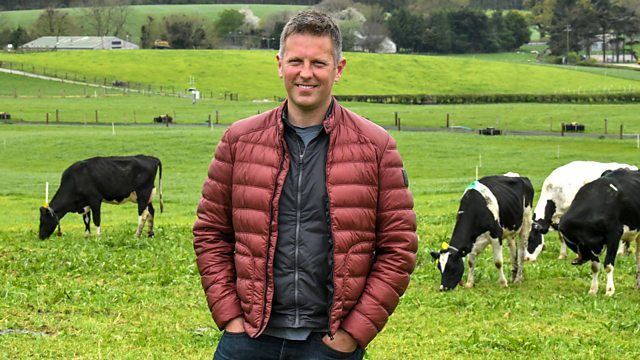
Our guide on this exploration is the ever-curious John Craven. He walks the riverbanks not just as a presenter, but as a storyteller, piecing together a narrative that spans centuries. He begins by tracing the Nidd’s path through the town, observing how it continues to define daily life. Furthermore, John’s mission is to connect the past with the present. He wants to meet the people whose lives are still interwoven with the river’s currents. This popular countryfile segment delves deep into the soul of the region, revealing a story of resilience, adaptation, and profound connection to the natural world.
For centuries, the River Nidd was the engine of the community’s economy. Its powerful currents once turned the wheels of numerous mills, processing flax and corn. This industry was the backbone of local rural life, providing livelihoods for countless families. However, the river could also be a formidable force, with floods posing a constant threat. This dynamic relationship fostered a deep respect for nature’s power. In addition, it shaped a community that was both resourceful and resilient. The echoes of this industrial past can still be heard if you listen closely to the river’s timeless song.
Today, a new generation has taken on the role of the river’s guardians. John Craven meets these dedicated individuals who work tirelessly to protect its delicate ecosystem. They are conservationists, volunteers, and local landowners. Each shares a common goal: to ensure the River Nidd remains healthy for generations to come. They monitor water quality, manage bankside habitats, and educate the public on its importance. Ultimately, their work represents a modern chapter in the river’s long story. It is a narrative of stewardship and a profound sense of responsibility for their unique slice of heritage Yorkshire.
A significant part of this modern stewardship involves forward-thinking agriculture. John visits a local farm to understand the role of sustainable farming in protecting the waterway. He discovers how farmers are changing their practices to prevent soil erosion and chemical runoff from entering the river. For example, they are planting buffer strips along the banks and reducing their reliance on pesticides. This careful approach not only safeguards the Nidd’s wildlife but also ensures the long-term viability of rural life. It is a powerful example of how farming and conservation can, and must, work hand in hand.
The river also continues to inspire a vibrant culture of traditional crafts. John meets local artisans who draw their inspiration directly from the Nidd. Perhaps it is a boat builder, crafting the iconic wooden rowing boats that glide gracefully beneath the viaduct. Or maybe it is a potter, using clay sourced from the river’s banks to create beautiful, earthy ceramics. These crafts are more than just a nod to the past. They are a living, breathing part of the local economy and culture. Consequently, they provide a tangible link to the generations who came before, connecting the present community to its roots.
Countryfile – River Nidd
To truly appreciate the Nidd’s significance, John Craven also dips into the archives. Here, he uncovers stories of how water has shaped other parts of the magnificent Yorkshire landscape. He finds maps of ancient waterways and photographs of canal-building projects. These records reveal a broader pattern across the region. From the industrial might of the River Aire to the tranquil beauty of the Yorkshire Dales’ becks, water is the thread that ties the entire heritage yorkshire tapestry together. This wider context shows that the story of the River Nidd is a vital chapter in a much larger regional saga.
The River Nidd is, therefore, far more than a simple geographical feature. It is a silent observer of history, a provider of life, and a muse for creativity. It has witnessed battles, powered industry, and inspired legends. Through times of prosperity and hardship, its waters have flowed on, a constant and reassuring presence in the lives of the people of Knaresborough. The river serves as a powerful metaphor for time itself. It is always changing, yet always remaining fundamentally the same, connecting the distant past with the hopeful future.
In this memorable Countryfile episode, John Craven reveals that the true story of the River Nidd is written in its relationship with its people. It is a narrative of co-existence, of respect, and of a shared destiny. The journey reminds us that our natural landscapes are not just scenery. They are living histories that hold the stories of our ancestors and the key to our future. As the episode concludes, we are left with a deeper appreciation for this remarkable river and the community that continues to cherish it.
Countryfile – River Nidd review
The River Nidd carves a dramatic path through the North Yorkshire landscape, its waters flowing past ancient cliffs and beneath a magnificent Victorian viaduct. At its heart lies Knaresborough, a town steeped in history and legend, whose very existence is owed to the river that shaped its destiny. This remarkable waterway serves as a central artery for the region, carrying stories of geological upheaval, industrial innovation, and mystical folklore. Its significance to the identity of heritage Yorkshire is profound, offering a window into a past that continues to influence the present.
Exploring this unique corner of the country reveals the intricate connections between the natural environment and human history. The journey along the River Nidd is more than a simple sightseeing tour; it is an investigation into the forces that have shaped both the land and its people. From the establishment of Norman fortresses to the rise of a world-famous linen industry, the river has been a constant provider and a silent witness. Esteemed journalist John Craven recently undertook an exploration of this area, highlighting the enduring importance of its natural and cultural assets.
This article delves into the multifaceted story of the River Nidd and its surrounding region, drawing upon the insights of local experts and conservationists. It will examine the geological processes that created Knaresborough’s stunning gorge and the subsequent historical developments that secured the town’s importance. Furthermore, it will uncover the enduring legends, such as that of Mother Shipton, whose story is inextricably linked to the river’s mysterious caves. The narrative will also extend to the broader Yorkshire landscape, revealing how water has sculpted other natural wonders like Malham Cove.
The account also addresses the modern challenges facing the waterway. Community-led conservation efforts are now crucial for protecting the river’s delicate ecosystem from contemporary pressures like pollution. These initiatives showcase a new chapter in the river’s story, one focused on preservation and responsibility. This dedication to stewardship reflects a deep appreciation for the rural life that has long defined the area. The vibrant, often unseen, world beneath the water’s surface underscores what is at stake.
Beyond the riverbanks, the influence of water on Yorkshire’s identity extends to the rugged coastline, where traditional crafts persist against the tide of modernity. The construction and sailing of historic fishing boats, known as cobles, offer a powerful link to a maritime past. These vessels, once ubiquitous along the coast, represent a cherished aspect of the region’s heritage, preserved by dedicated craftspeople. Their story, like that of the river, is one of resilience and adaptation.
Ultimately, the journey from the inland gorges of Knaresborough to the coastal caves of Flamborough Head paints a comprehensive picture of Yorkshire’s deep relationship with water. It is a story of creation, industry, legend, and conservation. The narrative that unfolds is a testament to the enduring power of the natural world to shape human culture and inspire a profound sense of place. This exploration, documented for a special Countryfile feature, serves as a vital record of a unique and cherished landscape.
The Geological and Historical Heart of Knaresborough
The story of Knaresborough begins not with kings or castles, but with the immense power of melting glaciers after the last ice age. According to former mayor Margy Longhurst, these colossal ice sheets forged a path through the landscape, carving through soft magnesium limestone while being deflected by the harder millstone rock. This geological battle created the dramatic gorge through which the River Nidd flows today. The town of Knaresborough owes its very structure to this ancient process, having made the most of the natural defenses and resources the gorge provided.
Following the Norman Conquest, the area’s strategic importance became clear. The name Knaresborough itself means “fortress on a rock,” and the Normans quickly established a castle on the high cliffs overlooking the river. This formidable position, with a 120-foot drop to the water on one side and a dry moat on the other, made it a natural place for settlement. The castle became a royal property, frequented by figures like King John, who used the vast surrounding Forest of Knaresborough for hunting. Today, the ruins of Knaresborough Castle still stand as a testament to this foundational period of its history.
As the centuries passed, the river became a crucial route for trade and industry. The linen business emerged as the town’s main economic driver, a development entirely dependent on the abundant water supply. Initially a cottage industry, it grew into a major enterprise with the construction of large mills in the 19th century. At its peak, the mills employed around 80% of the local population. Knaresborough linen became so famous that one mill held the sole right to produce household linens, such as tea towels, for Queen Victoria’s Balmoral estate, marking a significant point of pride for the town.
The arrival of the railway in 1851, marked by the construction of the iconic viaduct, ushered in a new era for Knaresborough. The train brought increased prosperity and the rise of tourism. Visitors flocked to see the castle, the stunning views, and the unique landscape shaped by the river. This transition cemented tourism as one of the primary industries, a legacy that continues today as people come to enjoy the scenery, explore the history, and take to the water on boats.
Legends Carved by the River Nidd
Alongside its rich history, the banks of the River Nidd are home to some of England’s most enduring myths and mysteries. Central to this folklore is the story of Mother Shipton and her cave, a site that has reportedly drawn visitors since 1630, making it England’s oldest tourist attraction. According to heritage guide Jay Stelling, the legend begins in 1488, when a young woman named Agatha Sontheil was cast out of Knaresborough. She found shelter in a cave by the river, where she gave birth to a daughter, Ursula Sontheil.
Ursula, who later became known as Mother Shipton, was said to be an unusual child who grew into a famous prophetess. She spent her time in the tranquility of the cave and the surrounding woodlands, where she developed her purported abilities. Her prophecies became known throughout the world, with predictions attributed to her that include the Great Fire of London, the defeat of the Spanish Armada, and even the invention of the internet. While some predictions, like the world ending in 1881, failed to materialize, her legend has only grown, making her Knaresborough’s own Nostradamus. During her lifetime, she was both feared and revered, a figure whose connection to the natural landscape gave her a powerful mystique.
Just steps from Mother Shipton’s Cave lies another geological marvel: the Petrifying Well. This unique spring, once known as the Dropping Well, contains an exceptionally high mineral content. As the water flows over objects and evaporates, it leaves behind a hard, rock-like coating. In Mother Shipton’s time, this natural phenomenon was a source of great fear, as people believed the well could turn them to stone. Today, this process is used to create curious souvenirs, with items like teddy bears becoming “petrified” in just three to five months.
The well’s face is adorned with countless objects left over the centuries, slowly being encased in a mineral armor. Among the oldest items are a Victorian lady’s bonnet and a gentleman’s top hat, left on the way to the York races and never retrieved. Presenter John Craven even located a sock he had hung in the well two decades prior, now preserved as a solid artifact in the site’s museum. This living exhibition is a direct and tangible link to the river’s mysterious and powerful properties.
The Wider Impact of Water on the Yorkshire Landscape
The same combination of water and limestone that sculpted the Knaresborough gorge has created other spectacular features across Yorkshire. To the west, at Malham Cove, these forces have produced a much wilder scene. The cove is a massive, curved limestone cliff forming a natural amphitheater, a place of immense beauty and geological significance. At the end of the last ice age, rainwater began to erode the limestone pavement at the top, following cracks and crevices. This process formed the distinctive patterns of large, flat stones, known as clints, separated by deep fissures called grikes.
As the ice sheets melted, Malham Cove was transformed into a colossal waterfall, which helped to carve out the valley below. Today, the cliff face stands at 80 meters tall and offers some of the most challenging rock climbs in the world. As climber Neil Gresham explains, limestone is a particularly difficult rock type to scale because it is smooth and offers very small holds. Conquering this dramatic piece of nature requires not only physical strength but also significant mental fortitude. The grandeur of the cove, a direct result of water’s relentless power, continues to draw visitors and climbers alike, leaving them in awe of its scale and history.
The influence of water extends to Yorkshire’s coastline, where it has carved out more than 200 sea caves along Flamborough Head. These caves, formed in the relatively soft chalk cliffs, create a unique and protected habitat. According to marine expert Bex Lynam of the Yorkshire Wildlife Trust, the environment inside these caves is markedly different from the outside world. It is darker, damper, and maintains a more stable temperature, providing shelter from the wind and rain. This unique environment supports a specialized ecosystem of creatures adapted to these conditions.
Some animals, such as the piddock, are able to bore directly into the soft chalk, creating a permanent home within the rock. When these creatures die, their burrows provide nooks and crannies for other animals to inhabit. The caves are also home to various species of sponge, including the nationally rare chalk-boring sponge, which secretes acid to wear away the rock. These animals, along with beautiful, jewel-like beadlet anemones, thrive in the damp, sheltered conditions, creating a vibrant ecosystem hidden from plain sight.
Modern Guardianship and Environmental Challenges
Despite its idyllic appearance, the River Nidd faces significant modern-day threats. In recent years, its water quality has come under scrutiny due to pollution from various sources, including sewage, farm runoff, and even old metal mines. The presence of harmful bacteria like E.coli has become a serious concern for locals, prompting community action. An organization called the Nidd Action Group was established by local people to protect the health of the river. This group of dedicated volunteers works to monitor the waterway and advocate for its preservation.
Conservationist and group member Adrian Sturdy demonstrates one of the key monitoring techniques: riverfly sampling. By “kick sampling” the riverbed, he collects invertebrates whose presence, or absence, serves as an indicator of water quality. Finding mayflies, for instance, is a very good sign, as they only live in clean water. In contrast, an abundance of creatures like leeches and segmented worms can suggest poorer conditions. These invertebrates are what the Riverfly Partnership calls the “canaries of the river system,” providing early warnings of pollution events.
The community’s efforts recently led to a stretch of the river being granted official bathing water status. As fellow member David Claydon explains, this designation does not mean the water is currently clean and safe. Instead, it legally obligates the Environment Agency and Yorkshire Water to monitor the river, gather evidence, and produce a plan of action to improve its quality. To aid this process, an interactive AI-powered sign has been installed, allowing the public to report observations and receive information about the river’s health. The system, called Hello Lamp Post, has revealed that a primary concern for residents is whether the water is safe for their dogs.
This fusion of citizen science and modern technology empowers the community to participate directly in the river’s protection. The volunteers see themselves as custodians of the river, responsible for speaking on its behalf. Their work highlights a broader issue affecting many of Yorkshire’s waterways. Filmmaker Mark Barrow, who has documented the nearby River Wharfe for 35 years, has witnessed firsthand the devastating effects of pollution, including being caught in a full sewage discharge. Such experiences underscore the urgent need for action to restore these vital rivers back to how nature intended.
Exploring the Hidden Life of Yorkshire’s Rivers
While the surface of Yorkshire’s rivers offers scenic beauty, a hidden world of remarkable wildlife thrives beneath. For 35 years, filmmaker and landscape gardener Mark Barrow has dedicated his spare time to documenting this unseen ecosystem in the River Wharfe. Inspired as a child by documentaries on great white sharks, he learned to dive and discovered that the freshwater environments on his doorstep were just as amazing. His underwater footage, often shared on social media and with angling clubs, reveals a level of biodiversity that surprises many locals.
One of his most significant achievements was capturing the entire spawning process of the barbel. By pure chance, he witnessed the fish laying their eggs and was able to return 15 days later to film the newly hatched baby barbel emerging from the gravel. He has also filmed the fascinating European eel, a species that participates in one of nature’s greatest migrations, traveling from the Sargasso Sea across the Atlantic. He observed one eel with poor eyesight attempting to hunt minnows, relying on its remarkable sense of smell from its four nostrils.
Another captivating resident of these rivers is the grayling, a fish affectionately known as “the lady of the stream” for its style, grace, and beautiful colors. Barrow has filmed grayling picking up gravel in their mouths, swirling it around to dislodge food deposits before spitting the gravel back out. On one occasion, he had a memorable encounter where several small grayling nibbled on his upper lip while he was snorkeling, a weird but amazing feeling that highlights the intimacy of his work. These encounters provide an invaluable window into the complex behaviors and delicate beauty of freshwater life.
Preserving the Maritime Traditions of the Coast
The story of Yorkshire’s relationship with water culminates on the East Yorkshire coast, where traditional crafts like boatbuilding are being kept alive by a few dedicated individuals. In the harbour of Bridlington, the fishing coble, a small wooden boat with a distinctive flat bottom and high bow, was once a common sight. These vessels were perfectly designed for the local conditions, as their flat bottoms allowed them to be hauled onto a beach, while their high bows helped them navigate the rough North Sea. Today, however, only a handful remain.
Craftsman John Clarkson, who has worked with these boats for most of his life, is one of the few still building and repairing them. After the demand for wooden boats died out in favor of fiberglass and steel, he transitioned to general joinery. Upon retiring, he returned to his passion, driven by a desire to preserve this unique aspect of heritage Yorkshire. Alongside volunteers from the Bridlington Sailing Coble Preservation Society, he has built new cobles, ensuring their legacy continues. Each boat is unique, built from trees without a formal blueprint, a testament to the builder’s skill.
A striking feature of the Bridlington coble is its red sails. This color comes from a traditional technique called “barking,” where a mixture of oak bark, linseed oil, and ochre is used to coat the canvas. This process waterproofs the sail, keeping it supple and strong while giving it its distinctive hue. On the water, the cobles are a magnificent sight, their red sails catching the wind as they navigate the bay. Lacking a keel, they are steered by an extra-long rudder, a substantial piece of equipment that requires skill to handle. This dedication to traditional methods ensures that the spirit of the Yorkshire coast’s maritime past continues to sail on.
Where Waters Meet Heritage: A Living Testament to Yorkshire’s Soul
Standing on the banks of the River Nidd today, watching its waters flow beneath Knaresborough’s Victorian viaduct, you’re witnessing more than just a picturesque scene—you’re observing a master class in how landscape and human story interweave across centuries. This remarkable waterway, along with Yorkshire’s broader aquatic tapestry, offers profound lessons about resilience, stewardship, and the enduring power of place.
The journey from Knaresborough’s limestone gorge to Bridlington’s harbor reveals a fundamental truth: water doesn’t just shape geography—it shapes character. Whether it’s the Norman castle builders who recognized the Nidd’s defensive advantages, the linen mill workers whose livelihoods depended on its flow, or today’s conservation volunteers monitoring invertebrates as “canaries of the river system,” each generation has found their identity reflected in these waters. The River Nidd has been witness, provider, and muse, adapting to serve new purposes while maintaining its essential nature.
Perhaps most striking is how this aquatic heritage continues to evolve. The Nidd Action Group’s use of AI-powered monitoring systems alongside traditional riverfly sampling exemplifies a distinctly modern approach to ancient stewardship. When community members secure official bathing water status for their river, they’re not just fighting pollution—they’re asserting that clean water remains a fundamental right, as essential today as it was when Mother Shipton sought shelter in her riverside cave. This fusion of citizen science and cutting-edge technology demonstrates that heritage preservation needn’t be nostalgic; it can be innovative, inclusive, and urgent.
The craftspeople maintaining Yorkshire’s maritime traditions offer another compelling model. John Clarkson’s dedication to building traditional cobles without formal blueprints speaks to knowledge that lives in hands and hearts rather than textbooks. These red-sailed vessels, navigating Bridlington Bay with their distinctive flat bottoms and oversized rudders, carry forward not just techniques but values—the belief that some things are worth preserving simply because they embody excellence, beauty, and connection to place.
For those inspired by Yorkshire’s water stories, the path forward is clear. Whether you’re drawn to the geological drama of Malham Cove, the hidden biodiversity captured in Mark Barrow’s underwater footage, or the mystical allure of the Petrifying Well, each offers opportunities for deeper engagement. Support local conservation groups, participate in citizen science projects, or simply spend time observing your nearest waterway with fresh eyes. In an age of global challenges, these local connections matter more than ever.
The River Nidd and its Yorkshire companions remind us that heritage isn’t just about preserving the past—it’s about ensuring the future. Every monitoring session, every traditional craft practiced, every story shared adds another layer to these waters’ continuing narrative. As John Craven’s exploration reveals, understanding our relationship with water means understanding ourselves. In protecting these rivers, we protect not just ecosystems but the very essence of what makes places—and communities—truly distinctive.
The waters flow on, carrying yesterday’s stories toward tomorrow’s possibilities, inviting each of us to add our chapter to this remarkable, unending tale.