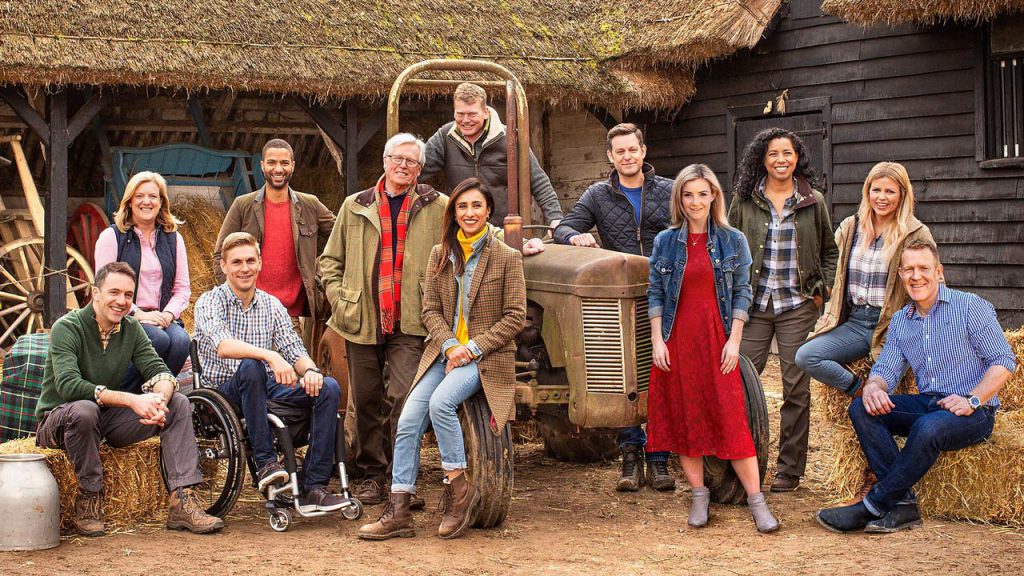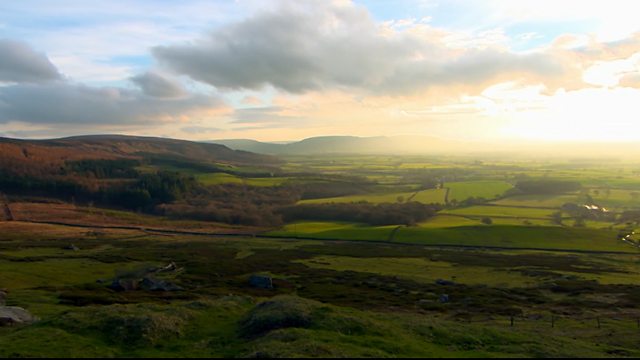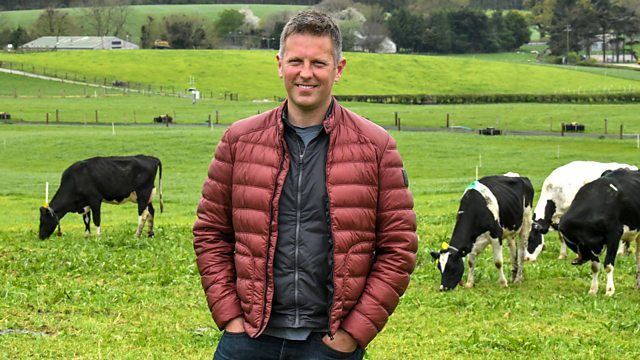
In Countryfile – Heritage Yorkshire invites viewers on a heartfelt journey into the soul of one of England’s most storied counties. Guided by the ever-curious John Craven, the episode blends nostalgia with discovery, weaving together the threads of tradition, craftsmanship, and innovation that define Yorkshire’s rural spirit. It is a celebration of people and places where history is not just remembered—it is lived, breathed, and worked into the fabric of everyday life.
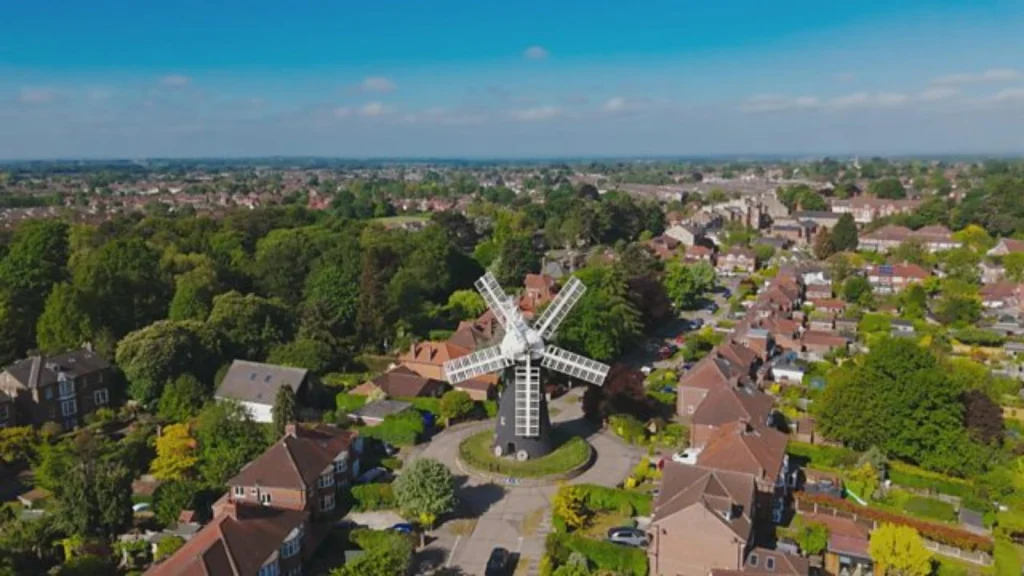
The journey begins at the historic Holgate windmill, an enduring landmark that has stood against centuries of weather and change. Here, flour is still ground in the old-fashioned way, with the steady rhythm of turning sails and the soft hum of millstones echoing through its wooden frame. The air is filled with the scent of freshly milled grain, and there’s a warmth in knowing that the same methods used generations ago are still feeding local communities today. Standing inside, one can almost hear the whispers of millers past, their stories bound up in every creak of the timbers.
From the windmill’s quiet dignity, John moves to a setting that marries tradition with the future—a solar-powered micro-distillery unlike any other. Here, heritage grains are given a second life, transformed into sustainable spirits that speak to both Yorkshire’s farming history and its forward-thinking innovation. The process is as much about respecting the past as it is about embracing modern ingenuity. Sunlight captured on the distillery’s panels powers the machinery, proving that progress does not have to erase tradition; it can, instead, illuminate it.
As John explores these spaces, he also opens the door to the rich treasure chest of the Countryfile archives. Footage from years gone by reveals blacksmiths shaping glowing iron, weavers working looms that sing with the clack of wooden shuttles, and stonemasons chiselling intricate designs into blocks destined to stand for centuries. These time-honoured crafts are more than skills—they are living testaments to resilience, creativity, and the deep connection between people and the land they call home.
Yorkshire’s heritage is not just about objects or buildings; it’s about the human stories that have carried these traditions forward. In village halls and farmhouse kitchens, knowledge has been passed down like a treasured heirloom, often through nothing more formal than a conversation over tea. For every craft kept alive, there’s a person whose hands learned from another’s, whose eyes watched and remembered every movement, whose heart understood that some things are too precious to be forgotten.
Walking through these landscapes, John reminds us that rural life is a tapestry woven from countless small threads. The rolling fields of golden grain are not just a picturesque backdrop—they are the product of centuries of planting, harvesting, and adapting to the changing seasons. The stone walls that line the fields are more than boundaries; they are monuments to human perseverance, built rock by rock by people whose names are often lost to history but whose work endures.
The episode also captures the rhythm of rural communities, where market days are as much about friendship as they are about trade. It is in these gatherings that heritage is reinforced—not through grand declarations, but in the everyday sharing of stories, recipes, and laughter. This is where the past and present meet, where the future is quietly nurtured, and where the value of tradition is measured not in years but in relevance to the lives being lived now.
Countryfile – Heritage Yorkshire
In Heritage Yorkshire, the past is never presented as a relic under glass. Instead, it is shown as a living, evolving part of the present—something that grows alongside change rather than being pushed aside by it. The solar-powered distillery is proof that heritage and innovation can work in harmony. The Holgate windmill reminds us that sometimes the old ways are still the best. Together, they form a story that is uniquely Yorkshire: proud, adaptable, and rooted in its sense of place.
John Craven’s gentle narration carries the viewer through each scene like a trusted friend guiding you down a country lane. His respect for the people he meets is evident, and his curiosity is infectious. By the time the credits roll, Heritage Yorkshire has not only showcased the beauty and resilience of the county’s traditions but has also quietly asked us all a question—what do we choose to carry forward, and how will we keep it alive?
In the end, this episode of Countryfile is more than a programme; it is a reminder that heritage is a living promise. It belongs not just to museums or history books, but to fields, workshops, and the hands of those who shape it today. Yorkshire’s story is still being written, and with every turn of the windmill sails and every drop of spirit distilled under the sun, its legacy grows richer still.
Countryfile – Heritage Yorkshire review
The program Heritage Yorkshire invites viewers on a heartfelt journey into the soul of one of England’s most storied counties. Guided by the ever-curious John Craven, the episode blends nostalgia with discovery, weaving together the threads of tradition, craftsmanship, and innovation that define Yorkshire’s rural spirit. It is a celebration of people and places where history is not just remembered—it is lived, breathed, and worked into the fabric of everyday life.
This exploration matters deeply in an age where mass production often overshadows artisanal skill. The show champions the dedicated individuals who preserve the heart of rural life. It demonstrates how ancient practices, from milling grain to dyeing wool, hold valuable lessons in sustainability and quality. These traditions connect communities to their landscape, creating products with a story and a soul that no factory can replicate. Thus, the program serves as a timely reminder of the resilience and relevance of heritage in our fast-paced world.
The scope of Heritage Yorkshire is both broad and intimate. It centers on the journey of heritage grains, following them from a restored windmill to a modern distillery. Along the way, the narrative branches out to explore other time-honored crafts that have shaped the countryside. Viewers are introduced to the meticulous process of making footwear by hand and the alchemical transformation of plants into vibrant dyes for wool. Through these interconnected stories, the episode paints a rich tapestry of England’s living history.
At its core, the program explores how local resources have always been the bedrock of rural communities. For centuries, people have harnessed the power of the wind, the bounty of the land, and the unique qualities of native materials. The Holgate Windmill, for instance, stands as a testament to 18th-century engineering powered by Yorkshire grit and grains. This deep-rooted connection between people and their environment is a recurring theme, highlighting a resourceful and sustainable way of life that continues to inspire. These traditional crafts are not relics of the past but are actively practiced and adapted by new generations.
From the creaking gears of an ancient windmill to the gleaming copper of a modern still, the journey through Heritage Yorkshire reveals a dynamic interplay between the past and the future. It shows how old skills and materials can fuel new enterprises, ensuring that the legacy of the land endures. The episode transitions from these foundational ideas to a deeper look at the specific people and places keeping these traditions alive, starting with a remarkable structure saved by its own community.
Holgate Windmill: Reviving Yorkshire’s Milling Heritage
The Holgate Windmill, built in 1770, is a remarkable piece of 18th-century engineering and the oldest five-sailed windmill in the country. Originally overlooking the quiet hamlet of Holgate from the open countryside, it now finds itself in the curious position of being marooned on a traffic island in a suburban housing estate on the outskirts of York. After ceasing operations in 1933, the windmill was abandoned and left to decay for decades. However, thirteen years ago, a dedicated band of committed volunteers stepped in to rescue the historic structure and bring it back to life.
The restoration was a monumental effort driven by the local community. According to volunteer Steve Potts, the council had essentially locked the door and “threw away the key,” leaving the mill untouched for 80 years. This neglect, paradoxically, helped preserve it; much of the original cast iron machinery remained inside, safe from being stolen. While the tower required extensive repairs, the cap and sails had to be newly constructed. Since reopening in 2012, the mill has required constant maintenance, a battle against weather that perpetually wears on the woodwork. As Steve Potts notes, using the machine is the key to its preservation, because a turning mill suffers less from rot.
The milling process itself is a masterful use of natural forces. Head of milling, Jenny Hartland, explains that the entire operation runs on wind power and gravity—two free energy sources. The process begins at the top of the five-story mill, where grains like wheat, rye, and locally sourced spelt are poured into a chute that feeds down to the millstones two floors below. The mechanics are beautifully simple: the wind turns the sails, which rotate a massive internal wheel called the “wallower.” This cog wheel transfers the horizontal energy from the sails into vertical power, driving the millstones.
Despite its ingenuity, the windmill faces a timeless challenge: a lack of wind. On still days, the mill relies on a modern electric motor, a backup system that continues a long tradition. The current motor replaced one installed around 1900, which itself had replaced a steam engine. An archival story from the 1830s reveals that a miller was even taken to court for milling on a Sunday.
He successfully defended himself by arguing that there had been no wind for two months and people were going hungry. This historical anecdote underscores the perpetual struggle and resourcefulness that define life at Holgate Windmill. Today, the flour it produces is sold commercially, supplying a local bakery and keeping this piece of heritage fully functional.
Weaving New Life into Traditional Crafts
Beyond Yorkshire, the episode explores other traditional crafts where artisans are breathing new life into age-old practices. In the Cotswolds, farmer Lydia Handy is tackling the modern devaluation of wool. Once a prized commodity, the price for fleece now barely covers the cost of shearing, a decline largely caused by the rise of cheap synthetic fabrics. Insulted by the notion that the beautiful fleeces from her Devon Closewool sheep were worthless, Lydia decided to do something with the wool herself, reviving the tradition of natural dyeing.
Her methods are a testament to sustainable farming and resourcefulness. Lydia sources her dyes directly from the farm, using apple leaves to create a gorgeous yellow, eucalyptus for light pink, and red onion skins for a peachy hue. The process involves simmering the wool with the plant materials and a mordant, such as alum, which helps the color bind to the fibers. In a fascinating twist, she uses a modifier made from rusty nails steeped in vinegar and water to alter the colors, transforming the apple-leaf yellow into a lovely olive green. This hands-on approach reconnects the final product directly to the land it came from.
Once dyed, the vibrant yarn is woven on a simple and efficient Brinkley Loom, a process that can be set up in an hour compared to the full day required for a large floor loom. Lydia weaves random patterns, creating unique textiles that become cushions, which are then stuffed with the farm’s own wool. Her work is a powerful statement about the importance of sustainable fibers and the environmental damage caused by synthetic materials. It is a compelling example of how one person’s passion can help restore value to a forgotten product.
This spirit of preservation is echoed in the Peak District at William Lennon and Co., the sole surviving bootmaking factory in a village that once housed six. Founded in 1899, the factory has been in the same building since 1904, crafting durable work boots for local quarrymen whose footwear was constantly eroded by limestone.
Today, the business is run by the founder’s great-grandchildren, who continue to use the original, century-old machinery and methods to create boots sought after worldwide for their vintage appeal. The process is meticulous, involving hand-cutting leather with “clicking knives,” stitching with antique machines, and shaping the boot on a wooden last. This dedication to traditional crafts ensures that each pair is not just footwear, but a piece of history built to last a lifetime.
Heritage Yorkshire: Grains of the Past, Spirits of the Future
The episode “Heritage Yorkshire” masterfully illustrates how the past can fuel the future, a concept brilliantly embodied by a modern distillery in the heart of the countryside. Here, entrepreneurs Chris and Abbie Jaume are blending age-old ingredients with space-age technology. Inspired by a trip to Tasmania, they established a distillery that uses a unique Tasmanian copper pot still—the only one of its kind in the Northern Hemisphere—to produce a range of sustainable spirits. Their gin is made with Yorkshire-grown wheat, while their whisky starts with heritage English barley, rooting their innovative venture firmly in the local landscape.
This distillery is a showcase of sustainable innovation. To combat the energy-intensive nature of distilling, Chris and Abbie coated their still with a special ceramic paint developed by NASA for space rockets, a move that saves 21% of their energy. On a sunny day, their entire operation can be powered by their own solar panels, making them one of the first distilleries in the world with this capability. Their commitment to a circular economy is further evidenced by their relationship with a local farmer, who collects the spent grain from the whisky-making process to feed his cattle, creating a closed-loop system that benefits both parties.
This small, agile business is at the forefront of a significant movement: the rise of English whisky. While many associate whisky exclusively with Scotland, there are now 61 whisky distilleries in England, with seven located in Yorkshire alone. This burgeoning industry has gained international acclaim, with an English whisky recently winning “World’s Best” at the prestigious World Whiskies Awards. This recognition signals a new era for English spirits, proving that world-class whisky can be crafted far from its traditional heartland.
The culmination of this process is, of course, the tasting. Using a special tool called a “spirit thief,” Abbie draws a sample directly from a three-and-a-half-year-old bourbon cask. The spirit, tasted at a potent cask strength of around 58%, is complex and aromatic, with notes of fruit and spice derived from the heritage grains and the oak. After being diluted with a drop of water to its bottling strength, the whisky’s full character emerges. This final product is a perfect marriage of tradition and innovation, a spirit that captures the essence of Heritage Yorkshire in every drop.
A Living Testament to Tomorrow’s Roots
Standing in the shadow of Holgate Windmill, watching its ancient sails catch Yorkshire’s restless wind while solar panels glint on a nearby distillery roof, you witness something profound: tradition isn’t a museum piece—it’s a blueprint for the future.
The stories woven throughout Heritage Yorkshire reveal a fundamental truth that our modern world desperately needs to rediscover. From Jenny Hartland’s gravity-powered millstones to Chris and Abbie Jaume’s NASA-coated copper still, we see that innovation doesn’t require abandoning the wisdom of our ancestors. Instead, the most revolutionary advances often emerge when we marry time-tested principles with cutting-edge technology. The distillery’s closed-loop system, where spent grain feeds local cattle, echoes the same circular thinking that kept Yorkshire communities thriving for centuries—nothing wasted, everything connected.
This isn’t mere nostalgia dressed up as progress. Lydia Handy’s transformation of “worthless” wool into vibrant, naturally-dyed textiles speaks to a larger economic awakening. As consumers increasingly question the true cost of fast fashion and synthetic materials, her apple-leaf yellows and eucalyptus pinks offer something synthetic fibers never can: authenticity with a story. Similarly, the William Lennon bootmakers haven’t survived 125 years by clinging to the past—they’ve endured because their century-old methods still produce superior products that modern factories struggle to match.
Perhaps most importantly, these Yorkshire artisans demonstrate that heritage crafts aren’t quaint hobbies for the privileged few. They’re viable, sustainable businesses that create meaningful work while solving contemporary problems. The distillery’s solar-powered operation addresses climate concerns without sacrificing quality. The windmill’s volunteer-driven restoration proves communities can preserve their history while making it economically productive. Each represents a different path forward—one that values both environmental stewardship and human craftsmanship.
The lesson extends far beyond Yorkshire’s stone walls and rolling fields. In our increasingly automated world, where artificial intelligence reshapes industries overnight, the human element becomes more precious, not less. The gentle rhythm of hand-weaving, the careful adjustment of millstones, the patient waiting for wind—these aren’t inefficiencies to be optimized away. They’re irreplaceable sources of meaning, connection, and resilience that technology amplifies rather than replaces.
As Heritage Yorkshire makes clear, the future belongs not to those who abandon their roots, but to those who understand how to grow from them. Whether you’re an entrepreneur seeking sustainable business models, a community leader looking to revitalize local traditions, or simply someone yearning for more authentic experiences, Yorkshire’s living heritage offers a roadmap. The question isn’t whether we can afford to preserve these traditions—it’s whether we can afford not to.
The windmill’s sails will keep turning, the spirits will keep flowing, and the ancient craft knowledge will keep finding new expression. The only question remaining is: what heritage will you help write for tomorrow?
FAQ Countryfile – Heritage Yorkshire
Q: What is Heritage Yorkshire and what makes it unique?
A: Heritage Yorkshire is a Countryfile episode that explores Yorkshire’s living traditions through the lens of sustainable innovation. Unlike typical heritage documentaries, it showcases how ancient crafts like windmill flour grinding and natural wool dyeing are being revitalized with modern technology. The program demonstrates that tradition and progress can work harmoniously together.
Q: Where is Holgate Windmill located and what makes it historically significant?
A: Holgate Windmill, built in 1770, stands on a traffic island in a suburban housing estate on the outskirts of York. Remarkably, it’s the oldest five-sailed windmill in England and represents 18th-century engineering excellence. After 80 years of abandonment, dedicated volunteers restored it in 2012, proving that community action can preserve valuable heritage.
Q: How does the solar-powered distillery combine tradition with modern technology?
A: Chris and Abbie Jaume’s distillery uses heritage grains in a unique Tasmanian copper pot still coated with NASA-developed ceramic paint, which saves 21% energy. Furthermore, solar panels can power their entire operation on sunny days, making them among the world’s first solar-powered distilleries. Additionally, spent grain feeds local cattle, creating a circular economy model.
Q: What traditional crafts are featured beyond milling and distilling?
A: The episode showcases natural wool dyeing by farmer Lydia Handy, who transforms ‘worthless’ fleece using apple leaves, eucalyptus, and onion skins. Similarly, William Lennon and Co. continues century-old bootmaking traditions in the Peak District, crafting durable work boots using original machinery from 1904. These examples illustrate how traditional skills remain economically viable today.
Q: How does English whisky production compare to Scottish whisky?
A: England now boasts 61 whisky distilleries, with seven located in Yorkshire alone, challenging Scotland’s traditional dominance. Notably, an English whisky recently won ‘World’s Best’ at the prestigious World Whiskies Awards. This recognition demonstrates that world-class whisky can be crafted outside its traditional Scottish heartland, signaling a new era for English spirits.
Q: What role does John Craven play in Heritage Yorkshire?
A: John Craven serves as the episode’s guide, carrying viewers through each scene with gentle narration that feels like a trusted friend leading you down a country lane. His infectious curiosity and evident respect for the artisans he meets creates an engaging viewing experience. Moreover, his approach helps viewers understand that heritage is a living promise rather than a museum piece.
Q: How do these heritage crafts address modern sustainability concerns?
A: Heritage Yorkshire demonstrates that traditional methods often embody sustainable principles lost in modern production. For instance, Lydia Handy’s natural wool dyeing challenges fast fashion’s environmental impact, while the windmill operates on wind power and gravity. These time-tested approaches offer valuable lessons in circular economy thinking and environmental stewardship.
Q: What economic lessons can modern businesses learn from these traditional crafts?
A: These Yorkshire artisans prove that heritage crafts aren’t hobby businesses but viable enterprises solving contemporary problems. Consequently, the solar-powered distillery addresses climate concerns while maintaining quality, and the volunteer-restored windmill generates commercial flour sales. Their success demonstrates that authenticity and sustainability can drive profitable business models.
Q: How are these traditions being passed down to future generations?
A: Knowledge transfer happens through informal mentorship, with skills passed down like treasured heirlooms through conversations over tea and hands-on learning. Additionally, community involvement, such as the volunteer restoration of Holgate Windmill, ensures traditions remain alive and relevant. These methods prove that heritage preservation doesn’t require formal institutions but passionate individuals committed to continuity.
Q: What broader message does Heritage Yorkshire convey about tradition and progress?
A: Heritage Yorkshire reveals that the future belongs to those who understand how to grow from their roots rather than abandon them. The episode illustrates that progress doesn’t require erasing tradition but can illuminate it instead. Ultimately, it challenges viewers to consider what heritage they’ll help write for tomorrow, emphasizing that authentic innovation emerges from understanding the past.