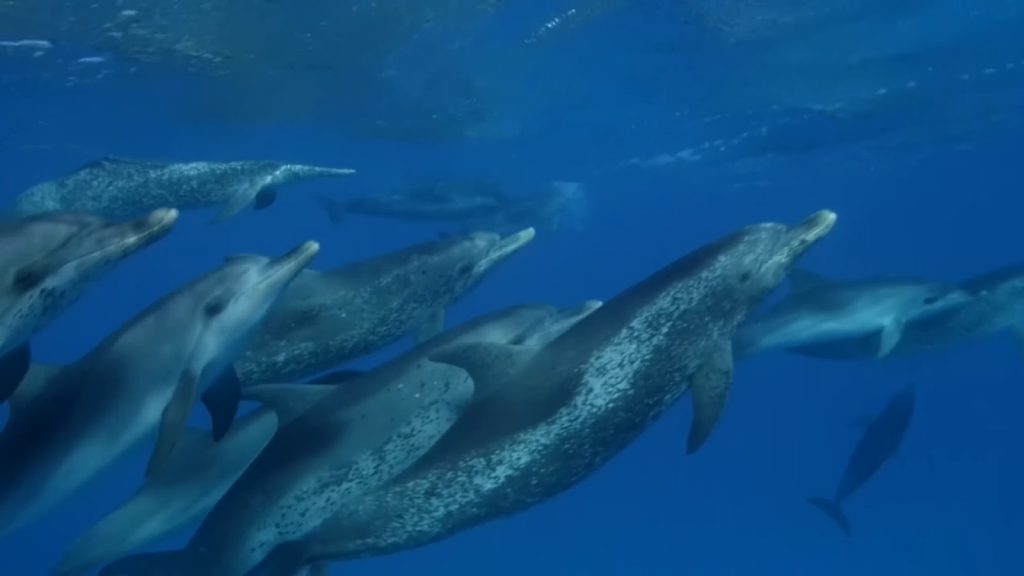
The Greatest Adventure part 2 begins with an intimate look at one of the ocean’s most devoted parents—a bottlenose dolphin mother, cradling her newborn calf. The calf’s skin is still creased from the womb, a testament to its recent arrival. In a world where most marine creatures abandon their young moments after birth, this mother’s five-year commitment is extraordinary. She will nurture, protect, and teach her calf essential skills for survival, displaying a rare level of dedication in the marine kingdom. Such devotion underscores the remarkable range of parenting strategies that exist beneath the waves.
Parenting in the ocean is, by and large, a risky endeavor. Many animals in these vast waters release thousands, even millions, of eggs into the currents, leaving fate and probability to determine which offspring survive. Yet, those that do embrace parenthood develop strategies that are often as ingenious as they are diverse. From the coral reefs of Indonesia to the kelp forests of Australia and the frigid coasts of Scotland, ocean parents have adapted to their surroundings with astonishing creativity. This episode reveals these adaptations in rich detail, blending captivating visuals with a narrative of survival and ingenuity.
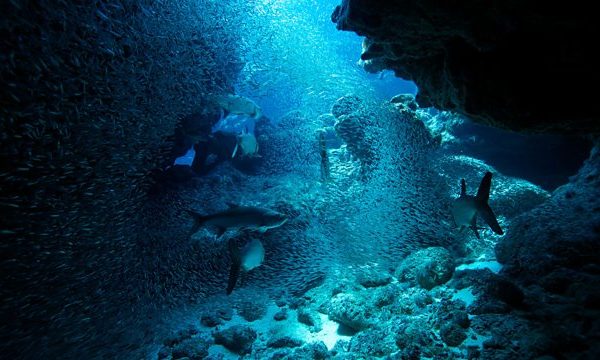
In The Greatest Adventure part 2, the diversity of these strategies becomes the central theme. The episode’s journey begins in coral reefs—vibrant underwater cities occupying less than one percent of the ocean floor yet home to over a quarter of all marine species. In this crowded habitat, where shelter is precious and predators abound, the Banggai cardinalfish father finds an extraordinary solution. He guards his offspring inside his mouth for weeks, enduring starvation to ensure their safety, a sacrifice few animals would endure. His story is emblematic of the creativity and resolve required for oceanic parenthood.
Elsewhere in the same reef systems, the narrative follows dolphins using the coral not just as shelter but as a tool for teaching. Red Sea mothers introduce their calves to playful games, honing agility and coordination. As the young mature, these games evolve into lessons in self-medication, with dolphins rubbing against certain corals to ward off skin parasites—an early example of animal healthcare. These interactions reveal a level of intelligence and cultural transmission that rivals that of many land-based species.
The episode then ventures to colder, kelp-rich waters, where the challenges shift dramatically. Here, seaweed becomes a natural nursery. In southern Australia, the weedy sea dragon—adorned with ornate leaf-like appendages—relies on perfect camouflage to hide from predators. Unlike most fish, it is the male who carries the eggs, protecting them until they hatch. In the same realm, the skeleton shrimp faces an entirely different challenge: raising its young while clinging to drifting seaweed, all while hunting for food. These scenes showcase how adaptability is key, whether it means blending into the background or multitasking under constant threat.
The Greatest Adventure part 2
Some of the most poignant moments unfold along the rugged Scottish coastline, where an otter mother balances the demands of hunting with the need to keep her three kits safe. The abundance of fish hides within thick forests of seaweed, forcing her to leave her offspring alone for hours. This strategy, though risky, is necessary for survival. On one occasion, her absence nearly results in disaster, illustrating the delicate balance ocean parents must strike between providing and protecting.
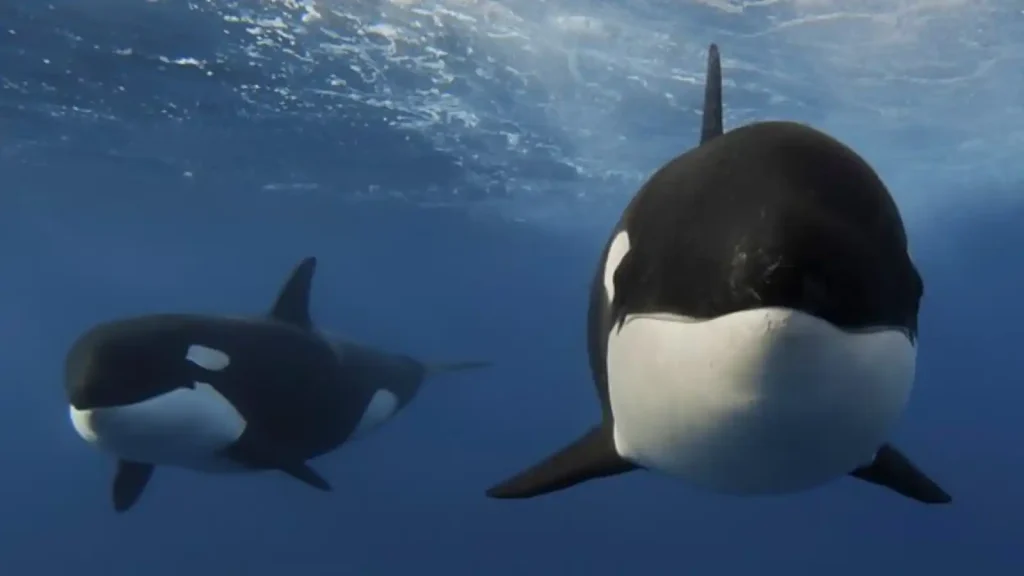
As the journey continues, intelligence emerges as a recurring theme in marine parenting. In Australian waters, killer whale mothers pass down hunting techniques that enable their pods to take on blue whales—a feat requiring not just strength, but strategy and coordination. These skills are not instinctive; they are learned behaviors, refined and transmitted through generations. Nearby, an octopus mother demonstrates her own form of ingenuity, repurposing a discarded plastic pipe into a fortress for her eggs. She defends this improvised home tirelessly, refusing to eat until her young are ready to venture out, embodying the ultimate act of self-sacrifice.
Ingenious Parenting in Coral Reefs
Coral reefs, though limited in physical space, are epicenters of innovation when it comes to raising the next generation. The Banggai cardinalfish is a prime example of how animals in these environments evolve unique strategies. By carrying eggs in his mouth, the male shields them from both visual predators and the hazards of open water. His reliance on nearby sea urchins for protection highlights the intricate interdependence of reef species. Even the search for a new home among the tentacles of anemones reveals calculated risk-taking, as only certain anemone species will tolerate outsiders.
Dolphins, too, thrive in this environment by leveraging its complexity. The Red Sea’s coral formations serve as both playground and classroom, where calves learn the art of social interaction and cooperative hunting. This use of the environment as an educational tool reinforces the idea that, in some marine species, parenting extends far beyond mere protection—it includes preparing young for a complex social life.
The Role of Seaweed as a Marine Nursery
Moving into temperate and cold-water habitats, the episode highlights seaweed’s role as a natural cradle. The weedy sea dragon’s camouflage is not just aesthetic—it is a functional adaptation for egg protection. Males cradle the eggs along their tails, ensuring oxygenation while keeping them hidden from predators. This active involvement in reproduction sets them apart from the majority of fish species.
The skeleton shrimp offers a stark contrast. With no fixed shelter, it must carry its young while constantly foraging. This nomadic form of parenting is fraught with danger, yet it persists as an effective strategy in nutrient-rich but unpredictable environments. Both cases demonstrate that the definition of parental care in the ocean is as varied as the species themselves.
Predator Pressures and Cultural Learning
The concept of cultural learning takes center stage when examining the hunting traditions of killer whales. These apex predators demonstrate that survival is as much about knowledge transfer as it is about physical prowess. By teaching younger pod members to hunt massive blue whales, experienced mothers ensure that this specialized skill remains part of the group’s identity.
Predator pressure shapes other parenting behaviors as well. The Cape gannet, for instance, invests heavily in raising a single chick, flying hundreds of miles to gather food. Yet, when the fledgling takes its first flight, it must evade predatory fur seals—an emerging threat caused by shifts in fish populations. This interplay between parental investment and environmental change underscores the vulnerability of even the most dedicated species.
Human Implications for Ocean Parenthood
Though the episode primarily focuses on animals, the broader message is unmistakable: human activity influences the fate of these marine families. Overfishing, pollution, and climate change alter the delicate balance upon which ocean parenting strategies depend. The octopus’s use of a discarded pipe is both a testament to adaptability and a stark reminder of human impact. The need for conservation is woven subtly but firmly through every sequence, inviting reflection on our role in ensuring these extraordinary life cycles continue.
The Ocean’s Eternal Promise
As the waves whisper their ancient secrets, one truth emerges crystal clear: the ocean’s greatest adventure isn’t about conquering vast depths or discovering new species. Instead, it’s about the tender moments when a dolphin mother guides her calf through life’s first lessons. Moreover, it’s found in the sacrifice of a cardinalfish father who starves himself to protect his young.
These marine parents teach us something profound about dedication and love. Furthermore, they remind us that parenthood transcends species boundaries, creating bonds that defy the ocean’s harsh realities. While the sea can be merciless, it also nurtures the most extraordinary examples of care and commitment.
Throughout coral reefs and kelp forests, parents face impossible choices daily. However, they persist because survival depends not just on individual strength, but on passing wisdom to the next generation. Additionally, these animals demonstrate that intelligence and creativity often matter more than size or speed.
The weedy sea dragon camouflages his precious cargo with artistic precision. Meanwhile, killer whale mothers transform hunting into a masterclass of strategy and teamwork. Similarly, octopus mothers sacrifice everything for their offspring’s future, embodying the ultimate act of selfless love.
Yet these stories carry an urgent message for humanity. Consequently, we must acknowledge our role in shaping these creatures’ destinies. When an octopus repurposes a plastic pipe as shelter, she’s adapting to our world—but shouldn’t have to. Therefore, her resilience becomes both inspiring and heartbreaking.
Climate change and overfishing continue threatening these delicate family bonds. Nevertheless, marine parents adapt with remarkable ingenuity, showing us what determination truly means. Furthermore, their struggles mirror our own parenting challenges, creating unexpected connections across species.
The ocean’s parenting strategies reveal nature’s incredible diversity and resourcefulness. However, they also highlight how interconnected all life remains. Additionally, these relationships remind us that protection and education form the foundation of every thriving community.
As currents carry young sea creatures toward uncertain futures, their parents’ lessons echo through the water. Subsequently, generations of marine life continue this ancient dance of survival and love. Moreover, each successful birth represents hope for the ocean’s continued vitality.
These underwater families face tomorrow with courage born from millions of years of evolution. Ultimately, they prove that love transcends environment, species, and circumstance. Furthermore, their dedication inspires us to become better guardians of their world.
The ocean’s greatest adventure continues with every birth, every lesson, and every sacrifice. Therefore, we must ensure these remarkable parents have pristine waters to call home. After all, their stories of devotion deserve to unfold for generations yet to come.
FAQ The Greatest Adventure part 2
Q: What makes ocean parenting so challenging compared to land animals?
A: Ocean parenting presents unique challenges that land animals rarely face. Additionally, marine environments offer limited shelter options and constant predator threats. Furthermore, the vast open waters make it difficult to keep offspring close and protected. Most marine species must also contend with powerful currents that can separate families instantly. However, these challenges have led to extraordinary parenting innovations throughout the ocean.
Q: How long do dolphin mothers care for their calves?
A: Dolphin mothers demonstrate exceptional commitment by caring for their calves for approximately five years. Moreover, this extended period allows mothers to teach essential survival skills through play and demonstration. Additionally, young dolphins learn complex social behaviors and hunting techniques during this time. Furthermore, mothers use coral formations as both playgrounds and classrooms for their offspring. This lengthy parental investment ensures calves develop the intelligence needed for ocean survival.
Q: Why do male cardinalfish carry eggs in their mouths?
A: Male Banggai cardinalfish have evolved this remarkable strategy to protect their offspring from predators and environmental hazards. Additionally, carrying eggs internally shields them from visual detection by reef predators. Furthermore, this method ensures optimal oxygenation and temperature control for developing embryos. However, fathers must endure weeks of starvation during this period. Therefore, this sacrifice represents one of nature’s most extreme examples of paternal dedication.
Q: What role does seaweed play in marine nurseries?
A: Seaweed forests serve as crucial nursery habitats for numerous marine species across temperate and cold waters. Moreover, kelp provides natural camouflage for creatures like weedy sea dragons protecting their eggs. Additionally, these underwater forests offer abundant food sources and shelter from larger predators. Furthermore, the complex structure creates safe spaces where young marine life can develop. Consequently, seaweed ecosystems support some of the ocean’s most innovative parenting strategies.
Q: How do killer whales teach hunting skills to their young?
A: Killer whale mothers pass down specialized hunting techniques through cultural learning rather than instinct. Additionally, experienced females demonstrate complex strategies for hunting massive blue whales. Furthermore, these skills require coordination between multiple pod members working together. Moreover, young whales practice these techniques repeatedly under maternal guidance. Therefore, this knowledge transfer ensures that specialized hunting abilities remain within the pod’s cultural identity across generations.
Q: What is the most extreme example of maternal sacrifice in the ocean?
A: Octopus mothers represent the ultimate example of maternal sacrifice in marine environments. Additionally, these dedicated parents refuse to eat while guarding their eggs for months. Furthermore, mothers continuously oxygenate and clean their developing offspring until hatching. Moreover, many octopus species die shortly after their young emerge, having exhausted all energy reserves. Therefore, this complete self-sacrifice ensures the next generation’s survival at the ultimate personal cost.
Q: How are coral reefs important for marine parenting?
A: Coral reefs function as underwater cities that support over 25% of marine species despite covering less than 1% of ocean floor. Additionally, these complex structures provide essential shelter and breeding grounds for countless species. Furthermore, reefs offer educational opportunities where parents teach young about social interaction and cooperation. Moreover, the reef’s intricate ecosystem supports innovative parenting strategies like anemone partnerships. Consequently, coral reefs remain vital nurseries for marine biodiversity.
Q: How do sea otters balance hunting and childcare?
A: Sea otter mothers face the challenging task of leaving their kits alone while hunting in kelp forests for extended periods. Additionally, these mothers must venture into seaweed-rich areas where fish abundance is highest. Furthermore, this risky strategy becomes necessary because kits cannot yet dive for food independently. However, mothers carefully choose protected areas and time their hunting trips strategically. Therefore, this delicate balance between providing and protecting requires exceptional maternal skill.
Q: How is human activity affecting ocean parenting strategies?
A: Human activities significantly impact marine parenting through pollution, overfishing, and climate change effects. Additionally, rising ocean temperatures force species to adapt their traditional breeding grounds and timing. Furthermore, plastic pollution creates both challenges and unexpected opportunities, as seen with octopuses using discarded pipes as shelters. Moreover, overfishing disrupts food chains that marine parents depend upon. Therefore, conservation efforts become essential for protecting these remarkable parenting strategies.
Q: What can humans learn from marine parenting strategies?
A: Marine parenting demonstrates that dedication, creativity, and adaptability are universal values transcending species boundaries. Additionally, ocean parents show how intelligence and strategy often matter more than physical strength. Furthermore, these animals prove that cultural learning and knowledge transfer are essential for survival. Moreover, marine families illustrate the importance of balancing protection with independence-building. Therefore, studying ocean parenting provides valuable insights into resilience, sacrifice, and the enduring power of parental love.