Gardening Australia 2025 Episode 24 opens with a celebration of curiosity, blending horticulture with science to showcase how observation, experimentation, and patience unite gardeners and scientists. This episode dives deep into citizen science, plant adaptation, arid gardening, and environmental stewardship, offering a wealth of Australian gardening knowledge while highlighting the people and plants shaping greener futures.
With National Science Week on the horizon, the stories reflect the shared goals of gardeners and researchers—careful observation, problem-solving, and innovation. From a teenager documenting rare spiders to seasoned experts refining plant propagation techniques, the episode demonstrates how passion and dedication can transform both gardens and communities. The narratives unfold across varied climates, from lush subtropical gardening microclimates to waterwise arid landscapes, underscoring the adaptability and diversity of Australian horticulture.
Throughout Gardening Australia 2025 Episode 24, the audience is treated to practical horticultural tips alongside inspiring tales of conservation. Viewers see how microclimate design fosters thriving tropical-style gardens in unlikely places, how grafting merges the strengths of different plant species, and how climate activism intersects with community gardening and ecological restoration. Whether it’s nurturing native plants for broader environmental resilience or protecting threatened species, the episode reinforces the vital role of gardeners as environmental custodians.
The backdrop to these stories is Australia’s uniquely challenging environment, where native plants and creative gardening strategies combine to meet both aesthetic and ecological goals. Historical and scientific context is woven into each segment, whether exploring the ancient connections of temperate rainforests or understanding the heritage and breeding of cultivated species. Through interviews, demonstrations, and hands-on work, the episode offers an integrated view of how gardening serves biodiversity, sustainability, and human wellbeing.
This seamless blend of narrative and instruction bridges the gap between specialist knowledge and everyday application. By focusing on tangible outcomes—healthier plants, richer habitats, and stronger communities—Gardening Australia 2025 Episode 24 positions gardening as both an art and a science, encouraging viewers to see their own plots as laboratories for beauty and resilience. From the soil up, it’s a reminder that tending plants is also about tending the future.
Gardening Australia 2025 Episode 24
Creating a Tropical Microclimate in the Backyard
In Western Australia, Josh demonstrates how thoughtful design can turn a modest backyard corner into a thriving subtropical gardening haven. Sheltered walls, deciduous canopy cover, and strategic plant placement create an ideal microclimate. This balance of winter sun and summer shade supports lush foliage and water features that attract wildlife.
His approach begins with rejuvenating overgrown Alpinia and clearing dead material from bromeliads, ensuring fresh growth emerges. Restoring a frog pond highlights the importance of habitat diversity—plants like kangkong, Lebanese cress, and taro provide shelter and food for local frogs. Josh stresses water quality, recommending rainwater or dechlorinated tap water to protect aquatic life.
Bananas take pride of place, demonstrating how microclimate gardening can produce tropical fruit in temperate areas. By staggering plant maturity—maintaining both fruiting stems and younger suckers—he ensures annual harvests. Feeding with pelletised manure and compost prepares plants for rapid summer growth, while coarse mulch conserves moisture. The finishing touch, a Hardenbergia vine and epiphytic tillandsias, adds vertical interest and biodiversity benefits.
Citizen Science and Peacock Spider Conservation
Seventeen-year-old Michael Lun’s work with peacock jumping spiders exemplifies grassroots conservation gardening and community science. Starting during lockdown with backyard observations, he developed advanced macro photography skills to capture the vibrant patterns and courtship displays of these diminutive arachnids. His methods include both single-shot and focus-stacking techniques, using magnifiers, custom diffusers, and specialist macro lenses.
Michael’s advocacy extends beyond photography. He guides others in the field, teaches identification skills, and campaigns for the protection of species like Maratus yanchep, threatened by habitat loss. Surveying new areas and contributing to research with Cambridge University, he helps build the case for endangered species listings. His philosophy underscores that photography should not just document species for history—it should help ensure their survival.
The Art and Science of Plant Grafting
Clarence visits Josh, a master of plant propagation through grafting, in the Southern Highlands of New South Wales. Grafting allows gardeners to combine the resilience of one plant’s rootstock with the ornamental or productive qualities of another. This technique is particularly valuable for growing native plants like Eremophila in conditions outside their natural range, or for creating multi-variety fruit trees that extend the harvest season.
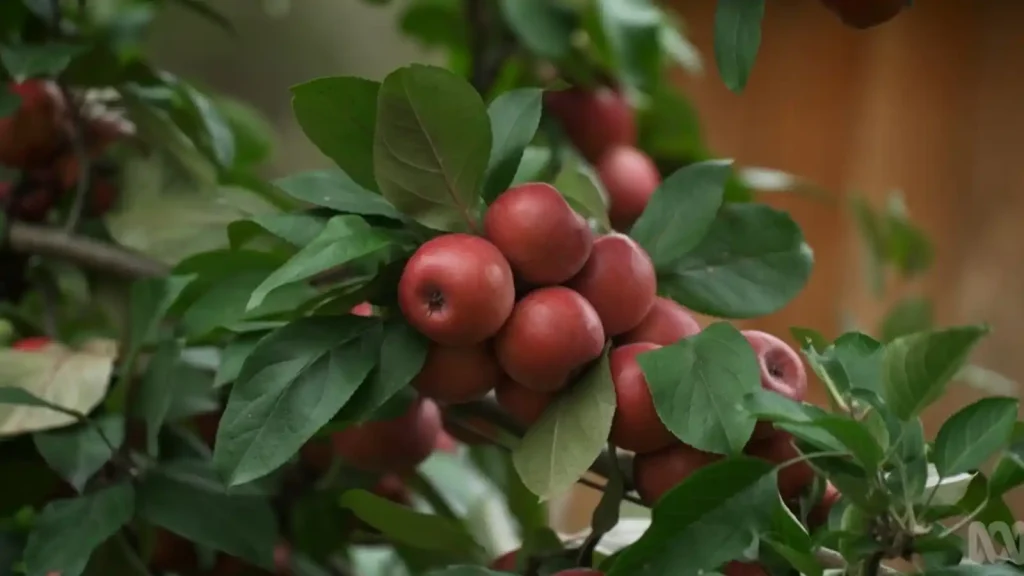
Josh explains the fundamentals—matching cambium layers to promote callus formation—and demonstrates a simple top cleft graft using Eremophila ‘Pink Pantha’ and Myoporum rootstock. He shares how grafting can reduce chemical use, maximise small spaces, and even mimic natural processes where roots or branches fuse over time. His own orchard includes trees bearing dozens of apple and pear varieties, a testament to the creativity possible with grafting.
Designing with Aloes in Arid Gardens
In Lovely Banks, Victoria, Jane explores Sue Davis’s three-acre arid garden, home to over 200 aloe species. This Australian gardening showcase blends architectural foliage, vibrant flowers, and drought resilience. From the frost-tolerant aloe thraskii to compact hybrids like aloe ‘Moonglow’, Sue’s collection thrives in raised beds and free-draining soils, attracting birds and reducing water demand.
Her planting design emphasises height variation, contrasting leaf colours, and seasonal flower displays. She protects frost-sensitive blooms with shade cloth and propagates aloes through cuttings, adapting methods to local clay soils. Smaller hybrids serve as fillers for pots or tighter garden spaces, proving that arid-adapted plants can be both practical and ornamental.
Environmental Stewardship with Tim Flannery
Professor Tim Flannery offers a broader ecological perspective, connecting community gardening values with climate activism. Speaking from his Illawarra rainforest property, he describes how his land is reverting from grassland to native forest through natural regeneration, aided by wildlife corridors and seed-dispersing birds.
Drawing on his background in palaeontology, Flannery frames current climate challenges within Earth’s long history, emphasising urgency and optimism. He notes Australia’s rapid shift toward renewable energy and stresses that gardeners can mirror this progress by fostering long-term ecological health in their own spaces. His philosophy embraces coexistence with non-native plants when they serve an ecological function, while encouraging patience and forward thinking—imagining how today’s plantings will shape the landscape a century from now.
Seasonal Horticultural Tips for Every Climate
The episode rounds out with practical guidance tailored to Australia’s diverse growing zones. In cool temperate areas, now is the time to feed beds, prune perennials like salvia, and shape gardenias. Warm temperate gardeners are advised to treat stone fruit for fungal leaf curl and manage soil pH for desired hydrangea colours.
In subtropical gardening zones, August signals the start of spring. Quick-growing leafy greens can be sown, irrigation systems installed, and tropical greens like kangkong and sweet potato planted. Arid regions are urged to enjoy seasonal wildflowers, plant potatoes, and maintain irrigation bores.
These tips illustrate the adaptability of Australian gardening to local conditions, reinforcing the central theme of Gardening Australia 2025 Episode 24—that with knowledge, creativity, and care, gardeners can cultivate beauty, productivity, and ecological resilience in any environment.
Conclusion: Growing Tomorrow’s Gardens Today
As we step back from our journey through Gardening Australia’s inspiring stories, one truth emerges crystal clear: every garden is a living laboratory where science meets passion. From Michael’s spider photography to Josh’s grafting mastery, we’ve witnessed how curiosity transforms ordinary spaces into extraordinary havens.
Think of your garden as a canvas where each plant stroke tells a story. Furthermore, every seed planted carries the potential to reshape our environmental future. Whether you’re creating tropical microclimates in temperate zones or designing drought-resistant landscapes, your choices ripple outward like stones cast into still water.
The beauty of Australian gardening lies in its remarkable diversity. Similarly, our continent’s varied climates offer endless opportunities for creative problem-solving. Sue’s aloe collection thrives in Victoria’s dry conditions, while Josh’s subtropical oasis flourishes behind Western Australian walls. These examples prove that limitations often spark the most innovative solutions.
Moreover, citizen science demonstrates how individual passion can fuel collective change. When teenagers document rare spiders and gardeners share propagation techniques, they’re building bridges between communities and conservation. Each observation contributes to a larger understanding of our natural world.
Climate adaptation emerges as gardening’s greatest challenge and opportunity. Nevertheless, Tim Flannery’s optimistic vision reminds us that change happens one garden at a time. As renewable energy transforms our power systems, regenerative gardening practices can transform our landscapes.
Consider how grafting represents gardening’s collaborative spirit perfectly. By joining different plants’ strengths, gardeners create resilience that neither could achieve alone. This metaphor extends beyond horticulture into community building, where shared knowledge strengthens everyone’s success.
The seasonal tips throughout our journey reinforce gardening’s rhythmic nature. Additionally, they highlight how local adaptation trumps one-size-fits-all approaches every time. Cool temperate pruning schedules differ dramatically from subtropical planting calendars, yet both serve their regions beautifully.
Water-wise gardening isn’t just about conservation anymore—it’s about creating sustainable beauty. Through thoughtful plant selection and smart design, gardeners prove that restrictions often lead to more creative, resilient landscapes. Drought-tolerant doesn’t mean dull; it means different.
Native plants anchor these stories because they understand our country’s unique conditions instinctively. However, successful gardens often blend natives with carefully chosen exotics, creating harmonious communities that serve both human needs and wildlife habitat.
The future of Australian gardening looks bright indeed. As more people discover gardening’s therapeutic benefits and environmental importance, our collective knowledge grows exponentially. Each new gardener adds fresh perspectives and innovative solutions to our shared wisdom.
Your garden awaits transformation, ready to become tomorrow’s inspiration story. Whether you start with a single pot of herbs or plan extensive landscape renovations, remember that every expert once began as a curious beginner. The soil beneath your feet holds infinite possibilities.
Finally, let patience be your greatest gardening tool. Like the ancient rainforests Tim Flannery describes, meaningful change unfolds slowly but surely. Today’s seedlings become tomorrow’s shade trees, and today’s gardening choices shape the landscapes our grandchildren will inherit.
Step outside, dig deeper, and grow boldly—your garden’s greatest chapter begins now.
FAQ Gardening Australia 2025 Episode 24
Q: What is microclimate gardening and how can it help grow tropical plants in temperate areas?
A: Microclimate gardening involves creating specific environmental conditions within your garden to support plants that wouldn’t naturally thrive in your region’s climate. By using sheltered walls, deciduous canopy cover, and strategic plant placement, gardeners can establish pockets of warmth and humidity. Furthermore, this technique allows you to grow tropical fruits like bananas and lush foliage plants in cooler temperate zones, effectively expanding your gardening possibilities beyond local limitations.
Q: How does citizen science contribute to garden conservation efforts?
A: Citizen science empowers everyday gardeners to become active participants in conservation research and species protection. Through activities like documenting wildlife, photographing rare species, and sharing observations with research institutions, gardeners contribute valuable data to scientific studies. Additionally, these efforts help build cases for endangered species listings and habitat protection. When gardeners observe and record biodiversity in their spaces, they create a network of environmental monitoring that supports broader conservation goals.
Q: What are the main benefits of plant grafting for Australian gardeners?
A: Plant grafting offers numerous advantages for Australian gardeners, including combining the resilience of hardy rootstock with desirable ornamental or productive qualities of other varieties. This technique enables growing native plants like Eremophila outside their natural range and creating multi-variety fruit trees that extend harvest seasons. Moreover, grafting reduces chemical dependency, maximizes space efficiency in small gardens, and allows gardeners to adapt plants to challenging soil or climate conditions while maintaining desired characteristics.
Q: Why are aloes ideal for drought-resistant Australian gardens?
A: Aloes excel in Australian arid gardens because they store water in their succulent leaves, requiring minimal irrigation once established. These architectural plants offer diverse forms, from frost-tolerant species to compact hybrids, creating stunning visual displays with contrasting leaf colors and seasonal flowers. Furthermore, aloes attract native birds while significantly reducing water consumption compared to traditional garden plants. Their adaptability to raised beds and free-draining soils makes them perfect for Australia’s varied soil conditions and climate challenges.
Q: How can gardeners create effective wildlife habitats in their backyards?
A: Creating wildlife habitats requires providing shelter, food, and water sources through diverse plant selections and landscape features. Installing water features like frog ponds, using native plants that offer nectar and seeds, and maintaining varying vegetation heights creates ideal conditions for different species. Additionally, incorporating plants like kangkong, Lebanese cress, and taro around water sources provides specific habitat needs for amphibians. Strategic placement of nesting sites and avoiding chemical pesticides further enhances your garden’s appeal to beneficial wildlife.
Q: What seasonal gardening tasks should Australian gardeners prioritize in August?
A: August marks different seasonal priorities across Australia’s diverse climate zones. Cool temperate gardeners should feed garden beds, prune perennials like salvia, and shape gardenias for spring growth. Meanwhile, subtropical regions can begin sowing quick-growing leafy greens and planting tropical crops as spring approaches. Warm temperate areas benefit from treating stone fruit for fungal diseases and adjusting soil pH for hydrangeas. However, arid regions should focus on enjoying wildflower displays, planting potatoes, and maintaining irrigation systems.
Q: How does climate adaptation influence modern Australian gardening practices?
A: Climate adaptation drives Australian gardeners toward water-wise plant selections, improved soil management, and strategic design choices that build resilience against extreme weather events. This approach emphasizes native plant integration, drought-tolerant species, and regenerative practices that support long-term ecological health. Furthermore, adaptive gardening includes creating microclimates for protection, implementing efficient irrigation systems, and choosing plants that can withstand temperature fluctuations. These strategies ensure gardens remain productive and beautiful despite changing climate conditions.
Q: What role do native plants play in sustainable Australian gardens?
A: Native plants form the backbone of sustainable Australian gardens because they’ve evolved to thrive in local conditions, requiring less water, fertilizer, and pest management than exotic species. They provide essential habitat and food sources for native wildlife, supporting biodiversity conservation efforts. Additionally, natives help maintain soil health through adapted root systems and contribute to natural ecosystem processes. When thoughtfully combined with suitable non-native plants, they create resilient garden communities that serve both human needs and environmental stewardship goals.
Q: How can beginner gardeners start incorporating scientific observation into their gardening practice?
A: Beginner gardeners can embrace scientific observation by keeping detailed garden journals documenting plant growth, weather patterns, and wildlife visits. Start by photographing plants regularly to track changes over time and noting which techniques produce successful results. Moreover, experiment with different growing methods in controlled ways, such as comparing mulched versus unmulched areas. Connecting with local gardening groups and participating in citizen science projects provides structured learning opportunities while contributing to broader research efforts.
Q: What long-term environmental impact can individual gardens have on Australia’s landscape?
A: Individual gardens collectively create significant environmental impact through wildlife corridor formation, carbon sequestration, and biodiversity conservation. When gardeners choose native plants and sustainable practices, they contribute to habitat connectivity that supports species migration and genetic diversity. Furthermore, gardens help combat urban heat islands, improve air quality, and manage stormwater runoff. Over time, these individual efforts aggregate into landscape-scale environmental benefits, demonstrating how personal gardening choices can positively influence Australia’s broader ecological health and climate resilience.


