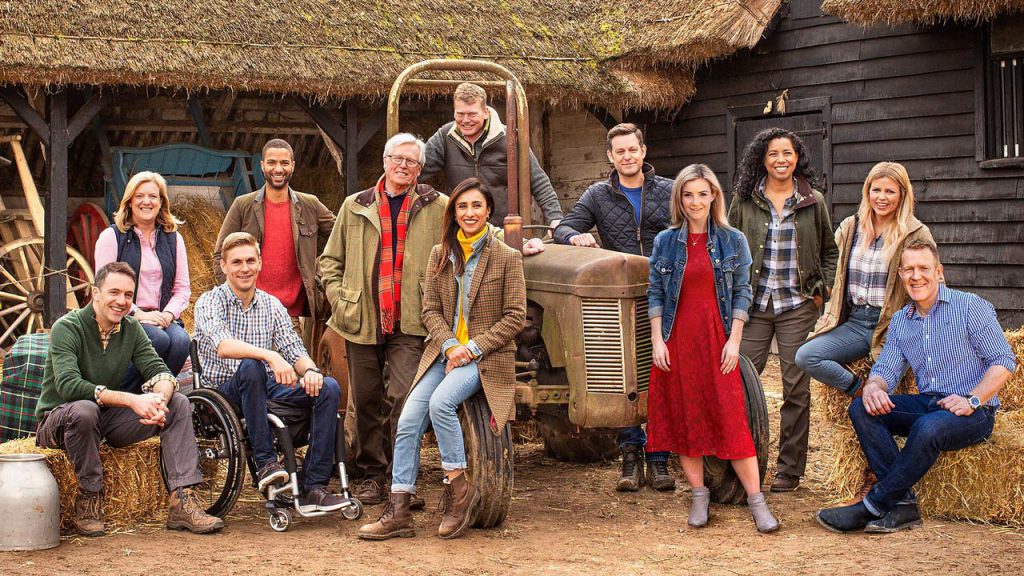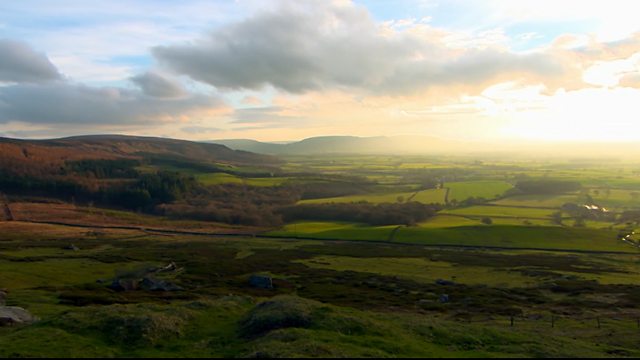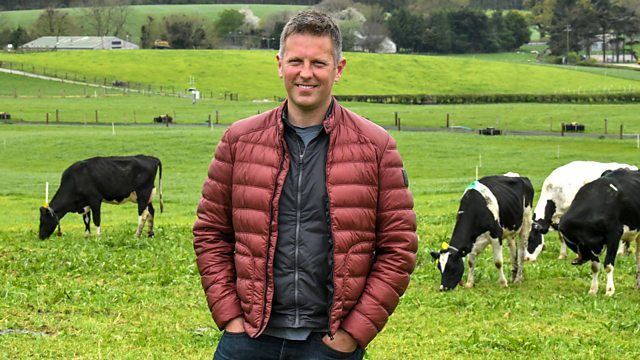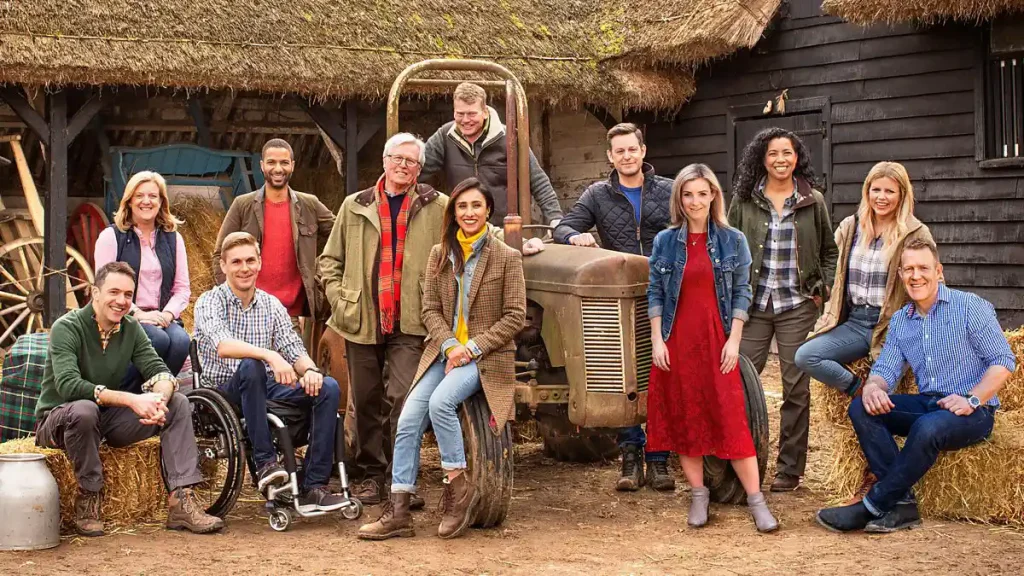
Countryfile – Wensleydale Railway: A steam whistle echoes through the rolling green hills. It is a sound that carries memories across the decades. In a special series of four programmes, Countryfile invites you on a remarkable journey. John Craven leads us through the heart of North Yorkshire’s stunning heritage. As Britain celebrates 200 years of the railway, we explore a story of passion and persistence. This is the story of the Wensleydale Railway. It’s a tale of a beloved line, lost to time and then wonderfully reborn.
Two centuries ago, iron rails began to stitch the fabric of our nation together. These railways were the arteries of the Industrial Revolution. They carried coal, goods, and people with newfound speed. Moreover, they connected remote villages to bustling cities. This network was a symbol of progress and a source of immense national pride. Consequently, life in Britain was transformed forever. The rhythmic clatter of the locomotive became the very pulse of a changing world. It was truly a golden age of steam and steel.
However, all golden ages must eventually fade. After the Second World War, the car became king of the road. Railways, once seen as essential, began to seem old-fashioned. Then, in the 1960s, the Beeching Axe fell. This series of widespread closures severed thousands of miles of track. Like branches pruned from a great tree, many rural lines were cut off. As a result, countless communities felt suddenly isolated. The silence that fell over these abandoned stations was a profound loss for many.
Among those casualties was the cherished Wensleydale Railway. For generations, it had been the lifeblood of the dale. It carried farmers to market and children to school. It also brought visitors to marvel at the area’s breathtaking beauty. When the last train departed, a piece of the valley’s soul seemed to leave with it. In time, nature began to reclaim the line. Platforms crumbled, and tracks grew rusty and hidden by weeds. The railway became a ghost, a faint memory of a busier time.
But memories, when shared, can become a powerful force for change. A group of determined local people refused to let the railway die. They were not wealthy investors or powerful politicians. Instead, they were ordinary people with an extraordinary vision. They remembered the railway in its prime. Therefore, they shared a dream of hearing the steam whistle in the valley once more. This dream ignited a spark of hope that soon grew into a roaring fire of community action and spirit.
Their task was nothing short of monumental. Restoring a derelict railway is a true labour of love. Volunteers dedicated countless hours to the cause. They cleared decades of overgrown vegetation. Furthermore, they painstakingly laid new sections of track. They lovingly restored historic carriages to their former glory. Each restored bolt and polished brass fitting was a victory. This immense effort forged an unbreakable bond within the community. It was a project built not just with steel, but with sweat, laughter, and shared purpose.
Today, the Wensleydale Railway is a phoenix risen from the ashes. It stands as a magnificent, living testament to what people can achieve together. The line now winds its way through 22 miles of spectacular Yorkshire scenery. To ride it is to journey back in time. You can feel the gentle sway of the carriage. You hear the powerful chug of the engine. In short, it is an immersive experience that connects you to a bygone era. It is a legacy of resilience for future generations to enjoy.
Countryfile – Wensleydale Railway
In this special Countryfile series, John Craven immerses himself in this incredible story. He meets the passionate volunteers who made it all possible. He hears their personal accounts of the struggles and triumphs. John doesn’t just observe from a distance; he gets hands-on. Consequently, viewers get a true sense of the dedication involved. This Countryfile special reveals that the heart of the Wensleydale Railway is not its engine, but its people. Their spirit truly powers this historic line.
John’s journey on the Wensleydale Railway also serves as a gateway to the wider region. North Yorkshire is a county steeped in rich history and tradition. From the railway, John ventures out to explore this magnificent landscape. He discovers ancient castles that guard the dales. He also meets local craftspeople who keep traditional skills alive. The programme paints a vibrant picture of this unique corner of England. It showcases how its past and present are beautifully intertwined.
Finally, John Craven takes a nostalgic trip into the archives. He delves into decades of footage from the Countryfile library. This provides a charming look at the many ways we have travelled across the UK. From canals and coastal paths to country lanes, the series celebrates our wanderlust. It reminds us of journeys taken and memories made. Subsequently, it puts the incredible achievement of the Wensleydale Railway into a broader, heartfelt context of our nation’s travel story.
This Countryfile series is more than just a television programme. It is an emotional and inspiring chronicle of community, heritage, and hope. The story of the Wensleydale Railway shows that even when things seem lost, they can be brought back to life. So, join John Craven for this unforgettable exploration. Discover a story that proves the strongest tracks are the ones we build together. It’s a journey you will not want to miss.
Countryfile – Wensleydale Railway review
A journey through Britain’s cherished past is explored in the Countryfile – Wensleydale Railway special, revealing a powerful story of passion and persistence. This exploration delves into a world where steam whistles echo through rolling green hills, carrying memories across the decades. It is a world kept alive not by corporations, but by the sheer dedication of communities. These groups work tirelessly, breathing new life into the engines and structures that once powered the nation. Their efforts ensure that the rumble of a heritage train and the ingenuity of past engineers are never forgotten.
The timing of this reflection is particularly poignant, as Britain celebrates the 200th anniversary of the modern railway. This milestone provides a perfect backdrop to appreciate the immense impact of rail travel. However, the narrative of our heritage is not confined to the tracks alone. It extends to the waves, the fields, and the waterways. Across the country, remarkable examples of volunteer preservation showcase a deep-seated desire to maintain a tangible connection to history. These projects are a testament to the enduring spirit of local communities.
The Countryfile – Wensleydale Railway episode, therefore, presents more than a single story. Instead, it weaves a rich tapestry of heritage from across the United Kingdom. Each thread represents a unique battle against the decay of time and the pressures of modernity. From rescued lifeboats to revolutionary farm machinery, these stories highlight a shared commitment. They demonstrate a collective resolve to protect the legacy of British innovation and community life for future generations to experience firsthand.
This journey begins with the central focus on a beloved heritage railway line in North Yorkshire. The Wensleydale Railway lay forgotten for decades, a casualty of changing times. Its tracks fell silent, and its stations crumbled. However, a group of dedicated enthusiasts refused to let this piece of history vanish. They embarked on an ambitious mission to bring the line back from the brink. Their story is one of formidable challenges and ultimate triumph, a powerful example of what communities can achieve.
Complementing this central narrative are other equally compelling tales of preservation. We travel to the Isle of Man, where Victorian-era horse-drawn trams still grace the seafront, a living link to a bygone era. We also witness the awe-inspiring Pontcysyllte Aqueduct in Wales, an 18th-century engineering marvel nicknamed “The Stream in the Sky.” Here, modern caretakers use centuries-old techniques to maintain its integrity. These diverse stories are united by a common theme of profound respect for the past.
Ultimately, these accounts of volunteer preservation are deeply human stories. They are about the people who pour their time, skill, and passion into these projects. From the retired engineer lovingly restoring a steam engine to the fisherman ensuring a local lifeboat remains active, their dedication is the driving force. They are the custodians of our history, ensuring that these vital pieces of our collective identity continue to run, float, and inspire.
The Heart of Yorkshire: Reviving the Wensleydale Railway
The story of the Wensleydale Railway is a journey back in time, driven by modern-day passion. This historic line first opened in the late 1840s, becoming a vital artery for the communities and farms throughout the dale. For over a century, it carried passengers and goods, connecting the remote Yorkshire countryside to the wider world. However, the rise of road transport led to its decline. Passenger services ceased in 1954, and though freight and military transport continued for a time, the line eventually fell into disuse.
Its revival began with a determined group of enthusiasts who saw a future for the forgotten railway. They officially reopened the heritage railway in 2003, with the goal of restoring it to its former glory. According to volunteer driver Nigel Park, who has been involved for nearly two decades, the vision was to see the line once again serving the local community and carrying passengers through the stunning landscape. This ambitious project relied almost entirely on the hard work of volunteers who dedicated themselves to rebuilding the line, piece by piece.
A remarkable example of this dedication is Scruton Station. Once left derelict, the station has been meticulously restored into a living museum by volunteers like Keith and Joan Walker. They have recreated the atmosphere of the Edwardian era, around the year 1910. Using old census records, they researched the real people whose lives once revolved around the station, from the stationmaster to the local schoolteacher. Visitors are transported back in time, surrounded by carefully chosen artifacts that tell the story of a harder, yet simpler, life without electricity and modern conveniences.
This restoration highlights the railway’s original purpose. It was not just for tourists; it was the economic backbone of the region. The line was famously known for its “milk train.” This service collected churns directly from farms up the dales and transported them swiftly to creameries and major cities, including London. This connection provided a vital income for Wensleydale farmers. The revival of the Countryfile – Wensleydale Railway honors this industrious past while creating a new legacy for the future.
Preserving Motion: From Horse-Drawn Trams to Farming Heroes
While railways transformed long-distance travel, other forms of transport defined daily life in the countryside, and their preservation tells an equally important story. On the Isle of Man, visitors can still experience the world’s oldest surviving horse-drawn tram service. Established 141 years ago, this service is a moving relic from a time when over a million working horses were a common sight in Britain. Today, the gentle giants, or “trammers,” live in historic stables just off the promenade, continuing a tradition that has all but vanished elsewhere. Their steady pace provides a tranquil journey along the Douglas seafront, captivating tourists and locals alike.
This blend of heritage and function extends into the agricultural world, which was revolutionized by one man: Harry Ferguson. Often described as a farming hero and a genius, Ferguson’s inventions changed the face of modern farming forever. Before his innovations, tractors were often cumbersome machines that simply dragged implements behind them. His breakthrough was the TE20, affectionately known as the “little grey Fergie,” which first hit the fields in 1946. It was a phenomenal success, and by 1951, Ferguson’s designs controlled a staggering 65% of the global tractor market.
The true genius of the Fergie was the three-point linkage system. This elegant piece of engineering, still used on tractors today, allowed the implement to become part of the tractor itself. This innovation made the tractor lighter, more versatile, and incredibly efficient, capable of working in tight spaces previously accessible only to horses. The legacy of Harry Ferguson is kept alive by enthusiasts like the Drinkwater brothers. These self-confessed “Fergie fanatics” have dedicated themselves to collecting and restoring Ferguson’s tractors and his wide array of implements, showcasing a pivotal chapter in agricultural history.
Community Spirit and Engineering Marvels of the UK
The spirit of preservation extends beyond railways and farm equipment, often fueled by a community’s refusal to lose a vital piece of its identity. A powerful example is the St Abbs Lifeboat service. A lifeboat had been stationed in the small Scottish Borders community since 1911, saving more than 230 lives in its time. When the official service was withdrawn, the village faced a future without this critical protection. The community, however, refused to let their lifeboat service sink. They launched a massive fundraising campaign to establish their own independent rescue boat.
Their determination captured national attention. A pivotal moment came when Tunnock’s, the famous teacake maker, made a donation that grew from an initial £10,000 to an incredible £260,000. This generous gift secured the purchase of a new boat and equipment, ensuring the continuation of a lifesaving tradition. This story is a profound demonstration of how a small community, through sheer will and collective effort, can take on a mammoth task and succeed, securing its safety and preserving its maritime heritage.
Further south, in Wales, another heritage marvel requires a different kind of dedication. The Pontcysyllte Aqueduct, designed by Thomas Telford and William Jessop, has stood for over 200 years. This “Stream in the Sky” soars above the River Dee, carrying the Llangollen Canal on its back. Maintaining such a structure is a monumental task.
When the aqueduct recently underwent its first major draining in two decades for an inspection, engineers honored its history by employing traditional techniques. To seal the temporary dams, they used steam-engine ash, a method that has proven more effective than any modern alternative. This careful blend of old and new ensures that one of Britain’s greatest engineering feats, featured in the Countryfile – Wensleydale Railway special, will endure for centuries more.
The Future of the Countryfile – Wensleydale Railway: The Return of Steam
While the diesel engines currently pulling carriages along the Wensleydale Railway are a vital part of its story, for many, the true soul of a heritage railway is steam. The sight, sound, and smell of a steam locomotive evoke a unique sense of nostalgia and power. A dedicated volunteer, Matt Jervis, is working to bring that magic back to the line permanently. His passion project is the restoration of a 1949 tank engine named “Richard III.” This locomotive is currently the only steam engine on the railway, and its return to service promises a new era for visitors.
The restoration is a painstaking labor of love. The engine, purchased from a railway in Leicestershire, arrived in pieces. For the past five years, Matt has been meticulously working to put it back together. With the main frame painted and parts being carefully refurbished, he estimates the project is about two-thirds complete. The boiler sits on a wagon down the line, and the wheels are in a shed, waiting for the day they can be reunited with the chassis. It is a slow and methodical process, requiring immense skill and patience.
Matt’s connection to steam is deeply personal, stemming from his father, who bought a steam engine from a scrapyard in 1979. He believes that steam engines are living things; cold lumps of metal that breathe and come to life with fire. His ultimate goal is to have Richard III fully operational and running on the Wensleydale line by Easter 2027. This achievement would establish a permanent steam presence on the railway, allowing it to host special steam services on high days and holidays, just as historic lines once did. His work ensures that the legacy of steam will continue to awe future generations.
Where Steel Rails Meet the Human Spirit
The whistle of a steam engine carries more than sound through the Yorkshire dales—it carries the dreams of ordinary people who refused to let history slip away. The Wensleydale Railway’s resurrection isn’t just about preserving old trains or maintaining heritage tracks; it’s a masterclass in what communities can achieve when they harness collective passion for a shared vision.
What makes this story so compelling isn’t the engineering marvel of Thomas Telford’s aqueducts or Harry Ferguson’s revolutionary tractors, though these innovations shaped our world. It’s not even the Victorian elegance of horse-drawn trams still clip-clopping along the Isle of Man’s seafront. The real magic lies in understanding that preservation is fundamentally about people—the volunteers who see potential in rusted rails, the communities that rally around threatened lifeboats, and the enthusiasts who spend decades lovingly rebuilding engines piece by painstaking piece.
Matt Jervis, methodically reassembling “Richard III” with Easter 2027 as his target, embodies this spirit perfectly. His father’s decision to rescue a steam engine from a scrapyard in 1979 planted seeds that are still growing today. This intergenerational commitment reveals something profound about heritage preservation: it’s never just about the object being saved, but about the values and memories we’re determined to pass forward.
The broader lesson extends far beyond railways. Whether it’s Keith and Joan Walker recreating an Edwardian station atmosphere through meticulous historical research, or the St Abbs community raising £260,000 for their independent lifeboat service, these stories illuminate a crucial truth. In an age of rapid technological change and increasing disconnection from our past, these preservation efforts serve as anchors—reminding us where we came from and what we’re capable of achieving together.
The timing couldn’t be more relevant. As Britain marks 200 years of railway history, we’re simultaneously witnessing unprecedented challenges to community cohesion and historical continuity. The volunteers of the Wensleydale Railway offer a different path forward, one where progress doesn’t require abandoning the past but rather integrating it thoughtfully into our future.
For anyone inspired by these stories, the invitation is clear: heritage preservation needs you. Whether you have technical skills to restore machinery, historical knowledge to research local stories, or simply enthusiasm to support these projects, there’s a place for your contribution. The next time you encounter a heritage railway, a restored farm implement, or a community fighting to preserve something precious, remember that you’re witnessing more than nostalgia in action—you’re seeing the future being built on the strongest foundation possible: shared human determination.
The steam whistle echoing through Wensleydale carries a message that transcends any single railway line. It reminds us that the strongest tracks we can lay are the ones we build together, connecting not just places, but generations, dreams, and communities across time.