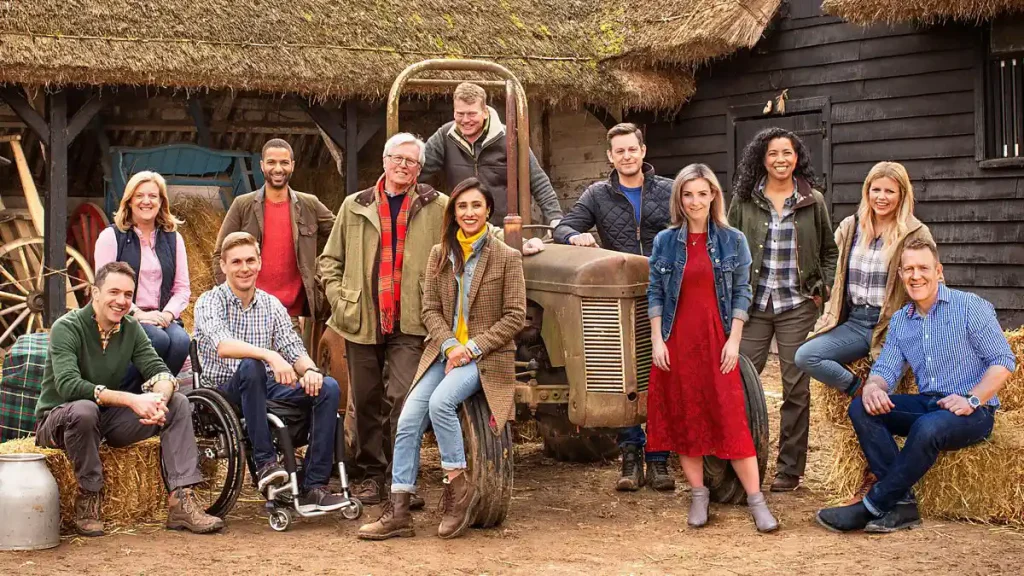
Countryfile – Bradford – City of Culture: Have you ever wondered what truly shapes a city? Sometimes, it’s the land itself, the very bedrock and the windswept expanses that surround it, which breathe life into its streets and stories. This year, as the spotlight shines brightly on Bradford, the UK’s City of Culture, the popular BBC programme Countryfile takes us on a remarkable journey. It’s an exploration into the heart of Yorkshire, revealing how the rugged countryside encircling Bradford has not only sculpted its physical form but also deeply ingrained itself into the city’s creative soul. Prepare to discover a captivating narrative, one woven with threads of unwavering grit and the enduring legacy of wool.
The story of Bradford is, in many ways, like the famed gritstone of the Yorkshire moors – steadfast, textured, and possessing an unyielding character. For centuries, this city has been a hub of industry and innovation, a place where hard work and determination were the currency of daily life. However, alongside this industrial might, a powerful creative spirit has always flourished.
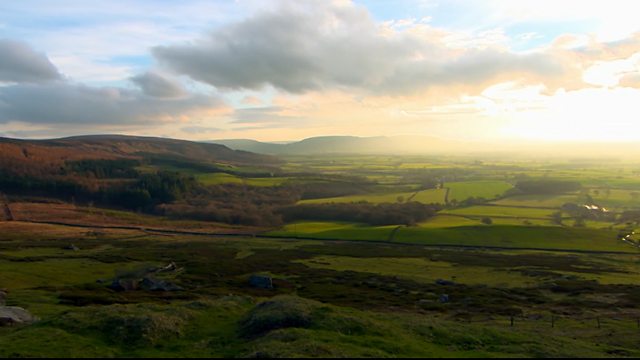
This isn’t a coincidence; rather, it’s a direct result of the environment. The expansive, often harsh, beauty of the moors and dales has acted as both a muse and a crucible, forging a unique identity that continues to inspire. It’s a place where the raw elements of nature have become intertwined with human endeavour, creating a legacy as rich and complex as any tapestry.
Think about the sheer power of a landscape to influence. Imagine those vast, open skies and the undulating hills; they have a way of seeping into your consciousness, don’t they? For the people of Bradford and its surrounds, this connection is profound. The countryside isn’t just a backdrop; it’s an active participant in their lives, a source of inspiration, solace, and even raw materials. Subsequently, this deep bond is reflected in the art, music, and community spirit that define this vibrant northern city, particularly as it celebrates its status as City of Culture.
This intimate relationship between land and creativity is something Anita Rani, a familiar face on our screens, understands deeply. Returning to her home turf in Yorkshire offers her a personal lens through which to explore this theme. Picture her standing atop one of those iconic gritstone hills, the wind carrying whispers of ancient stories. It’s here, amidst this evocative scenery, that she connects with visionaries who translate the essence of the landscape into tangible art, demonstrating that the creative pulse of the region beats stronger than ever.
Meanwhile, the journey of a single sheep’s fleece offers a tangible thread connecting the rural pastures directly to the heart of Bradford’s artistic endeavours. It’s a simple, natural product, yet it embodies the entire narrative of the region – from the hardy sheep grazing on the hills to the skilled hands that transform their wool. Following this journey, as Sean Fletcher does, reveals a fascinating cycle of tradition, industry, and now, artistic innovation, reminding us how interconnected these seemingly disparate worlds truly are.
Furthermore, the story extends beyond art and heritage into the very future of the land itself. In the picturesque Yorkshire Dales, the focus shifts to those who are nurturing the countryside through sustainable practices. Adam Henson’s encounters with first-generation farmers highlight a commitment to working in harmony with nature. Their dedication to slow farming and conservation grazing is not just about preserving the landscape; it’s about ensuring its vitality for generations to come, proving that the spirit of stewardship is alive and well in these ancient hills.
Countryfile – Bradford – City of Culture
Where Art and Landscape Embrace: Anita Rani’s Yorkshire Homecoming
Anita Rani’s return to her Yorkshire roots for this Countryfile special is more than just a presenting role; it’s a heartfelt exploration of a place that clearly holds a piece of her own story. You can almost feel her genuine connection as she meets with the renowned environmental artist, Steve Messam. Imagine them together, perched on one of those famed gritstone outcrops, the wind tugging at their jackets. Messam, an artist known for his audacious and thought-provoking installations, is embarking on one of his most ambitious projects yet: a ten-metre-high tower constructed entirely from local sheep fleece.
This isn’t just a sculpture; it’s a statement. It’s a soft, yet monumental, tribute to the region’s wool heritage, a fuzzy beacon rising from the very land that nurtured the sheep. Helping to construct this tower, Anita gets hands-on, feeling the texture of the compacted fleece, a material that is both ancient and contemporary in this new artistic form.
The fleece tower itself serves as a powerful metaphor – a testament to how something as seemingly humble as wool, a product of the very landscape, can be elevated into a significant work of art. It speaks of resilience, of local identity, and of the transformative power of creativity. Moreover, Anita delves deeper into the historical wellspring of inspiration that this landscape has provided. She takes us back in time, to the rambling Brontë sisters, whose literary masterpieces were so profoundly shaped by the wild, untamed beauty of the moors.
You can almost picture Emily or Charlotte, notebooks in hand, finding their narratives in the heather and the dramatic skies. Then, bringing us to the present day, she introduces the Commoners Choir. Their voices rise in anthems that are literally about the surrounding land, songs of access, belonging, and the enduring connection between people and place. It’s a musical tradition that, much like Messam’s art, draws its power directly from the Yorkshire soil and soul.
From Fleece to Landmark: Tracing Bradford’s Woollen Thread with Sean Fletcher
Sean Fletcher’s journey provides a fascinating, tangible link between the pastoral life of the countryside and the artistic heart of Bradford. He embarks on a meticulous quest, following the journey of a single gritstone sheep’s fleece. This is a story that begins in the fields, with the rhythmic buzz of shears and the skilled hands of a local farmer. Imagine the scene: the sheep, patient and a little bewildered, yielding their heavy winter coats. This raw material, imbued with the character of the hardy gritstone breed, is the very starting point of a much larger narrative. From the farm, the fleece travels, as so many millions have before it, towards the historic epicentre of the wool trade.
Its destination is one of Bradford’s iconic wool depots. Here, amidst the echoes of a once-dominant global industry, the fleece undergoes a crucial process: grading. Sean learns about the intricate skill involved in assessing the quality, staple, and crimp of the wool – a craft honed over generations. This grading determines its destiny, and in this special case, its destiny is to become part of Steve Messam’s ambitious fleece tower.
This specific fleece, having passed through these historic gateways, is now ready to be transformed, its fibres soon to be interwoven into a contemporary art installation. Consequently, Sean’s journey beautifully illustrates how the agricultural output of the region continues to fuel not just practical needs, but also creative expression. He doesn’t stop there, however. Sean also connects with the younger generation, joining a novice bird-ringing group from Bradford College.
They are operating in a brand new National Nature Reserve, a vital green lung strategically created to bridge the gap between the urban fringes of the city and the wilder countryside beyond. It’s a hopeful scene, watching these students learn the delicate art of bird-ringing, contributing to conservation efforts, and forging their own connections with the natural world right on their doorstep. This initiative perfectly highlights Bradford’s commitment to blending its urban identity with a deep appreciation and active engagement with its surrounding natural heritage.
Cultivating the Future: Adam Henson in the Heart of the Dales
Meanwhile, Adam Henson takes us deeper into the breathtaking, yet often challenging, landscape of the Yorkshire Dales. Here, he shines a light on a new wave of agricultural custodians: first-generation tenant farmers. These are individuals who, perhaps without a direct family lineage in farming, have chosen to embrace this demanding lifestyle, driven by a passion for the land and a vision for a more sustainable future. Adam meets a family who are true champions of “slow farming.” This isn’t about inefficiency; rather, it’s a deliberate, thoughtful approach that prioritizes quality over sheer quantity, and ecological health over intensive production. You can sense their deep respect for the environment as they explain their methods.
They manage an impressive 750 rugged acres, a testament to their dedication. Across this challenging terrain, they run 280 native-breed cattle. These aren’t just any cattle; they are breeds perfectly adapted to thrive in these hardy hill conditions, contributing to the biodiversity of the area through their grazing patterns. This is where conservation grazing comes into play – a practice where livestock are used as natural tools to manage and enhance the landscape, promoting a richer variety of flora and fauna.
Alongside the cattle, they also maintain a pedigree Texel flock, a sheep breed renowned for its resilience and quality. Adam’s segment offers a powerful insight into the commitment required to farm in such an environment, but also the profound satisfaction that comes from working in harmony with nature. These farmers are not just producing food; they are actively regenerating the land, ensuring that these stunning dales remain vibrant and healthy. Their story is one of resilience, innovation, and a deep-seated love for the Yorkshire countryside, a narrative that complements the artistic and industrial threads explored elsewhere in the programme, painting a holistic picture of the region’s enduring spirit.
Bradford’s Enduring Spirit: A City Woven from Nature and Innovation
What truly emerges from this immersive Countryfile episode is a profound appreciation for the intricate tapestry that is Bradford. It’s a city forged in the fires of industry, yes, but equally shaped by the enduring presence of the moors and dales that cradle it. The “grit and wool” that defined its past are not mere historical footnotes; they are living threads, continually rewoven into new patterns of art, community, and environmental consciousness.
The journey from a sheep on a misty hillside to a monumental fleece sculpture, or the careful stewardship of ancient farming practices, all speak to a place that understands its roots while boldly embracing the future. This is why its designation as a UK City of Culture feels so incredibly fitting.
The programme beautifully illustrates that the countryside is not just a picturesque backdrop for Bradford, but an integral part of its DNA. It has fueled its economy, sparked its imagination, and now, it’s helping to define its path forward as a city that values creativity, sustainability, and the deep connection between its people and their environment.
Whether it’s through the evocative songs of the Commoners Choir, the ambitious vision of artists like Steve Messam, or the quiet dedication of farmers in the Dales, there’s a palpable sense that the landscape itself is a collaborator in Bradford’s ongoing story. You see it in the resilience of its communities and the innovative spirit that continues to thrive. As Bradford celebrates its year as City of Culture, this exploration reminds us all of the powerful, enduring dialogue between people and place, a conversation that shapes who we are and everything we create.
Where Tradition Meets Tomorrow: Bradford’s Blueprint for Cultural Renaissance
Standing at the intersection of ancient moorland and modern ambition, Bradford’s journey as the UK’s City of Culture reveals something profound about the relationship between place and creativity. This isn’t simply a story about a northern city having its moment in the cultural spotlight—it’s a masterclass in how authentic cultural identity emerges from the marriage of landscape, heritage, and forward-thinking vision.
What makes Bradford’s narrative so compelling is how seamlessly it weaves together seemingly disparate threads. Steve Messam’s towering fleece sculpture isn’t just an art installation; it’s a living testament to how traditional materials can speak contemporary truths. When Sean Fletcher traces that single sheep’s fleece from hillside to gallery, he’s mapping more than a supply chain—he’s revealing how creativity flows through the same channels that once carried Bradford’s industrial might. The wool that built an empire now builds monuments to imagination, proving that cultural evolution doesn’t require abandoning your roots; it requires reimagining them.
Perhaps most inspiring is how this renaissance extends beyond the artistic realm. Those first-generation farmers in the Yorkshire Dales, practicing conservation grazing with their 280 native-breed cattle, are cultural custodians in their own right. They’re not just preserving landscapes; they’re maintaining the living library from which future generations of artists, writers, and dreamers will draw inspiration. Their “slow farming” philosophy mirrors the broader lesson Bradford offers: that sustainable creativity—whether in art, agriculture, or community building—requires patience, respect for your environment, and the courage to think in generations rather than quarterly reports.
The Commoners Choir singing anthems about land access, students learning bird-ringing techniques on urban nature reserves, environmental artists collaborating with traditional farmers—these aren’t isolated feel-good stories. They’re evidence of a cultural ecosystem that understands creativity flourishes when communities remain connected to their authentic sources of inspiration. Bradford hasn’t become a City of Culture by importing generic cultural programming; it’s earned the title by amplifying the voices and stories that have always been there, waiting in the wool and written in the wind-carved gritstone.
For other cities watching Bradford’s year unfold, the message is clear: cultural vibrancy can’t be manufactured through top-down initiatives alone. It emerges when communities rediscover the creative potential embedded in their own landscapes, traditions, and challenges. Whether you’re walking Yorkshire moors or urban streets, the question Bradford poses is universal: What stories is your environment trying to tell, and who in your community is ready to help tell them?
As Bradford’s City of Culture year continues, its greatest achievement may not be any single exhibition or performance, but rather the demonstration that cultural renaissance happens when we stop seeing tradition and innovation as opposing forces. Instead, like wool transformed into art or moorland managed for both heritage and habitat, they become collaborative partners in creating something entirely new while honoring what came before. In a world often focused on the next big thing, Bradford reminds us that sometimes the most revolutionary act is simply listening—really listening—to the place where you stand.
FAQ Countryfile – Bradford – City of Culture
Q: What is Bradford’s City of Culture designation and why is it significant?
A: Bradford earned the UK City of Culture title for 2025, recognizing its rich industrial heritage and vibrant creative community. This prestigious designation celebrates how the city’s wool trade legacy intertwines with contemporary artistic expression. Furthermore, the honor acknowledges Bradford’s unique position where Yorkshire’s rugged countryside directly influences urban creativity, creating an authentic cultural identity rooted in landscape and tradition.
Q: How does Yorkshire’s landscape influence Bradford’s creative spirit?
A: Yorkshire’s expansive moors and dales serve as both muse and crucible for Bradford’s artistic community. The gritstone outcrops and windswept hills provide raw materials, inspiration, and stories that artists transform into contemporary works. Additionally, this profound connection between land and creativity manifests in everything from environmental art installations to community choirs singing about access to countryside, demonstrating how landscape actively participates in cultural expression.
Q: What is Steve Messam’s fleece tower project featured in the Countryfile programme?
A: Steve Messam’s ten-metre-high tower constructed entirely from local sheep fleece represents a monumental tribute to Yorkshire’s wool heritage. This ambitious environmental art installation transforms humble agricultural material into a significant contemporary sculpture. Moreover, the project demonstrates how traditional resources can speak modern truths, creating a ‘fuzzy beacon’ that rises from the very landscape that nurtured the sheep whose fleece forms this remarkable artistic statement.
Q: How does Bradford’s historic wool industry connect to modern artistic endeavours?
A: Bradford’s wool trade legacy creates direct pathways for contemporary creativity through established infrastructure and cultural knowledge. Historic wool depots now serve as venues where traditional grading skills meet artistic vision. Sean Fletcher’s journey following a single sheep’s fleece from farm to art installation illustrates this connection perfectly. Consequently, the same channels that once carried Bradford’s industrial might now transport creative materials, proving cultural evolution builds upon rather than abandons historical foundations.
Q: What role do the Brontë sisters play in Yorkshire’s creative heritage?
A: The Brontë sisters exemplify how Yorkshire’s wild moorland beauty profoundly shapes literary imagination and creative expression. Emily and Charlotte found their narratives in the heather-covered landscapes and dramatic skies surrounding their home. Their masterpieces demonstrate the historical precedent for drawing artistic inspiration from Yorkshire’s untamed countryside. Furthermore, their legacy continues to influence contemporary artists who similarly translate the essence of this evocative landscape into modern creative works.
Q: What is conservation grazing and how does it support Yorkshire’s creative landscape?
A: Conservation grazing employs livestock as natural tools to manage and enhance biodiversity across Yorkshire’s countryside. First-generation farmers use 280 native-breed cattle across 750 rugged acres to promote richer flora and fauna varieties. This sustainable practice ensures the landscapes that inspire artists, writers, and musicians remain vibrant and healthy. Additionally, conservation grazing preserves the living library of natural beauty from which future generations of creative individuals will draw inspiration and materials.
Q: How are young people engaging with Bradford’s natural heritage and creative future?
A: Bradford College students participate in bird-ringing activities within newly created National Nature Reserves, forging connections between urban education and countryside conservation. These initiatives bridge the gap between city fringes and wilder landscapes beyond. Furthermore, such programmes demonstrate Bradford’s commitment to blending urban identity with deep environmental appreciation. Young people learn conservation techniques while developing their own relationships with the natural world that historically inspired the region’s artistic traditions.
Q: What is ‘slow farming’ and why is it important for Yorkshire’s sustainable future?
A: Slow farming represents a deliberate, thoughtful agricultural approach prioritizing quality over quantity and ecological health over intensive production. Yorkshire Dales farmers practice this philosophy to work harmoniously with nature rather than against it. This method ensures landscape vitality for generations while actively regenerating the land. Moreover, slow farming maintains the authentic countryside character that serves as the foundation for Yorkshire’s creative identity and Bradford’s cultural renaissance.
Q: How does the Commoners Choir represent Bradford’s unique cultural identity?
A: The Commoners Choir performs anthems literally about Yorkshire’s surrounding landscape, singing of access, belonging, and enduring connections between people and place. Their musical tradition draws power directly from Yorkshire soil and soul, much like Steve Messam’s environmental art. Additionally, their voices represent community ownership of cultural expression rooted in geographical identity. The choir demonstrates how Bradford’s creativity emerges organically from local experiences rather than imported cultural programming.
Q: What lessons can other cities learn from Bradford’s approach to cultural development?
A: Bradford demonstrates that authentic cultural vibrancy emerges when communities rediscover creative potential embedded within their own landscapes, traditions, and challenges. Rather than manufacturing culture through top-down initiatives, successful cities amplify existing voices and stories already present in their environments. Furthermore, Bradford shows that tradition and innovation function as collaborative partners rather than opposing forces. Cities achieve cultural renaissance by listening carefully to their unique geographical and historical narratives.