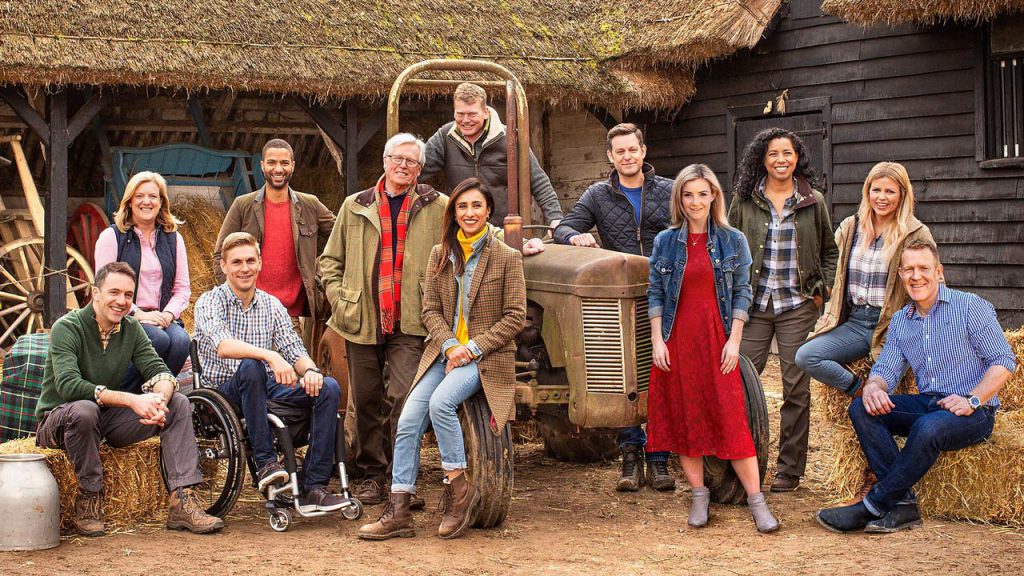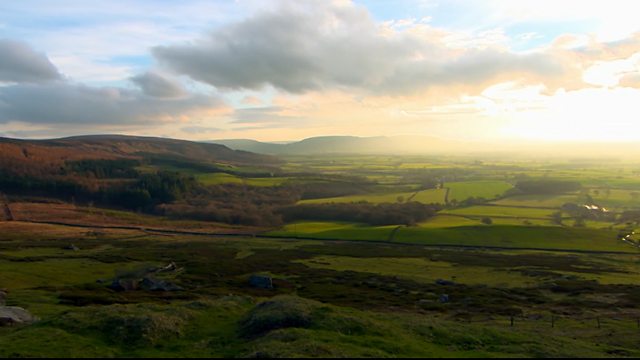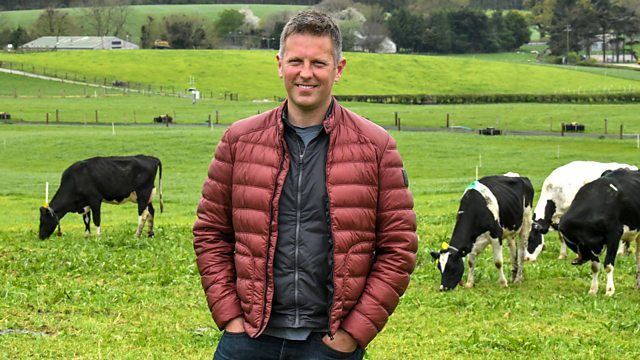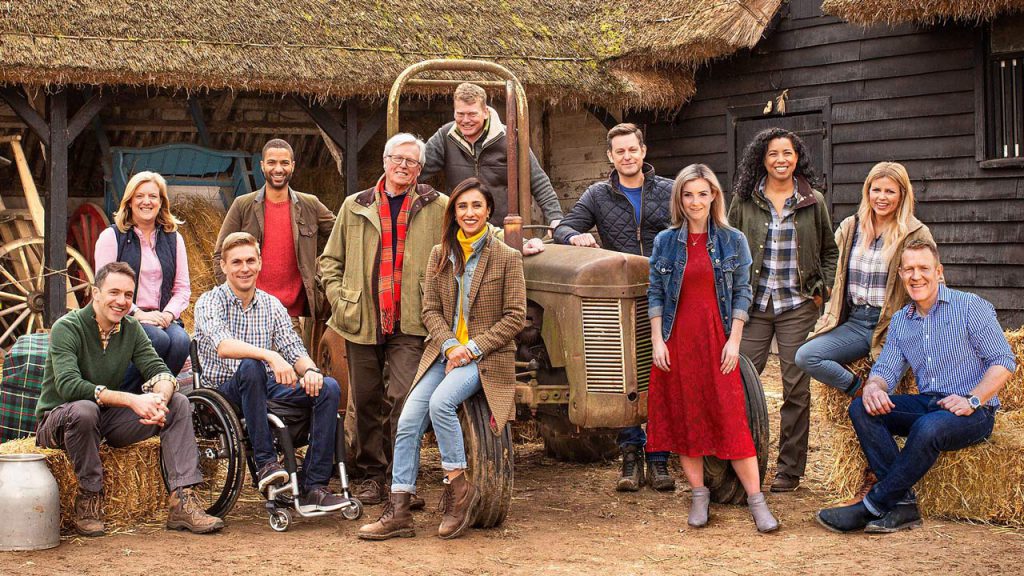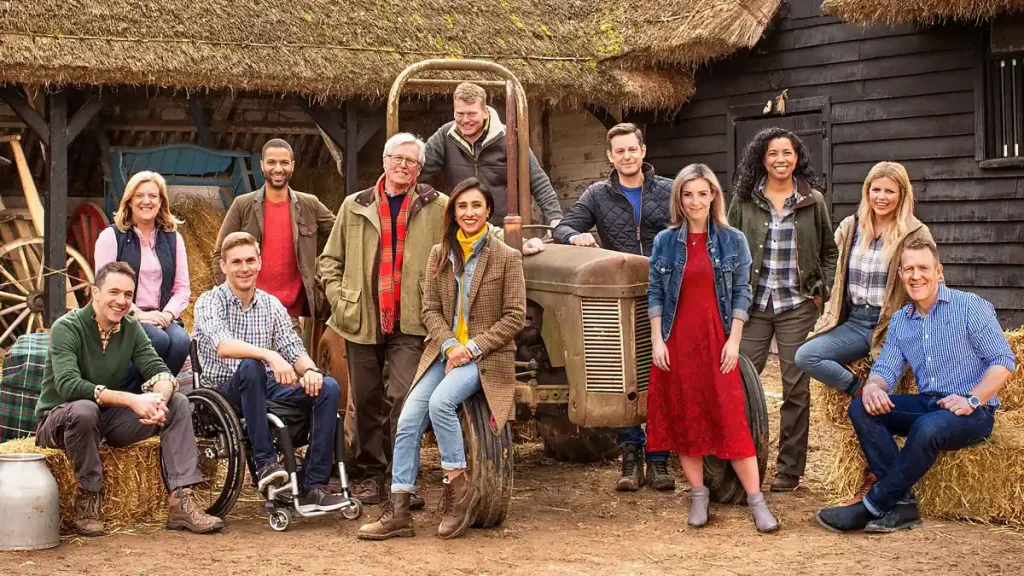
In this week’s episode of Countryfile – Storrington, Vick Hope and Joe Crowley journey to the rolling countryside of West Sussex, uncovering an extraordinary wildlife comeback story centuries in the making. Their destination? The charming village of Storrington, where an ancient bond between people and birds is being rekindled. Here, amidst the patchwork fields and wooded lanes, a majestic creature once thought lost to British skies is returning—the white stork.
Once a familiar sight during the Middle Ages, the white stork nested across England’s rooftops and chimneys, gracing both countryside and folklore. In fact, some believe Storrington itself owes its name to the stork—”storing” being an old term linked to the bird. But for over 600 years, these long-legged birds had vanished from the breeding landscape of Britain. Until now.
The revival began with a bold vision. The White Stork Project, launched at the Knepp Wilding estate, set out to achieve the unthinkable: to bring back a breeding population of white storks to British soil. What began as a dream with just two breeding pairs in 2020 has since blossomed into an astonishing success. Against all odds, the project has taken flight.
This spring marks a particularly proud moment for the community. The combined efforts of Knepp and the nearby village of Storrington have earned them the title of ‘European Stork Village.’ This prestigious award is given to only one location per country and places the region among a rare and celebrated league of European wildlife sanctuaries. It’s an honour that speaks volumes about the deep-rooted connection between land, people, and nature.
Joe Crowley heads to the heart of the Knepp estate—a 3,500-acre rewilding haven known for its pioneering conservation work. As he wanders among wildflower meadows and regenerating woodland, Joe learns how a colony of flightless white storks from Poland helped lay the foundations of the breeding program. Raised in semi-wild conditions, these birds became the unexpected heroes of the project, learning to forage and nest naturally despite never taking flight.
Feeding time arrives for the newest arrivals—fluffy, wide-eyed chicks tucked safely into towering nests. Joe rolls up his sleeves to assist the team, marveling at how each tiny beak represents hope, renewal, and resilience. But storks don’t thrive in isolation. They need a dynamic landscape teeming with life, and that’s exactly what Knepp delivers.
From storks to snouts, Joe then meets the estate’s iconic Tamworth pigs, who root and rummage through scrub and pasture. Just three days old, a litter of piglets squeals and shuffles through the undergrowth. Their natural behaviour helps shape a mosaic of habitats ideal for stork feeding grounds. It’s a fascinating dance between animal and environment—a perfect example of how rewilding doesn’t just restore species, but entire ecosystems.
Meanwhile, Vick Hope embarks on a stork safari, binoculars in hand. Sweeping across the Sussex horizon, she spots the elegant silhouettes of white storks soaring above the landscape, wings outstretched like sails catching the wind. Watching them glide so effortlessly, it’s hard to imagine they were absent for centuries. Vick’s joy is palpable as she tracks these birds across meadows, marshes, and sky.
But storks aren’t just a symbol of wildness—they’re part of a rich human tradition too. In another corner of West Sussex, Vick meets a father-and-son duo keeping the ancient craft of thatching alive. Their work, passed down through generations, provides not only shelter but also ideal nesting spots for birds like the stork. The thatcher’s hands move with practiced ease, layering straw like a painter laying brushstrokes. It’s a time-honoured ritual that connects past and present, nature and craftsmanship.
Countryfile – Storrington
Yet not all news in the countryside is cause for celebration. Further afield, Charlotte Smith investigates a growing concern among farmers. A government scheme that once rewarded eco-friendly farming practices has abruptly ended, leaving many wondering what’s next. The initiative had helped landowners adopt greener methods, from planting hedgerows to protecting wetlands. Its sudden closure raises tough questions about the future of sustainability in British agriculture.
Charlotte meets several farmers who had embraced the scheme with open arms. One explains how it enabled him to rotate crops more effectively, restore field margins, and reduce pesticide use. Another recalls how the program helped him reintroduce pollinator habitats across his land. Without continued support, many fear these gains will be lost—and with them, the opportunity to farm in harmony with nature.
Despite the policy uncertainty, hope still takes flight—much like the storks overhead. The people of Storrington, Knepp, and beyond are showing what’s possible when communities work hand-in-hand with wildlife. Their story reminds us that conservation isn’t about turning back the clock—it’s about moving forward with empathy, imagination, and grit.
From the muddy boots of rewilders to the deft hands of thatchers, and the wide-eyed wonder of stork-spotters to the furrowed brows of farmers, this week’s Countryfile offers a vivid portrait of a rural Britain in transformation. One where nature doesn’t just survive—but thrives, boldly and beautifully.
A Legacy Written in Wings
As the sun sets over West Sussex’s rolling hills, the white storks of Storrington stand as living proof that miracles still happen in the British countryside. Moreover, their return after six centuries represents far more than a conservation victory—it embodies the power of human determination meeting nature’s resilience.
The story unfolding at Knepp estate reads like a fairy tale, yet it’s grounded in science, sweat, and unwavering belief. Furthermore, each stork chick that hatches writes a new chapter in Britain’s wildlife recovery. These magnificent birds, once thought lost forever, now soar above the same landscapes their ancestors knew centuries ago.
However, the storks didn’t return alone. They brought with them a renewed sense of purpose for entire communities. Additionally, the ‘European Stork Village’ designation transforms Storrington from a quiet Sussex village into a beacon of hope for conservationists worldwide. This prestigious recognition validates years of patient work and countless volunteer hours.
The partnership between ancient crafts and modern conservation creates particularly beautiful symmetry. Traditional thatchers still weave straw with practiced hands, while simultaneously creating perfect nesting spots for returning storks. Meanwhile, Tamworth pigs root through undergrowth, unknowingly engineering ideal feeding grounds for their feathered neighbors.
Nevertheless, challenges remain on the horizon. The sudden end of eco-friendly farming schemes threatens to undermine progress achieved over recent years. Consequently, farmers who embraced sustainable practices now face uncertain futures without continued support.
Yet hope persists, much like the storks themselves. These remarkable birds survived centuries of absence and returned stronger than ever. Similarly, the communities supporting them demonstrate that conservation thrives when people unite behind a common cause.
The white storks of Storrington offer more than just wildlife spectacle—they provide a blueprint for coexistence. Their success proves that rewilding doesn’t mean stepping backward into the past. Instead, it means moving forward with wisdom learned from both tradition and innovation.
As these elegant birds continue building their nests and raising their young, they’re simultaneously rebuilding something precious within us. They remind us that patience, persistence, and partnership can resurrect what seemed permanently lost.
Today’s storks circle overhead like living symbols of possibility. Tomorrow, they’ll inspire countless others to believe that conservation dreams can indeed take flight. After all, if white storks can return to British skies after 600 years, what other miracles might be waiting just beyond the horizon?
FAQ Countryfile – Storrington
Q: What makes the white storks of Storrington so special?
A: The white storks of Storrington represent Britain’s most extraordinary wildlife comeback story. After vanishing from British skies for over 600 years, these magnificent birds have finally returned home. Furthermore, their presence transforms the quiet West Sussex village into a beacon of conservation hope. The storks embody resilience, proving that even seemingly impossible wildlife recoveries can take flight with dedication and community support.
Q: Why did white storks disappear from Britain centuries ago?
A: White storks once graced England’s rooftops and chimneys during the Middle Ages, becoming deeply woven into folklore and tradition. However, habitat loss and human persecution gradually drove these majestic birds away from British shores. Additionally, changing agricultural practices eliminated the wetland environments storks needed for successful breeding. Consequently, the last breeding pairs disappeared around 400 years ago, leaving only memories and legends behind.
Q: What is the White Stork Project and how did it begin?
A: The White Stork Project launched at Knepp Wilding estate with an ambitious vision: returning breeding white storks to British soil. Starting with just two breeding pairs in 2020, the initiative has blossomed into remarkable success. Moreover, the project combines scientific expertise with community passion to create ideal conditions for stork families. The program proves that bold conservation dreams can become reality through persistence and partnership.
Q: What does the ‘European Stork Village’ designation mean for Storrington?
A: Storrington’s ‘European Stork Village’ title represents the pinnacle of conservation achievement. This prestigious award goes to only one location per country annually. Furthermore, the designation places Storrington among Europe’s most celebrated wildlife sanctuaries. The recognition validates years of dedicated community effort and positions the village as an international example of successful human-wildlife coexistence.
Q: How large is the Knepp estate and what makes it perfect for storks?
A: Knepp estate spans 3,500 acres of rewilding heaven, creating the perfect stork sanctuary. The landscape features wildflower meadows, regenerating woodland, and diverse habitats teeming with life. Additionally, the estate’s pioneering conservation work provides everything storks need for successful breeding. The dynamic environment supports entire ecosystems rather than just individual species, creating a thriving natural community.
Q: How do Polish storks contribute to the British breeding program?
A: Flightless white storks from Poland became the unexpected heroes of the British breeding program. Raised in semi-wild conditions, these remarkable birds learned essential survival skills despite never taking flight. Moreover, they mastered natural foraging and nesting behaviors that their British-born offspring now inherit. The Polish storks essentially became teachers, passing crucial knowledge to the next generation of British white storks.
Q: What role do Tamworth pigs play in supporting stork populations?
A: Tamworth pigs serve as unlikely conservation partners, creating ideal feeding grounds for hungry storks. Their natural rooting behavior shapes diverse habitat mosaics throughout the estate. Furthermore, the pigs’ constant movement and foraging disturbs soil and vegetation perfectly. This activity exposes insects, worms, and small creatures that storks love to eat, demonstrating how rewilding creates interconnected benefits across species.
Q: How does traditional thatching support modern stork conservation?
A: Traditional thatching creates beautiful partnerships between ancient crafts and modern conservation efforts. Skilled thatchers layer straw with practiced hands, simultaneously providing ideal nesting spots for returning storks. Moreover, this time-honored craft connects past and present through generations of knowledge. The symbiotic relationship proves that conservation thrives when traditional skills meet contemporary wildlife needs.
Q: What challenges currently threaten British stork conservation efforts?
A: Government policy changes pose significant challenges to ongoing conservation success. The sudden end of eco-friendly farming schemes threatens progress achieved over recent years. Additionally, farmers who embraced sustainable practices now face uncertain futures without continued support. These policy shifts could undermine habitat improvements and threaten the delicate balance between agriculture and wildlife conservation that storks desperately need.
Q: What does the future hold for white storks in Britain?
A: The future shines brightly for British white storks, with expanding populations and growing community support. Each new chick represents hope, renewal, and the power of conservation partnerships. Furthermore, successful breeding programs continue inspiring similar projects across the country. The storks’ remarkable comeback story demonstrates that patience, persistence, and community dedication can resurrect species once thought permanently lost to British skies.