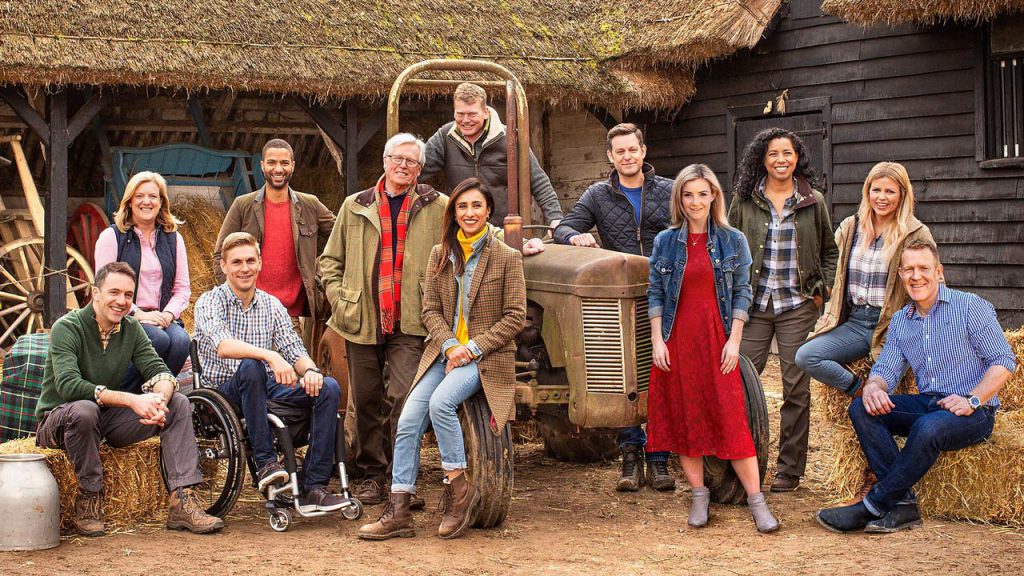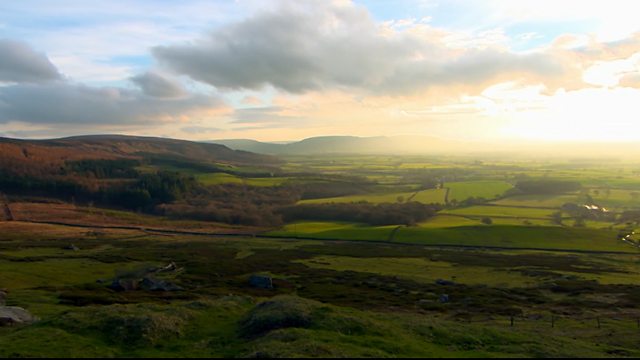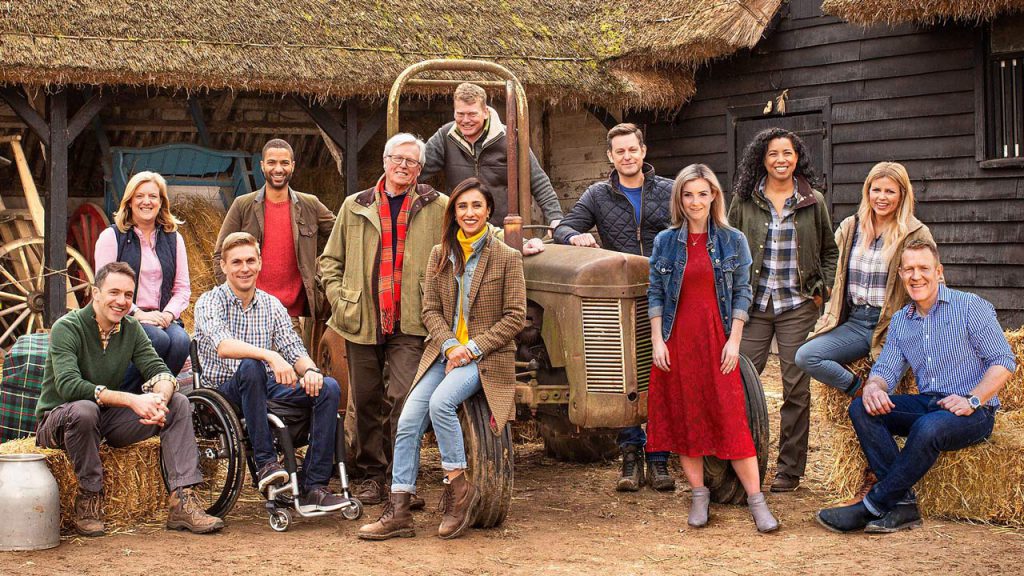
Countryfile – Cairngorms Capercaillie: Step into the wild heart of Scotland with Adam Henson and Charlotte Smith. They journey deep into the breathtaking Cairngorms National Park. This vast expanse isn’t just stunning scenery; indeed, it’s a crucial sanctuary. Remarkably, it shelters a quarter of the UK’s rarest and most endangered species. Across these majestic mountains and ancient forests, a quiet battle unfolds daily. Here, dedicated conservationists pour their hearts into safeguarding precious wildlife teetering on the edge. Consequently, their work offers a vital lifeline to creatures facing an uncertain future.
Among the park’s most treasured, yet fragile, inhabitants is the capercaillie. Often called the “horse of the woods,” this magnificent bird is a true icon of the Scottish Highlands. However, its numbers have dwindled alarmingly. Adam Henson joins a dedicated conservation team during a critical window. They work tirelessly to shield these elusive birds. Specifically, they focus on protection from human disturbance and natural predators. This effort is crucial in the sensitive days leading up to the lekking season.
This ancient, communal breeding display is absolutely vital. In fact, the very survival of the species hinges on its success. Adam witnesses firsthand the careful strategies employed. For instance, path diversions and predator monitoring aim to give these vulnerable giants the peace they need. The forest holds its breath, hoping for a new generation.
Meanwhile, Charlotte Smith explores other fascinating conservation stories unfolding within the Cairngorms’ embrace. First, she encounters some unlikely, yet effective, guardians: Maremma sheepdogs. These large, fluffy white dogs are part of an innovative trial. Their mission is to protect vulnerable lambs during the lambing season. Surprisingly, a key threat comes from above – magnificent sea eagles, also protected species. It’s a complex challenge, balancing farming needs with wildlife conservation. Therefore, these gentle giants are being tested as a deterrent. Their presence alone can discourage predators, offering peace of mind to shepherds. Charlotte meets the farmers involved, consequently learning how these dogs integrate into flock life. They are like watchful, woolly sentinels on the hillsides.
Charlotte’s journey then takes a more somber, yet equally important, turn. She connects with a local furniture maker who channels his craft into advocacy. His work highlights the devastating impact of ash dieback disease across Scotland. This fungal blight sweeps through woodlands, consequently leaving a trail of dead and dying ash trees. It’s an ecological tragedy unfolding in slow motion. The furniture maker uses salvaged ash wood, therefore transforming affected timber into beautiful pieces. Each creation tells a story, subsequently raising awareness about the widespread loss of these vital native trees. His work serves as both a lament and a celebration of the ash’s legacy. It’s a poignant reminder of the interconnectedness of our ecosystems.
Furthermore, Charlotte meets a man with a truly unique conservation passion. An entomologist shares his infectious enthusiasm for endangered narrow-headed ants. These tiny creatures play a specific role in the ecosystem. However, their habitats are increasingly fragmented. Astonishingly, this dedicated expert is breeding colonies of these rare ants right from his own home. It’s a miniature ark project, driven by immense dedication. He explains their fascinating social structures and ecological importance. Subsequently, his work aims to establish new, safe colonies in the wild. It’s a powerful example of how individual passion can make a real difference, even for the smallest lives. This story proves conservation heroes come in all forms.
Countryfile – Cairngorms Capercaillie
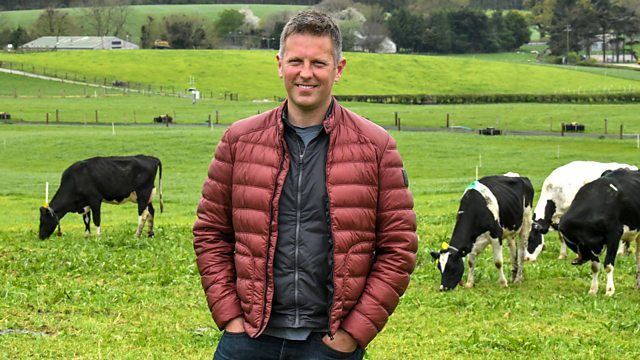
Beyond the Cairngorms, Adam Henson continues his inspiring travels across the UK. He seeks out the next generation passionate about the land. Specifically, he connects with young people forging careers in farming and countryside management. Their energy and innovation are essential for the future. In this programme, his journey takes him south to the rolling fields of Berkshire. There, he meets a young, dynamic arable farmer. This farmer faces the complex challenges of modern agriculture head-on. For example, shifting subsidies, climate change, and evolving market demands require constant adaptation.
Adam learns how this young agriculturalist navigates these changes. Moreover, he discovers the innovative techniques and sustainable practices being embraced. This farmer represents a hopeful future for British farming. His story mirrors the adaptability seen in the Cairngorms conservation efforts. It showcases resilience and a deep commitment to working with nature.
Ultimately, this exploration of the Cairngorms and beyond paints a vivid picture. It reveals a landscape of stunning beauty, yet also one facing significant challenges. From the majestic capercaillie hidden in pine forests to the tiny ants thriving in a dedicated home, life persists. Similarly, from fluffy guardians protecting flocks to young farmers cultivating the future, human dedication shines through.
The programme highlights the tireless efforts being made. Consequently, it reminds us of the fragility of our natural world. It also shows the profound connection between people, wildlife, and the landscapes we all share. The stories from the Cairngorms echo across the nation, therefore calling for continued commitment to conservation and sustainable living. It’s a journey filled with challenges, yet brimming with hope.
Countryfile – Cairngorms Capercaillie: A Tapestry of Conservation and Hope
The Cairngorms National Park stands as a living testament to nature’s resilience and human dedication. Within this magnificent landscape, conservation narratives intertwine like threads in a complex tapestry. Indeed, from the majestic capercaillie to the diminutive narrow-headed ant, each species represents a vital strand in this ecological masterpiece.
The challenges faced by these remarkable creatures demand innovative solutions. For instance, the Maremma sheepdogs patrolling hillsides illustrate how traditional wisdom can address modern conflicts. Similarly, the furniture maker’s transformation of diseased ash trees demonstrates how creativity can emerge from environmental tragedy. These approaches, furthermore, showcase the adaptability required in contemporary conservation work.
Adam Henson’s journey with the capercaillie conservation team highlights the delicate balance between human activity and wildlife protection. Consequently, their careful strategies during the critical lekking season offer hope for this iconic species. The forest’s collective breath seems held in anticipation, waiting for the next generation to emerge successfully.
Meanwhile, Charlotte Smith’s encounters reveal conservation’s diverse faces. Her visits with the entomologist breeding endangered ants and farmers utilizing canine guardians demonstrate how passion manifests in unexpected ways. Therefore, these stories remind us that conservation heroes come in all forms, operating at every scale.
Beyond the Cairngorms, the young Berkshire farmer represents a continuation of this conservation ethos. His innovative agricultural techniques mirror the same principles seen in wildlife protection. Moreover, his story connects farming’s future with broader environmental stewardship, creating a harmonious relationship with the land.
The profound interconnection between people, wildlife, and landscapes emerges as the central theme throughout this journey. As the capercaillie seeks solitude in ancient pine forests, it paradoxically depends on human intervention for survival. Likewise, as farmers adapt to changing conditions, they increasingly recognize their role as ecosystem stewards.
This exploration ultimately reveals a landscape of both breathtaking beauty and significant vulnerability. The dedicated efforts across the Cairngorms create ripples of hope that extend nationally. From predator monitoring to habitat restoration, these actions form a collective movement toward sustainability.
The path forward requires continued commitment, innovation, and collaboration. Through these combined efforts, the whispered call of the capercaillie may continue to echo through Scottish forests for generations. The Cairngorms’ story thus becomes our story—a narrative of challenges faced, relationships honored, and hope sustained against all odds.
FAQ Countryfile – Cairngorms Capercaillie
Q: What is a capercaillie and why is it important to the Cairngorms?
A: The capercaillie is a magnificent bird often called the “horse of the woods” and serves as a true icon of the Scottish Highlands. This large, impressive woodland grouse is one of the Cairngorms’ most treasured yet fragile inhabitants. Moreover, the capercaillie holds cultural significance as a symbol of the ancient Caledonian pine forests. The species acts as an indicator of overall forest health, and consequently, its presence suggests a thriving ecosystem. Unfortunately, its numbers have dwindled alarmingly in recent decades, making conservation efforts in the Cairngorms absolutely crucial for its survival in the UK.
Q: What is the lekking season and why is it critical for capercaillie conservation?
A: The lekking season is an ancient, communal breeding display that is absolutely vital for capercaillie reproduction. During this period, male capercaillies gather in traditional display grounds to perform elaborate courtship rituals. Indeed, the very survival of the species hinges on the success of these displays. Human disturbance during this sensitive time can cause significant disruption, potentially leading to breeding failure. Therefore, conservation teams implement careful strategies such as path diversions and increased monitoring to protect these sites. The forest effectively holds its breath during this critical window, as each successful lekking season offers hope for a new generation of these endangered birds.
Q: How does the Cairngorms National Park support endangered species?
A: The Cairngorms National Park serves as a crucial sanctuary for endangered wildlife, sheltering approximately a quarter of the UK’s rarest species. This vast expanse of majestic mountains and ancient forests provides diverse habitats essential for numerous threatened creatures. Dedicated conservationists work tirelessly throughout the park, implementing targeted protection measures for different species. For instance, they create specially managed zones for capercaillie breeding and establish new colonies for endangered narrow-headed ants. Furthermore, the park authorities coordinate research, habitat restoration, and public education initiatives. As a result, the Cairngorms offers a vital lifeline to precious wildlife teetering on the edge of extinction.
Q: How are Maremma sheepdogs helping with conservation efforts in the Cairngorms?
A: Maremma sheepdogs represent an innovative approach to conservation challenges in the Cairngorms. These large, fluffy white dogs are being tested as effective guardians to protect vulnerable lambs during the lambing season. Surprisingly, one key threat comes from sea eagles, which are also protected species. This creates a complex conservation dilemma where both farming interests and wildlife protection must be balanced. The Maremmas serve as natural deterrents, their presence alone often discouraging predators without causing harm. Consequently, these gentle giants provide peace of mind to shepherds while supporting wildlife-friendly farming practices. These dogs integrate seamlessly into flock life, becoming watchful, woolly sentinels on the hillsides.
Q: What is ash dieback disease and how is it affecting the Cairngorms?
A: Ash dieback disease is a devastating fungal blight that sweeps through woodlands across Scotland, including the Cairngorms region. This destructive pathogen causes a gradual decline in affected trees, consequently leaving a trail of dead and dying ash trees throughout the landscape. It represents an ecological tragedy unfolding in slow motion. The disease threatens not only the trees themselves but also the many species that depend on ash woodlands for habitat. Therefore, local initiatives have emerged to raise awareness about this crisis. For example, furniture makers salvage affected timber to create beautiful pieces that tell a story, serving as both a celebration of the ash’s legacy and a poignant reminder of our interconnected ecosystems.
Q: Who is involved in capercaillie conservation in the Cairngorms?
A: Capercaillie conservation in the Cairngorms involves a dedicated network of individuals and organizations working collaboratively. Professional conservation teams lead specialized protection efforts, particularly during the sensitive lekking season. Meanwhile, local rangers monitor populations and manage forest habitats specifically for capercaillie needs. National park authorities coordinate broader conservation strategies, while research scientists study the birds’ behavior and habitat requirements. Furthermore, local communities play an essential role by respecting trail closures and following guidance when visiting capercaillie areas. This collective effort, supported by conservation charities and government agencies, demonstrates how protecting this iconic species truly requires everyone’s participation.
Q: What conservation work is being done for narrow-headed ants in the Cairngorms?
A: Conservation work for narrow-headed ants in the Cairngorms represents a fascinating example of dedicated micro-conservation. An enthusiastic entomologist has established what amounts to a miniature ark project, breeding colonies of these rare ants from his own home. These tiny creatures play a specific yet important role in the ecosystem, although their habitats have become increasingly fragmented. Through meticulous care, the expert nurtures these colonies with the goal of establishing new, safe populations in the wild. The project highlights how individual passion can make a real difference even for the smallest creatures. Indeed, this remarkable effort showcases that conservation heroes come in all forms, working across all scales of the natural world.
Q: How does farming connect with conservation in the Cairngorms region?
A: Farming and conservation in the Cairngorms are deeply intertwined, creating a relationship that balances agricultural needs with environmental protection. Local farmers increasingly embrace their role as land stewards, adopting practices that support wildlife alongside food production. For example, some implement innovative solutions like using Maremma sheepdogs to protect livestock while avoiding harm to protected predator species. Furthermore, young farmers in the region are pioneering sustainable techniques that work with natural processes rather than against them. This approach mirrors conservation principles seen throughout the park, demonstrating a shared commitment to resilience and adaptation. Consequently, the agricultural landscape becomes an extension of conservation efforts, creating a harmonious relationship between farming traditions and environmental needs.
Q: What challenges do conservationists face in protecting capercaillie in the Cairngorms?
A: Conservationists protecting capercaillie in the Cairngorms face numerous interconnected challenges. Human disturbance remains a primary concern, particularly during the crucial breeding season when birds are most sensitive. Additionally, habitat fragmentation has isolated populations, consequently reducing genetic diversity and resilience. Predators such as foxes and crows can significantly impact nesting success. Climate change further complicates matters by altering forest conditions and food availability. Moreover, conservationists must balance public access to the national park with the birds’ need for undisturbed habitat. Despite these challenges, dedicated teams employ innovative approaches such as habitat restoration and careful visitor management to give these magnificent birds the best chance of survival.
Q: How can visitors to the Cairngorms help support conservation efforts?
A: Visitors to the Cairngorms can play a valuable role in supporting conservation efforts through mindful actions during their stay. First and foremost, respecting trail closures and seasonal restrictions, especially during the sensitive capercaillie breeding season, makes an enormous difference. Additionally, keeping dogs on leads when in wildlife-sensitive areas prevents unnecessary disturbance. Learning about local conservation challenges before visiting creates awareness that shapes responsible behavior. Furthermore, supporting local businesses that embrace environmental practices helps sustain the community’s conservation ethic. Visitors might also consider volunteering for conservation projects or donating to regional wildlife initiatives. Through these combined actions, tourists transform from mere observers into active participants in the Cairngorms’ conservation story.