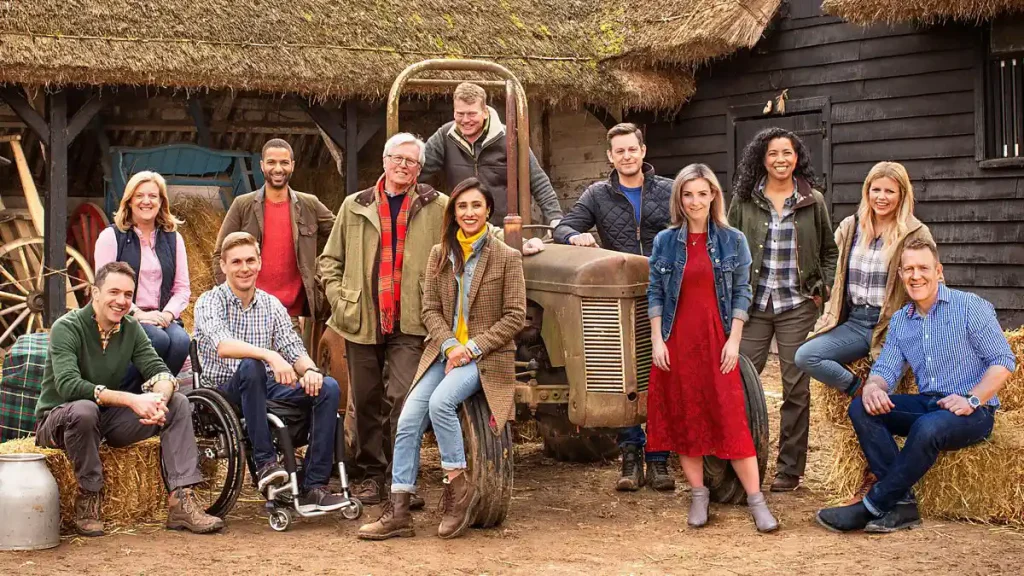
Countryfile – Watercress Line
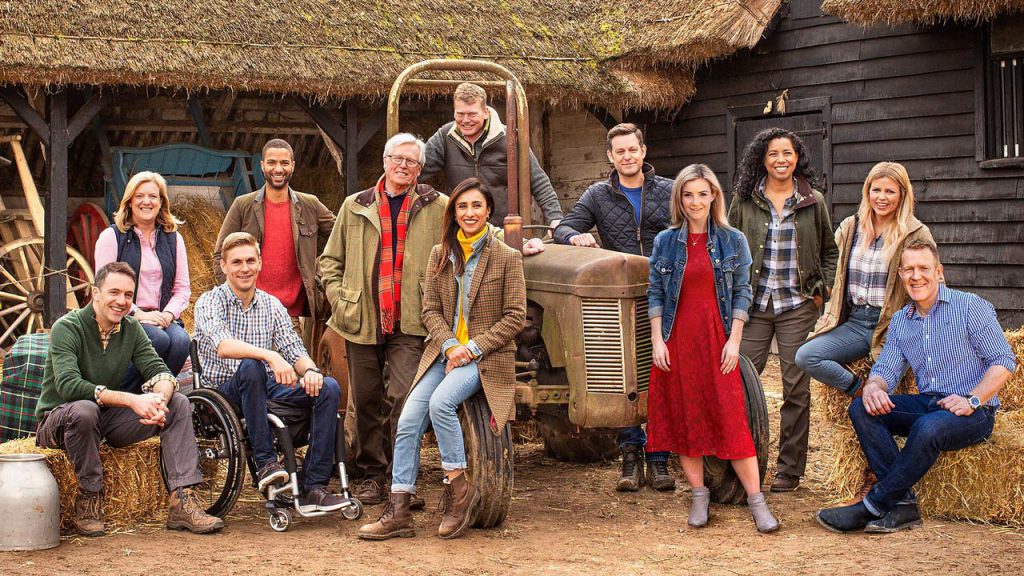
Step aboard for a journey back in time. Join Countryfile presenters Matt Baker and Margherita Taylor. They travel along the historic Watercress Line in picturesque Alresford, Hampshire. This trip marks a very special occasion. Indeed, it commemorates 200 years since the dawn of the railways. Imagine the hiss of steam, the rhythmic chug of the engine. Feel the excitement that must have pulsed through Britain two centuries ago. It was an era of unprecedented change. Furthermore, the advent of steam power dramatically reshaped the nation.
Our presenters explore this transformative period. They uncover how steam engines became the lifeblood connecting rural England to bustling cities. Before the railways, distance was a formidable barrier. Farmers, especially, faced huge challenges. Getting fresh produce to distant markets quickly was nearly impossible. Consequently, much potential trade was lost. Then, like iron arteries spreading across the land, the railways arrived. Suddenly, fresh food could travel miles in mere hours, not days. This innovation was particularly vital for perishable goods. Think about delicate crops needing swift transport.
This brings us to the heart of Hampshire’s unique railway story. The Watercress Line earned its name for a very specific reason. It provided that crucial link for local farmers. Specifically, it connected their prized watercress beds to London’s markets. This peppery green leaf, thriving in Hampshire’s chalk streams, became a culinary sensation. Therefore, the railway was essential for its success. Matt and Margherita delve into this fascinating agricultural heritage. They reveal how steam power fuelled not just engines, but also local economies.
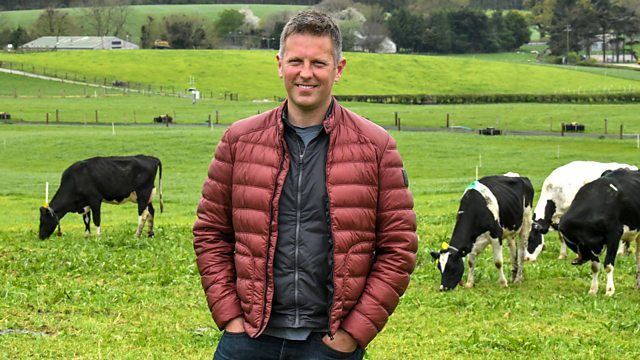
Matt Baker immerses himself in the world of watercress farming today. He visits dedicated growers as they prepare for the upcoming season. Spring is a time of anticipation in the watercress beds. Matt rolls up his sleeves, ready to help. He assists with preparing the special gravel beds. These beds are crucial for nurturing the young watercress seeds. It’s meticulous work, requiring care and understanding of the plant’s needs. Moreover, Matt learns about the careful balance growers maintain. They work in harmony with the local river ecosystems.
Interestingly, Matt discovers the surprising role of tiny river invertebrates. These small creatures are vital indicators of water quality. Healthy invertebrate populations signify a clean, thriving river environment. This, in turn, is essential for growing the best watercress. Modern farming practices here embrace this natural connection. Consequently, farmers act as custodians of the chalk streams. They understand that protecting the river means protecting their livelihood. It’s a beautiful example of sustainable agriculture in action. Matt sees firsthand how tradition meets environmental awareness.
Meanwhile, Margherita Taylor connects with the soul of the heritage line. She meets the passionate individuals keeping this piece of history alive. Running a heritage railway relies heavily on volunteers. Their dedication is truly inspiring. These people pour their time and energy into maintaining the track, engines, and stations. Without them, the magic of steam travel here would fade away. Margherita joins a group of volunteers on a specific project. They are clearing a section of disused railway line. However, this isn’t just about tidying up.
Their goal is ambitious and forward-thinking. They aim to create a brand-new wildlife corridor. By clearing the old track bed, they encourage nature to reclaim the space. This corridor will eventually link fragmented habitats. As a result, it allows animals and plants to move more freely through the landscape. It demonstrates how heritage preservation can also benefit biodiversity. Margherita witnesses the community spirit driving this environmental work. People work together, united by a love for history and nature. It’s a powerful combination.
Margherita’s journey also leads her to a delightful local enterprise. She meets someone who established a community farm shop. What makes this shop truly unique is its location. It sits right in the middle of the iconic watercress beds. Imagine Browse local produce surrounded by lush green leaves and clear water. This shop perfectly encapsulates the area’s identity. It showcases the very product that put Alresford on the map. Moreover, it serves the local community, offering fresh goods and a place to connect. It’s a testament to local ingenuity and pride. Margherita learns how this shop strengthens the bond between producers and consumers.
While Matt and Margherita explore Hampshire’s heritage, Tom Heap tackles a pressing modern issue. He investigates the system designed to protect farmers. Specifically, he looks at those supplying large supermarkets. Farming involves immense risk and hard work. Often, farmers feel squeezed by the buying power of major retailers. Therefore, regulations exist to ensure fair treatment and timely payments. Tom asks critical questions about this system. Is it truly effective? Does it adequately shield farmers from unfair practices?
He delves into the complexities of the supply chain. Tom speaks to farmers about their experiences. He examines the challenges they face negotiating prices and contracts. The power imbalance between individual farmers and giant corporations is significant. Consequently, ensuring fairness requires robust oversight. Tom’s investigation highlights the ongoing debate about market fairness. It asks whether current protections go far enough. This segment provides a crucial dose of modern agricultural reality. It complements the historical focus of the main journey. It reminds us that supporting farmers remains vital today.
Countryfile – Watercress Line
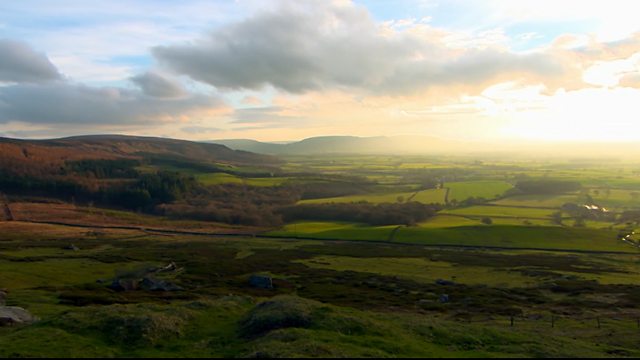
The Watercress Line offers more than just a train ride. It’s a journey through history, landscape, and community spirit. Riding these lovingly restored carriages evokes a bygone era. The rhythmic sounds, the smell of coal smoke, the passing scenery – it’s captivating. You sense the ghosts of past travellers. You appreciate the engineering marvels of the steam age. Furthermore, the line runs through stunning Hampshire countryside. Rolling hills, clear streams, and charming villages unfold outside the window. It connects visitors directly to the rural beauty of southern England.
The story of this railway is intertwined with watercress. That connection remains visible and vibrant today. From Matt helping in the beds to Margherita visiting the farm shop, the theme persists. The railway exists because of this humble plant. In turn, the heritage line now helps sustain local tourism and community pride. It’s a wonderful circular relationship. The volunteers Margherita meets are the modern guardians of this legacy. Their work ensures future generations can experience this unique blend of industrial heritage and agricultural history. Their efforts create new legacies too, like the wildlife corridor.
This Countryfile episode paints a rich picture. It celebrates 200 years of railway history. Simultaneously, it highlights the enduring importance of farming. It showcases the beauty of the Hampshire landscape. Above all, it pays tribute to the power of community. Whether it’s volunteers preserving steam engines or farmers tending their crops, people are key. Their passion keeps history alive and sustains the countryside. The journey along the Watercress Line becomes a metaphor. It represents the connection between past and present. It links industry and nature, people and place. It reminds us how transport shaped Britain. And it shows how dedicated people continue to shape its future. So, let the whistle blow and the journey continue.
Heritage and Harvest: The Enduring Legacy of the Watercress Line
As the steam dissipates into the crisp Hampshire air, our journey along the Watercress Line reaches its destination. Yet the story of this remarkable railway continues to unfold like the verdant countryside it traverses. Indeed, this historic line represents far more than a mere transport route. It stands as a living museum, a testament to innovation, and a celebration of rural England’s enduring spirit.
Throughout our exploration with Matt and Margherita, we’ve witnessed how railways transformed isolated communities into connected hubs of commerce. Furthermore, we’ve seen how the humble watercress plant sparked an agricultural revolution, creating a symbiotic relationship with the railway that carries its name. This partnership between nature and technology flourishes even today, breathing life into local economies and preserving precious traditions.
The dedicated volunteers who maintain the Watercress Line remind us that heritage isn’t simply preserved—it’s actively cultivated. Their hands polish brass fixtures, repair aging wooden platforms, and clear paths for wildlife corridors. Consequently, they weave together the threads of past and present, creating a tapestry rich with both history and hope.
When you board these vintage carriages, you’re not just taking a ride. Rather, you’re stepping into a story that began two centuries ago. The rhythmic clickety-clack of wheels on tracks echoes through time like a heartbeat, connecting generations through shared experience. Moreover, the views from your window frame perfectly capture England’s pastoral beauty—chalk streams meandering through lush valleys just as they did when the first steam engines puffed along these routes.
The farm shop nestled among watercress beds exemplifies how traditional industries can evolve while honoring their roots. Similarly, Tom’s investigation into farmer protections underscores our responsibility to support those who cultivate our land. Their challenges today mirror those faced by their predecessors, albeit in different forms.
As we conclude our journey, the Watercress Line stands before us not as a relic but as a bridge—connecting rural traditions with modern environmental stewardship. Through community effort and passionate dedication, this railway continues to bind people to place, history to future, and nature to human endeavor.
The whistle blows once more, sending echoes across Hampshire’s rolling hills. And though our visit ends here, the Watercress Line’s story continues to unfold, carried forward by those who understand that preserving heritage means keeping it vibrantly alive.
FAQ Countryfile – Watercress Line
Q: What is the Watercress Line and where is it located?
A: The Watercress Line is a historic heritage railway located in picturesque Alresford, Hampshire. This preserved steam railway earned its distinctive name because it once served as the crucial transportation link connecting local watercress farms to London’s bustling markets. Today, the line operates as a living museum, offering visitors an authentic journey through the stunning Hampshire countryside on lovingly restored vintage steam trains.
Q: Why is the Watercress Line historically significant?
A: The Watercress Line represents a vital piece of Britain’s industrial heritage, commemorating 200 years since the dawn of railways. Before these iron arteries spread across the land, farmers struggled immensely to transport perishable goods like watercress to distant markets. Consequently, the arrival of steam railways revolutionized rural economies by allowing fresh produce to travel miles in mere hours rather than days. This transformation turned Hampshire’s humble watercress into a culinary sensation in London and beyond.
Q: How does watercress farming connect to the railway’s history?
A: The railway and watercress share a symbiotic relationship that defines Hampshire’s agricultural heritage. Indeed, the line earned its nickname by serving as the essential transportation link that allowed farmers to quickly move their harvested watercress to London markets. This peppery green leaf thrives in Hampshire’s chalk streams, creating a unique agricultural specialty for the region. Furthermore, this historical connection remains visible today through local farm shops and the continued cultivation of watercress beds alongside the railway route.
Q: What role do volunteers play in preserving the Watercress Line?
A: Volunteers serve as the lifeblood of the Watercress Line, dedicating countless hours to maintaining this piece of living history. Their passionate work includes polishing brass fixtures, repairing aging wooden platforms, and maintaining the vintage steam engines. Without these dedicated individuals, the magic of steam travel would fade away like morning mist. Moreover, volunteers have expanded their mission beyond preservation, undertaking environmental projects such as creating wildlife corridors along disused sections of track.
Q: How does modern watercress farming practice sustainable agriculture?
A: Modern watercress farmers act as environmental stewards, working in harmony with local river ecosystems. They carefully monitor tiny river invertebrates, which serve as critical indicators of water quality necessary for growing premium watercress. This relationship illustrates a beautiful example of sustainable agriculture, where protecting natural resources directly benefits crop production. Consequently, farmers understand that their role extends beyond cultivation to include guardianship of Hampshire’s precious chalk streams and their delicate ecological balance.
Q: What unique experiences can visitors enjoy on the Watercress Line?
A: Visitors to the Watercress Line step into a vivid tableau of British heritage and natural beauty. The journey offers multisensory delights including the rhythmic chug of engines, the distinctive smell of coal smoke, and breathtaking views of Hampshire’s rolling hills and clear streams. Additionally, travelers can explore community farm shops nestled among watercress beds, witnessing firsthand the agricultural legacy that gave the railway its name. Special events throughout the year, such as seasonal steam galas and historical reenactments, further enhance this immersive experience.
Q: How does the Watercress Line contribute to local biodiversity?
A: The Watercress Line exemplifies how industrial heritage can support environmental conservation. Volunteers actively transform disused sections of railway into thriving wildlife corridors, connecting previously fragmented habitats. This ambitious initiative allows native plants and animals to move freely through the landscape, enhancing local biodiversity. Furthermore, the railway’s connection to watercress farming supports the protection of chalk streams, which rank among Britain’s most ecologically valuable and threatened freshwater habitats, hosting numerous rare species.
Q: What challenges do modern farmers face compared to their historical counterparts?
A: While railways solved transportation challenges for historical farmers, today’s agricultural producers face different obstacles. Modern farmers, particularly those supplying major supermarkets, often struggle with unequal power dynamics in negotiating fair prices and contracts. Therefore, regulatory systems have been established to ensure equitable treatment and timely payments. Though the specific challenges have evolved over time, the fundamental need to support those who cultivate our land remains as vital today as it was two centuries ago.
Q: How does the community farm shop enhance the Watercress Line experience?
A: The community farm shop represents a perfect marriage between heritage tourism and local agriculture. Uniquely situated among the iconic watercress beds, this enterprise offers visitors the opportunity to purchase fresh produce in the very environment where it grows. The shop strengthens bonds between producers and consumers while showcasing Alresford’s agricultural identity. Moreover, this living connection to the railway’s original purpose transforms a simple train ride into a deeper educational journey about the relationship between transportation innovation and rural economies.
Q: Why should preserving heritage railways like the Watercress Line matter to modern society?
A: Heritage railways serve as bridges connecting our past with our future, offering valuable perspectives on how transportation shaped Britain’s development. The Watercress Line specifically illuminates the vital relationship between industrial innovation and agricultural prosperity, teaching lessons still relevant in our modern world. Through community effort and passionate dedication, such preservation projects bind people to place, history to future, and nature to human endeavor. Indeed, these living museums don’t merely preserve static artifacts but actively cultivate understanding of our shared heritage for generations to come.