Countryfile – Hamza’s Highlands – Flapper Skate takes viewers into one of the most dramatic and least-visited stretches of Scottish coastline, where the cold, dark waters of the west coast conceal a creature so ancient, so vast, and so quietly imperilled that most people have never heard of it. The flapper skate is not a headline-grabbing predator. It does not breach the surface or perform for cameras. Instead, it moves through the deep with a slow, unhurried grace that speaks to the hundreds of millions of years its lineage has spent perfecting the art of survival. That survival is now seriously in question.
Hamza Yassin, the wildlife cameraman and broadcaster best known for his deep affection for the Scottish Highlands, travels to the west coast to witness first-hand the urgent conservation effort surrounding this extraordinary fish. What he finds is a story that sits at the intersection of ancient natural history, modern science, and the everyday lives of recreational sea anglers who have become unlikely but indispensable partners in one of British wildlife conservation’s most quietly remarkable projects. The themes of nature, wildlife, and country life converge here in ways that feel both urgent and deeply human.
The flapper skate is the largest skate species in the world. It can grow to more than two and a half metres in length and weigh over a hundred kilograms. Its wings, when spread, can span the width of a family car. Yet despite its size, it spent decades vanishing from British waters almost entirely unnoticed, classified as a single species alongside the common skate until genetic analysis revealed it to be something entirely distinct, and entirely more endangered. Today it is listed as critically endangered, one of the most serious designations available under international conservation classifications.
What makes the species so vulnerable is a combination of factors rooted in its biology. Flapper skate mature slowly, reaching sexual maturity only after roughly thirteen years. Females do not reproduce every year. When they do lay eggs, the leathery cases, known to beachcombers as mermaid’s purses, take a remarkable twenty-two months to hatch. That is nearly two years of development for a single egg. In a world where fishing pressure and habitat disruption can remove adults from the population faster than young fish can replace them, such a slow reproductive cycle becomes a profound liability.
The waters around the west coast of Scotland, however, have retained pockets of habitat where flapper skate still exist in meaningful numbers. Loch Sunart and the surrounding sea lochs represent one of the most significant strongholds remaining anywhere. It is here that Hamza joins the research team and begins to understand both the scale of the problem and the ingenuity of the solution being applied. The agricultural and country life context of this coastline matters deeply. These are working waters. Fishermen and recreational anglers have used them for generations, and it is precisely that long-standing human relationship with the sea that now forms the backbone of the conservation programme.
The project Hamza encounters is built on a partnership between professional scientists and a network of volunteer sea anglers. The anglers, many of whom have been fishing these waters for decades, are trained to catch flapper skate using specific techniques designed to minimise harm to the fish. When a skate is brought to the surface, the team takes biological measurements, collects tissue samples for DNA analysis, attaches identification tags, and releases the animal back into the water, ideally within minutes. The data generated from thousands of these interactions is building one of the most detailed population pictures of any elasmobranchs, the group of cartilaginous fish that includes sharks and rays, anywhere in British waters.
The sheer dependence of this work on the angling community is striking. Without the network of sea anglers, the research would be logistically impossible. Scientists cannot be on every boat, in every sea loch, at every time of year. The anglers extend the reach of the project immeasurably, and their local knowledge, accumulated over years of fishing the same grounds, adds a qualitative layer of understanding that no instrument can replicate. This is country life and wildlife conservation operating in genuine partnership, each side contributing what the other lacks.
Hamza is visibly moved by his first close encounter with a flapper skate. Seeing the creature out of water, even briefly and carefully, gives a sense of its improbable dimensions. The disc-shaped body, the long tail, the extraordinary span of the pectoral fins that give the species its common name, all of it combines into something that feels genuinely prehistoric. It is not difficult to understand, in that moment, why those involved in the project speak about it with such evident intensity.
Countryfile – Hamza’s Highlands – Flapper Skate
The Flapper Skate and Its Place in Scottish Marine History
The history of the flapper skate in British waters is a story of gradual erasure. Through most of the twentieth century, the species was heavily targeted by commercial fisheries, not because it was especially valuable, but because it was large, slow-moving, and easily caught. It was also almost completely misunderstood. Classified as common skate for decades, its distinct identity was invisible to both fishermen and regulators. By the time genetic science clarified the taxonomy, the population had already been reduced to a fraction of its historical range.
In the waters around Scotland, the remnant populations that survived did so largely because the terrain, a complex network of deep sea lochs and sheltered bays, offered some degree of natural protection. The west coast of Scotland is not easy fishing ground. Its geography is labyrinthine, and the same complexity that makes navigation challenging also creates refuges where slow-reproducing species like the flapper skate can persist. The sea lochs, reaching deep inland and dropping to considerable depths, provide the cold, oxygen-rich water the species requires.
The name flapper skate derives from the distinctive movement of its large pectoral fins, which ripple and flap as the animal propels itself through the water. This movement, elegant and almost hypnotic in underwater footage, is a product of millions of years of evolutionary refinement. Skates and rays evolved from shark ancestors at least 150 million years ago, and the flapper skate’s lineage is among the oldest surviving branches of that family tree. It is, in the most literal sense, a living relic of a marine world that predates almost every other creature we encounter on the British coastline.
Scientific Methods Behind Flapper Skate Conservation Research
The research programme Hamza observes uses a combination of conventional tagging and cutting-edge genetic analysis. Each fish caught by the angler network is measured precisely: total length, disc width, and weight where possible. A small tissue sample, typically a tiny punch of fin tissue, is taken for DNA analysis. This genetic material allows researchers to track individual animals across time and space, identify family relationships within the population, and monitor genetic diversity, a critical indicator of a population’s long-term resilience.
Tags are implanted into the muscle of the fish near the dorsal surface. When a tagged fish is caught again, either by the same angler or by someone fishing a different location months or years later, that recapture data provides information about movement, growth rates, and survival. Over time, these recapture events accumulate into a dataset that allows scientists to estimate the total size of the population, identify key habitats, and assess whether conservation measures are having an effect.
The tissue samples serve an additional purpose beyond individual identification. Population genetics can reveal how connected the Scottish flapper skate population is to any remaining individuals elsewhere in Europe. If the Scottish population is genetically isolated, it carries unique variation that exists nowhere else. Its extinction would not simply reduce the global number of flapper skate; it would eliminate genetic lineages entirely. This stakes the conservation work at a level well beyond simple population numbers.
Meanwhile, the physical data collected by anglers feeds directly into modelling work. Scientists use growth curves derived from measurements taken across multiple years to estimate age structures within the population. Understanding how many juveniles, sub-adults, and mature adults are present at any given time allows researchers to project future population trends. If too few young fish are surviving to adulthood, the population will decline regardless of how many adults currently exist.
Hamza’s Highlands and the Landscape Shaping Flapper Skate Survival
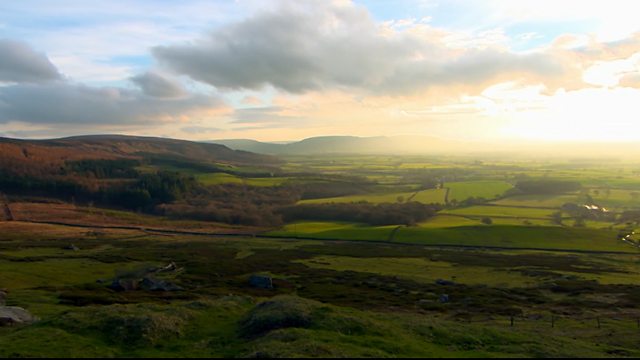
The landscape Hamza moves through on the west coast of Scotland is itself central to understanding why flapper skate survive here and not elsewhere. The sea lochs that penetrate deep into the Highland interior are not simply scenic features of country life; they are functional ecosystems shaped by the interaction of freshwater runoff, tidal movement, and the complex underwater topography of ancient glaciated valleys. The depth, temperature, and chemistry of this water creates conditions that suit the flapper skate precisely.
Loch Sunart, where much of the research activity is concentrated, is a particularly important site. It extends roughly thirty kilometres inland, reaching depths of over ninety metres in places. The sill at the loch’s mouth restricts the movement of deep water, creating a semi-enclosed environment with distinct temperature and salinity profiles. For the flapper skate, which favours depth and cold, this creates something close to ideal habitat. The loch bottom is rich in the prey species the skate hunts, including crabs, lobsters, and fish, and the restricted access reduces encounter rates with certain types of fishing gear.
However, the same topography that protects the loch also concentrates any localised threats. A pollution event, a disease outbreak, or a significant increase in targeted fishing pressure within the loch would have a disproportionate impact on a population confined to a relatively small area. The conservation team is acutely aware that protecting a species in a single stronghold, however well-managed, does not constitute recovery. True recovery requires re-establishing populations across a broader geographic range, which remains a long-term aspiration rather than a current reality.
The surrounding Highland environment matters too. The agricultural practices, land management decisions, and community relationships of the coastline directly influence the health of the marine habitat. Runoff from farmland can affect water quality in the sea lochs. The economic pressures on fishing communities shape how much cooperation conservation programmes can realistically expect. Nature and wildlife do not exist in isolation from the human communities whose lives are woven into the same landscape.
The Role of Sea Anglers in Flapper Skate Recovery
The angling network at the heart of this conservation effort represents something genuinely new in British wildlife management. Recreational sea anglers are not typically cast as conservation heroes. Their activity, by definition, involves catching fish, and the cultural relationship between angling and conservation has historically been complicated. Here, however, the interests of anglers and conservationists have aligned around a shared goal, and the results have been transformative.
Anglers who participate in the programme undergo specific training. They learn how to handle a large skate safely, how to keep it in the water as much as possible during processing, how to apply tags without causing unnecessary trauma, and how to record data accurately. The care taken during each catch-and-release event is not merely procedural. It reflects a genuine ethic of responsibility that the angling community, at its best, embodies with considerable force.
The motivation of the anglers is worth examining. Many describe a deep personal connection to the fish they catch and release. Encountering a flapper skate of full adult size is, by all accounts, an extraordinary experience. The combination of its age, its scale, and its rarity creates something that resonates far beyond the ordinary pleasures of a day’s fishing. Anglers who have been part of the programme for several years speak about individual tagged fish they have caught more than once, recognising them by their measurements and tag numbers, and drawing genuine satisfaction from knowing those animals are still alive and growing.
Specifically, the data submitted by anglers has allowed researchers to document recapture events that would otherwise have been impossible to obtain. One fish might be caught, tagged, and released in Loch Sunart in spring, then recaptured by a different angler in a neighbouring sea loch the following autumn. Without the network, neither of those captures would have meaning. Together, they reveal a movement pattern that helps define the geographic scope of management action.
Flapper Skate Egg Nurseries and the Challenge of Protecting Juvenile Fish
Among the most significant recent discoveries in flapper skate research is the identification of specific egg nursery sites. Female flapper skate do not lay their eggs randomly. They return to particular areas of the seabed, characterised by specific substrate types and depth ranges, to deposit their egg cases. These nursery sites, once identified, become targets for protection because they represent the most vulnerable point in the species’ life cycle.
An egg case attached to a piece of rocky substrate for twenty-two months is exposed to every kind of disturbance that passes through that area. Bottom-trawling fishing gear, anchor chains, and even strong storm-driven currents can dislodge or damage egg cases. The leathery exterior of the mermaid’s purse is robust but not indestructible. Research suggests that disturbance rates at nursery sites can be significant, and that protecting these areas from bottom contact fishing and anchoring could substantially improve hatching success rates.
The identification of nursery sites has been achieved through a combination of underwater survey work and the analysis of historical catch data. Areas where juveniles are consistently recorded by anglers are likely to be close to nursery sites, since young skate do not travel far in their early years. Mapping these areas with precision allows conservation managers to propose spatial protections, such as voluntary exclusion zones for certain types of fishing, that directly address the most critical bottleneck in the population’s recovery.
The hatchlings themselves are miniature versions of the adults, fully formed and immediately independent. There is no parental care. A newly hatched flapper skate must navigate the challenges of a complex marine environment with no guidance, relying entirely on instinct and the developmental head-start provided by nearly two years of in-egg growth. The fact that they emerge relatively large compared to other marine juveniles provides some protection against predation, but the early years remain the most dangerous period of their lives.
Conservation Policy and the Flapper Skate’s Legal Protection Framework
The flapper skate is protected under UK law, and its populations within Scottish waters benefit from additional layers of management through Marine Protected Areas. Loch Sunart and the surrounding sea lochs fall within a network of designated sites that restrict certain types of fishing activity. However, as the research team’s work makes clear, legal protection is only as effective as the enforcement mechanisms behind it, and enforcement in remote sea lochs is genuinely challenging.
The designation of Marine Protected Areas has been a significant step forward. Within these zones, bottom-trawling and certain types of static gear fishing are restricted, reducing the risk of accidental bycatch during the critical period when juvenile skate are most vulnerable. The restrictions have not been without controversy in local fishing communities, where any constraint on fishing activity carries real economic consequences for families whose country life depends on the sea.
The conservation programme navigates this tension carefully. The emphasis on working with, rather than against, the fishing and angling community is not simply a pragmatic choice. It reflects a genuine understanding that durable conservation outcomes require the active support of the people who live and work in the affected landscape. Top-down regulation without community buy-in generates resistance, evasion, and ultimately failure. The angler partnership model demonstrates that a different approach is possible.
Specifically, the programme’s advocates argue that demonstrating the economic and cultural value of live flapper skate to the angling community creates a direct incentive for protection. An angler who has invested years in the citizen science programme, who knows individual fish by their tag numbers, and who values the experience of catching and releasing a critically endangered giant becomes a vocal advocate for the policies that protect that fish. Conservation and country life, in this model, reinforce rather than oppose each other.
Countryfile Archives and the Broader Story of UK Marine Wildlife
The Countryfile archives that feature alongside Hamza’s Highlands footage offer a wider perspective on the state of British marine wildlife. The flapper skate is not an isolated case. Around the UK, a range of marine species have experienced significant population declines over the past century, driven by the same combination of fishing pressure, habitat loss, and the slow pace of reproductive biology that has brought the skate to its current precarious position.
The archive material illustrates how dramatically the framing of nature and wildlife stories on British television has shifted over the decades. Earlier footage, presented with the straightforward enthusiasm of a different era, shows marine creatures treated primarily as spectacle or as resource. More recent material reflects the profound change in public consciousness about biodiversity and extinction. The urgency is no longer subtext; it is the central theme.
The west coast of Scotland features repeatedly in this archive material, and for good reason. It represents one of the least impacted stretches of marine habitat in the British Isles. The combination of its remoteness, its complex geography, and the relatively low density of industrial activity in the surrounding agricultural and Highland landscape has preserved a marine environment that has been substantially degraded elsewhere. This makes it both a refuge and a reference point, a place where the marine world of a century ago still partially exists, and where recovery may be measurably achievable.
Countryfile’s treatment of marine conservation has consistently emphasised the role of local communities. Whether the subject is grey seals on Orkney, basking sharks off Cornwall, or flapper skate in the Scottish sea lochs, the themes recur: species under pressure, scientists working at the limits of their resources, and communities whose relationship with wildlife is complex, historically fraught, and ultimately essential to any lasting solution.
Hamza Yassin’s Personal Connection to Scottish Wildlife and Country Life
Hamza Yassin’s presence in this context is not incidental. His background as a wildlife cameraman who has spent years in the Scottish Highlands gives his engagement with the flapper skate project a depth of personal resonance that shapes the tone of everything he encounters. He is not a visitor to this landscape; he is, in the most meaningful sense, part of it.
His response to the flapper skate combines the enthusiasm of a naturalist with the considered care of someone who understands what extinction actually means. When he describes the fish’s size, its age, its vulnerability, he does so without the detachment of a reporter and without the performance of a presenter. There is a quality of genuine wonder, grounded in knowledge, that makes his engagement with the research team and the anglers feel like a real collaboration rather than a staged interaction.
Hamza has spoken elsewhere about the formative experiences that shaped his understanding of wildlife, and those influences are visible here. His patience with the process, his willingness to listen to both scientists and anglers, his attention to the practical details of the tagging and measurement work, all of these reflect a sensibility formed by years of sitting quietly in hides and waiting for creatures to reveal themselves on their own terms. Country life, for Hamza, is not a backdrop. It is the substance of his professional and personal identity.
His presence on the west coast also speaks to something broader about the way British nature and wildlife programming has changed. The shift toward presenters with genuine scientific or conservation backgrounds, who bring specialist knowledge rather than generalist enthusiasm, has produced a different quality of engagement. Hamza represents that shift clearly. His conversation with the research team moves quickly into technical territory because he already understands the framework, and that familiarity allows the scientists to share detail and nuance they might otherwise have simplified for a less-informed interlocutor.
The Future of Flapper Skate Conservation and the Road to Recovery
Recovery for the flapper skate will be measured in decades, not years. The biology of the species makes rapid progress impossible. Even under ideal conditions, a population that has been reduced to a fraction of its historical size cannot rebuild quickly when individuals take thirteen years to reach maturity and eggs require nearly two years to hatch. The metrics of success in this programme are necessarily long-term, and the patience required of everyone involved is considerable.
The most realistic near-term goals centre on stabilising the existing population, reducing mortality from accidental bycatch, protecting nursery sites, and expanding the geographic range of research activity to identify any additional population pockets elsewhere in Scottish and Irish waters. Each of these objectives is achievable within the current framework, though each also depends on sustained funding, continued angler participation, and the maintenance of the protective designations that reduce direct fishing pressure.
Longer-term, researchers are interested in the possibility of using genetic data to explore whether population connectivity can be enhanced through the movement of individuals between isolated groups. Such interventions are complex and require extensive ethical and scientific review, but the existence of detailed genetic baseline data, gathered through years of citizen science activity, makes them at least conceivable in ways they were not a decade ago.
The programme also generates knowledge that extends beyond the flapper skate itself. The methods developed here, the combination of trained citizen scientists, genetic analysis, and spatial protection, are transferable to other slow-reproducing marine species facing comparable pressures. In this sense, the work on the west coast of Scotland functions as a model for a broader approach to marine conservation across the British Isles.
Countryfile, Community Science, and the Future of Wildlife Monitoring
The Countryfile – Hamza’s Highlands – Flapper Skate episode exemplifies a model of wildlife monitoring that increasingly defines the frontier of conservation science in Britain. The integration of citizen scientists, in this case sea anglers, into research programmes that were previously the exclusive domain of professional scientists represents a fundamental shift in how fieldwork is conducted and how data is gathered at scale.
The angling community’s contribution to flapper skate research cannot be overstated. Every tagged fish, every measurement, every tissue sample submitted through the network adds to a dataset that would cost millions of pounds to replicate through conventional research methods. The anglers are not assistants. They are co-investigators, and the best research outputs from this programme acknowledge that explicitly.
This model of conservation depends on trust. The scientists must trust that anglers will handle fish carefully and record data accurately. The anglers must trust that the science is genuine, that their contribution matters, and that the protective policies that follow from the research will be applied fairly. When that trust holds, the results demonstrate what community-based wildlife conservation can achieve. When it breaks down, as it sometimes does in other contexts where communities feel excluded or patronised, the entire enterprise is compromised.
The west coast of Scotland, with its distinctive combination of remote wildness, active fishing communities, and relatively intact marine habitat, provides an environment where that trust has been built carefully and sustained over time. The relationships between researchers and anglers here have developed over years. They are personal as well as professional, and they carry the weight of shared investment in a species and a place that both groups regard with genuine care.
Countryfile – Hamza’s Highlands – Flapper Skate ultimately asks a question that runs beneath the surface of the entire episode: what does it mean to bring a species back from the brink in a world that is changing faster than any recovery programme can fully anticipate? The flapper skate has survived for hundreds of millions of years by adapting, slowly, to the shifting conditions of the ocean. Whether that capacity for endurance extends to the pace of change now being imposed on marine ecosystems by climate, pollution, and human activity remains uncertain.
What is certain is that the effort being made on the west coast of Scotland is serious, skilled, and deeply committed. The scientists, the anglers, and the wildlife they share their world with are all part of something that matters beyond its immediate context. The story of the flapper skate is, in miniature, the story of what wildlife conservation in the twenty-first century must become: patient, collaborative, scientifically rigorous, and rooted in the communities where nature and human life remain genuinely intertwined. The lessons of these cold Scottish waters reach far beyond their shores.
FAQ Countryfile – Hamza’s Highlands – Flapper Skate
Q: What exactly is a flapper skate and why is it considered critically endangered?
A: The flapper skate is the largest skate species in the world, capable of growing over two and a half metres long and weighing more than a hundred kilograms. It was misclassified as common skate for decades until genetic analysis confirmed its distinct identity. By that point, commercial fishing had already reduced its population dramatically. Today, international conservation bodies list it as critically endangered.
Q: Where do flapper skate still survive in British waters?
A: The west coast of Scotland holds the most significant remaining flapper skate populations in the British Isles. Sea lochs such as Loch Sunart provide cold, deep, oxygen-rich water that suits the species precisely. The labyrinthine Highland coastline creates natural refuges where this slow-reproducing fish can persist. However, these strongholds remain fragile and geographically limited.
Q: Why does the flapper skate reproduce so slowly compared to other marine fish?
A: Flapper skate mature late, reaching sexual maturity only after approximately thirteen years. Females do not reproduce annually. Furthermore, each egg case, known as a mermaid’s purse, takes a remarkable twenty-two months to hatch. This extended developmental period means populations cannot recover quickly when adult numbers decline. Consequently, even modest increases in adult mortality can push populations toward collapse.
Q: How do scientists study flapper skate populations without harming the fish?
A: Researchers use a carefully managed catch-and-release approach. When an angler brings a flapper skate to the surface, the team takes precise measurements, collects a small tissue sample for DNA analysis, and implants an identification tag before returning the fish to the water. The entire process aims to be completed within minutes. Additionally, keeping the fish in or near the water throughout reduces physiological stress significantly.
Q: What role do recreational sea anglers play in flapper skate conservation?
A: Sea anglers form the operational backbone of the research programme. Scientists cannot access every sea loch at every time of year, so trained volunteer anglers extend the programme’s geographic and seasonal reach enormously. Each angler learns safe handling techniques, accurate data recording, and tagging procedures. Their local knowledge of fishing grounds adds qualitative insight that instruments alone cannot provide. This citizen science partnership has generated data that would otherwise cost millions to collect.
Q: What information does genetic analysis of flapper skate tissue samples reveal?
A: DNA extracted from small fin tissue samples allows researchers to identify individual fish, track family relationships, and monitor population-wide genetic diversity. Genetic diversity is a critical indicator of long-term resilience. Additionally, genetic analysis reveals whether Scottish flapper skate populations are connected to any remaining individuals elsewhere in Europe. If the Scottish population carries unique genetic lineages found nowhere else, its extinction would permanently eliminate that variation from the global gene pool.
Q: Why are flapper skate egg nursery sites considered conservation priorities?
A: Female flapper skate return to specific seabed areas to deposit their egg cases, making these nursery sites predictable targets for protection. An egg attached to rocky substrate for twenty-two months is vulnerable to bottom-trawling gear, anchor chains, and strong currents. Protecting nursery areas from bottom-contact fishing and anchoring can substantially improve hatching success. Researchers identify these sites by mapping where juvenile skate appear most consistently in angler-submitted catch records.
Q: How do Marine Protected Areas help flapper skate recovery in Scottish waters?
A: Designated Marine Protected Areas restrict bottom-trawling and certain static gear fishing within critical flapper skate habitats. These restrictions reduce accidental bycatch, particularly of juvenile fish during their most vulnerable early years. However, enforcement across remote sea lochs presents genuine practical challenges. Conservation managers therefore prioritise community cooperation alongside legal designation, recognising that durable protection requires the active support of local fishing communities rather than top-down regulation alone.
Q: What does a realistic timeline for flapper skate population recovery look like?
A: Recovery must be measured in decades rather than years. The species’ biology makes rapid rebuilding impossible even under ideal conditions. Near-term goals focus on stabilising existing populations, protecting nursery sites, reducing bycatch mortality, and expanding research to identify additional population pockets in Scottish and Irish waters. Longer-term, researchers are exploring whether genetic data could support managed connectivity between isolated population groups, though such interventions require extensive scientific and ethical review before implementation.
Q: Why does the conservation model developed for flapper skate matter beyond this single species?
A: The combination of citizen science, genetic analysis, and spatial habitat protection developed for the flapper skate is directly transferable to other slow-reproducing marine species facing comparable pressures. The angler partnership model demonstrates that community-based conservation can generate research data at a scale and cost that professional science alone cannot match. Furthermore, the trust built between researchers and fishing communities in Scottish sea lochs offers a practical template for marine conservation projects across the British Isles.