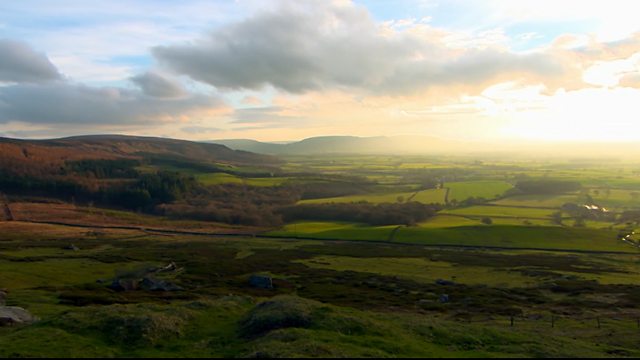
Countryfile – Hamza’s Highlands – Scottish Wildcats: The Scottish Highlands are a place of raw, staggering beauty. They are ancient lands, carved by ice and time. Here, mountains hold the clouds. Lochs reflect the vast, open sky. It is a landscape that demands respect. Furthermore, it is a fragile sanctuary. This stunning backdrop is the setting for a new, heartfelt episode of Countryfile. This is Hamza’s Highlands. But this story focuses on a creature almost lost to time. It is a mission of hope. It is a fight for the very soul of British wildlife.
We are searching for a ghost. A whisper of a creature. Locals call it the “Highland Tiger.” This is the Scottish Wildcat. It is not a feral domestic cat. Instead, it is our last native feline. It is a fierce, cunning, and elusive predator. For centuries, this beautiful animal has walked these hills. Sadly, its territory has shrunk. Its numbers have plummeted. Habitat loss and breeding with domestic cats threatened its existence. The Scottish Wildcats were fading into legend.
This is where true conservation begins. A new Countryfile special follows a truly ambitious project. It is a daring plan to save this icon. A dedicated team has worked tirelessly. They have bred wildcats in captivity. They have carefully prepared them for a new life. Now, the moment of truth has arrived. The aim is to return these predators to their natural home. It is a delicate, nerve-wracking operation. Consequently, the Countryfile team is there to document this historic event.
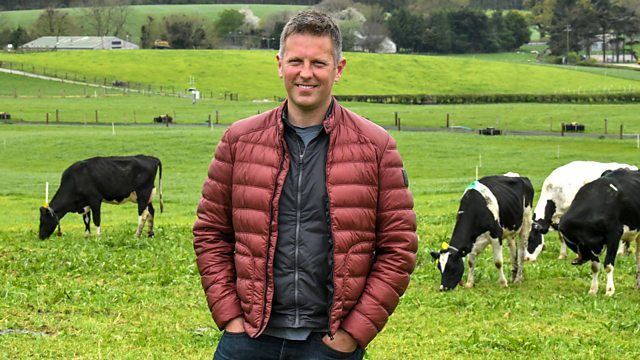
Hamza Yassin is our guide. This is more than just a job for him. The Highlands are his home. His connection to nature is deep and personal. We see his quiet reverence. We feel his passion for the wildlife around him. He joins the conservation team. He learns about the immense challenges they face. Hamza understands the stakes. He knows this is a crucial step. Therefore, his presence brings a real human warmth to this scientific endeavour. He shares the team’s anxieties. He also shares their soaring hopes.
The preparation is intense. The release must happen at night. This is when the wildcats are most active. The team works under the cover of darkness. The air is cold and still. Every sound is magnified. Hamza helps the team. They check the special release pens one last time. Everyone moves with quiet purpose. The atmosphere is electric with anticipation. These three wildcats represent the future of their species. Their release is a beacon of hope in the darkness.
Then, the moment arrives. Hamza is given the honour. He stands before the pen. Inside, a pair of green eyes glow in the gloom. His hand moves to the latch. The camera is steady. You can almost hear his heartbeat. He draws a breath. He gently opens the door. This is the pivot point. This is the second chance they so desperately need. It is a powerful, emotional scene. It is the very essence of what Countryfile captures so well.
What happens next is pure magic. One by one, the cats emerge. They are cautious at first. They test the air. They feel the soft earth beneath their paws. Then, they are gone. They melt into the shadows like smoke. They are phantoms returned to the wild. Hamza watches in silent awe. He is witnessing their first steps to freedom. It is a profoundly moving experience. These animals are finally back where they belong. The project has taken a massive leap forward.
This mission is also about balance. Countryfile has always explored the realities of country life. It bridges the gap between conservation and agricultural life. Rewilding projects like this one need community support. They must work alongside farmers and landowners. The programme does not shy away from this. It looks at how predators and people can coexist. It is a complex, vital conversation. Ultimately, a healthy ecosystem benefits everyone. A thriving natural world supports the rural economy.
Countryfile – Hamza’s Highlands – Scottish Wildcats
This episode also takes a look back. The Countryfile archives are vast. They are a treasure trove of British stories. The show revisits other inspiring projects. We see dedicated people across the UK. They are all working to restore nature. They are protecting Britain’s wild side. This reminds us that conservation is a long journey. It is a tapestry woven from many small victories. This new release is one more bright thread in that tapestry.
This is what Countryfile 2025 is all about. It is about looking forward. It is about celebrating the people on the front lines. It is about tackling the big issues. But it always remembers the human heart. It connects us to the land. It connects us to the creatures we share it with. Hamza’s quiet joy is infectious. His passion for Hamza’s Highlands shines through. He has shared something truly special with us.
The journey for the Scottish Wildcats is far from over. These three animals face many challenges. They must learn to hunt. They must find territory. They must survive. But now, they have a fighting chance. They are a symbol of resilience. They represent what is possible. When people come together with passion and dedication, they can turn the tide. They can bring a species back from the brink. This episode of Countryfile is a powerful reminder. It shows us that even in the darkest night, there is always hope.
Countryfile – Hamza’s Highlands – Scottish Wildcats
The episode Countryfile – Hamza’s Highlands – Scottish Wildcats provides a profound look into a critical conservation battle. It focuses on the Scottish wildcat, one of Britain’s most endangered animals. The program documents a secretive, high-stakes release. This release aims to pull the species back from the brink of extinction. It is a story of hope, science, and immense dedication.
This work is vital for the future of British ecosystems. Many native species face unprecedented threats. This episode of Countryfile 2025 explores the dedicated efforts to restore the wild side of the Isles. It examines the complex, evolving relationship between humanity and nature. The program showcases a new generation of conservation.
While the wildcat release is the centerpiece, the program also revisits other ambitious projects. It highlights the return of white storks to English skies. It also tracks the progress of pine martens and even re-evaluates our perception of wolves. Countryfile – Hamza’s Highlands – Scottish Wildcats thus illustrates a hopeful pattern of ecological restoration.
These reintroduction projects are not simple. They require years of meticulous work. They involve sophisticated breeding programs, advanced monitoring, and careful tracking. The projects highlight the immense challenges of restoring wildlife. Moreover, they shine a light on the passion of the conservationists involved.
The episode skillfully connects these varied efforts. It links the rugged Scottish Highlands to the lowland farms of West Sussex. It also explores the surprising role of agricultural life in modern conservation. This includes using native breeds of livestock as tools for rewilding. This demonstrates a holistic approach to healing damaged ecosystems.
The central theme is active restoration. This goes beyond just protecting what remains. It involves bravely bringing species back from functional extinction. It also means managing entire landscapes to support them. The program provides a deep dive into the science behind these efforts. It paints a new, wilder vision for country life.
Countryfile – Hamza’s Highlands – Scottish Wildcats: The Highland Tiger’s Last Stand
The Scottish wildcat is often called the Highland Tiger. It is a fitting name for this elusive and fierce predator. It is one of Britain’s rarest and most threatened mammals. Today, Scotland is its last and only refuge. However, even here, its survival hangs by a thread.
The problem is severe. In 2019, the species was declared functionally extinct in the wild. This means the remaining population was too small and fragmented to be viable. The threats are numerous. Historically, the cats faced persecution and significant habitat loss. More recently, interbreeding with domestic and feral cats has diluted the pure wildcat gene pool.
To combat this, the Saving Wildcats project was formed. It is a vital conservation partnership. The project is based at the Royal Zoological Society of Scotland’s Highland Wildlife Park. Its goal is nothing less than restoring a viable wildcat population in the area. This ambitious mission is the primary focus of Countryfile – Hamza’s Highlands – Scottish Wildcats.
Breeding for the Wild
The project’s breeding center is a sophisticated, high-tech facility. It is designed for one purpose: to produce wildcats that can survive on their own. The center is equipped with more than 70 cameras. These cameras provide 24-hour monitoring of the cats.
A core principle of the program is minimum habituation. David Barclay, the conservation manager, explains this critical goal. The team wants these cats to exhibit all their natural, wild behaviors. The extensive CCTV system is the key. It allows the team to observe the cats without human disturbance. This ensures the animals do not associate people with food or safety.
The facility uses two types of enclosures. First, there are breeding enclosures, where kittens are born and raised by their mothers. Later, the young cats are moved to large, natural pre-release enclosures. They stay here for about six months. This period matches the natural dispersal age when they would leave their parents.
During this time, the team meticulously monitors the cats. They look for key survival behaviors. This includes stalking, pouncing, and successful hunting. The team also watches for food caching, where a cat hides food to eat later. This is a crucial instinct for a solitary predator.
Before any cat is considered for release, it must pass a strict checklist. The team asks critical questions. Can the cat find food naturally? Does it exhibit natural behaviors and activity patterns? Finally, each cat undergoes a thorough veterinary health check. This ensures it is in peak physical condition for its new life in the wild.
The Secret Release
The episode documents the release of three such wildcats: a male named Morangie and two females, Stovie and Moth. The release is a delicate operation. It takes place at 2:30 in the morning. This timing is deliberate. Wildcats are most active at dusk and dawn. Furthermore, the early hours are calm, quiet, and have the least chance of disturbance.
The project uses a “soft release” method. This means the three cats were not released directly from transport. Instead, they were moved to special enclosures at the confidential release site days earlier. This allowed them to settle and acclimatize to their new surroundings.
The release itself is done with minimal fuss. The team, including the presenter, quietly approaches the enclosures in the dark. They work silently, using night-vision cameras. They open the hatches on the enclosures. Then, they leave food nearby to entice the cats out after the humans have departed.
The team’s patience is rewarded. At 6:10 AM, camera traps confirmed that Morangie, the male, had left the enclosure. He was the first to take his first steps to freedom. Just two hours later, the cameras showed that Stovie and Moth had also ventured out into their new, wild home.
Tracking a Ghost
Releasing the cats is only the beginning. The next challenge is tracking them. The Saving Wildcats team needs to know if the cats are surviving. To do this, they use advanced GPS radio collars. These collars are fitted on the cats before their release. They are programmed to update a location every 15 minutes.
The tracking process involves a mixture of new technology and old-fashioned fieldwork. Conservation project officer Alex Scurrah-Price demonstrates the technique. The team uses a large antenna and a receiver. They scan the landscape, listening for a “ping” from a collar. By taking bearings from different locations, they can triangulate the cat’s position.
This data is incredibly valuable. The team downloads the location points. This data is then uploaded to a software called Movebank. From there, it is mapped onto Google Earth. This allows the team to see exactly where the cats have been and when.
These maps reveal the secret lives of the wildcats. They show what kind of habitat the cats are using. Clusters of pings in one location often indicate a feeding site. The team can then visit these sites. They have found clusters around the carcasses of brown hares and roe deer. This confirms the cats are hunting successfully.
The data also reveals how the cats establish territories. This process can take over a year. A female’s home range might be relatively small, perhaps two square kilometers. Male territories, however, can be vast. The team tracked one male from a previous release, Randall. His established territory covers an incredible 40 square kilometers.
Reclaiming the Skies: The White Stork
The wildcat is not the only species making a comeback. The program also revisits a project in West Sussex. Here, white storks are returning to the skies. This is a remarkable sight. The last known nesting pair in the UK was recorded in 1416. The species was driven to extinction by habitat loss and hunting.
The Knepp Wilding project has been a leader in this revival. Breeding began on the estate in 2020. This was possible because the land itself was restored. Once intensively farmed, the Knepp estate has been undergoing rewilding since 2001. Isabella Tree, the co-founder, explains its success.
The colony’s origin is fascinating. The first breeding birds came from an injury rehabilitation center in Poland. These birds were non-flying. However, they could still reproduce. Their presence acted as a beacon. The colony now has about 50 flying birds. Crucially, it has begun attracting wild storks migrating from Europe.
The rewilded habitat is perfect for them. The land is described as a “cornucopia” for storks. It provides a rich diet of insects, beetles, and earthworms. The estate’s mature oak trees are ideal for nesting. The storks build enormous nests, which can eventually weigh as much as a ton.
This project also highlights public engagement. A “stork cam” on the nest of a pair named Ania and Bartek is watched by tens of thousands. Seven birds from the project have already returned from migration to nest. It is a true story of hope. It shows that even a species absent for 600 years can return.
New Tools for Ancient Species: Pine Martens and Wolves
In Dartmoor National Park, another reintroduction is underway. Here, the Two Moors Pine Marten Project released 15 martens. As the program shows, the team now faces a monitoring challenge. Their radio collars are designed to fall off. Therefore, the team needs new ways to track the population.
The project’s solution is both simple and ingenious. They use “bait pipes.” These pipes are filled with a smelly mixture of sardines, fish oil, and peanut butter. This lure encourages the martens to stand up to get the food.
This pose is important. It allows a camera trap to photograph the marten’s chest, or “bib.” Each pine marten has a unique pattern of markings on its bib. This system allows for precise individual identification. The team is building a “bibliography” of marten bibs. This will help them track who is who and monitor for new kits.
These martens play an important role. They are native seed dispersers. They eat fruits like rowan and hawthorn. By doing so, they help to spread these plants across the landscape. This project is part of a national strategy. The goal is to connect a resilient population across the UK.
The program also tackles the story of the wolf. In Cumbria, it revisits the legend of the last wolf in England. To challenge old myths, Dee and Daniel Ashman run “walks with wolves.” This project aims for “conservation by connection.”
The animals are not pure wolves. They are F3 hybrids, a cross with a Czechoslovakian wolf dog. This hybrid status legally allows for closer human interaction. The goal is to teach people about the true nature of wolves. They are not storybook villains. They are social, intelligent, and suspicious animals.
The segment also highlights their biology. Wolves are perfect all-terrain mammals. They possess fully webbed feet for swimming. Their coats have hollow hairs, like a polar bear’s, allowing them to tolerate -40 temperatures. Their sense of smell is immense. They have over 200 million sensory receptors, compared to a human’s 400.
Engineering the Landscape: Pigs, Cattle, and Beavers
In Cornwall, the program explores a different kind of rewilding. The Cornwall Wildlife Trust is restoring Creney Farm at Helman Tor. This landscape was once used for industrial tin mining. Today, it is a special area of conservation.
The project’s method is unique. It uses native breeds of livestock as conservation tools. The team has just released three Tamworth pigs. This is an ancient, hardy breed similar to wild boar. Their natural “rootling” behavior is the key.
The pigs’ rootling breaks up the dense thatch of grasses. This action suppresses dominant plants. It also creates a perfect seedbed for new, diverse wildflowers to grow. This disturbance also exposes invertebrates. This, in turn, provides a rich foraging opportunity for birds like robins and blackbirds.
English Longhorn cattle are also part of the plan. Their “poaching” (hoof action) creates small, compacted patches of earth. These hard, dry areas are perfect for butterflies to bask in the sun. They also provide nesting sites for solitary bees.
The immediate goal of this work is to improve the habitat. The team hopes to expand the range of the rare marsh fritillary butterfly. This project is a perfect example of how agricultural life can be adapted. It shows farming can work with conservation.
The trust also plans a wild release of beavers. Beavers are known as “ecosystem engineers.” Their dams will create new wetlands. The team hopes this will help the willow tit. This is the UK’s rarest resident bird. It thrives in the wet woodland beavers create.
In a hopeful twist, wildlife moved faster than the project. Shortly after filming, a wild beaver pair was spotted on the reserve. They had arrived on their own. Since then, the first wild beaver kit was spotted. It is a powerful sign that nature will return if given a chance.
A New Vision for Countryfile and the British Isles
All these stories share a common, powerful thread. They are about active, hopeful restoration. They move beyond the traditional conservation model of just protecting what is left. This episode of Countryfile documents a new, proactive stance on healing the planet.
The projects are deeply interconnected. The pigs and cattle in Cornwall create habitats for the smallest insects. The martens in Dartmoor disperse seeds for the forests. The storks at Knepp prove that rewilding former farmland can bring back iconic species.
This represents a profound shift in thinking about country life. It is no longer seen as separate from the wild. Instead, it is about co-existence and integration. The Countryfile – Hamza’s Highlands – Scottish Wildcats episode is a powerful document of this shift.
This work is incredibly difficult. It requires advanced science, public support, and unwavering dedication. However, the results are tangible and inspiring. From a wildcat kitten taking its first steps in the Highlands to a beaver kit swimming in a Cornish stream, nature is responding.
FAQ Countryfile – Hamza’s Highlands – Scottish Wildcats
Q: Why were Scottish wildcats declared functionally extinct in 2019?
A: Scottish wildcats reached functional extinction when their population became too small and fragmented to sustain itself naturally. The primary threats included habitat loss, historical persecution, and widespread interbreeding with domestic and feral cats, which diluted the pure wildcat gene pool. Consequently, conservationists determined that without human intervention through captive breeding programs, the species would disappear entirely from British landscapes.
Q: What makes the Scottish wildcat worthy of the “Highland Tiger” nickname?
A: The Highland Tiger nickname reflects the Scottish wildcat’s fierce, cunning, and elusive nature as Britain’s last native feline predator. These remarkable animals possess powerful hunting instincts and exceptional survival skills honed over centuries in the rugged Scottish Highlands. Furthermore, their distinctive appearance features bold stripes and a robust, muscular build that mirrors the ferocity of their distant tiger relatives, making them formidable hunters despite their relatively modest size.
Q: What role does Hamza Yassin play in the Countryfile Scottish wildcat episode?
A: Hamza Yassin serves as the guide and emotional anchor for this special episode, bringing his deep personal connection to the Highlands and wildlife conservation. He joins the conservation team throughout their preparations, learning about the immense challenges they face while sharing their anxieties and hopes. Most significantly, Hamza receives the honour of opening the release pen at the pivotal moment, allowing the wildcats to take their first steps toward freedom in their ancestral homeland.
Q: How does the Saving Wildcats project prepare captive-bred cats for wild release?
A: The breeding center employs over 70 cameras for 24-hour monitoring, ensuring minimal human habituation while wildcats develop natural behaviors. Kittens born in breeding enclosures are later moved to large, natural pre-release enclosures for approximately six months, matching their natural dispersal age. During this critical period, the team meticulously observes for essential survival behaviors including stalking, pouncing, successful hunting, and food caching. Additionally, each cat undergoes a thorough veterinary health check before release approval.
Q: Why is the wildcat release conducted at 2:30 AM using a soft release method?
A: The early morning timing aligns with wildcats’ natural activity patterns during dusk and dawn, while the calm, quiet hours minimize disturbance. The soft release method involves moving cats to special enclosures at the release site days earlier, allowing them to acclimatize to new surroundings before freedom. This approach reduces stress and improves survival chances compared to direct transport releases. The team works silently with night-vision cameras, opening enclosure hatches and leaving food nearby before departing, letting the cats emerge naturally on their own terms.
Q: How do conservationists track released Scottish wildcats after they disappear into the wild?
A: Advanced GPS radio collars fitted before release update locations every 15 minutes, providing invaluable data about wildcat movements and behavior. The team combines new technology with traditional fieldwork, using large antennas and receivers to listen for collar “pings” and triangulate positions. This data is uploaded to Movebank software and mapped onto Google Earth, revealing habitat use, feeding sites, and territorial patterns. Consequently, the team can visit specific locations where ping clusters indicate successful hunts, often finding evidence around hare and deer carcasses.
Q: How large are Scottish wildcat territories, and how long does establishment take?
A: Territory establishment is a gradual process that can take over a year as wildcats learn their new landscape. Female home ranges are relatively compact, typically covering around two square kilometers, while males require significantly larger areas. Tracking data from a previously released male named Randall revealed his established territory spans an impressive 40 square kilometers. These territorial requirements underscore why habitat availability and connectivity are crucial factors in wildcat conservation success.
Q: What makes this episode representative of broader UK conservation efforts?
A: The episode connects diverse restoration projects across Britain, from white storks returning to West Sussex after 600 years to pine martens in Dartmoor and beavers colonizing Cornwall. These interconnected efforts demonstrate a shift from passive protection to active ecological restoration. Moreover, the program showcases how rewilding farmland, using native livestock breeds as conservation tools, and reintroducing keystone species can create healthier ecosystems. This holistic approach proves that conservation and agricultural life can coexist harmoniously, benefiting both wildlife and rural communities.
Q: What initial signs indicated the three released wildcats were successfully adapting?
A: Camera traps confirmed Morangie, the male, ventured out first at 6:10 AM, followed by females Stovie and Moth just two hours later. Subsequently, GPS tracking data revealed the cats were exploring their new territories and establishing movement patterns consistent with wild behavior. Most importantly, location clusters around prey carcasses confirmed the wildcats were successfully hunting brown hares and roe deer independently. These early indicators suggest the cats retained their natural instincts despite captive breeding, offering genuine hope for population recovery.
Q: What does this Countryfile episode suggest about the future of British wildlife conservation?
A: The episode documents a paradigm shift toward proactive ecosystem healing rather than simply protecting remaining wildlife fragments. By showcasing multiple successful reintroduction projects and innovative monitoring techniques, it demonstrates that even species functionally extinct or absent for centuries can return when given proper support. Furthermore, the integration of conservation with agricultural practices reveals a sustainable path forward. This new vision for country life embraces coexistence between human activities and wild nature, proving that dedicated communities armed with science and passion can genuinely turn the tide for Britain’s most threatened species.