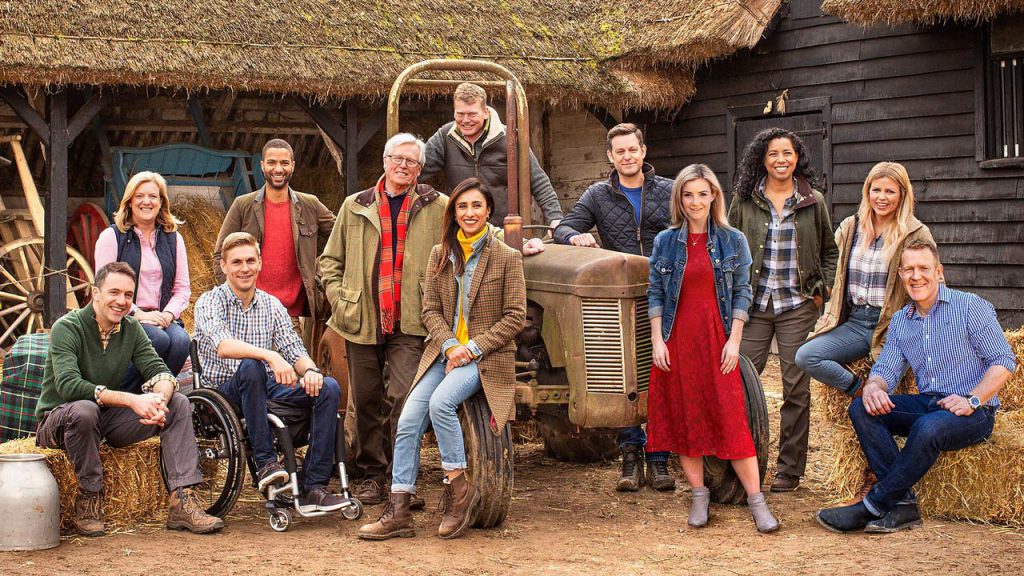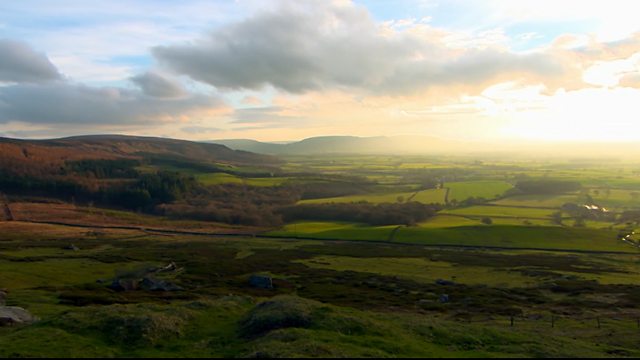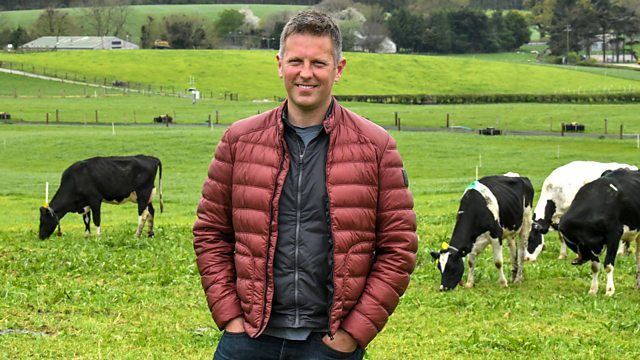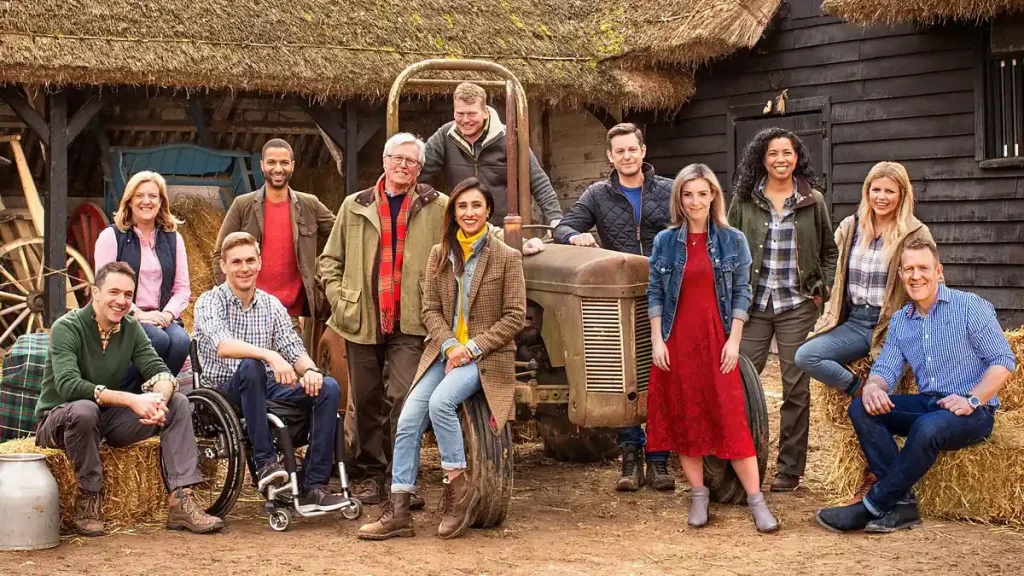
Countryfile – Vegetable Harvest: The scent of autumn usually brings comfort. It signals the richness of the harvest. This year, however, something is different. The air in Lincolnshire feels heavy with worry. This region is often called Britain’s ‘vegetable basket’. But the fields tell a story of struggle. Join the Countryfile team this week. John Craven and Charlotte Smith are exploring a difficult reality. They are witnessing the toughest vegetable harvest in memory. The summer of 2025 was relentless. Consequently, it scorched the very land our farmers depend on. This episode of Countryfile asks a hard question. What happens when the harvest fails?
Lincolnshire is normally a sea of green and gold. Its flat, fertile fens provide so much of our food. Indeed, the farming here is legendary. Generations have worked this rich, dark soil. They understand its rhythms. Usually, this time of year is a celebration. Tractors hum with purpose. The air smells of fresh earth and promise. This seasonal peak is vital for the local economy. Moreover, it is vital for the nation’s food security. This anticipated harvest fills our supermarket shelves. It’s a testament to the hard work of British farmers.
But 2025 shattered that rhythm. The summer arrived like an unwelcome guest. It stayed far too long. Weeks melted into months of brutal, baking heat. The sun was not a gentle friend; it was an adversary. Rain clouds became a distant, taunting memory. Therefore, the ground cracked open. It looked like parched desert clay. Crops that needed moisture simply withered on the vine. Potatoes remained small, like hard pebbles in the earth. Brassicas bolted, their leaves turning yellow and bitter. This wasn’t just a dry spell. It was a siege. The land itself seemed to be giving up.
This week, Countryfile focuses on the people. John Craven speaks with farmers facing impossible choices. They are not just facing a financial loss. They are watching a lifetime of work evaporate into the hot air. Imagine tending a field from a tiny seed. You protect it from pests. You watch it grow. Then, you watch it die, just weeks before the harvest. The emotional toll is simply immense. These farming families are pillars of the community. Yet, this crisis tests their resilience to the breaking point. Many fear for their future. They wonder if their way of life can even survive.
Charlotte Smith investigates the wider impact. This localized crisis does not stay in Lincolnshire. It quickly travels to every dinner table in the UK. A poor vegetable harvest means scarcity. Consequently, prices in the shops will inevitably rise. Families are already feeling the pinch. This adds another layer of stress. Furthermore, what about British produce? We are rightly proud of our high-quality, local food. But if farmers cannot grow it, supermarkets must look elsewhere. This situation threatens our food independence. The empty crates at the farm gate signal empty shelves in the city.
The Countryfile team must also ask about the future. Is this extreme weather a tragic anomaly? Or is it the new face of British farming? Climate change is no longer a distant threat. It is here, right now. It is directly impacting the harvest. Farmers must adapt, or they will fail. They may need to plant different crops. They will certainly need massive investment in water storage. This discussion is urgent. The viability of UK agriculture depends on these answers. This episode opens a vital conversation about our food’s future.
Countryfile – Vegetable Harvest: A Very Tough Year
In contrast, not all is bleak. While John and Charlotte face the harsh reality, Adam Henson finds hope. He travels to the BBC Food and Farming Awards. He is there to meet three remarkable finalists. They are all competing for a special title. The Young Countryside Champion award. These individuals represent the next generation. They are the future of our rural communities. Adam discovers what drives their passion. He learns about their innovative ideas. They bring new energy and new perspectives to the world of farming.
These young champions are not naive. They see the challenges ahead. In fact, they are rising to meet them head-on. One finalist might be pioneering new sustainable techniques. Another might be connecting urban communities with rural life. A third could be reviving a traditional craft. Their stories are a powerful antidote to the despair. They show that innovation is thriving. Despite the hardships, the spirit of the countryside is strong. Their dedication is truly inspiring. They remind us why this industry matters so much.
This week’s Countryfile perfectly captures this duality. It presents a stark warning about our climate. The Lincolnshire vegetable harvest is a powerful symbol of our vulnerability. We must support our farmers through this crisis. However, the programme also offers a beacon of hope. The passion of the young champions shows a path forward. The future of farming depends on both honesty and innovation. So, tune in for a truly essential episode. It’s a story of crisis, resilience, and the future of our green and pleasant land.
Countryfile – Vegetable Harvest: A Very Tough Year review
The Countryfile - Vegetable Harvest episode reveals a profound struggle in the heart of Britain’s farmland. The scent of autumn usually signals a rich harvest. This year, however, the air in Lincolnshire feels heavy with worry. This region, often called the nation’s “vegetable basket,” faces an unprecedented challenge. The relentless, scorching summer of 2025 has left an indelible mark on the land. Farmers now depend on a harvest that is failing.
This crisis matters deeply for the entire United Kingdom. Lincolnshire alone produces around a third of all UK vegetables. After the extreme heat, this harvest could be one of the worst in recent memory. This situation raises urgent questions. It challenges the stability of our food supply. Moreover, it tests the resilience of modern agricultural life. The consequences will be felt by farmers, reflected in their produce, and ultimately seen on our plates.
The Countryfile - Vegetable Harvest program explores this difficult reality. It investigates the direct impact on farmers battling the elements. It also highlights the innovative solutions being developed to protect future harvests. The episode provides a comprehensive look at the state of British farming. It balances the immediate crisis with long-term hopes for adaptation.
The weather patterns in 2025 have wreaked havoc. While farmers in Scotland saw cooler conditions, the situation further south is a mixed bag. There have been bumper crops of apples and soft fruits. Conversely, England’s cereal harvest is one of the worst on record. Vegetable yields are also expected to fall significantly. This disruption to traditional country life has put immense pressure on farming communities.
The program focuses on several key crops, each telling its own story. Potato fields show the direct, financial impact of the drought. Cauliflower growers demonstrate a complex numbers game to ensure year-round supply. Meanwhile, specialists in purple sprouting broccoli are racing to breed new, weather-proof varieties. Each segment illustrates a different facet of the same core problem.
Ultimately, the episode transitions from the fields to the people. It showcases innovators who are looking deep into plant DNA for answers. It also highlights the next generation of young champions. These individuals are redefining farming, conservation, and community leadership. Their passion provides a crucial counter-narrative to the difficult harvest. They represent the future of agriculture in a changing world.
The High-Stakes Potato Harvest
Lincolnshire has long been one of the best places in the UK to grow potatoes. The region typically enjoys warmer summers and less rain than the west. These conditions are brilliant for growing spuds. This year, however, the blazing summer and dry conditions have hit crops hard. Growers are now feeling immense pressure. Worth Farms, one of the country’s largest potato growers, exemplifies this struggle.
On a normal year, the farm aims to produce between 17,000 and 18,000 tonnes of potatoes. Farm director Simon Day explains the stark reality of the Countryfile 2025 harvest. The potatoes are smaller and the harvest is later than desired. The hot, dry weather has also caused widespread “scab” on the skin. While scab is purely cosmetic and the potato beneath is perfectly edible, it has severe financial consequences.
Supermarkets demand visually perfect produce. Therefore, retailers can deduct money from the farmers for scabby potatoes. This directly impacts the farm’s bottom line. Mr. Day confirms the business is taking a significant hit. This year’s potato problems are coupled with other crops that also suffered in the drought. The cumulative effect is a major financial impact. Later, he quantifies the loss. Potato yields are down 10%, translating to a staggering £500,000 reduction in revenue for the business.
The Art and Science of Lifting Spuds
With lower yields, every single potato becomes more precious. The harvesting team plays a crucial role in protecting the crop. Ronnie Waterfall, a “potato farming lifer,” operates the complex harvesting machine. He explains that the dry conditions have made his job exceptionally difficult. Normally, soil cushions the potatoes as they are lifted. This year, the ground is hard.
To compensate, Mr. Waterfall must drive the harvester at faster speeds. This is the only way to carry enough soil to protect the spuds. The goal is to prevent bruising. He emphasizes that potatoes must be treated “like eggs.” This gentle approach continues during unloading. The harvester’s hopper, holding 14 tonnes, is emptied in layers. This “layer load” technique reduces the drop, ensuring potatoes land on other potatoes, not the hard trailer bottom.
After lifting, the potatoes undergo strict quality control. Darren Gilbert heads this stage. His team takes samples and places them in a warmer. This accelerates the bruising process, revealing any damage from the previous day. Team members then peel the samples. If a bruise is still visible after three peels, it is classified as “major damage.” This makes the potato unacceptable for customers.
The financial stakes of this countryfile report are clear. A tonne of good potatoes might fetch £200 to £300. In contrast, badly damaged spuds go to the stock feed market or anaerobic digestion plants. For this, a farmer might get only £15 or £20 a tonne. Some years, they are lucky to get rid of them for free. For Simon Day, the pressure is immense. He admits to laying awake at night, thinking about either the weather or potatoes.
A Countryfile – Vegetable Harvest Solution: Breeding for Resilience
While potato farmers manage the current crisis, other experts are looking to the future. The Countryfile - Vegetable Harvest program also highlights the urgent need for more resilient crops. Extreme weather is forcing vegetable growers across Lincolnshire to innovate. Hope is taking root in the form of new seeds. These seeds are being developed to withstand whatever the weather throws at them.
At a seven-acre facility, seed specialists David Coop and Richard Tudor are running trials. They aim to create high-performing, resilient vegetable varieties. They are using the traditional practice of selective breeding, but with a modern, high-speed twist. The team is trialing over 500 different lines of purple sprouting broccoli alone. Their goal is to create a variety less vulnerable to harsh weather.
Richard Tudor compares the process to a “talent show.” Each plant line has some good characteristics. These might include good disease resistance, a strong flavour, or a deep colour. The team’s job is to pick out all the best traits. Then, they breed them all together to create one “star” variety. This new variety must be resilient, tasty, and efficient for everyone in the food chain.
Traditionally, sprouting broccoli grows all the way through the winter. This long period leaves it vulnerable in the field. A key goal is to reduce that growing time. If they can breed a variety that does not need to be out in the winter, the crop becomes much safer. This, in turn, makes it more likely that farmers will get a good yield.
The “Burgundy” Breakthrough
Assessing 500 plant lines by eye is incredibly time-consuming. To speed up the process, the team peers deep inside the plants at their DNA. Plants, like humans, have DNA that codes for specific traits. This genetic code determines resistance to drought or susceptibility to disease. The specialists can test the plants for these genetic markers. This analysis is much faster and more accurate than traditional field trials.
This DNA analysis allows the team to quickly identify which plants carry the traits they want. For example, a graph shows resistant plants as red dots and susceptible ones as blue. This information immediately identifies a plant as a great candidate for crossing into new varieties. This science is working. 50 of the best broccoli lines have moved to the next stage.
The team then takes the “finalists” from the talent show. One plant may have good drought resistance. Another may have good disease resistance. They cross-pollinate them by hand. This combines the genes from both parents. The resulting seed should contain both desirable traits. This creates the “superstar” plant.
The result of this exhaustive process is a new variety called ‘Burgundy.’ It has fantastic characteristics, including a sweet taste. The most outstanding feature, however, is its growing cycle. Traditional varieties were only available for two months. This new variety no longer requires the cold of winter to head up. This is a massive breakthrough. It means growers can now harvest broccoli in the UK from April all the way through November.
The Cauliflower Continuity Challenge
Other farmers are using different strategies to beat the seasons. Peloton Produce, a 2,500-acre brassica farm, is on a mission. They want to supply British cauliflowers almost all year round. Their co-founder, Nigel Clare, explains that this is a “numbers game.” They are not relying on just one “super” variety. Instead, they plant 110 different varieties of cauliflower.
This incredible diversity is the key to their 52-week continuity. Some varieties grow quickly, maturing in just 11 weeks. Others are slow, taking 42 weeks from seedling to harvest. By planting a strategic mix, they can ensure a steady supply. They are also adapting to changing weather. New, hardy winter varieties are leafy, which helps shield the cauliflower curd from frost. Summer varieties are leaner and mature much faster.
This adaptation also extends to geography. Peloton Produce is now growing in Norfolk as well as Lincolnshire. This spreads their risk by using different climatic conditions. Despite this planning, the harvest itself remains a delicate, manual process. The pickers work quickly with bespoke cauliflower knives. They feel for the right-sized curd, then “scoop” it out with a single cut.
Julian van Daalen, Nigel’s business partner, calls the cauliflower the “bad boy of the brassica industry.” It is the crop most affected by the weather. The dry conditions of the Countryfile 2025 season are a critical problem. He estimates that a single 23-acre field of cauliflower needs water equivalent to ten Olympic-sized swimming pools. Currently, the farm relies only on rainfall, making every season a high-stakes gamble.
Celeriac: The “Ugly” Rising Star
Amid the struggles of traditional crops, a “rising star” is emerging in Lincolnshire’s fields. Celeriac, championed by celebrity chefs, is booming in popularity. This is driven in part by the move towards plant-based diets. Jack Buck Farms in Spalding is at the center of this trend. They are best known for their celeriac, holding over 90% of the UK market share.
Julian, the managing director, explains they first grew celeriac in 1986. A fellow farmer suggested it, saying, “It’s odd, it will suit you lot.” At first, they thought it was ugly, looking “a bit like a brain.” Their motto became “flavour, not glamour.” They started with just two acres. It took ten years to reach 100 acres. Today, they farm 500 acres of celeriac for the UK market.
Celeriac presents a unique and costly challenge: storage. The vegetable is a “hypocotyl,” meaning it is neither root nor shoot, but the part in between. It “loves to rot.” Once harvested, the team must store it in specialist buildings from November through to July. This storage must keep the celeriac alive but dormant. They control the temperature and flush out CO2. If the celeriac suffocates, it dies and rots.
This process is fraught with risk. In a good year, they successfully retain 80% to 85% of the crop. However, Julian admits they have had years where they lost 80% of their stored crop. This is a devastating blow, especially as the new harvest is not ready until the following August.
Embracing the Wonky Harvest
This difficult year means that not all vegetables look perfect. A 2018 study revealed that over a third of farmed fruit and veg was discarded simply for being misshapen or discoloured. As attitudes change, award-winning chef Rachel Green is ensuring nothing goes to waste. Ms. Green, who comes from 14 generations of Lincolnshire farmers, knows how to handle imperfect produce.
She demonstrates with a “wonky” cauliflower. Its curd is a creamy colour, rather than white, because of too much sunlight. Consumers often reject this, though the taste is unaffected. Rachel chops it and adds spices like smoked paprika, cumin, and coriander. The spices not only add flavour but also completely cover the discoloration. She argues that consumers have been “moulded” by retailers to look for perfection, not taste.
Not all crops have suffered. Brussels sprouts are doing well. They were planted early in March and established strong roots before the drought. Rachel aims to change their poor reputation. She shreds them and creates a “magic dish”: a warm salad with bacon lardons, honey, and English apple vinegar. She notes that sprouts are sustainable, local, and incredibly healthy. They are packed with antioxidants and vitamins C and K.
Champions of the Countryfile – Vegetable Harvest and Beyond
The Countryfile - Vegetable Harvest episode also shines a light on the people who are the future of agricultural and country life. The program highlights the three finalists for this year’s Countryfile Young Countryside Champion award.
Dafydd Pett, 22, is on a mission to keep Wales buzzing. Inspired by his grandfather, he took over the family’s beehives at just 14. He now manages around 100 hives, which can hold 50,000 bees each in summer. He runs this as a business alongside his full-time job as an IT engineer and his university studies. He is passionate about protecting pollinators and encouraging more young people to take up beekeeping, where the average age is 65.
Paula Grace Gilroy, 22, is a hill farmer in County Fermanagh. She farms on tough bog and limestone terrain. Working with her family, she is improving their pedigree Aberdeen Angus herd by focusing on older, heritage genetics. She is also a public relations officer for the Young Farmers and organizes community fundraisers, driven by her own experience as a type 1 diabetic. For Paula, farming is not a job; it is a “lifestyle.”
Samuel Brown, 22, is helping shape the landscape of Denbighshire, north Wales. He works with a local council team growing rare native trees, producing 9,000 saplings this year. Samuel is dyspraxic, which he now considers a “blessing” that allowed him to form a “hyperfixation” with nature. He is motivated by faith, climate change, and nature depletion. He finds joy in sharing his deep knowledge with volunteers, helping to build a passionate community to protect local wildlife.
FAQ Countryfile – Vegetable Harvest: A Very Tough Year
Q: What caused the vegetable harvest crisis featured in this Countryfile episode?
A: The 2025 vegetable harvest crisis stemmed from a relentless, scorching summer that brought weeks of brutal, baking heat across Lincolnshire. Consequently, the ground cracked open like parched desert clay, and rain became a distant memory. Crops requiring consistent moisture simply withered on the vine, with potatoes remaining small like hard pebbles and brassicas bolting prematurely. This wasn’t merely a dry spell; rather, it represented a siege on the land itself, threatening Britain’s food security.
Q: How did the drought affect potato production at Worth Farms?
A: Worth Farms experienced devastating financial consequences from the 2025 drought conditions. Farm director Simon Day reported that potato yields dropped by 10%, translating to a staggering £500,000 revenue reduction. Additionally, the hot, dry weather caused widespread scab on potato skin, which, although purely cosmetic, meant supermarkets could deduct money from farmers. The smaller potatoes arrived later than desired, compounding the financial pressure on this major producer.
Q: Why is harvesting potatoes in dry conditions particularly challenging?
A: Harvesting potatoes during drought conditions requires exceptional care and altered techniques. Normally, moist soil cushions potatoes as they’re lifted, protecting them from bruising. However, when ground becomes hard, operators like Ronnie Waterfall must drive harvesters at faster speeds to carry enough soil for protection. Potatoes must be treated “like eggs” throughout the process, including using a “layer load” technique when unloading the 14-tonne hopper to prevent bruising that could downgrade the crop.
Q: What innovative breeding techniques are being used to create weather-resistant vegetables?
A: Scientists like David Coop and Richard Tudor are revolutionizing vegetable breeding by combining traditional selective breeding with modern DNA analysis. They trial over 500 different lines of purple sprouting broccoli, testing plants for genetic markers that indicate drought resistance or disease susceptibility. Furthermore, this DNA-based approach works like a “talent show,” where researchers identify plants with desirable traits and cross-pollinate them by hand to create superior varieties. This method dramatically accelerates the development of resilient crops.
Q: What makes the new ‘Burgundy’ broccoli variety a breakthrough?
A: The ‘Burgundy’ variety represents a massive agricultural breakthrough because it eliminates the need for cold winter conditions to develop properly. Traditional purple sprouting broccoli required growing through winter, leaving it vulnerable for months in the field. Conversely, Burgundy enables UK growers to harvest broccoli from April through November rather than just two months. This extended growing season reduces weather-related risks while maintaining sweet flavour and excellent characteristics, making it more reliable for farmers.
Q: How does Peloton Produce maintain year-round cauliflower supply?
A: Peloton Produce employs a sophisticated “numbers game” strategy, planting 110 different cauliflower varieties to achieve 52-week continuity. Some varieties mature in merely 11 weeks, while others require 42 weeks from seedling to harvest. Additionally, they spread geographical risk by growing in both Norfolk and Lincolnshire, leveraging different climatic conditions. Despite this meticulous planning, co-founder Julian van Daalen acknowledges cauliflower remains the “bad boy of the brassica industry,” highly vulnerable to weather fluctuations.
Q: Why is celeriac such a risky crop despite its growing popularity?
A: Celeriac presents extraordinary storage challenges because, as a hypocotyl, it “loves to rot” after harvest. Jack Buck Farms, controlling over 90% of UK market share, must store celeriac in specialist buildings from November through July, carefully controlling temperature and flushing out CO2. In excellent years, they retain 80-85% of the crop; however, they’ve experienced devastating years losing 80% during storage. This risk is particularly costly since the new harvest doesn’t arrive until August.
Q: What financial difference exists between quality potatoes and damaged ones?
A: The financial stakes in potato quality control are enormous and directly impact farm viability. A tonne of good-quality potatoes typically fetches £200 to £300 at market. In stark contrast, badly damaged spuds destined for stock feed or anaerobic digestion plants might earn only £15 to £20 per tonne. Some years, farmers struggle to give damaged potatoes away for free. This dramatic price differential explains why quality control specialist Darren Gilbert’s team meticulously tests samples daily.
Q: How is chef Rachel Green addressing food waste from imperfect vegetables?
A: Rachel Green, from 14 generations of Lincolnshire farmers, demonstrates practical solutions for utilizing “wonky” vegetables that consumers typically reject. She transforms sun-discolored cauliflower by adding spices like smoked paprika, cumin, and coriander, which mask cosmetic imperfections while enhancing flavour. Additionally, she creates innovative dishes like warm Brussels sprout salads with bacon lardons and apple vinegar. Rachel argues consumers have been “moulded” by retailers to prioritize appearance over taste, despite these vegetables being perfectly nutritious.
Q: Who are the Young Countryside Champions featured in the episode?
A: The three finalists represent diverse approaches to rural innovation and conservation. Dafydd Pett, age 22, manages 100 beehives while working as an IT engineer, passionately protecting pollinators. Paula Grace Gilroy farms pedigree Aberdeen Angus cattle on challenging terrain in County Fermanagh, improving heritage genetics while organizing community fundraisers. Meanwhile, Samuel Brown grows 9,000 rare native tree saplings annually in Denbighshire, using his dyspraxia as motivation to share environmental knowledge. Together, they embody the future of British countryside stewardship.