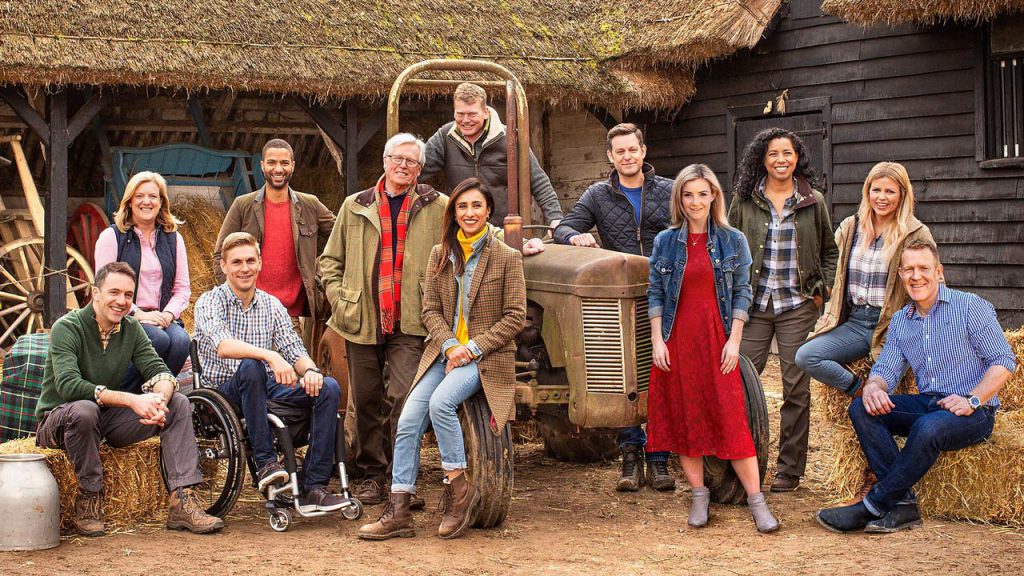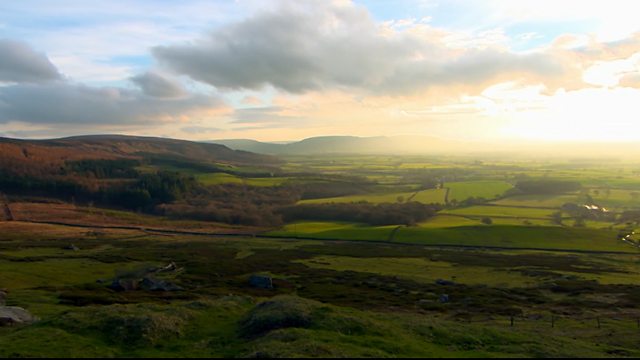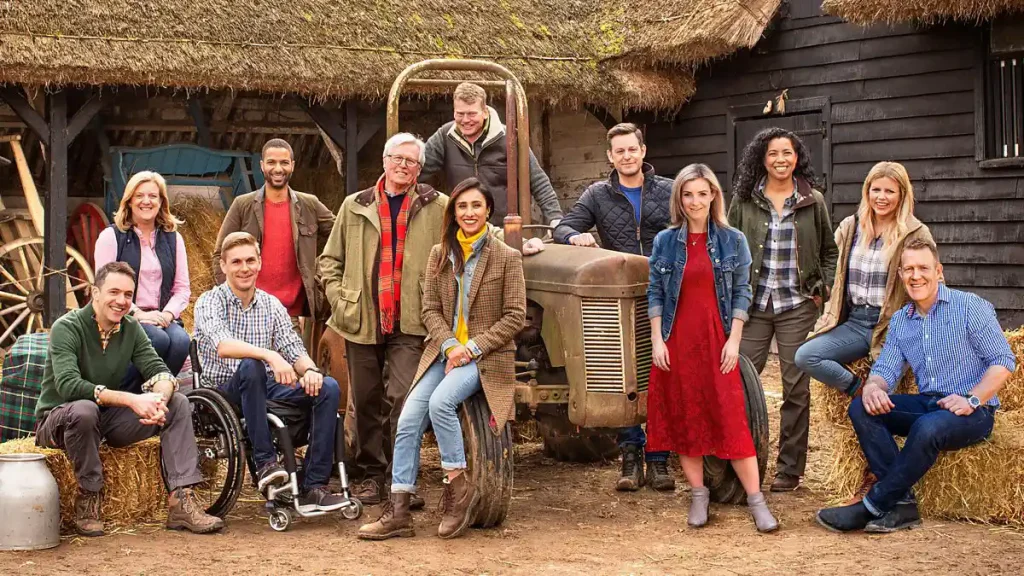
Countryfile – Wiltshire Woods: Autumn arrives like a whispered promise. The air turns sharp and invigorating. Leaves blush with shades of glorious gold, deep ruby, and rustic bronze. It is a truly magical time of transformation. This week, the beloved Countryfile team invites us deep into this seasonal spectacle. They are heading to the breathtaking Wiltshire Woods. Imagine a world painted in the warmest amber hues. The sunlight, now lower in thesky, slants through the trees. It creates shafts of light on the forest floor.
Charlotte Smith and John Craven are our guides for this adventure. Together, they uncover the secrets hidden within this ancient woodland. They explore everything from the rustling, fungi-rich forest floor. They also search high into the soaring, thinning canopy above. This episode of Countryfile is a complete journey into the very heart of autumn. It promises to reveal the quiet, hidden magic that thrives there. It is a celebration of a landscape in beautiful transition.
First, John Craven embarks on his own peaceful journey. He takes to the calm, reflective waters of the historic Kennet and Avon Canal. This waterway flows like a dark, glossy ribbon through the Wiltshire landscape. Golden leaves from weeping willows drift gently on its surface. It seems incredibly tranquil. However, this profound beauty requires constant and dedicated effort. The canal is a cherished piece of our industrial history. Consequently, it needs a small army of supporters to maintain it.
John meets the unsung heroes of this waterway. They are the passionate, hard-working volunteers. These individuals dedicate their free time, in all weather. They work tirelessly to keep the canal clear and safe for everyone. Their work is absolutely vital. For example, they remove fallen branches after storms. They also carefully manage the bankside growth. Without their diligence, the canal could easily become choked and unnavigable. Boats would struggle to pass. Furthermore, precious wildlife habitats could be lost. John rolls up his sleeves. He learns firsthand about their inspiring dedication.
It is truly heartwarming to see their connection to this historic place. They are not just clearing debris; they are acting as curators. They protect this liquid artery of Wiltshire. Their efforts ensure it remains a pristine haven. A haven for narrowboat travelers, kayakers, and wildlife alike. This part of the Countryfile broadcast highlights true, powerful community spirit. It shows what people can achieve when they work together. They are driven by a shared love for their local heritage.
Meanwhile, Charlotte Smith ventures deep into the ancient Wiltshire Woods. As she walks, you can almost smell the damp, peaty earth. The sweet, sharp scent of decaying leaves rises with every step. These are not just trees; they are living monuments. They are like great, silent cathedrals of nature. Some of these ancient oaks and beeches have stood for centuries. They have witnessed history unfold beneath their boughs. Charlotte, therefore, seeks out the people devoted to their protection.
She meets the modern-day guardians of this timeless woodland. These include dedicated foresters and passionate conservationists. They are the stewards of this irreplaceable landscape. Each person shares their unique story with her. The forester, for instance, reads the trees like a complex book. They understand the subtle language of the bark. They know which trees need help and which must be left alone. The conservationist, on the other hand, watches the delicate balance of the entire ecosystem. They work to protect the fragile web of life.
Charlotte discovers their shared, profound commitment. It is a deep, abiding love for these specific woods. They are not just doing a job. They are fulfilling a promise to the future. They work to ensure this ancient landscape survives and thrives. They protect it for all future generations to enjoy. Their personal stories are woven into the very fabric of the forest itself. They are as much a part of the woods as the trees they protect.
Charlotte’s journey into the Wiltshire Woods does not end there. She also finds those who interpret the woods’ magic in different ways. She meets talented artists attempting to capture the fleeting light. The autumn light filters through the canopy like showers of golden rain. Their canvases come alive with autumn’s vibrant fire. They translate the feeling of the forest into color and form. They help us see the beauty we might otherwise overlook.
Furthermore, she speaks with insightful ecologists. These woodland detectives study the intricate web of life. They understand how every fungus, insect, and bird plays its part. They investigate the secret dance happening beneath the soil. The relationship between tree roots and fungal networks is fascinating. These individuals see the woods as a living, breathing entity. They translate its silent, complex language for us. Through their expert eyes, we see the Wiltshire Woods in a completely new light. It becomes a place of boundless inspiration. It is a gallery, a sanctuary, and a complex natural laboratory, all at once.
Of course, these ancient woods are full of wild residents. Many are masters of camouflage, hidden from the casual observer. Charlotte goes in search of one particularly special creature. It is one of Britain’s most elusive and enchanting mammals. She desperately hopes to glimpse the charming, sleepy dormouse. This tiny animal is a powerful symbol of a healthy, ancient woodland. Because of this, finding one is incredibly difficult. They are nocturnal. They live a secret life high among the hazel branches and honeysuckle vines.
With the patient help of a local expert, Charlotte learns their secrets. They search for tell-tale signs. They look for summer nests woven like tiny, perfect spheres. They also carefully check special monitoring boxes. Will they find one nestled inside? The anticipation is truly tangible. A sighting would be a genuine privilege. This tiny, golden-furred creature is preparing for hibernation. It is a sleepy jewel of the Wiltshire Woods. This Countryfile moment is a powerful reminder. It shows us the fragile, precious wonders we must fight to protect. The dormouse is the tiny, beating heart of this ancient place.
Countryfile – Wiltshire Woods
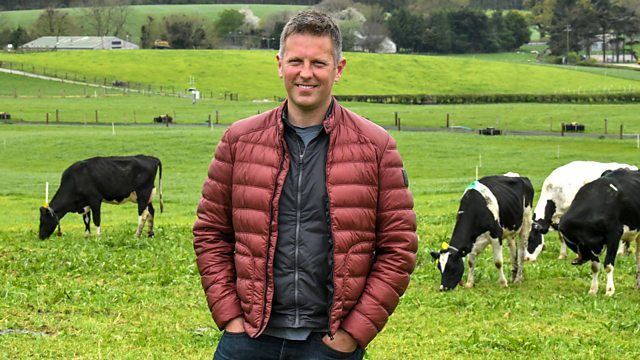
Finally, this packed episode takes us away from Wiltshire’s tranquility. We join Adam Henson over in Bedfordshire. He is about to take part in something truly remarkable. A huge flock of sheep is gathering. They are not just any flock. They are preparing to take part in a centuries-old tradition. It is an event steeped in history and agricultural pageantry. Adam joins the shepherds for the annual sheep drive. Their eventual destination is the River Thames itself.
This tradition feels like a wonderful step back in time. Imagine the incredible sight. A woolly procession moves through the modern landscape. The shepherds guide their flock with ancient skills. They use sharp calls and incredibly well-trained sheepdogs. The event celebrates ancient grazing rights. It is a living, breathing piece of our agricultural heritage. Adam explores the deep importance of this drive. He connects with the people who keep this tradition alive.
It’s a noisy, chaotic, and utterly wonderful spectacle. The drive often culminates on a London bridge. The contrast is astonishing. A river of wool flows past modern buses and skyscrapers. It reminds us all of the deep farming roots. These roots still anchor our fast-paced, modern world. It is a joyous and proud display of history in motion.
This episode of Countryfile is a true feast for the senses. It perfectly captures the very soul of the autumn season. From the quiet, vital work on the Kennet and Avon Canal. To the passionate guardians of the ancient Wiltshire Woods. Every single story reveals a deep and powerful connection. A connection between dedicated people and the land they love. We see the quiet dedication of the volunteers. We feel the fierce passion of the conservationists. We also hold our breath, hoping for a precious glimpse of a tiny, sleeping dormouse.
The journey with Adam adds another rich, historical layer. It shows tradition marching proudly and loudly into the present. This Countryfile adventure is more than just a visit. It’s a deep immersion into a fading, golden world. It reminds us all to look a little closer. To go outside and appreciate the hidden magic in our own local landscapes. The Wiltshire Woods, in particular, offer a powerful lesson. They teach us about resilience, beauty, and the profound importance of protection. Do not miss this truly magical journey.
Countryfile – Wiltshire Woods review
The Countryfile – Wiltshire Woods episode explores the spectacular arrival of autumn, a season of dramatic transformation. As the air sharpens and leaves turn to gold and bronze, the Wiltshire landscape becomes a focal point for understanding the intricate relationship between natural cycles and human stewardship. This period of change is not just a visual spectacle; it represents a critical time for flora and fauna as they prepare for the coming winter. The program delves deep into the region’s woodlands and waterways, revealing the complex ecosystems thriving beneath the colorful canopy.
This season is particularly crucial for nature, offering both bounty and challenge. This year has been designated a “mast year,” a natural phenomenon where trees produce a remarkable abundance of seeds, nuts, and berries. This surplus provides a vital food source for wildlife, sustaining populations through the leaner months. However, this autumn follows a long, hot, and dry summer. This extreme weather has placed significant stress on the environment, accelerating autumn displays but also increasing the vulnerability of many trees.
The Countryfile – Wiltshire Woods program focuses on the Kennet & Avon Canal, a historic waterway that has connected London and Bristol for two centuries. The canal flows through Wiltshire, its banks lined with magnificent trees. This waterway is more than just a relic of industrial history; it is a living, breathing corridor for wildlife. However, maintaining this balance requires constant effort. The episode highlights the dedicated work needed to manage these habitats, from the canal’s towpath to the heart of ancient woodlands.
This exploration reveals the essential work of volunteers and conservationists. Their efforts ensure the health of these environments, which face modern pressures from climate stress to historical habitat loss. This dedication to country life extends beyond simple maintenance; it involves scientific monitoring, habitat restoration, and the preservation of traditional land management skills. These tasks are vital for protecting the delicate biodiversity of the region.
The beauty of the Kennet & Avon Canal at this time of year is coupled with significant management challenges. Volunteers play a crucial role in its upkeep, ensuring it remains safe and navigable for boaters. One of the primary tasks is managing the never-ending growth of the woodlands that hug the waterway. Overhanging branches must be trimmed to prevent a hazard to boaters, many of whom store items on their roofs.
Furthermore, the autumn leaf fall presents its own unique problems. Large quantities of leaves can be drawn into boat propellers, causing difficulties. This issue, much like leaves on a railway line, requires boaters to adapt their handling of the vessels. The canal’s volunteer teams are also responsible for clearing fallen branches and trees from the water, a task that has become increasingly common. This work is vital for safety, as a large fallen branch can pose a significant danger.
Managing the Kennet & Avon Waterway
The Kennet & Avon Canal is a picturesque, 87-mile waterway that winds its way through Wiltshire, connecting Bristol to the River Thames. It boasts remarkable man-made features, including the 29 locks at Caen Hill and the impressive Avoncliff aqueduct. In autumn, the canal takes on a magical feel as it meanders under a blanket of trees. However, this beautiful environment requires dedicated upkeep, a task largely undertaken by volunteers like Liz Hollis of the Canal & River Trust.
Volunteers perform a wide varietyof tasks. A primary job is chopping down vegetation to keep the canal clear and visible for the 5,000 boats that use it annually. Low-hanging branches are a particular concern. They can obscure visibility for boaters, who may have to duck to get under them, and can knock off items stored on cabin roofs. Volunteers regularly trim these branches to ensure safe passage.
The work also involves managing the impact of the surrounding woodlands. While volunteers cannot clear the sheer volume of leaves that fall into the canal, they must address larger hazards. Falling trees and branches are a significant risk. These hazards are removed from the waterway and often left on the bank. This practice serves a dual purpose: it clears the canal while simultaneously enhancing the local ecosystem.
John Stokes of the Tree Council explains that the increase in fallen trees is due to several factors. Pests and diseases are having a significant impact. Ash dieback is killing many ash trees across the country. This follows the historical devastation of Dutch elm disease, which removed millions of elms from the landscape. Moreover, the recent hot and dry summer has put trees under immense strain due to lack of water.
This unusual climate has contributed to a phenomenon known as “summer branch drop,” where trees under stress shed their leaves or even branches early. While the hot weather has produced fabulous autumn colours, it has also exacerbated problems for tree health. Trees can fall at any time of year, but the heat of summer is certainly causing issues.
This fallen wood, however, is not wasted. The material pulled from the canal is placed among the trees lining the bank. This rotting wood joins the rest of the decomposing material on the forest floor, becoming a valuable habitat. In woodland terms, the greatest biodiversity is often found in deadwood. These log piles provide shelter for small animals and encourage biodiversity. The canal banks, protected by the water, create an undisturbed corridor perfect for wildlife, including water voles, moorhens, and even elusive dormice.
The Living Legacy of Wiltshire Woodlands
Deep in Wiltshire, Green Lane Wood represents a pocket of ancient woodland. This area, like many across the UK, once looked very different. It was distinguished by its elm trees until Dutch elm disease destroyed them in the 1970s. Today, dedicated volunteers from the Wiltshire Woodland Trust are helping to rebuild this ecosystem. Roger Beckett, a volunteer since 1994, is part of a team planting young, disease-resistant elm saplings.
These new elms, a variety called “vada,” have been bred for their resistance. They are mostly of continental origin, as the native English elm was so badly affected. Reintroducing these trees is crucial for the species that depended on them. One such species is the white-letter hairstreak, a lovely little butterfly that lives in the tree canopy. The loss of the elms devastated their habitat, so it is hoped these new saplings will help revive their populations.
Alongside this restoration, traditional woodland management is in full swing. Matt Callaway, the warden at Green Lane Wood, leads a coppicing project to support biodiversity. Coppicing is a process where trees, such as hazel and field maple, are cut down to ground level. This practice, while appearing destructive, is actually regenerative. It stimulates more growth from the base, or “stool,” and lets much more light onto the forest floor.
The extra light is essential for spring flowers. It allows bluebells and primroses to flourish before the tree canopy closes over again. The woodland is managed in small sections, with only about half a hectare coppiced each year from a total of 45 hectares. This ensures a mosaic of different habitats. The cut wood also provides a valuable resource. Some is used for firewood, but much of it is used to build “dead hedges.” These structures are not just fences; they act as great corridors for mammals and provide safe nesting spaces for birds, all while the wood rots down back into the soil.
This physically demanding work relies heavily on volunteers. The team at Green Lane Wood meets every Tuesday morning from September through March, working to keep warm and maintain this vital habitat. Their efforts demonstrate a deep commitment to preserving the woodland for future generations.
An Urban Interlude: Celebrating Agricultural Life
Meanwhile, a different aspect of country life and its heritage is being celebrated far from the quiet of Wiltshire. An annual event in the City of London sees a flock of sheep driven across the River Thames. This extraordinary day out, organized by the Worshipful Company of Woolmen, celebrates the history and importance of the British wool trade. It highlights an old city tradition where Freemen had the right to herd their sheep through the streets of London and over its bridges without paying a toll.
This is no ordinary flock. The sheep are provided by David Seamark, a sheepdog handler who has supplied the event for 13 years. He uses North Country mules, a cross between a Bluefaced Leicester and a Swaledale. This cross produces a hardy sheep with good wool and mothering instincts. The animals selected for the drive are “humanised” by being worked frequently with dogs, making them steady and calm in front of the large city crowds.
Controlling this flock in an urban environment is a masterful display of skill. David works with a team of five sheepdogs: Lassie, Glenn, Moss, Ted, and Mac. Remarkably, each dog responds to its own unique set of commands to avoid confusion. Lassie uses traditional “come by” and “away” commands. Glenn, however, responds to Spanish. Mac is controlled by a whistle. And Ted’s commands are “Spud” for left and “Lofty” for right, named after characters from Bob the Builder.
The event itself sees over 1,200 registered Freemen take turns herding the flock across Southwark Bridge. In medieval times, wool was the backbone of the nation’s wealth. Today, agricultural life faces different challenges, and farmers often struggle to cover the cost of shearing. However, the sheep drive endures as a celebration of heritage, reminding the public of the value of wool and its bright future. The event is a family affair, with David’s sons also involved, ready to carry on the tradition.
Corridors of Life: The Vital Role of Hedgerows
Back in Wiltshire, the focus returns to the landscape’s structure. Hedgerows, often overlooked as simple field boundaries, are in fact vital habitats. Master hedge layer Paul Lamb describes them as “linear woodlands.” They are living corridors that thread through the landscape, connecting larger woodlands and providing shelter for wildlife. Paul practices the traditional management technique of hedge laying, a craft that is regenerative and as relevant today as it ever was.
Hedge laying is a play on coppicing. The process involves cutting most of the way through the stem of a hedge plant near its base. This leaves a “living tongue” of wood, which allows the stem to be laid over diagonally. This manipulation creates a thick, stock-proof barrier from the outset. Crucially, it also encourages vigorous new growth in the spring, both from the cut stump and along the newly laid stem.
These managed hedgerows are far more than living fences. They are a surrogate woodland, storing carbon in their woody stems and in the soil beneath. They are essential for wildlife, providing cover for small mammals as they travel between woodlands. These corridors are also hunting grounds for predators. Foxes, badgers, and birds of prey all hunt along hedgerows, waiting for a vole or mouse to break cover.
The decline in biodiversity in farmland directly correlates with the demise of habitats like hedgerows. Without these vital networks, the countryside risks becoming an ecological desert. Paul, who found his calling working in the woods and hedgerows after moving from New Zealand, hopes the tide is turning. His work, though it may feel like a drop in the ocean, all adds up, connecting the landscape and supporting the wildlife that relies on it.
Countryfile – Wiltshire Woods: The Forest Floor
The Countryfile – Wiltshire Woods episode also turns its attention to the hidden wonders of the forest floor. Autumn is the prime season for fungi, which play an essential role as decomposers, breaking down all the leaves and wood that hit the deck. For field mycologist Fred Gillam, foraging for fungi is like a “strange Easter egg hunt.” They are ephemeral, appearing one day and gone the next, making their discovery truly exciting.
Fred identifies several fascinating species in Green Lane Wood. He finds a hen-of-the-woods, a mushroom highly prized in Japan where it is known as “maitake.” He also points out a scarletina bolete. This fungus provides a moment of magic when a small sliver is cut; its bright yellow flesh instantly oxidizes and turns a deep, vivid blue. Another discovery is the oak mazegill, which has a unique maze-like pore structure and helps hollow out fallen logs, creating a microclimate for moss and invertebrates.
Foraging, however, comes with a critical warning. Some of the deadliest fungi on Earth, such as the death cap and the destroying angel, grow in the UK. Fred emphasizes that no one should ever swallow anything unless they are 100% certain of its identification.
This miniature world also attracts artists. Amateur photographer Alan Smith is found deep in the woods, busy photographing mushrooms. His subjects are ideal because they do not move, allowing him to get creative with lighting. He uses a remarkably simple and cheap set of tools rescued from his kitchen recycling bin. A silver card insert from a smoked salmon packet is used as a reflector to fill in shadows. He props it up using kebab skewers. This simple technique creates beautifully lit images, transforming a murky subject into a work of art. His skill was recognized in the countryfile photographic competition, with his stunning image of a slug on a mushroom chosen for the September page of the calendar.
Local artist Naomi Joy takes this connection to nature one step further. She gathers natural materials from the woods to make her own paint. She forages for ochres and clays from the soil, finding vibrant yellows and oranges. This is an ancient way of making paint, the same method used for the first cave paintings. Back in her woodland studio, she puts on a mask, as the mineral dust can be hazardous. She then grinds the dried clay into a fine powder with a pestle and mortar and mixes it with a plant-based binder to create a smooth, usable paint.
Naomi’s “Wild Palette” project is about connecting back to local nature. She uses these paints, made from the very materials of the wood, to paint the wildlife that lives there. One of her subjects is the rare Bechstein’s bat, a woodland dweller that roosts at Green Lane Wood. She uses the yellow ochre she found to add the slightly yellow tinge to the fur of the bat in her painting, perfectly linking the subject and the medium.
Countryfile – Wiltshire Woods: Habitats for Elusive Wildlife
The Countryfile – Wiltshire Woods exploration also searches for the most secretive inhabitants of the trees. At Oyster Coppice, the elusive hazel dormouse is the subject of a careful monitoring project. This tiny, secretive, and endangered mammal is a priority for Wiltshire Wildlife Trust. Caroline Longley explains that while the dormouse has been in trouble for decades, conservation efforts are being ramped up, including building dormouse tunnels and bridges across major roads.
To monitor the population, volunteers check tens of dormice boxes every month. These boxes provide a safe place for the dormice to nest. Debbie Carter, a licensed dormouse handler, checks the boxes. She finds a distinctive nest woven from honeysuckle, a favorite material for dormice. In one box, the team makes a magical discovery: a juvenile dormouse, a positive sign for the local population and a first-time real-life sighting for one of the countryfile team.
While dormice use boxes, other species, like bats, rely on the trees themselves. However, many woodlands have lost their ancient trees, which are rich in the hollows, cracks, and splits that bats need. Arborist and ecologist Sean Shereston is addressing this by using a technique called “veteranisation.” This is the process of creating features normally seen in ancient trees in younger, middle-aged trees.
Using a chainsaw, Sean carefully cuts a small cavity into a living tree. This feature is specifically designed to be suitable for a barbastelle maternity colony, a declining bat species that roosts in ephemeral cracks. This man-made cavity, built into a living tree, offers much greater thermal stability and humidity than a wooden bat box. While it is a wound, the tree will structurally acclimatize to it over time. In other woods, these features have been used by bats within six months.
Monitoring these hard-to-reach habitats requires specialized equipment. Matt Callaway, also a licensed bat handler, uses a long, flexible endoscope to check for bats inside deep tree cavities. This modern technology, part of the Countryfile 2025 conservation toolkit, allows him to survey potential roosts with minimal disturbance. He explains that bats will move within the cavity, seeking different temperatures throughout the day. While finding a bat on any given day is a patient game, the work is essential. It helps conservationists understand and protect these amazing, and often misunderstood, creatures.
FAQ Countryfile – Wiltshire Woods
Q: What makes the Wiltshire Woods episode of Countryfile special during autumn?
A: The episode captures autumn’s transformative beauty as leaves turn gold, ruby, and bronze across the Wiltshire landscape. Charlotte Smith and John Craven guide viewers through ancient woodlands and historic waterways, revealing the intricate relationship between seasonal changes and human stewardship. Furthermore, this year features a “mast year,” where trees produce exceptional amounts of seeds and nuts, providing vital sustenance for wildlife preparing for winter. The program beautifully interweaves stories of dedicated volunteers, conservationists, and traditional practices that preserve these irreplaceable habitats.
Q: Who are the main presenters featured in the Wiltshire Woods episode?
A: Charlotte Smith and John Craven serve as the primary guides throughout this autumn exploration. Additionally, Adam Henson joins the program from Bedfordshire, where he participates in a historic sheep drive tradition. John focuses on the Kennet and Avon Canal, meeting volunteers who maintain this historic waterway. Meanwhile, Charlotte ventures deep into ancient woodlands, connecting with foresters, conservationists, ecologists, and artists who dedicate themselves to protecting these timeless landscapes. Together, they create a comprehensive portrait of autumn countryside life.
Q: What is the significance of the Kennet and Avon Canal featured in the episode?
A: This 87-mile waterway has connected Bristol to the River Thames for two centuries, serving as both industrial heritage and wildlife corridor. The canal features remarkable engineering, including 29 locks at Caen Hill and the impressive Avoncliff aqueduct. However, maintaining its beauty requires constant volunteer effort to clear fallen branches, manage overhanging vegetation, and address hazards from tree diseases like ash dieback. Consequently, approximately 5,000 boats navigate these waters annually, while the protected banks provide undisturbed habitat for water voles, moorhens, and dormice.
Q: Why are volunteers so important to the canal’s maintenance?
A: Volunteers like those working with Liz Hollis of the Canal & River Trust perform essential tasks that keep the waterway safe and navigable. They trim low-hanging branches that could obscure boater visibility or knock items from cabin roofs. Furthermore, they remove fallen trees and branches, which have increased due to ash dieback, Dutch elm disease, and recent hot, dry summers causing stress-related “summer branch drop.” Remarkably, this cleared wood isn’t wasted—it’s placed along banks where it decomposes, creating valuable deadwood habitat that supports the greatest woodland biodiversity.
Q: What is coppicing and why is it important in Wiltshire woodlands?
A: Coppicing involves cutting trees like hazel and field maple down to ground level, which paradoxically stimulates vigorous regeneration from the base. Matt Callaway demonstrates this traditional practice at Green Lane Wood, where only half a hectare is coppiced annually from 45 total hectares. This selective approach allows sunlight to reach the forest floor, enabling spring flowers like bluebells and primroses to flourish. Additionally, the cut wood creates “dead hedges” that serve as corridors for mammals and nesting spaces for birds, all while decomposing back into soil enrichment.
Q: What wildlife does the episode highlight as particularly special or elusive?
A: The hazel dormouse takes center stage as one of Britain’s most enchanting yet endangered mammals. Charlotte searches Oyster Coppice with licensed handler Debbie Carter, checking monitoring boxes for these nocturnal creatures that nest in honeysuckle-woven spheres. Additionally, the program features the rare Bechstein’s bat roosting at Green Lane Wood and the white-letter hairstreak butterfly, which depends on disease-resistant elm saplings being replanted by volunteers. Moreover, conservationists use veteranisation techniques to create artificial cavities in younger trees, providing essential roost sites for declining barbastelle bat colonies.
Q: How does the annual sheep drive celebrate British agricultural heritage?
A: The Worshipful Company of Woolmen organizes this extraordinary event where over 1,200 registered Freemen herd sheep across Southwark Bridge in London. David Seamark provides North Country mules—crosses between Bluefaced Leicester and Swaledale sheep—that are specially “humanised” through frequent sheepdog work to remain calm amid city crowds. His five sheepdogs respond to unique commands: Lassie uses traditional calls, Glenn answers Spanish commands, Mac follows whistles, and Ted responds to “Spud” and “Lofty” from Bob the Builder. This spectacle honors medieval times when wool formed the backbone of national wealth.
Q: What role do hedgerows play in the Wiltshire countryside ecosystem?
A: Master hedge layer Paul Lamb describes hedgerows as “linear woodlands”—vital corridors connecting larger woodland patches throughout the landscape. Through hedge laying, stems are cut partially and laid diagonally, creating stock-proof barriers while encouraging vigorous spring growth. These living fences store carbon in woody stems and underlying soil while providing essential cover for small mammals traveling between habitats. Consequently, foxes, badgers, and birds of prey hunt along these corridors, creating dynamic ecosystems. The decline in farmland biodiversity directly correlates with hedgerow loss, making their preservation critical.
Q: What artistic approaches to woodland documentation does the episode showcase?
A: Amateur photographer Alan Smith demonstrates creative mushroom photography using recycled materials—a silver card from smoked salmon packaging serves as his reflector, propped by kebab skewers. His slug-on-mushroom image won recognition in the Countryfile photographic competition calendar. Meanwhile, Naomi Joy’s “Wild Palette” project takes connection further by foraging ochres and clays from woodland soil to create ancient-style paints. She grinds these minerals with pestle and mortar, mixing them with plant-based binders to paint the very wildlife inhabiting these woods, including Bechstein’s bats with their characteristic yellow-tinged fur.
Q: What conservation challenges does the episode address regarding tree health?
A: The program confronts multiple threats to woodland health, including ash dieback devastating ash populations nationwide and the historical impact of Dutch elm disease that destroyed millions of trees in the 1970s. Recent hot, dry summers have intensified stress on trees, causing “summer branch drop” and accelerating autumn displays while increasing vulnerability. However, conservation efforts offer hope: volunteers plant disease-resistant “vada” elm varieties to restore habitat for species like the white-letter hairstreak butterfly. Additionally, arborists employ veteranisation techniques to create bat-suitable cavities in younger trees, compensating for lost ancient specimens with their natural hollows and cracks.