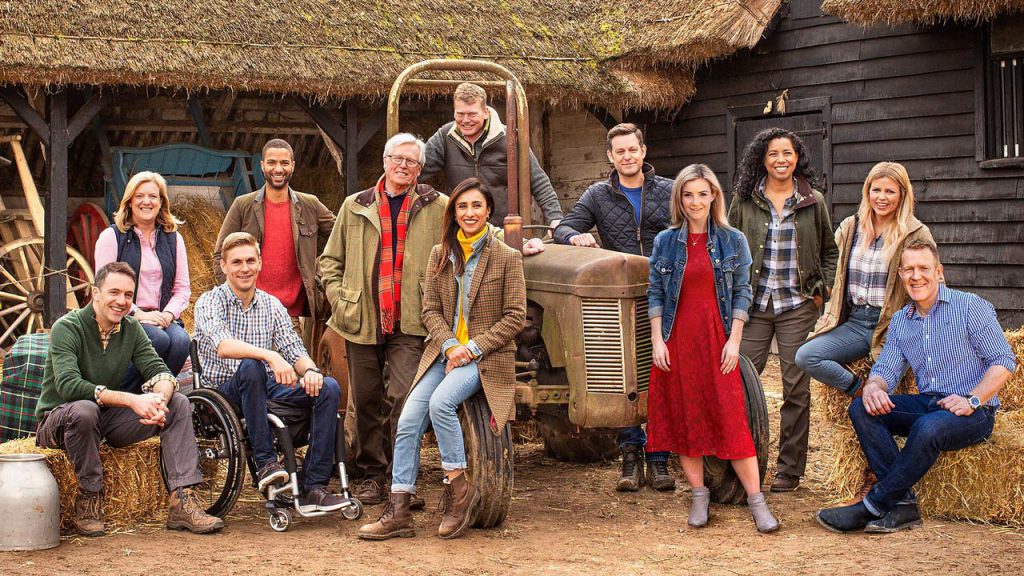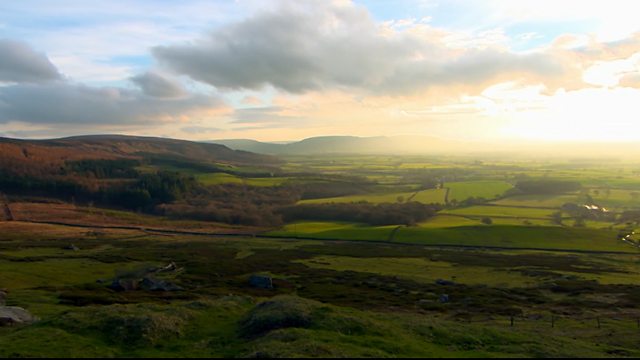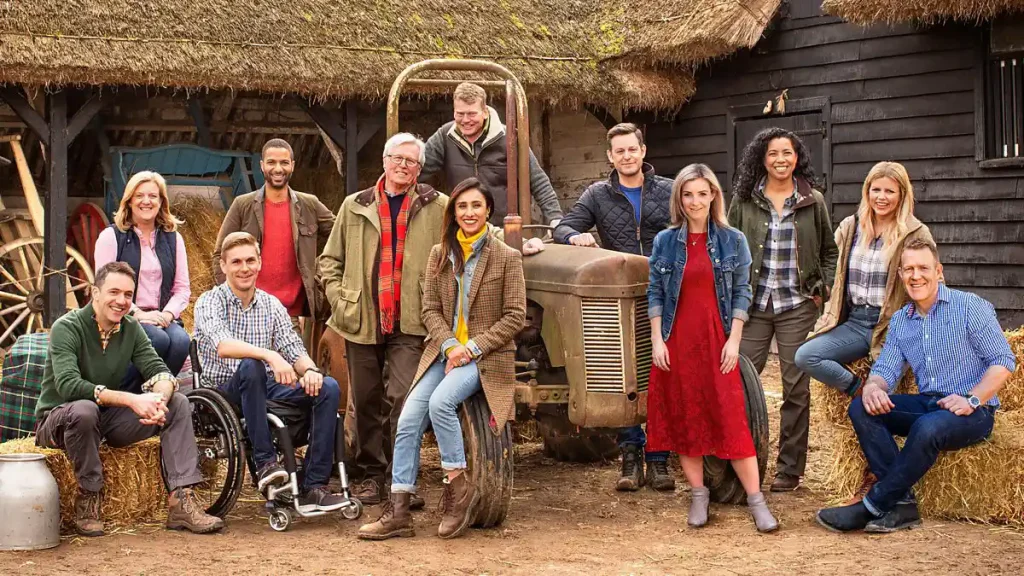
Countryfile – In the Wake of Tarka: Have you ever felt the quiet magic of a riverbank at dawn? Imagine a silver mist clinging to the water, where the only sound is the gentle lapping of the current. It is here, in the heart of North Devon, that a legendary creature once roamed. This week on a brand new Countryfile, we invite you to join an extraordinary journey, In the Wake of Tarka.
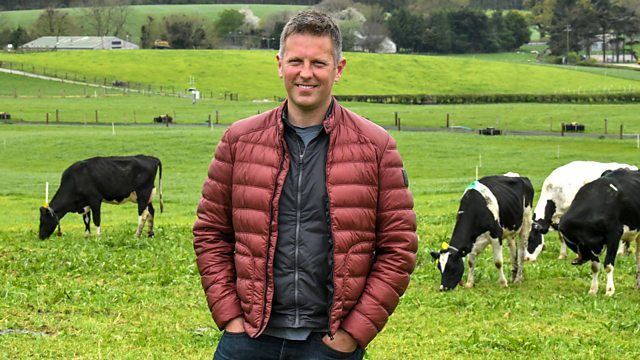
Presenters Matt Baker and Sammi Kinghorn follow the faint, yet persistent, paw prints of Tarka the Otter. Consequently, they uncover a powerful story of nature’s resilience and human compassion. It’s a tale that begins in the pages of a beloved book but unfolds today in the glistening waters of the Rivers Taw and Torridge.
This adventure is more than just a wildlife search. Instead, it is a pilgrimage along the famed Tarka Trail. This winding path follows the rivers like a faithful companion, guiding Matt and Sammi through a landscape brimming with life. As they travel, they discover how the local community became the unexpected guardians of the Eurasian otter. This beautiful creature, once a common sight, was pushed to the very edge of extinction. Therefore, its return is nothing short of a quiet miracle, a testament to dedicated conservation efforts. This episode of Countryfile delves deep into how this remarkable comeback was achieved, one determined step at a time.
Along their journey, Matt and Sammi meet the people whose lives are woven into the fabric of this riverside world. First, they speak with local farmers. These stewards of the land share how modern, wildlife-friendly farming practices have helped create a safe haven for otters. Their stories reveal a deep respect for the delicate balance of their environment. Furthermore, the presenters encounter poets who draw inspiration from the tranquil flow of the water. They capture the spirit of the place in their verses. In a surprising twist, they even meet footballing legend David Seaman. He, too, finds a unique sense of peace along these serene banks, watching the kingfishers and herons that call this place home.
The emotional heart of this North Devon story beats strongest with the otters themselves. For decades, these playful mammals were ghosts on the river. Pollution and habitat loss had decimated their populations across the country. However, through the tireless work of conservationists and the support of local people, the tide began to turn. The rivers were cleaned, and the banks were allowed to grow wild once more. As a result, the otters found their way back. This segment, In the Wake of Tarka, is a powerful celebration of that success. It shows what is possible when people unite to protect the natural world around them.
The journey reaches a deeply moving conclusion for Sammi Kinghorn. After tracing the story of the otters’ past struggles, she gets to witness their future taking flight. She is present for the release of two orphaned otters, carefully raised and now ready to return to the wild. Imagine the poignant moment as the crate doors open. Two sleek forms hesitate for a second before slipping silently into the water that is their birthright. For Sammi, and for us watching, it is an unforgettable symbol of hope. It’s a powerful reminder that even from the brink, nature can be brought back with care and dedication. This is a truly special moment on Countryfile.
Meanwhile, the programme shifts scenery from the lush river valleys of Devon to the rolling hills of the Cotswolds. Here, Adam Henson faces a very different set of challenges on his farm. The episode provides a stark contrast, highlighting the varied pressures on Britain’s countryside. While one story celebrates a wildlife revival, Adam’s focuses on the daily battles of modern farming. His segment grounds the episode in the practical realities of managing land and livestock. It’s a compelling look at the other side of the conservation coin: the constant effort required to sustain a working farm in the face of mounting difficulties.
Countryfile – In the Wake of Tarka
Adam is currently dealing with the significant fallout from a long, dry summer. The lack of rain has left his fields parched and brown. Consequently, the grass, which is vital for feeding his livestock, is in dangerously short supply. He walks us through the tough decisions he must make to ensure his animals stay healthy and well-fed. This involves careful resource management and strategic planning. His story is a relatable one for farmers across the nation who are increasingly grappling with the impacts of a changing climate. It’s a real-world problem that demands immediate and innovative solutions.
In addition to the weather, a more sinister threat looms over Adam’s herd. A dangerous illness known as the bluetongue virus is posing a serious risk to cattle nationwide. This virus, spread by tiny midges, can have devastating effects on livestock. Therefore, Adam must be incredibly vigilant. He is working tirelessly to protect his beloved animals, implementing strict biosecurity measures and monitoring his herd around the clock. His situation underscores the constant state of alert that farmers must maintain to safeguard their livelihoods and the health of their animals against invisible threats.
Ultimately, this episode of Countryfile presents two powerful, interconnected narratives. In the Wake of Tarka, we see a story of restoration, a community coming together to heal a wounded ecosystem and welcome back a lost icon. Then, on Adam’s farm, we witness a story of resilience and stewardship in the face of environmental and biological threats. Both tales, though different in scale and scope, highlight the profound and intricate connection between humanity and the natural world. They remind us that the health of our countryside depends on both grand conservation gestures and the quiet, daily efforts of individuals. Be sure to tune in for a truly memorable and inspiring hour.
Countryfile – In the Wake of Tarka review
A journey along the waterways of North Devon, as explored in the program Countryfile – In the Wake of Tarka, reveals a landscape shaped by rivers and forever linked to one of Britain’s most charismatic predators. This region, the birthplace of the story of Tarka the otter, offers a powerful narrative of nature’s resilience. Here, the elusive Eurasian otter has made a remarkable comeback from the brink of extinction. The rivers serve as the lifeblood of this story, connecting the wild inhabitants with the humans who live, work, and find solace along their banks. This tale is not just about one animal, but about an entire ecosystem and the dedicated people striving to protect it.
The significance of this story is amplified by the otter’s recent history. Just half a century ago, these creatures were nearly wiped out across the United Kingdom. Consequently, their resurgence in places like Devon represents a major conservation success, a testament to cleaner rivers and protective measures. This comeback, highlighted in many a countryfile segment, raises important questions. While many celebrate the return of this apex predator, quiet ripples of concern also exist beneath the surface, exploring the complex relationship between wildlife and human interests. The health of the otter population acts as a barometer for the health of the rivers themselves.
This exploration, following the path of the famous otter, delves into multiple interconnected facets of the countryside. The journey of Countryfile – In the Wake of Tarka examines the hands-on conservation work required to support orphaned and injured otters. Furthermore, it investigates innovative farming practices designed to heal the waterways that these animals depend upon. It also reflects on the profound cultural legacy left by a single, beautifully written story that changed how a nation viewed its native wildlife. The narrative is one of hope, challenge, and the enduring bond between land, water, and life.
At the heart of this revival are individuals and organizations dedicated to the cause. The UK Wild Otter Trust, for instance, stands as a crucial sanctuary for these animals. Simultaneously, farmers are re-evaluating their relationship with the land to foster a healthier environment. Even the world of recreation, represented by anglers on the riverbank, plays a part in this story, showcasing a deep appreciation for the tranquility and biodiversity of these habitats. As seen in various countryfile episodes, the countryside is a tapestry woven from these diverse threads of human activity and natural processes.
However, this story of revival is set against a backdrop of modern environmental and agricultural challenges. The pressures of a changing climate, including extreme weather events like droughts, place immense strain on farmers and the landscape. Moreover, animal diseases present an ongoing threat that requires vigilance and costly intervention. These issues highlight the delicate balance that must be maintained to ensure the continued success of conservation efforts and the sustainability of rural life.
The journey into this world begins with the otter itself, an animal that is both a symbol of wild Britain and a species requiring constant support. The success of its return is not a matter of chance, but the result of tireless work by passionate conservationists. Their efforts provide a foundation of hope, ensuring that the legacy of Tarka continues to be a living, breathing reality in the rivers of North Devon.
The Resurgence of the Eurasian Otter
The story of the Eurasian otter in the UK is a dramatic tale of decline and recovery. Fifty years ago, the species was pushed to the verge of extinction across the country due to pollution, habitat loss, and persecution. In this bleak landscape, the south-west of England, particularly Devon, remained a precious stronghold. Today, the situation has dramatically improved, and Devon is now considered a key region for the otter population. This comeback is a remarkable success story, but it relies on ongoing vigilance and intervention.
Central to this effort is the UK Wild Otter Trust, founded and led by Dave Webb. His lifetime of “otter obsession” fuels a dedicated mission to rescue, rehabilitate, and release these animals. Supported by a team of volunteers, the trust serves as a critical lifeline for otters in distress. It receives around 700 calls each year from all over the UK, responding to cases of orphaned or injured otters, often the victims of road accidents or other man-made disturbances. The goal is always to return every possible otter to its natural habitat.
The trust provides a sanctuary where these animals can recover and learn the skills needed for survival. Wild otter cubs typically spend up to 18 months with their mothers, learning everything from swimming to hunting. The sanctuary must replicate this education while ensuring the otters remain wild and wary of humans. This delicate balance is crucial for a successful reintroduction into their natural environment.
A Sanctuary for Survival
The rehabilitation process at the UK Wild Otter Trust is intensive and costly. Each otter’s stay, which lasts a minimum of 12 months, costs between £3,000 and £4,000. With an annual operating budget of around £75,000, the trust relies solely on public donations to fund its work. The largest expense is food, a carefully managed diet designed to mimic what they would eat in the wild. A typical meal is a “fish and chick supper,” providing essential nutrients.
A poignant example of the trust’s work is Morna, a female cub found tired and dehydrated in Lamorna Cove, Cornwall. When she arrived, her eyes were still partially closed and she weighed just over 300 grams, the smallest cub the trust had ever received. Her survival was a critical challenge, requiring round-the-clock care. After months of rehabilitation, she is thriving, though she will remain at the sanctuary for a full year before she is ready for release.
Not all otters can return to the wild. Tolga, a four-year-old resident, arrived too accustomed to human contact. After an isolation program failed to instill the necessary wildness, he became a permanent, beloved resident. For captive animals like Tolga, enrichment is vital to prevent boredom and stress. This includes playful interactions, like spraying him with a hose, which provides the stimulation he needs. His story underscores the challenge of ensuring rehabilitated animals are truly ready for a life independent of human support.
The Journey Home in the Wake of Tarka
The ultimate goal of the UK Wild Otter Trust is the successful release of its rehabilitated residents. The story of Karma and Kismet, twin sisters, exemplifies this final, crucial step. Found dumped in a cardboard box in Shropshire, their survival was touch and go. After a year of care, they were deemed healthy and ready to begin their new life. This release, like every other, is a meticulously planned operation.
Before they can be freed, the otters undergo a final, thorough health check. Handlers examine their eyes, which should be bright and clear, and their fur, which should be clean and shiny. They are also weighed to ensure they are at a healthy size for survival. Once they pass this assessment, they are transported to a carefully selected, secluded riverside location. To ease their transition, an artificial holt is placed at the site, offering them a safe, familiar shelter as they begin to explore their new territory.
The release itself is a profound moment. For Karma and Kismet, after being placed in their holt one last time, they quickly emerged to explore the Cornish river that would become their forever home. The team monitors them using trail cameras to ensure they are adapting well and finding food. For Dave Webb and his team, seeing otters they rescued in a desperate state return to their natural habitat is the ultimate reward. It is a happy ending made possible through dedication and care.
Cultivating Cleaner Waterways
For otters to thrive, they need healthy rivers with abundant fish. This fundamental requirement links the fate of wildlife directly to the practices of land management. Along the River Taw, farmer and keen fisherman Andy Gray is pioneering a new scientific approach to farming that prioritizes the health of the river. His work centers on a system known as silvopasture, which integrates trees into the agricultural landscape to create a more resilient and environmentally friendly system.
Silvopasture involves planting trees in rows within grazing fields. Andy has planted 26 different species, including indigenous varieties as well as chestnuts and walnuts. The theory behind this practice is that the tree roots and the extra organic matter they produce create a more porous soil structure. A study has shown this system can increase the soil’s water retention by up to 60 times more than conventional pasture. This acts like a natural sponge, preventing soil and agricultural chemicals from running off the land and polluting the river.
To validate his efforts, Andy is collaborating with Plymouth Marine Laboratories. They have installed remote sensors in the waterways on his farm to monitor water quality in real time. This technology provides valuable feedback on whether the silvopasture system is successfully reducing pollutants entering the river. Andy’s ultimate goal is to get clean water back into rivers, fostering an environment where invertebrates, fish, otters, herons, and kingfishers can all recover and flourish. His work demonstrates a way to produce food in a manner that is less damaging to the environment.
The Enduring Legacy of Tarka
The focus on otter conservation in North Devon is inseparable from the region’s cultural identity, which was profoundly shaped by the 1927 novel Tarka the Otter. Written by Henry Williamson, the book turned the local waterways and their most famous inhabitant into enduring literary icons. The name Tarka itself, as the book explains, is an old term meaning “little water wanderer” or “wandering as water,” perfectly capturing the spirit of the animal. Almost a century later, the legacy of this story continues to inspire artists and authors.
According to poet Jane Lovell, who lives in the heart of Tarka country, the book had a profound and lasting effect. Before its publication, most animal stories were told from a human perspective or anthropomorphized the creatures, like those of Beatrix Potter. Williamson broke new ground by immersing the reader in the real, unsentimental world of the animals. He told the story from the otter’s point of view, showing how their lives interacted on the riverbank. This approach changed people’s perception of animals, presenting them not as characters in a fable, but as wild beings in a constant struggle for survival.
The novel endures because it is both beautifully written and provides a rare glimpse into the hidden lives of wildlife. It is a story of survival that resonates deeply with readers and fosters a connection to the natural world. This literary legacy has played a significant role in the conservation movement, creating an emotional investment in the otter’s fate and inspiring a desire to protect the wild places it calls home.
Life on the Riverbank
The rivers of North Devon are not just habitats for wildlife; they are also cherished spaces for human recreation. The angling community, in particular, shares these waters, drawn by the peace, wildlife, and tradition of fishing. Former England goalkeeper David Seaman is a prominent member of this community, finding solace and escape on the beautiful River Torridge. For him, the art of fly-fishing provided a crucial mental release from the high-pressure world of professional football.
During his playing career, especially during major tournaments like Euro ’96, fishing was his sanctuary. His manager at the time, Terry Venables, understood the need for players to relax and would encourage him to take his friend and teammate, Paul “Gazza” Gascoigne, fishing. These trips offered a complete escape from the encapsulating environment of hotels and stadiums. David’s passion for the sport is embodied in a special rod that Gazza bought for him, a token of their shared experiences on the riverbank.
This connection to the water is a powerful force. Teaching others to fish, whether it’s fellow celebrities or local Scouts, brings a sense of satisfaction. The experience of getting a bite for the first time is a magical moment that hooks people for life. For David, his love for fishing began when he was young and has evolved over the years, but the core appeal remains the same: the tranquility of being outdoors, surrounded by nature, and completely absorbed in the present moment.
Broader Agricultural Pressures
Beyond the specific challenges of river conservation, farmers in the UK face a host of broader pressures, as illustrated on Adam Henson’s farm in the Cotswolds. A very dry spring and summer created a severe lack of grass, forcing difficult and expensive decisions. To keep his sheep fed, Adam had to provide them with expensive sheep nuts, a practice normally reserved for the winter months. This has a significant financial impact and disrupts the normal cycle of livestock farming.
The drought also meant that lambs were underweight, reducing their market value. To address this, Adam is relying on a crop of sainfoin, a deep-rooting plant that survived the dry conditions. This forage, normally saved for winter, is being used as a summer feed to fatten the lambs before they go to market. This reversal of seasonal practices highlights the need for farmers to be adaptable and resilient in the face of increasingly extreme and unpredictable weather patterns.
In addition to climate challenges, farmers must contend with animal diseases like bluetongue. This viral disease, which is spread by biting midges, affects cattle and sheep and can be fatal. Defra now considers the whole of England a high-risk area. A new vaccine offers a welcome line of defense, but it is not 100% effective and represents another cost for farmers to bear. These combined pressures underscore the complex and challenging reality of modern farming.
A Community of Care and Compassion
The spirit of care for the vulnerable extends beyond wildlife and into the human community, as shown through the episode’s support for BBC Children in Need. The story of Daniel, a 14-year-old living with sickle cell disease, highlights the importance of community support networks. Sickle cell is a life-impacting disorder that causes abnormal red blood cells, leading to severe pain crises that can last for weeks. For Daniel, this has meant missing school and feeling isolated from his peers.
A charity supported by Children in Need, Cianna’s Smile, has been instrumental in changing his life. The organization provides support and education for young people with sickle cell and their families. By bringing them together for activities and literacy clubs, it creates a community where they no longer feel alone. For Daniel, meeting others with the same condition was transformative, helping him feel understood and empowering him to talk openly about his illness.
Cianna’s Smile offers tangible support, including respite breaks and hospital assistance, funded in part by donations. For Daniel and his mother, Funmi, the charity has provided opportunities they would never have had otherwise, such as his first-ever holiday. The impact is profound, making them feel less alone and more supported. This story of compassion and community care mirrors the dedication seen in wildlife conservation, reflecting a broader countryside ethos of looking after those in need.
Rivers of Hope: Where Conservation Meets Community
Standing on the banks of the River Taw as morning mist rises from the water, it’s impossible not to feel the profound interconnectedness that defines North Devon’s countryside. The story of Tarka’s return—from literary legend to living reality—offers us something far more valuable than a simple conservation success story. It provides a blueprint for how communities can heal both their landscapes and themselves.
The threads woven throughout this Countryfile journey reveal a fundamental truth: conservation isn’t just about saving species; it’s about restoring relationships. When Dave Webb and his team at the UK Wild Otter Trust cradle orphaned cubs like Morna, they’re not just rehabilitating animals—they’re mending the broken connections between human activity and natural systems. Similarly, when Andy Gray plants trees across his grazing fields, creating a silvopasture system that prevents agricultural runoff, he’s demonstrating that farming and environmental stewardship can flourish together rather than in opposition.
Perhaps most striking is how this story transcends the traditional boundaries between conservation, agriculture, and community care. The same spirit that drives volunteers to donate £75,000 annually to save otters also fuels organizations like Cianna’s Smile, supporting young people like Daniel through the challenges of sickle cell disease. David Seaman’s riverside sanctuary, where he once found refuge from the pressures of professional football, mirrors the healing spaces that otters need to recover and thrive. These aren’t separate stories—they’re different expressions of a shared commitment to nurturing life in all its forms.
The challenges facing Adam Henson’s farm remind us that this work isn’t romantic or easy. Climate change, disease pressures, and economic uncertainties continue to test the resilience of those who steward our countryside. Yet these very challenges make the successes even more meaningful. When two rehabilitated otters slip silently into a Cornish river, they carry with them not just their own futures, but the hopes of everyone who worked to make that moment possible.
Henry Williamson’s 1927 novel changed how we see animals by telling their story from their perspective rather than our own. Today, the real Tarkas living in Devon’s rivers are teaching us an equally important lesson: that human communities are healthiest when they create space for wild lives to flourish alongside them. The sensors monitoring water quality on Andy’s farm, the trail cameras watching released otters adapt to freedom, and the careful hands examining cubs before their journey home—all represent a new kind of stewardship, one informed by science but motivated by love.
As we face an uncertain environmental future, the rivers of North Devon offer a powerful reminder that restoration is possible when communities commit to it. The next time you encounter a waterway—whether it’s a mighty river or a modest stream—remember Tarka’s legacy. Consider how your choices, like Andy’s tree-planting or Dave’s otter rescue work, might ripple downstream, creating conditions where both wild creatures and human communities can thrive. After all, we’re all wandering through this landscape together, and our fates are more intertwined than we might imagine.
FAQ Countryfile – In the Wake of Tarka
Q: What is the Tarka Trail and why is it significant for otter conservation?
A: The Tarka Trail is a winding path that follows the Rivers Taw and Torridge in North Devon, inspired by Henry Williamson’s 1927 novel ‘Tarka the Otter.’ Additionally, this trail serves as more than just a recreational route—it represents a conservation pilgrimage where visitors can witness the remarkable recovery of Eurasian otters from near-extinction to thriving populations.
Q: How successful has otter conservation been in North Devon?
A: Otter conservation in North Devon represents a dramatic success story. Fifty years ago, these creatures were nearly extinct across the UK due to pollution and habitat loss. However, through dedicated conservation efforts, cleaner rivers, and community support, Devon has become a key stronghold for otter populations, demonstrating what’s possible when communities unite for wildlife protection.
Q: What role does the UK Wild Otter Trust play in otter rehabilitation?
A: The UK Wild Otter Trust, led by Dave Webb, serves as a critical lifeline for otters in distress. Furthermore, the trust receives around 700 calls annually from across the UK, rescuing orphaned and injured otters. Each rehabilitation costs £3,000-£4,000 and takes minimum 12 months, with the trust operating solely on public donations totaling approximately £75,000 annually.
Q: How do farmers like Andy Gray contribute to otter habitat restoration?
A: Andy Gray pioneers silvopasture farming along the River Taw, integrating 26 tree species into grazing fields. Consequently, this innovative system increases soil water retention by up to 60 times compared to conventional pasture, acting like a natural sponge that prevents agricultural chemicals from polluting rivers where otters hunt and live.
Q: What challenges do rehabilitated otters face when returning to the wild?
A: Rehabilitated otters must learn essential survival skills typically taught by mothers over 18 months. However, sanctuary staff must replicate this education while keeping otters wild and wary of humans. Not all otters can return—some like Tolga become permanent residents when they’re too accustomed to human contact despite isolation programs.
Q: How has Henry Williamson’s novel influenced modern otter conservation?
A: Williamson’s 1927 novel revolutionized how people perceive wildlife by telling the story from the otter’s perspective rather than anthropomorphizing animals. Moreover, this approach created emotional investment in otter conservation, transforming public attitudes and inspiring nearly a century of protection efforts for these ‘little water wanderers.’
Q: What threats do modern farmers face alongside conservation efforts?
A: Modern farmers face mounting pressures including climate-related droughts that force expensive feeding decisions and disease threats like bluetongue virus spread by midges. Additionally, these challenges require constant vigilance and costly interventions, demonstrating how conservation success must balance with agricultural sustainability and economic viability.
Q: How do recreational activities like fishing coexist with otter conservation?
A: The angling community, including figures like former England goalkeeper David Seaman, shares riverbank spaces with otters through mutual appreciation for clean, biodiverse waterways. Furthermore, fishermen’s desire for healthy fish populations aligns with otter habitat needs, creating natural partnerships between recreation and conservation.
Q: What monitoring systems ensure successful otter releases?
A: Before release, otters undergo thorough health checks examining eyes, fur quality, and weight. Subsequently, they’re transported to carefully selected riverside locations with artificial holts for shelter. Trail cameras monitor their adaptation, ensuring they find food and establish territories successfully in their new wild homes.
Q: How does otter population health indicate overall river ecosystem quality?
A: Otters serve as apex predators and environmental barometers—their presence indicates healthy rivers with abundant fish populations and clean water. Consequently, otter recovery reflects broader ecosystem restoration, connecting the fate of these charismatic mammals to water quality, biodiversity, and the overall health of North Devon’s riverine landscapes.