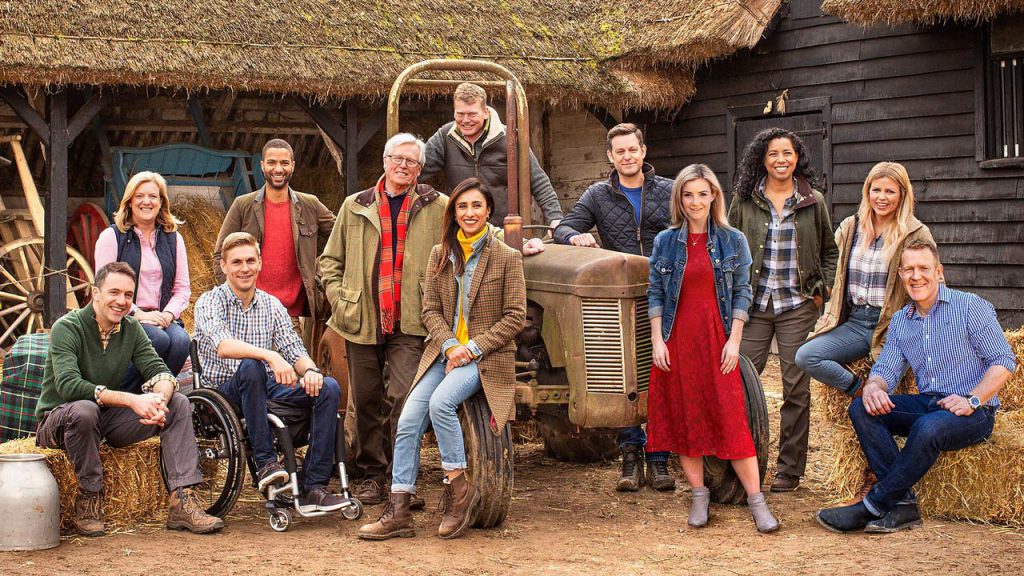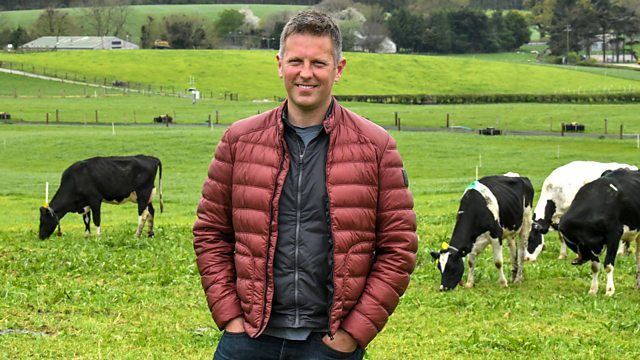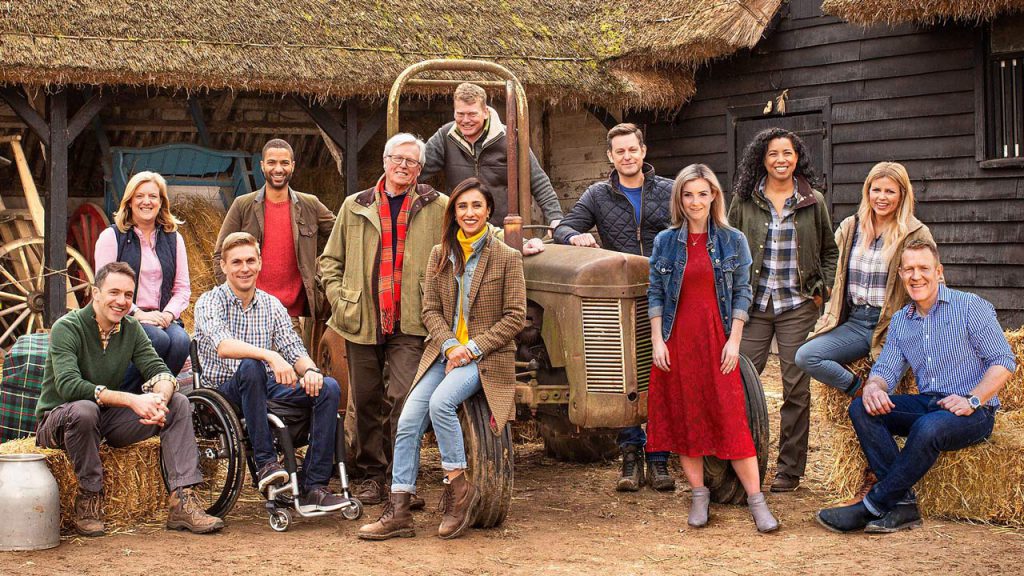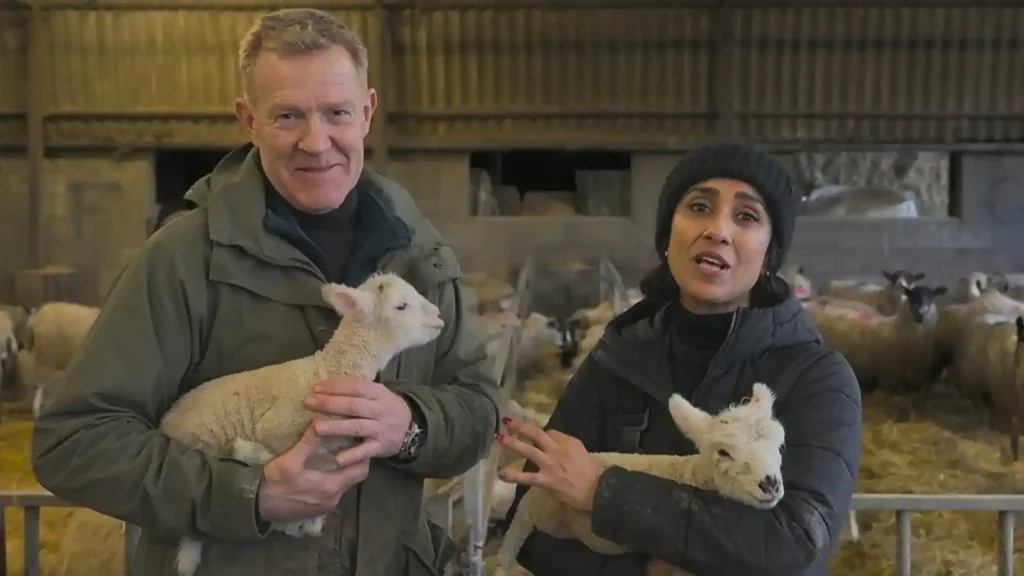
Countryfile – Lambing Special: There are few moments in agricultural life quite like lambing season. For sheep farmers across Britain, it arrives like a tide — unstoppable, urgent, and utterly transforming. Days blur into nights. Wellies rarely come off. Every small cry from a barn corner demands immediate attention. In this special edition of Countryfile, presenters Adam Henson and Anita Rani travel to Devon to witness this remarkable season firsthand. What unfolds is a portrait of dedication, nature, and the quiet rhythm of country life at its most raw and real.
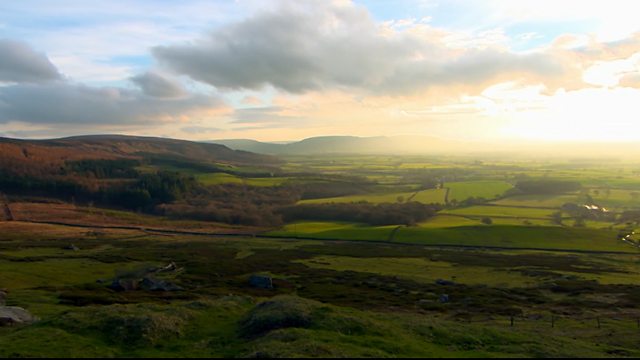
Devon is no ordinary backdrop. Its rolling hills, mild climate, and deep-rooted farming traditions make it one of Britain’s finest regions for sheep farming. The south west enjoys a near-perfect balance of conditions — enough warmth to encourage early births, enough shelter in its valleys to protect vulnerable newborns. Generations of farming families have worked this landscape, learning its moods and rhythms. When Adam and Anita arrive, they step into a world shaped by centuries of hard-won knowledge and genuine love for the land.
Long before the first lamb arrives, farmers are already deep in preparation. Scanning ewes for pregnancy is one of the earliest and most important steps. Like a quiet countdown, the results reveal how many lambs each ewe carries — and therefore how intensive the coming weeks will be. A ewe carrying triplets needs far more monitoring than one carrying a single lamb. Consequently, farmers plan their resources, their rotas, and their rest around these numbers. Countryfile follows this careful preparation with warmth and clarity, helping viewers appreciate just how much thought goes into every lambing season.
Then, almost overnight, it begins. The barn fills with noise, movement, and new life. Lambing is both thrilling and exhausting in equal measure. Each birth carries its own story. Some lambs arrive easily and are on their feet within minutes. Others need gentle coaxing, careful handling, and the steady reassurance of an experienced farmer’s hands. Adam Henson, himself a farmer at Cotswold Farm Park, brings authentic understanding to these moments. He knows instinctively when to step in and when to step back. Watching him work, it becomes clear that lambing is as much an art as it is a science.
Not every lamb gets off to a strong start. Some are rejected by their mothers. Others arrive too weak to feed independently. For these vulnerable newcomers, bottle-feeding becomes a lifeline. Farmers and their families take on round-the-clock feeding routines, warming milk, filling bottles, and coaxing reluctant lambs to drink. It is slow, tiring work — but deeply rewarding. Anita Rani captures these intimate moments beautifully throughout the Countryfile Lambing Special. Her genuine warmth draws viewers into the experience. Suddenly, country life feels personal. The connection between human and animal feels ancient, essential, and profoundly moving.
Countryfile – Lambing Special
Lambing is never a solo effort. Farmers rely on partners, family members, and seasonal helpers to get through the intense weeks ahead. Everyone has a role. Some monitor the ewes overnight. Others manage feeding schedules or track which lambs belong to which mothers. The Countryfile 2025 Lambing Special highlights this teamwork with real affection. It shows that behind every healthy lamb is a web of effort, communication, and trust. Moreover, it celebrates the unsung contributors — the children who help before school, the partners who keep the household running, the neighbours who lend a hand without being asked.
Lambing season also reminds us how closely agricultural life is woven into the wider natural world. Foxes grow bolder as the lambing fields fill. Crows circle opportunistically. Meanwhile, wildflowers begin to push through the Devon hedgerows, and birdsong grows louder with each passing day. Nature moves forward regardless. Farmers must work with it, around it, and sometimes against it. Countryfile has always excelled at showing this bigger picture — the way wildlife and farming coexist in a constant, complicated dance. This special episode is no different.
Ultimately, the Countryfile Lambing Special is a celebration. It honours the farmers who give so much of themselves to bring new life into the world each spring. It reminds us that behind every lamb chop and every woolly jumper lies a story of effort, sleepless nights, and genuine care. Whether you are a lifelong fan of country life or simply curious about where your food comes from, this episode offers something genuinely moving. Tune in — and prepare to fall a little in love with Devon, with lambing, and with the quietly heroic people who make it all happen.
Countryfile – Lambing Special
Countryfile – Lambing Special brings viewers into the heart of one of Britain’s most demanding and emotionally charged agricultural seasons, following presenters Adam Henson and Anita Rani as they travel to Devon to witness lambing firsthand. Few events in the farming calendar carry quite the same weight as lambing season. It arrives without negotiation, compressing months of anticipation into weeks of relentless, round-the-clock work. Sheep farmers across Britain rearrange their entire lives around it. Sleep becomes a luxury. Every bleat, every hesitation at a feeding trough, every newborn struggling to stand demands immediate and knowledgeable response.
Devon, with its rolling hills and long tradition of livestock farming, provides the backdrop for this special edition. The county is home to farmers who have managed sheep for generations, and their expertise is visible in every small decision they make during the season’s most critical hours. Lambing is not simply a biological event. It is a test of stockmanship, patience, and the kind of practical knowledge that cannot be acquired from books alone.
The significance of lambing extends well beyond the individual farm. Britain’s sheep industry underpins vast stretches of rural economy and cultural identity. Agricultural life in pastoral landscapes like Devon is shaped profoundly by the seasonal rhythms of livestock farming, and lambing represents the hinge point of the entire year. What happens in the lambing shed in late winter and early spring determines the viability of the flock, the financial health of the farm, and the wellbeing of the people who depend on it.
Adam Henson arrives with considerable experience of his own. He farms in the Cotswolds and understands the pressures of the season intimately. Anita Rani brings a different perspective, engaging with the realities of country life with curiosity and openness. Together, they encounter a farming community that is simultaneously exhausted and energised by what they do. The farmers they meet speak plainly about the demands placed upon them, but also about the deep satisfaction that comes from seeing a healthy lamb take its first steps.
What emerges from their time in Devon is a portrait of seasonal agricultural life at its most intense and most revealing. Countryfile – Lambing Special does not soften the edges of this world. Difficult births, fragile lambs, and the ever-present threat of loss are part of the reality. So too is the extraordinary skill brought to bear on each complication. The people who manage these flocks carry a weight of responsibility that the wider public rarely sees, and this special edition makes that responsibility visible.
The Devon farms visited during filming span different scales and approaches. Some operations are large and highly organised, with purpose-built lambing sheds and experienced teams. Others are smaller, more intimate affairs where a single farmer and their family manage everything themselves. Both models carry their own challenges, and both illuminate different facets of what lambing season demands from the people who live through it.
Across all of these farms, certain constants emerge. Preparation matters enormously. The condition of ewes going into the season, the quality of their nutrition in the weeks before birth, and the readiness of facilities all shape outcomes in ways that compound rapidly once lambing begins. Farmers who arrive at the season underprepared face cascading difficulties. Those who have planned carefully still face surprises, because livestock farming always contains an irreducible element of unpredictability.
Countryfile – Lambing Special captures this tension between preparation and unpredictability with clarity and depth. The season is a crucible in which knowledge, instinct, and sheer endurance are tested simultaneously. What follows is a thorough examination of everything that makes lambing season one of the defining experiences of British agricultural life — from the physiology of birth to the economics of the flock, from the welfare of individual animals to the culture of the farming communities that tend them.
Countryfile Lambing Special: Arriving in Devon and Meeting the Farmers
Adam and Anita arrive in Devon at a moment when the season is already well underway. The farms they visit are operating at full intensity, with ewes being monitored constantly and lambing pens filling steadily. Their hosts are experienced sheep farmers who speak with the directness of people accustomed to making quick, consequential decisions.
The farmers explain the basic shape of their lambing operation. Ewes are brought in from the fields as they approach their due dates and moved into lambing sheds where they can be watched closely. The shed environment protects newborns from the cold and wet of late winter, and it allows farmers to intervene quickly if a birth presents difficulties. Space inside the shed is allocated carefully. Individual pens allow bonding between ewes and their lambs without interference from the rest of the flock.
The scale of the operation impresses immediately. Hundreds of ewes may be cycling through the shed over the course of the season, which can last several weeks. Keeping track of each animal, monitoring progress, and responding to emergencies requires both good systems and experienced eyes. The farmers describe their daily routines with the matter-of-fact precision of people who have optimised every hour. Night checks are non-negotiable. A ewe in difficulty in the early hours of the morning receives the same attention as one struggling in the middle of the afternoon.
The relationship between the farmers and their animals is evident from the outset. These are not people who manage livestock from a distance. They handle ewes with confidence and calm, reading their behaviour with accuracy and responding accordingly. That closeness is the product of years of accumulated experience and genuine engagement with the animals in their care.
The Biology of Birth: What Happens Inside the Lambing Shed
Understanding how a lamb is born is essential to understanding what farmers are managing throughout the season. A normal birth in sheep follows a predictable pattern. The ewe shows signs of restlessness and discomfort as labour begins. The lamb is presented head-first, forelimbs extended, and in straightforward cases arrives without assistance within a manageable window of time. The ewe cleans the lamb immediately, stimulating breathing and circulation while simultaneously beginning the bonding process.
However, complications arise regularly, and their consequences can be severe. Malpresentations — positions where the lamb is oriented incorrectly — require manual intervention. A skilled farmer can correct a malpresentation and assist the birth, but the window for doing so is narrow. Delay increases risk to both the lamb and the ewe. The physical skill involved in assisting a difficult birth is considerable. Farmers must work carefully, applying the right pressure at the right moment without causing injury.
Twins and triplets add further complexity. Many commercial sheep breeds are selected for high lambing percentages, meaning multiple births are common. Twins are generally manageable, but triplets stretch the capacity of a single ewe to feed and bond with all her lambs. Farmers monitor multiple births closely and may intervene to ensure all lambs are receiving adequate colostrum in the critical first hours of life. Colostrum — the first milk produced after birth — carries essential antibodies and energy that give newborns their best chance of survival.
Hypothermia is one of the leading causes of lamb death in the early hours. Even in a shed environment, very small or weakly born lambs can struggle to maintain their body temperature. Farmers watch for the signs — a lamb that cannot stand, one that fails to seek the teat, one whose temperature drops below the threshold for normal function — and respond with warming equipment, tube feeding, or both. The difference between a lamb that survives and one that does not often comes down to how quickly a problem is identified and addressed.
Countryfile Lambing Special: The Role of Preparation and Ewe Nutrition
Long before a single lamb is born, the foundation of a successful lambing season is laid in the condition of the ewes. Farmers explain the importance of managing ewe body condition score — a measure of fat and muscle reserves — in the weeks before lambing begins. Ewes that arrive at lambing in poor condition have fewer reserves to draw on during labour and lactation. Those that are over-conditioned face different but equally serious risks, including difficulties at birth.
Nutrition in the final weeks of pregnancy is particularly critical. The lambs are growing rapidly during this period, placing increasing demands on the ewe’s nutritional intake. Farmers supplement grazing with concentrates, hay, and silage to meet those demands. The timing and quantity of supplementation requires careful judgement. Too little and the ewe cannot sustain her lambs adequately. Too much and the risks of metabolic disease increase.
Scanning plays a central role in preparation. Ultrasound scanning of ewes in mid-pregnancy reveals how many lambs each is carrying. This information allows farmers to group ewes by litter size and feed them accordingly. A ewe carrying triplets has substantially higher nutritional requirements than one carrying a single lamb, and treating all ewes identically regardless of their scanning results wastes resources and compromises welfare.
The farmers in Devon describe their scanning results and the management decisions that followed. Knowing the proportion of singles, twins, and triplets in the flock allows for precise planning of shed space, feed quantities, and staffing. Preparation, in this context, is not a vague aspiration but a detailed operational discipline that shapes outcomes throughout the season.
Managing Difficult Births and Providing Intensive Lamb Care
Even the best-prepared farm encounters difficult births. Farmers describe the range of complications they face during a typical season with the calm of people who have worked through each one multiple times. Ringwomb — a condition where the cervix fails to dilate fully — requires veterinary assistance and cannot be resolved through standard intervention. Uterine inertia, where contractions fail to progress labour, demands rapid assessment and a decision about whether to proceed with a caesarean section.
The caesarean section is performed on farm by a veterinary surgeon in cases where other interventions have failed or where the risk to the ewe is too high to attempt a manual delivery. It is a significant procedure, and recovery requires careful post-operative management. Farmers describe the relationship with their vet as essential during lambing season. The vet provides both hands-on assistance and professional guidance that farmers cannot replicate, however experienced they are.
For lambs that survive difficult births but arrive weakened, intensive care begins immediately. A warming box raises core temperature in hypothermic lambs. Tube feeding delivers colostrum directly to the stomach of a lamb that cannot suck effectively. Farmers demonstrate these techniques with the ease of long practice, explaining the physiological reasoning behind each step. The goal throughout is to bring the lamb to a point where it can feed independently and bond securely with its mother.
Fostering is another tool in the intensive care toolkit. When a ewe loses a lamb or produces more lambs than she can feed, farmers may attempt to foster an orphan or surplus lamb onto her. The process requires patience and some ingenuity. Covering the foster lamb in the skin of the ewe’s own dead lamb is a traditional method of encouraging acceptance. More modern approaches use chemical sprays to mask scent differences. Success depends on the individual ewe and the skill of the farmer managing the introduction.
Countryfile Lambing Special: Wildlife, Weather, and the Outdoor Flock
Not all lambing takes place in the shed. Some flocks, particularly those with later lambing dates that align with milder weather, lamb outdoors. The outdoor approach suits certain breeds and certain landscapes, but it introduces a different set of challenges. Predation, exposure, and the difficulty of monitoring a large flock spread across open ground all demand attention.
Wildlife encounters are part of the outdoor lambing experience in Devon. Foxes represent a persistent threat to newborn lambs, and farmers describe the measures they take to deter predation. Livestock guardian dogs are used on some farms, patrolling the field and deterring foxes through their presence. Electric fencing creates additional barriers. Frequent checks during the night reduce the window in which a vulnerable lamb is unprotected.
The weather in late winter and early spring is variable and often severe. A spell of cold, wet, and windy conditions can cause rapid deterioration in young lambs, even those born healthy and strong. Farmers monitor weather forecasts closely and make decisions about when to bring ewes indoors based on what is coming. Country life in a farming context means reading the landscape and the sky with the same attention given to the animals themselves.
Spring grass is the target that all of this effort is pointed towards. Once lambs are strong enough to go out and ewes are fully lactating, the pastures of Devon provide abundant nutrition that accelerates growth and recovery. The transition from the shed to the field marks a significant psychological as well as practical shift for the farmer. The most intense phase of the season is over, and the flock is moving towards summer.
The Economics and Welfare Dimensions of Sheep Farming
Lambing season exists within a broader economic context that shapes every decision a farmer makes. The profitability of a sheep enterprise depends on lambing percentage — the number of lambs reared per ewe put to the ram — and on the eventual sale value of those lambs at market. Every lamb lost during the season is both a welfare failure and an economic one. Farmers are acutely aware of both dimensions simultaneously.
The cost of inputs during lambing season is significant. Feed, veterinary fees, bedding, and equipment all represent expenditures that must be recovered through lamb sales. Farmers describe the financial arithmetic of their operation with candour. The margins in sheep farming are narrow, and they have been squeezed in recent years by rising input costs. Agricultural life in this context requires not only stockmanship but also careful financial management.
Animal welfare standards in British sheep farming are governed by a combination of legal requirements and industry codes of practice. Farmers describe their commitment to welfare in practical terms. Pain relief is administered during procedures. Veterinary support is sought when required. Lambs that cannot survive without ongoing intensive support face difficult decisions. The framework within which these decisions are made reflects both ethical responsibility and the realities of managing large numbers of animals.
The connection between welfare and productivity is direct. Healthy lambs that bond securely with their mothers, receive adequate colostrum, and transition smoothly to pasture grow efficiently and arrive at market in good condition. Cutting corners on welfare does not produce better outcomes economically. The farmers who take pride in their welfare standards are also, in most cases, those who achieve the best lambing percentages.
Countryfile Lambing Special: The Human Cost and Community of the Season
Behind every successful lambing season is an enormous expenditure of human effort. Farmers describe the fatigue of the season without self-pity, but also without minimising it. Six weeks of broken nights, physical labour, and constant decision-making takes a real toll. Younger farmers speak of the adaptation required when they first experienced the season’s full intensity. Older farmers describe the habits and strategies they have developed over decades to manage their own energy alongside that of their flocks.
Family involvement is common across the farms visited. Partners, children, and parents all contribute during the peak weeks. The division of labour varies by farm and by family, but the shared commitment is consistent. Country life during lambing season becomes a collective project, drawing in everyone who has a connection to the farm. This communal dimension is one of the less-visible aspects of agricultural life that Countryfile – Lambing Special brings into focus.
The neighbouring farming community also plays a role. Farmers share knowledge, equipment, and occasionally labour during the season. The exchange of information about what is working and what is not — which ewes are causing difficulty, which lambs are thriving, what the vet has advised — flows through the community continuously. This informal network of shared expertise is a resource that individual farmers draw on regularly, and it reflects a deeper culture of mutual support that characterises rural communities across Britain.
Young people entering farming face the lambing season as one of their earliest and most formative tests. Those who come through it with a clearer sense of what they are capable of — and a firmer commitment to the work — are well placed to build lasting careers in agricultural life. Those who find it overwhelming gain important information about whether sheep farming is the right path for them. Either way, the season serves as an honest introduction to the demands of the profession.
Looking Forward: The Season’s End and What Comes Next
As the lambing season draws towards its close, the character of the work shifts. The shed empties gradually as ewes and their lambs are turned out to pasture. The physical infrastructure of the season — pens, feeders, warming boxes, and the accumulated equipment of weeks of intensive work — is cleaned, maintained, and stored for the following year. Farmers carry out post-season assessments, reviewing mortality figures, identifying areas for improvement, and beginning to plan the decisions that will shape next year’s lambing.
The lambs themselves move through a series of milestones in the weeks following birth. Vaccination programmes protect against clostridial diseases and other threats. Identification tagging enables individual tracking and compliance with traceability regulations. Castration and tail docking, where performed, are carried out within strict welfare guidelines and under pain relief protocols. By mid-spring, the flock that was born in such intensity a few weeks earlier is beginning to look like a manageable group of growing animals rather than a collection of fragile, demanding newborns.
The connection between the lambing season and the wider arc of the farming year is profound. Everything that comes after — summer grazing, autumn sales, the mating season that will set up the following year’s lambing — flows from how well the spring was managed. Farmers who came through the season with strong lamb numbers and healthy ewes have options. Those who experienced significant losses face harder choices about restocking, culling, and whether the financial position of the enterprise is sustainable.
Countryfile – Lambing Special concludes its time in Devon with a sense of both the difficulty and the meaning of what has been witnessed. Agricultural life at this intensity is invisible to most of the British public. The lamb chops on a supermarket shelf carry no trace of the nights spent in a lambing shed, the hands inserted to correct a malpresentation, or the carefully judged dose of colostrum delivered at two in the morning to a lamb that would otherwise not have survived.
Making that invisible work visible is one of the most valuable things that a programme like Countryfile – Lambing Special can do, and in Devon, with farmers who speak honestly and work with evident skill, it does exactly that.
FAQ Countryfile – Lambing Special
Q: What is the Countryfile Lambing Special and where was it filmed?
A: The Countryfile Lambing Special is a dedicated edition of the BBC programme Countryfile, filmed in Devon. Presenters Adam Henson and Anita Rani visit working sheep farms to document lambing season firsthand. The programme follows farmers through the most intense weeks of their agricultural year, capturing both the challenges and rewards of bringing new lambs into the world.
Q: When does lambing season typically take place on British sheep farms?
A: Lambing season generally runs from late winter into early spring, though the exact timing varies by breed and farm management system. Farmers time lambing to align with the arrival of spring grass, which supports lactating ewes. Some flocks lamb indoors in February; others lamb outdoors in April when milder weather reduces the risk to newborns.
Q: Why do farmers bring ewes indoors during lambing season?
A: Farmers house ewes in lambing sheds to protect newborn lambs from cold, wet, and windy conditions. Indoor lambing also allows farmers to monitor each ewe closely and intervene quickly if complications arise. Individual pens within the shed support bonding between a ewe and her lambs without interference from the rest of the flock. This controlled environment significantly improves survival rates.
Q: What role does colostrum play in lamb survival?
A: Colostrum is the first milk a ewe produces after birth, and it is critical to lamb survival. It delivers essential antibodies, energy, and nutrients that newborns cannot obtain any other way. Lambs that fail to feed within the first hours of life face serious risk of hypothermia and infection. Farmers tube-feed colostrum directly to lambs that cannot suck effectively, giving them the best possible start.
Q: How do farmers manage ewes carrying twins or triplets?
A: Ultrasound scanning in mid-pregnancy reveals how many lambs each ewe carries. Farmers group ewes by litter size and adjust their nutrition accordingly. A ewe carrying triplets requires substantially more feed than one carrying a single lamb. Additionally, triplet births often mean one lamb cannot be adequately fed by its mother, so farmers may foster surplus lambs onto ewes that have lost their own.
Q: What complications can occur during lambing and how are they treated?
A: Common complications include malpresentation, where the lamb is positioned incorrectly, and ringwomb, where the cervix fails to dilate. Experienced farmers correct malpresentations manually, but conditions such as ringwomb require veterinary assistance. In severe cases, a veterinary surgeon performs a caesarean section on the farm. Furthermore, hypothermia in weakly born lambs is treated using warming boxes and tube feeding to restore body temperature quickly.
Q: How do farmers protect outdoor lambing flocks from predators and bad weather?
A: Foxes pose a persistent threat to newborn lambs during outdoor lambing. Farmers use livestock guardian dogs, electric fencing, and regular night-time checks to reduce predation. Weather monitoring is equally important. A sudden cold or wet spell can rapidly weaken young lambs. Farmers track forecasts carefully and bring vulnerable ewes indoors before severe conditions arrive, protecting both animals and their investment in the season.
Q: What is fostering and when do sheep farmers use it?
A: Fostering involves encouraging a ewe to accept and raise a lamb that is not her own. Farmers use it when a ewe loses her lamb or produces more lambs than she can feed. One traditional method covers the foster lamb in the skin of the ewe’s dead lamb to encourage acceptance through scent. Modern chemical sprays also help mask differences. However, success depends on the individual ewe and the farmer’s patience.
Q: How does ewe nutrition before lambing affect the season’s outcome?
A: Ewe body condition in the weeks before lambing directly shapes the season’s success. Ewes in poor condition lack the reserves needed for labour and milk production. Conversely, over-conditioned ewes face increased risk of difficult births. Farmers supplement grazing with concentrates, hay, and silage during late pregnancy to meet rising nutritional demands. Precise feeding, informed by scanning results, reduces metabolic disease and supports healthier, stronger lambs at birth.
Q: What happens on a sheep farm after the lambing season ends?
A: Once lambing concludes, ewes and lambs move to pasture where spring grass accelerates growth and recovery. Farmers vaccinate lambs against clostridial diseases, apply identification tags for traceability, and carry out welfare procedures under strict guidelines. Equipment is cleaned and stored for the following year. Farmers also review mortality figures and lambing percentages to identify improvements. These post-season assessments directly inform decisions about nutrition, breeding, and flock management for the year ahead.