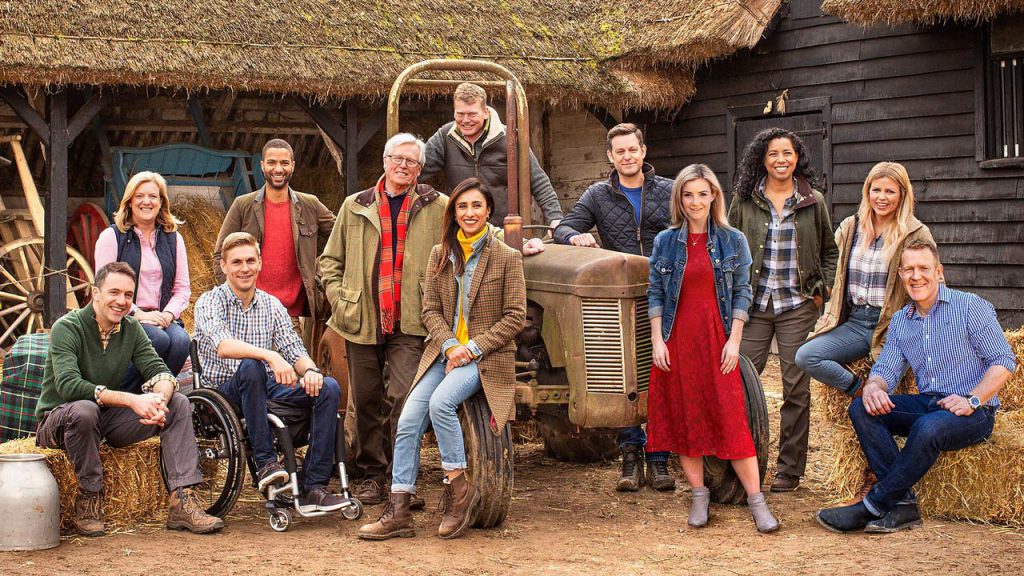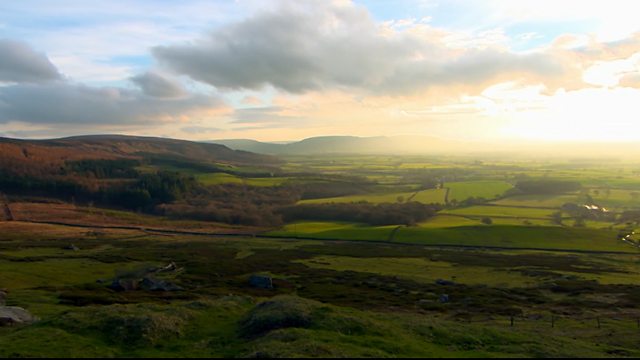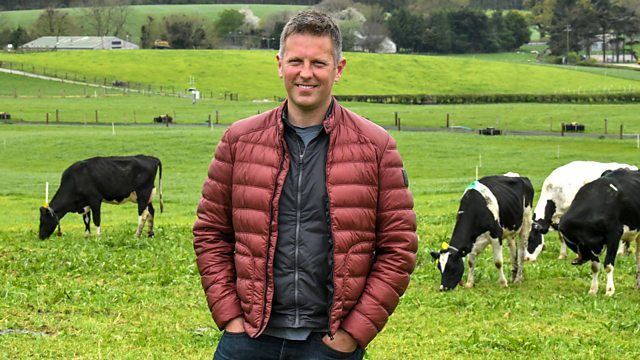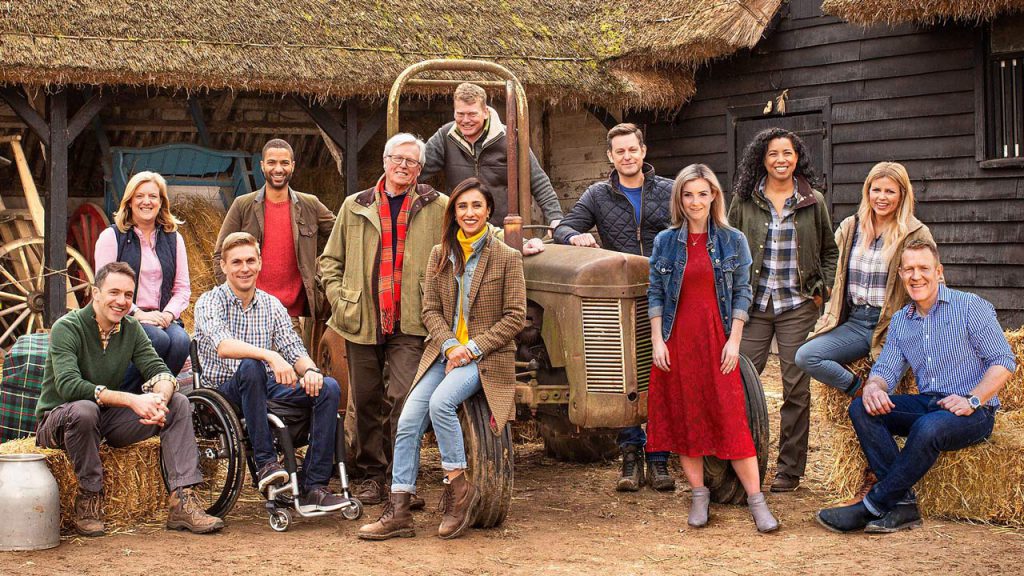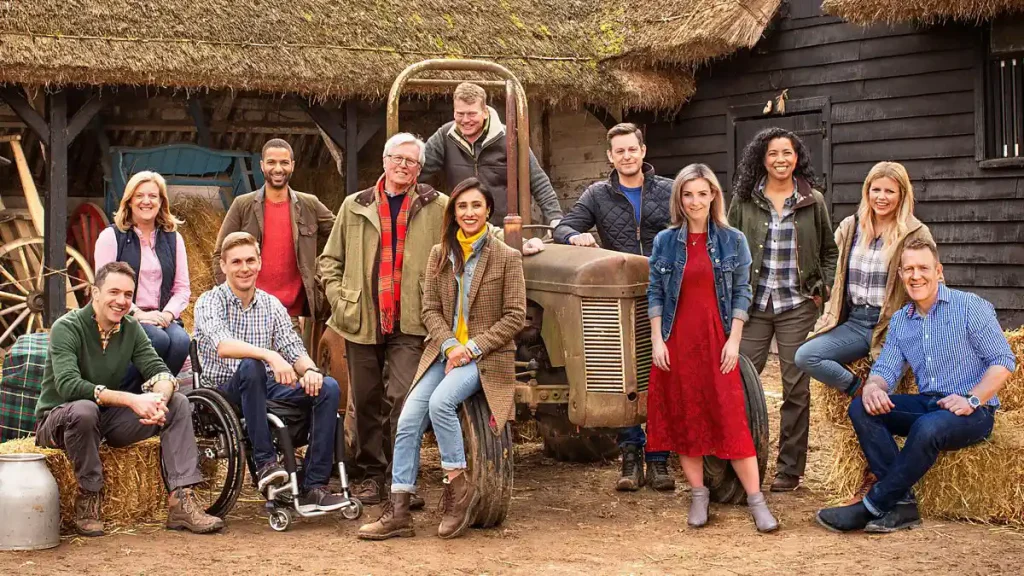
Northumberland stands as a majestic testament to the raw beauty of the British Isles. In this captivating episode of Countryfile, we journey to the frozen north. The winter sun hangs low in the sky like a pale gold coin. Consequently, frost coats the rolling hills, turning the vast countryside into a sparkling masterpiece. Matt Baker and Margherita Taylor lead us through this quiet, icy kingdom. They seek a fresh start for the coming year. Indeed, they find a landscape that breathes life back into the soul.
Many people view winter as a season of hibernation. However, the resilient residents of Northumberland see it as a vibrant new beginning. This episode explores the profound concept of a new year reset. Because of the crisp air, every breath feels like a cold, cleansing drink. Matt and Margherita walk across the crunchy grass to meet local heroes. These people do not fear the biting wind. Instead, they embrace the chill to find peace. This deep connection to countrylife provides a unique sense of clarity.
The duo starts their journey by meeting volunteers who thrive in the frost. These individuals spend their mornings tending to the land. For instance, they clear paths and manage ancient woodlands. They believe the cold weather sharpens the mind. Furthermore, the physical work builds a strong sense of community. Each person shares a common goal of preservation. Therefore, the freezing temperatures become a secondary thought to their shared purpose.
As they walk, Matt and Margherita discuss the importance of mental health. They find that nature acts as a natural balm for stress. Specifically, the stillness of the Northumberland woods offers a rare silence. You can hear the distant call of a bird or the snap of a twig. This environment encourages a slower pace of life. Consequently, the presenters find themselves energized by the very environment others might avoid. They show us that the countryside is open for business all year round.
Our journey continues as we focus on the incredible wildlife of the region. Northumberland is a sanctuary for species that endure the harshest conditions. For example, the team meets enthusiasts who monitor rare winter birds. These volunteers track the movements of creatures that call the moors home. They explain how the ecosystem survives when the ground turns to iron. Because of their hard work, we gain a deeper understanding of nature’s resilience.
Interestingly, the winter season reveals secrets that the summer hides. You can see tracks in the snow that tell stories of survival. The wildlife experts show Matt how to identify these tiny clues. Moreover, they discuss the challenges of habitat loss in the modern world. We learn that every hedge and stream plays a vital role. Consequently, the show highlights the delicate balance of our natural world. Protecting these spaces ensures that future generations can enjoy the same wonders.
Meanwhile, the episode takes a more investigative turn with Tom Heap. He dives into the heated debate surrounding public access to rivers and lakes. Currently, many of our beautiful waterways remain off-limits to the public. Tom explores the calls for greater freedom to roam and swim. He speaks with campaigners who believe water is a shared human right. However, he also listens to the concerns of private landowners. This conflict creates a complex puzzle for the British countryside.
Access rights often vary significantly across different regions. For instance, Scotland has much more open laws than England. Tom investigates why these legal differences exist today. He walks along riverbanks that are currently blocked by fences. Because of these barriers, many people feel disconnected from their local environment. On the other hand, landowners worry about litter and environmental damage. Therefore, finding a middle ground is essential for the future of outdoor recreation.
Countryfile – Northumberland
From the Farm to the Podium
The scene then shifts as Adam Henson travels north to Stirlingshire. He visits a local farming family with a truly extraordinary story. One of their own is preparing for the ultimate challenge. This farmer is not just tending to livestock this winter. Instead, they are training to compete for Team GB in the Winter Olympics. Adam explores the incredible discipline required to balance these two worlds. It is a tale of grit, mud, and Olympic gold.
The daily routine on a farm is grueling enough on its own. Imagine adding elite athletic training to that schedule. For example, the athlete might move heavy hay bales before a morning run. Consequently, their physical strength is built on the foundation of hard manual labor. Adam watches as they prepare for the world stage. This segment highlights the versatile nature of people in the farming industry. It proves that the skills learned on the land can lead to global success.
The Heartbeat of Countrylife
Throughout the episode, the theme of community remains a central pillar. We see how neighbors support one another through the darkest months. Whether it is sharing equipment or checking on livestock, the bond is unbreakable. This spirit defines the essence of countrylife in the United Kingdom. It is about more than just land; it is about the people. Because they face the elements together, they forge a unique and lasting strength.
The landscapes of Northumberland serve as the perfect backdrop for these stories. The hills look like sleeping giants under their white blankets. Furthermore, the light at dusk turns the horizon into a purple bruise. It is a hauntingly beautiful sight that stays with the viewer. Matt and Margherita remind us to look for beauty in the small things. For instance, a frozen spiderweb can look like a work of fine art. These moments of wonder are what make the countryside so special.
A Season for Reflection
As the episode draws to a close, we reflect on the lessons learned. Winter is not a time to stay indoors and wait for spring. Instead, it is a time to engage with the world in a different way. The volunteers in Northumberland show us the power of action. Tom Heap reminds us to value and fight for our natural resources. Finally, the Olympic farmer demonstrates that no dream is too big. Consequently, the viewer feels a sense of renewed hope.
The new year reset is about finding what truly matters. For many, that means returning to the roots of the land. Farming and conservation are the lifeblood of our rural areas. By supporting these industries, we protect the heart of our nation. Moreover, we find our own place within the grand cycle of the seasons. The episode leaves us with a feeling of deep gratitude for the wild places left in our care.
Embracing the Future
Finally, we look forward to what the coming months will bring. While the ground is currently frozen, life is stirring beneath the surface. The wildlife is already preparing for the change in temperature. Similarly, the farmers are planning their crops for the year ahead. This constant motion keeps the countryside vibrant and evolving. We are invited to be a part of this journey. Therefore, let us step out into the cold and find our own energy.
Northumberland has provided a spectacular setting for this exploration. Its rugged coastlines and deep forests are national treasures. Because of shows like Countryfile, we can experience these places from our living rooms. However, nothing beats the feeling of the wind on your face. We are encouraged to explore our local paths and discover new sights. In conclusion, the winter landscape is a gift waiting to be unwrapped.
Countryfile – Northumberland
The latest episode of Countryfile – Northumberland explores the majestic winter landscape of Northern England. The winter sun hangs low in the sky like a pale gold coin, casting long shadows over the frost-coated hills. Margherita Taylor and Matt Baker guide us through this quiet, icy kingdom as the new year begins. This period serves as a significant time for a reset, drawing visitors to the wide open spaces and dramatic woodland walks. Northumberland stands as a unique county that offers a blend of tranquility and invigorating outdoor community activities.
The vast countryside of this region remains a stone’s throw away for many residents. Much of the large county consists of open moorland, providing a sense of freedom and calm. Within its borders lies the 100,000 hectares of the Northumberland National Park. This park serves as a sanctuary for those looking to embrace the cold and find mental clarity. The program highlights how these spaces foster a sense of belonging during the coldest months of the year.
Nature enthusiasts find great value in the wildlife encounters offered by Countryfile – Northumberland. The region provides a rare chance to see species that have largely disappeared from other parts of the country. Winter walks through these forests reveal magical moments for those willing to brave the bracing air. This specific environment supports delicate ecosystems that require careful management and public awareness. Consequently, local conservationists work tirelessly to protect the native inhabitants of these woods.
Matt Baker notes that it is often tempting to hibernate during January. However, the invigorating atmosphere of the Northumberland National Park encourages people to leave their homes. The landscape features a mix of high-ground moorland and dense conifer blocks. These areas offer perfect conditions for a seasonal reset. The episode emphasizes that the countryside remains open for all to enjoy, regardless of the physical challenges they might face.
The exploration of Countryfile – Northumberland focuses on the theme of a fresh start. This theme resonates through the various community projects and individual achievements showcased in the episode. Whether it involves monitoring rare species or training for global athletic competitions, the county provides a backdrop for perseverance. The rugged terrain and unpredictable weather sharpen the resolve of those who live and work here. Therefore, the region serves as an ideal setting for investigating how the outdoors can transform lives.
The transition into the heart of the winter season brings both beauty and practical difficulties. Farmers and rangers must maintain their routines despite the freezing temperatures and short daylight hours. This dedication ensures that the land remains productive and the wildlife stays protected. The following sections examine the specific efforts made by volunteers and professionals to enhance this environment. They reveal a community deeply connected to its surroundings and committed to shared goals.
The rhythm of life in the north depends on a balance between human activity and environmental preservation. Many residents find that the isolation of the hills provides a necessary contrast to modern life. This connection to nature supports mental health and physical wellbeing during the challenging winter months. Meanwhile, technological advancements are making these experiences more accessible to a wider audience. This balance of tradition and innovation defines the modern character of the rural north.
The final segments of the introductory overview set the stage for a detailed look at local initiatives. From the depths of the forest to the peaks of the mountains, the episode captures the essence of the region. It highlights the importance of volunteering and the power of the human-animal bond. These stories collectively illustrate why this county remains a jewel in the crown of the British countryside. We now turn to the specific conservation efforts that define the start of the year in the northern woods.
The critical preservation of native red squirrel populations
Northumberland remains one of the few places in England where the red squirrel continues to cling to survival. As the only native squirrel species in the United Kingdom, its presence signifies a healthy forest ecosystem. While strongholds exist in Scotland and Ireland, only a handful of locations in England and Wales still host these elusive creatures. The project known as Red Squirrels Northern England works diligently to protect the species from further decline. Project officer Abbie McQueen and ranger Gary Jefferson lead efforts to monitor these populations with the assistance of Bruno, a specially trained dog.
The struggle for survival stems primarily from the dominance of the invasive grey squirrel. Greys outcompete the native reds for food resources in several significant ways. Specifically, grey squirrels can eat seeds and nuts before they have fully ripened. Red squirrels cannot consume these unripe food sources because they contain high levels of tannins, which are difficult for the native species to digest. This dietary advantage allows greys to deplete food supplies before reds can even begin feeding. Furthermore, the grey squirrel acts as a carrier for the devastating squirrelpox virus.
The virus represents the most significant threat to the native population. While grey squirrels are asymptomatic and do not become ill, they pass the virus to red squirrels. Once infected, a red squirrel will unfortunately die within two weeks. This rapid mortality rate has decimated red squirrel populations across southern England. However, the large conifer blocks in Northumberland, such as Kielder and Harwood Forest, act as a sanctuary. Red squirrels prefer the smaller seeds found in cones, whereas greys gravitate toward the larger food sources provided by hardwood trees like beech and oak.
Rangers utilize specific visual cues to distinguish between the two species during their winter searches. Red squirrels are notably smaller, often half the size of their grey counterparts. While they are usually red, some can appear greyish, making identification tricky. A definitive indicator for the native species is the presence of prominent ear tufts. Conversely, grey squirrels often have a distinct white halo around the outside of their tails, creating a two-tone effect. Identifying these signs helps volunteers track the movement and health of the remaining populations.
Technological advancements featured in Countryfile – Northumberland
Protecting wildlife in the modern age requires more than just traditional woodcraft. Ian Glendinning, a retired police officer, uses his surveillance skills to manage the Coquetdale Red Squirrel Volunteer Group. He has established a sophisticated network of approximately 40 cameras and feeders across the region. This system allows for the monitoring of the endangered species without human presence causing a disturbance. The footage from these cameras is transmitted directly to a mobile application, allowing volunteers to observe squirrel activity in real-time from anywhere in the world.
This technological approach serves a dual purpose by bringing active conservation to those who cannot physically access the woods. Individuals who are housebound or have limited mobility can participate in data recording and daily monitoring. This inclusivity expands the volunteer base and fosters a global community of nature protectors. Ian Glendinning emphasizes the necessity of moving with the times to ensure the survival of rare species. The project demonstrates how digital connectivity can bridge the gap between urban life and the remote wilderness.
The program also explores the use of virtual reality to enhance the connection between people and nature. By using a specialized headset, individuals can be transported into a high-definition world of squirrels. This immersive experience allows users to follow the creatures as they climb trees and interact with their environment. Matt Baker describes the experience as incredible, noting that it feels as though the squirrels are right up close. This technology has the potential to provide therapeutic benefits to those unable to experience the Northumberland National Park in person.
The VR project currently remains in an experimental stage, but the team is actively seeking funding to expand its reach. The goal is to make these immersive nature experiences freely available to everyone. Such initiatives help to build an emotional connection to the natural world, which is vital for long-term conservation support. By bringing the great outdoors inside, the project ensures that the beauty of the northern forests remains accessible. This innovative use of technology highlights the forward-thinking nature of local environmental groups.
Therapeutic benefits of equestrian activities for the disabled
In the eastern part of the county, the Morpeth Riding for the Disabled Association provides life-changing opportunities through horsemanship. This organization, often referred to as the RDA, ensures that the countryside remains open to everyone. It caters to both children and adults with physical or learning disabilities, sensory differences, and neurodiversity. For many participants, getting into the saddle is more than just a hobby; it represents a profound sense of freedom. The bond between the rider and the horse offers therapeutic benefits that extend far beyond the riding arena.
Volunteers play a crucial role in the success of the RDA, with many dedicating decades to the cause. Pauline, a long-term volunteer, has been involved with the organization for over 30 years. She explains that the volunteers often get as much out of the sessions as the participants themselves. Being around the horses provides a sense of relaxation and allows volunteers to disconnect from the stresses of daily life. This mutual benefit creates a strong sense of community and shared purpose among everyone involved at the center.
The physical benefits of riding are significant for participants with conditions like cerebral palsy. Care worker Robert explains that riding helps to improve hand-eye coordination and core strength. Furthermore, the activity requires intense focus, which helps riders like Derek develop their concentration skills. Derek has successfully transitioned from casual riding to competitive dressage, recently winning first place in a regional championship. This achievement allowed him to compete at the national level at Hartpury, providing him with immense pride and a sense of accomplishment.
There are nearly 450 RDA centers across the country, supporting approximately 39,000 participants. Andrea Foote, an official with the organization, explains that the success of the program is primarily due to the horses. The animals have a calming influence and enable riders to feel empowered and happy. Seeing a child succeed and win a rosette brings immense joy to both parents and volunteers. The Morpeth center exemplifies how outdoor activities can foster inclusivity and boost the wellbeing of the entire community.
The agricultural foundations of elite curling performance
The winter season in the north is also a time for traditional sports that require immense physical and mental toughness. Adam Henson visits a farm outside Edinburgh to meet Sophie Sinclair, an elite athlete and member of Team GB’s curling squad. Sophie attributes much of her success on the ice to her upbringing on a 100-acre family farm. The routine of early starts, heavy lifting, and mucking out provides the conditioning necessary for a world-class athlete. This work ethic is a family trait, shared by her brother George, her father John, and her grandmother.
Curling has deep roots in the agricultural community, particularly in Scotland. Historically, the game was played on frozen lochs and ponds during the winter months when farm work was less intensive. Even today, many farmers participate in the sport as a social activity during the colder part of the year. Sophie explains that gym exercises like the farmer’s carry, which involves carrying heavy weights in each hand, are directly related to farm labor. This core strength is essential for the precise movements required to slide a granite stone down the ice.
The sport involves a high degree of strategy and teamwork, mirroring the collaborative nature of farm life. Sophie’s team includes fellow athletes Rebecca Morrison, Sophie Jackson, and Jennifer Dodds, who is a reigning Olympic champion. They train at the National Curling Academy in Stirling, turning their natural graft into elite performance. The process of sweeping the ice is particularly physically demanding. Sweeping heats the surface, allowing the stone to travel further or curl more effectively depending on the angle used.
The episode also touches on the folklore surrounding the sport, specifically the origin of the term hog line. This is the line that players must release the stone before crossing. While a popular myth suggests it was named after pig tracks on a frozen lake, the true origin of the term has been lost over time. Regardless of its history, the game remains a testament to the resilience and competitive spirit of the rural community. Sophie’s journey to the Winter Olympics highlights how the challenges of the farm set the stage for success at the highest level of international sport.
Ecological restoration efforts in Countryfile – Northumberland
The rugged terrain of the Hepple Whitefield estate serves as a primary site for ambitious wilding projects. This 4,000-acre area is located within the Northumberland National Park and has been managed sympathetically for many years. Ecologist Richard Thompson oversees the transition from traditional farming to a more natural, wild approach. Since 2020, the estate has focused on creating a landscape where animals move with greater freedom. This process involves the systematic removal of old fence lines that once segregated the land into smaller, traditional fields.
The reintroduction of specific livestock breeds is central to this ecological recovery. Herds of Exmoor ponies and Longhorn cattle, along with some pigs, now roam across the landscape. These animals act as essential seed vectors, transporting plant life across the estate in their fur or through their digestive systems. By dismantling the fences, the project allows these natural processes to occur without human-made barriers. Consequently, the biodiversity of the area has increased, providing a richer habitat for species such as curlew, red grouse, and lapwing.
Volunteering plays a vital role in the physical labor required for this transformation. Phil Burns, a retired academic, finds that the hard physical work of dismantling fences provides significant mental health benefits. He notes that working outdoors keeps the mind active and offers a rewarding sense of accomplishment. The project demonstrates how human intervention can be used to step back and let nature take the lead. This wilder landscape is not only beneficial for wildlife but also provides a unique space for people to connect with the raw beauty of Countryfile – Northumberland.
Youth-led organizations are also making a significant impact on the recovery of specific plant species. Lekshmi Vijay and Lyze Bell from the Youngwilders group focus their efforts on the restoration of juniper trees. Juniper is one of only three native conifer species in Britain but is currently in decline across the United Kingdom. It is a structurally strong plant that provides essential shelter and food in harsh upland environments. However, juniper saplings often struggle to survive due to overgrazing by rabbits and sheep.
The volunteers collect ripe, dark blue juniper berries to extract and process their seeds. These seeds are grown in a plant nursery for approximately four years until the saplings are hardy enough to be planted back into the wild. This helping hand ensures that the trees can become self-sustaining in the outdoors. The commitment of these young volunteers highlights a growing passion for nature recovery among the next generation. Their work ensures that the botanical heritage of the region remains intact for the future.
Contested access rights for inland rivers and lakes
While access to solid ground has improved over the last 25 years, the right to access inland waterways remains a subject of intense debate. Tom Heap investigates the legal complexities surrounding rivers, lakes, and reservoirs in England and Wales. Currently, access to these waters is not covered by the Countryside and Rights of Way Act. This lack of clear legislation means that swimming or paddling without a landowner’s permission can constitute a civil offense of trespass. In contrast, Scotland provides a statutory right to responsible access for all its waterways.
The organization Paddle UK, which represents 75,000 members, argues that only a tiny fraction of rivers in England are legally open to the public. Ben Seal from the group explains that paddlers often face hostility and challenges when trying to use local rivers. They are calling for a clear legal right of access to provide certainty and prevent conflict. However, the fishing community expressed significant concerns regarding a universal right to roam on water. Jamie Cook from the Angling Trust argues that 365-day access could negatively impact fragile aquatic ecosystems.
Anglers often pay for specific fishing rights and follow a licensing system that has been established for over a century. They believe that voluntary access agreements made at a local level are a more effective way to manage the water. These agreements allow for the protection of spawning fish and sensitive birdlife during critical times of the year. Conversely, swimmers and paddlers feel that they are being unfairly discriminated against. Imogen Radford from the Outdoor Swimming Society describes the current legislation as muddled and unclear, leading to confusion for both the public and landowners.
The debate also involves the safety and cleanliness of designated bathing sites. There are fewer than 500 such sites in England, and most are located along the coast where public access is already granted. Of the 14 river sites monitored for cleanliness, very few meet the minimum safety standards. This limitation forces many wild swimmers into unauthorized areas. Tricia McCosker of the Bluetits swimming community highlights how public swimming spots are essential for those who cannot afford private club fees. She emphasizes the mental and physical joy found in cold water swimming.
Landowners and farmers represented by the Country Land and Business Association suggest an alternative approach. Andrew Gillett proposes using Environmental Land Management Schemes to reward farmers who voluntarily open their waters to the public. This would provide landowners with a small annual payment in exchange for allowing managed access. Such a system would balance the public’s desire for outdoor recreation with the need to protect sensitive ecological and economic sites. The government is currently exploring the feasibility of increasing access to unregulated waters through public consultations.
Historical evolution and modern tactics in Countryfile – Northumberland
The Northumberland National Park Mountain Rescue Team serves as a vital safeguard for those exploring the rugged northern terrain. This year marks the 60th anniversary of the team, which was founded following a tragedy in 1962. During the Big Freeze of that year, two shepherds were caught in a fierce snowstorm and lost their lives. This event moved local volunteers to take action and create a formal rescue organization. Today, the team consists of approximately 50 operational members who are on call 24 hours a day.
The volunteers come from various professional backgrounds, bringing a wide range of skills to the team. Team leader Jamie Patterson is a paramedic by trade and also works for the Coastguard helicopter. He notes that the heights of the county can be incredibly unforgiving, especially during the winter. During the Beast from the East storm, the team spent 24 hours extricating people from cars trapped in deep snow drifts. This dedication to public safety is a hallmark of the organization’s long history.
Modern mountain rescue relies heavily on advanced technology to locate casualties in the dark. Drone pilot Carl Hamilton demonstrates how thermal imaging cameras have revolutionized search operations. The drones use white-hot imaging to identify the heat signatures of people against the cold background of the moorland. This allows the team to pinpoint a person’s location from a significant distance. Once a casualty is found, the drone provides a ten-figure grid reference, allowing the ground team to move in quickly and provide medical assistance.
The ground teams undergo rigorous training to ensure they can operate effectively in pitch-black conditions. Ninette Edwards, the deputy team leader, explains that searching in the dark requires a specific technique. Volunteers must frequently stop and look behind them to see the terrain from a different perspective. Once a casualty is reached, the team must perform a medical check and secure the person on a stretcher for transport. This process often involves using ropes for protection on steep or slippery ground.
The 60-year history of the team reflects the enduring spirit of volunteerism in Countryfile – Northumberland. The founders would likely be proud of how the organization has evolved to include cutting-edge technology and a highly trained membership. This service remains essential as more people venture into the wilds of the north for adventure and exercise. The team ensures that help is always available, even in the most remote and challenging environments. Their work provides the safety net that allows the public to explore the countryside with confidence.
As the week ahead approaches, the weather forecast suggests a shift toward milder temperatures across the United Kingdom. The arctic air that dominated the region is being swept away by a system from the west. This change will likely bring the first frost-free nights of the year, although it also increases the risk of rain and blustery winds. Temperatures are expected to reach double figures in many areas, providing a temporary reprieve from the deep freeze. However, low-pressure systems may bring heavy showers and the potential for flooding in some parts of the country.
The exploration of the northern landscape during winter reveals a county of contrasts and community strength. From the silent forests where red squirrels hide to the competitive ice of the curling rink, the region is full of life. The efforts of volunteers in conservation, therapy, and rescue ensure that the land and its people thrive. Countryfile – Northumberland captures these stories of resilience and a fresh start, proving that the winter months can be a time of great inspiration. Whether through technology or tradition, the connection to the landscape remains the heart of the northern experience.
The program concludes with a sense of gratitude for those who support rural charities and community initiatives. The 2026 calendar has already raised over 1.7 million pounds for Children in Need, demonstrating the public’s deep affection for the countryside. This support enables the continued work of organizations like the RDA and various wildlife projects. As the new year unfolds, the beauty of the northern hills remains a constant source of wonder. The commitment to preserving this majestic landscape ensures that it will be enjoyed for generations to come.
FAQ Countryfile – Northumberland
Q: What makes Northumberland an ideal destination for a winter reset?
A: Northumberland offers a unique combination of vast open moorlands, dramatic woodland walks, and the expansive 100,000-hectare Northumberland National Park. Consequently, the frost-coated hills and crisp winter air provide a natural setting for mental clarity and physical rejuvenation. The county’s remote location ensures tranquility, while its accessible trails welcome visitors seeking a fresh start. Furthermore, local community projects and conservation efforts create meaningful opportunities for engagement during the coldest months.
Q: Why are red squirrels endangered in England, and how does Northumberland help protect them?
A: Red squirrels face two primary threats from invasive grey squirrels. First, greys consume unripe seeds and nuts that reds cannot digest due to high tannin levels, effectively depleting food sources before the native species can feed. Additionally, grey squirrels carry the deadly squirrelpox virus, which kills red squirrels within two weeks of infection. Northumberland’s large conifer blocks, such as Kielder and Harwood Forest, provide sanctuary habitats where red squirrels thrive. Project officer Abbie McQueen and ranger Gary Jefferson monitor populations using advanced camera networks and specially trained detection dogs.
Q: How does technology enhance wildlife conservation efforts in the region?
A: Ian Glendinning, a retired police officer, established a sophisticated network of approximately 40 cameras and feeders across Northumberland to monitor red squirrel populations. This system transmits footage directly to a mobile application, allowing volunteers worldwide to observe squirrel activity in real-time without disturbing the animals. Moreover, virtual reality technology offers immersive experiences that transport housebound individuals into high-definition forest environments. These innovations expand the volunteer base significantly, enabling people with limited mobility to participate actively in conservation data recording and species monitoring efforts.
Q: What therapeutic benefits does the Morpeth Riding for the Disabled Association provide?
A: The RDA offers life-changing equestrian opportunities for individuals with physical disabilities, learning differences, sensory challenges, and neurodiversity. Riding improves hand-eye coordination, core strength, and concentration skills through the physical demands of controlling a horse. For example, participant Derek successfully transitioned from casual riding to competitive dressage, winning first place at a regional championship. The bond between rider and horse provides profound therapeutic benefits, fostering empowerment and happiness. Nearly 450 RDA centers nationwide support approximately 39,000 participants, demonstrating the widespread impact of this inclusive program.
Q: How does farm life prepare athletes for elite curling competitions?
A: Sophie Sinclair, a Team GB curling athlete, attributes her Olympic-level performance to her upbringing on a 100-acre family farm near Edinburgh. The routine of early starts, heavy lifting, and mucking out provides exceptional physical conditioning necessary for world-class competition. Specifically, exercises like the farmer’s carry, which involves carrying heavy weights in each hand, directly mirror farm labor and build essential core strength. Furthermore, the collaborative nature of farm work translates seamlessly to curling’s strategic teamwork requirements. This agricultural foundation has historically connected Scottish farmers to the sport, which was traditionally played on frozen lochs during winter’s quieter farming periods.
Q: What are wilding projects, and how do they benefit Northumberland’s ecosystem?
A: Wilding projects involve transitioning traditional farmland to a more natural state by removing old fence lines and reintroducing specific livestock breeds. The 4,000-acre Hepple Whitefield estate employs Exmoor ponies, Longhorn cattle, and pigs as essential seed vectors that transport plant life across the landscape. Consequently, this approach increases biodiversity and creates richer habitats for species such as curlew, red grouse, and lapwing. Ecologist Richard Thompson oversees this ambitious transformation, which began in 2020. Additionally, volunteers like retired academic Phil Burns find significant mental health benefits in the physical labor required to dismantle fencing and restore the wild character of the land.
Q: Why is juniper restoration important in the Northumberland National Park?
A: Juniper represents one of only three native conifer species in Britain but faces serious decline across the United Kingdom. This structurally strong plant provides essential shelter and food in harsh upland environments where few other species survive. However, juniper saplings struggle due to overgrazing by rabbits and sheep, preventing natural regeneration. Youth-led organizations like Youngwilders collect ripe juniper berries, extract their seeds, and nurture saplings for approximately four years in plant nurseries. This intervention ensures the trees become hardy enough to thrive when replanted in the wild. Such dedication preserves the botanical heritage of the region for future generations.
Q: What are the current legal restrictions on accessing rivers and lakes in England?
A: Unlike Scotland, which grants statutory right to responsible access for all waterways, England and Wales lack clear legislation protecting inland water access. Swimming or paddling without landowner permission constitutes civil trespass under current law. Paddle UK, representing 75,000 members, argues that only a tiny fraction of rivers are legally open to the public. However, the fishing community expresses concerns that universal access could damage fragile aquatic ecosystems during critical spawning periods. The Angling Trust advocates for voluntary local agreements rather than blanket access rights. Meanwhile, wild swimmers face confusion due to fewer than 500 designated bathing sites nationwide, with most located along the coast.
Q: How does the Northumberland National Park Mountain Rescue Team operate?
A: Founded in 1962 following a tragic snowstorm that claimed two shepherds’ lives, the team now comprises approximately 50 operational volunteers available 24 hours daily. Team leader Jamie Patterson, a paramedic and Coastguard helicopter worker, emphasizes the unforgiving nature of winter conditions in the county. Modern operations employ thermal imaging drones that identify heat signatures against cold moorland backgrounds, providing ten-figure grid references for rapid ground team deployment. Drone pilot Carl Hamilton demonstrates how white-hot imaging revolutionizes nighttime searches. Additionally, ground teams undergo rigorous training in darkness navigation techniques, medical assessment, and rope-assisted stretcher transport across challenging terrain.
Q: What community initiatives support rural charities in Northumberland?
A: The Countryfile 2026 calendar has raised over 1.7 million pounds for Children in Need, demonstrating the public’s deep affection for countryside conservation efforts. These funds enable the continued work of organizations like the Riding for the Disabled Association and various wildlife protection projects. Long-term volunteers, such as Pauline who has dedicated over 30 years to the RDA, exemplify the strong sense of community that defines rural Northumberland. Furthermore, partnerships between conservation groups, farmers, and technology innovators create sustainable models for environmental stewardship. This collective commitment ensures that the majestic northern landscape remains protected and accessible for generations to come.