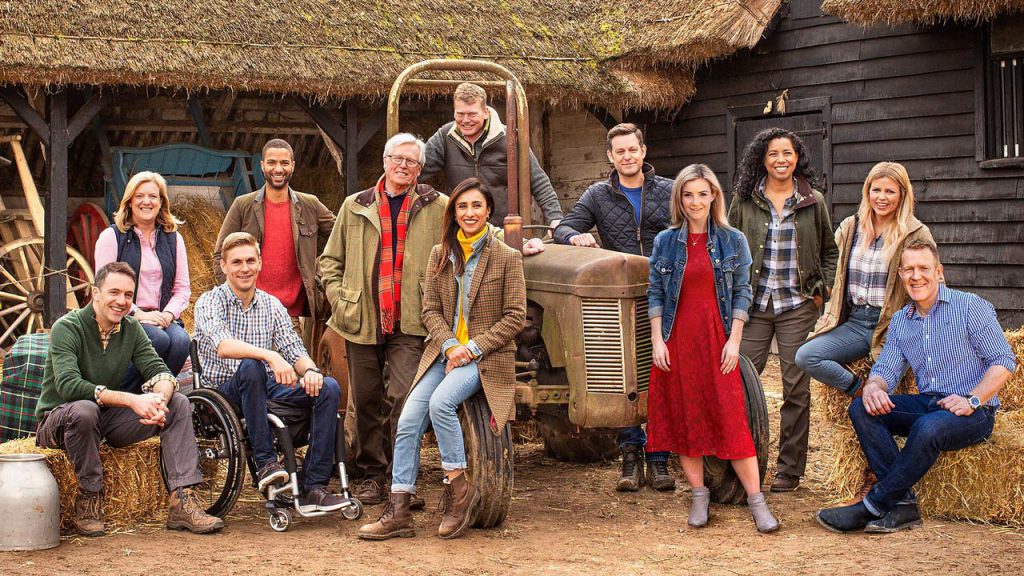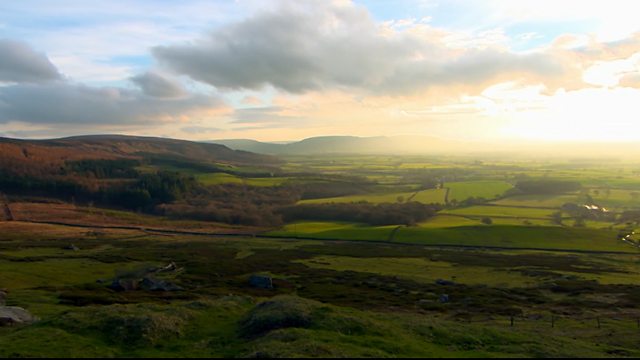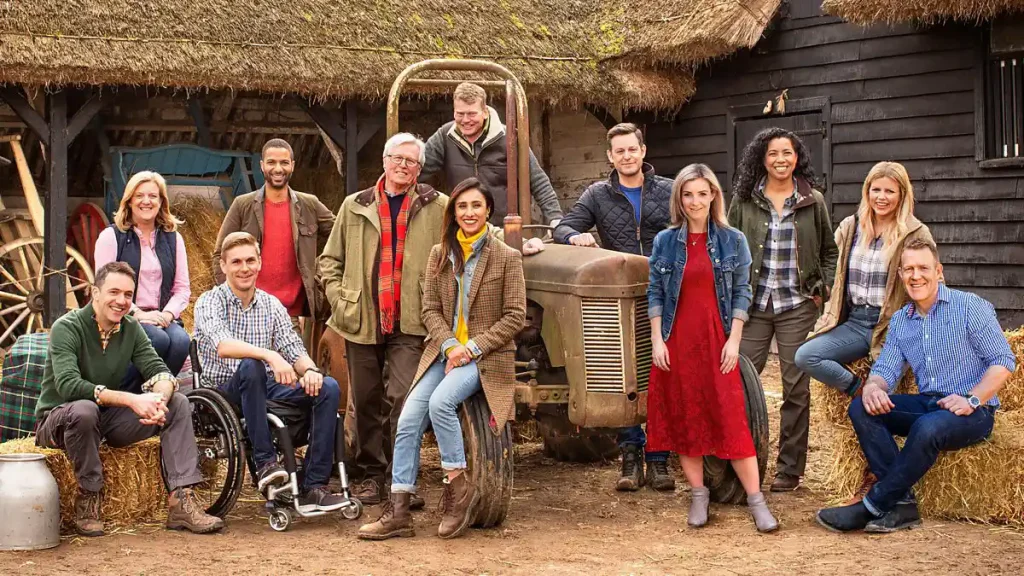
Countryfile – Oswestry Livestock Market opens a window onto a world that most people never see, a world of early mornings, mud-caked boots, and split-second decisions worth thousands of pounds. Nestled in the border country of Shropshire, close to the Welsh hills, Oswestry Livestock Market stands as one of the largest weekly cattle and sheep markets in the region. Every week, farmers, dealers, and buyers converge here before dawn, driven by a combination of economic necessity, professional pride, and the kind of community belonging that no online platform has yet managed to replicate. In an age when agricultural life is undergoing profound and sometimes painful transformation, markets like this one carry a significance that extends far beyond simple commercial exchange.
The pressures bearing down on British farming in 2026 are considerable. Livestock numbers have been falling for years, and livestock markets across the country have been closing at a troubling rate. Each closure represents not just the loss of a trading venue but the fraying of an entire social fabric. Country life in agricultural communities depends on shared spaces, shared knowledge, and shared identity, and the weekly market has historically provided all three. Oswestry has survived where others have not, and understanding why requires looking closely at what actually happens within its pens and sale rings on any given trading day.
Charlotte Smith and Adam Henson arrived at Oswestry during the spring trading peak, a period when activity at the market reaches its annual intensity. Spring is when farmers make critical decisions about their flocks and herds, when the year’s strategy begins to take concrete commercial shape. The numbers involved are striking. On a single spring day at Oswestry, somewhere in the region of 2,000 cattle and 8,000 sheep can pass through the market. Those are not abstract statistics. Each animal represents months of care, feeding, and investment, and each transaction determines whether a farming enterprise moves forward or struggles to survive another season.
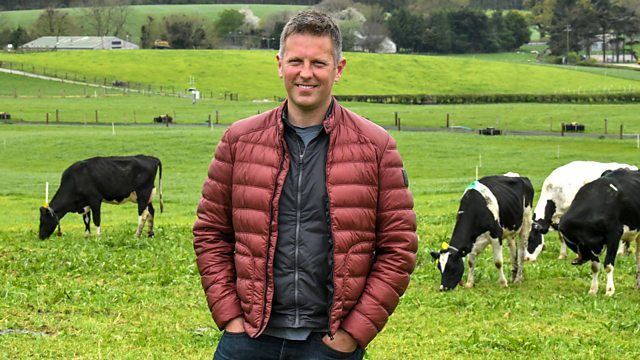
Adam Henson, a farmer himself with deep roots in agricultural life, brought genuine professional empathy to his time at Oswestry. He engaged directly with the people who make the market function: the auctioneers, the farmers selling stock, the buyers looking for value, and the market staff managing the movement of thousands of animals through a complex and tightly timed operation. Charlotte Smith, meanwhile, explored the broader social and economic dimensions of what Oswestry represents. Together, their visit captured both the operational mechanics and the human meaning of a place that sits at the beating heart of Shropshire’s farming country life.
What makes Oswestry remarkable is its dual identity. On one level it functions as a sophisticated commercial operation, processing livestock transactions at a pace and volume that demands considerable organisational skill. On another level it operates as a community institution, a place where farmers who may spend most of their working lives in isolation reconnect with peers, share intelligence about markets and conditions, and sustain the social bonds that make rural existence liveable. These two identities are not separate. They reinforce each other constantly, and the health of one depends directly on the health of the other.
The market operates to rhythms that have evolved over generations, though the pressures it now faces are distinctly modern. Spring trading at Oswestry draws farmers from across the region, including many from the Welsh hills whose connection to the border market reflects historic patterns of trade that predate any living memory. The landscape around Oswestry, where English lowland country gradually gives way to Welsh upland, has always been a natural meeting point for livestock from different farming systems. Hill farmers bringing sheep to market and lowland farmers seeking to buy and finish stock have always found common purpose here, and that geographic logic continues to drive the market’s relevance.
The speed of trading is one of the first things that strikes any visitor to Oswestry. Auctioneers work at a controlled intensity that can be genuinely difficult to follow. Bids arrive from multiple directions simultaneously, prices rise and fall within seconds, and the difference between a profitable sale and a disappointing one can hinge on a single gesture, a raised hand or a nod, at precisely the right moment. For experienced participants, this environment is familiar and navigable. For newcomers, it can feel overwhelming. Adam Henson, despite his farming background, found himself absorbing the particular culture of Oswestry, where unwritten rules and established relationships shape every transaction.
The animals moving through Oswestry on peak trading days represent an extraordinary cross-section of British livestock production. Cattle from beef enterprises, sheep from both hill and lowland systems, and animals at various stages of production all find their way to the pens. The diversity of stock on any given day reflects the diversity of farming systems operating across the surrounding region, and it is this variety that gives the market much of its commercial depth. Buyers attending Oswestry can source multiple types of stock in a single visit, a convenience that strengthens the market’s competitive position relative to smaller or more specialised venues.
Countryfile – Oswestry Livestock Market
The Countryfile – Oswestry Livestock Market and the Scale of Spring Trading
Spring represents the year’s defining commercial moment for most livestock farmers, and Oswestry reflects this with exceptional clarity. The figures quoted for a peak spring day, around 2,000 cattle and 8,000 sheep, place the market in a category that few regional venues can match. Managing that volume requires preparation that begins days before the animals arrive. Pens must be allocated, movement routes planned, and sale schedules constructed so that the market proceeds without dangerous crowding or confusion. The logistics are considerable, and the staff at Oswestry have developed systems refined by long experience.
For the farmers bringing stock, the spring sale represents the culmination of a winter’s work. Animals that have been housed, fed, and tended through the cold months arrive at market in the condition that will determine their sale price. A beast that has thrived over winter will reward that investment. One that has struggled, perhaps due to illness, poor weather, or difficult grazing conditions, may disappoint. Farmers arrive at Oswestry carrying both hope and anxiety in roughly equal measure, aware that the next few hours will determine the financial outcome of months of effort.
The cattle section of the market operates with its own distinct rhythms. Beef cattle dominate, moving through the ring in batches that auctioneers assess rapidly for breed, condition, and likely end use. The prices achieved depend on multiple factors: the quality of the individual animals, the number of competing buyers present on the day, and broader market conditions including feed costs and processor demand. Experienced buyers at Oswestry read all these variables simultaneously, and their decisions reflect both immediate commercial calculation and longer-term strategy about which animals will perform well in the months ahead.
How the Sale Ring at Countryfile – Oswestry Livestock Market Works
The sale ring at Oswestry is the market’s operational core, the space where agricultural life’s commercial tensions find their resolution. Animals enter one end, move around the ring under the eyes of assembled buyers, and exit through the other end once the hammer falls. The auctioneer controls the entire process from an elevated position, simultaneously watching the animal, tracking bids from around the ring, and maintaining a pace that keeps the sale moving efficiently. It sounds straightforward. In practice it demands exceptional skill and concentration sustained over hours of continuous trading.
The auctioneer’s role at Oswestry extends well beyond simply calling bids. A skilled auctioneer reads the mood of the ring, judges when to push for a higher bid and when to accept that the market has reached its level, and manages the expectations of both sellers and buyers simultaneously. The relationship between an auctioneer and the farming community they serve builds over years, and trust is its essential foundation. Farmers consigning stock to Oswestry rely on their auctioneer to extract the best possible price. Buyers rely on fair conduct and accurate description of the lots being offered.
Bidding at Oswestry follows conventions that are partly visible and partly invisible to the uninitiated. Regular buyers signal their intentions through gestures so subtle that an outsider might miss them entirely. A slight movement of a catalogue, a barely perceptible nod, a direct eye contact held a fraction longer than usual: these are the currency of the sale ring. The auctioneer must track all of them simultaneously across a room that, on busy days, contains dozens of active bidders. Missing a genuine bid, or accepting a phantom one, carries consequences that damage professional reputation in a community where reputation is everything.
Countryfile – Oswestry Livestock Market and the Decline of Regional Markets
The broader context within which Oswestry operates is one of significant concern for agricultural life across Britain. Livestock markets have been closing in substantial numbers over recent decades, and the trend shows no clear sign of reversing. Each closure accelerates pressure on the survivors, as stock that previously went to several local venues concentrates at fewer, larger markets. Oswestry has been a beneficiary of this consolidation in one sense, seeing its throughput increase as competitors have closed. But the same consolidation places greater demands on the market’s infrastructure and on the farmers who must travel further to access it.
The reasons for market closures are multiple and interconnected. Rising land values in many areas make market sites attractive for alternative development. Regulatory costs associated with operating a livestock market have increased substantially, placing pressure on margins that were never particularly generous. Changes in the structure of the meat processing industry have altered buying patterns, with some larger processors preferring to deal directly with farms rather than through the ring. And the long-term trend of falling livestock numbers in British farming reduces the pool of stock available to sustain market viability.
For farming communities in areas that have lost their local market, the consequences reach beyond the purely commercial. Country life in rural areas depends on the regular gathering of people with shared interests and shared challenges. The weekly market was, for generations, a primary occasion on which that gathering occurred. Its loss leaves a gap that is difficult to fill through any other means. Online livestock trading platforms have grown in the years since the pandemic accelerated digital adoption across agriculture, but they cannot replicate the physical assessment of animals, the spontaneous exchange of information, or the social bonding that happens when farmers meet face to face.
Animal Welfare and Management at Countryfile – Oswestry Livestock Market
Handling thousands of animals in a single day demands rigorous welfare standards, and Oswestry takes this responsibility seriously. The movement of livestock through market facilities creates inherent stress for the animals involved, and minimising that stress requires careful design of handling systems, adequate staffing, and consistent application of welfare protocols. Staff at Oswestry are experienced in managing livestock movement, and the market operates under the regulatory framework that governs all commercial livestock facilities in England.
Cattle and sheep respond differently to the market environment, and handling approaches must reflect these differences. Cattle are managed in smaller groups, moved calmly through races and pens designed to reduce the flight response that makes bovine handling potentially dangerous. Sheep, more accustomed to being gathered and moved in larger numbers, flow through the system more readily but still require careful management to prevent injury or distress. On a peak spring day, when thousands of sheep pass through the system, the logistics of humane management at scale become a genuine operational challenge.
The farmers who bring stock to Oswestry generally share a direct financial interest in animal welfare, since animals that arrive in poor condition achieve lower prices. A beast that has been badly handled in transit, or that arrives stressed and depleted, will not present well in the ring, and buyers will discount accordingly. This alignment between welfare standards and commercial outcomes is imperfect, but it provides a baseline motivation for good practice that operates independently of regulatory enforcement. The farmers and dealers at Oswestry understand that how an animal arrives at market matters, and most act accordingly.
The Sheep Trade and Hill Farming Connections at Oswestry
Sheep form the largest single category of livestock at Oswestry in terms of numbers, and their presence at the market reflects the deep connection between the border region’s hill farming tradition and the lowland finishing country that surrounds it. Hill farmers from the Welsh uplands have historically brought their store lambs and cast ewes to border markets, where lowland buyers purchase them for finishing on better ground. Oswestry occupies a natural geographic position for this trade, and it has operated as a pivot point for hill-to-lowland livestock movement for as long as anyone can remember.
The spring sheep trade at Oswestry encompasses several distinct categories of stock. Breeding ewes, store lambs, finished lambs ready for the meat trade, and cast ewes moving out of breeding flocks all appear in the pens. Each category attracts different buyers with different objectives, and the pricing dynamics for each category reflect specific supply and demand conditions that may move independently of one another. An experienced dealer at Oswestry on a peak spring day must simultaneously track prices across multiple sheep categories while also monitoring what is happening in the cattle ring.
For hill farmers, the Oswestry market provides access to a depth of buying that smaller local venues simply cannot match. More buyers present in the ring generally means more competitive bidding, which translates into better prices for the seller. The journey to Oswestry may be longer than the journey to a smaller local market, but the improved prices achievable at a larger venue frequently justify the additional transport cost and effort. This calculation has driven the consolidation of livestock trading at surviving major markets, and it underpins Oswestry’s continued commercial relevance.
Community, Knowledge, and Country Life at Oswestry
The social function of Oswestry operates in parallel with its commercial function, and for many of the farmers who attend regularly, the two are inseparable. The market is a place where agricultural intelligence circulates freely: news about disease outbreaks in local livestock, assessments of how the season is progressing, observations about what buyers are looking for and what they are prepared to pay. This information spreads through conversation at the ringside, in the market café, in the cattle lairage, and in the car park as farmers prepare to load their purchased stock for the journey home.
The café at Oswestry serves as an informal intelligence exchange as much as a catering facility. Farmers who arrive early to pen their stock and then wait through the morning for their lots to come forward gather here, and the conversations that unfold cover the full range of concerns affecting agricultural life in the region. Prices at other markets, the performance of different breeds in local conditions, the reliability of various hauliers, the behaviour of specific processors: all of this circulates through the market’s social channels in ways that benefit participants across the farming community.
Younger farmers attending Oswestry receive an education that no agricultural college can replicate. Watching experienced buyers assess stock in the ring, listening to the judgements made by established auctioneers, observing how older farmers position themselves during bidding: these are lessons in practical commercial agriculture that accumulate through repeated exposure. Country life in farming communities has always transmitted its most important knowledge through exactly this kind of apprenticeship, and the market provides the setting in which that transmission occurs naturally and continuously.
Adam Henson’s Perspective on Agricultural Life at Oswestry
Adam Henson’s engagement with Oswestry reflected his dual identity as both a working farmer and a communicator about agricultural life for a wider public audience. His own farming operation in the Cotswolds gives him a reference point for assessing what he observes at other farming venues, and at Oswestry he brought that experience to bear on a market considerably larger and busier than anything he encounters at home. His reaction to the scale and pace of the spring trading day was one of genuine professional admiration for the systems that keep such a complex operation functioning smoothly.
Henson engaged directly with farmers and buyers in the ring, asking the kinds of questions that a working farmer would ask: how stock has fared over winter, what buyers are looking for in terms of breed and weight, how the spring prices at Oswestry compare with recent seasons. The responses he received were candid and specific, reflecting the directness that characterises exchanges within farming communities where reputation and expertise are both well understood. In this environment, vague answers carry no currency. People say what they know, and acknowledge clearly what they do not.
His conversations with the market’s auctioneers revealed the professional depth required to operate effectively in a role that combines commercial judgment, people management, and physical stamina across a long and demanding sale day. The auctioneers at Oswestry are specialists whose skills have been developed over careers spent in the ring, and they command respect from a farming community that is not inclined to offer it lightly. Henson’s appreciation for the craft involved was evident, and his reflections on what the market means for the broader agricultural landscape gave his visit a dimension beyond simple reporting on country life.
The Future of Countryfile – Oswestry Livestock Market and British Livestock Trading
The challenges facing Oswestry and markets like it are real and unlikely to diminish in the near term. Falling livestock numbers, rising operating costs, and structural changes in the meat processing industry all create headwinds that even a well-managed and well-attended market must navigate carefully. The question of how livestock trading will function in Britain’s agricultural economy in ten or twenty years remains genuinely open, and Oswestry sits at the centre of that uncertainty along with every other surviving regional market.
Technology is increasingly present at Oswestry and across the livestock market sector, though its integration into traditional trading practice requires careful management. Electronic identification of cattle, which is now mandatory, has created data trails that add transparency to livestock movements and support disease traceability. Digital payment systems have streamlined the financial settlement of market transactions. And online supplementary trading, where some lots are sold via digital platforms operating alongside the physical ring, is beginning to appear at a number of markets, though physical trading remains dominant at Oswestry.
The market’s survival ultimately depends on its continued ability to provide genuine commercial value to both sellers and buyers. So long as farmers can achieve better prices by bringing stock to Oswestry than they can by selling through alternative channels, they will continue to make the journey. So long as buyers find the depth and variety of stock at Oswestry worth the time investment of a market day, they will continue to attend.
This commercial logic has sustained the market through previous periods of difficulty, and it remains the most reliable foundation for its future. For the farming communities of Shropshire and the Welsh borders, the continued operation of Countryfile – Oswestry Livestock Market is not merely a commercial convenience. It is a weekly affirmation that agricultural life, in all its complexity and resilience, remains central to the character of this part of Britain.
FAQ Countryfile – Oswestry Livestock Market
Q: What is Oswestry Livestock Market and why is it significant?
A: Oswestry Livestock Market is one of the largest weekly cattle and sheep markets in the border region of Shropshire. It serves as a vital commercial hub for farmers across the Welsh borders and English lowlands. Beyond trading, it functions as a community institution where agricultural knowledge, news, and professional relationships are actively maintained each week.
Q: How many animals pass through Oswestry Livestock Market on a peak trading day?
A: During the spring trading peak, approximately 2,000 cattle and 8,000 sheep can pass through Oswestry in a single day. These figures place the market among the most active regional venues in Britain. Each animal represents months of farming investment, so the volume of trade at Oswestry reflects the scale of agricultural activity across the surrounding region.
Q: Why is spring the most important trading period at Oswestry Livestock Market?
A: Spring is when livestock farmers make their most critical commercial decisions of the year. Animals that have been housed and fed through winter come to market, and the prices achieved determine whether a farming business advances or struggles. Additionally, spring marks the peak movement of store lambs from Welsh hill farms to lowland finishing operations, driving exceptional activity at Oswestry.
Q: How does the sale ring work at Oswestry Livestock Market?
A: Animals enter the ring, move before assembled buyers, and exit once the auctioneer brings the hammer down. The auctioneer controls proceedings from an elevated position, tracking bids simultaneously from multiple directions. Experienced buyers signal their intentions through subtle gestures such as a nod or catalogue movement. Furthermore, the auctioneer must balance seller expectations and buyer competition to achieve a fair market price.
Q: Why are livestock markets closing across Britain, and how has Oswestry survived?
A: Markets have closed due to rising regulatory costs, falling livestock numbers, increasing land values, and changes in meat processing structures. However, Oswestry has survived through scale and consistent commercial value. As smaller venues closed, stock consolidated at larger surviving markets. Oswestry’s geographic position and depth of buying have kept it commercially relevant even as country life and agricultural patterns have shifted significantly.
A: Oswestry functions as a weekly gathering point for farmers who otherwise work in considerable isolation. The market café, lairage, and ringside all serve as informal exchanges where agricultural intelligence circulates freely. News about disease outbreaks, seasonal conditions, buyer preferences, and haulage reliability all pass through these conversations. Country life in rural Shropshire depends heavily on this kind of face-to-face community connection.
Q: How does Oswestry Livestock Market connect Welsh hill farming to lowland agriculture?
A: Oswestry sits at the geographic meeting point of Welsh upland and English lowland farming systems. Hill farmers have historically brought store lambs and cast ewes to this border market, where lowland buyers purchase them for finishing on better ground. This hill-to-lowland trade reflects patterns established over generations. The market’s border location makes it a natural pivot for livestock moving between fundamentally different agricultural environments.
Q: How does Oswestry Livestock Market approach animal welfare during high-volume trading days?
A: The market operates under strict regulatory welfare frameworks and employs experienced staff trained in livestock handling. Cattle move through designed races in small groups to reduce stress, while sheep flow through the system in managed batches. Importantly, farmers have a direct financial incentive to prioritise welfare, since animals arriving in poor condition achieve lower prices. This alignment between commercial interest and welfare standards supports good practice throughout the market.
Q: Can younger farmers learn practical skills by attending Oswestry Livestock Market?
A: Oswestry provides an education in practical commercial agriculture that no classroom can replicate. Younger farmers observe how experienced buyers assess stock in the ring, listen to auctioneer judgements, and watch established traders position themselves during competitive bidding. Agricultural life has always transmitted its most critical knowledge through this kind of direct apprenticeship. Regular attendance at a market of Oswestry’s scale accelerates that learning process considerably.
Q: What does the future hold for Oswestry Livestock Market and regional livestock trading?
A: Oswestry faces genuine challenges including falling livestock numbers, rising operating costs, and structural shifts in meat processing. Nevertheless, technology such as electronic cattle identification and digital payment systems is improving efficiency. Physical trading remains dominant because buyers value direct stock assessment. Oswestry’s long-term future depends on continuing to deliver better prices for sellers and greater stock variety for buyers than any alternative channel currently provides.