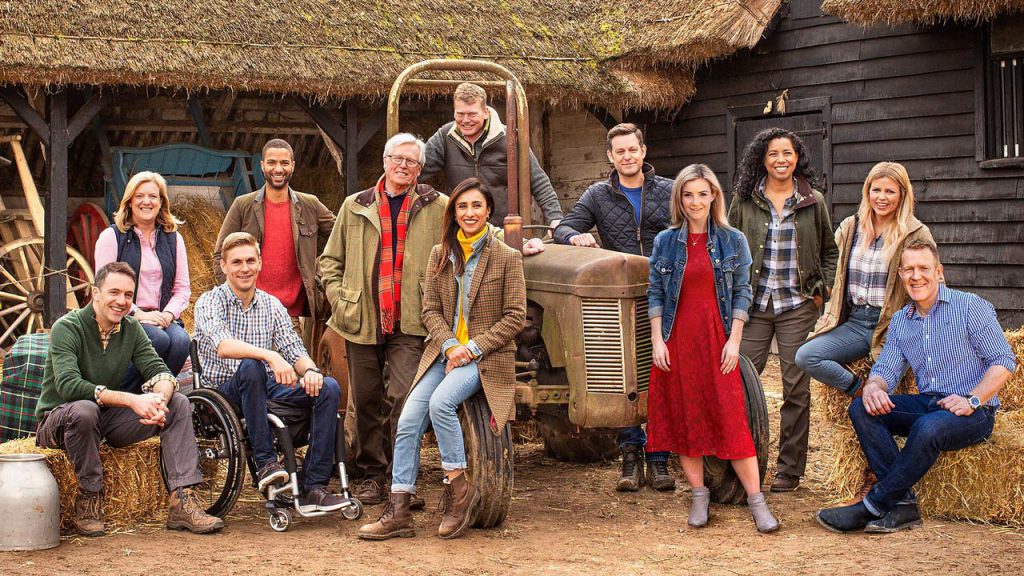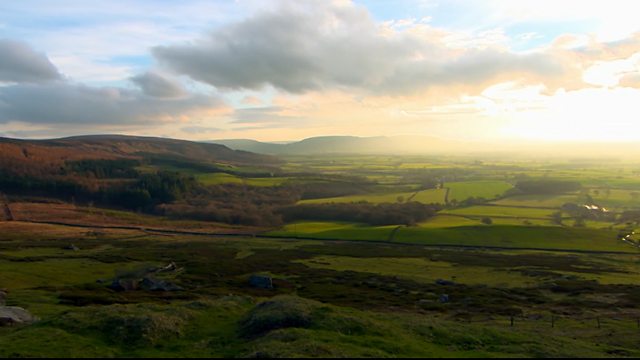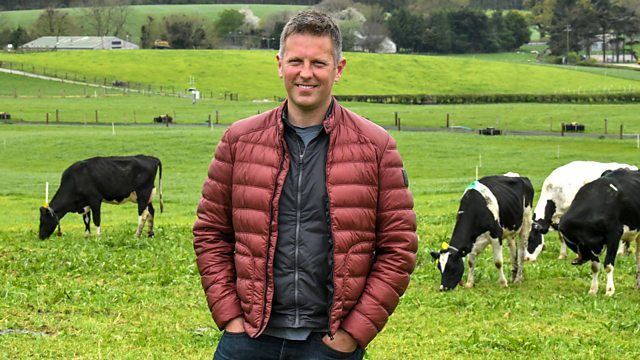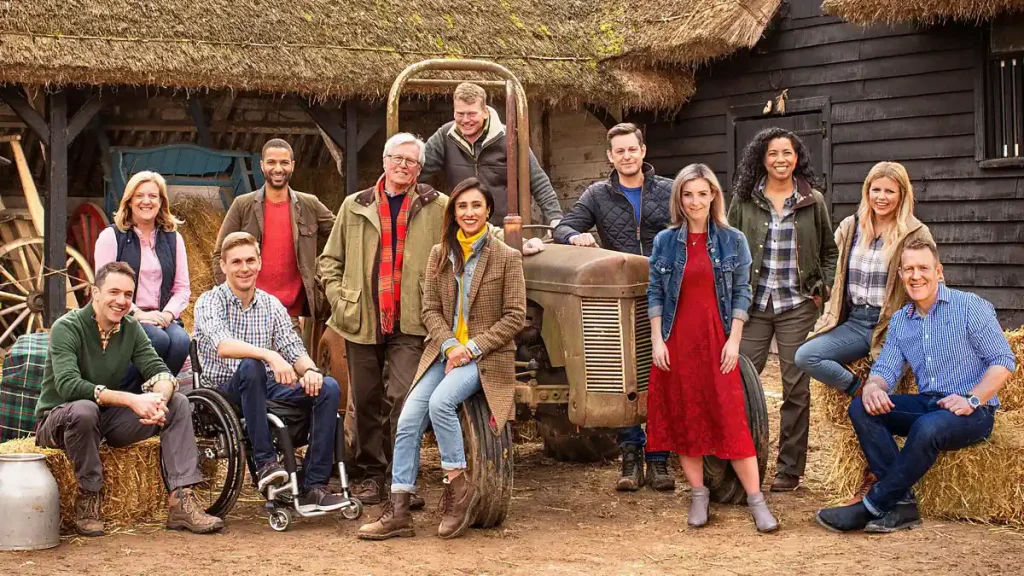
Countryfile – Somerset Levels: The golden hues of autumn have officially descended upon the British countryside. It is a season of profound transformation. The air turns crisp, biting at your cheeks with a gentle chill. Leaves crunch satisfyingly underfoot. Consequently, nature begins its slow, deliberate retreat into dormancy. However, this is not a time for sleep everywhere. On the Somerset Levels, autumn signals a call to action. This unique landscape demands attention before the harshness of winter truly sets in.
This week, Countryfile invites us to witness this crucial period of transition. It is a landscape defined by water and sky. Therefore, the stakes are incredibly high for those who call it home. We are taken on a journey that blends hope with hardship. Moreover, the episode paints a vivid picture of rural resilience.
The Somerset Levels are unlike anywhere else in Britain. They are a vast, flat canvas of wet earth and endless horizons. Historically, this land was once entirely underwater. Today, it remains a delicate patchwork of rivers, rhynes, and drainage ditches.
However, keeping this land dry is a constant battle. It requires a ceaseless effort from both nature and machine. In autumn, the low sun casts long, dramatic shadows across the marshes. Mist clings to the ground like a spectral blanket. It is hauntingly beautiful. Yet, this beauty hides a fragile temperament. Consequently, the management of water here is an art form. If the balance tips, the consequences are dire. The people living here understand this rhythm intimately. They know the water’s moods. As a result, they respect its power.
Into this watery world steps Anita Rani. Her mission is one of restoration and hope. She joins a dedicated team of conservationists. These individuals are the guardians of the wetland. Furthermore, they are racing against time to prepare the habitats. The goal is to revive the land for returning wildlife. Winter brings migratory birds seeking sanctuary. Therefore, the wetlands must be ready to receive them. Anita does not simply observe from the sidelines. Instead, she immerses herself in the work.
She helps clear clogged waterways. She wades through the mud. It is dirty, physical work. However, it is also deeply rewarding. Every reed planted serves a purpose. Every ditch cleared helps the water flow. Nature here is resilient, but it needs a helping hand. The restoration efforts aim to boost biodiversity. Consequently, we see the potential for life to flourish. Anita learns about the specific needs of the local fauna.
Otters, cranes, and bitterns rely on these healthy wet zones. Without human intervention, their habitats would degrade. Thus, the work Anita highlights is vital for their survival. It acts as a bridge between the seasons. Additionally, this restoration protects the carbon stored in the peat. It is a fight against climate change on a local level. Viewers will feel a connection to this effort. It reminds us that we are stewards of our environment.
In stark contrast to the quiet restoration, Joe Crowley faces a louder reality. He explores the human anxiety that comes with autumn on the Levels. For farmers, this season brings a knot of dread in the stomach. The Somerset Levels are infamous for catastrophic flooding. Water here can be a destroyer of livelihoods. Joe meets a farming family who lives on this knife-edge. They have weathered storms before.
However, the memories of past floods still haunt them. They recall the rising waters. They remember the desperation of saving their livestock. Therefore, the approach of winter is a trigger for deep-seated worry. Joe walks the land with them. He listens to their stories of survival. They discuss the practicalities of bracing for another storm season. It is a logistical puzzle.
First, they must move animals to higher ground. Next, they reinforce their barns and homes. They check the pumps obsessively. Every drain is inspected. Consequently, their lives are dictated by the weather forecast. This segment showcases the grit of British farmers. They are stubborn in the best way possible. They refuse to abandon their ancestral land. Yet, they know nature holds the upper hand.
Joe delves deeper than just the physical preparations. He touches on the emotional scars. Living with the threat of flooding is exhausting. It wears you down. The uncertainty is the hardest part. Will this year be safe? Or will the waters rise again? Thus, the mental health of these rural communities is a key theme. Joe approaches this with empathy and grace.
He allows the family to voice their fears. We see the vulnerability behind the brave faces. It makes for compelling, heart-wrenching television. It connects the viewer to the reality behind the headlines. While the farmers battle the elements, another threat looms. Tom Heap investigates a man-made disaster. He uncovers a world of deceit in the food industry.
Countryfile – Somerset Levels
Food scams are stealing farmers’ identities. This is a sophisticated form of theft. Criminals are passing off inferior products as premium local goods. Consequently, they are profiting from the hard work of others. Tom asks the tough questions. How is this happening? Who is responsible? He dives into the murky supply chains.
This fraud hits farmers where it hurts most: their reputation. A farmer spends years building a trusted name. Then, a scammer ruins it in an instant. It is a profound betrayal. Furthermore, it cheats the consumer. We think we are supporting local agriculture. In reality, we might be buying cheap imports. Tom sheds light on this injustice.
He explains the mechanics of the scams. He shows us what to look out for. As a result, the segment serves as a wake-up call. We must be vigilant shoppers. The episode weaves these three narratives together. We have the ecological restoration with Anita. We have the human resilience with Joe. And we have the fight for justice with Tom.
Together, they form a complete picture of rural life. It is not just pretty landscapes. It is a complex, living system. Countryfile excels at showing this depth. The show balances the beauty with the grit. We see the sunset over the marshes. But we also see the mud on the boots. We hear the birdsong. But we also hear the worry in a farmer’s voice.
There is something comforting about watching this unfold. It fits perfectly with a Sunday evening. The wind might be howling outside your own window. Yet, on screen, there is a sense of community. We are reminded of the cycles of nature. Autumn is a necessary step. It allows the land to rest. It prepares the earth for the rebirth of spring.
Moreover, the cinematography captures the season perfectly. The browns, golds, and greys of the Somerset Levels are mesmerizing. It is visual poetry. Why does this content resonate so deeply? Perhaps because it grounds us. In a fast-paced world, nature moves at its own speed. The problems here are tangible.
Fixing a habitat is a real achievement. Protecting a farm is a primal struggle. Ensuring food safety is a basic need. Therefore, we care about these stories. We root for the wildlife to return. We pray for the farmers to stay dry. We want the fraudsters to be caught. The show engages our emotions on every level.
Ultimately, the episode prompts us to reflect. How do we interact with the countryside? Do we appreciate the effort that goes into managing it? Do we value the food on our plates? The farmers on the Levels are fighting for our food security. The conservationists are fighting for our natural heritage.
Consequently, their fight is our fight. We are all connected to this landscape. Even if we live in cities, we rely on the health of the countryside. As the episode concludes, winter is just around the corner. The days are getting shorter. The nights are drawing in. But there is a sense of readiness.
The work done by Anita and the team provides hope. The preparations made by Joe’s farmers provide security. And the awareness raised by Tom provides protection. We leave the Somerset Levels feeling a mix of emotions. There is concern, certainly. But there is also admiration. The spirit of this place is unbreakable.
Countryfile – Somerset Levels
In the latest episode of Countryfile – Somerset Levels, the golden hues of autumn have officially descended upon the British countryside, marking a season of profound transformation and preparation. This unique region, characterized by its flat, open wetlands and deep historical roots, demands attention as the natural world begins its slow, deliberate retreat into dormancy. The air turns crisp, biting at cheeks with a gentle chill, while leaves crunch satisfyingly underfoot, signaling that nature is preparing for the harshness of winter. However, this is not a time for sleep everywhere; for the wardens, farmers, and conservationists of Somerset, autumn signals an urgent call to action to protect both livelihoods and the environment.
The landscape here is defined by water, a defining element that has shaped agricultural life for centuries. Once covered by the sea, the area is now a complex mosaic of rivers, wetlands, and farmland, all watched over by the iconic Glastonbury Tor. It is a place where human intervention and natural forces have always been intertwined, from the digging of drainage ditches to the industrial extraction of peat. Today, the focus has shifted from extraction to restoration, with a concerted effort to maintain the delicate balance required to support the area’s rich biodiversity.
As the storms roll in, this fertile land can quickly find itself underwater, a reality that the people who call it home must adapt to rapidly. The episode explores how modern challenges are met with both traditional knowledge and innovative conservation techniques. Whether it is the physical management of reed beds or the strategic planting of moss, the goal remains the same: to ensure the survival of the region’s distinct habitats. This dedication to the land highlights the resilience required to maintain country life in an era of changing climate patterns.
Beyond the immediate physical challenges of the landscape, the programme also delves into the darker side of the rural economy. While the wetlands teem with wildlife, the farming communities that support the nation’s food supply face sophisticated threats from criminals. The investigation into food fraud reveals a startling vulnerability within the agricultural sector, where trust—a cornerstone of farming business—is being exploited by organized crime networks.
This exploration of the Somerset Levels offers a comprehensive view of a region in flux. It is a narrative that weaves together the ancient history of the “Summer Settlement” with the pressing contemporary issues of flood management and rural crime. By examining the intersection of mythology, ecology, and industry, the broadcast provides a snapshot of a landscape that is as commercially vital as it is ecologically precious.
The following sections detail the specific efforts undertaken to restore the wetlands, the severe realities of farming on flood-prone land, and the investigative reports that uncover the threats facing food producers today. Through these stories, the true character of the Somerset Levels is revealed—a place of beauty, mystery, and enduring struggle.
Restoring the Avalon Marshes for Nature
The Avalon Marshes function as a supergroup of nature reserves, creating a vital haven for a diverse array of species. This mosaic of connecting habitats supports everything from warblers to water voles, yet it requires constant human maintenance to function correctly. At Shapwick Moor, the newest addition to these marshes, autumn offers a critical window of opportunity to reset the landscape. Warden Alex Learmont and a team of volunteers engage in willow removal, a necessary intervention to maintain the “wet and squishy” habitats that define the area.
The removal of willow is not merely aesthetic; it is an ecological necessity. The trees are cleared from open scrapes—shallow ponds that typically dry up over the summer—to ensure they retain water during the wetter months. This management is timed carefully for autumn and winter to avoid disturbing nesting birds. The rewards for this labor are significant. The maintenance of these wet scrapes has led to the discovery of the lesser silver diving beetle, a rare and endangered species, as well as the great crested newt. These protected species rely on the specific conditions created by the removal of scrub, proving that active management is essential for biodiversity.
Further north at Westhay Moor, restoration takes a different form. Here, the focus is on undoing the damage caused by centuries of drainage and peat extraction. Sian Russell leads a “marsh rescue mission” that utilizes sphagnum moss, a moisture-loving plant described as a bog-building species. Historically, this area would have been a lowland raised bog, spongy and wet underfoot. To recreate these conditions, the team plants thousands of sphagnum plugs. The process involves finding ground with the right “squidge level,” dibbing a hole, and inserting a plug containing five different species of moss.
The timeline for this restoration requires patience, a virtue central to conservation work. Peat bogs grow incredibly slowly, accumulating only about one millimetre of depth per year. This means it takes a millennium to form a single meter of peat. However, the immediate benefits are visible to those who look closely. Jilly Browning, a student in land restoration, highlights the presence of red sundews, carnivorous plants that grow alongside the sphagnum. These plants act as indicators of a healthy environment, trapping bugs in their sticky fronds. For the volunteers, the sight of thriving sundews offers immediate gratification, a sign that their efforts to plug moss are steering the environment back toward its natural state.
The Realities of Dairy Farming on the Levels
While conservationists work to retain water in the bogs, farmers on the Levels face a constant battle to keep it off their fields. The region is renowned for its fertile soil, but the low-lying nature of the land means it is perpetually at risk. Chris Franks, a third-generation farmer at Blakeway Farm, manages a herd of 230 dairy cows on land that his grandfather began farming in the 1950s. The history of the farm traces the evolution of agricultural life, from milking cows by hand and transporting milk via horse and cart to the modern, large-scale operations of today.
However, the fundamental challenge remains the water. Flooding on the Levels has become more frequent and sustains for longer durations. Franks notes that in recent years, his land has been underwater for up to five months at a time. This prolonged submersion has severe consequences for the soil structure. The immense weight of the standing water causes massive compaction, which in turn leads to poorer grass growth in the subsequent seasons. For a dairy farmer who relies on growing his own grass and maize silage to feed the herd, this impact is financially significant.
To mitigate these risks, the farming calendar is dictated by the weather. As the rains begin, the herd is moved, with calves and half the dairy cows brought into barns for the winter. This transition introduces higher costs, as every day the cows spend indoors requires extra feeding and bedding. While a dry summer can produce a good crop of silage, a wet spring can set the farm back by months. The unpredictability of the seasons makes financial planning incredibly difficult, as farmers cannot foresee whether a year will be profitable or if the costs of housing the herd will spiral.
The management of water flow is a contentious issue. Farmers maintain the ditches that line their fields, clearing silt and coppicing trees to ensure water can run off the land. However, these ditches feed into main rivers that Franks argues are running at full capacity due to a lack of maintenance. He advocates for more aggressive dredging and desilting of the rivers to remove pinch points. The Environment Agency counters that they must prioritize work based on available funding and that dredging is not always the solution, as rivers can silt up again quickly. This tension between the need for drainage and the management of river ecosystems highlights the complexity of maintaining the Countryfile – Somerset Levels landscape.
Investigating the Great Cheese Heist and Food Fraud
The idyllic image of rural production is occasionally shattered by modern criminal sophistication. A significant portion of the episode is dedicated to investigating scams targeting the food and farming sectors. Tom Heap reports on a case dubbed “The Great Cheese Heist,” which targeted Trethowan Brothers, a small, family-owned dairy in North Somerset known for its traditional handmade cheddar.
The scam began with what appeared to be a dream opportunity: a large order from a distributor for a major French supermarket. The order was so substantial—22 tonnes of cheddar worth £300,000—that it had to be split between three different dairies. The transaction was made on credit, a common practice in the industry that relies heavily on trust and “handshake” agreements. The cheese was collected by a lorry, but the alarm was raised when the legitimate wholesaler discovered the delivery address was empty. The order was fake, and the cheese had been stolen.
This type of crime is known as business impersonation fraud. Criminals utilize valid information from reputable companies to place orders, taking advantage of payment terms to abscond with the goods before the fraud is discovered. Professor Chris Elliott, an expert in global food security, explains that these networks are highly organized, often utilizing AI to forge documents and operating across international borders. The stolen food, having lost all traceability, poses a risk to public health as it re-enters the market without guarantees of proper storage or hygiene.
The investigation reveals that the scammers do not just impersonate buyers; they also steal the identities of legitimate farmers to facilitate their crimes. Stephen and Catherine Temple, cheesemakers from Norfolk, found their identities used to order pallets of fish, cheese, and vegetables. The impact on victims goes beyond immediate financial loss. The Temples faced potential damage to their credit rating and reputation, with fraudsters even applying for a £15,000 lawnmower and a passport in their names. The emotional toll of such identity theft is profound, leaving victims in a state of constant anxiety about what debts might be accruing in their names.
The Potato Theft and Community Response
The sophistication of these scams is further illustrated by the case of David Park, a potato grower from Northumberland. He was approached to supply a full articulated lorry load of potatoes—24 tonnes—to a buyer in London. Suspicion arose when the buyer claimed the delivery missed the market closing time, despite the lorry having ample time to arrive. Furthermore, the delivery address was changed en route to an industrial park in Grays, Thurrock.
Acting on instinct, David contacted a local letting agent, Joe Cater, who managed units at the industrial park. Cater confirmed the potatoes had been dumped by the side of the road. In a display of community solidarity, Cater and neighboring tenants used forklifts to move the potatoes into a secure unit. This intervention was timely; the scammers soon began making threatening phone calls, demanding access to the unit. The aggressive tone confirmed to Cater that the “buyers” were illegitimate.
Although the police and David’s own transport were eventually able to recover most of the load, around five tonnes of potatoes had already disappeared. The incident left the farmer thousands of pounds out of pocket due to haulage costs and the lost produce. However, without the swift action of the letting agent, the entire £11,000 load would likely have been lost. This case serves as a stark warning to those in agricultural life to verify new contacts rigorously. Experts advise checking mobile numbers for criminal associations and independently verifying orders with the head offices of supposed buyers. The mantra for modern farming business has sadly shifted from implicit trust to “trust but verify.”
Mythology and the Summer Settlement
The Somerset Levels are not only a place of commerce and conservation but also a landscape steeped in myth. Amy Jeffs, a historian and artist, explores how the physical characteristics of the land have given rise to ancient stories. The very name “Somerset” is derived from Old English, meaning “Summer Settlement.” This etymology reflects the historical reality of the region: in winter, the water levels would rise, forcing people to move away, only to return in the summer months when the land was dry enough to farm.
This seasonal rhythm created a sense of tragedy and dormancy associated with winter, themes reflected in the earliest notated English folk songs. Jeffs argues that the people of the past were in thrall to the changing landscape, and its uncontrollable nature loomed large in their imaginations. Stories became a way to create “paths” through the wilderness, helping communities make sense of a “wayless place.”
The area is rich in Arthurian legend, particularly surrounding Glastonbury Tor. Medieval texts describe Guinevere being abducted by a King of the Summer Country and taken to a fortress made of reed beds and marsh. Jeffs notes that before modern drainage, the Tor would have risen from the flooded landscape like a “knee in the bath,” a striking visual that acted as a magnet for the imagination. Standing in the Avalon Marshes today, listening to the wind whisper through the reeds, one can still feel the “fizzing” potential of these ancient stories. This connection between the physical environment and cultural heritage adds a layer of depth to the experience of country life in Somerset.
Monitoring the Bearded Reedling
As winter approaches, the biological rhythms of the wetlands shift, bringing elusive species into focus. The Countryfile – Somerset Levels episode highlights the conservation success story of the bearded reedling. These birds, which are actually a unique family rather than true tits, are notoriously difficult to spot. They reside deep within the dense reed beds, their presence often only betrayed by a distinctive “pinging” call.
To monitor the health of the population, volunteers from the Somerset Wildlife Trust conduct surveys across hectares of habitat. The timing is crucial because the diet of the bearded reedling changes with the seasons. In summer, they feed on insects, but in winter, they switch to seeds from the reeds. To aid in the digestion of these hard seeds, the birds require grit, which acts like a pestle and mortar in their gizzard. Conservationists place grit trays in the marshes to attract the birds, providing a rare opportunity to observe them.
The data collected—logging time, location, and numbers—helps paint a picture of how the population is faring year on year. While the birds can be shy, particularly on windy days when they hunker down, the long-term trend suggests the habitat management in the Avalon Marshes is working. In previous years, volunteers have recorded hundreds of birds in a single day. The presence of these “moustachioed” birds is a testament to the quality of the reed beds and the success of the broader restoration efforts in the region.
The Symbiosis of Farming and Wildlife
The relationship between agriculture and nature is often framed as a conflict, but at Shapwick Moor, it is presented as a partnership. Chris Sperring, a conservation officer, demonstrates how working landscapes can support significant biodiversity. The reserve features rough grassland margins that transition from the short grass of the farmed fields. These margins act as a “wildlife oasis,” providing a habitat for small mammals like the short-tailed vole.
An abundance of voles attracts predators, making the area a hunting ground for barn owls, kestrels, and harriers. Sperring notes that when the farmer cuts the grass, red kites appear almost out of nowhere to feed. This interaction proves that farming and wildlife conservation can coexist productively. The presence of hedgerows, planted specifically for the reserve, has further benefited species like the jay.
The episode concludes with a reflection on the patience required to appreciate this landscape. whether it is waiting for a bearded reedling to “ping” or watching for a jay to fly across a hedgerow, the Somerset Levels rewards those who take the time to look. It is a place where the preparation for winter—greasing farm machinery, clearing ditches, planting moss—is a ritual that ensures the continuity of life. As the Countryfile 2025 calendar supports causes like Children in Need, the programme reminds viewers that the beauty of the British countryside is sustained by the hard work of those who manage it, ensuring that this unique “Summer Settlement” survives for generations to come.
FAQ Countryfile – Somerset Levels
Q: What makes the Somerset Levels unique as a British landscape?
A: The Somerset Levels represent a vast, flat expanse of wetlands that was historically underwater. Today, it exists as a delicate patchwork of rivers, rhynes, and drainage ditches requiring constant management. This low-lying terrain creates a distinctive ecosystem where water and sky dominate the horizon. Furthermore, the area combines agricultural productivity with exceptional biodiversity, supporting rare species like bearded reedlings and great crested newts. The landscape’s seasonal transformation between summer farming and winter flooding has shaped both its ecology and cultural identity for centuries.
Q: Why is autumn such a critical season on the Somerset Levels?
A: Autumn represents a crucial window for preparation before winter’s arrival. Conservationists use this period to clear waterways, remove willows, and plant sphagnum moss to restore wetland habitats. Additionally, farmers must transition livestock to higher ground and reinforce flood defenses. The timing is essential because these activities cannot disturb nesting birds yet must be completed before severe weather begins. Consequently, this season determines whether the land can support returning migratory birds and whether farming operations can survive potential flooding. The work undertaken in autumn essentially safeguards both ecological and agricultural sustainability.
Q: What are the Avalon Marshes and why do they require constant maintenance?
A: The Avalon Marshes function as an interconnected network of nature reserves supporting diverse species from warblers to water voles. These habitats require active human intervention to maintain optimal conditions. For instance, willow removal at Shapwick Moor prevents trees from colonizing shallow ponds that must retain water. Without this management, the open scrapes would dry up, eliminating habitat for endangered species like the lesser silver diving beetle. Moreover, restoration efforts at Westhay Moor involve planting thousands of sphagnum moss plugs to recreate historical lowland raised bogs. This labor-intensive process demonstrates that biodiversity thrives through deliberate stewardship.
Q: How does flooding impact dairy farming on the Somerset Levels?
A: Flooding poses severe challenges for dairy operations, with some farms experiencing submersion for up to five months annually. The standing water causes massive soil compaction, significantly reducing grass growth in subsequent seasons. This directly affects farmers who grow their own silage to feed herds, creating substantial financial pressure. Furthermore, prolonged flooding forces early housing of cattle, dramatically increasing costs for feed and bedding. Third-generation farmer Chris Franks explains that unpredictable flood patterns make financial planning nearly impossible. The emotional toll compounds these practical difficulties, as farming families live with constant anxiety about whether their land will remain viable through each winter season.
Q: What is the Great Cheese Heist and how did it happen?
A: The Great Cheese Heist targeted Trethowan Brothers and other dairies through sophisticated business impersonation fraud. Criminals posed as distributors for a French supermarket, ordering 22 tonnes of cheddar worth £300,000 on credit terms. This practice exploits the agricultural sector’s reliance on trust and handshake agreements. The cheese was collected by lorry before anyone discovered the delivery address was empty and the buyer fictitious. Professor Chris Elliott notes these organized networks utilize AI to forge documents and operate internationally. Consequently, the stolen food loses all traceability, posing public health risks when it re-enters the market without proper storage guarantees or hygiene standards.
Q: How are farmers’ identities being stolen in food fraud schemes?
A: Identity theft extends beyond buyer impersonation to stealing legitimate farmers’ credentials for fraudulent orders. Norfolk cheesemakers Stephen and Catherine Temple discovered criminals using their identities to order pallets of fish, cheese, and vegetables. Scammers even applied for a £15,000 lawnmower and passport in their names. This violation causes damage beyond immediate financial loss, threatening credit ratings and business reputations. Victims experience profound emotional distress, constantly worrying about debts accumulating in their names. The sophistication of these crimes demonstrates that rural producers face modern criminal networks exploiting the agricultural sector’s traditional trust-based relationships.
Q: What role does sphagnum moss play in wetland restoration?
A: Sphagnum moss serves as a bog-building species crucial for recreating historical lowland raised bogs. Teams plant thousands of plugs containing five different moss species in areas with appropriate moisture levels. Although peat accumulates incredibly slowly—only one millimetre per year—the immediate ecological benefits are measurable. Red sundews, carnivorous plants indicating healthy environments, quickly establish alongside the sphagnum. These plants trap insects in their sticky fronds, demonstrating successful habitat restoration. Additionally, restored peat bogs store significant carbon, contributing to climate change mitigation. This patient, methodical approach proves that environmental recovery requires both scientific understanding and long-term commitment to reversing centuries of drainage and extraction damage.
Q: Why is the Somerset Levels called the Summer Settlement?
A: The name Somerset derives from Old English meaning Summer Settlement, reflecting the landscape’s seasonal rhythm. Historically, rising winter water levels forced people to abandon the area, returning only when summer provided dry farming conditions. This cyclical migration profoundly influenced local culture, creating themes of tragedy and dormancy in early English folk songs. The uncontrollable landscape dominated people’s imaginations, inspiring mythological stories that helped communities navigate this wayless place. Glastonbury Tor, rising from flooded marshes like a knee in the bath, became central to Arthurian legends. Today, this connection between physical environment and cultural heritage adds depth to understanding the region’s enduring significance.
Q: How can farmers protect themselves from food fraud?
A: Modern agricultural operations must adopt rigorous verification protocols before fulfilling orders. Experts recommend checking mobile numbers against criminal databases and independently confirming orders with buyers’ head offices. The traditional trust-based approach has shifted to trust but verify methodology. When David Park suspected potato theft, his instincts proved correct—scammers changed delivery addresses mid-route and made threatening calls when thwarted. Community solidarity, demonstrated when letting agent Joe Cater secured the potatoes, shows collective vigilance works. However, farmers should implement credit checks, require upfront payments for new customers, and maintain detailed documentation. These preventive measures, though burdensome, protect against sophisticated criminal networks targeting rural producers.
Q: What is the bearded reedling and why is it significant for conservation?
A: The bearded reedling represents a unique bird family residing deep within dense reed beds, identifiable by its distinctive pinging call. These elusive birds switch from insect diets in summer to reed seeds in winter, requiring grit for digestion. Conservationists place grit trays to attract them for monitoring purposes, collecting data on population health across hectares of habitat. Volunteers have recorded hundreds in single days, indicating successful habitat management. Their presence serves as a biological indicator that restoration efforts in the Avalon Marshes are working effectively. Furthermore, their seasonal behavior demonstrates how specialized species depend on carefully maintained wetland ecosystems, justifying the intensive labor required to preserve these distinctive Somerset habitats.