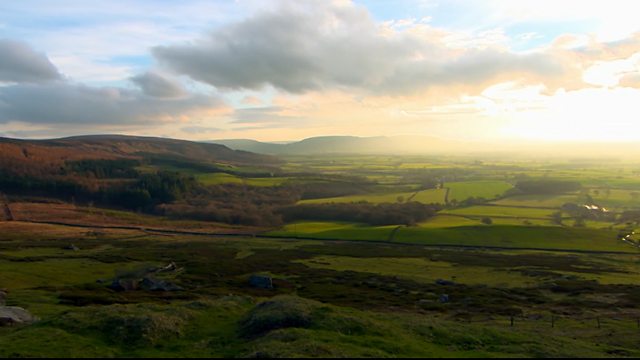
Countryfile – Spurn Point: Have you ever stood on the edge of the world? There’s a place in Yorkshire, a slender finger of sand and shingle pointing defiantly into the North Sea, that feels just like that. This is Spurn Point, a landscape that breathes with the rhythm of the tides. It’s a place of constant motion, a shifting, transient world at the mouth of the Humber Estuary where nothing stays the same for long. To visit is to witness nature’s raw power and delicate beauty in a breathtaking dance.
Imagine a ribbon of land, barely a road’s width in places, stretching three and a half miles into the churning sea. On one side, the powerful waves of the North Sea crash and foam. On the other, the calmer, yet equally formidable, waters of the estuary ebb and flow. This is a world shaped by water, wind, and time. The very ground beneath your feet is not permanent; it is borrowed from the sea, and the sea will one day reclaim it.
Living here requires a special kind of resilience. The creatures, the habitats, and the handful of people who call this place home must all bend to its will. It’s a landscape that demands respect and rewards you with a profound sense of connection to the natural world. It’s a place where the air feels cleaner, the sky seems bigger, and the constant sound of the water becomes a soothing, meditative soundtrack.
This extraordinary spit of land is a haven for wildlife, a critical stopover for migrating birds, and a sanctuary for seals that haul themselves onto the sandbanks to bask in the sun. Walking along its length feels like a journey through different worlds. You might wander through windswept dunes held together by the wiry roots of marram grass, then find yourself on a vast, empty beach with only the gulls for company.
The story of Spurn Point is one of perpetual renewal, a cycle of destruction and creation. The land is constantly being washed away in one area, only to be deposited somewhere else. This dynamic process creates a unique ecosystem, a mosaic of habitats from saltmarsh to sand dunes, each teeming with life that has adapted to this challenging environment. It’s a living laboratory of coastal geomorphology.
Recently, the team from the popular BBC show Countryfile visited this remarkable location, shining a light on its struggles and triumphs. Their journey revealed a place not just of natural wonder, but of deep history and human endeavor, a community fighting to restore a piece of its lost heritage. The visit highlighted the delicate balance that exists here, a constant negotiation between humanity and the powerful forces of nature.
Countryfile – Spurn Point
A Ghost of the Estuary Returns
For nearly a century, the Humber Estuary was missing a vital resident. The native oyster, once abundant in these waters, vanished completely, a victim of overfishing and pollution. It became a ghost of the ecosystem. However, a dedicated team is now working to turn back the clock. After 85 long years, these incredible creatures are finally returning to their ancestral home, and the Countryfile team was there to witness this hopeful chapter unfold.
Imagine the painstaking work involved. It’s not as simple as just tossing shells into the water. Scientists and volunteers are creating the perfect conditions for these oysters to thrive once more. This project is about more than just bringing back a single species; it’s about restoring the health of the entire estuary. Oysters are ecosystem engineers, filtering vast quantities of water and creating complex reef structures that provide a home for countless other marine creatures. Their return is like welcoming a long-lost king back to his kingdom, a restoration that promises to breathe new life into these historic waters.
Living on the Edge
Life at Spurn Point has always been a precarious affair. Sean Fletcher’s exploration into the human history of this shifting landscape revealed stories of incredible tenacity. He learned how people have built homes, lighthouses, and even military fortifications on this narrow strip of land, all with the knowledge that their foundations were anything but solid. It’s a testament to the human desire to put down roots, even in the most inhospitable of places. These settlers were not just living beside the sea; they were living with it, their lives dictated by its every mood.
Meanwhile, Anita Rani got a firsthand taste of the present-day dangers. Out on the vast, deceptively solid-looking mudflats, she joined a routine safety drill. The scenario was chillingly realistic: a vehicle trapped by the sucking mud, with the tide relentlessly rolling in. It was a stark reminder that this landscape, for all its beauty, commands respect. The threat of being cut off by the tide or becoming stranded is a daily reality for the RNLI crew and conservation workers who operate here. Their preparedness is not for show; it’s a vital skill in a place where the ground can literally swallow you whole.
The Muse of the Shifting Sands
What is it about this ever-changing landscape that captures the human spirit? For one local poet, Spurn Point is an endless source of inspiration. He finds poetry in the cry of a curlew, the rhythm of the waves, and the stark, skeletal remains of old sea defences. His words paint a picture of a place that is both beautiful and brutal, a landscape that mirrors the complexities of life itself.
This artistic connection speaks to a deeper human need to find meaning in our surroundings. When you stand at the very tip of the point, with the sea on three sides, it’s impossible not to feel a sense of awe. You feel small, humbled by the scale of it all. It’s a place that strips away the non-essential and connects you to something ancient and powerful. This feeling, this raw connection to nature, is the very essence of what inspires creativity. It’s a landscape that doesn’t just exist; it communicates, if you’re willing to listen.
A Wider View of the Countryside
Away from the wind and waves of the coast, the Countryfile episode also launched this year’s Photographic Competition. This beloved annual event encourages viewers to capture the beauty of the British countryside, all in support of BBC Children in Need. It’s a wonderful celebration of the landscapes we cherish and the talent of amateur photographers across the nation.
In a more sobering segment, Charlotte Smith investigated a growing threat to our green spaces: wildfires. After one of the driest springs in over half a century, the risk has become alarmingly high. Her report posed a critical question: how prepared are we for a future where these destructive fires are more common? It was a timely and important investigation, highlighting the fragility of our ecosystems and the urgent need for better management and prevention strategies to protect our countryside from this fiery peril.
Ultimately, a visit to Spurn Point is more than just a day at the seaside. It’s an immersion into a world of constant change, a powerful lesson in resilience, and a reminder of the untameable beauty of nature. From the hopeful return of native oysters to the poignant stories of human settlement and the raw power of the sea, this narrow spit of land offers an unforgettable experience. It is a place that gets under your skin and stays with you, a truly unique corner of the British Isles that demonstrates the enduring and ever-shifting dance between land and water.
Where Land Meets Sea, We Learn to Live with Change
Standing at Spurn Point, watching the endless negotiation between land and water, you witness something profound about our relationship with the natural world. This slender finger of Yorkshire coastline isn’t just a geographical curiosity—it’s a masterclass in adaptation, a living testament to what happens when we stop trying to control nature and start learning to dance with it instead.
The return of native oysters after 85 years of absence tells us something hopeful about second chances and the patient work of restoration. Like those dedicated scientists carefully creating the perfect conditions for these “ecosystem engineers” to thrive again, we’re reminded that healing our damaged landscapes requires both scientific knowledge and unwavering commitment. The oysters didn’t just vanish and miraculously reappear; they needed human hands to guide them home, a partnership between our species and the sea that speaks to what’s possible when we choose stewardship over exploitation.
But Spurn Point doesn’t let us get too comfortable with easy optimism. Anita Rani’s sobering safety drill on those deceptively solid mudflats serves as a powerful metaphor for our broader environmental moment. The ground beneath our feet—literally and figuratively—is less stable than we’d like to believe. Climate change, rising seas, and increasing wildfire risks mean we’re all living a little more like the hardy souls who’ve made their homes on this shifting spit of land, learning to read the signs, respect the forces beyond our control, and prepare for rapid change.
There’s something almost mystical about how this landscape strips away pretense and connects us to something elemental. The local poet who finds inspiration in curlew cries and skeletal sea defences understands what many of us hunger for in our digitally saturated lives: authentic encounter with forces larger than ourselves. In a world where we can control our indoor climate, filter our water, and order groceries with a tap, Spurn Point reminds us that we’re still, fundamentally, creatures shaped by wind, water, and the turning of tides.
The broader environmental challenges highlighted in the Countryfile episode—from unprecedented wildfire risks to ecosystem restoration—aren’t distant concerns for future generations. They’re the reality we’re navigating right now. Yet Spurn Point offers us a different way of thinking about these challenges. Instead of viewing environmental change as something to resist or fear, this remarkable place demonstrates how life finds a way to adapt, evolve, and even thrive in conditions of constant flux.
Perhaps that’s the most valuable lesson this narrow strip of Yorkshire coastline has to offer: resilience isn’t about building higher walls or stronger defenses against change—it’s about developing the flexibility to bend without breaking, the wisdom to know when to yield and when to stand firm, and the courage to keep planting seeds even in shifting sand.
The next time you feel overwhelmed by the pace of change in your own life or the world around you, remember Spurn Point. Remember the oysters finding their way home, the marram grass holding dunes together with wiry determination, and the people who choose to live where land meets sea in an eternal, beautiful conversation. In their example, we find not just inspiration, but a roadmap for navigating our own uncertain waters with grace, purpose, and hope.
FAQ Countryfile – Spurn Point
Q: What is Spurn Point and where is it located?
A: Spurn Point is a narrow spit of sand and shingle extending 3.5 miles into the North Sea from Yorkshire’s coast. Furthermore, this unique geographical feature sits at the mouth of the Humber Estuary, creating a dynamic landscape where land meets sea in constant motion.
Q: How long is Spurn Point and what makes it geologically unique?
A: Spanning three and a half miles, Spurn Point measures barely a road’s width in places. Additionally, this remarkable landform demonstrates perpetual renewal through coastal geomorphology, where land constantly washes away in one area only to be deposited elsewhere, creating an ever-shifting ecosystem.
Q: What wildlife can visitors expect to see at Spurn Point?
A: Spurn Point serves as a critical stopover for migrating birds and a sanctuary for seals basking on sandbanks. Moreover, the diverse habitats from saltmarsh to sand dunes support numerous species, while marram grass holds the windswept dunes together with its wiry root systems.
Q: Why are native oysters returning to the Humber Estuary after 85 years?
A: Native oysters disappeared from the Humber Estuary due to overfishing and pollution nearly a century ago. However, dedicated scientists and volunteers are now creating perfect conditions for their return, recognizing these creatures as vital ecosystem engineers that filter water and create reef structures.
Q: Is it safe to visit Spurn Point and what precautions should visitors take?
A: While beautiful, Spurn Point demands respect due to dangerous mudflats and rapidly changing tides. Consequently, RNLI crews conduct regular safety drills for scenarios involving vehicles trapped in sucking mud. Visitors should always check tide times and stay on designated paths to avoid becoming stranded.
Q: What is the history of human settlement at Spurn Point?
A: Throughout history, people have built homes, lighthouses, and military fortifications on this shifting landscape despite unstable foundations. These settlers lived with the sea rather than beside it, adapting their lives to its moods and demonstrating remarkable human tenacity in challenging conditions.
Q: How does coastal erosion affect Spurn Point’s landscape?
A: Coastal erosion shapes Spurn Point through continuous cycles of destruction and creation. Nevertheless, this dynamic process enriches the ecosystem by creating diverse habitats and demonstrating nature’s raw power. The ground beneath visitors’ feet remains borrowed from the sea, which will eventually reclaim it.
Q: What inspired BBC Countryfile to feature Spurn Point?
A: BBC Countryfile highlighted Spurn Point’s remarkable conservation stories, including the oyster restoration project and human resilience in extreme environments. Additionally, the show explored how this landscape inspires local poets and artists, demonstrating the profound connection between natural beauty and human creativity.
Q: What role do oysters play as ecosystem engineers in marine environments?
A: Oysters function as ecosystem engineers by filtering vast quantities of water and creating complex reef structures. Furthermore, these reefs provide homes for countless marine creatures, essentially breathing new life into historic waters and restoring the entire estuary’s health through natural processes.
Q: How does Spurn Point demonstrate climate change adaptation strategies?
A: Spurn Point exemplifies natural adaptation through its flexible response to environmental change rather than rigid resistance. Consequently, this approach offers valuable lessons for human communities facing climate challenges, showing how life thrives through bending without breaking in conditions of constant flux.