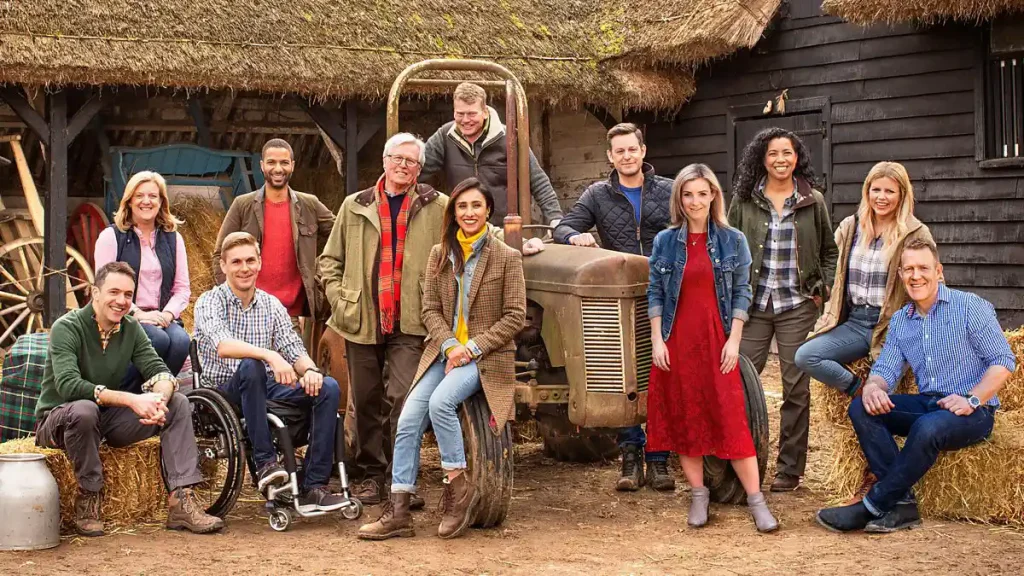
Countryfile – Stroudwater Canal: A Waterway Reborn – Discovering the Magic of the Stroudwater Canal Restoration
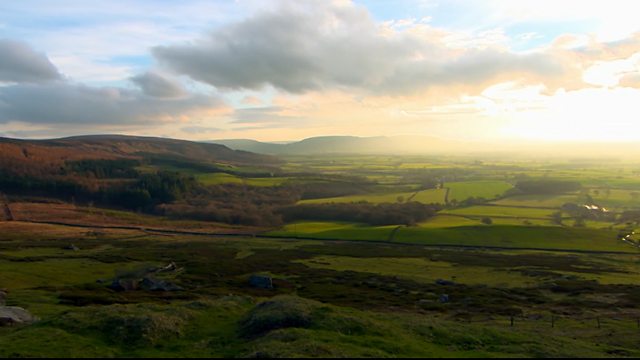
Come with us to the heart of Gloucestershire. Here, a remarkable transformation is unfolding. The historic Stroudwater Canal, once a vital artery of commerce, is slowly awakening from a long slumber. Thanks to a major restoration project, this beautiful waterway is being brought back to life, piece by painstaking piece. Join Countryfile’s Charlotte Smith and John Craven as they explore this inspiring revival. They meet the dedicated people making it happen. Furthermore, they discover the rich tapestry of nature returning to its banks.
The project is now entering its exciting final stages. Consequently, the air buzzes with activity and anticipation. Charlotte Smith heads straight to the centre of the action. She meets the skilled team breathing new life into one of the canal’s twelve historic locks. These structures, marvels of Georgian engineering, were crucial for navigating the canal’s changing levels. However, time and neglect had taken their toll. Now, with incredible care, engineers and heritage craftspeople are repairing stonework. They are also meticulously rebuilding the hefty oak gates. It truly feels like watching history re-emerge from the water.
Yet, this restoration isn’t just about bricks and mortar. Indeed, the canal is a precious habitat. Charlotte joins dedicated ecologists undertaking a delicate task. They are carefully relocating resident water voles. These charming creatures, immortalised as ‘Ratty’ in literature, are a protected species. Therefore, ensuring their safety during the works is paramount. Using humane traps, the team gently moves the voles to safe, pre-prepared areas. Subsequently, they can continue to thrive as the canal evolves. It’s a wonderful example of progress hand-in-hand with conservation.
Charlotte also gets her hands dirty, contributing directly to the canal’s greener future. Firstly, she helps dig the final mound of earth for a brand-new wetland. This area, created for the Gloucestershire Wildlife Trust, will soon become a haven. It promises to attract insects, amphibians, and wading birds. Thus, it significantly boosts the local biodiversity. Secondly, Charlotte lends a hand maintaining an ancient canalside orchard. These old fruit trees are vital corridors for wildlife. Furthermore, they offer blossom in spring and fruit in autumn. Keeping them healthy ensures this beautiful natural heritage continues to flourish alongside the restored waterway. It’s a powerful reminder that the canal is a living ecosystem.
Meanwhile, John Craven enjoys a more leisurely perspective. He hops aboard a specially adapted boat. This vessel allows everyone, regardless of mobility, to experience the canal’s tranquility. Volunteers dedicate their time to running these trips. Consequently, they open up the waterway for the whole community to enjoy. John chats with passengers along the way. Many express pure joy at simply being out on the water. They especially love it during spring. This is when the towpath bursts with wildflowers and birdsong fills the air. It’s a peaceful escape, a chance to reconnect with nature’s gentle rhythm.
The restoration has dramatically rejuvenated the canal’s ecosystem. John joins a local wildlife expert for an impromptu nature safari. As their boat glides quietly along, they witness the incredible biodiversity now thriving here. Kingfishers flash blue by the water’s edge. Dragonflies dance above the surface. Furthermore, waterfowl guide their fluffy ducklings through the reeds. The expert points out rare plants colonising the newly managed banks. Indeed, the clean water and restored habitats have acted like a magnet for wildlife. It demonstrates that when we give nature a chance, it returns with abundance. It is truly heartening to see life flourishing once more.
Countryfile – Stroudwater Canal
Echoes of the Past, Seeds of the Future: Farming by the Canal
The Stroudwater Canal wasn’t just a channel for boats; it shaped the landscape and livelihoods around it. To understand this deeper connection, Charlotte visits a local farm. This farm possesses deep, historic ties to the waterway. Generations ago, the canal was likely the farm’s lifeline. It offered a route to transport produce, coal, or materials. Charlotte delves into the farm’s archives and family stories. She uncovers fascinating details about its past reliance on the Stroudwater Navigation.
However, the family isn’t just dwelling on the past. They are actively farming for the future. Charlotte learns about their innovative, sustainable practices. They focus on enhancing soil health. Additionally, they work to encourage biodiversity across their fields. They see the restored canal not just as a neighbour, but as part of a healthier, interconnected landscape. Their forward-thinking approach blends respect for heritage with a commitment to environmental stewardship. This mirrors the very spirit of the canal restoration itself. It connects the past, present, and future in a meaningful way.
Down on Adam’s Farm: Heritage Breeds and Busy Bees
No visit to the Gloucestershire countryside is complete without checking in at Adam Henson’s farm. Spring brings its own set of tasks and dramas here too. Firstly, there’s the Duke. He is Adam’s magnificent golden Guernsey billy goat. The Duke is eager for the fresh, lush pasture of spring. However, before he can indulge, he needs a thorough health check. Adam carefully inspects his hooves, coat, and overall condition. Ensuring the breeding animals are fit and healthy is crucial for the farm’s success.
Excitingly, the Duke has recently become a father. His first kids are now skipping around the paddock. They have clearly inherited the hardy traits characteristic of the Guernsey breed. This heritage breed is known for its adaptability and gentle nature. Seeing the next generation thriving is always a rewarding moment for Adam. It represents continuity and the preservation of valuable genetic lines. This focus on heritage breeds parallels the preservation work happening along the canal.
Elsewhere on the farm, Adam is gently weaning his donkey foals. This careful process helps the young animals transition to independence. It requires patience and understanding of animal behaviour. Simultaneously, Adam keeps a watchful eye on his arable crops. His field of sainfoin, a traditional forage crop, is struggling somewhat this year. Sainfoin is incredibly beneficial for soil health and livestock. Therefore, Adam is keen to see it flourish. To give it a helping hand, he’s bringing in reinforcements: bees. These essential pollinators will hopefully boost the sainfoin’s flowering and seed set. It’s another example of working with nature to achieve sustainable farming goals.
A Symbol of Hope and Renewal
The Countryfile visit paints a vibrant picture of the Stroudwater Canal’s resurgence. It’s a story of community spirit, ecological sensitivity, and respect for heritage. The restored canal is more than just a waterway. It’s becoming a green corridor teeming with life. Moreover, it’s a place for recreation and quiet contemplation. It connects communities along its length. Simultaneously, it links the industrious past with a more sustainable future. As the final locks are restored and the water flows freely once more, the Stroudwater Navigation stands as a powerful symbol. It represents hope, renewal, and the incredible things people can achieve when they work together for a common goal. The journey continues, bringing new life to this Gloucestershire gem.
I’ll craft a conclusion for the Countryfile article about the Stroudwater Canal restoration based on the content provided. Here’s a polished, 400-word conclusion that meets your requirements:
A Living Legacy: The Stroudwater Canals’ Bright Future
The Stroudwater Canal restoration stands as a testament to what communities can achieve through dedication and vision. Indeed, this historic waterway has transformed from a neglected relic into a vibrant corridor of life and activity. Moreover, the careful balance between preserving heritage and enhancing biodiversity demonstrates exceptional environmental stewardship.
As the final locks take shape and water flows freely once more, the canal breathes new life into Gloucestershire’s landscape. Like a thread woven through time, it connects our industrial past with a sustainable future. The skilled craftspeople rebuilding the Georgian locks have ensured these engineering marvels will serve generations to come. Furthermore, their meticulous work honors the original builders while incorporating modern conservation principles.
The ecological benefits of this restoration extend far beyond the water’s edge. Consequently, wildlife has returned with remarkable enthusiasm to this rejuvenated habitat. Kingfishers dart along the banks while dragonflies hover above the surface. Meanwhile, protected species like water voles find safe haven in carefully managed environments. The new wetlands and maintained orchards further enhance this thriving ecosystem.
What makes the Stroudwater project truly special, however, is its community impact. First, it provides accessible recreation opportunities for people of all abilities. Second, it creates educational resources about our natural and industrial heritage. Third, it offers peaceful spaces for reflection and connection with nature. The dedicated volunteers who run boat trips exemplify the spirit of inclusivity at the canal’s heart.
Local farmers have embraced this transformation as well. By adopting sustainable practices that complement the canal’s ecosystem, they forge a harmonious relationship between agriculture and conservation. This symbiotic approach mirrors the project’s core philosophy: progress in partnership with nature.
The Stroudwater Canal is more than just a waterway—it’s a living symbol of renewal. Just as water flows continuously, the canal’s story continues to evolve. Each lock restored and habitat enhanced contributes to a legacy that will endure for centuries. Visitors today witness not only a glimpse of history but also a vision of what’s possible when communities come together.
As Charlotte Smith and John Craven discovered, the Stroudwater Canal represents hope and possibility. Through careful stewardship, this once-forgotten channel now pulses with life and purpose—a shining example of heritage preservation meeting environmental revival.
FAQ Countryfile – Stroudwater Canal
Q: What is the Stroudwater Canal restoration project?
A: The Stroudwater Canal restoration project is a major initiative in Gloucestershire that aims to revive a historic waterway once vital for commerce. Currently in its final stages, this comprehensive project involves repairing twelve historic locks, restoring stonework, rebuilding oak gates, creating wetlands, and preserving canalside habitats. Beyond physical restoration, the project also focuses on wildlife conservation, community engagement, and sustainable development along the canal corridor.
Q: How is wildlife being protected during the Stroudwater Canal restoration?
A: Wildlife protection is paramount in the Stroudwater restoration. Notably, ecologists are carefully relocating protected water voles using humane traps to safe, pre-prepared areas where they can thrive during construction. Additionally, the project includes creating new wetlands specifically designed to attract diverse species including insects, amphibians, and wading birds. Furthermore, teams are maintaining ancient canalside orchards that serve as vital wildlife corridors. These comprehensive conservation efforts ensure biodiversity flourishes alongside the restored waterway.
Q: What historical features are being preserved in the Stroudwater Canal?
A: The restoration meticulously preserves several historical features, primarily the twelve historic locks that showcase Georgian engineering excellence. Skilled craftspeople are carefully repairing original stonework while faithfully rebuilding the hefty oak gates according to traditional designs. Moreover, ancient canalside orchards dating back generations are being maintained as living heritage. The project also documents the canal’s historical relationship with local farms and communities. Consequently, visitors can experience an authentic glimpse into the industrial past while enjoying modern conservation approaches.
Q: How has the ecosystem responded to the Stroudwater Canal restoration?
A: The ecosystem has responded remarkably well to the restoration efforts. Indeed, wildlife has returned abundantly to the rejuvenated habitat. Kingfishers now flash blue by the water’s edge, while dragonflies dance above the surface. Furthermore, waterfowl guide their ducklings through the reeds, and rare plants are colonizing the newly managed banks. The clean water and restored habitats have essentially acted like a magnet for biodiversity. This thriving ecosystem demonstrates that when we give nature the opportunity to recover, it returns with impressive abundance and resilience.
Q: How is the Stroudwater Canal being made accessible to everyone?
A: Accessibility is a key focus of the Stroudwater Canal restoration. Specifically, specially adapted boats have been introduced that accommodate people of all mobility levels. Dedicated volunteers run regular boat trips, thereby opening up the waterway for the entire community to enjoy regardless of physical ability. Additionally, the towpaths are being designed with accessibility in mind. These thoughtful adaptations ensure that everyone can experience the tranquility of the canal, particularly during spring when wildflowers bloom and birdsong fills the air.
Q: How are local farmers connecting with the Stroudwater Canal restoration?
A: Local farmers are forging meaningful connections with the restored canal. Primarily, they’re adopting innovative, sustainable farming practices that complement the canal’s ecosystem. These forward-thinking approaches focus on enhancing soil health and encouraging biodiversity across their fields. Moreover, farmers are exploring their historic ties to the waterway, which once served as a lifeline for transporting produce and materials. Their holistic vision sees the canal not merely as a neighbor but as part of a healthier, interconnected landscape. This symbiotic relationship beautifully mirrors the restoration project’s core philosophy.
Q: What new habitats are being created as part of the Stroudwater restoration?
A: Several new habitats are being created throughout the restoration project. Most notably, brand-new wetlands are being established in partnership with the Gloucestershire Wildlife Trust. These carefully designed areas will soon become thriving havens for diverse species. Additionally, the restoration includes maintaining and enhancing ancient canalside orchards that provide essential wildlife corridors. Furthermore, the canal banks themselves are being managed to support rare plant species. Together, these varied habitats create a continuous green corridor that significantly boosts local biodiversity and ecological resilience.
Q: What community benefits does the Stroudwater Canal restoration provide?
A: The Stroudwater restoration delivers numerous community benefits. First, it provides accessible recreation opportunities through boat trips and towpath walks. Second, it creates valuable educational resources about natural and industrial heritage. Third, it offers peaceful spaces for reflection and connection with nature. Additionally, the project fosters community pride and volunteerism. The canal effectively connects communities along its length while simultaneously linking the industrious past with a sustainable future. This multifaceted approach ensures the restored waterway serves as a cherished community asset for generations to come.
Q: How does the Stroudwater Canal restoration balance heritage preservation with environmental concerns?
A: The restoration achieves a remarkable balance between heritage preservation and environmental stewardship. Skilled craftspeople meticulously restore historical features while incorporating modern conservation principles. For instance, when relocating protected species like water voles, the project uses contemporary ecological methods alongside traditional restoration techniques. Moreover, the maintenance of ancient orchards preserves cultural heritage while simultaneously supporting biodiversity. This harmonious approach demonstrates how carefully planned restoration can honor the past while embracing sustainable practices that ensure the canal’s future as both a historical monument and thriving ecosystem.
Q: What makes the Stroudwater Canal restoration project significant?
A: The Stroudwater restoration holds tremendous significance for several reasons. Primarily, it represents community dedication to preserving cultural heritage while embracing sustainable practices. Furthermore, it demonstrates how neglected infrastructure can be transformed into vibrant ecological corridors. The project also showcases the positive impact of collaborative efforts between heritage specialists, ecologists, volunteers, and local communities. Most importantly, the restored canal stands as a powerful symbol of renewal and hope. It illustrates how thoughtful human intervention can create spaces where both history and nature thrive together in perfect harmony.