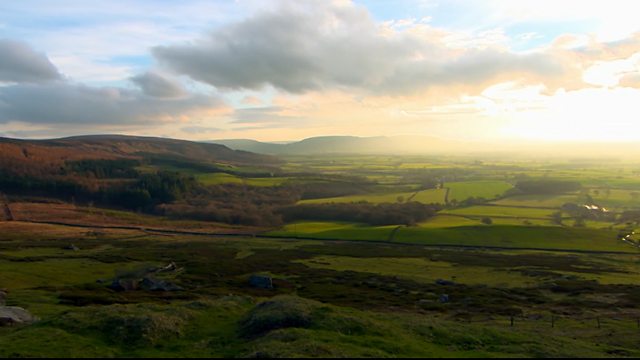
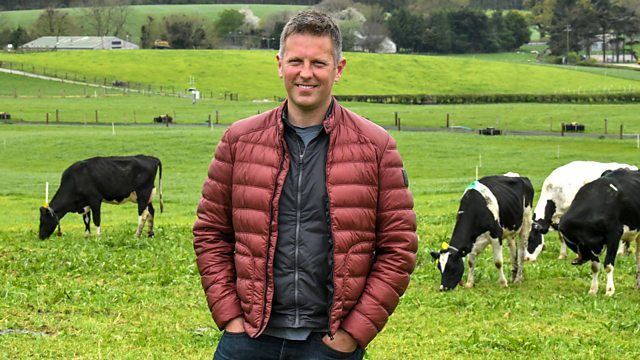
Countryfile – Supreme Championship: In the heart of Wales, a quiet drama is about to unfold. Imagine lush, green hillsides stretching towards a clear sky. This is Wrexham, a land steeped in history and natural beauty. Here, on the breathtaking Brynkinalt Estate, a legendary event takes place. Countryfile’s Matt Baker and Charlotte Smith are present to guide us. They are here for the biggest day in the sheepdog trialling calendar. In fact, they are witnessing the final test of a year-long journey. The air is electric with nervous energy. The Supreme Championship has finally arrived, bringing with it immense pressure and prestige.
This is more than just a competition; it is a living tradition. Sheepdog trialling is an art form passed down through generations. It celebrates the incredible bond between a handler and their dog. Moreover, it showcases a silent language built on trust and mutual respect. A simple whistle or a quiet word can convey complex commands. The dog, in turn, responds with astonishing intelligence and instinct. This partnership is like a beautiful, intricate dance. It has been honed over countless hours in all weathers. Ultimately, their shared goal is to move a flock of sheep with quiet precision and care.
The journey to the Supreme is a true marathon of endurance. Handlers and their dogs have battled through a full year of qualifying trials. These tough competitions take place all across the UK and Ireland. From the rugged highlands of Scotland to the green fields of Ireland, they have proven their worth. However, only the very best earn a place here. Months of relentless training have led them to this single moment. All the early mornings and late nights have been for this one chance. Consequently, every participant on the field is already a champion in their own right.
At the center of this world are the handlers and their remarkable dogs. The handlers are often quiet, observant individuals. Their deep understanding of the land is etched on their faces. They possess a patience that seems almost limitless. Their canine partners, on the other hand, are dynamos of focused energy. These dogs, mostly Border Collies, are born with an innate herding instinct. Yet, this raw talent is carefully sculpted by their handlers. The result is a creature of breathtaking skill. The dogs move with the grace of a predator but the gentle touch of a shepherd, a perfect blend of power and control.
The stunning Brynkinalt Estate is not merely a backdrop. Instead, the landscape itself becomes an active participant in the trial. Its rolling terrain and natural obstacles present a unique challenge. The sheep know this ground intimately. Therefore, they can be unpredictable and stubborn. The dog and handler must work together to read the land and anticipate the flock’s movements. Matt Baker and Charlotte Smith explore this beautiful setting. They reveal how the historic estate provides the perfect, dramatic stage for this ultimate test of skill. Every gust of wind and every dip in the land can change the course of a run in an instant.
As the trials begin, a hush falls over the watching crowd. You can feel the intense concentration in the air. Each trial is a symphony of coordinated effort. First, the dog performs the ‘outrun’, a wide, arcing sprint to get behind the sheep. Then comes the ‘lift’, a gentle maneuver to get the flock moving. With incredible precision, the dog guides the sheep through a series of gates. This ‘fetch’ demonstrates perfect control over great distances. Later, the handler and dog must separate specific sheep from the flock. Finally, they must guide the remaining animals into a small pen, a delicate and tense conclusion.
Countryfile – Supreme Championship
Matt and Charlotte provide wonderful insight throughout the day. They speak with the dedicated handlers, sharing their personal stories. We learn about the unique personalities of the incredible sheepdogs. Through their eyes, we understand the immense skill on display. It is not about speed, but about quiet efficiency and empathy. For example, a dog that frightens the sheep will lose points. This sport values calm authority above all else. Consequently, the Countryfile team helps us appreciate the subtle teamwork that defines a champion. Their commentary brings the entire experience to life for viewers at home.
The tension builds as the final competitors take to the field. Each run is scrutinized by sharp-eyed judges. Every whistle and every movement matters. The connection between handler and dog is now more critical than ever. It is a partnership tested under the most intense pressure imaginable. After a long day of incredible performances, the scores are tallied. Only one team can be crowned the winner. The moment the Supreme Champion is announced is one of pure, unbridled emotion. It is a moment of triumph, relief, and profound respect from all who have competed.
In the end, this event is a powerful celebration of our rural heritage. It honors the timeless connection between humans, animals, and the land we share. Months of tireless training and a year of grueling qualifiers have all led to this final showdown. Here in Wrexham, against the majestic scenery of the Brynkinalt Estate, a new champion is born. It is a testament to skill, instinct, and a truly unbreakable bond. This is what it takes to walk away as the Supreme Champion, the very best of the best.
The annual Countryfile – Supreme Championship represents the pinnacle of the sheepdog trialling calendar, a thrilling showcase where skill, patience, and partnership are pushed to their absolute limits. Set against the rural backdrop of the Brynkinalt Estate near Wrexham, this prestigious event is the one all competitors work towards throughout the year. It is a competition steeped in history and legacy, attracting the most skilled sheepdogs and handlers from across England, Ireland, Scotland, and Wales. Here, in a demanding test of precision, both human and canine athletes vie for the coveted title of Supreme Champion.
This championship is the culmination of a year-long journey. The road to the final is a grueling one, beginning with approximately 1,300 handlers and their dogs battling through tough qualifying rounds across the four nations. This vast pool of talent is gradually whittled down, with only 60 earning a place in the semifinals. From there, the pressure intensifies as competitors chase a coveted spot among the top 15, who alone get the chance to compete for the ultimate prize in the grand final. The event carries a legacy stretching back nearly 120 years, honoring a tradition where competitors fight for the honor of simply being present.
The Countryfile – Supreme Championship is more than just a contest; it is a profound display of the unique bond between a handler and their dog. The competition course is designed to test every facet of this working relationship, from the dog’s instinct and intelligence to the handler’s strategic commands. Success depends on seamless communication, often conveyed through a complex series of whistles that carry across vast distances. Competitors must navigate not only the intricate course but also the unpredictable nature of the sheep, making each run a unique and tense spectacle.
At the heart of the competition is the remarkable Border collie, a breed renowned for its intelligence, focus, and innate herding ability. These dogs are not merely following orders; they are active partners, anticipating moves and reacting with incredible speed and agility. Their role requires them to be both powerful enough to command respect from the flock and gentle enough to guide them without causing distress. This balance is a testament to years of training and a deep, instinctual understanding of livestock.
The sheep themselves are a critical element of the trial. For this event, organizers use Welsh Mountain sheep, a hardy breed known for its resilience and, at times, stubbornness. This choice ensures a true test for the dogs, as a placid flock would not adequately challenge their skills. The behavior of the sheep can make or break a competitor’s run, meaning a handler and dog must be prepared to adapt to a constantly changing situation. Each run is packed with strategy and heart, where one difficult ewe can undo an otherwise perfect performance.
Ultimately, the competition unfolds as a series of meticulously designed tasks, each with its own point value. The judges, one from each of the four nations, scrutinize every phase of the run, from the initial gathering of the flock to the final penning. To succeed, a team must demonstrate flawless execution across a range of disciplines, all while racing against a ticking clock. This structured challenge provides a framework for what is, at its core, a beautiful and dynamic interaction between human, dog, and livestock.
The Intricate Rules of the Semifinal Course
The semifinal round serves as the critical gateway to the final, designed to test the core skills of each partnership under significant pressure. Each competitor is allotted just 15 minutes to complete the course with a packet of five fresh sheep. The trial begins with the outrun, where the dog must run wide in a pear-shaped path to approach the sheep from behind without disturbing them, an action worth up to 20 points.
Following the outrun is the lift, a delicate moment where the dog first makes contact with and moves the sheep, scored out of ten. Next, the dog must complete the fetch, guiding the flock 400 yards in a straight line through a set of gates. This phase is worth a maximum of 20 points and requires perfect control. After passing through the gates, the dog brings the sheep around the handler’s post, transitioning immediately into the next phase.
The most substantial part of the course is the drive, where the dog steers the sheep along a 450-yard triangular route through two more sets of drive gates, a task worth up to 30 points. The final stages demand extreme precision. At the shedding ring, the handler and dog must separate two uncollared sheep from the group, earning ten points. The entire group is then reunited and must be guided into a small pen, also worth ten points. If time permits, the run concludes with the single, where one of the collared sheep is isolated from the rest for a final ten points.
The Ultimate Challenge of the Supreme Championship Final
While the semifinal is demanding, the final of the Countryfile – Supreme Championship elevates the challenge to an entirely new level. The course is significantly larger, and the time limit is doubled to 30 minutes. Instead of one small packet of sheep, handlers and dogs must manage two separate groups, totaling twenty animals. This modification fundamentally changes the nature of the trial, testing endurance and the ability to control a much larger, more complex flock.
The final begins with a double-gather, a formidable task not seen in the semifinals. The dog must perform two separate, long-distance outruns to collect ten sheep from one location, bring them part of the way down the course, and then leave them to perform a second outrun to gather another ten. The two packets must then be skillfully merged into a single flock. This complex sequence, including the outruns, lifts, and fetches, is collectively worth 100 points.
With the full flock of twenty sheep united, the dog then undertakes a massive 600-yard drive through two gates, a task requiring immense control and stamina, worth 40 points. The shedding phase is also far more difficult; instead of separating just two sheep, the team must shed fifteen unmarked sheep away from the five wearing collars, a task worth 20 points. The final act is to pen the five remaining collared sheep, earning a final ten points for a maximum possible score of 680.
Profiles in Partnership: The Handlers and Their Dogs
The competitors at the Supreme Championship represent a diverse group of individuals united by their passion for sheepdog trialling. Among them is Derek Scrimgeour, a Scottish-born veteran representing England. With 23 appearances at the national level with 12 different dogs, he brings decades of experience, having judged trials and even authored a book on the subject. He notes that the sport has evolved, with more hobbyists now competing against traditional farmers, often bringing a more polished, practiced approach. His calm focus is key, as he believes a dog can sense a handler’s tension.
Another compelling story is that of Mirjam Lettner, an Austrian native who represents Ireland. A director of services for a disability provider, her journey into trialling began after she witnessed a shepherd working his dog on a holiday in Scotland. Starting as a complete novice with a puppy, she learned the craft from the ground up and eventually moved to Ireland. Her dog, a six-and-a-half-year-old Border collie named Toryhill Joe, is her trusted partner, and their deep bond is evident in their focused teamwork on the field.
The finalists themselves are a testament to dedication. Ben Smith, representing England, reached the Supreme final for the second consecutive year with his dog, Roy. While Roy is accustomed to working massive flocks of over 1,000 sheep on the farm, Ben notes that the precision required for a trial is a different discipline. To keep Roy in peak physical condition, Ben has utilized modern training techniques, including hydrotherapy sessions on a water treadmill to build stamina without stressing his joints.
The Unsung Stars of the Competition
Behind the thrilling runs and focused competitors lies a complex logistical operation and a crucial cast of four-legged participants: the sheep. The event, hosted at the scenic Brynkinalt Estate, relies on Welsh Mountain sheep sourced from the farm of the event’s Welsh president, Glyn Jones. This breed, known in Welsh as Defaid Mynydd Cymreig, is perfectly suited for the trial. As hardy hill animals, they possess a spirited and sometimes unpredictable nature that provides a genuine test of a dog’s ability to read and control livestock.
The welfare of the sheep is paramount. To ensure fairness, each competitor in the early rounds works with a group of five fresh sheep that have not been on the course before. This prevents later competitors from having an advantage with sheep that are already accustomed to the pattern. The animals are transported the short distance from their home farm and given time to acclimate to the new environment. An entire team, led by figures like Doug and his dog Cassie, works behind the scenes to manage the sheep, ensuring each group is ready for its turn.
Organizing the Countryfile – Supreme Championship is a monumental task that begins two years in advance. A dedicated local committee of more than 30 volunteers, led by Glyn Jones, handles everything from fundraising to course design. Setting up the field is not as simple as placing gates at standard distances; the natural dips and hollows of the Brynkinalt Estate terrain must be carefully considered to ensure the course is both challenging and fair for every competitor. This meticulous planning is essential for an event that draws enthusiasts from around the world.
The Climactic Final Showdown
The final day of competition is charged with anticipation as the top 15 teams face the ultimate test. Among the favorites are Welsh handlers Kevin Evans, the reigning champion who has won the title five times, and Dewi Jenkins, nicknamed the “Welsh Wizard.” The weather itself can become a competitor; a sudden shift in wind can make it difficult for a dog to hear whistles from over 700 yards away, and rain can alter how the sheep behave, sometimes steadying a flighty flock.
Kevin Evans experienced this firsthand during his run with his first dog, Kemi Jack, as rising winds and rain created communication challenges that led to lost points. However, with two dogs in the final, he had another chance to secure the title. Ben Smith and Roy delivered a strong, patient performance, skillfully completing the difficult shedding and penning phases to finish in a very respectable fifth place, also earning the trophy for the highest-scoring English team.
Ultimately, the day belonged to Dewi Jenkins and his dog, Clwyd Bob. They delivered a dazzling, fast-paced run that demonstrated near-perfect control and teamwork, earning a remarkable score of 611 out of a possible 680. The results placed Kevin Evans and his second dog, Bryn Moel Jet, in the reserve champion position. For Dewi Jenkins, it was a career-defining moment, as he claimed his very first Supreme Champion title, cementing his reputation as one of the sport’s finest handlers.
A Legacy Written in Whistle and Wind
The Countryfile Supreme Championship is far more than a contest of technical prowess—it’s a living testament to what endures when tradition meets dedication. As Dewi Jenkins raised his arms in triumph at Brynkinalt Estate, his victory celebrated not just one handler and one remarkable dog, but an entire ecosystem of passion that spans four nations and nearly 120 years of heritage.
What makes this championship so compelling isn’t merely the spectacle of Border Collies racing across Welsh hillsides or the nail-biting tension of a difficult shed. It’s the profound reminder that some partnerships transcend language entirely. When Dewi communicated with Clwyd Bob across 700 yards of wind-swept terrain, he wielded the same silent vocabulary that generations of handlers before him perfected—a lexicon of whistles, gestures, and unshakeable trust. In our hyperconnected world of instant messaging and constant noise, there’s something deeply moving about watching communication stripped to its most essential form: two beings working as one toward a shared purpose.
The journey from 1,300 hopeful competitors to a single champion mirrors life itself—a marathon of preparation, resilience through setbacks, and the understanding that excellence emerges from countless unglamorous hours. Derek Scrimgeour’s 23 appearances with 12 different dogs tell us that mastery isn’t a destination but a continuous conversation between experience and humility. Mirjam Lettner’s transformation from awestruck tourist to Irish representative proves that passion can bridge any gap, whether geographic or experiential. These aren’t just feel-good stories; they’re blueprints for anyone pursuing excellence in any field.
The Welsh Mountain sheep deserve their own recognition here. Their spirited unpredictability ensures that no two runs are identical, that memorization never replaces genuine skill. They remind us that the best tests aren’t sanitized or scripted—they’re beautifully, frustratingly real. The logistical ballet behind the scenes, from Glyn Jones’s two-year planning cycle to Doug’s careful sheep management, underscores a truth often forgotten: spectacular moments rest on foundations of meticulous, invisible work.
As climate patterns shift and rural communities evolve, events like the Supreme Championship become increasingly vital cultural anchors. They preserve practical knowledge that cities cannot teach and celebrate skills that algorithms cannot replicate. When Ben Smith conditions Roy on a water treadmill, he’s not just training a dog—he’s adapting ancient practices with modern tools, ensuring this art form remains vibrant and relevant.
For those who’ve never witnessed sheepdog trialling, seek it out. Whether at a local competition or through Countryfile’s expert lens, you’ll discover a sport that rewards patience over speed, empathy over dominance, and partnership over individual brilliance. These are lessons our fractured world desperately needs.
The Supreme Champion trophy will pass to new hands next year, as it has for over a century. But the values it represents—dedication, trust, and the quiet magic that happens when two species truly understand each other—those remain eternal. In the end, that’s the real championship: not just winning, but honoring the bond that makes winning possible.
FAQ Countryfile – Supreme Championship
Q: What is the Countryfile Supreme Championship and why is it significant?
A: The Countryfile Supreme Championship represents the pinnacle of sheepdog trialling, held annually at Brynkinalt Estate near Wrexham, Wales. This prestigious event crowns the ultimate champion from among the most skilled handlers and Border Collies across England, Ireland, Scotland, and Wales. With a legacy spanning nearly 120 years, it serves as the culmination of a year-long journey where approximately 1,300 competitors battle through qualifying rounds. Only the top 15 finalists earn the right to compete for this coveted title, making it the most respected and challenging event in the sheepdog trialling calendar.
Q: How does the qualification process work for the Supreme Championship?
A: The qualification process is exceptionally rigorous and spans an entire year. Initially, around 1,300 handlers and their dogs compete in qualifying trials across the four nations. This vast field is gradually narrowed down to just 60 teams who earn places in the semifinals. From there, the pressure intensifies as competitors vie for one of only 15 coveted spots in the grand final. This systematic elimination ensures that only the most skilled, consistent, and dedicated partnerships reach the ultimate test at Brynkinalt Estate, making every finalist already a champion in their own right.
Q: What makes Welsh Mountain sheep particularly challenging for sheepdog trials?
A: Welsh Mountain sheep, known in Welsh as Defaid Mynydd Cymreig, are specifically chosen for their spirited and unpredictable nature. As hardy hill animals, they possess a resilience and stubbornness that provides a genuine test of a dog’s ability to read and control livestock. Unlike placid breeds that might make trials too easy, these sheep can be willful and require dogs to demonstrate both commanding presence and gentle guidance. Furthermore, their behavior can vary dramatically between runs, meaning handlers and dogs must adapt constantly. One difficult ewe can completely undo an otherwise flawless performance, ensuring that every trial remains a true test of skill rather than mere routine.
Q: What are the key differences between the semifinal and final courses?
A: The final course dramatically escalates the challenge compared to semifinals. While semifinalists work with five sheep in 15 minutes, finalists must manage twenty sheep across 30 minutes. The final introduces a double-gather, requiring two separate long-distance outruns to collect and merge two groups of ten sheep each. Additionally, the drive distance increases from 450 yards to 600 yards. The shedding task becomes exponentially harder, requiring teams to separate fifteen unmarked sheep from five collared ones, compared to just two sheep in the semifinal. Consequently, the maximum score jumps from 110 points to 680 points, reflecting the substantially increased complexity and endurance required.
Q: How do handlers communicate with their dogs during trials?
A: Handlers rely primarily on a sophisticated system of whistles that can carry across vast distances, sometimes exceeding 700 yards. Each whistle command conveys specific instructions, forming a complex silent language built on years of training and mutual trust. However, weather conditions significantly impact this communication; wind can make whistles difficult to hear, while rain may alter both audibility and sheep behavior. Beyond whistles, handlers use subtle body language and occasional quiet verbal commands. This communication requires the dog to be both obedient and intelligent enough to anticipate needs, making the partnership far more nuanced than simple command-following. Success depends on the dog sensing the handler’s intent even when conditions interfere with clear signals.
Q: What specific skills must Border Collies demonstrate during competition?
A: Border Collies must exhibit a remarkable balance of power and gentleness throughout the trial. They execute the outrun with speed and precision, approaching sheep from behind without disturbing them. During the lift, they demonstrate delicate control in initiating movement. Throughout the fetch and drive, dogs maintain perfect positioning while guiding sheep through gates across hundreds of yards. Perhaps most critically, they must read livestock behavior constantly, adjusting their approach to prevent panic while maintaining authority. The shedding and penning phases require surgical precision, as dogs must separate specific animals without causing distress. Dogs lose points for frightening sheep, meaning calm authority and empathy matter more than raw speed or aggression.
Q: Who are some notable competitors and what makes their stories compelling?
A: Derek Scrimgeour, a Scottish-born veteran representing England, has competed 23 times with 12 different dogs, demonstrating decades of dedication while also judging trials and authoring books on the subject. Mirjam Lettner’s journey from Austrian tourist to Irish representative showcases how passion can transform a complete novice into a national competitor. Ben Smith utilizes modern techniques like hydrotherapy on water treadmills to keep his dog Roy in peak condition, blending traditional skills with contemporary training methods. Meanwhile, Dewi Jenkins, nicknamed the “Welsh Wizard,” claimed his first Supreme Champion title with Clwyd Bob, scoring an impressive 611 out of 680 points and cementing his reputation as one of the sport’s finest handlers after years of pursuit.
Q: How does the Brynkinalt Estate terrain affect competition outcomes?
A: The Brynkinalt Estate’s rolling terrain and natural features actively participate in each trial rather than merely providing a scenic backdrop. Natural dips and hollows must be carefully considered during course design to ensure fairness and appropriate challenge levels. These landscape features can hide sheep from the dog’s view, requiring handlers and dogs to anticipate flock movements without constant visual confirmation. Every gust of wind and elevation change can dramatically alter a run’s outcome. The sheep’s intimate familiarity with the ground makes them unpredictable, as they exploit terrain advantages. Therefore, organizers spend considerable time planning gate placements and course layout, ensuring that the historic estate provides a demanding yet equitable test for all competitors.
Q: What logistical efforts support the Supreme Championship behind the scenes?
A: Organizing this championship requires a dedicated local committee of over 30 volunteers led by Welsh president Glyn Jones, beginning preparations two years in advance. They handle everything from fundraising to intricate course design tailored to Brynkinalt Estate’s unique topography. To ensure fairness, each competitor works with fresh sheep that haven’t previously run the course, preventing experienced animals from giving later competitors an advantage. Teams like Doug and his dog Cassie manage sheep logistics, transporting animals from Glyn Jones’s farm and allowing proper acclimation time. This meticulous planning and sheep welfare focus are essential for an event attracting international enthusiasts and maintaining the championship’s prestigious reputation.
Q: Why does sheepdog trialling remain culturally significant today?
A: Sheepdog trialling preserves essential rural heritage and practical knowledge that urban environments cannot replicate. It celebrates the profound bond between humans, animals, and the land through a tradition spanning nearly 120 years. As rural communities evolve and farming practices modernize, events like the Supreme Championship become vital cultural anchors connecting generations. The sport has evolved to include hobbyists alongside traditional farmers, democratizing access while maintaining rigorous standards. Moreover, it showcases communication stripped to its purest form—trust, respect, and mutual understanding transcending language. In an increasingly digital world, these trials remind us of enduring values: patience, dedication, and partnerships built through countless hours of shared work in all weather conditions.